
Review · COLD WAR & COMMUNISM TOURS
Chisinau: Discover Soviet Heritage of Transnistria
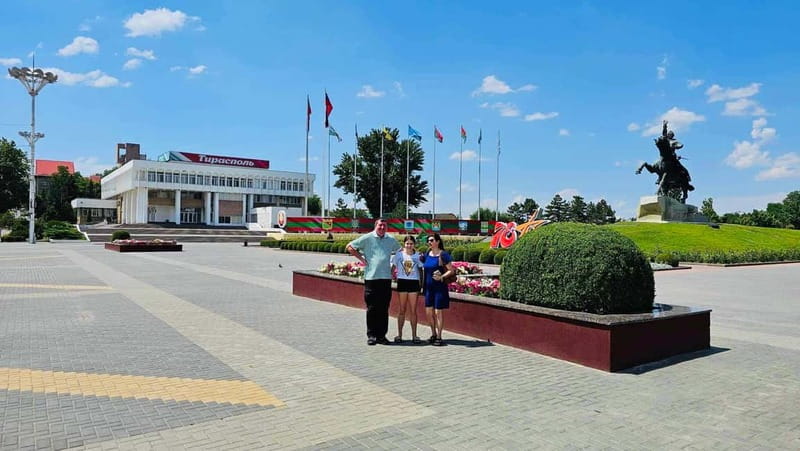
Transnistria feels like a place caught between eras. On this day trip from Chisinau, you cross into a self-declared territory that is not internationally recognized, then explore Bender Fortress and the Soviet-era streets of Tiraspol. Lenin statues, red flags, military memorials, and old public buildings are not museum pieces here. They remain part of daily life.
I like the way the tour joins two very different stories: the 16th-century fortress in Bender and the 20th-century Soviet character of Tiraspol. I also like the small group, limited to 10 people, since guides such as Natalia, Corneliu, Marcel, and Nicolai can answer questions and adjust the pace. The main drawback is practical: lunch is not included, credit cards are not accepted in Transnistria, and the border crossing adds a layer of uncertainty to the day.
Key points at a glance
- Bender Fortress: Enter a 16th-century stronghold on the Dniester River, with about 100 minutes for a guided visit and walk.
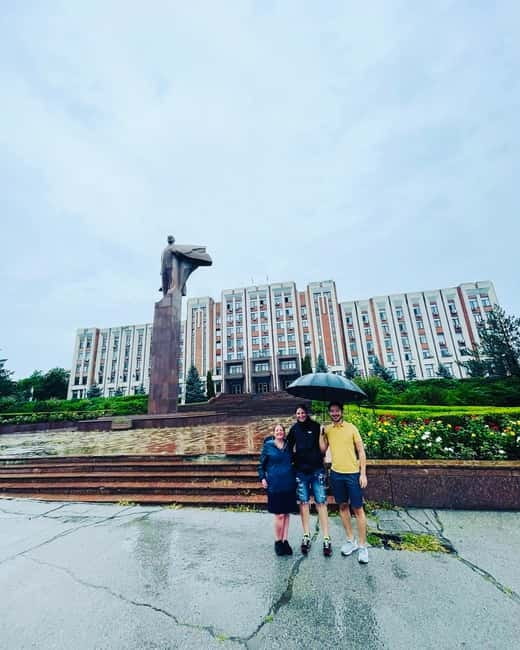
- Tiraspol on foot: See Soviet architecture, Lenin statues, the Suvorov Monument, the Tank Monument, parks, and everyday city life.
- Soviet-style lunch: Stop at a restaurant serving dishes based on Soviet-era recipes, with food paid separately.
- Small-group setting: The group is limited to 10, allowing more room for questions and possible extra stops.
- Cash and passport required: Bring your passport and local cash or euros for lunch, shopping, and souvenirs.
- Several guide languages: Tours are offered in English, Romanian, Russian, and German.
Why Transnistria feels different from an ordinary day trip
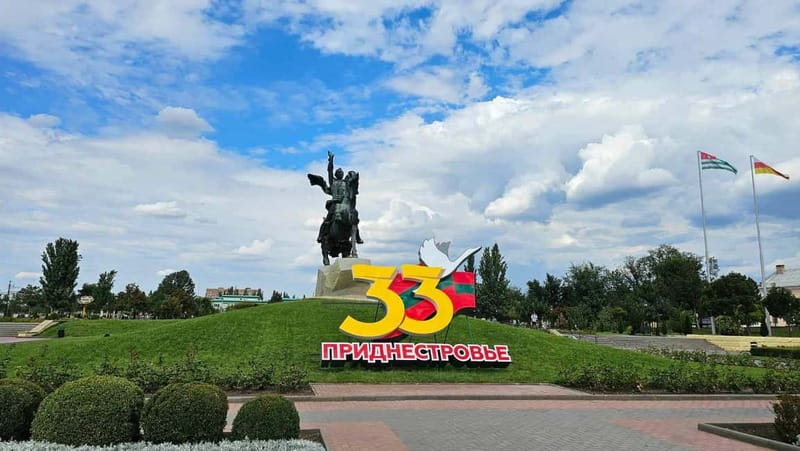
The appeal here is not polished sightseeing. It is the chance to see how Soviet symbols continue to shape public space in a place with a complicated political identity. Tiraspol presents itself as the capital of the Pridnestrovian Moldavian Republic, commonly called Transnistria in English. The territory declared independence from Moldova after the breakup of the Soviet Union, but it is not recognized as an independent country by the international community.
You do not need to arrive with a detailed grasp of the politics. A good guide will explain the background in plain language and point out where history, identity, Russian influence, and present-day power meet. Natalia was repeatedly praised for explaining both Moldova and Transnistria clearly, while Corneliu was especially appreciated for handling several languages during the day. Marcel, Nicolai, Marina, Victor, and others have also led the tour.
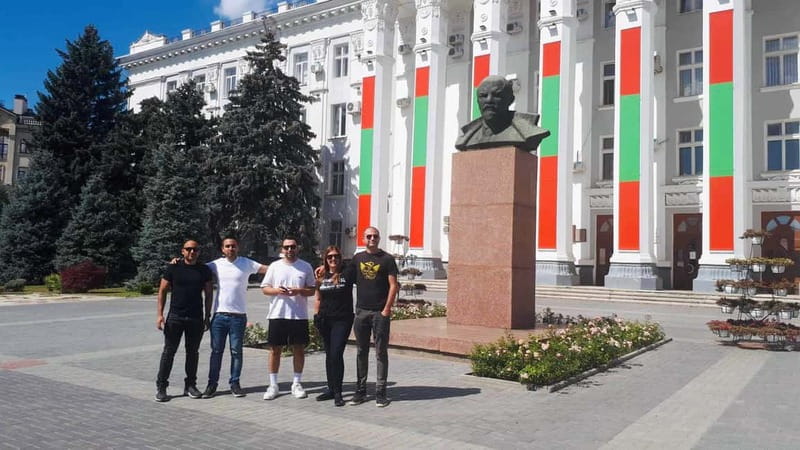
The result is more useful than simply photographing old statues. You begin to understand why the symbols remain, how local identity is presented, and how the territory wants to be seen. The guides also explain what you are looking at instead of leaving you to guess from a hammer-and-sickle emblem or a military monument.
More Cold War and Communism Tours in the world:
- Prague: Communism History and Nuclear Bunker Guided Tour
★ 4.7 · 2,417 reviews - Prague Communism History and Nuclear Bunker Tour
★ 5.0 · 1,742 reviews - Bucharest: Communism and History Guided City Walking Tour
★ 4.9 · 918 reviews
Leaving Chisinau for Bender
The tour lasts about eight hours and includes pickup and drop-off at your hotel or apartment in Chisinau. You receive the exact pickup time after booking, and you should wait in the lobby 10 minutes before departure. Transport is described as comfortable, with clean and spacious vehicles used on many departures, though one passenger reported that the rear air conditioning was weak when six people were seated there.
That detail matters in summer. A small group does not always mean a private car, so ask about the vehicle if you are sensitive to heat or need extra room. The group limit of 10 is still a useful advantage. It keeps the day more personal than a large coach tour and lets the guide respond to questions without turning every stop into a long lecture.
Bring your passport. You need it at the border, and you must not take photographs at the Transnistrian border crossing. Large professional cameras are not allowed, but a phone or small camera is permitted. This is a place to follow instructions carefully. Keep your passport accessible, stay with the group, and do not treat the border as a photo stop.
Bender Fortress and the first layer of history
Bender, also known as Tighina, sits on the Dniester River and is best known for its fortress. The stronghold dates from the 16th century, giving the morning a welcome change of pace from the Soviet focus that follows.
You have roughly 100 minutes here for a guided visit, sightseeing, and walking. That is enough time to take in the architecture, hear about the fortress’s role in the region, and get photographs without rushing through the entire day. It also helps place Transnistria in a much longer story. The territory is not only Soviet monuments and Russian symbols. Its past reaches back through Moldovan, Ottoman, and regional power struggles.
I like this pairing because the fortress prevents the tour from becoming a one-note Soviet nostalgia trip. You see an old military site first, then move into cities shaped by the Soviet period. The contrast gives the day a clearer structure.
Wear comfortable shoes. The tour includes walking in both Bender and Tiraspol, and the fortress visit is not suited to wheelchair users or people with mobility impairments. Children under three are not accepted, and the pace may be tiring for anyone who finds several hours of walking difficult.
Walking through Bender’s Soviet-era character
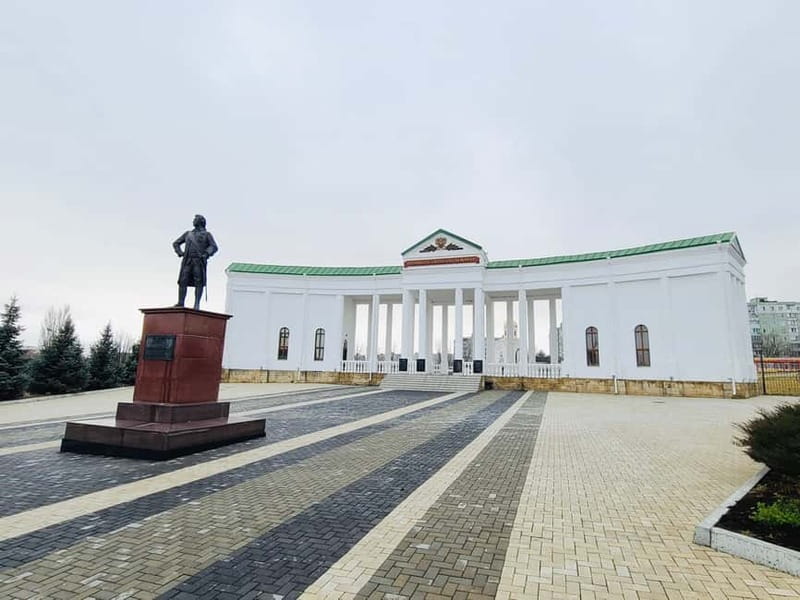
After the fortress, the tour continues through Bender. The walk is designed to show how the city looks and feels beyond its best-known monument. The guide connects buildings, statues, and public spaces to the Soviet period, helping you notice details that could otherwise pass as ordinary streets.
Do not expect a restored historic center filled with souvenir shops. The interest is in the everyday setting: old architecture, public memorials, Soviet symbols, and the way the city still carries its past. The tour works best for you if you enjoy looking at ordinary places and asking why they developed as they did.
The guide may also answer questions about present conditions, not just events from decades ago. Tuire specifically appreciated being able to discuss the territory’s history, current situation, and future. That wider conversation is important. You are not visiting a frozen museum. People live and work here, and the political story is still unfinished.
More History Tours in the world:
- New York City: American Museum of Natural History Ticket
★ 4.5 · 15,447 reviews - History and Hauntings of Salem Guided Walking Tour
★ 5.0 · 14,564 reviews - Colosseum: Underground and Ancient Rome Tour
★ 4.7 · 12,691 reviews - Lisbon: History, Stories and Lifestyle Walking Tour
★ 4.8 · 10,902 reviews
Tiraspol, Lenin, and the Soviet public square
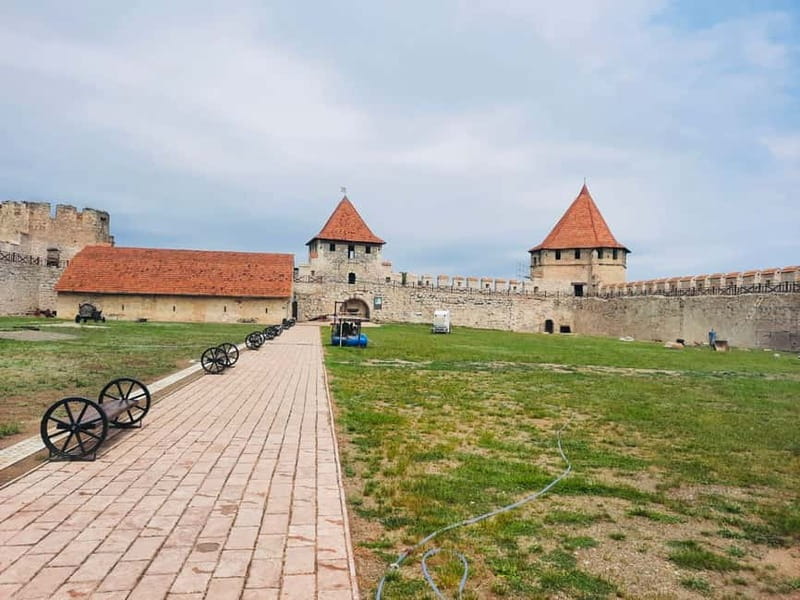
Tiraspol receives the longest stop, about three hours and 15 minutes. This includes lunch, a guided walk, shopping, and a visit to the local food market. The city is the main reason to book this experience if your interest lies in Soviet public life rather than medieval architecture.
Expect broad streets, Soviet-era buildings, monuments, parks, and official symbols. The Suvorov Monument and Tank Monument are among the major sights, while Lenin statues and Soviet flags reinforce the territory’s public identity. A mural connected with Yuri Gagarin has also been added as an extra stop on some tours, and one guide took a group to an old Soviet restaurant where visitors could dress up as Stalin.
The exact order can vary. Guides have been flexible about giving people more time at places that interest them and adding stops when the schedule allows. That flexibility is one of the strongest reasons to choose a small group. You can ask for more time at a monument, a market, or a particular photo stop instead of being pulled away by a rigid coach schedule.
Still, flexibility has limits. This is an eight-hour day with border formalities, driving, walking, and lunch. You should not expect to see every corner of Tiraspol. The goal is a well-chosen introduction, not an exhaustive city tour.
The food market and everyday life
The local food market adds an important counterpoint to the monuments. Soviet symbolism can make Transnistria seem like a stage set, but a market brings you back to ordinary life. You can see the sort of place where residents shop and get a better sense of the city beyond official buildings.
The market is also a good place to observe without overinterpreting. The guide can explain products, habits, and local context, while you get a few minutes to look around. Shopping is optional, and souvenirs are not included in the tour price.
Some departures include extra stops based on the group’s interests. One guide added a food market visit, and another suggested a Gagarin mural. You should see this as a useful possibility rather than a promise. The core experience remains Bender Fortress, Bender, Tiraspol, lunch, and the main Soviet sights.
What lunch is like, and what it costs
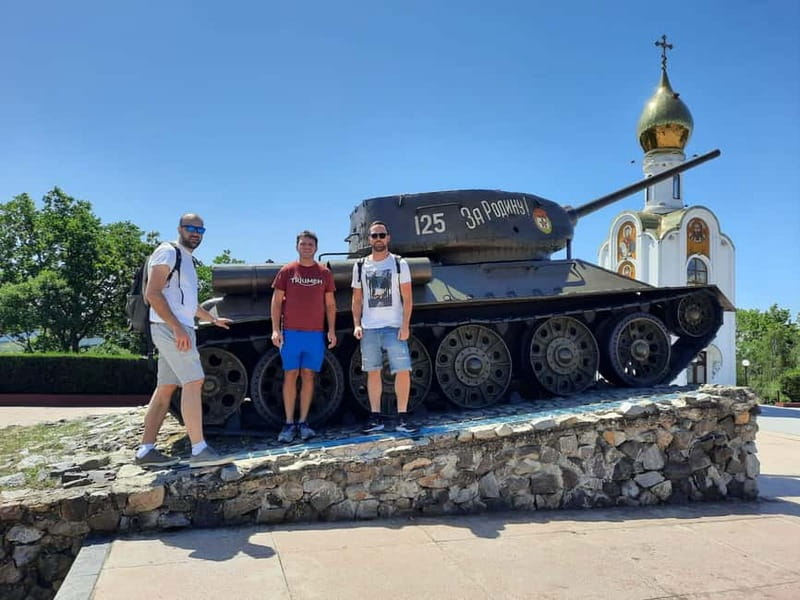
Lunch is taken at an authentic Soviet-style restaurant in Tiraspol or Bender. The food is based on Soviet recipes, and the restaurant setting adds to the time-capsule quality of the day. It is not simply a break between sights. It gives you a chance to taste the period the tour has been discussing.
Lunch is not included in the $130 price, so bring cash. One passenger suggested allowing about $15 per person for food and souvenirs, but your spending will depend on what you order and buy. Transnistria does not accept credit cards, so do not rely on a bank card at the restaurant or market.
You may be able to exchange euros or Moldovan lei for Transnistrian rubles. It is wise to ask your guide about the practical details once you arrive rather than trying to handle everything at the border. Bring enough cash for lunch, drinks, and small purchases, and keep it separate from your passport.
Is the $130 price fair?
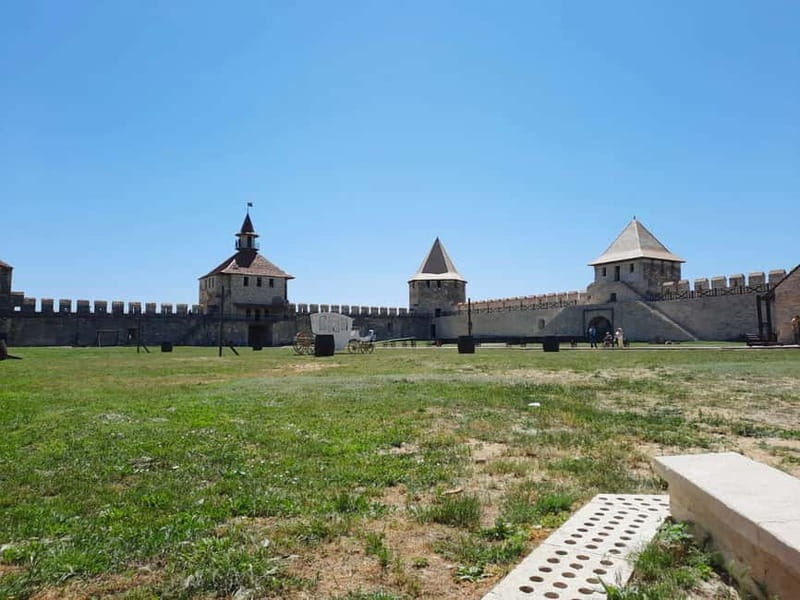
At $130 per person, this is not the cheapest way to reach Transnistria. The price includes transport from Chisinau and back, hotel pickup and drop-off, entry to Bender Fortress, and a professional guide. It also removes much of the stress of planning a border visit and arranging transport between Bender and Tiraspol.
That last point is central to the value. Several people who joined the tour felt that visiting independently would be difficult or less useful. You need to understand the border rules, carry the right documents, manage transport, and make sense of a politically sensitive place where English-language information may be limited. A guide gives the monuments and official symbols context.
The price is easier to justify if you want history, politics, and local explanation rather than a quick photo stop. It is less attractive if your main aim is simply to cross the border, walk around for an hour, and return. Lunch, souvenirs, and personal spending are extra, so budget beyond the advertised price.
The guide makes or breaks this day
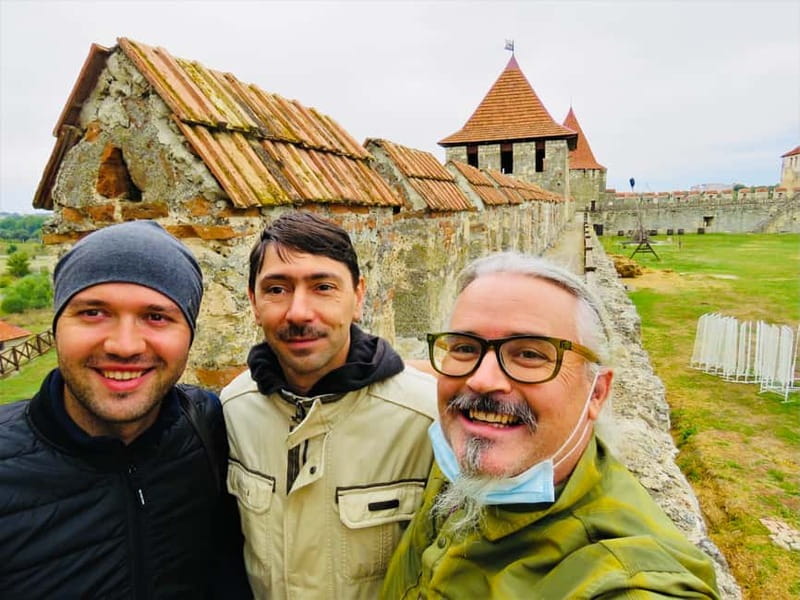
The strongest part of this tour is the guiding. Natalia is frequently singled out for her clear explanations, warmth, language skills, and ability to adapt the schedule. Corneliu is praised for being able to move between German, English, Romanian, and Russian, which is useful when a mixed group needs help in different settings.
Other guides, including Marcel, Nicolai, Nicolina, Marina, Victor, Dmitry, Ludmilla, and Valerii, have also been described as friendly, flexible, and well informed. The common thread is not a memorized list of dates. It is the ability to explain Moldova and Transnistria together, then answer questions about current life as well as the Soviet past.
Language availability is English, Romanian, Russian, and German. You should check the available language when booking if that matters to you, since the specific guide depends on the departure.
Who should book this experience?
I would choose this tour if you have already seen the main sights of Chisinau and want a day with a very different subject. It suits people interested in the Soviet Union, contested borders, military history, architecture, photography with a phone, and places that do not fit neatly into a standard sightseeing route.
It can also work for families with older children. One family found the day engaging for a 12-year-old, while the walking and political material may be less suitable for very young children. The minimum age is three, but the tour is not designed for strollers or wheelchair users.
You should think twice if you dislike border procedures, walking, old buildings, political discussion, or uncertain timing. You also need to accept that the Soviet imagery is not presented only as history. It remains part of the territory’s official identity, and your guide will help you understand that rather than turning it into a simple nostalgia show.
Practical advice before you go
Bring your passport, comfortable shoes, and cash. Do not photograph the border, do not bring a large professional camera, and avoid carrying alcohol or drugs. Pets and baby strollers are not allowed.
You can cancel up to 24 hours before departure for a full refund, and the reserve-now, pay-later option keeps your plans flexible. The experience is rated 4.9 from 311 ratings, with a 92 percent perfect score for transport, but conditions can still vary by vehicle and group size.
The tour is not suitable for wheelchair users, people with mobility impairments, children under three, or people over 95. That is not just a formal restriction: the day includes walking at a fortress, city streets, parks, and a market.
Should you book it?
Book this tour if you want to understand Transnistria through its buildings, monuments, food, and current political setting. Bender Fortress gives the day historical depth, while Tiraspol provides the unusual experience of seeing Soviet public symbols still used in ordinary city life.
The best reason to go with this operator is the combination of small-group transport and strong multilingual guiding. Natalia, Corneliu, Marcel, and the other guides have shown the flexibility needed for a place where questions often matter as much as the scheduled sights.
Skip it if you want a relaxed resort-style outing or dislike carrying cash and following border rules. For an unusual, serious, and sometimes surreal day from Chisinau, though, the $130 cost is reasonable, especially when you value explanation and dependable transport as much as the sights themselves.
FAQ
How long is the tour from Chisinau?
The experience lasts about eight hours, including pickup in Chisinau, visits to Bender and Tiraspol, and the return journey.
Is hotel pickup included?
Yes. Pickup and drop-off are included for hotels and apartments in Chisinau. You should wait in the lobby 10 minutes before the scheduled pickup time.
Do I need my passport?
Yes. You must bring your passport because it is required at the border with Transnistria.
Can I use a credit card in Transnistria?
No. Credit cards are not accepted in Transnistria, so bring cash for lunch, shopping, and souvenirs.
Is lunch included in the price?
No. Lunch is taken at a Soviet-style restaurant in Tiraspol or Bender, but you pay for it separately.
What languages are available?
The tour is offered in English, Romanian, Russian, and German.
Can I take photographs at the border?
No. You must not photograph the Transnistrian border. Phones and small cameras are allowed elsewhere, but large professional cameras are not permitted.
Is the tour suitable for wheelchair users?
No. The experience is not suitable for wheelchair users or people with mobility impairments. It is also not suitable for children under three, people over 95, pets, or baby strollers.
Newest history tours we have reviewed in the world
- Enjoy Ancient Mostar★ 4.0 · 45 reviews
- Private Dublin Historical and Heritage Tour by Bike★ 5.0 · 30 reviews
- Dubrovnik by Night, History, Wine & Bites★ 5.0 · 41 reviews
- Historical Walking Tour of Dublin★ 5.0 · 50 reviews
- DayTripper Dublin: A Guided City Walking Tour★ 5.0 · 90 reviews
- Ancient Old City– Finest tour of Dubrovnik★ 5.0 · 64 reviews
- Dublin LGBTQ Pride Historical and Cultural Walking Tour★ 5.0 · 91 reviews
- Interactive Living History in Dalkey Castle near Dublin City★ 5.0 · 133 reviews
Cold War & Communism Tours, compared.
Communism History and Nuclear Bunker Guided Tour
Read our review →
Prague Communism History and Nuclear Bunker Tour
Read our review →
Cold War & Berlin Wall History Guided Bike Tour
Read our review →
Communist History Tour with House of Terror Option
Read our review →
Guided Bike tour of the Berlin Wall and Third Reich
Read our review →
Browse the lists this tour appears in