
Review · BERLIN HISTORY TOURS
Berlin: Cold War & Berlin Wall History Guided Bike Tour
Berlin’s Wall is scattered across the city, not confined to one museum. This 210-minute bike tour links the important pieces, from Bornholmerstraße and Bernauerstraße to Checkpoint Charlie and Brandenburg Gate, so you can understand how the border worked and how it shaped everyday life. I like the relaxed 15-kilometer route and the chance to reach corners that are easy to miss on foot. I also like that guides use stories of escape attempts and ordinary Berliners to give the Cold War a human scale.
The main consideration is the distance and time on a bicycle. Fifteen kilometers is manageable at an easy pace, but you need comfortable clothes and shoes, and rain or a major city event can affect the route. The tour is not suitable for children under eight.
Key points at a glance
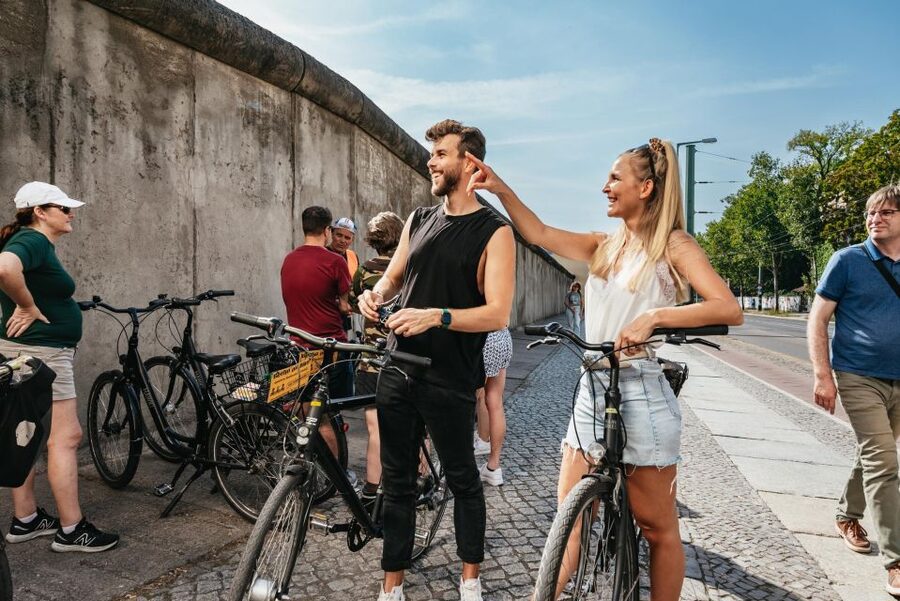
- Ride the former border from Prenzlauer Berg to Brandenburg Gate: The route connects separated sites rather than treating the Wall as one isolated monument.
- See more than the usual central sights: Mauerpark, Bernauerstraße, Bornholmerstraße, Checkpoint Charlie, and a remaining watchtower all feature along the way.
- Expect history with human detail: Guides explain escape attempts, the sudden opening of the Wall, and its long effect on Berliners.
- Travel at an easy pace for about 15 kilometers: This is a city ride with regular stops, not a race or a strenuous cycling excursion.
- Choose from a large bicycle fleet: Helmets and gloves are available on request, with sunscreen, trouser clips, and rain ponchos supplied.
- Pay about $41 for a three-and-a-half-hour experience: For visitors who want context as well as sightseeing, the price compares well with several shorter walking tours.
Why a bicycle works so well for Berlin Wall history
The former Berlin Wall ran for miles through neighborhoods, parks, roads, and railway areas. You can visit major memorials on foot, but the distances between them quickly add up. On a bicycle, you cover more ground without spending your day underground on public transport.
I especially like the way this route turns the Wall into a connected story. You are not just looking at a fragment and hearing a short explanation. You move along the old border, stop at former crossings, and see how the line cut through the city.
The pace is described as relaxed, which matters. A history tour needs time to stop, listen, ask questions, and look closely. The ride covers approximately 15 kilometers, but the emphasis is on explanation rather than speed. You should still be comfortable riding in city conditions and staying with a group.
Past guides praised for clear storytelling and good group handling include Paul, Oleg, Lauren, Anna, James, and George. Names can vary by departure, but the experience depends heavily on the person leading it. The strongest guides on this route have been described as patient, humorous, well informed, and able to explain difficult political events in plain language.
More Cold War and Communism Tours in Berlin:
- Berlin: Guided Bike tour of the Berlin Wall and Third Reich
★ 5.0 · 160 reviews - Berlin Wall History Small Group Cycling Tour
★ 4.9 · 152 reviews - Berlin: Historical Sights & Berlin Wall Tour with a Berliner
★ 5.0 · 62 reviews
Starting at the Kulturbrauerei in Prenzlauer Berg
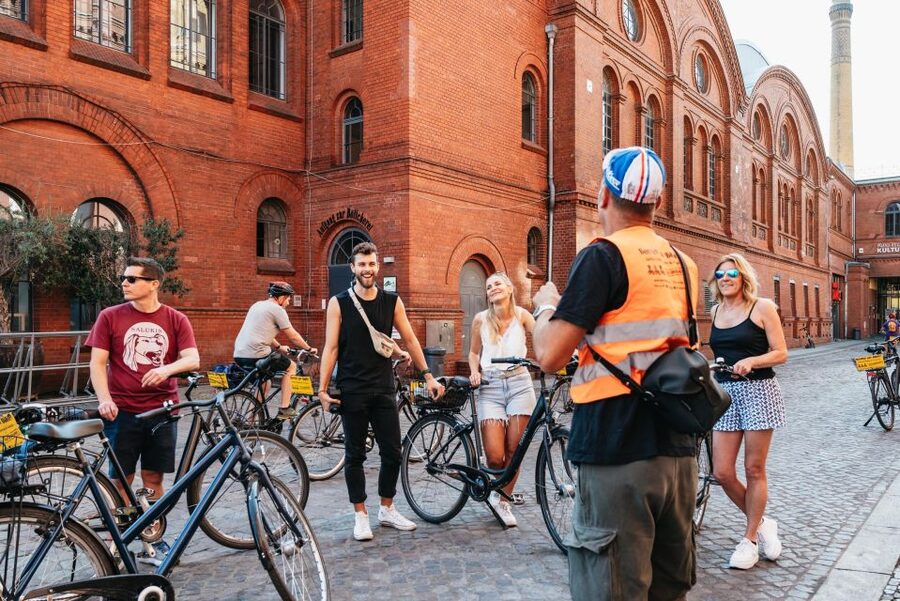
The meeting point is the Berlin on Bike Depot inside the Kulturbrauerei, a 19th-century brewery complex in Prenzlauer Berg. This is a useful start because the setting feels like a real Berlin neighborhood rather than a generic tour office.
From Alexanderplatz, take the U2 red line toward Pankow for three stops to Eberswalder Straße. Leave through the exit in the opposite direction of travel, marked Kulturbrauerei. Walk along Danziger Straße for about 150 meters, turn right onto Knaackstraße, then enter the large doorway into the brewery complex. Yellow signs point you toward the bicycle depot.
Allow enough time to find the depot. The complex has several entrances and courtyards, and arriving rushed is a poor way to begin a long bike ride. At the depot, you select a bicycle from a large fleet. This is helpful if you have a strong preference for a particular frame or braking style.
One practical tip comes from an earlier departure: if you are not used to a coaster brake, choose a bicycle with hand brakes instead. A coaster brake works by pedaling backward, and it can feel unfamiliar if you normally ride a standard city bike.
Helmets and gloves are available if you request them. Sunscreen, trouser clips, and rain ponchos are also provided. Still, wear comfortable shoes and clothing, and bring anything else you personally need for three and a half hours outdoors.
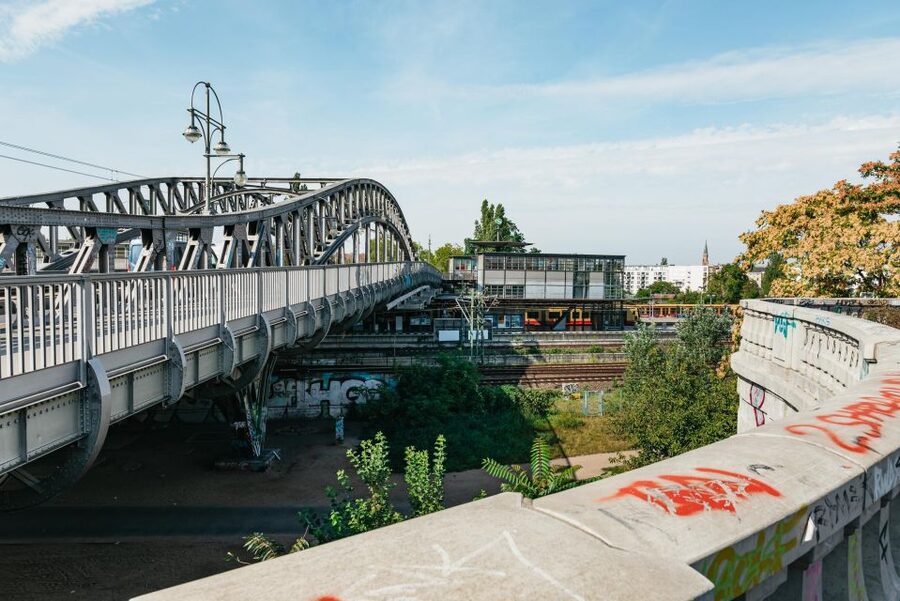
Bornholmerstraße and the first break in the border

The route follows sections of the former border toward Bornholmerstraße. This crossing became one of the key places in the story of the Wall’s opening in November 1989.
The value of stopping here is that it helps explain how the Wall came down. It was not removed in one tidy, planned operation. Confusion over new travel rules, pressure from East Berliners, and decisions by border guards combined to create a sudden opening. The tour connects that moment to the broader story of almost three decades of division.
This is also where the route begins to show the difference between a Wall memorial and the actual former border. Some sections are marked by preserved structures or information panels. Elsewhere, normal streets and buildings have grown around the old line. You need a guide to point out what changed and what remained.
The tour does not treat the end of the Cold War as a simple happy ending. Guides explain the lasting effect on Berliners, including the personal cost of separation and the complicated process of rebuilding a city after reunification.
Mauerpark and Bernauerstraße: the human side of the Wall
Mauerpark is one of the most recognizable stops on the northern section of the old border. Its name reflects its past, but the present-day setting is very different from the guarded strip that once divided East and West Berlin.
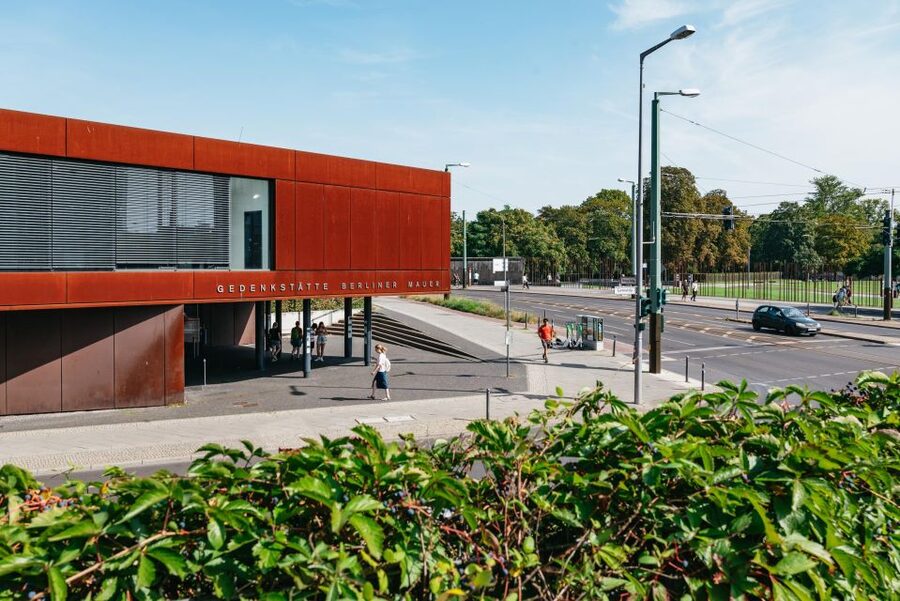
From Mauerpark, the route continues through Bernauerstraße. This area offers some of the clearest explanations of what the Wall did to homes, streets, churches, and families. Bernauerstraße is important because the border ran directly beside buildings and through a settled urban area. The division was not an abstract line on a map. It changed where people could walk, work, worship, and see relatives.
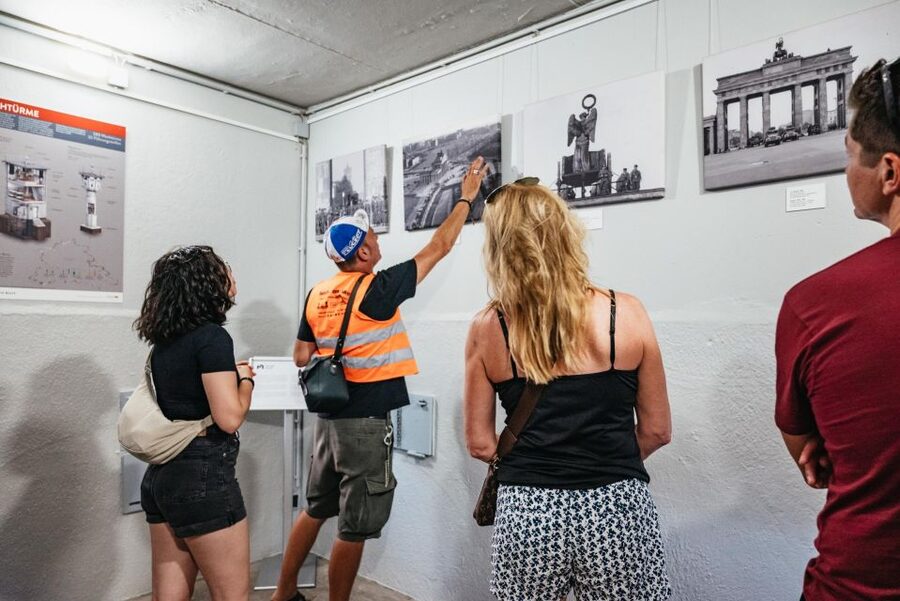
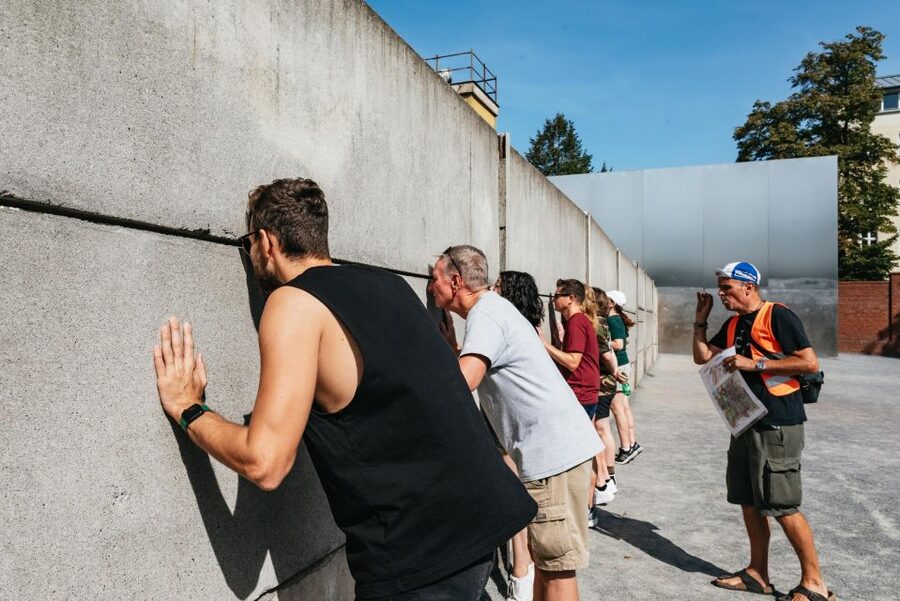
This section is where a strong guide can make the largest difference. Photos, diagrams, and firsthand-style accounts help you picture the earlier street layout. Several guides on past departures have used visual material to explain the border system, and that can be especially useful if you know little about Berlin before 1989.
You also hear about escape attempts, including both successful and tragic efforts. The stories are difficult, but they keep the subject grounded in individual choices and risks. The tour handles the darker parts as part of the history rather than as sensational entertainment.
More History Bike, Segway and Tuk-Tuk Tours in Berlin:
- Berlin (E)Bike Tour Historical Highlights in Small groups
★ 4.5 · 24 reviews - Historical Singapore Bike Tour on Full-Sized Bicycles
★ 5.0 · 1,421 reviews - Charlotte’s Ultimate Southern Charm Historical City Cart Tour
★ 5.0 · 1,347 reviews - Barcelona: 2.5-Hour Bike or E-Bike Historical Tour
★ 4.5 · 1,262 reviews
Checkpoint Charlie and the symbols of the Cold War
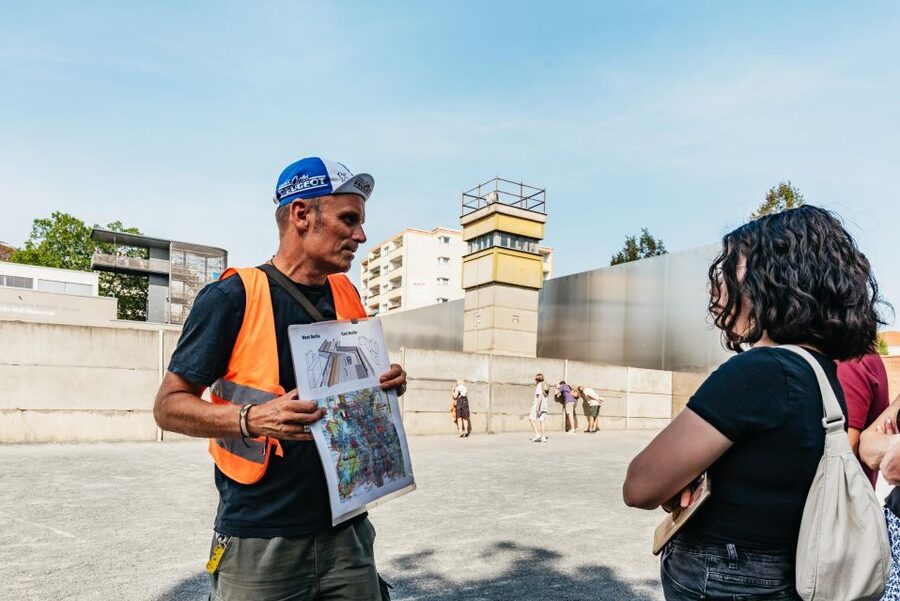
Checkpoint Charlie is one of Berlin’s best-known Cold War locations. The name has become shorthand for the confrontation between the American and Soviet sectors, and it remains a popular stop for first-time visitors.
The site today can feel busy and commercial, which is exactly why a guide helps. You can separate the modern presentation from the actual political role of the crossing. The explanation covers how the checkpoint functioned and why it became such a powerful symbol of a divided world.
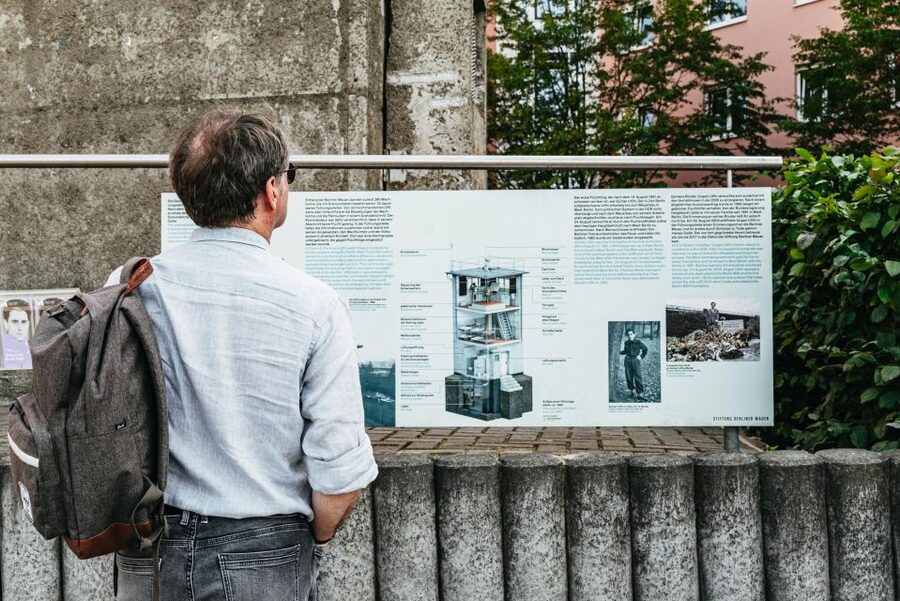
The route also includes one of the last remaining watchtowers. This gives you a better sense of the control system than a single preserved piece of concrete can provide. A watchtower, border barriers, controlled crossings, and the open strip between East and West formed a system designed to stop people leaving East Berlin.
The contrast between Checkpoint Charlie and the less polished sections of the Wall route is useful. One is a famous central symbol. The other locations show how the border affected ordinary neighborhoods. Together, they give you a more complete picture.
Brandenburg Gate and the route back through Berlin
The ride continues toward Brandenburg Gate, one of the city’s defining monuments. The gate dates from the 18th century, long before the Cold War, but its position beside the former border gave it a major role in Berlin’s modern story.
Your guide explains its origins and then places it within the divided city. During the Wall years, the gate stood in a restricted area near the border. After 1989, it became a symbol of reunification and an obvious focal point for a newly connected Berlin.
This is a strong final major stop because it ties the tour’s separate chapters together. You begin with a brewery complex in a former East Berlin district, follow the border through memorial areas and crossings, and finish at a monument known around the world.
After Brandenburg Gate, you return to the bicycle depot to drop off the bike. The full activity lasts about 210 minutes, so expect a substantial half-day outing rather than a quick sightseeing loop.
What the $41 price gets you
At $41 per person, the tour offers reasonable value if you want both transportation and interpretation. The bicycle, guide, and route planning are included, along with useful extras such as sunscreen, trouser clips, and rain ponchos when needed.
You are paying for access to a wide route and for the guide’s ability to connect scattered sites. A short walking visit to Checkpoint Charlie or Brandenburg Gate costs less in time, but it will not give you the same sense of how far the Wall stretched through Berlin.
The value is strongest for first-time visitors, history-minded people, and anyone who wants to see several parts of the city in one outing. It is less compelling if you already know Berlin’s Wall memorials well or prefer to stop for long periods at one museum.
The route covers a lot, so each site receives a focused explanation rather than an extended museum-style visit. If you want detailed indoor exhibits, you may want to add a separate visit to a Wall memorial or museum.
Pace, weather, and group comfort
The ride is designed for an easy pace, but you still need basic cycling confidence. You will be riding through Berlin streets and following a guide, so staying alert and keeping with the group matters.
The tour can operate in poor weather, with rain ponchos available. That does not mean every day will feel equally pleasant. Rain, cold, or strong sun can make three and a half hours outdoors tiring, so check the forecast and dress sensibly.
A large group can make city riding less smooth, particularly at crossings or busy points. One past guide, Paul, was praised for keeping a large group together and adjusting the route when the group arrived late. That suggests the guide’s management can make a real difference.
A city event can also affect the route. A Berlin half marathon once caused delays, though the guide adjusted as well as possible. If your schedule is tight, avoid placing this activity immediately before an important reservation or train departure.
Private groups are available. That is worth considering if you want a more flexible pace, have a family or work group, or prefer more time for questions. The standard experience may be enough for most visitors, especially those who enjoy meeting other people while sightseeing.
Who should book this tour?
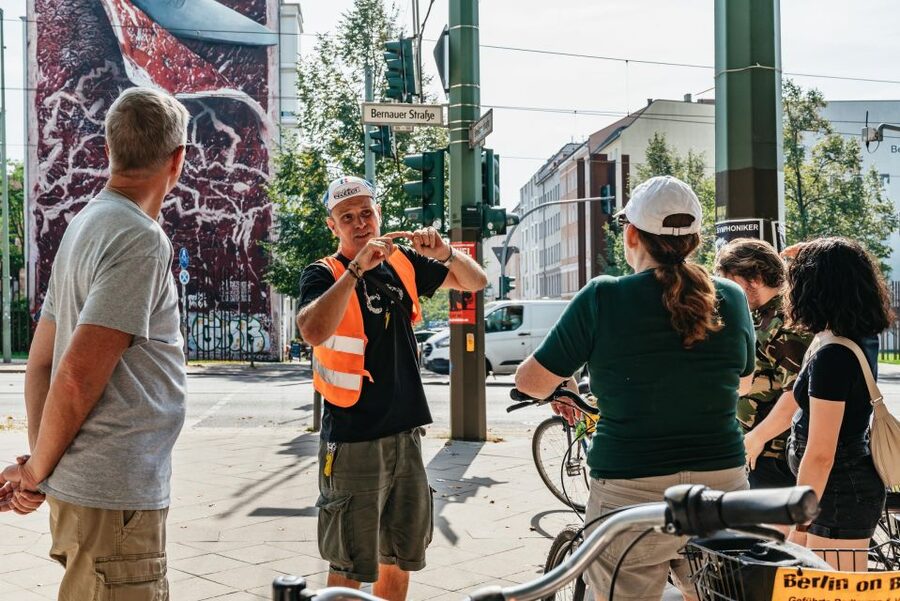
I would choose this tour if you want a clear introduction to Berlin’s Cold War story and are happy to spend much of the afternoon outside. It suits adults, older children over eight, couples, families with confident young cyclists, and small groups looking for more range than a walking tour provides.
It is also a good choice if you have only a few days in Berlin. The route combines major landmarks with less obvious Wall locations, giving you a useful orientation to several districts.
You might prefer a walking or indoor history tour if cycling is uncomfortable, if you want long visits inside museums, or if you need a fully predictable route during a major city event. The tour is relaxed, but it is still a bike ride of approximately 15 kilometers.
Booking details worth knowing
The tour is offered in English, French, Dutch, and German. Starting times vary, so check availability for the date you want. You can cancel up to 24 hours in advance for a full refund, and the reserve-now, pay-later option keeps your plans flexible.
Alcohol and drugs are not allowed. Children under eight cannot join. Comfortable shoes and clothing are the only listed items you need to bring, though I would also prepare for the day’s weather.
Should you book the Berlin Wall bike tour?
Book it if you want the Berlin Wall explained as a citywide story rather than a collection of disconnected monuments. The combination of a manageable pace, a 15-kilometer route, a broad bicycle selection, and stops at Bornholmerstraße, Bernauerstraße, Mauerpark, Checkpoint Charlie, a watchtower, and Brandenburg Gate gives you a lot for $41.
The best reason to choose it is the human context. Escape attempts, divided neighborhoods, the sudden opening of the border, and the Wall’s lasting effect on Berliners make the ride more than a sightseeing circuit.
Skip it if you dislike cycling, need a short activity, or want to spend your time inside museums. For most first-time visitors who can comfortably ride a bicycle, this is a practical and memorable way to understand how the Cold War shaped Berlin.
FAQ
How long does the bike tour last?
The tour lasts 210 minutes, or three and a half hours.
How far will I ride?
The route covers approximately 15 kilometers at a relaxed pace.
Where does the tour begin?
Meet at the Berlin on Bike Depot inside the Kulturbrauerei complex in Prenzlauer Berg. The nearest metro station is Eberswalder Straße on the U2 line.
Which places are included?
The route includes the Kulturbrauerei, sections of the former Berlin Wall, Bornholmerstraße, Mauerpark, Bernauerstraße, Checkpoint Charlie, a remaining watchtower, and Brandenburg Gate.
Which languages are available?
The tour is available in English, French, Dutch, and German.
Are bicycles and safety equipment provided?
A bicycle is included, and you can choose from a large fleet. Helmets and gloves are available on request. Sunscreen, trouser clips, and rain ponchos in bad weather are also provided.
Can children join the tour?
Children under eight are not permitted to join.
Newest history tours we have reviewed in Berlin
- Berlin: Nazi History Walking Tour★ 4.8 · 33 reviews
- Berlin: History and Sightseeing with Kids (Free for Kids)★ 4.9 · 19 reviews
- Berlin: Historical Sights & Berlin Wall Tour with a Berliner★ 5.0 · 62 reviews
- Berlin: Urbex Abandoned Places & History Tour★ 4.8 · 18 reviews
- Berlin (E)Bike Tour Historical Highlights in Small groups★ 4.5 · 24 reviews
- East Berlin Food & History Tour with Eating Europe★ 4.8 · 20 reviews
- Berlin: Historic Center Walking Tour with a Real Berliner★ 5.0 · 134 reviews
- Berlin: Guided Craft Beer & Cultural Tour With Snacks★ 5.0 · 68 reviews
Cold War & Communism Tours, compared.
Communism History and Nuclear Bunker Guided Tour
Read our review →
Prague Communism History and Nuclear Bunker Tour
Read our review →
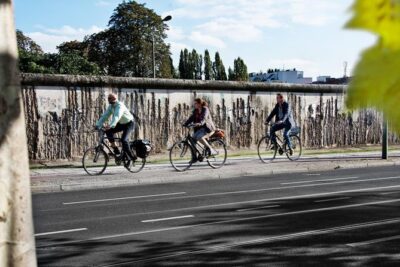
Guided Bike tour of the Berlin Wall and Third Reich
Read our review →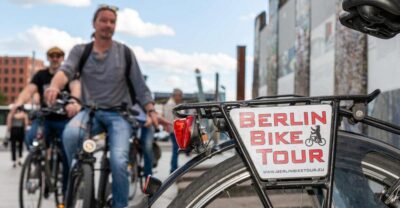
Tbilisi old town & soviet heritage – Private driver-guided Tour
Read our review →
Historical Sights & Berlin Wall Tour with a Berliner
Read our review →Browse the lists this tour appears in