
Review · BERLIN HISTORY TOURS
Historic center of Berlin – Tour in Italian
Berlin’s story is written across its streets, walls, empty spaces, and rebuilt squares. This 3.5-hour Italian walking tour connects the Nazi dictatorship, the Cold War division, and German reunification in one steady route from Potsdamer Platz to Museum Island.
I like the route for two clear reasons: it brings together Berlin’s biggest sights without wasting time on long transfers, and it gives Italian-speaking visitors a guide who can explain painful subjects with context. Guides including Paolo, Giulia, Fabio, Chiara, Elena, and Daniele have been praised for clear stories, useful anecdotes, and personal attention. The main drawback is simple: this is a long outdoor walk, and the tour does not include museum admission, food, drinks, or transport.
Key points to know before booking
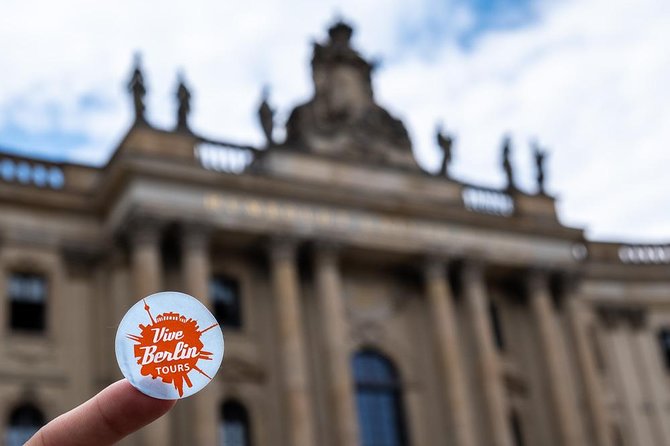
- Start at Potsdamer Platz: Find the blue bicycle and Vive Berlin Tours flag at Potsdamer Platz 10.
- Follow Berlin’s darkest chapters: The route covers the Gestapo and SS headquarters, Hitler’s bunker site, the Holocaust Memorial, and Bebelplatz.
- See the Cold War up close: Checkpoint Charlie and an original Berlin Wall section help explain the city’s division.
- Finish on Museum Island: The walk ends near the Pergamon Museum, with directions for continuing your sightseeing.
- Expect an outdoor history lesson: Most stops are outside, with short explanations at each location.
- Pay for Italian guidance, not entry tickets: At $27.91 per person, the price is reasonable if you want the route and interpretation, but less useful if you prefer exploring museums independently.
Why this Berlin walking route works
Berlin can feel scattered at first. Its important sights are spread across several districts, and the city’s story does not follow a tidy timeline. This route solves part of that problem by linking major places on foot and explaining how one period changed the next.
You begin at Potsdamer Platz, once a major city center and now one of Berlin’s most modern public spaces. From there, the route moves through Nazi sites, Cold War landmarks, memorials, government buildings, grand avenues, and Museum Island. That sequence gives you a useful sense of how Berlin changed from imperial capital to dictatorship, divided city, and reunified capital.
The group can include up to 28 people. That is small enough to keep the guide within earshot most of the time, but it is not a private tour. If you prefer quiet, one-on-one conversation, this may feel too large. If you want a reasonably priced introduction in Italian, the size is workable.
The price is $27.91 per person. Since the tour lasts about three and a half hours and includes a local guide, the value is strongest for first-time visitors who want a clear orientation. You are paying for the walking route and explanations, not for access to the Reichstag dome, museums, or other paid attractions.
More Old Town and Historic Centre Walks in Germany
- Berlin: Historic Center Walking Tour with a Real Berliner
★ 5.0 · 134 reviews - Berlin: 1-Hour Guided Tour of the Historic Center
★ 4.2 · 33 reviews - The Local Tour of Hamburg Historic Centre
★ 5.0 · 1,058 reviews
Potsdamer Platz and the modern face of Berlin
Meet at Potsdamer Platz 10 at 10:00 a.m. Look for the blue bicycle and the Vive Berlin Tours flag. Potsdamer Platz is well served by the S-Bahn and U-Bahn, so reaching the start is fairly straightforward.
The square is a good opening point because it shows Berlin’s ability to reinvent itself. Before World War II, Potsdamer Platz was a major traffic and commercial center. War damage and the Cold War border later transformed it into a divided, empty zone. Today, its tall contemporary buildings make it look like a different city.
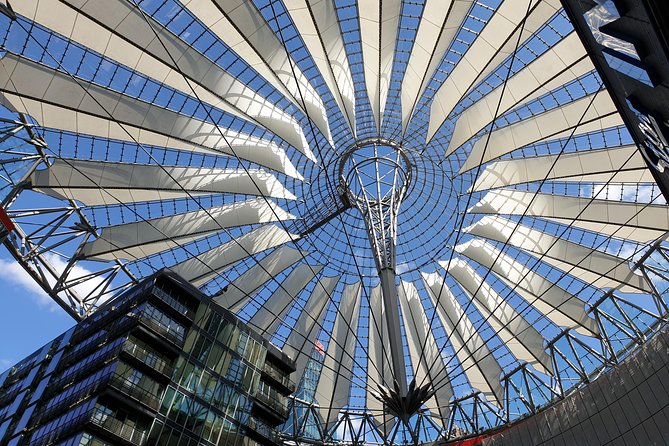
The guide uses the square to set up Berlin’s story before the walk moves into more serious territory. You will also enter the Sony Center, where modern architecture incorporates remains connected with the old square. This is a brief stop, but it gives you an early look at the contrast that defines central Berlin: new construction placed beside traces of destruction.
Topography of Terror and the Nazi machinery
The Topography of Terror marks the former headquarters of the Gestapo and SS. The tour treats this site as a place to understand how state terror was organized, rather than as a simple monument to one individual.
You will also see the former Nazi Aviation Ministry, the Martin Gropius Bau museum, and an original segment of the Berlin Wall nearby. That cluster of buildings makes the area especially useful for understanding how different layers of power occupied the same part of the city.
The stop is brief, listed at about ten minutes. Do not expect a full museum visit or a long examination of the indoor exhibits. Instead, you get an outdoor introduction and a guide’s explanation of why the location matters. If you want to study the Topography of Terror in detail, plan a separate visit.
Checkpoint Charlie follows. Once a crossing point between East and West Berlin, it became one of the best-known symbols of the Cold War. The guide explains the construction of the Berlin Wall and the way the communist government divided the city.
Checkpoint Charlie is now a busy sightseeing area, and the surrounding commercial setting can make the historic meaning harder to feel. The guide helps cut through the staged photo opportunities and places the crossing in the larger story of divided Berlin. You should treat this as a history stop, not a preserved border crossing.
From the Aviation Ministry to Hitler’s bunker site
The former Aviation Ministry is an enormous building with a grim past. It was built during the Nazi period for the Ministry of Aviation under Hermann Göring. During the Cold War, it became the headquarters of ministries in East Germany. Today, it serves as a federal government ministry.
That changing use is one of the most useful ideas in the tour. Berlin often does not preserve history in a single frozen form. The same building can carry Nazi, communist, and democratic chapters, depending on the decade.
The route then reaches the site of Hitler’s bunker. There is no dramatic entrance to visit. The point is the meaning of the location and why it is presented as it is today. The guide explains where the bunker was and what happened during Hitler’s final days.
This can be an understated stop, especially if you expect a large memorial or visible ruins. That restraint is part of the point. The place is marked in a plain way, without turning it into a shrine. Your guide’s explanation matters more here than what you see.
More Old Town and Historic Centre Walks in Berlin:
- Madrid Essential: Historic Center, Plaza Mayor & Royal Palace
★ 5.0 · 6,416 reviews - Lisbon: Live Fado Show with Port Wine in Historic Center
★ 4.7 · 4,166 reviews - Valencia Old Town Tour with Wine & Tapas in 11th Century Historic Monument
★ 5.0 · 3,234 reviews - Prague Old Town, Medieval Underground and Dungeon Historical Tour
★ 4.5 · 3,227 reviews
The Holocaust Memorial and the cost of remembrance
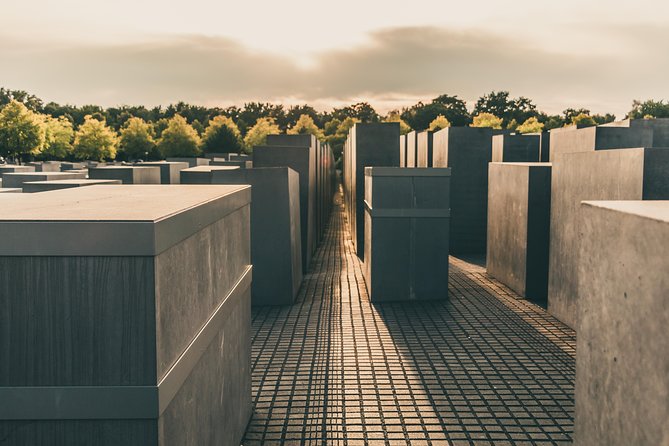
The Memorial to the Murdered Jews of Europe is one of Berlin’s most powerful public spaces. Rows of concrete blocks create a changing sense of height, distance, and enclosure. The tour gives you the historical setting and explains why the memorial exists.
The allotted time is short, so you will not explore every part at length. You can return later if you want to walk through the field on your own or visit the information center, if open and available. The guide’s role here is to help you approach the site with care and understand that it commemorates the murder of Europe’s Jews by Nazi Germany.
This is one of the moments when a good Italian explanation can make a real difference. The subject is difficult, and the guide’s tone matters. Feedback about Paolo, Chiara, Elena, and other guides often highlights their ability to add human stories and thoughtful details rather than simply reciting dates.
Reichstag and Brandenburg Gate
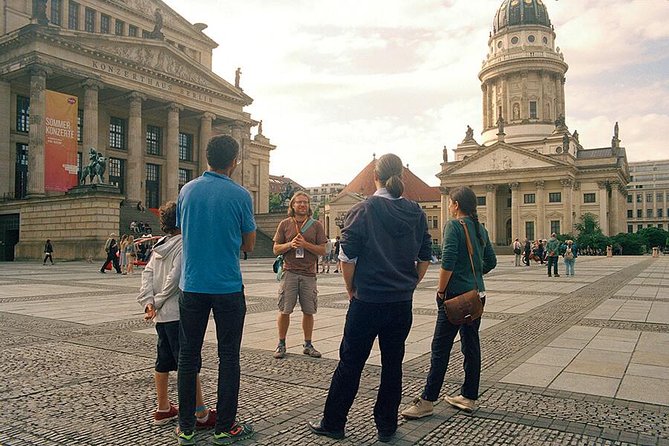
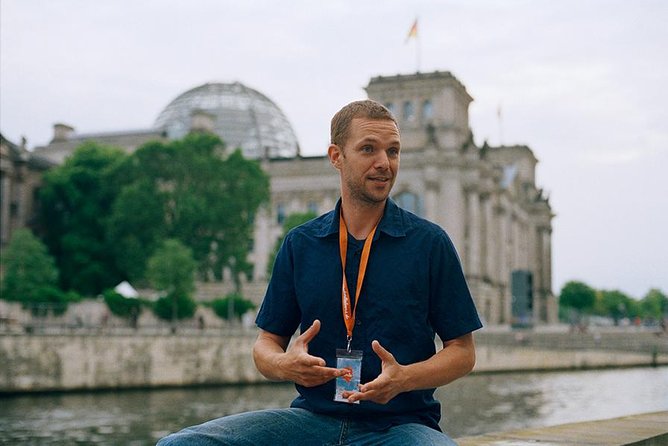
The Reichstag Building is the seat of Germany’s Parliament. The tour visits it from outside, and the guide explains how you can arrange a future visit to the glass dome.
That distinction is important. The dome is not included, and you should not assume that walking past the building gives you entry. If the dome is a priority, ask the guide for current booking advice and plan it separately.
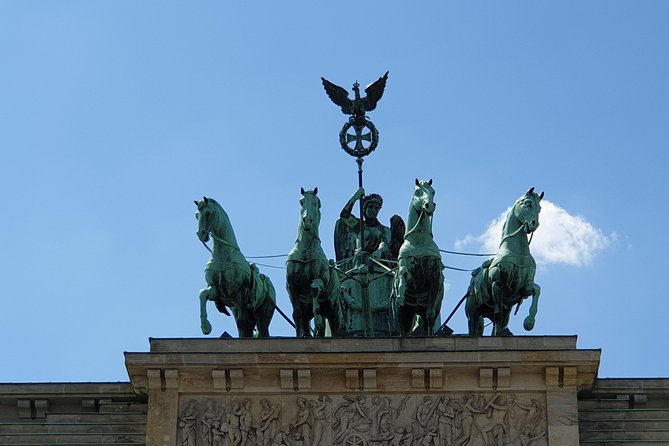
A short walk brings you to Brandenburg Gate, Berlin’s most recognizable landmark. The gate began as a symbol of royal power, later became associated with the Cold War border, and now represents German reunification. Seeing it after the Holocaust Memorial and Reichstag gives the monument more meaning than a quick photo stop would.
The gate is also one of the busiest points on the route. You will have time to look, listen, and take photographs, but not unlimited time for lingering. The tour keeps moving because there is still a long stretch to come.
Unter den Linden and Bebelplatz
Unter den Linden leads toward the historic heart of Berlin. This broad avenue once connected the royal palace with the area around Brandenburg Gate. Along the way, the guide points out different building periods and signs of war damage.
The avenue is useful because it shifts the focus from dictatorship and division to Berlin’s older imperial and intellectual identity. It also shows how much of the city has been repaired, rebuilt, or reconstructed.
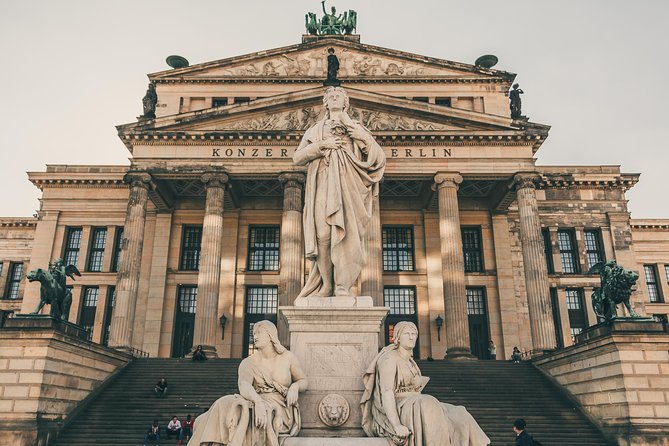
Bebelplatz is one of the most important stops on the route. It is associated with the Nazi book burning of 1933 and also contains Humboldt University and the Catholic Cathedral. The square looks open and formal, but its history is dark.
The Book Burning Memorial is set into the ground. Through a glass panel, you can see empty bookshelves beneath the square. It is a quiet memorial for the destruction of books and ideas, and it works best when you pause long enough to understand what is below your feet.
Humboldt University adds another layer. The guide explains its place in Berlin’s intellectual life and points out notable former students. This is a short stop, so you will get an introduction rather than a full university history.
Neue Wache, Berlin Cathedral, and Museum Island
Neue Wache is a memorial to the horrors of war. Inside, Käthe Kollwitz’s sculpture of a mother holding her dead son gives the building its emotional focus. The stop is short, but the message is direct: war is measured in human loss, not only military victories.
The route continues toward the Berliner Dom, Berlin’s grand Protestant cathedral. It was built with the ambition of matching the major Catholic churches of Europe in scale and importance. The guide explains its connection with the imperial city and points out the building from outside.
The final area is Museum Island, a UNESCO World Heritage Site in the middle of Berlin. The walk ends near the Pergamon Museum on Bodestraße. The museum is known for major archaeological displays, including the Ishtar Gate of Babylon and the Pergamon Altar, but museum admission is not part of this activity.
Ending here is practical. You receive suggestions about visiting the museums and choosing suitable tickets, then can continue exploring on your own. Keep in mind that museum openings, ticket rules, and exhibit access can change, so treat the guide’s advice as a starting point and check current details before your visit.
What the Italian guidance adds
This experience is not just a route between famous buildings. Berlin’s monuments can be confusing without context, especially when several political periods overlap in the same street. An Italian-speaking guide lets you ask questions and follow the explanations without translating as you walk.
The strongest feedback centers on the guides’ clarity, courtesy, and ability to add anecdotes. Paolo is praised for showing Berlin through several angles, from major events to small details. Giulia and Fabio are described as prepared and thoughtful, while Chiara, Elena, and Daniele receive particular credit for making the city easier to understand and for pointing out places you might otherwise miss.
Names and guide assignments can change, so you should not book on the assumption that one specific person will lead your departure. The useful point is that the tour has featured several Italian-speaking guides with strong comments about preparation and communication.
Walking conditions, timing, and practical value
The tour lasts about three and a half hours, with the stops adding up to a steady sequence of short explanations. You will be outside in all weather, so wear comfortable shoes and bring clothing suited to the forecast. There is no hotel pickup and no transport between attractions.
The route is near public transportation at the start, and most people can take part. Service animals are allowed. Because this is a walking experience with many stops, you should be comfortable remaining outdoors for several hours and keeping up with the group.
The mobile ticket makes arrival simple. Still, allow enough time to reach Potsdamer Platz and locate the blue bicycle before the 10:00 a.m. start. The tour begins with a meeting point rather than hotel collection.
Free cancellation is available up to 24 hours before the local start time. Cancellations or changes inside that period are not accepted for a refund. That is worth noting if your Berlin schedule is still uncertain.
Who should book this tour
I would choose this tour if you are visiting Berlin for the first time, want a clear overview in Italian, and prefer seeing major sites on foot rather than moving between them by train. It is also a good fit if you want help understanding difficult subjects such as the Holocaust, Nazi rule, and the Berlin Wall.
It suits couples, families with older children, and solo visitors who want a planned morning. The group limit of 28 keeps the experience more focused than a large city bus excursion, though it will not feel private.
I would think twice if your main goal is museum time. The tour only visits the Reichstag, cathedral, and museums from outside, and each stop receives a short explanation. It is also not ideal if you dislike long walks or need frequent indoor breaks.
Should you book this Italian Berlin tour?
Book it if you want an affordable, structured introduction to central Berlin and value clear Italian commentary. The route covers an unusually large amount of ground, from Potsdamer Platz and Checkpoint Charlie to Brandenburg Gate, Bebelplatz, and Museum Island. At $27.91, that is a fair price for three and a half hours with a local guide.
Skip it if you already know Berlin well, plan to spend the morning inside museums, or want a private pace. For everyone else, this tour gives you the city’s major landmarks while explaining the hard connections between them. The most useful plan is to take the walk early in your visit, then return to the sites that deserve more time.
FAQ
Where does the tour start?
It starts at Potsdamer Platz 10, 10785 Berlin, near the S-Bahn and U-Bahn station. Look for the blue bicycle and the Vive Berlin Tours flag.
What time does the tour begin?
The scheduled start time is 10:00 a.m.
How long does the tour last?
The walking tour lasts approximately 3 hours and 30 minutes.
Is the tour conducted in Italian?
Yes. The tour includes an Italian-speaking local guide.
Does the price include museum admission?
No. Museum admission is not included. The tour ends near the Pergamon Museum, and the guide can explain how to plan a museum visit.
What is the cancellation policy?
You can cancel up to 24 hours before the local start time for a full refund. Cancellations or changes made less than 24 hours before the start are not accepted for a refund.
Newest history tours we have reviewed in Berlin
- Berlin Food & Cultural Tour: Must-Try German & Berliner Classics★ 5.0 · 51 reviews
- Private Tour: Jewish Heritage Walking Tour of Berlin★ 5.0 · 29 reviews
- Small-Group Historical Bike Tour in Berlin★ 4.5 · 103 reviews
- Berlin: Private Bike Tour of the Berlin Wall and Third Reich★ 5.0 · 23 reviews
- East Berlin Food & History Tour with Eating Europe★ 5.0 · 204 reviews
- Private Berlin WWII and Cold War History Tour with Local Expert Guide★ 5.0 · 28 reviews
- Where It All Began: Berlin’s Queer & Trans History Tour★ 5.0 · 27 reviews
- Explore Berlin History and Highlights Sightseeing Walking Tour★ 5.0 · 81 reviews
Old Town & Historic Centre Walks, compared.
Madrid Essential: Historic Center, Plaza Mayor & Royal Palace
Read our review →
Live Fado Show with Port Wine in Historic Center
Read our review →
Valencia Old Town Tour with Wine & Tapas in 11th Century Historic Monument
Read our review →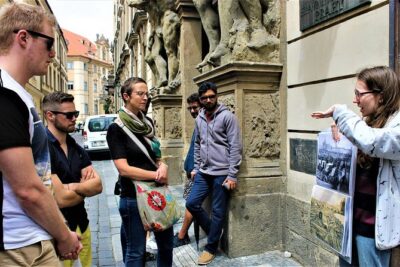
Prague Old Town, Medieval Underground and Dungeon Historical Tour
Read our review →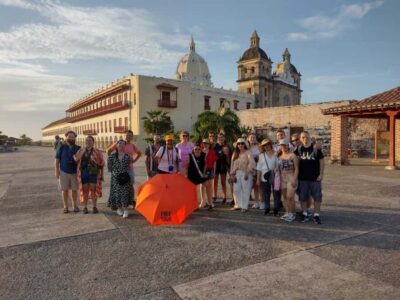
Cartagena: Historic Center and Getsemaní Shared Walking Tour
Read our review →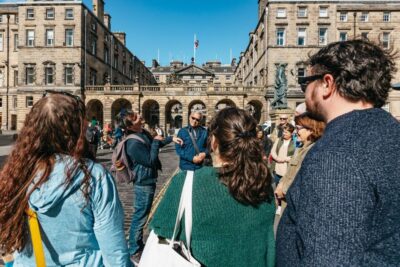
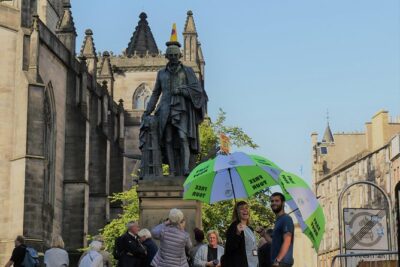
Old Town Walking Tour History and Tales in Edinburgh
Read our review →
Philadelphia Old City Historic Walking Tour with 10+ Top Sites
Read our review →Browse the lists this tour appears in