
Review · PRAGUE HISTORY TOURS
Prague: Communism History and Nuclear Bunker Guided Tour
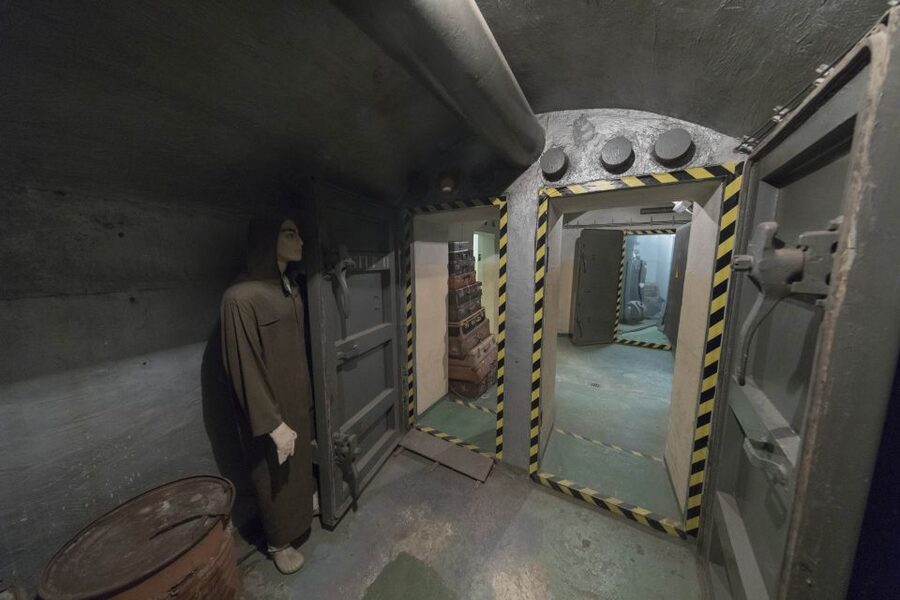
Fifty feet below Prague, a Cold War bunker reveals the fear behind the old political system. Built in the 1950s for up to 5,000 people, it contains original equipment, photographs, civil-defense displays, and a gasmask workshop. The bunker is the tour’s strongest image, but the stories told on the streets above give it meaning.
I like the mix of a short city walk and a tram ride to a less central part of Prague. I also like the human scale: guides such as Pavel, Stan, and Ladislav explain how communist rule affected ordinary families, schoolchildren, spies, prisoners, refugees, and dissidents. The main caution is simple: this is a serious walking tour with stairs and a confined underground visit, not a casual sightseeing loop.
Key points at a glance
- A real 1950s nuclear bunker: Walk through Prague’s largest bunker, designed to shelter as many as 5,000 people.
- Personal Cold War stories: Guides including Stan and Ladislav have spoken about growing up under communism, giving the history a direct human voice.
- More than an underground museum: The route covers the Velvet Revolution Memorial, Wenceslas Square, Národní Street, and former communist power sites.
- Public transport is part of the tour: You take a tram or other public transport to and from the bunker, adding a look at modern Prague beyond the center.
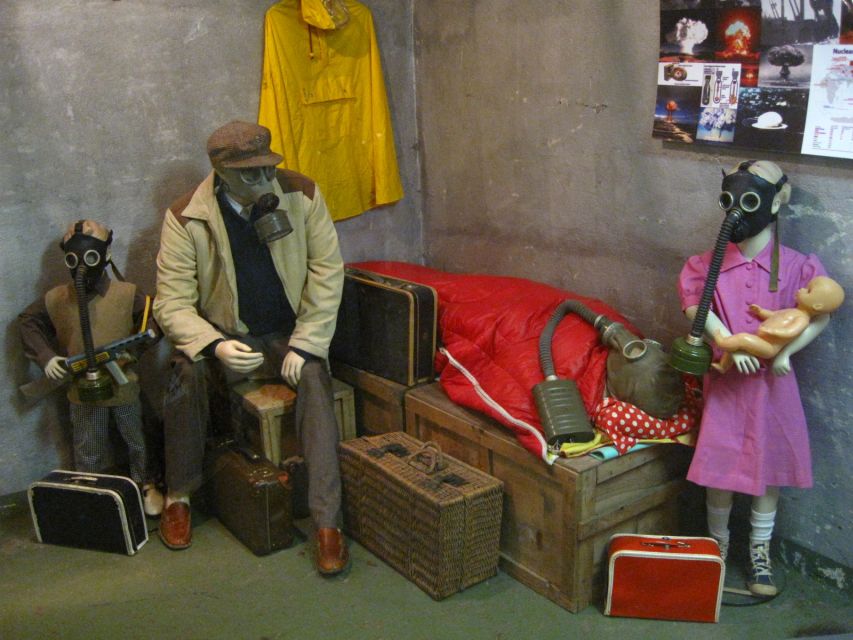
- Hands-on gasmask workshop: The bunker visit includes a practical display that helps explain civil-defense fears during the nuclear age.
- Good value at $44: For 150 minutes, a live guide, public transport, and museum entry are included, though the experience is not suitable for people with limited mobility or claustrophobia.
Why the bunker gives Prague’s history a physical shape
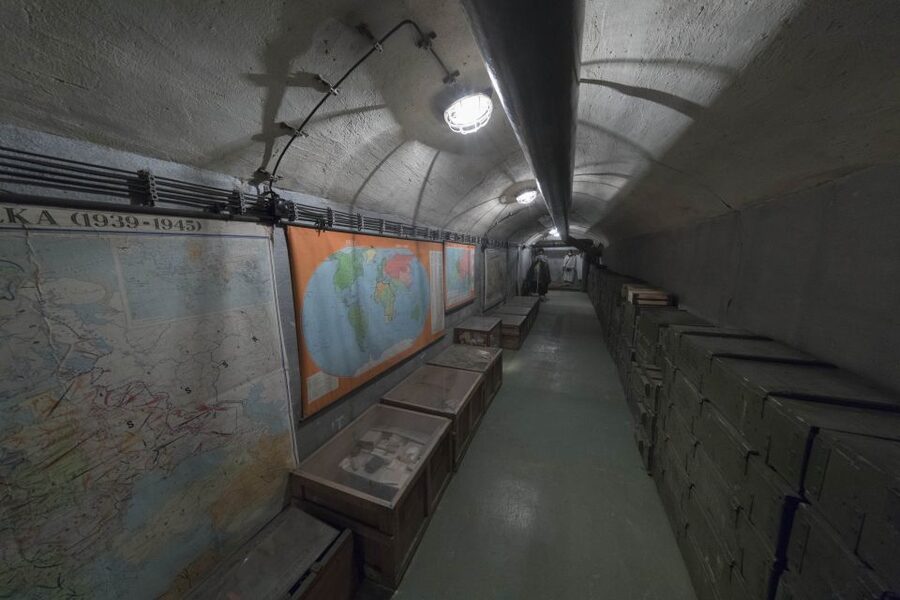
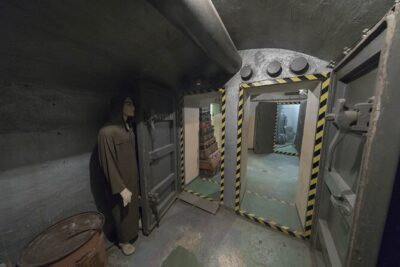
Communist history can feel distant when it is presented as a list of dates and party leaders. This tour gives you something solid to walk through. The bunker’s concrete corridors and underground rooms show how seriously authorities prepared for nuclear attack, even though the promise of safety must have offered little comfort in a divided Europe.
The bunker was designed to hold thousands of civilians. That number matters. You are not looking at a private shelter for senior officials or a small military hideout. You are seeing a facility intended for a large civilian population, with all the practical concerns that involved: air, medical care, communications, supplies, and crowd control.
The museum section contains Cold War-era objects, photographs, and equipment. Some displays have begun to look tired, so do not expect a polished modern museum. I see that as part of the site’s character, but it is worth knowing if you prefer sleek, fully restored exhibits.
The underground setting also changes the mood. Dust may be noticeable, and anyone with respiratory allergies may want to wear a face mask. You should also take the warnings about claustrophobia and heart problems seriously. This is a real underground site with stairs and enclosed spaces, not a flat gallery with wide, bright rooms.
More Cold War and Communism Tours in the world:
- Prague Communism History and Nuclear Bunker Tour
★ 5.0 · 1,742 reviews - Bucharest: Communism and History Guided City Walking Tour
★ 4.9 · 918 reviews - Berlin: Cold War & Berlin Wall History Guided Bike Tour
★ 4.8 · 422 reviews
The city walk: from public memory to communist power
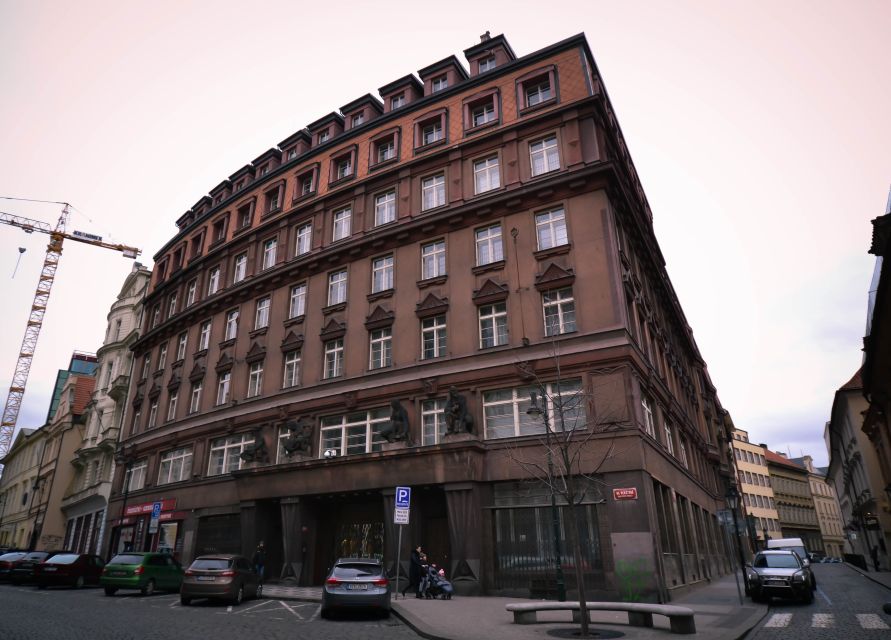
The tour begins in central Prague, with the exact meeting point depending on the option booked. The first part is a guided walk of roughly 40 minutes, divided among several important places.
The Velvet Revolution Memorial is an early stop. It connects the tour to the peaceful protests that helped end communist rule in Czechoslovakia in 1989. Rather than treating the event as a simple political change, the guide places it in the life of the city, showing how ordinary people gathered, protested, and responded to a system that had shaped daily life for decades.
From there, the route includes Národní Street. This location is closely tied to the demonstrations of November 1989, and it gives you a clear sense of how Prague’s streets became political spaces. The stop is short, about ten minutes, but the guide’s explanation is more useful than simply passing the site on a regular city walk.
Wenceslas Square adds another layer. Its broad open space has been central to major public events, and the guide uses it to explain the pressure points of modern Czech history. You will hear about political control, public fear, protest, and the eventual collapse of communist rule.
The route also refers to the former headquarters of the communist secret police and to the enormous Stalin statue that once dominated Prague. These details help explain the visual and psychological force of the period. You are not only hearing about government offices and party slogans. You are being shown how power occupied public space.
The city walk is brisk. If your main interest is architecture, this is not the best way to study every building along the route. The focus is political and social history, so you should listen closely rather than expect long photo stops.
The tram ride changes the point of view
After the central walk, the group uses public transport to reach the bunker. The ride takes about ten minutes, with a similar transfer on the return. That small journey is useful because it moves you beyond Prague’s historic center and gives you a glimpse of the city as a lived-in place.
You also need to pay attention here. The guide is responsible for keeping the group together while boarding and leaving the tram, and the tour may feel fast if the group is large. Pavel has been particularly good at managing this transition and helping people find their way through the transport section.
The public transport connection is included in the price, so you do not need to arrange a separate ticket for the tour segment. It also prevents the visit from feeling like a sealed-off history lesson. You begin among famous central streets, then ride into a different part of Prague to reach the bunker.
If you have a physical disability, this is an important part of the decision. The tour involves walking to and from public transport, boarding the vehicle, and negotiating stairs at the bunker. A participant with a physical disability found the walking difficult, even though the history made the effort worthwhile. The activity is not suitable for wheelchair users, strollers, or people with walking limitations.
Inside Prague’s 1950s nuclear bunker
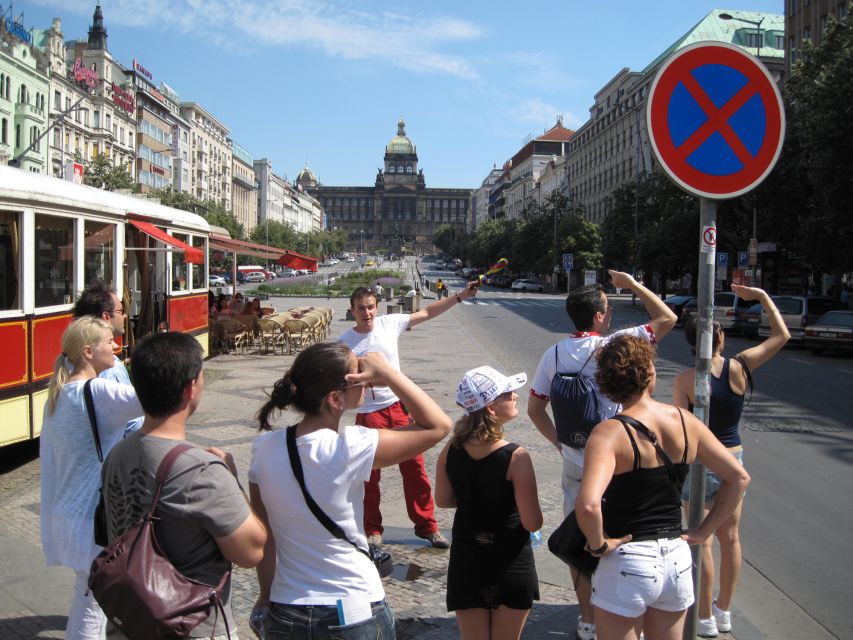
The bunker visit lasts about 70 minutes, making it the longest part of the tour. Your guide leads you through the site while explaining how it was meant to function during a nuclear emergency.
You will see Cold War displays and genuine equipment rather than only photographs of bunkers elsewhere. The scale is the main surprise. A shelter designed for 5,000 people forces you to imagine mass evacuation, strict organization, and a population waiting underground while the world above faced possible destruction.
The experience is strongest when the guide connects the physical rooms to daily fears. Civil-defense planning was not just about military strategy. It affected school drills, public instructions, family conversations, and the sense that disaster could arrive without warning. The gasmask workshop gives this fear a concrete form.
The workshop is also one of the tour’s more unusual features. It helps you understand the equipment used to protect people from chemical or contaminated air. One participant especially enjoyed the chance to pose with guns during a photo activity, though you should treat that as a light moment within a site built around a grim subject.
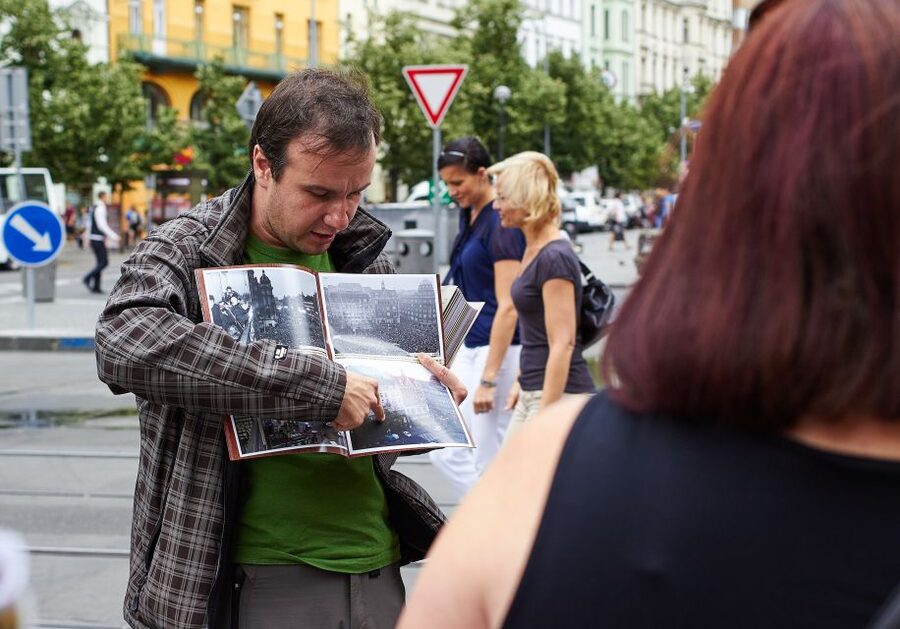
Photographs from the communist period add another useful layer. They show public events and everyday life, helping bridge the gap between the bunker and the city above. The displays are not as polished as those in Prague’s larger museums, but the combination of original objects and personal explanation gives the visit a direct feel.
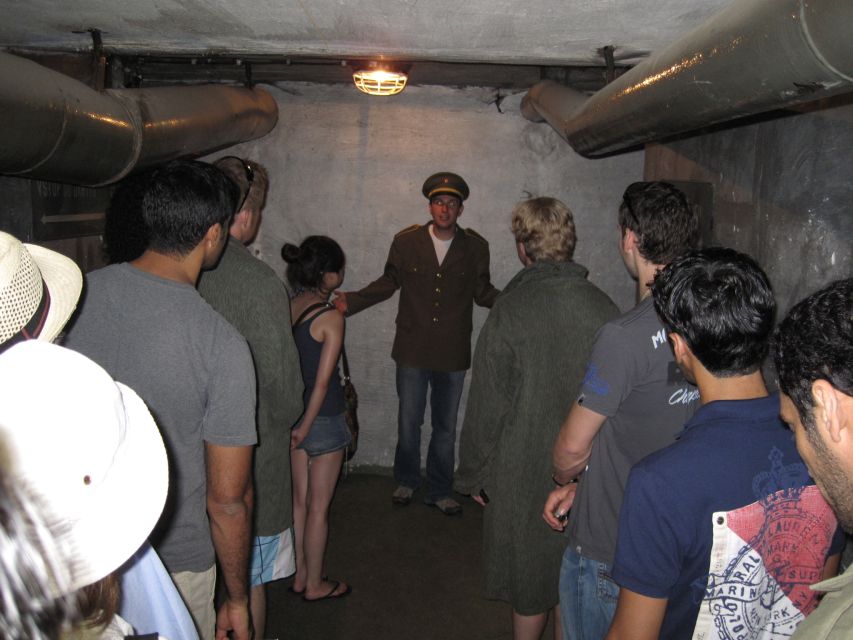
The guide makes a major difference here. Stan brings the perspective of someone who grew up in Prague during the communist period. Ladislav has also drawn on his own experience of that era, explaining not just what happened, but what the atmosphere felt like. Pavel is known for mixing clear explanations with humor and personal anecdotes. Other guides, including Katerina, Maki, Susanna, and guides identified as L, have received strong praise for their warmth and command of the subject.
Guide assignments can change, so you should not book expecting one particular person. Still, the quality of the guiding is central to the experience. A bunker without context would be interesting for 20 minutes. With a strong guide, it becomes a lesson about fear, obedience, survival, and the choices people made under pressure.
More Guided Tours in the world:
- History and Hauntings of Salem Guided Walking Tour
★ 5.0 · 14,564 reviews - Edinburgh: Edinburgh Castle Guided History Tour with Tickets
★ 4.8 · 9,933 reviews - Historic Charleston Guided Sightseeing Walking Tour
★ 5.0 · 6,216 reviews - Rome: Colosseum with Arena, Roman Forum and Palatine Guided Tour
★ 4.0 · 5,598 reviews
The human side of life under communism
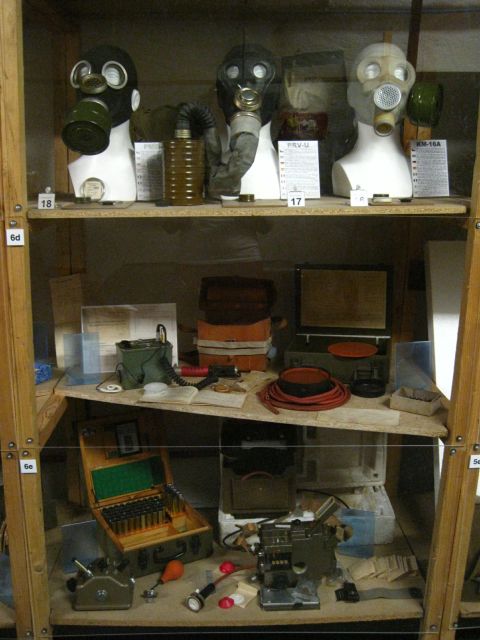
The tour does not treat communism as an abstract argument. It looks at how the system affected ordinary citizens, including work, education, public speech, travel, and trust between people.
You will hear about spies, political prisoners, Cold War refugees, dissidents, and people who resisted in smaller ways. The most useful stories are often the everyday ones. A guide who remembers life as a child or teenager can explain the difference between official public behavior and what families said privately at home.
That personal angle is why the tour works for people who already know the basic timeline. You may already understand that communist rule ended in 1989. The guide can help you understand what it meant to live through the years before that change, when caution could be a sensible part of daily life.
The tone is serious but not grim from start to finish. Several guides use restrained humor to keep the group engaged, and this is welcome. The subject includes fear and violence, but a nonstop solemn lecture would make the experience harder to absorb. The best guides balance facts, personal memories, and occasional humor without making light of the suffering involved.
You should also expect a Czech perspective rather than a completely neutral survey of all Cold War politics. That is a strength if you want to understand Prague and its residents. If you want a broad military history of the United States, the Soviet Union, and Europe, you will need a different museum or lecture.
Timing, price, and what the $44 covers
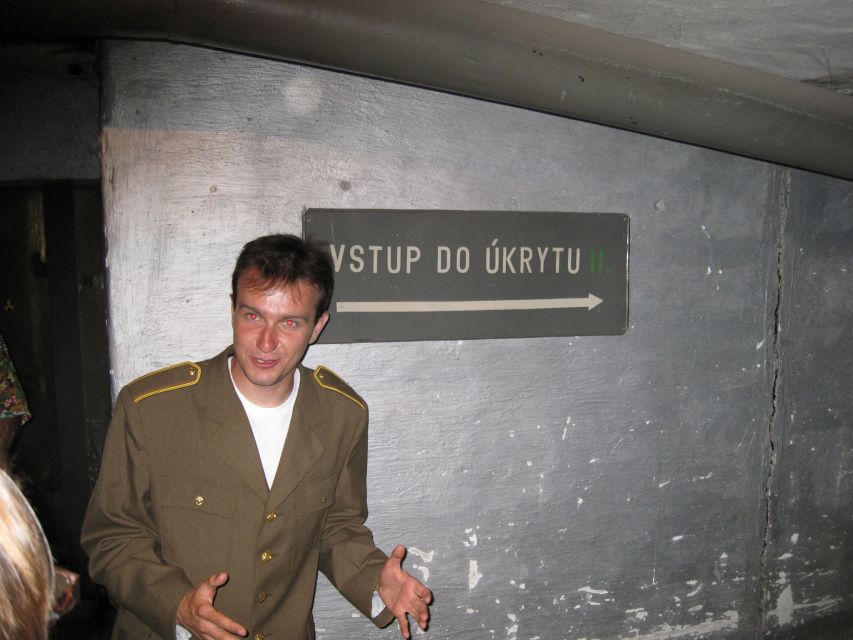
The tour lasts about 150 minutes, with the actual length varying by roughly 10 to 15 minutes depending on group size. At $44 per person, the value is good if you want a guided history experience rather than a short bunker entry.
Your fee covers the live English or German guide, public transportation to and from the bunker, and admission to the nuclear bunker museum and exhibitions. The city walk, transport connections, and 70-minute bunker visit create a fuller outing than the price might suggest.
Food and drinks are not included, and there is no hotel pickup. There are also no toilets at the starting point, so use facilities before meeting the group. Online tickets can be bought up to 30 minutes before departure, but joining after the group has left is not guaranteed.
The tour uses a separate entrance for the bunker, which can reduce waiting. Still, the practical value depends on your priorities. If you only want to see a Cold War bunker, $44 may feel high. If you want the site explained through Prague’s political history and local memories, the combination is much stronger.
Free cancellation up to 24 hours before the start and a reserve-now, pay-later option make it easier to fit into a changing Prague schedule. Starting times vary, so check the available departure before planning other fixed activities.
Who should book this Prague tour?
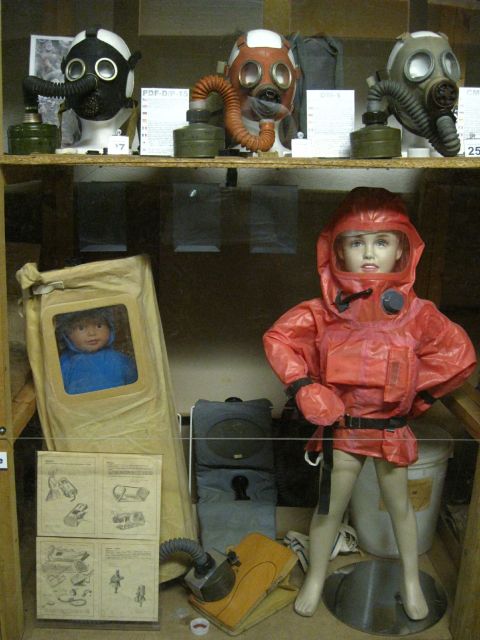
I would choose this tour if you are interested in 20th-century Europe, political history, civil defense, or the way major events shape ordinary lives. It also suits you if you have already seen Prague’s castles and churches and want an experience focused on the city’s recent past.
It is a good choice for older children and teenagers who can follow a serious historical discussion, but it is not designed for infants or very young children. The content includes oppression, violence, fear, and political imprisonment, so parents should judge the subject carefully.
Wear comfortable walking shoes. You will walk through the city, use public transport, and manage stairs underground. If dust bothers you, bring a face mask. Photos are allowed, but video recording requires extra permission.
You must understand the chosen tour language. The operator does not allow people to translate throughout the visit, and disruptive behavior, alcohol, drugs, smoking, pets, costumes, and bachelor or bachelorette groups are not allowed. Those rules make sense in a confined historical site where the guide needs to keep the group together.
Should you book it?
Book this tour if you want Prague’s communist past explained through personal stories and a real place connected to Cold War fears. The bunker alone is unusual, but the combination of Národní Street, Wenceslas Square, the Velvet Revolution Memorial, public transport, and firsthand memories gives the outing its real value.
Skip it if you need step-free access, dislike enclosed spaces, or prefer light sightseeing. For everyone else, the $44 price is fair for two and a half hours of guiding, transport, and museum entry. The most important factor is your willingness to listen: the bunker gives you the setting, but the guides give you the meaning.
FAQ
How long does the Prague Communism and Nuclear Bunker Tour last?
The tour lasts 150 minutes, or about two and a half hours. The total time can vary by approximately 10 to 15 minutes depending on group size.
What languages are available?
The tour is offered in English and German. You must be able to speak and understand the selected language, and translating throughout the tour is not allowed.
Is public transportation included?
Yes. Public transportation to and from the nuclear bunker is included in the tour price.
What is included in the $44 price?
The price includes a live guide, public transportation connected with the tour, entry to the nuclear bunker museum, and access to its exhibitions and gasmask workshop.
Is the tour suitable for wheelchair users or people with mobility problems?
No. The tour includes walking and stairs and is not suitable for wheelchair users, stroller users, or people with walking disabilities or other mobility issues.
Can I cancel the booking?
Yes. You can cancel up to 24 hours in advance for a full refund. A reserve-now, pay-later option is also available.
Newest history tours we have reviewed in the world
- Bilbao Historical Tour in small group★ 4.7 · 52 reviews
- Bologna: Street Food Tour in the Historic Center★ 4.8 · 125 reviews
- Bishkek : City Tour (History, Architects, Statues & Culture)★ 4.9 · 54 reviews
- Blenheim: Omaka Aviation Heritage Centre Admission Ticket★ 4.9 · 31 reviews
- CEBU: Cebu City Heritage and Uphill Guided Tour★ 4.2 · 31 reviews
- Berlin: Nazi History Walking Tour★ 4.8 · 33 reviews
- Best of Baku: 4-Hour City Tour Historic and Modern Landmarks★ 4.7 · 63 reviews
- Belfast: Best of Belfast History, Culture & Art Walking Tour★ 4.9 · 158 reviews
Cold War & Communism Tours, compared.
Prague Communism History and Nuclear Bunker Tour
Read our review →
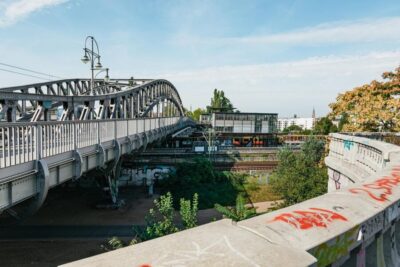
Cold War & Berlin Wall History Guided Bike Tour
Read our review →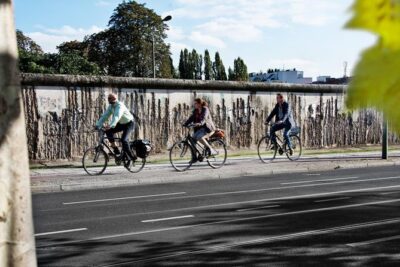
Guided Bike tour of the Berlin Wall and Third Reich
Read our review →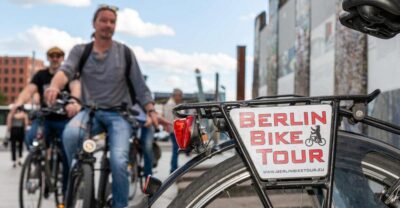
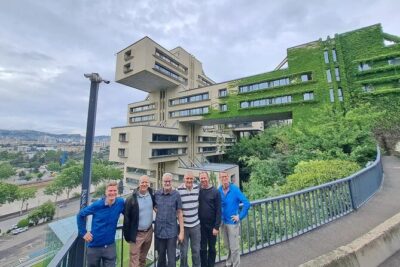
Tbilisi old town & soviet heritage – Private driver-guided Tour
Read our review →
Historical Sights & Berlin Wall Tour with a Berliner
Read our review →Browse the lists this tour appears in