
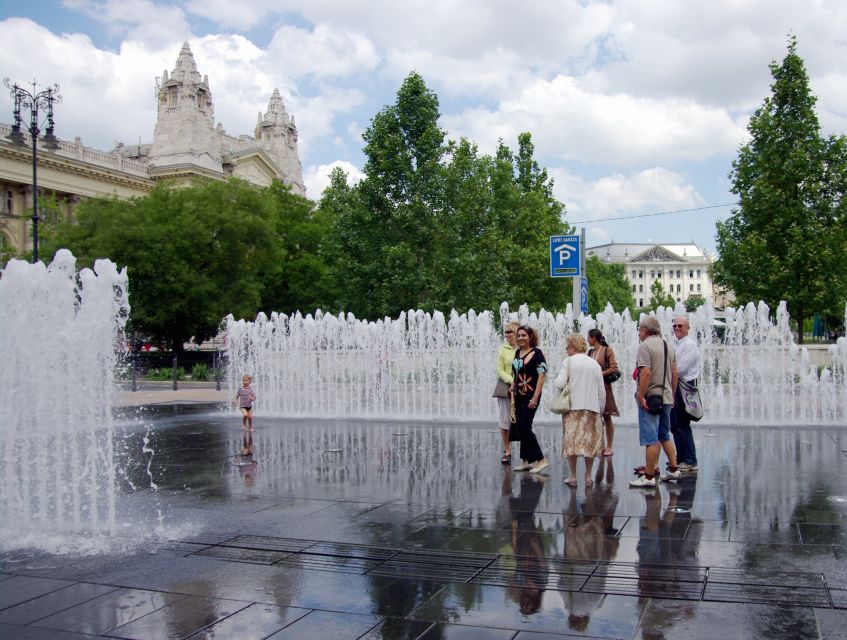
Review · BUDAPEST HISTORY TOURS
Budapest: Communist History Tour with House of Terror Option
Budapest’s Communist past is not confined to a museum. It appears in Parliament Square, on Liberty Square, in monuments, church history, and the marks left by the 1956 uprising. This tour connects those places before taking you to either the playful Budapest Retro Center or the grim House of Terror Museum.
I like the small groups, limited to 10, and the chance to ask direct questions. I also like the guides’ human approach. Alexandra, Flora, Bea, Noémi, and others have been praised for explaining difficult events clearly, sometimes adding family memories from life under Communism. The main consideration is tone: the House of Terror option can be emotionally heavy, while the Retro Center is lighter and more hands-on.
Key points to know
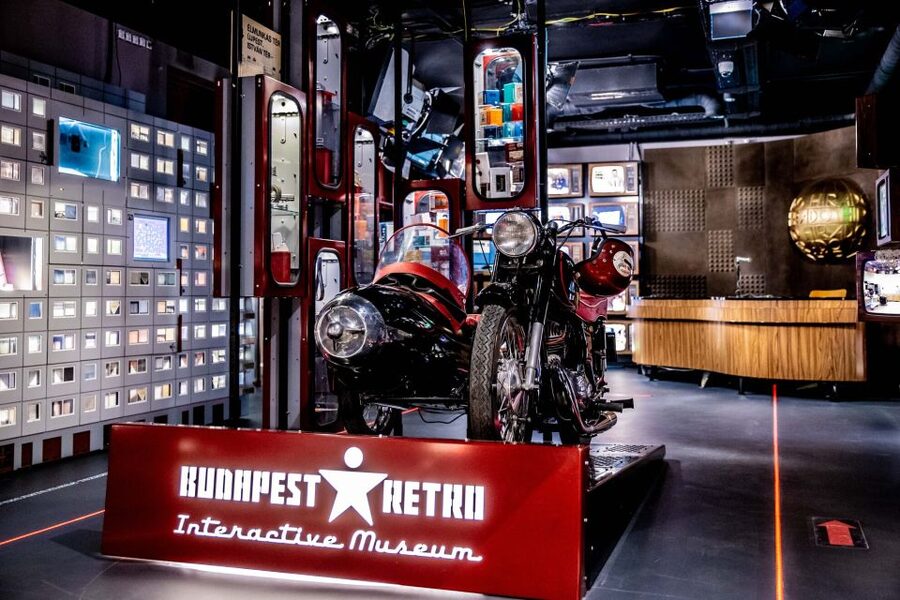
- Two very different museum choices: Choose the cheerful Budapest Retro Center in the morning or the darker House of Terror Museum in the afternoon, depending on the option booked.
- A walk through central Budapest: Begin near Parliament, then continue to Liberty Square and sites tied to Soviet rule, church opposition, and the 1956 revolution.
- Small English-speaking groups: Groups are limited to 10, giving you a better chance to ask questions and hear the guide.
- Personal Hungarian context: Guides such as Alexandra, Flora, Bea, Kati, and Noémi explain how political events shaped ordinary life.
- Useful for first-time learners: The tour connects World War II, Nazi rule, Communist control, 1956, and the end of Communism in 1989.
- About $58 per person: The price makes the most sense if you want a guide to interpret the museum rather than simply walk through it alone.
Parliament Square and the first look at Soviet-era Budapest
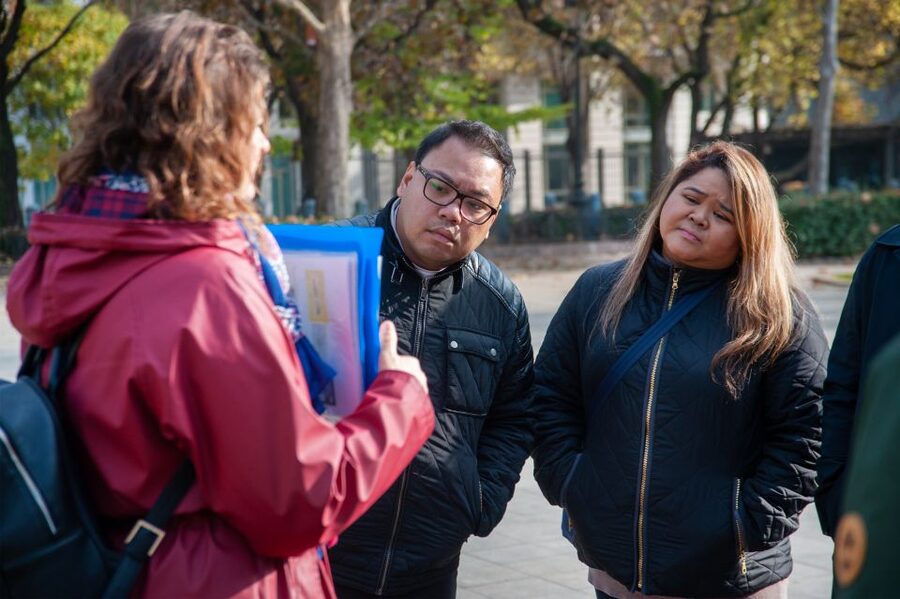
The tour begins near the magnificent Hungarian Parliament, one of Budapest’s grandest buildings. That setting matters. It places the story of dictatorship beside the country’s modern democratic institutions, giving you an immediate sense of the political forces that shaped Hungary.
From here, your guide points out monuments connected with the victims of the Communist dictatorship. These are not just decorative stops. They help explain how political violence entered everyday life through imprisonment, forced labor, deportation, surveillance, and fear.
The opening walk is especially useful if you know little about Hungary. The country’s Communist period lasted roughly 45 years under Soviet military occupation, but the story did not begin with a simple switch from freedom to dictatorship. The guided route sets up the years before Communist rule, the postwar takeover, and the later struggles against Soviet control.
You will want comfortable shoes. The tour is short, but it is a walking experience across central Budapest, with stops for explanation and photos. One useful feature is the steady pace. Guide Alexandra, for example, was praised for allowing people using walking aids to catch up before continuing the explanation. That kind of attention can make a real difference in a small group.
More Cold War and Communism Tours in Budapest:
- Communist History Evening Walking Tour of Budapest
★ 4.5 · 23 reviews - Prague: Communism History and Nuclear Bunker Guided Tour
★ 4.7 · 2,417 reviews - Prague Communism History and Nuclear Bunker Tour
★ 5.0 · 1,742 reviews
Liberty Square and the Soviet Liberation Memorial
The walk continues to Liberty Square, where you see the Soviet Liberation Memorial. It is described as the last Communist monument in Budapest still in its original place, making it an important stop for understanding how public memory works in Hungary.
This part of the tour helps you see why Budapest’s political history remains visible in ordinary city spaces. Monuments can honor liberation, occupation, sacrifice, or all three at once, depending on who is looking at them. A local guide can explain those competing meanings far better than a quick photograph can.
I would pay close attention here to the guide’s explanation of Hungarian attitudes toward Soviet power. The subject is not neatly divided into heroes and villains. World War II, Nazi rule, Soviet arrival, the later Communist state, and the 1956 revolution overlap in ways that can be hard to follow without a clear timeline.
You also see the famous windows connected with Cardinal József Mindszenty, the anti-Communist Catholic Church leader who spent many years in exile there. The stop adds a religious and personal dimension to the political story. It shows how opposition could take place through the church as well as through public protest.
Cold War secrets beneath the city
One of the more unusual parts of the walking route involves the ventilation channels of a secret underground nuclear bunker built during the Cold War. You do not simply hear about international tensions in the abstract. You see a physical reminder of how governments prepared for a possible nuclear conflict.
This stop is valuable because it broadens the tour beyond Hungarian political figures. The Cold War shaped buildings, public planning, military thinking, and daily fears across Europe. A bunker ventilation system is a small detail, but it makes that period feel concrete.
Do not expect a long bunker visit based on the information provided. The route takes you to the ventilation channels and explains their purpose. That makes it more of a city-history stop than a full underground attraction. Still, it is one of the tour’s most distinctive details and a welcome change from monuments and museum displays.
The 1956 revolution in the streets
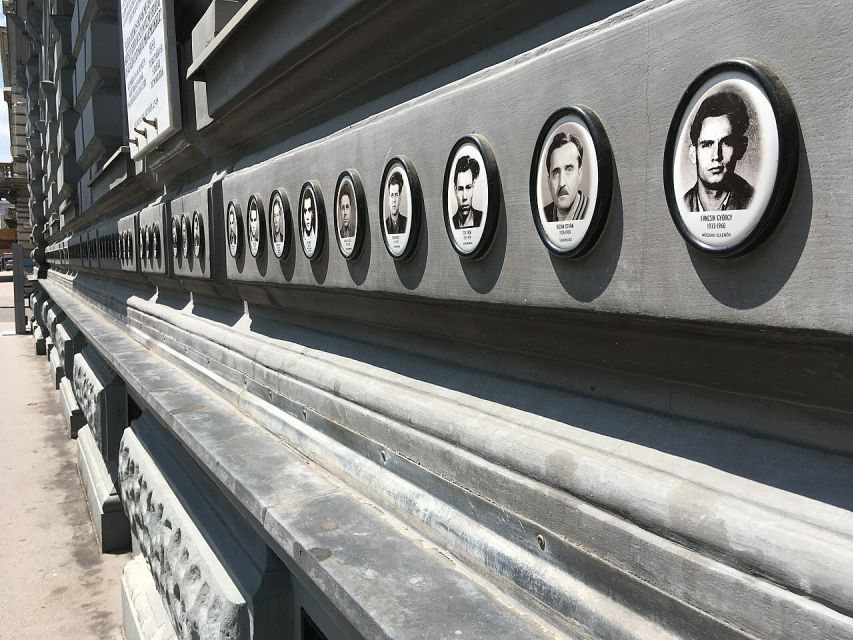
The route also visits sites linked with Hungary’s anti-Soviet revolution of 1956. Your guide explains what happened and what followed, including the consequences for people who opposed the regime.
This is where a strong guide matters most. The facts can be reduced to dates and political slogans, but the human cost is harder to understand. Guides including Flora, Kati, Bea, and Noémi have been praised for answering questions patiently and adding personal or family context when appropriate.
The small group format helps here. With no more than 10 people, you can ask about daily life, political trials, education, work, religion, or the relationship between Hungarian society and Moscow. Several guides have been described as especially good at adjusting the explanation to the group’s knowledge level.
If you have family ties to Hungary, allow yourself extra time after the tour. The stories about exile, surveillance, deportation, and political repression may bring up family memories. One visitor specifically found the experience moving because grandparents had lived through Soviet rule. This is not a sightseeing route you rush through for photos.
More History Tours in Budapest:
- Budapest: Historic Cruise with Welcome Drink
★ 4.7 · 6,512 reviews - Budapest Historical Sightseeing – Free Walking Tour
★ 5.0 · 1,302 reviews - Buda Castle District Dark History, Legends and Vampire Night Tour
★ 4.5 · 1,240 reviews - BloodThirsty Hungary: Walking tour & Dark Historical Stories
★ 4.9 · 633 reviews
Morning choice: the Budapest Retro Center
The morning option combines the walking tour with a one-hour guided visit to the Budapest Retro Center. This is the more approachable choice if you want Communist-era history without spending the entire experience in a solemn mood.
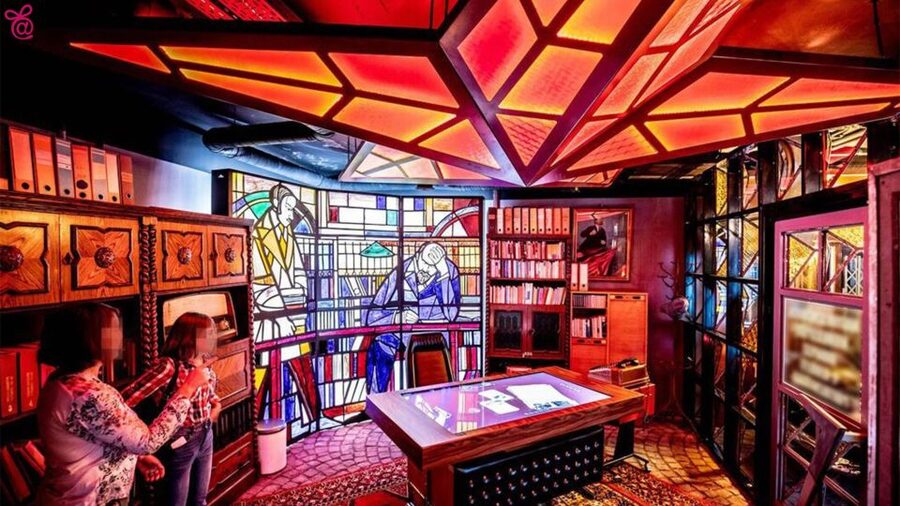
The center covers everyday life from roughly the 1960s through the 1980s. Its collection includes street scenes, typical vehicles, Soviet-Hungarian space-flight material, home interiors, and thousands of period objects arranged across three floors.
The appeal is its focus on ordinary life. Political history tells you what the state did. Household objects and street displays show how people lived around it. You might see the sort of furnishings, vehicles, and consumer goods that help explain the era to anyone who did not grow up in Eastern Europe.
The exhibition also has playful elements. You can dress as a Communist comrade or try presenting a television news broadcast from the period. That makes this option a good fit for families, mixed-age groups, and anyone who wants a lighter ending after a serious historical walk.
Still, keep your expectations balanced. The Retro Center is not a substitute for the House of Terror if your main goal is political repression, interrogation, and the machinery of dictatorship. It is better for atmosphere, material culture, and the texture of everyday life.
One guide, Adam, was especially appreciated for combining historical explanation with personal memories of growing up under a Communist regime. That sort of added context can turn a display of old objects into a lesson about how people adapted to the system.
Afternoon choice: the House of Terror Museum
The afternoon option takes you to the House of Terror Museum, either for a visit on your own with an additional ticket or as a guided museum visit, depending on the option selected. The museum occupies the former headquarters of the AVO State Protection Police, Hungary’s local version of the Soviet KGB.
This is the more serious choice by far. The museum covers the period from World War II through Nazi rule, Soviet occupation, and Communist dictatorship. Displays address the economy and daily life of the 1950s, interrogation and torture cells, political trials, mass deportations, labor camps, the 1956 revolution, and the end of Communism in 1989.
The building itself is part of the story. You see the office associated with the feared director and the cells linked with interrogation and torture. The setting gives physical weight to events that can otherwise feel remote.
The House of Terror is not a gentle museum. It deals with brutality, imprisonment, and political control, so I would choose it only if you are ready for difficult material. The experience can be haunting and emotional, particularly if your family has a connection to Hungary.
A guide is especially useful here. The museum contains strong visual material and a large amount of information, but the political sequence can be confusing. Alexandra, Noémi, Flora, and other guides have been praised for explaining the exhibits in clear English and answering questions in depth. One guide extended the visit by about half an hour to cover important exhibits, though you should not assume every tour will run long.
There is one practical point to remember: the guide is an independent professional, not a museum employee. Your ticket comes from the guide, not from the museum ticket office, so do not wait in the regular ticket line looking for it.
How the two museum choices compare
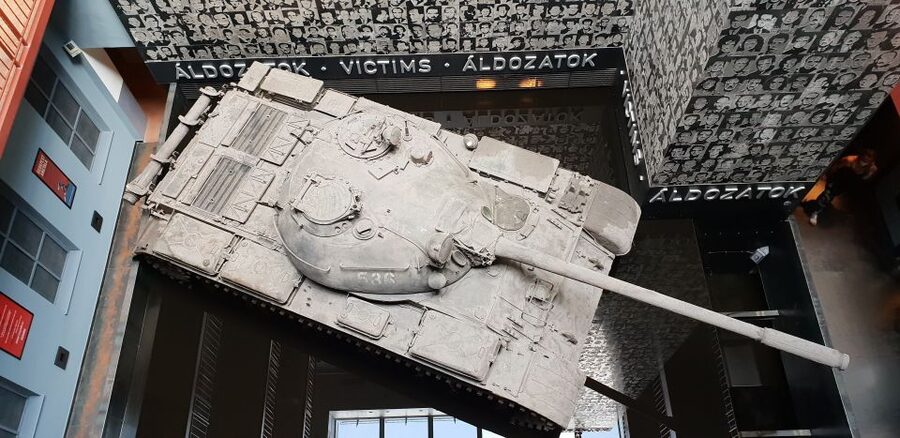
The decision is simple if you match the museum to your interests.
Choose the Budapest Retro Center if you want:
- A lighter, more playful ending
- Everyday objects and home interiors
- Period vehicles and space-flight material
- Interactive activities
- A better fit for children or mixed interests
Choose the House of Terror Museum if you want:
- Political repression and state violence
- Interrogation rooms and prison cells
- The history of Nazi rule and Soviet occupation
- The 1956 revolution and its aftermath
- A more intense, serious museum visit
The walking route is shared at the start, so neither option loses the central Budapest context. The real difference is how you want the final hour to feel.
Guides, group size, and the value of local context
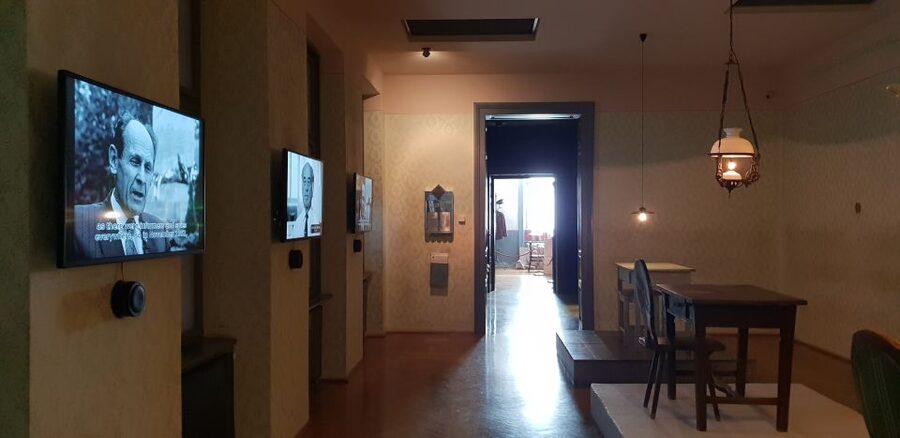
The strongest part of this experience is the guide. Names that come up repeatedly include Alexandra, Flora, Bea, Kati, Noémi, Naomi, and Veronika. Their styles vary, but the useful pattern is clear: the best experience comes from asking questions.
Several guides have been praised for precise dates, clear English, and personal stories. Veronika, for example, drew on her experience of growing up in Hungary under Communism. Kati connected Hungarian events with American involvement and support. Other guides helped visitors understand the subject even when members of the group had different language needs.
The limit of 10 people is a real advantage. A large group can turn a difficult subject into a lecture heard from the back. Here, you have a better chance of stopping to ask about a monument, checking a detail, or explaining your own family connection.
The tour is offered in English. Some guides have handled bilingual family groups informally, but the official language is English, so do not book it expecting a regular Hungarian-English bilingual tour.
Is $58 a fair price?
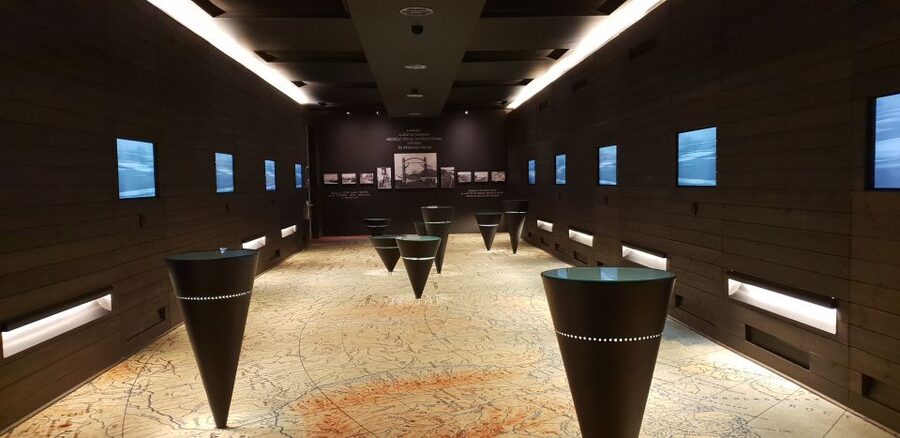
At about $58 per person, this is not the cheapest way to see Budapest. The value depends on how much interpretation you want.
If you simply want to enter a museum and read labels, the price may feel high. If you want the city walk, a trained guide, historical context, and admission to one of the two museums, the cost is more reasonable. The experience joins several parts of the story that are often separated: Parliament, Soviet monuments, church opposition, Cold War defenses, 1956, and either daily life or political terror.
The small group also improves the value. You are not paying for transport or a full-day excursion. You are paying for focused explanation in central Budapest, with museum entry included according to the option chosen.
I would especially recommend it early in your Budapest visit. The walk can give you context for other sights, current political debates, and memorials you encounter later.
Who should book this experience?
This tour suits you if you are interested in the Cold War, modern European history, political memory, or family history. It also works well for students. One parent booked it because a daughter was studying Communism at school, and the tour provided a strong connection between classroom material and real places.
It is also a good choice if you want something beyond Budapest’s grand architecture and cafés. The route shows a city shaped by occupation, protest, fear, and adaptation.
You may want to choose another activity if you dislike emotionally heavy museums, have difficulty walking for two hours, or want a broad survey of all Hungarian history. The tour focuses tightly on the 20th century, especially the Communist period.
The walk is not presented as a museum-operated tour, and the guide is an independent professional. That is worth remembering when you judge the experience. The quality depends heavily on the individual guide, but the repeated strengths are clear: strong preparation, personal context, patience, and enthusiasm for the subject.
Should you book it?
Book this tour if you want to understand the political story behind modern Budapest rather than simply look at its buildings. I would choose the House of Terror option for a serious study of dictatorship and repression, and the Retro Center for a more relaxed look at everyday Communist life.
At $58, it offers solid value when you want a small group and a guide who can connect monuments, museums, and family memories. Go with an open mind, wear comfortable shoes, and expect the House of Terror route to stay with you long after the walk ends.
FAQ
How long does the Communist History Tour last?
The stated duration is two hours. The museum portion may occasionally take longer if the guide spends extra time explaining important exhibits, but you should plan around the two-hour duration.
What does the tour include?
It includes a professional English-speaking guide, the Communist-themed walking tour when that option is selected, and entry to either the Budapest Retro Center or the House of Terror Museum, depending on the option booked.
What language is the tour offered in?
The official tour language is English.
How large is the group?
The experience is offered in a small group limited to 10 participants.
Where does the tour meet?
The meeting point can vary according to the option you book. Check the details for your selected time and museum choice.
Is the House of Terror Museum guided?
There are different options. You can choose an afternoon walking tour with a House of Terror ticket for a self-guided museum visit, or select an option with a guide inside the museum.
Can I get my House of Terror ticket at the museum ticket office?
No. The guide provides the ticket. Do not look for it at the museum ticket office.
Can I cancel the booking?
You can cancel up to 24 hours in advance for a full refund. A reserve-now-and-pay-later option is also available.
Newest history tours we have reviewed in Budapest
- Time Machine Budapest Historical Exhibition Ticket★ 5.0 · 32 reviews
- Jewish Heritage in Hungary with a Historian★ 5.0 · 37 reviews
- Budapest Jewish Heritage: Synagogues, Shoes, Secrets & Flódni★ 5.0 · 47 reviews
- Private Jewish Heritage Tour including Hotel Pickup★ 4.5 · 35 reviews
- Jewish Heritage / Full tour★ 5.0 · 59 reviews
- Michael Jackson History Exhibition Ticket★ 5.0 · 42 reviews
- Communist History Evening Walking Tour of Budapest★ 4.5 · 23 reviews
- HOLLÓKŐ UNESCO World Heritage site + Eger Castle Private guided tour★ 4.5 · 18 reviews
Cold War & Communism Tours, compared.
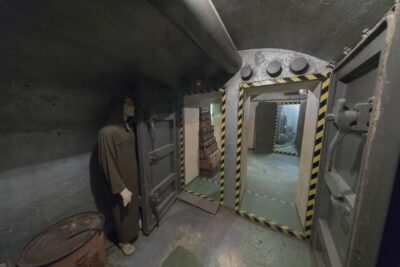
Communism History and Nuclear Bunker Guided Tour
Read our review →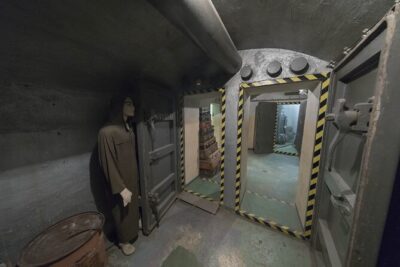
Prague Communism History and Nuclear Bunker Tour
Read our review →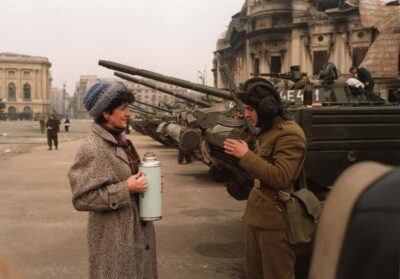
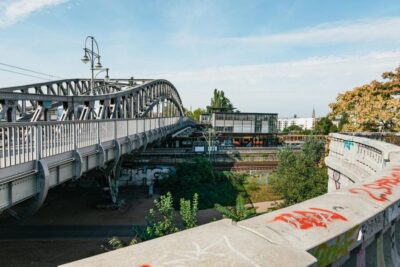
Cold War & Berlin Wall History Guided Bike Tour
Read our review →
Chisinau: Discover Soviet Heritage of Transnistria
Read our review →
Guided Bike tour of the Berlin Wall and Third Reich
Read our review →
Browse the lists this tour appears in