
Review · BUDAPEST HISTORY TOURS
Budapest Jewish Heritage: Synagogues, Shoes, Secrets & Flódni
Budapest’s Jewish heritage is best understood on foot, where grand synagogues, quiet memorials, and fragments of the old ghetto sit among modern streets. This private walk connects those places with the stories of Hungarian Jewish life, wartime persecution, survival, and cultural renewal. The final taste of flódni, a traditional Jewish pastry, gives the 2-hour-45-minute route a human finish.
I like two things right away: the private format, which lets you ask questions and set the pace, and the range of sites. You see three very different synagogues, not just the famous Dohány Street building, then move to the Carl Lutz Memorial, the Shoes on the Danube, and the old ghetto area.
The main thing to consider is cost. At $102.95 per person, this is not a cheap city walk, and synagogue admission is not included. You are paying for a personal guide, historical context, and a focused route rather than a simple introduction to the neighborhood.
Key points to know before you book
- Three synagogues, three Jewish traditions: Compare the grand Dohány Street Synagogue, Moorish Rumbach Street Synagogue, and Orthodox Kazinczy Street Synagogue.
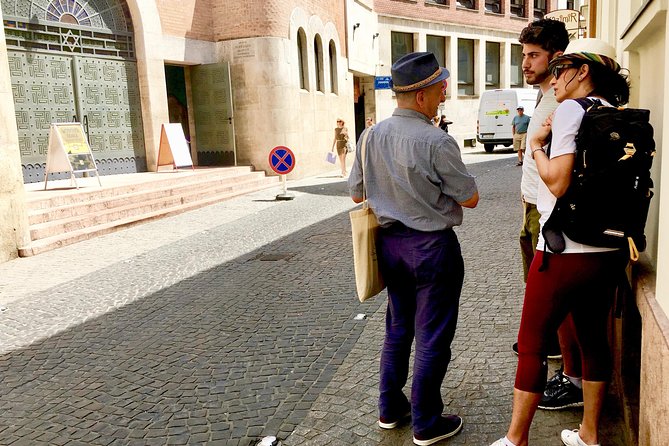
- A private guide shapes the experience: Guides including Gabriella, Miklos, Edith, Kata, and Peter have led this route, with room for questions and personal discussion.
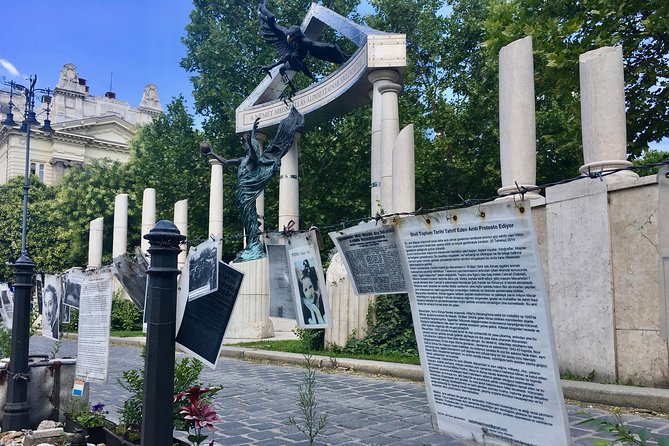
- World War II sites are central: The walk covers the former ghetto, the Carl Lutz Memorial, and the Shoes on the Danube.
- The pastry stop matters: Flódni adds a taste of Jewish Hungarian culture after the heavier historical material.
- Plan for extra entrance fees: Synagogue admission tickets are not included in the tour price.
- It suits serious learners: The route is strongest for anyone who wants context, conversation, and personal stories rather than a quick photo stop.
Starting at Dohány Street and Herzl Square
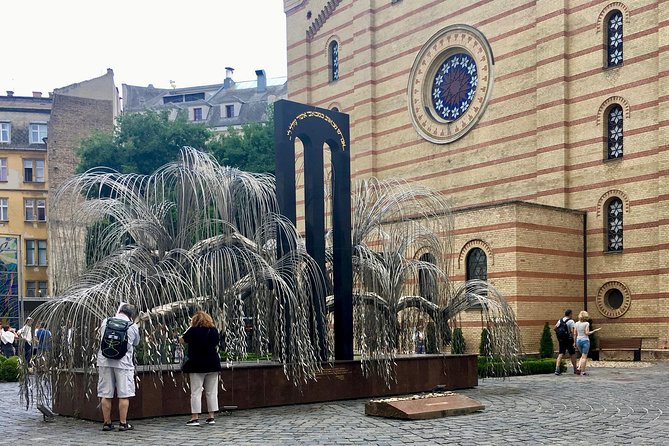
The walk begins at Dohány u. 1, beside the Great Synagogue and Herzl Square. That is a useful starting point because you are immediately in the historic Jewish Quarter, and your guide can explain how the neighborhood developed before the Second World War.
The Great, or Central, Synagogue is the first major stop. It is the largest synagogue in Europe, with seating for 3,000 people, and serves as a center of Neolog Judaism, the Hungarian movement that developed its own traditions within modern Jewish life.
You spend about 20 minutes here. That is enough for an exterior introduction and historical explanation, but not a full visit if you also want to explore the interior at length. Admission is not included, so check the current entry arrangements and fee when planning your day.
The building itself gives your guide plenty to discuss. Its unusual architecture reflects the distinct path of Hungarian Jewish communities, and the site opens the door to the fate of Hungarian Jewry during the Second World War. You also hear about famous Hungarian Jews connected with science, arts, business, and cinema.
I like this opening because it avoids treating the synagogue as just a grand building. The guide places it inside the story of Budapest, its Jewish population, and the culture that helped shape the city. If your interest is limited to architecture, you may find the wartime and social history more extensive than expected. That is a strength for most people, but it is worth knowing before you book.
More Jewish Heritage Tours in Budapest:
- Budapest Jewish Heritage Memorial Walking Tour & Synagogue Entry
★ 5.0 · 568 reviews - Budapest: Jewish Heritage Guided Tour with Synagogue Ticket
★ 4.8 · 533 reviews - Budapest: Jewish History Guided Walking Tour with Historian
★ 4.8 · 205 reviews
Comparing Rumbach and Kazinczy Street
The next synagogue is Rumbach Street Synagogue, built in 1872 for the more moderate Conservative community. Austrian architect Otto Wagner designed it, and the building is known for its Moorish interior.
You spend about 15 minutes here. The restored decoration gives you a chance to compare Rumbach with the Great Synagogue, both in appearance and in religious identity. This comparison is one of the best reasons to choose a specialist walk rather than visit one building alone.
Entry is not included, and access may depend on the synagogue’s opening schedule. If seeing the interiors is essential to you, confirm the day’s arrangements before you arrive. The route can still explain the building from outside, but the interior is a major part of its appeal.
Kazinczy Street Synagogue provides a third point of comparison. Built in 1913, it served Budapest’s Orthodox community and uses a more modern design with late Art Nouveau touches. Bright colors and ceiling stained glass designed by Miksa Róth give it a different mood from the other two buildings.
The stop lasts about 10 minutes, again with admission extra. You learn how the different Jewish communities used separate institutions and developed distinct religious customs. That detail makes the quarter easier to understand. The synagogues are not interchangeable monuments. Each one reflects a different part of Jewish life in Budapest.
The route may also include a smaller house or tenement synagogue, depending on the guide and the private group’s discussion. That is not listed as a formal stop in the basic schedule, so treat it as a possible variation rather than a guarantee. The personal nature of the tour allows guides such as Gabriella, Edith, Miklos, or Kata to adjust the emphasis.
Remembering Carl Lutz and the Budapest ghetto
The Carl Lutz Memorial is a brief but important stop. The Swiss diplomat helped save tens of thousands of Jews in Budapest from persecution and deportation during the war. You spend about 10 minutes here, with no admission fee.
This is a good place to ask questions about the many forms of help and resistance that existed during the war. The route does not present the Jewish community only as a victim of events. It also introduces the people who used their position, courage, or resources to protect others.
From there, the walk turns toward the former Budapest ghetto. A small section of the ghetto wall remains in the heart of the city. You spend about 15 minutes learning how Jews were forced into the ghetto near the end of the war, how people lived there, and what eventually happened to them.
The physical remains are limited. You will not see a complete preserved district that looks as it did in 1944. Your guide has to rebuild that vanished world through explanation and stories. This is where the quality of the guide matters most.
Kata, for example, has shared family connections to Hungarian Jewish life, the Holocaust, and the Soviet occupation. Other guides, including Miklos and Gabriella, are praised for placing Hungarian Jewish history into a wider European setting. The personal tone can make the past feel closer, but it can also bring difficult subjects into the conversation. Come prepared for a serious section of the walk.
The Shoes on the Danube memorial
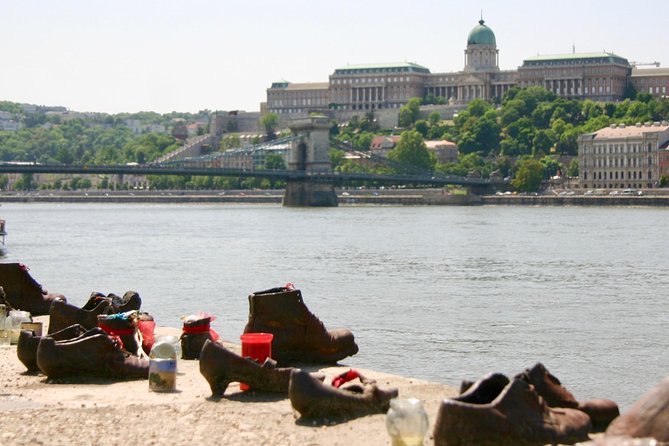
The Shoes on the Danube Bank is one of Budapest’s most moving memorials. The sculpture shows shoes left along the riverbank, recalling Jewish victims who were ordered to remove their shoes before being shot. Their bodies were carried away by the Danube.
You spend about 10 minutes at the memorial, and admission is included. The site is outdoors and simple, with no grand structure to distract from the idea it represents. Your guide gives the memorial its historical setting, then there is room for quiet reflection.
This stop can feel abrupt after the synagogue visits and neighborhood streets. That is part of its force. You move from religious buildings and community life to a place connected with murder and disappearance. I appreciate that the route does not rush past it as another item on a checklist.
The memorial is near the river rather than in the center of the Jewish Quarter, so the walk also helps connect the ghetto story with the wider geography of Budapest. You see how close these places are in the modern city, even though the original community and streetscape have changed.
More History Tours in Budapest:
- Budapest: Historic Cruise with Welcome Drink
★ 4.7 · 6,512 reviews - Budapest Historical Sightseeing – Free Walking Tour
★ 5.0 · 1,302 reviews - Buda Castle District Dark History, Legends and Vampire Night Tour
★ 4.5 · 1,240 reviews - BloodThirsty Hungary: Walking tour & Dark Historical Stories
★ 4.9 · 633 reviews
Finishing with Jewish Budapest and flódni
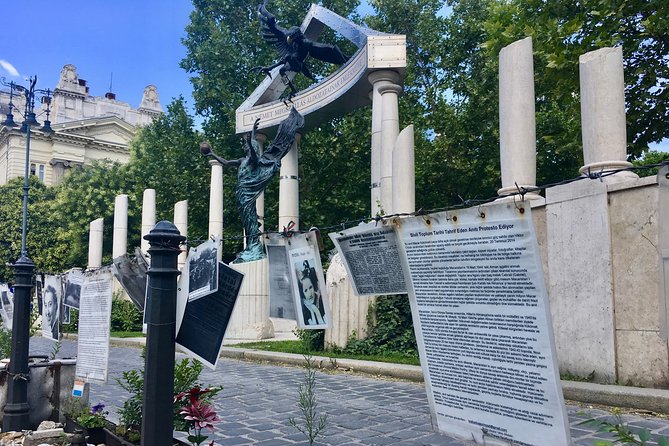
The final formal stop returns to Dohány Street, where you finish with flódni. This traditional Jewish pastry typically brings together layers and fillings associated with Jewish Hungarian baking, and here it functions as more than a snack.
After nearly three hours of difficult history, food gives the tour a warmer ending. It reminds you that Jewish heritage is not limited to memorials, persecution, and loss. It includes kitchens, family customs, religious practice, language, celebrations, and everyday work.
The plan includes a snack, but the exact café or serving arrangement can vary. Some private groups have shared food in a small synagogue kitchen or continued the conversation over coffee and pastry. If the flódni stop matters to you, ask your guide at the start how it will be handled that day.
A few people have found that the final conversation is especially useful. You can ask about modern Hungarian Jewish life, the community’s future, or subjects that did not fit neatly into the walking route. The tour’s private format makes this more natural than it would be in a large group.
What the private format is worth
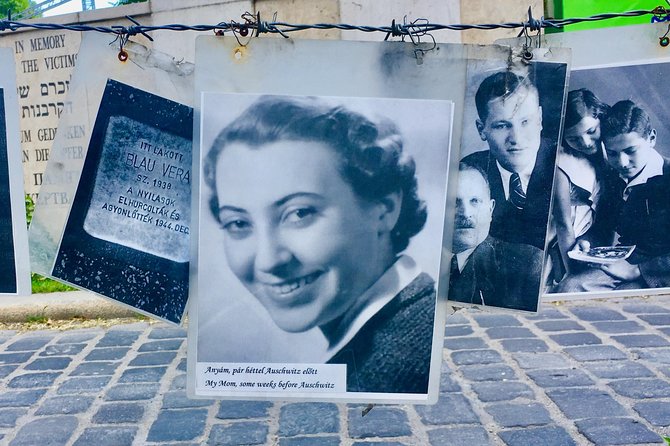
The advertised price is $102.95 per person. That is a substantial outlay for a walk of less than three hours, especially because entrance tickets to the synagogues are extra and public transportation is not included.
Still, the value depends on how you use the guide. If you want only a quick look at the Great Synagogue, you can find less expensive options. If you want to compare three Jewish traditions, ask about Hungarian Jewish identity, discuss family history, and shape the conversation around your own interests, the private format makes more sense.
The tour is offered in English and includes hotel pickup. The listed meeting point is Dohány u. 1, and the activity ends back there. Because the experience is private, only your group participates. That is useful if you are traveling with family, have a limited schedule, or want to discuss personal questions without a busload of strangers listening.
One practical point: the advertised duration is approximate. The route includes several short stops and a fair amount of walking. Wear comfortable shoes and leave enough time afterward if you have a train, cruise departure, or another timed booking. One group with a ship schedule found the private format helpful, but the walk still deserves a clear buffer.
Most people can take part, service animals are allowed, and the route is near public transportation. Hotel pickup is offered, but the stated meeting point remains the Great Synagogue. Confirm the pickup details when booking so you know where to wait.
The guides make the biggest difference
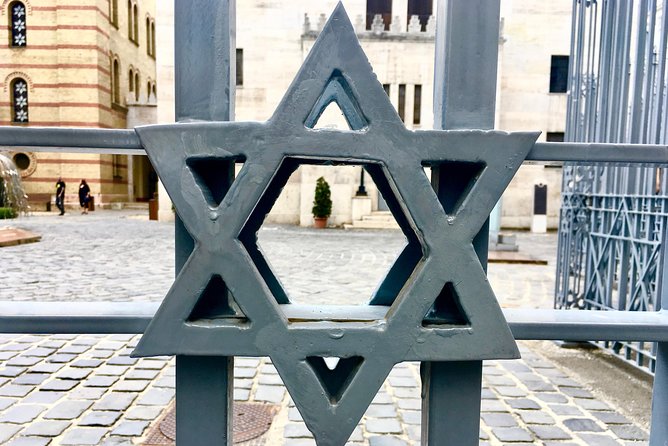
The strongest part of this experience is the guide. Names associated with the tour include Gabriella, Miklos, Edith, Kata, and Peter or Pieter. The exact guide is not guaranteed, but the tour is designed around a genuine Jewish guide and historian rather than a recorded script.
Gabriella is described as warm, clear, and passionate about Hungarian Jewish history. Edith’s approach combines explanation with questions that make you think about what you are seeing. Miklos brings the perspective of a retired educator and often places the Jewish community’s story into the larger development of Budapest.
Kata has offered personal family connections to Hungarian Jewish life, the Holocaust, and the Soviet occupation. That kind of first-person context can be meaningful, especially if you are exploring your own Jewish or Hungarian background.
At the same time, guide style can vary. One participant wanted more detailed stories about how people protected themselves and how wartime events unfolded. That is a useful warning. This is a heritage tour with a strong historical frame, not solely a Holocaust survival narrative.
If you want a particular emphasis, say so at the beginning. You can ask for more architecture, religious differences, family life between the two world wars, wartime rescue efforts, or present-day Jewish culture. The guide can then spend less time on topics you already know.
Who should book this Budapest walk?
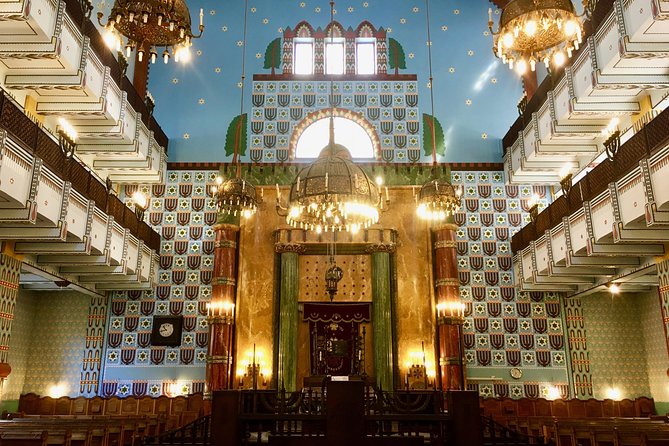
I would recommend it most strongly if you want a serious introduction to Jewish Budapest and prefer conversation to a fixed group lecture. It works well for people with family connections, history students, first-time visitors who want context, and anyone who wants to see more than the Great Synagogue.
It is also a good choice for a short Budapest stay. The route covers several important places in one compact outing, including the Jewish Quarter, river memorial, ghetto remains, and three synagogues. You can then return later to whichever building or museum deserves more time.
You may want a different experience if you dislike solemn historical subjects, need a mostly seated tour, or want all entry fees included in one price. The walk is not designed as a light sightseeing stroll. Its best moments are thoughtful and sometimes painful.
The 4.9 rating from 47 published ratings and the 96 percent recommendation figure suggest a consistently strong experience, but I would focus less on the numbers than on the fit. The tour succeeds when you want a guide who can answer questions and connect buildings to people.
FAQ
How long does the Budapest Jewish Heritage tour last?
The tour lasts approximately 2 hours and 45 minutes.
Where does the tour begin and end?
It begins at Budapest, Dohány u. 1, 1074 Hungary, near the Great Synagogue and Herzl Square. The activity ends back at the meeting point.
Are synagogue entrance tickets included?
No. Entrance tickets are not included in the $102.95 price. The stop at the Shoes on the Danube memorial has included admission, while the Carl Lutz Memorial and ghetto wall area are free.
Is the tour private?
Yes. Only your group participates in the activity.
Is hotel pickup available?
Yes. Hotel pickup is offered, although the stated meeting point is Dohány u. 1. Confirm the pickup details when booking.
What happens if I need to cancel?
You can cancel for a full refund up to 24 hours before the experience start time. Cancellations or changes made less than 24 hours in advance are not accepted for a refund.
Should you book it?
Book this tour if you want Budapest’s Jewish Quarter explained through its buildings, memorials, and people. The combination of the three synagogues, the former ghetto, Carl Lutz, the Shoes on the Danube, and flódni gives you a fuller picture than a single synagogue visit.
I would especially choose it for a private group with questions, a family tracing Hungarian Jewish connections, or a visitor who has limited time but wants more than surface-level sightseeing. Just budget for synagogue admission, expect serious subject matter, and tell your guide what you most want to understand. At that price, the personal exchange is the reason to go.
Newest history tours we have reviewed in Budapest
- Time Machine Budapest Historical Exhibition Ticket★ 5.0 · 32 reviews
- Jewish Heritage in Hungary with a Historian★ 5.0 · 37 reviews
- Private Jewish Heritage Tour including Hotel Pickup★ 4.5 · 35 reviews
- Jewish Heritage / Full tour★ 5.0 · 59 reviews
- Michael Jackson History Exhibition Ticket★ 5.0 · 42 reviews
- Communist History Evening Walking Tour of Budapest★ 4.5 · 23 reviews
- HOLLÓKŐ UNESCO World Heritage site + Eger Castle Private guided tour★ 4.5 · 18 reviews
- Budapest: Historic Downtown ride on E-Bicycles Buda & Pest★ 5.0 · 227 reviews
Jewish Heritage Tours, compared.
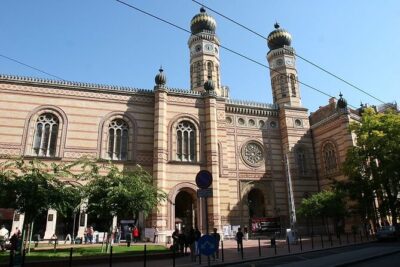
Budapest Jewish Heritage Memorial Walking Tour & Synagogue Entry
Read our review →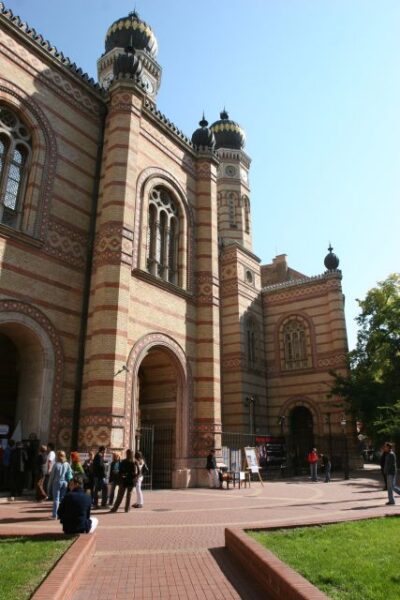
Jewish Heritage Guided Tour with Synagogue Ticket
Read our review →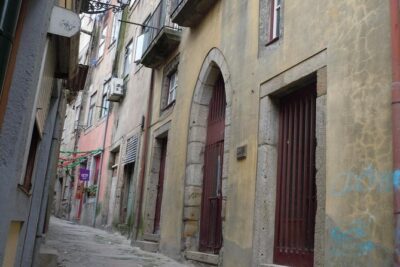
3-Hour Porto Jewish Heritage Walking Tour with Local Guide
Read our review →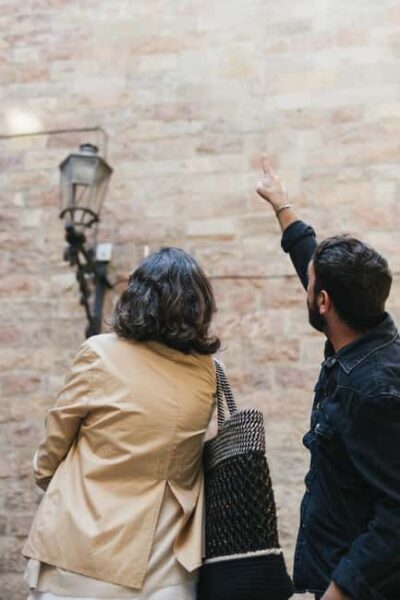
Private Jewish Heritage Journey by Barcelona Dreaming
Read our review →
Anne Frank and the Jewish History of Amsterdam Private Tour
Read our review →
Lisbon Jewish Heritage and History – Private Tour Van
Read our review →
Browse the lists this tour appears in