
Review · WARSAW HISTORY TOURS
Warsaw: Jewish History Guided Walking Tour in English
Warsaw’s Jewish past is not confined to a museum. It is under your feet, in a surviving synagogue, a street that once marked the ghetto, and the empty spaces where whole blocks vanished. This 150-minute walking tour links those places with the human story behind them.
I especially like the focus on Jewish life before the war, not only persecution and death. I also like the guides’ habit of making room for questions, personal reflection, and the occasional lighter comment when the subject becomes hard to carry.
The main drawback is simple: you are outside for the whole tour. Cold weather has tested even enthusiastic walkers, and one large group found it difficult to hear the guide at times. Dress for the forecast and stay close when the group moves.
Key points to know before you book
- Nożyk Synagogue is Warsaw’s only surviving prewar synagogue, giving the walk one of its clearest physical links to the city’s Jewish past.
- Chłodna Street marks the site of the former ghetto bridge, where a raised walkway connected two separated sections.
- Waliców Street once formed part of the ghetto boundary and also connects the story to the 1944 Warsaw Uprising.
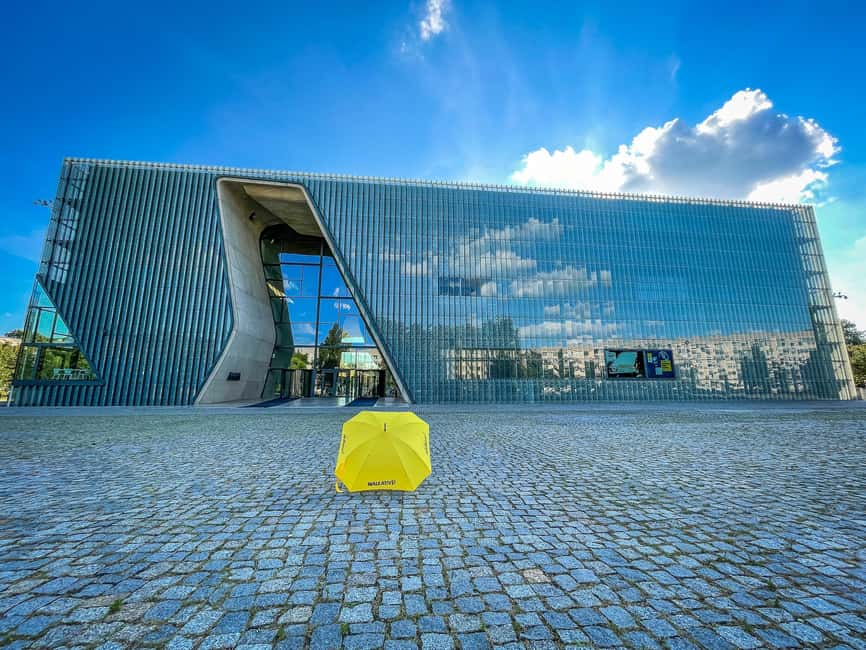
- The tour begins at Grzybowski Square, next to All Saints Church, under a yellow umbrella.
- The guides make a difficult subject approachable, using photos, maps, humor, and space for questions.
- The $26 price is good value if you want a serious introduction without committing to a private tour or a longer museum visit.
Why this walk matters: Jewish Warsaw before 1939

The most important feature of this tour is its order of storytelling. You do not begin with the Holocaust as if Jewish Warsaw appeared only when it was destroyed. Instead, the walk first gives you a sense of the community that existed before the war.
Before 1939, Warsaw was home to one of the largest Jewish populations in the world, described in the tour material as the second-largest Jewish city anywhere. Jewish residents shaped the city’s business, politics, press, theater, literature, and everyday life.
That context matters. If you walk through former ghetto streets without knowing what stood there before, the story can become a list of tragedies. With the prewar background, the scale of the loss becomes easier to grasp. You are not only hearing about buildings that disappeared. You are learning about neighborhoods, institutions, families, artists, journalists, actors, and writers who gave the city much of its character.
The tour also reaches back to the 19th century. Jewish residents took part in Warsaw’s struggles against occupying powers and joined Polish uprisings. This helps correct the common habit of treating Jewish history and Polish history as separate subjects. In Warsaw, those stories often shared the same streets and political pressures.
I find this opening particularly useful if you know little about Poland or Jewish life in Warsaw. It gives you a basic timeline before the walk reaches the worst years. If you already have a strong background in the subject, the value comes more from seeing the locations and asking the guide focused questions.
More Jewish Heritage Tours in the world:
- Budapest Jewish Heritage Memorial Walking Tour & Synagogue Entry
★ 5.0 · 568 reviews - Budapest: Jewish Heritage Guided Tour with Synagogue Ticket
★ 4.8 · 533 reviews - 3-Hour Porto Jewish Heritage Walking Tour with Local Guide
★ 4.5 · 396 reviews
Grzybowski Square: an easy place to begin
The meeting point is next to All Saints Church at Grzybowski Square. Look for the yellow umbrella. That detail is practical and important because the square can feel busy, and a bright marker saves you from wandering around looking for a sign or office.
The tour is led in English by a live local guide. Names that appear among the guides include Andrzej, Jacek, Anna, Luke, Aga, Agnieszka, Christopher, and Tomasz. The guide you receive depends on the departure, but the consistent strength is clear communication and a serious grasp of Warsaw’s Jewish past.
Several guides have used printed photographs and maps to show what the streets looked like before the war. That is especially helpful in Warsaw, where much of the historic fabric was destroyed and later rebuilt. You may be looking at an ordinary road while the guide points to a photograph of a dense neighborhood, a market, or a building that no longer exists.
The tour joins a general walking group rather than automatically operating as a private experience. That keeps the price low, but group size can affect the sound and pace. One useful piece of advice is to stay near the guide, particularly when walking between stops or crossing busy streets.
Nożyk Synagogue and the last major prewar link
Nożyk Synagogue is the clearest surviving reminder of Jewish Warsaw before the Second World War. It is the only surviving prewar synagogue in the city, so seeing it gives the tour a rare physical anchor.
The synagogue is not just a photo stop. Its survival helps you picture the religious and communal world that once existed across Warsaw. The guide places the building within the wider story of Jewish institutions and daily life, rather than presenting it as an isolated monument.
You should not assume that entrance is included. The published experience promises a walking tour and a view of the synagogue, while one participant specifically hoped the group could go inside. If entering the synagogue is important to you, ask the guide or supplier after booking rather than treating it as part of the standard walk.
This is also a good point to listen for distinctions within Jewish Warsaw. The community was not one single block with one shared experience. It included people with different levels of religious practice, different political views, different languages, and different social backgrounds. A strong guide can make that variety visible even when the buildings themselves are gone.
Chłodna Street and the former ghetto bridge
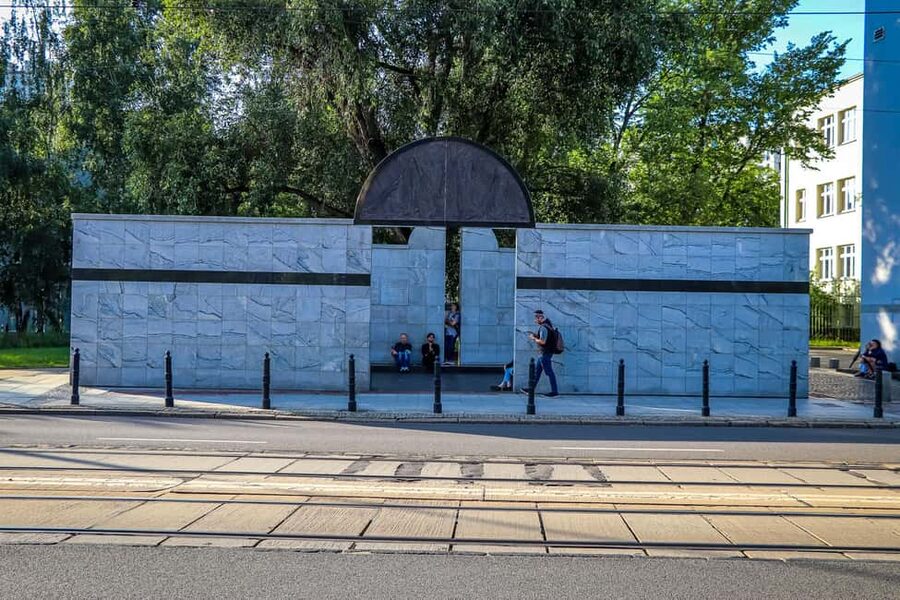
Chłodna Street is one of the most striking stops because it shows how physical space was used to control people. The tour visits the site of the bridge that once joined two sections of the Warsaw Ghetto.
The bridge crossed above the street, allowing people inside the ghetto to move between separated areas without using the road below. Images of that structure have become some of the best-known visual symbols of the Warsaw Ghetto. Standing at the site, you can compare the present-day street with the photographs and maps the guide may bring along.
The power of this stop comes from the contrast. Today, you see a normal urban street. The guide helps you understand how walls, checkpoints, bridges, and forced movement changed ordinary routines. A short distance could become a major barrier. A street that once carried daily traffic also became part of a system designed to isolate and imprison.
This is a place where the guide’s delivery matters. The subject is painful, but the best approach is factual rather than theatrical. Guides such as Luke, Andrzej, and Jacek have been praised for combining clear information with compassion and, when appropriate, restrained humor. That balance keeps the tour human without making light of the subject.
More History Walking Tours in the world:
- History and Hauntings of Salem Guided Walking Tour
★ 5.0 · 14,564 reviews - Lisbon: History, Stories and Lifestyle Walking Tour
★ 4.8 · 10,902 reviews - Boston: Freedom Trail History Small Group Walking Tour
★ 5.0 · 6,450 reviews - Historic Charleston Guided Sightseeing Walking Tour
★ 5.0 · 6,216 reviews
Waliców Street and the changing meaning of a border
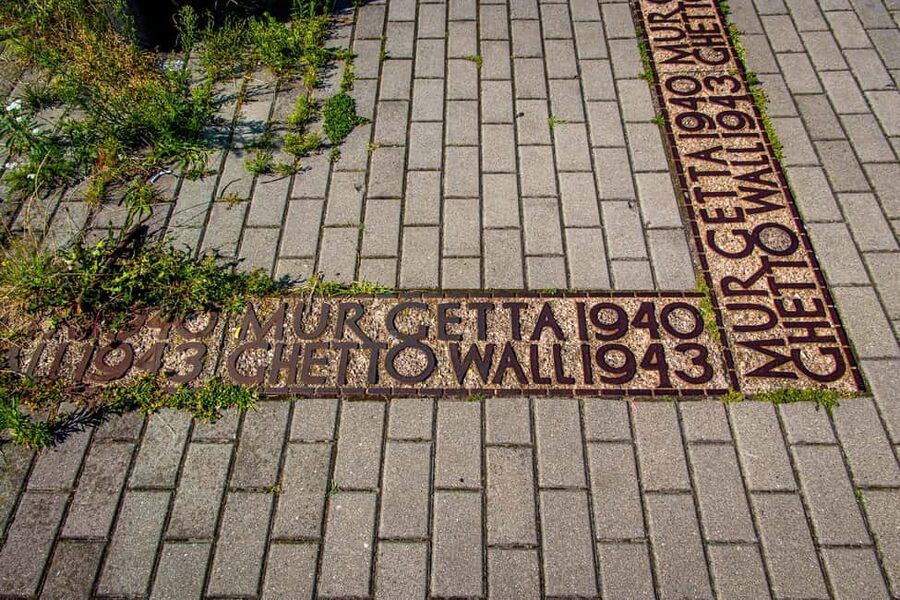
Waliców Street once marked part of the ghetto border. The tour uses it to explain both the physical limits imposed on Jewish residents and the later destruction of Warsaw during the war.
Waliców also connects with the Warsaw Uprising, a subject that can easily become confused with the Warsaw Ghetto Uprising. A good guide will help you keep these events distinct. They occurred in the same devastated city, but they involved different groups, different dates, and different circumstances.
This part of the walk is valuable because it widens the story beyond the ghetto itself. You learn how Jewish history fits into Warsaw’s larger wartime experience, including the city’s resistance and the destruction that followed. The result is a fuller picture of what happened to the city, rather than a tour that treats Jewish history as a small side chapter.
At the same time, do not expect a parade of intact monuments. Much of what you see is absence: altered streets, rebuilt blocks, fragments, markers, and places that require explanation. One guide used photographs and maps to compensate for that lack of visible architecture. I consider that a strength, but you should know what kind of walk this is. It is based on memory, evidence, and location, not a series of preserved interiors.
From tragedy to endurance and renewal
The tour does not stop in 1945. Its final message is about continuity and the Jewish community in Warsaw today.
That does not mean the walk turns cheerful or skips over the scale of the destruction. It means the story does not end with disappearance. The present-day Jewish community is described as young, diverse, energetic, and hopeful about the future. This gives the tour a needed balance. You learn what was lost, but also what has survived and what is being rebuilt.
I appreciate this approach because a memorial walk can sometimes leave you with only grief. Here, the story includes resilience and bravery alongside persecution and death. The guide may also add present-day advice about Warsaw, from cultural context to food or coffee suggestions. Those small practical touches help connect the historical walk to the city you are visiting now.
One participant described an elderly woman stopping to share her own childhood experience during the war. You cannot plan for a moment like that, and it should not be expected, but it shows how living memory can sometimes enter a historic walk without warning. Treat such moments with care and let the guide manage the conversation.
The guides make or break the experience
The strongest part of this tour is the guide. The subject requires more than memorized dates. You need someone who can explain difficult material in plain English, answer questions without losing the thread, and judge when the group needs a pause.
The guide team has received repeated praise for clear speech, factual explanations, warmth, and personal commitment. Jacek has been noted for his strong English and willingness to answer questions. Christopher has been praised for knowing Warsaw’s streets in remarkable detail and for pointing out connections that other walks had missed. Luke has been singled out for combining personal family experience, humor, and directness.
Aga and Agnieszka have also been described as thorough and fact-focused. Anna has used photographs to show what life inside the ghetto could have felt like. These details suggest a tour that is shaped by the person leading it, not a fixed audio script.
There are limits. One larger group found it hard to hear the guide when he walked ahead before finishing a sentence. If that happens, politely move closer or ask the guide to repeat a point. A smaller private tour may solve the problem, but it costs more and needs to be arranged with the supplier after booking.
The standard tour covers the reservation fee and guide payment. If you want a private format, contact Walkative Tours after booking to ask about organizing one. That option may suit families, school groups, or anyone who wants more time for questions.
How the 150 minutes feel on foot
Two and a half hours is a good length for this subject. It gives the guide enough time to explain the background and connect several sites without turning the walk into an all-day commitment.
The pace has generally been described as comfortable, and some people wished the tour had continued longer. That tells you the walk is not a rushed checklist. Still, the time passes quickly because much of the information is delivered while moving between stops.
You remain outdoors for the full duration. In winter, the cold can be severe, and one person specifically wished for a café break. There is no advertised warm-up stop, so wear proper layers, gloves, and shoes suited to walking. In warmer weather, bring water and protect yourself from the sun as needed.
The tour is not described as including hotel pickup, transport, food, or entry tickets. You meet at the square and walk from there. Make sure you arrive at the correct starting point and allow enough time to find the yellow umbrella.
Is $26 a fair price?
At $26 per person, this is a strong value if you want a guided introduction to Warsaw’s Jewish history. You are paying for two and a half hours with a local English-speaking guide, not simply for access to a building.
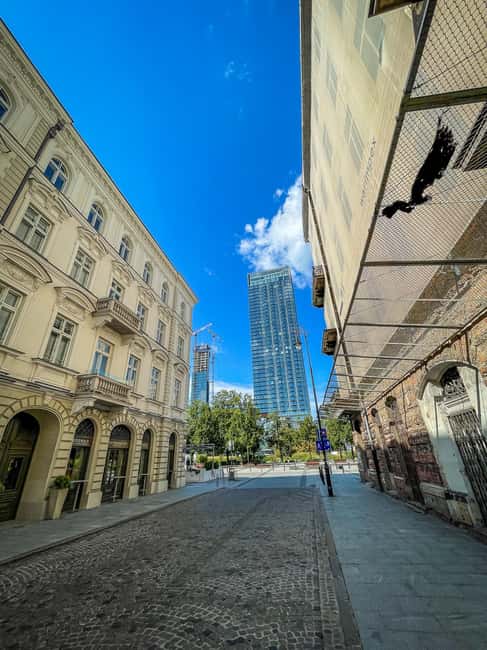
The value comes from interpretation. Nożyk Synagogue is visible, but Chłodna Street and Waliców Street need explanation. Without a guide, you could easily pass the former bridge site or ghetto boundary without understanding what happened there. The photographs, maps, stories, and timeline turn ordinary-looking streets into meaningful places.
A private tour would likely offer more control over pace and questions, but the general group keeps the cost accessible. At the same time, the group format means you may have to work a little harder to hear and may not receive as much time at each point.
Free cancellation up to 24 hours before the tour and the reserve-now, pay-later option also reduce the risk of booking around uncertain plans. Check the available start times before choosing a date, especially in winter when daylight and cold may affect your preference.
Who should book this walk?
I would recommend it to anyone visiting Warsaw for the first time who wants historical context before visiting museums or memorial sites. It is also a good choice if you have Polish or Jewish family connections and want to see the places connected to Warsaw’s wartime story.
It suits people who prefer learning through streets and landmarks rather than spending a whole morning indoors. You will get the most from it if you are willing to listen, ask questions, and accept that some stops are marked by absence rather than grand remains.
This may be less suitable if you want a short, light sightseeing walk, a fully indoor experience, or guaranteed entry to Nożyk Synagogue. It is also not ideal for anyone unwilling to hear upsetting details. The guide may offer some warning before especially difficult material, but the central subject remains persecution, the Holocaust, and wartime destruction.
Should you book the Jewish History Guided Walking Tour?
Book it if you want a serious, human-scale introduction to Jewish Warsaw for $26. The combination of Nożyk Synagogue, Chłodna Street, Waliców Street, prewar culture, the ghetto, the Warsaw Uprising, and today’s community gives you far more than a simple memorial walk.
Choose a warm day if possible, stay close to the guide, and bring layers in cold weather. If you want to enter the synagogue, ask about that in advance. For most people, the tour’s greatest strength is not any single stop. It is the way a skilled guide can help you see the lost city that once occupied the streets around you.
FAQ
How long does the Jewish History Guided Walking Tour last?
The tour lasts 150 minutes, or two and a half hours.
What language is the tour conducted in?
The tour is conducted in English by a live guide.
Where does the tour meet?
Meet next to All Saints Church at Grzybowski Square. Look for a yellow umbrella.
Does the tour include hotel pickup and drop-off?
No. Hotel pickup and drop-off are not included. You meet the guide at Grzybowski Square.
What places does the tour visit?
The walk includes Nożyk Synagogue, the site of the former bridge on Chłodna Street, and Waliców Street, which once formed part of the ghetto border.
Is entrance to Nożyk Synagogue included?
The activity information confirms that you will see Nożyk Synagogue, but it does not confirm entry inside. Ask the supplier or guide if entering the synagogue is important to you.
Is this a private tour?
No. The standard experience joins a general walking tour. You can contact Walkative Tours after booking to ask about arranging a smaller private tour.
Can I cancel for a full refund?
Yes. You can cancel up to 24 hours in advance for a full refund. You can also reserve now and pay later.
Newest history tours we have reviewed in the world
- Bilbao Historical Tour in small group★ 4.7 · 52 reviews
- Bologna: Street Food Tour in the Historic Center★ 4.8 · 125 reviews
- CEBU: Cebu City Heritage and Uphill Guided Tour★ 4.2 · 31 reviews
- Bishkek : City Tour (History, Architects, Statues & Culture)★ 4.9 · 54 reviews
- Blenheim: Omaka Aviation Heritage Centre Admission Ticket★ 4.9 · 31 reviews
- Berlin: Nazi History Walking Tour★ 4.8 · 33 reviews
- Best of Baku: 4-Hour City Tour Historic and Modern Landmarks★ 4.7 · 63 reviews
- Belfast: Best of Belfast History, Culture & Art Walking Tour★ 4.9 · 158 reviews
Jewish Heritage Tours, compared.
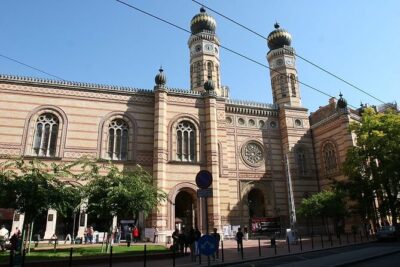
Budapest Jewish Heritage Memorial Walking Tour & Synagogue Entry
Read our review →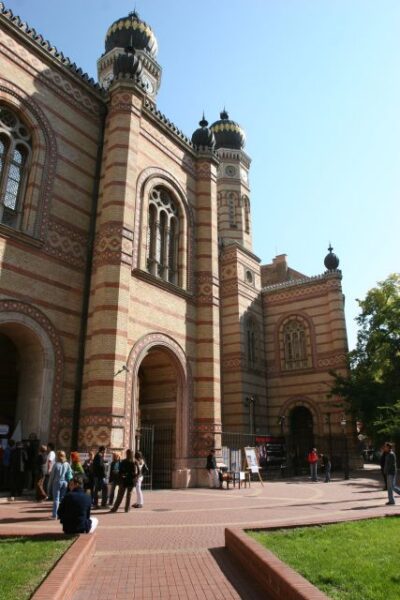
Jewish Heritage Guided Tour with Synagogue Ticket
Read our review →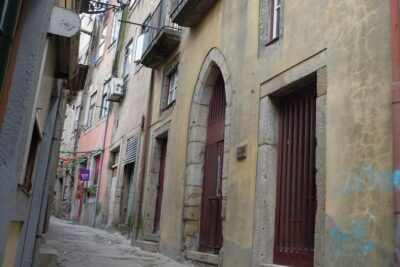
3-Hour Porto Jewish Heritage Walking Tour with Local Guide
Read our review →
Anne Frank and the Jewish History of Amsterdam Private Tour
Read our review →
Lisbon Jewish Heritage and History – Private Tour Van
Read our review →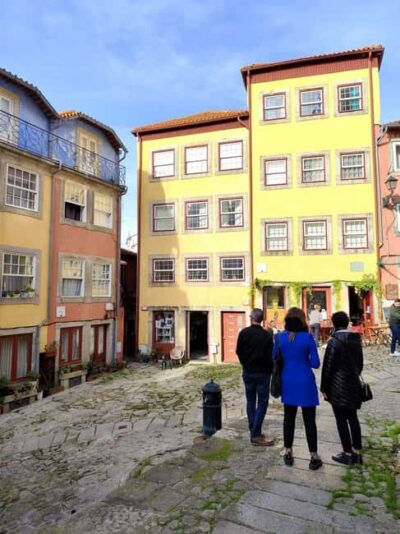
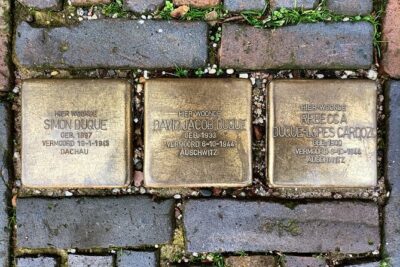
Anne Frank and Amsterdam Jewish History Walking Tour
Read our review →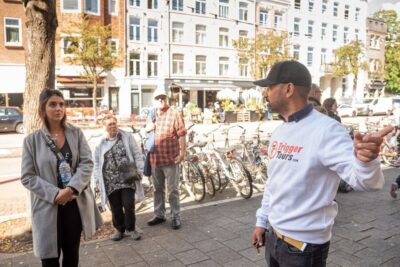
Browse the lists this tour appears in