
Review · DUBLIN HISTORY TOURS
Historical 2-Hour Guided Walking Tour of Dublin
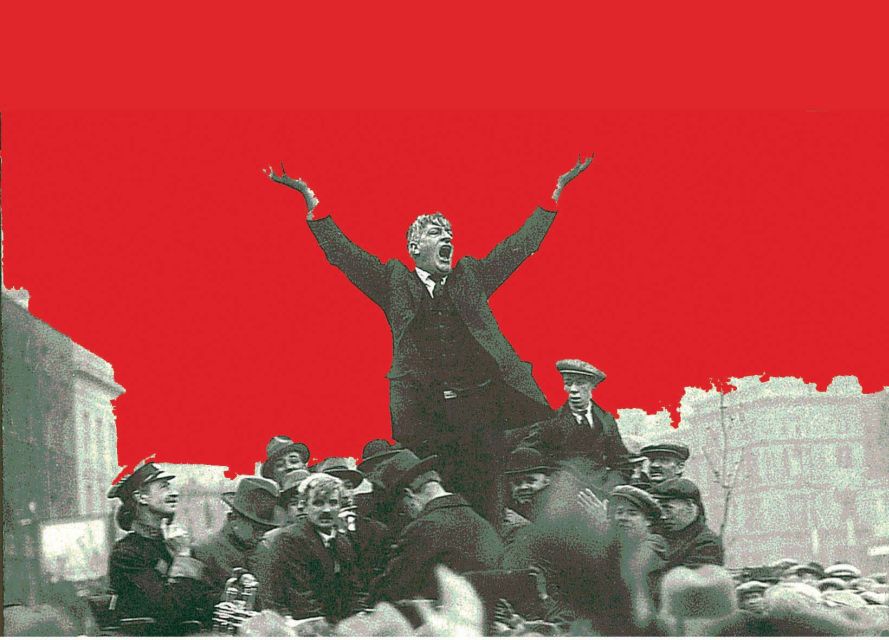
Dublin’s story is too tangled for a quick stroll, yet this tour makes a solid attempt in just two hours. Your guide connects Dublin Castle, Temple Bar, City Hall, and the Medieval City to events ranging from the American and French revolutions to the 1916 Rising and Brexit. I like the chronological structure, and I like that guides such as Daragh, Jodie, Colm, and Eoin use humor, questions, personal stories, and sometimes a song to keep the past moving.
The main tradeoff is pace. You cover a lot of ground and hear many names and dates, so this suits you if you enjoy history and can follow an English-language talk with ease. It is also a walking tour, so wear good shoes and expect some information to feel closer to a lively outdoor lecture than a casual introduction.
Key points at a glance
- Trinity-trained guides: Guides are history graduates of Trinity College Dublin or University College Dublin, with a strong grasp of Irish history.
- A compact route through central Dublin: See Dublin Castle, Temple Bar, City Hall, and the Medieval City in two hours.
- History with human character: Expect humor, personal anecdotes, questions, and occasional singing from guides such as Colm and Jodie.
- Big events, clearly connected: The tour covers the Potato Famine, 1916 Rising, War of Independence, American and French revolutions, the peace process, and modern Ireland.
- Good value at $22: You get a live guide and a focused introduction to Dublin for less than the cost of many major city attractions.
- Simple meeting point: Meet at the Henry Grattan Statue opposite Trinity College’s front gate, then finish back there.
Why this two-hour Dublin tour works
I see this tour as a useful first chapter for Dublin. Instead of treating the city center as a collection of attractive buildings, it explains why those buildings mattered and how Irish politics changed around them.
That context is the real value. Dublin Castle is not simply another photo stop. Temple Bar is not only a place for an evening drink. City Hall and the Medieval City become parts of a longer story about power, religion, rebellion, famine, independence, and modern Irish identity.
The format also helps you get oriented quickly. In two hours, you walk through several central areas without giving up half a day. If Dublin is one stop in a wider Ireland trip, this gives you a useful framework for places and events you may encounter later.
The tour has an award-winning reputation, and the guide quality is central to the experience. The best guides turn a list of dates into something you can remember. Jodie Fitzpatrick, for example, is described as combining historical training with acting skills, while Daragh is praised for linking names and dates to wider context. Colm is known for mixing stories with humor and even singing verses connected to the events being discussed.
Guide assignments can change, so you should not book expecting one particular person. Still, the repeated pattern is clear: the experience depends heavily on a lively, well-prepared guide rather than on entry to an interior attraction.
More History Walking Tours in Ireland
- 2-Hour Historical Walking Tour from Dublin
★ 5.0 · 875 reviews - Dublin’s Haunted History Walking Tour
★ 4.3 · 345 reviews - Deliciously Dublin: The Artisan Donut Walking & History Tour
★ 5.0 · 329 reviews
Starting beside Trinity College
The meeting point is the Henry Grattan Statue, opposite the front gate of Trinity College Dublin. This is a practical place to begin because it is central and easy to recognize. Look for a guide wearing an Authenticity Tours lanyard or badge.
The tour ends back at the same meeting point. That makes planning easier if you have a later reservation, want to continue around Trinity College, or need to return toward central Dublin. You are not left at an unfamiliar part of the city.
Your guide speaks English, and the tour is offered in English only. That matters here because the material comes quickly. Irish history includes many political groups, people, dates, and changing names. If you are comfortable following a detailed English talk outdoors, you should get much more from the experience.
Dublin Castle and the story of power
Dublin Castle is one of the essential stops because it helps explain the political weight of Dublin. The tour discusses the site as part of Ireland’s long relationship with British rule and changing ideas of authority.
Do not expect a full interior visit to the State Apartments. Entrance there is specifically not included. The tour is built around the city streets and exterior points of interest, with your guide supplying the historical explanation.
That is both a limit and a strength. You will not spend time moving through rooms inside the castle, but you also avoid turning this short walk into a single-site visit. The castle becomes one part of a wider route, alongside Temple Bar, City Hall, and the older city streets.
This is where a strong guide can make a major difference. The historical material includes the influence of the American and French revolutions, later Irish political movements, the 1916 Rising, and the War of Independence. A good explanation shows how ideas moved across borders and how local events fit into larger political change.
Temple Bar beyond the evening crowds
Temple Bar is easy to reduce to pubs, music, and tourist photographs. This tour gives you another way to see the area by placing it within Dublin’s older urban story.
The focus is not on nightlife or restaurant advice. Instead, you hear about the historic character of the district and its place in the Medieval City. That shift in viewpoint is useful if you are visiting Temple Bar later on your own. You can enjoy the atmosphere while also understanding that the area belongs to a much older Dublin than its modern reputation suggests.
Because the route is on foot, your guide can point out details that are easy to miss when you are moving quickly between attractions. One guide used bullet holes and other small traces of the past to show how political conflict remains visible in the city. Details like that give the walk a more direct connection to Dublin’s streets.
Still, keep your expectations realistic. This is not a specialized architecture tour or a long stop inside every landmark. The guide has a large amount of history to cover, so individual places receive context rather than an exhaustive study.
More History Walking Tours in Dublin:
- Semi-Private (8people max) 2.5 Hr Dublin Walking Tour
★ 5.0 · 69 reviews - History and Hauntings of Salem Guided Walking Tour
★ 5.0 · 14,564 reviews - Lisbon: History, Stories and Lifestyle Walking Tour
★ 4.8 · 10,902 reviews - Boston: Freedom Trail History Small Group Walking Tour
★ 5.0 · 6,450 reviews
City Hall and the Medieval City
City Hall adds another layer to the walk. Along with Dublin Castle and the older streets, it helps you see how the city’s civic and political life developed.
The Medieval City portion is especially useful for first-time visitors. Dublin’s center can feel compact, but its history is not simple. The walk helps you connect the older city to later political events instead of treating medieval Dublin, Georgian Dublin, and modern Dublin as separate subjects.
The route includes plenty of stopping and listening. You will not simply march from one address to the next. Guides explain what happened at or near each area, then tie the place to a larger theme. This is why the tour can feel far more useful than an unstructured sightseeing walk.
I would bring comfortable shoes. One participant described the route as an easy walk but still advised wearing good walking shoes. That is sensible for any two-hour city tour, especially when you want to focus on the guide instead of your feet.
From the Potato Famine to the 1916 Rising
The strongest part of the experience is the way it moves through major events without treating them as isolated facts. The Potato Famine is included as part of the story of Ireland’s society and politics. The 1916 Rising and the War of Independence then show how ideas about Irish self-rule became more forceful and more difficult to contain.
You will hear names, dates, and political developments. This is not a light sightseeing talk with a few historical references added for decoration. Several guides are praised for giving both broad background and more detailed explanation.
That density is worth noting. If you already know a little Irish history, the connections may be especially satisfying. You can use the tour to attach real places to the broad outline you already understand. If you know almost nothing about Ireland, you will still get a useful introduction, but you may want to make notes or revisit a few topics afterward.
The tour also places Irish events in an international setting. The American and French revolutions are part of the discussion, showing how political ideas and upheavals beyond Ireland affected Irish thinking. This wider frame is one reason the tour offers more than a simple list of Dublin landmarks.
Modern Ireland, the peace process, and Brexit
The tour does not stop with independence. It moves into modern history, including the effects of the Northern Ireland Peace Process and the place of Brexit in Ireland’s recent story.
That modern section matters because it prevents the tour from presenting Irish history as something finished long ago. Dublin’s identity and politics continue to be shaped by events across the island and by Ireland’s relationship with Britain and Europe.
Jodie Fitzpatrick is described as covering Irish history from the Stone Age through Brexit. That is a huge span for two hours, so you should expect a carefully chosen outline rather than a full course. The guide’s job is to show the main turns in the story and explain why they still matter.
I appreciate that the tour includes recent history, but this is also where time pressure is most obvious. The earlier subjects already require plenty of explanation. If you want a detailed discussion of the peace process or Brexit, you will need a more focused experience. Here, those subjects form the final part of a broad city history.
The guides make or break the experience
The most praised feature is the quality of the guiding. Names that come up in connection with the tour include Jodie or Jody, Daragh, Colm, Nate, Grace, Eoin, and Tommy. The exact guide depends on the departure you choose.
Daragh is noted for his command of names and dates, along with his ability to explain why each story matters. Jodie is praised for a lively presentation and clear delivery, even in a noisy city. Colm brings humor, personal anecdotes, and occasional song. Other guides, including Eoin, Nate, Grace, and Tommy, are described as friendly, enthusiastic, and well prepared.
That range tells you what to look for: not a scripted audio walk, but a live presentation that can respond to questions. Guides answer questions during the route and adjust their explanations as the group engages.
A few practical points follow from this. First, stay near the guide when the street is noisy. Second, ask questions when a topic catches your interest, since the tour is designed to include conversation. Third, be ready for a lot of information. The guides may make it funny and memorable, but the subject itself remains detailed.
What $22 gets you
At $22 per person, this is good value if you want historical context rather than just a list of places. The price includes a local guide and entrance fees as applicable to the itinerary, though it does not include entry to the State Apartments in Dublin Castle.
The comparison is simple. For the cost of a modest meal or a few drinks, you receive two hours of guided access to central Dublin’s story. You also get help deciding which sites deserve a longer visit later.
The value is lower if you want a small, quiet walk with little talking. This is an information-heavy tour, and one comment suggests it could have covered more ground or lasted longer. That is a fair criticism. Dublin has more history than any two-hour route can hold.
I would book it early in a Dublin stay, not because the route covers every major sight, but because it gives you context for the rest of your time. Afterward, you can return to Dublin Castle, Temple Bar, or the Medieval City with a better sense of what you are looking at.
Who should book this walk
I would recommend it to first-time visitors, history buffs, and anyone who wants to understand how Dublin fits into Ireland’s wider story. It also works well for repeat visitors who have seen the central sights but want more meaning behind them.
The tour is a good fit for you if:
- You enjoy a clear historical narrative.
- You can follow a detailed English-language talk.
- You like asking questions and listening to a live guide.
- You want to see several central sights in two hours.
- You are comfortable walking and standing for the duration.
- You prefer context and stories to a checklist of photo stops.
You may want something else if you prefer a short, relaxed orientation with only a few facts. You might also find the amount of material tiring if dates and political history are not your thing.
The activity is wheelchair accessible, which makes it a practical option for many visitors. The provided information does not detail the surface, route conditions, or restroom access, so contact the provider if you need those specifics before booking.
Booking details worth knowing
The tour lasts two hours, but starting times vary. Check availability for the date of your visit. You can cancel up to 24 hours in advance for a full refund, and the reserve-now, pay-later option lets you hold a place without paying immediately.
Meet at the Henry Grattan Statue opposite Trinity College’s front gate. Your guide will wear an Authenticity Tours lanyard or badge. The walk finishes at the same point, which is helpful for planning the rest of your day.
Personal expenses are not included. The tour runs in English, and the guide is live rather than recorded.
Should you book the Historical 2-Hour Guided Walking Tour of Dublin?
Yes, if you want Dublin’s sights tied to the events that shaped Ireland. At $22, it is a sensible introduction, especially early in your visit. The strongest reason to book is the guide quality: historians such as Daragh, Jodie, and Colm bring structure, humor, and personality to a difficult subject.
Just understand the format. You are choosing a brisk, information-heavy history walk, not a long interior tour of Dublin Castle or a quiet stroll with occasional commentary. Wear good shoes, listen closely, and expect plenty of names and dates. If that sounds appealing, this is one of the better ways to get your bearings in Dublin’s central streets.
FAQ
How long is the Historical 2-Hour Guided Walking Tour of Dublin?
The tour lasts two hours. Starting times vary, so check availability for your chosen date.
Where does the tour begin?
Meet at the Henry Grattan Statue opposite the front gate of Trinity College in Dublin.
How do I identify the guide?
The guide wears a lanyard or badge marked Authenticity Tours.
Where does the tour finish?
The activity ends back at the Henry Grattan Statue, the same place where it begins.
Which sights are included?
The walk visits or discusses Dublin Castle, Temple Bar, City Hall, and the Medieval City.
Is entry to the State Apartments at Dublin Castle included?
No. Entrance to the State Apartments is not included.
What language is the tour conducted in?
The live tour is conducted in English.
Can I cancel the tour for a refund?
Yes. You can cancel up to 24 hours in advance for a full refund.
More Two-Hour Tours in Dublin
- 2-Hour Gettysburg Battlefield Guided History Bus Tour with a National Park Guide
★ 4.5 · 2,201 reviews - Kyoto Gion: 2-Hour Geisha Culture & History Walking Tour
★ 5.0 · 1,186 reviews - 2 Hour LoDo Historic Walking Tour in Denver
★ 5.0 · 1,106 reviews - Genoa: 2-Hour Guided Walking Tour of the Historical Center
★ 4.2 · 605 reviews
Newest history tours we have reviewed in Dublin
- The History of Dublin With Locals: 1916 Easter Rising PRIVATE Tour★ 5.0 · 73 reviews
- Dublin Historical Centre Private Food Tour with 8 Food Tastings★ 5.0 · 152 reviews
- Semi-Private (8people max) 2.5 Hr Dublin Walking Tour★ 5.0 · 69 reviews
- Dublin Private Highlights & History of 1916 Easter Rising Tour★ 5.0 · 154 reviews
- Deliciously Dublin: The Artisan Donut Walking & History Tour★ 5.0 · 329 reviews
- Dublin’s Haunted History Walking Tour★ 4.3 · 345 reviews
- Dublin: Jeanie Johnston Tall Ship Irish Famine History Tour★ 4.8 · 431 reviews
- Dublin to Cork, Blarney Castle & Cóbh Heritage Centre by train★ 4.5 · 510 reviews
History Walking Tours, compared.

History and Hauntings of Salem Guided Walking Tour
Read our review →
Freedom Trail History Small Group Walking Tour
Read our review →
Historic Charleston Guided Sightseeing Walking Tour
Read our review →
Tapas Walking Tour with Food, Wine, and History
Read our review →
Savannah History and Haunts Candlelit Ghost Walking Tour
Read our review →
A History of Terror – Belfast City Centre Walking Tour
Read our review →Browse the lists this tour appears in