
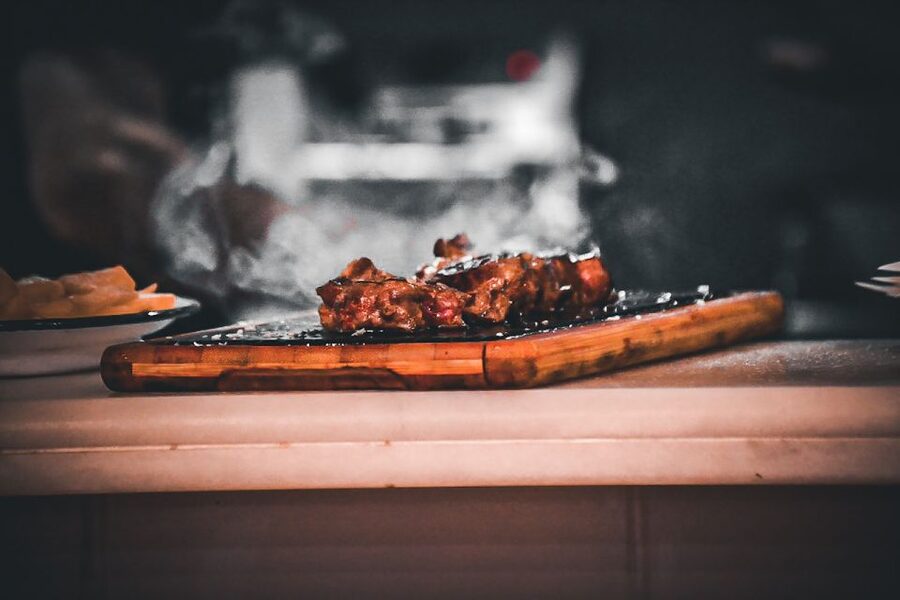
Review · BARCELONA HISTORY TOURS
Barcelona: Tapas Walking Tour with Food, Wine, and History
Barcelona’s best food lessons often come with a small glass in hand. This three-hour evening walk through the Gothic Quarter takes you from a bar near Las Ramblas to several tapas stops, pairing Catalan dishes with wine, vermouth, sangria, and local stories. I like the generous amount of food and drink and the chance to try several types of venues, from pincho bars to fish counters and traditional tapas bars.
I also like the social setup. A maximum of 16 people gives you a real chance to talk, and smaller groups can be even better. Guides such as Andrew, Santiago, Juan Carlos, Ewan, and Francisco have earned strong praise for their humor and city knowledge. The main drawback is that the first bar may feel plain, and the stops are not always secret local discoveries. This is a lively, good-value introduction, not a quiet gourmet tasting.
Key points at a glance

- Four main food stops: Expect a mix of pinchos, fish dishes, traditional tapas, and possibly a jamón shop or chef’s kitchen.
- Drinks are a major part of the evening: Wine, vermouth, sangria, and other drinks are served along the route, often generously.
- The route changes: Guides choose venues and dishes based on the season, the day, and special local celebrations.
- A social group experience: The advertised maximum is 16 people, with several recent groups running much smaller.
- A full meal, not a nibble: Many diners finish satisfied, and some say they could not eat everything offered.
- Adults only: The tour is not suitable for children under 18.
Four stops through Barcelona’s Gothic Quarter
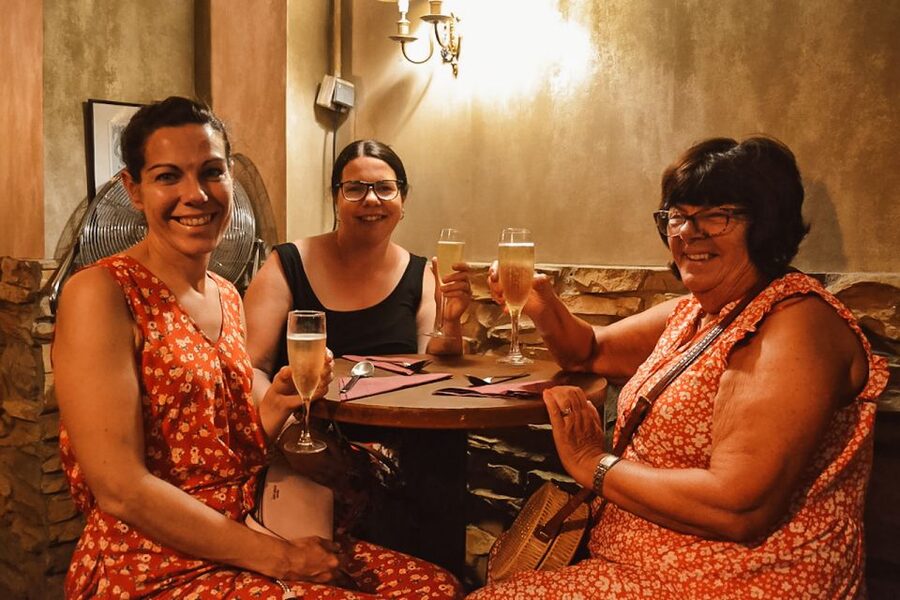
The tour begins at Travel Bar, just off Las Ramblas. Look for the black sign with Travel written in yellow. From here, your guide leads you into the Gothic Quarter, where narrow lanes and old stone buildings provide the setting for the evening.
The plan calls for four food stops, each with a different style. In practice, the number of places can feel higher because a stop may involve more than one bar or serving point. Some recent itineraries included six or seven places, while others focused on four main venues. You should expect a flexible food walk rather than a fixed menu with exact restaurants promised in advance.
That flexibility matters. The guide can choose what looks best that day, and the route can change with the time of year. On a festival or special occasion, you might even stop for a dish tied to that celebration. The tradeoff is that you cannot plan the evening around one specific restaurant or signature plate.
More History Walking Tours in Barcelona
- Barcelona Tapas Walking Tour: Food, Wine & History
★ 4.5 · 1,928 reviews - Barcelona: Dark History Night Walking Tour
★ 4.8 · 344 reviews - Barcelona 1.5h Private Old Town, Gothic & Ramblas Walking Tour
★ 5.0 · 318 reviews
Starting with a drink and a first taste
The opening bar helps set the rhythm. You meet the group, order the first drink, and begin learning how food fits into Barcelona’s daily life. Wine is common, though vermouth or sangria may also be offered.
The first venue has received mixed comments about atmosphere. Some people enjoy it, while others find it less impressive than the later stops. I would treat it as a practical starting point rather than the main event. It gets everyone together and makes it easy for the guide to explain the evening before the walking and eating begin.
You may find that the first serving is a simple introduction to Spanish bar food. Do not fill up before arriving. The quantity builds as the night goes on.
Pinchos and the fun of small plates
One possible stop is a pincho bar. Pinchos are small portions often arranged on bread or served as individual bites, making them useful for sampling several flavors without committing to one large dish.
This is one of the strongest parts of a food walk. Instead of ordering one meal, you can compare several preparations and get a sense of how Spanish bar food works. The guide explains what you are eating and how it fits into Catalan food culture, so the meal becomes more than a string of snacks.
The exact pinchos depend on the day. That is useful for freshness and variety, but it means you should not expect a guaranteed list. If you have a serious allergy or a strict diet, ask before booking because the activity is built around a shared tasting route and changing venues.
Fish, paella, and the more substantial courses
A fish bar may form part of the route, adding a different note after the smaller pinchos. The group can also receive paella, with meat and seafood options mentioned by recent participants. Black paella made with cuttlefish has been a memorable dish for some people, and it gives the evening a distinctly local feel.
Food portions appear to be much more substantial than the word tapas might suggest. The route can include several shared plates, and people regularly finish full. If you are a light eater, pace yourself early. You can taste everything without needing to clean every plate.
One stop may also involve a private chef or chef’s kitchen. This has been a favorite part of the experience for many people, especially those who enjoy seeing food prepared with more care than a quick bar snack. It is not guaranteed, but the possibility adds welcome variety to the route.
More History Walking Tours in Spain
- Barcelona: The Spanish Civil War Historical Walking Tour
★ 4.9 · 239 reviews - Barcelona Historical Walking Tour: Gothic Quarter and El Born
★ 5.0 · 217 reviews - Barcelona Dark History Night Walking Tour With Drinks
★ 5.0 · 153 reviews - Barcelona El Raval Dark History Walking Tour
★ 5.0 · 70 reviews
Traditional tapas and a possible jamón stop
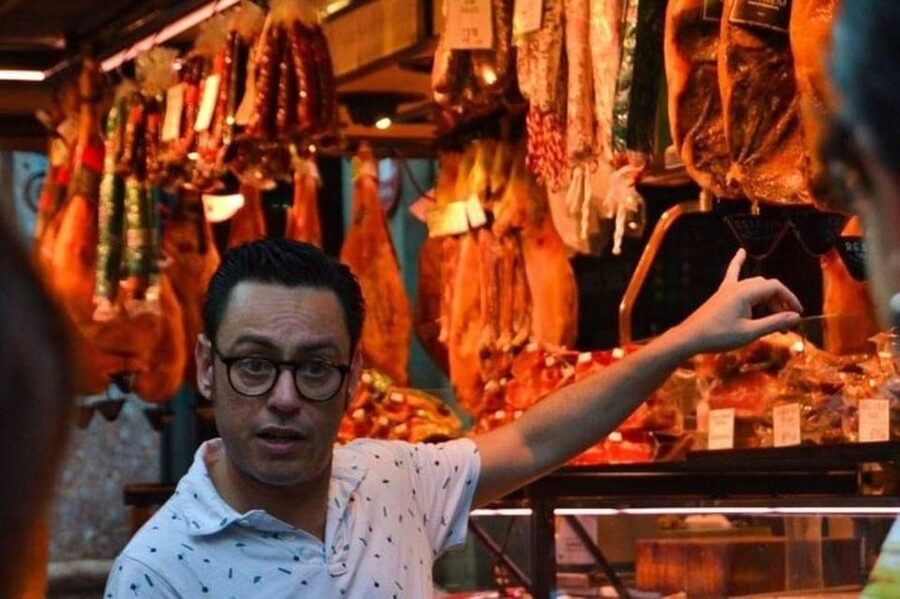
The traditional tapas bar gives you the classic Spanish setting: small plates, drinks, conversation, and a steady flow of food. You might encounter cured meats, regional specialties, seafood, or other shared dishes. A jamón shop is another possible stop, though the route changes and no specific combination is promised.
This mix of venues is more valuable than visiting four similar bars. You get to see how food is served in different settings, and you can learn which style suits you best. A pincho bar may feel casual and quick, while a traditional tapas place may encourage a longer pause.
The downside is consistency. A changing route can produce an excellent evening, but one group may have a stronger set of stops than another. The supplied price includes food and drinks at each venue, which softens that uncertainty.
What you drink, and how much
Wine is central to the experience. Different varieties may be poured during the evening, and vermouth and sangria are also part of the rotation. Some groups receive cocktails or other drinks, depending on the places visited.
The generous drinks are one reason the tour feels like good value at $78 per person. If you bought several tapas plates and drinks separately in central Barcelona, the bill could rise quickly. Here, you pay one price and do not need to choose every item or work out a route through busy streets.
Still, pace yourself. The combination of wine, vermouth, sangria, and a full meal can catch up with you. One recent account joked about a next-day headache, which is a useful warning rather than a complaint about the tour. Drink water when you can, eat steadily, and do not assume the first glass is the last.
If you do not drink alcohol, the activity may be a poor fit because classic alcoholic drinks are a major part of the evening. The supplied details do not promise nonalcoholic alternatives, so ask before booking if that matters to you.
The guide makes or breaks the evening
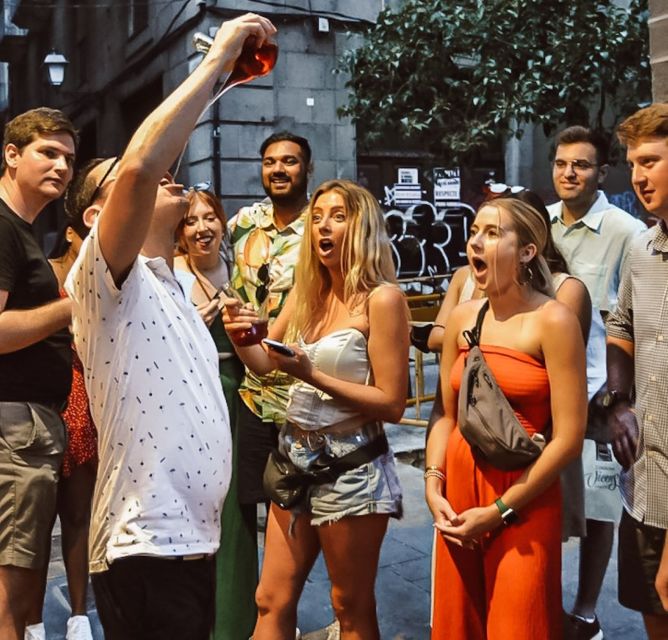
The guide is not just there to lead you from one bar to the next. You get stories about Barcelona, the Gothic Quarter, local dishes, and the background of the food in front of you.
Several guides have received particularly warm praise. Andrew is described as funny, friendly, and full of useful information, while Santiago has been praised for explaining food, wine, and the city in an easygoing way. Juan Carlos is another strong personality, combining humor with city knowledge. Ewan, Francisco, Jose, Johnny, and Santi have also led well-received outings.
Guide quality can vary by person, as it does on any public tour. The best guides keep the history moving and avoid turning dinner into a lecture. The strongest accounts describe a good balance: enough information to add meaning, with plenty of time to eat, drink, and talk.
You may also get useful suggestions for the rest of your stay. Andrew, for example, has offered ideas about local entertainment and other things to do. That kind of informal advice can be worth a lot on your first night in Barcelona.
A social night with a maximum of 16 people
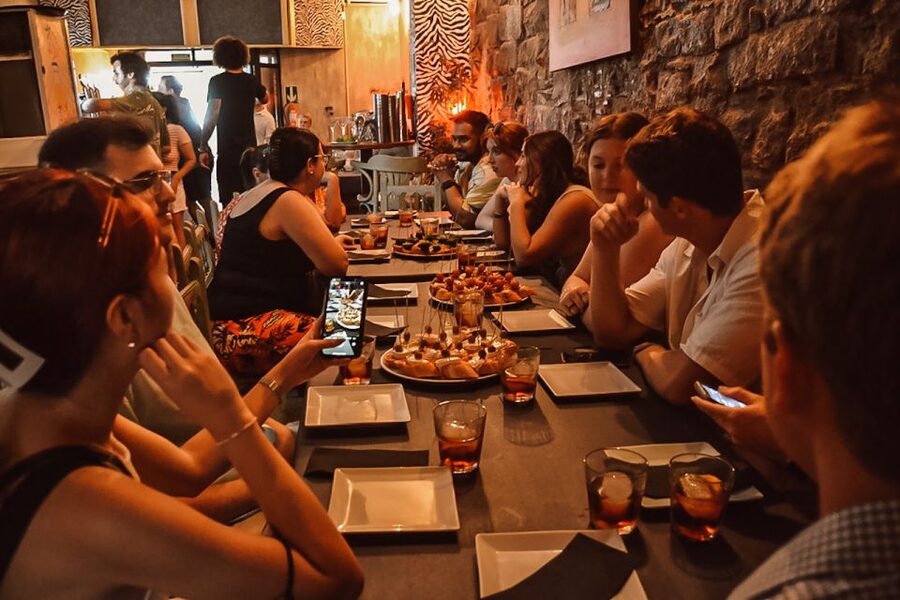
This is a public group tour, and meeting new people is part of the design. The maximum group size is 16, but several recent outings had only five, six, or eight people. A smaller group makes it easier to hear the guide and talk across the table.
The international mix adds energy. You could be sharing plates with people from the United States, Britain, Australia, Norway, Germany, Ireland, or elsewhere. For solo visitors, this can be an easy way to find company for an evening without committing to a full-day group trip.
The social side is also the least controllable part. A good group can turn an ordinary meal into a memorable night. A quiet or mismatched group may make the same route feel less lively. The guide helps, but the atmosphere depends partly on who books that day.
If you want a private dinner or a polished food lesson, choose something else. If you like casual conversation and do not mind eating with strangers, this format works well.
How the walking affects the pace
The tour lasts three hours and includes movement between venues in the Gothic Quarter. The walking is part of the point. You are not only moving between courses, you are seeing small sections of the historic centre and hearing stories at stops along the way.
The pace has been described as manageable, with enough walking to break up the eating but not so much that the food feels like an afterthought. Wear comfortable shoes. Gothic Quarter streets can be uneven, and standing at bars or moving through compact venues may be more tiring than the distance itself.
The start near Las Ramblas makes the tour easy to combine with other sightseeing. You can spend the afternoon at major attractions, return to your accommodation, and meet the group for an evening of food. The tour finishes at Kulas Tapas Bar, so you should not expect to return to the starting point.
Hotel pickup and drop-off are not included. You need to make your own way to Travel Bar and arrange your return after the final stop. Since the tour includes alcohol, plan your route back before you begin.
Is $78 a fair price?
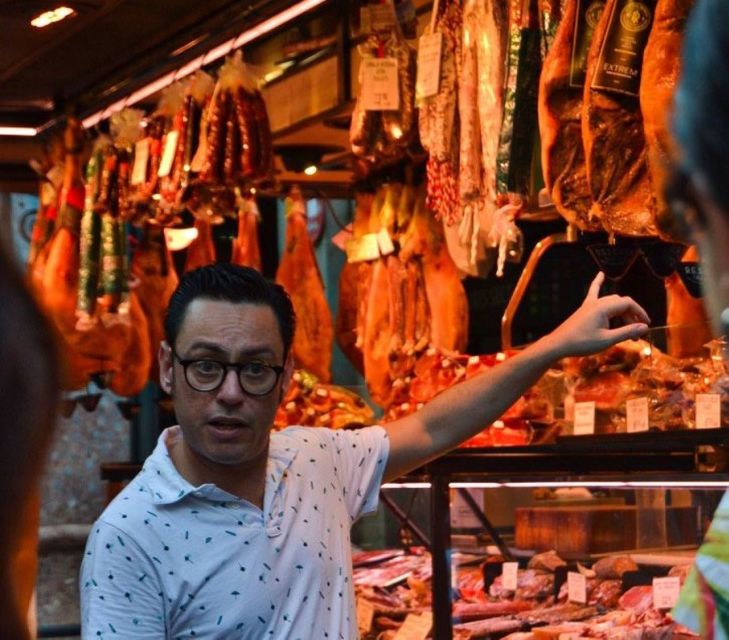
At $78, this is not the cheapest way to eat in Barcelona. You can certainly find a small plate and a drink for less. The value comes from the amount and range of what is included: several venues, multiple servings, a guide, city stories, and wine, vermouth, sangria, or similar drinks.
The quantity appears to be a real strength. People commonly leave full, and some have struggled to finish all the food. That makes the tour more like a complete evening meal than an appetizer crawl.
I also think the price works well for a first night. You do not need to research five bars, decide what to order in each one, or worry about choosing places that work for a group. Someone else handles the route, and you get an introduction to dishes you might otherwise overlook.
The value is weaker if you do not drink, dislike shared meals, or prefer to choose every restaurant yourself. It is also not designed as a high-end dining experience. The venues are enjoyable rather than guaranteed to be famous or hidden local institutions.
Who should book this tapas walk?
I would choose this tour for:
- First-time visitors who want food and a basic feel for the Gothic Quarter in one evening.
- Solo visitors and couples who like meeting people from different countries.
- Food-curious diners who want to sample several dishes rather than order one dinner.
- Adults who enjoy wine and mixed drinks with their meal.
- People who prefer a flexible route over a fixed restaurant reservation.
I would look elsewhere if you need a child-friendly activity, strict dietary control, nonalcoholic drinks, or a quiet private meal. The tour is also not ideal if you want a guaranteed restaurant list. The changing route is part of its appeal, but it requires a little flexibility.
Book as early as practical if you want a particular evening, then cancel up to 24 hours ahead for a full refund if your plans change. The reserve now and pay later option can also help if your Barcelona schedule is still taking shape.
My call: a lively and filling introduction
I would book this tour when I wanted an easy first taste of Barcelona’s food scene without spending a week researching bars. The mix of dishes, generous drinks, short walks, and city stories gives you a lot for three hours.
Go in expecting a social pub-style food walk, not a formal culinary class. The first stop may be plain, the bars are not guaranteed to be secret discoveries, and the menu changes. But with a good guide, the evening can bring together excellent food, a few useful history lessons, and new company at the table.
At $78, it earns its price mainly through quantity and variety. If you want to finish the night full, pleasantly informed, and perhaps planning which Catalan dishes to order next, this is a sensible choice.
FAQ
How long does the Barcelona tapas tour last?
The tour lasts three hours and includes food tastings, drinks, walking, and history in Barcelona’s Gothic Quarter.
Where does the tour begin?
Meet your guide at Travel Bar near Las Ramblas. The meeting point has a black sign with Travel written in yellow.
Where does the tour finish?
The tour finishes at Kulas Tapas Bar.
How many food stops are included?
The planned route includes four food stops. Depending on the day, season, and chosen venues, the evening may involve additional bars or serving points.
What drinks are included?
Drinks can include wine, sangria, and vermouth. The exact selection may vary by venue and route.
Is the tour suitable for children?
No. The activity is not suitable for children under 18.
Is hotel pickup included?
No. You must make your own way to Travel Bar, and hotel drop-off is not included.
What language is the tour in?
The tour is conducted in English with a live English-speaking guide.
Newest history tours we have reviewed in Barcelona
- Barcelona Tapas Tour, Taverns, History & Local Culture★ 5.0 · 25 reviews
- Barcelona Historical 3-Hour Bike Tour★ 4.7 · 222 reviews
- Barcelona: Market, Tasty Tapas/Food and Gothic History Tour★ 4.7 · 48 reviews
- Barcelona: Cemetery Tour – Gothic Graves & Local History★ 4.9 · 33 reviews
- Barcelona & Chocolate Amatller History and Culture + Activity and Tasting★ 4.9 · 173 reviews
- Barcelona: The Spanish Civil War Historical Walking Tour★ 4.9 · 239 reviews
- Barcelona: 3-Hour Esoteric, Spiritual & Historical Tour★ 5.0 · 34 reviews
- Barcelona: 3-Hour Sips, Sites & Bites Food & History Tour★ 4.8 · 33 reviews
History Walking Tours, compared.
History and Hauntings of Salem Guided Walking Tour
Read our review →

Freedom Trail History Small Group Walking Tour
Read our review →
Historic Charleston Guided Sightseeing Walking Tour
Read our review →
Savannah History and Haunts Candlelit Ghost Walking Tour
Read our review →
A History of Terror – Belfast City Centre Walking Tour
Read our review →
New Orleans Garden District History Walking Tour
Read our review →Browse the lists this tour appears in