
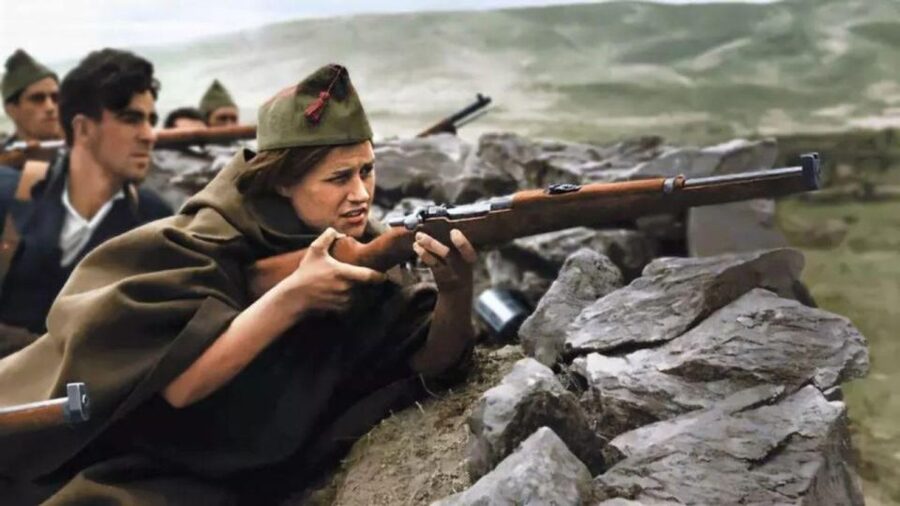
Review · BARCELONA HISTORY TOURS
Barcelona: The Spanish Civil War Historical Walking Tour
Barcelona’s old town is not only a pretty maze of Gothic lanes and grand civic buildings. It was also a battlefield. This 2.5-hour walking tour uses those streets to explain the Spanish Civil War, the rise of Franco, and the dictatorship that followed.
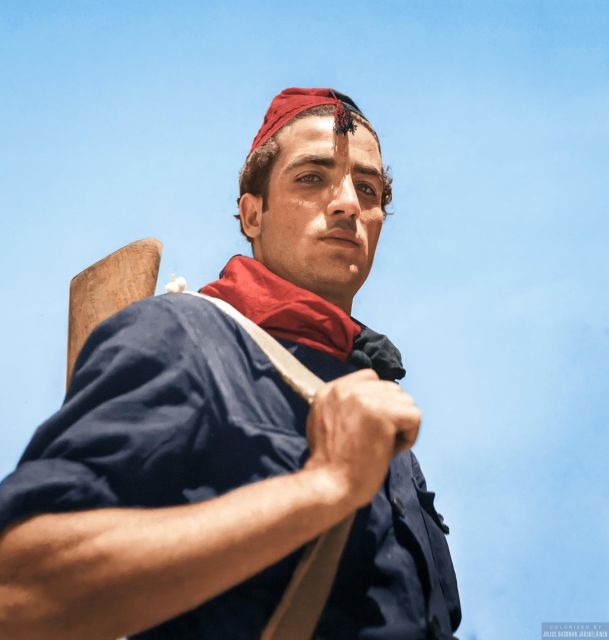
I like the way the tour makes a confusing subject easier to follow, and I like the use of historic photographs to connect today’s streets with the people who lived through the fighting. The chance to visit places linked with George Orwell’s Homage to Catalonia adds a useful literary thread.
The main drawback is that this is a serious, politically charged tour. You spend more time standing and listening than walking, and the subject matter may be too heavy for young children or anyone looking for a light sightseeing outing.
Key points to know before you book
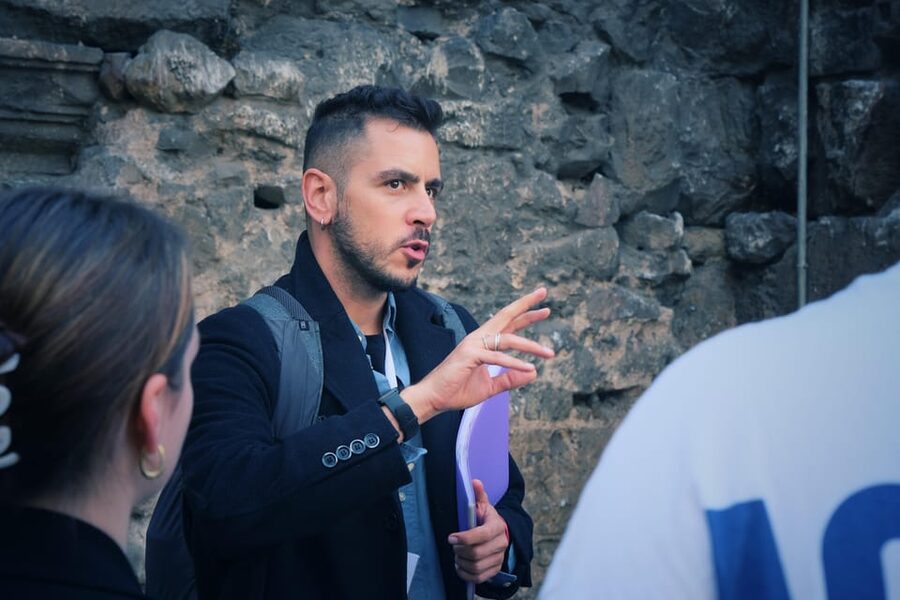
- Barcelona’s old town becomes the classroom: See streets and buildings connected with fighting, political conflict, and wartime bombing.
- The factions are explained clearly: Your guide sorts out fascists, republicans, anarchists, labor movements, the Catholic Church, and foreign powers.
- George Orwell’s Barcelona comes into focus: Visit places connected with the events described in Homage to Catalonia.
- The story continues beyond 1939: The tour covers Franco’s 36-year dictatorship and Spain’s ongoing debate over historical memory.
- Expect a gentle pace but plenty of standing: You walk between stops, then listen in place while the guide explains the scene.
- The guides bring different strengths: Javier, Chrisa, Yannis, Filipa, Henrieta, Evan, and others have been praised for clear explanations, strong subject knowledge, and warm presentation.
Why this tour adds something missing from Barcelona sightseeing
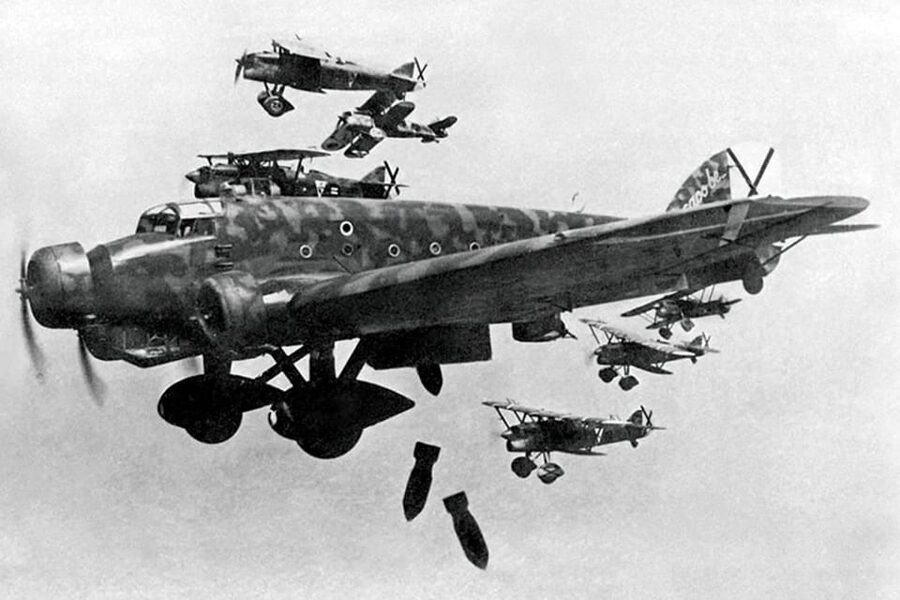
Barcelona makes it easy to admire architecture without asking what happened on the same streets. You can spend days looking at cathedrals, civic buildings, and narrow medieval lanes while missing the political violence that shaped modern Catalonia.
This tour changes that. It looks at Barcelona during the Spanish Civil War, when rival visions of Spain collided. Fascists, republicans, anarchists, labor groups, and other political forces fought over the future of the country. The conflict also drew in Hitler and Mussolini, the International Brigades, the Catholic Church, and the wider European powers.
I value this approach because it does not treat the war as an isolated Spanish event. You learn how it became a test case for fascism, anti-fascism, revolution, foreign intervention, and the limits of Western support. You also hear what came afterward: Franco’s dictatorship, the silencing of political opposition, and the way Spain still deals with the period.
Barcelona has relatively few official museums or memorials devoted to this chapter. That makes a street-based tour especially useful. The guide supplies the missing labels, context, and photographs while you stand in the actual city where events unfolded.
More History Walking Tours in Barcelona
- Barcelona: Tapas Walking Tour with Food, Wine, and History
★ 4.8 · 4,261 reviews - Barcelona Tapas Walking Tour: Food, Wine & History
★ 4.5 · 1,928 reviews - Barcelona: Dark History Night Walking Tour
★ 4.8 · 344 reviews
Starting at Plaça de Catalunya
The meeting point is on the sidewalk in front of the Foot Locker at Plaça de Catalunya. Look for a guide with a white umbrella.
This is a practical starting place. Plaça de Catalunya is easy to reach from many parts of central Barcelona, but it is also busy, so arrive with enough time to locate the guide. The tour begins in a modern commercial setting, then moves toward the old town and the areas where the historical story becomes more visible.
The opening portion matters because the Spanish Civil War did not appear out of nowhere. Your guide sets out the social and political pressures that came before the fighting, including the effects of industrialization, class conflict, political division, and the competing ideas about Spain’s future.
That background helps you follow the rest of the walk. Without it, the names of parties and factions can become a blur. With it, the later discussion of street fighting, military rebellion, foreign involvement, and dictatorship has a clearer shape.
Sorting out the factions without getting lost
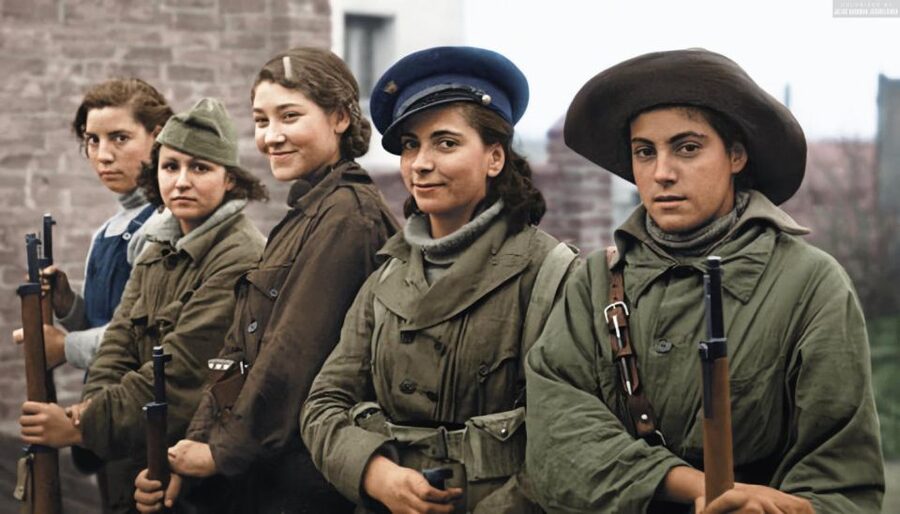
The hardest part of the Spanish Civil War is often not remembering dates. It is understanding who was allied with whom, and why those alliances changed.
The tour tackles that problem directly. You hear about the fascist side, the republican or loyalist forces, anarchists, labor movements, and other groups that did not always agree even when they opposed Franco. The guide also explains the role of the Catholic Church and the larger international setting.
This is one of the strongest reasons to book the walk. The subject is complicated, but the guides make a real effort to keep it understandable. Javier has been praised for making the material accessible, while Chrisa has been singled out for explaining the rival factions and their motives in a way that is easy to follow. Evan is also noted for presenting the subject clearly and allowing time for questions.
You should not expect a simple good side versus bad side story. The tour presents the competing ideologies and the tensions within the anti-fascist camp. That makes the history more useful, even when it is less tidy.
If you already know the basics, you will find room to ask wider questions. If you arrive with no background, you can still follow the main story, but the amount of information may feel substantial. One useful tip is to read a short introduction to the Civil War before you arrive. You do not need a textbook, but a little preparation will help the names and events stick.
Seeing Orwell’s Barcelona in real streets
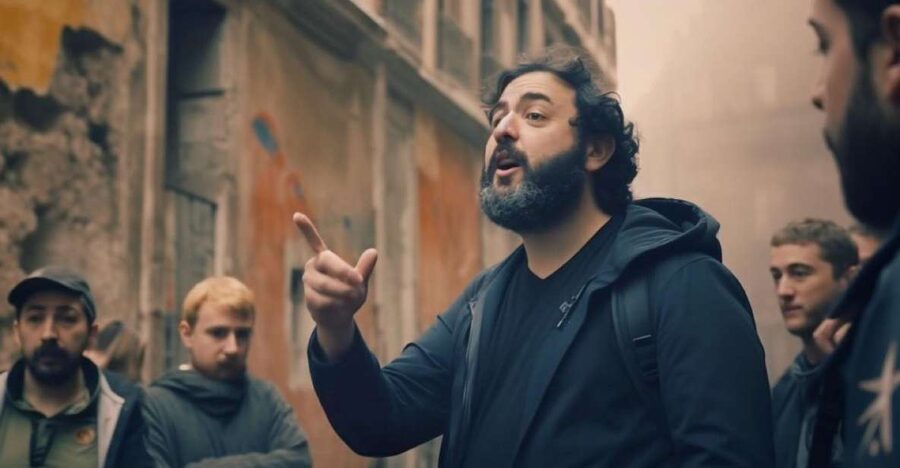
George Orwell’s Homage to Catalonia is one of the best-known English-language accounts of the war. The tour visits places connected with the events and street conflicts he described.
This gives the walk a strong sense of place. Orwell’s book is not just about military campaigns. It also describes confusion, political suspicion, changing loyalties, and the experience of ordinary people caught in a revolutionary city. Standing in the old town while hearing about those events helps you understand why Barcelona has such a distinctive place in the history of the war.
The Orwell connection will appeal most to readers who have read the book. You can still enjoy the stops without having done so, since the guide explains the setting and the wider events. If the book has been on your reading list, this tour may give you a good reason to finally open it.
The tour does not turn into a literary walk alone. Orwell is one thread within a larger story that includes local politics, military conflict, social change, and the later dictatorship.
More History Walking Tours in Spain
- Barcelona 1.5h Private Old Town, Gothic & Ramblas Walking Tour
★ 5.0 · 318 reviews - Barcelona Historical Walking Tour: Gothic Quarter and El Born
★ 5.0 · 217 reviews - Barcelona Dark History Night Walking Tour With Drinks
★ 5.0 · 153 reviews - Barcelona El Raval Dark History Walking Tour
★ 5.0 · 70 reviews
Streets marked by fighting and bombing
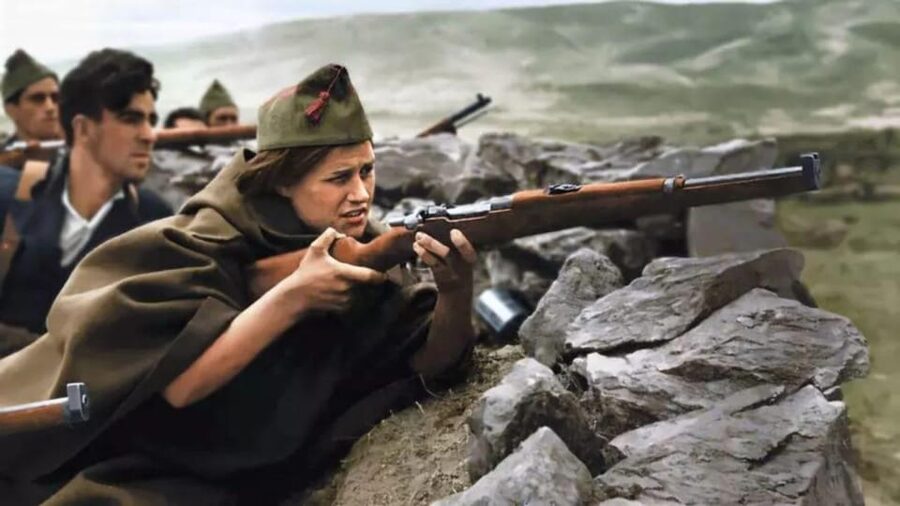
Much of the value comes from looking past the polished tourist facade. The old town still has streets and buildings where the history can be discussed, even when the physical evidence is subtle.
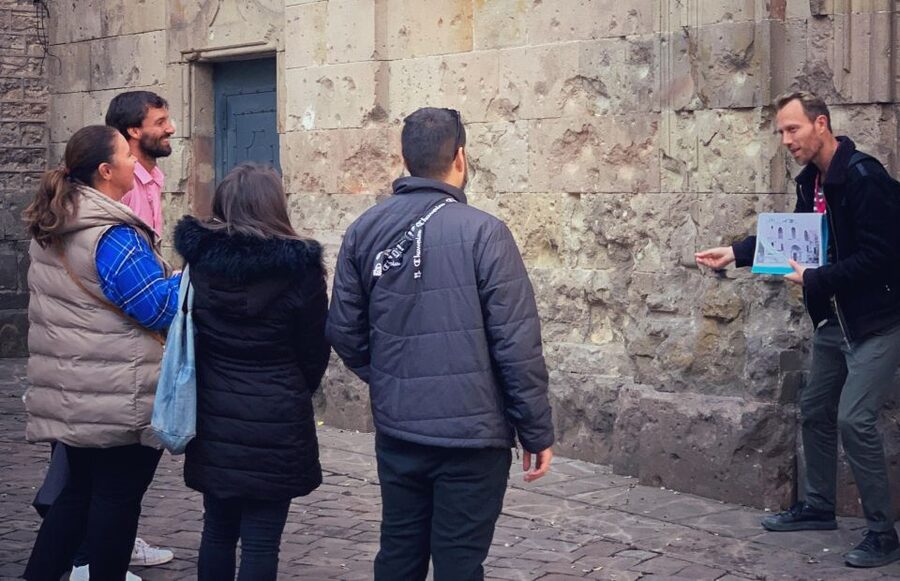
Your guide uses photographs and other visual material to show how these locations looked during the war. This is important because many of the original scars are no longer obvious. Barcelona has changed, and ordinary modern activity can hide the weight of what happened there.
Expect to stop at locations in the old town, listen to an explanation, and then walk a short distance to the next point. This is not a fast-paced march through the city. Several people who have taken the tour describe it as more of a stroll with extended talks.
That pacing works well for a subject that needs explanation. It also means you are standing for much of the two and a half hours. Wear comfortable shoes, but do not assume that good walking shoes alone solve the problem. On a hot day, bring water. On a cold or wet day, bring an extra layer and rain protection.
The tour runs rain or shine. That is worth taking seriously, since the format has limited shelter. One January group found the wait and the cold difficult, while another completed the walk in heavy rain. Check the forecast and dress for the weather rather than for the season on the calendar.
From war to Franco’s 36-year dictatorship
A common weakness in war tours is stopping when the fighting ends. This one continues into the Franco period, which is essential if you want to understand Spain today.
The guide explains how the military victory led to a dictatorship that lasted 36 years. You also discuss the role of the Catholic Church, the response of the Western Allies, and the way Spain remembers, avoids, or debates this past.
That longer view gives the tour more weight. The Civil War was not a short crisis followed by a clean return to normal life. The outcome shaped public speech, political identity, family memory, and the treatment of those on the losing side.
The discussion also connects the past with present-day Spanish politics. Several guides make a point of explaining why historical memory remains important, especially as far-right and extremist movements gain attention in Europe and elsewhere. You are not simply given a list of old battles. You are encouraged to think about how societies handle political trauma after a dictatorship ends.
This part may be the most valuable for anyone who wants more than military history. The tour looks at everyday people, not only famous leaders. It also includes social and political themes such as women’s participation and the Mujeres Libres movement, a subject one guide covered in particular detail.
What the guides do well
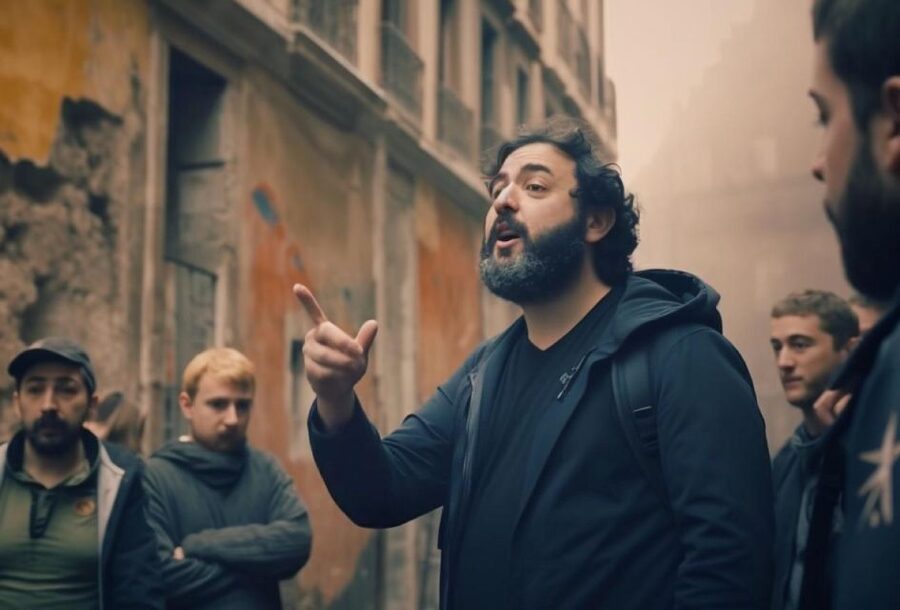
The guide can make or break a history walk, and this experience depends heavily on clear speaking and good structure.
The strongest names associated with the tour include Javier, Chrisa, Yannis, Filipa, Henrieta, and Evan. Their styles differ, but the recurring strengths are similar:
- They explain difficult material in plain language.
- They use photographs to support the story.
- They leave room for questions.
- They connect Barcelona’s local experience with the wider Spanish and European conflict.
- They bring in the experiences of ordinary people as well as major political figures.
Javier is known for a personable manner and dry humor, which helps with a serious subject. Chrisa has been praised for breaking the story into manageable parts and for discussing women and political movements. Yannis is especially associated with the tour’s broad historical frame, including industrialization, the years before the war, and the long aftermath.
Filipa has a strong academic interest in Franco’s Spain, while Henrieta is noted for answering questions patiently and explaining the subject in clear English. Evan has a relaxed presentation style and handles wider political questions well.
You may receive a wireless guiding system, depending on the guide. There is an extra charge of €1 per person, payable at the start by cash or card. The system can help you hear in busy streets, though you should still stay close to the group.
Is $46 a fair price?
At $46 per person, this is not the cheapest way to spend two and a half hours in Barcelona. You are paying for a specialist history lesson delivered on location, not for entry to a major museum or a long list of attractions.
I think the price is fair if the subject matters to you. The tour covers the Civil War, foreign involvement, the International Brigades, fascism, anarchism, the Catholic Church, Franco, and historical memory. It also gives you a framework for seeing the old town with more awareness during the rest of your visit.
The value is strongest for readers who would otherwise struggle to find this history on their own. Barcelona’s usual sightseeing route tends to emphasize architecture, food, and art. This walk supplies political and social context that is harder to find through casual exploration.
The value is weaker if you want a broad introduction to Barcelona or a tour focused on famous buildings. You will not get hotel pickup, food, or drinks, and the tour is conducted in English. It is also not designed as entertainment for children, even though children are allowed to join.
Free cancellation up to 24 hours before the start and the option to reserve now and pay later make booking less risky. Private groups are available if you want a more personal format, though the supplied information does not specify the private-group price.
Who should take this walk?
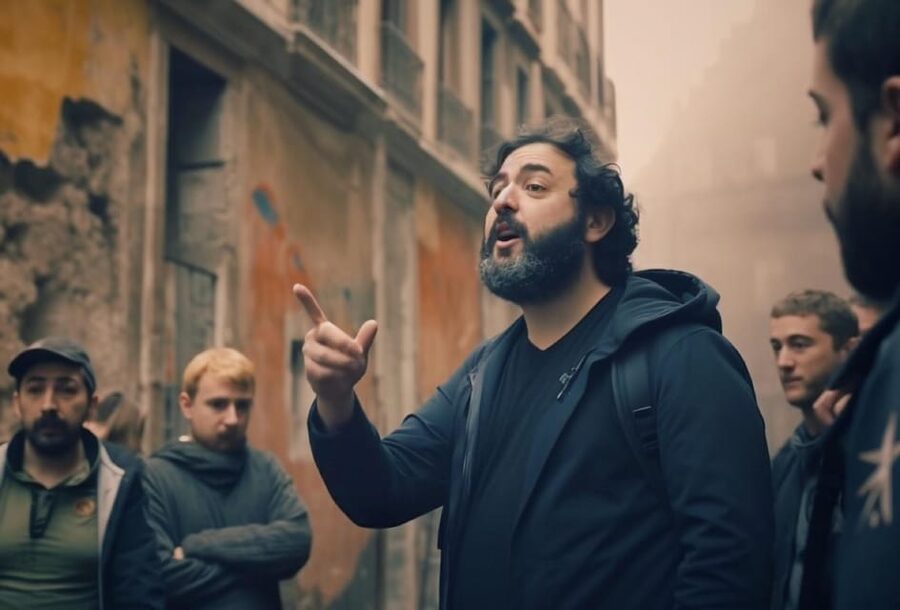
I would choose this tour if you have read Orwell, enjoy political history, or want to understand why modern Spain can feel more complicated than the standard tapas-and-Gaudi picture.
It is also a good choice if you know little about the Civil War but want a clear introduction. The guides explain the basics, then add detail for people who want more. You can ask questions along the way, and the format gives you time to think rather than rushing from one sight to another.
The tour suits adults and older teenagers who can handle discussion of war, fascism, political violence, and dictatorship. Children are permitted, but the subject is not aimed at them. Families with teenagers should decide based on the child’s interest and maturity.
I would be cautious about booking if you dislike standing, need a light and cheerful activity, or are visiting during poor weather without suitable clothing. The tour is wheelchair accessible, but Barcelona’s old-town streets and the long periods of standing are still worth considering for your own comfort.
Practical tips for a better experience
Arrive early at Plaça de Catalunya and look for the white umbrella in front of Foot Locker. The meeting point is public and busy, so a few extra minutes will reduce stress.
Wear shoes suited to old-town streets. You will not walk continuously for two and a half hours, but you will stand for long explanations. Bring water, and dress for rain or cold because the tour operates outdoors in all weather.
If the wireless system is in use, bring €1 or be ready to pay by card. Stay close to the guide and keep your attention on the visual material, since the photographs are a key part of the storytelling.
A little advance reading can help. You do not need to master the war before arriving, but knowing the basic dates and the names of the main sides will let you spend more time thinking about the ideas and human stories.
Should you book the Spanish Civil War Historical Walking Tour?
Book it if you want the Barcelona most sightseeing tours skip. The walk gives you a clear route into the city’s political past, links local streets to Orwell’s account, and continues through the Franco years to questions Spain still faces.
The guides are the main strength. Javier, Chrisa, Yannis, Filipa, Henrieta, and Evan have all been praised for clear explanations, strong preparation, and an ability to handle a difficult subject without losing the group. That consistency matters when the history is this tangled.
Skip it if you want a relaxed photo walk or a family activity built around famous landmarks. For everyone else, especially history readers and curious first-time visitors, $46 buys a serious and useful look at Barcelona beneath its beautiful surface.
FAQ
Where does the Spanish Civil War walking tour meet?
The tour meets on the sidewalk in front of the Foot Locker at Plaça de Catalunya. Your guide will be holding a white umbrella.
How long does the tour last?
The walking tour lasts about two and a half hours and finishes in the middle of the Gothic Quarter, near Barcelona city hall.
What language is the tour in?
The live tour guide speaks English. An optional English audio guide may also be available.
Is the tour suitable for children?
Children are allowed to join, but the tour is not advised for young children because it deals with politics, war, fascism, and dictatorship.
Does the tour run in bad weather?
Yes. The tour takes place rain or shine, so bring suitable clothing and footwear.
Is there an extra charge for the audio equipment?
Wireless tour guiding equipment may be used, depending on the guide. If it is used, there is an additional charge of €1 per person, payable by cash or card at the beginning.
More Battlefield and Military History Tours in Barcelona
- 2-Hour Gettysburg Battlefield Guided History Bus Tour with a National Park Guide
★ 4.5 · 2,201 reviews - Prague Communism History and Nuclear Bunker Tour
★ 5.0 · 1,742 reviews - Guided Savannah Civil War History Walking Tour
★ 5.0 · 492 reviews - Ghost Tour: History and Haunts – Family Friendly – Best in Gettysburg
★ 4.5 · 378 reviews
Newest history tours we have reviewed in Barcelona
- Barcelona Tapas Tour, Taverns, History & Local Culture★ 5.0 · 25 reviews
- Barcelona Historical 3-Hour Bike Tour★ 4.7 · 222 reviews
- Barcelona: Market, Tasty Tapas/Food and Gothic History Tour★ 4.7 · 48 reviews
- Barcelona & Chocolate Amatller History and Culture + Activity and Tasting★ 4.9 · 173 reviews
- Barcelona: Cemetery Tour – Gothic Graves & Local History★ 4.9 · 33 reviews
- Barcelona: 3-Hour Esoteric, Spiritual & Historical Tour★ 5.0 · 34 reviews
- Barcelona: 3-Hour Sips, Sites & Bites Food & History Tour★ 4.8 · 33 reviews
- Tarragona and Sitges Small Group Tour – Roman History & Culture★ 4.5 · 339 reviews
Battlefield & Military History Tours, compared.
2-Hour Gettysburg Battlefield Guided History Bus Tour with a National Park Guide
Read our review →
Prague Communism History and Nuclear Bunker Tour
Read our review →
Ghost Tour: History and Haunts – Family Friendly – Best in Gettysburg
Read our review →
Berlin Beers & Battlefields Tour: War History & German Beer
Read our review →Browse the lists this tour appears in