
Review · USA HISTORY TOURS
Gettysburg: 1863 Historic Downtown Walking Tour
Gettysburg’s battle is usually told across open fields, but this tour takes you into the town where civilians faced soldiers, wounded men, fear, and confusion at close range. I like the focus on local families and residents, and I like that the route uses the downtown streets themselves as part of the lesson. You are not just hearing about a distant battle. You are standing where ordinary people had to live through it.
I also appreciate the two-hour length and the small-group feel many departures seem to offer. Guides such as Ken and Jeff are praised for answering questions and adjusting their delivery to the group. The main limitation is that this is an outdoor walking tour, and you generally view historic buildings from the street rather than going inside them. Bring good shoes and dress for the weather.
Key points about the Gettysburg downtown walk
- Civilian point of view: Learn how Gettysburg’s adults and children experienced the battle in their own town.
- A town turned battlefield: Hear about the chaos, wounded soldiers, and disruption that reached downtown streets.
- Two hours on foot: The route is leisurely, with frequent stops rather than a strenuous march.
- Strong guide element: Ken, Jeff, Rich, Bruce, and other local guides have been praised for clear storytelling and personal interaction.
- Useful before or after the battlefield: The tour helps you understand Gettysburg as a lived-in community, not only as a military site.
- Practical booking terms: The tour costs $25 per person, is wheelchair accessible, and allows cancellation up to 24 hours before departure for a full refund.
Why downtown Gettysburg tells a different story
Gettysburg’s military story is enormous, and it can be easy to lose sight of the people who already lived in the town before the armies arrived. This walking tour corrects that imbalance by placing you in the center portion of downtown, the area that served as the town’s everyday heart in 1863.
I find that approach especially useful if you already know the basic battle outline. You may recognize the names of generals, units, and famous fields, yet still have little sense of what happened to the people who owned shops, raised children, cared for the sick, and watched soldiers fill their streets.
The tour’s subject is the town during the middle of the Civil War, with special attention to July 1863. Your guide explains how events unfolded and how local residents remembered them. The story is not limited to military movements. It includes the disruption of daily life and the way an urban community became part of a battle it did not choose.
That change in viewpoint is the tour’s main value. You learn that the conflict did not stop at the edge of the battlefield. It reached homes, public streets, families, and buildings that still help shape the downtown setting.
More History Walking Tours in the USA
- History and Hauntings of Salem Guided Walking Tour
★ 5.0 · 14,564 reviews - Boston: Freedom Trail History Small Group Walking Tour
★ 5.0 · 6,450 reviews - Historic Charleston Guided Sightseeing Walking Tour
★ 5.0 · 6,216 reviews
Meeting Lincoln at 11 Lincoln Square
The meeting point is at 11 Lincoln Square, beside the statue of President Lincoln and the benches. Arrive 15 minutes early. That extra time matters because the square can be a busy place to orient yourself, and you will want to find the guide before the group sets off.
The location is also a fitting starting point. You begin in the center of town, not at a remote battlefield overlook. From there, the experience can establish what Gettysburg looked like as a community in 1863 before moving into the events that changed it.
The walk covers the center portion of downtown and lasts two hours. It is described as leisurely, with plenty of stops. That makes it a reasonable choice for people who want detail without committing to a long battlefield hike.
You still need comfortable shoes. A leisurely walk is not the same as sitting indoors, and the tour takes place outside in changing weather. Wear clothing suited to the forecast, bring water if needed, and consider the season when choosing your time.
Walking through an occupied town
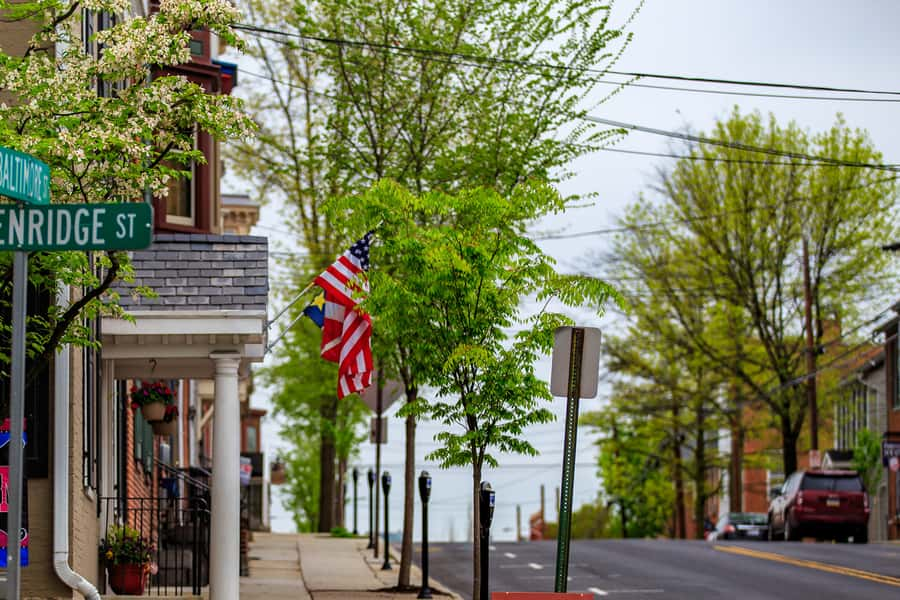
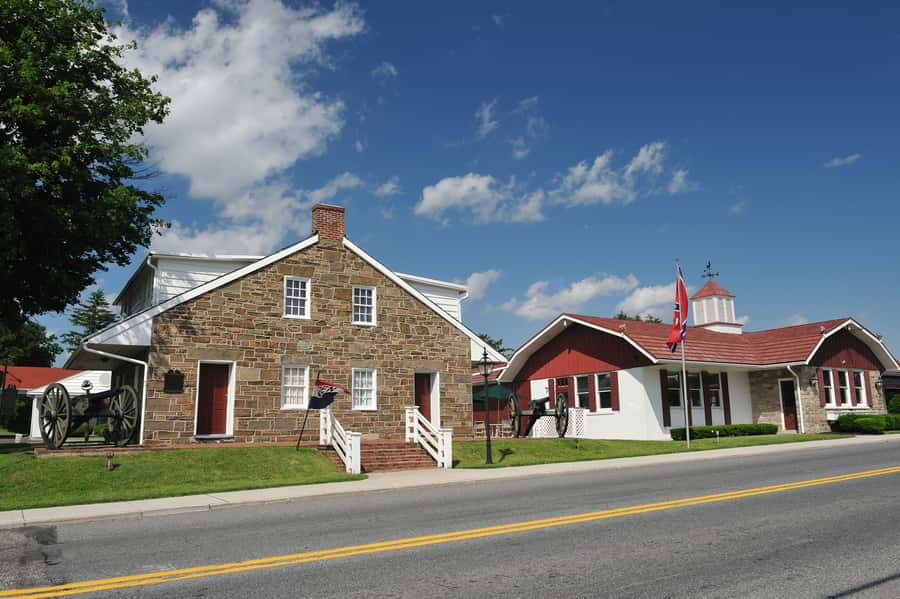
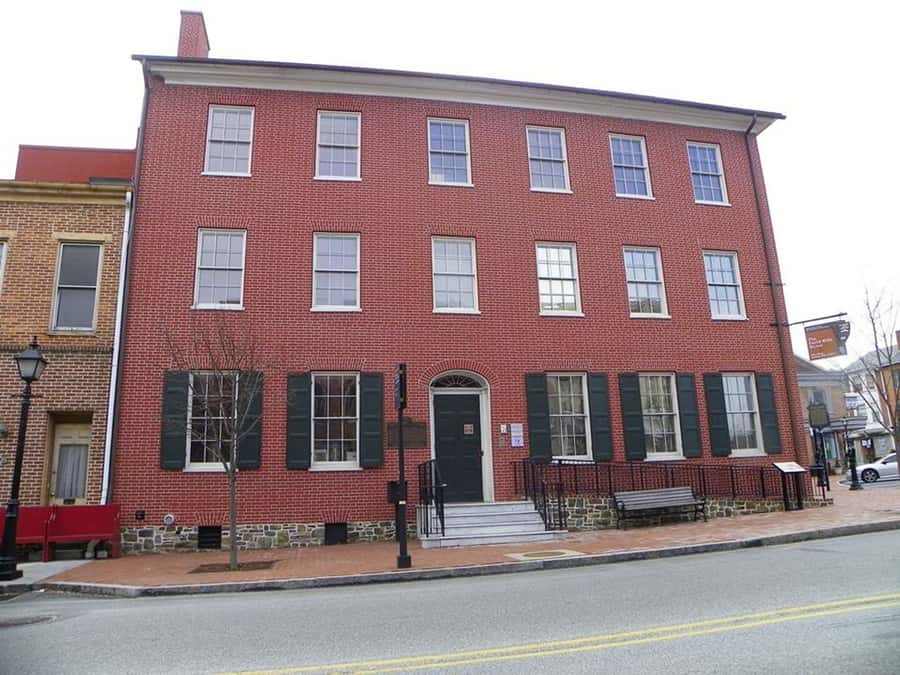
The route uses existing structures and downtown streets to help you picture Gettysburg as it appeared in 1863. You will hear about places that were part of the town before, during, and after the battle, while your guide explains how the local setting shaped the civilian experience.
I like this kind of walking tour because the setting does some of the teaching. A map can show where fighting occurred, but a street-level view helps you understand scale. The town was not an empty backdrop. It was a real community with homes, businesses, families, and regular routines.
The guide points out the relationship between the town and the battle, then connects military events to civilian life. This may include the arrival of soldiers, the movement of wounded men, and the disruption caused by fighting in and around downtown. The exact order and emphasis can vary with the guide, but the central theme remains the same: Gettysburg’s residents were reluctant witnesses to events unfolding around them.
This is also where the tour differs from a standard battlefield overview. You are not simply following troop positions. You are asking what the battle meant for a child, a family, or a person trying to protect a home while armed forces moved through town.
Civilian stories instead of only famous generals
The most useful part of the tour is its attention to individual residents. Your guide examines accounts from civilians who lived in the same areas you are walking through. These personal stories give the larger military events a human scale.
I especially value this for families and first-time visitors. Children may not remember every general or battlefield maneuver, but they can understand the idea of a town suddenly filled with soldiers and wounded people. Adults who have visited Gettysburg before may also find this angle fresh, since the civilian experience often receives less attention than the battlefield commanders.
The stories include the effect of the war on local adults and children, along with the experiences of well-known Gettysburg families. You may hear about the fear and confusion of living through the battle, as well as what happened in town after the fighting ended.
One especially useful feature is the chance to ask questions. Several guides are praised for giving direct answers and allowing conversation rather than rushing through a fixed speech. Ken, in particular, is frequently described as personable, passionate, and able to connect details to a group’s interests. Jeff is also noted for making the period feel immediate through a theatrical presentation.
Those names are not a guarantee of your guide. The guide may instead be Rich, Bruce, or another member of the local team. Still, the repeated praise for several different guides suggests that the quality does not depend on one single personality.
More Old Town and Historic Centre Walks in the USA
- Philadelphia Old City Historic Walking Tour with 10+ Top Sites
★ 5.0 · 2,020 reviews - Asheville Historic Downtown Guided Electric Bike Tour with Scenic Views
★ 5.0 · 1,234 reviews - Walking History Tour of St. Augustine’s Historic District
★ 5.0 · 1,152 reviews - Creepy Crawl Night-Time Haunted Pub Walking Tour of Savannah’s Historic District
★ 4.5 · 802 reviews
What the battle looked like from Main Street
The downtown setting lets the guide explain the battle’s effects in a way that a field tour cannot. You may hear about the chaos and carnage that reached the streets, along with the strain placed on homes and public spaces.
This is not a graphic horror tour based on the information provided, but the subject is serious. The town’s residents were not watching a distant event from a safe hill. They were living close to the fighting and dealing with its immediate consequences.
That distinction matters. On the battlefield, you tend to think about tactics, terrain, and army movements. Downtown, the questions become more personal: Where did people go? How did families cope? What did residents see? How did the town function when normal life was interrupted?
Your guide also places the events before, during, and after the battle. That wider time frame is helpful because the civilian story did not begin and end with the fighting. The town had its own life before July 1863, and its residents had to deal with the aftermath once the armies moved on.
Character portrayals add a theatrical touch
Some guides present parts of the tour in character. Jeff has portrayed Civil War veteran James Maclay, and another guide has appeared as a Civil War artilleryman. These performances are not simply costume decoration. They give the guide a way to speak from a period perspective and make the material more immediate.
I can see this working especially well for visitors who enjoy living-history programs. It can help younger visitors stay focused, and it gives a group something memorable to connect with after the walk.
The tradeoff is that theatrical delivery is not everyone’s preference. If you want a strictly academic lecture, a character portrayal may feel more dramatic than necessary. The supplied information suggests that the guides pair performance with solid historical explanation, but the balance may differ from one guide to another.
You can also ask questions during the walk. That helps keep the experience from becoming a one-way performance. If a character presentation is not your style, use the question time to steer the conversation toward the civilian accounts or downtown buildings that interest you most.
A good first step before the battlefield
I recommend considering this tour early in a Gettysburg visit, especially if you are trying to build a clear picture of the town. One visitor found that downtown tours helped organize the larger story before visiting the battlefields. That makes sense: you first learn how the community functioned, then you can better understand what the fighting did to it.
You can also take the downtown walk after a battlefield tour. In that order, it may serve as a corrective. After hearing about commanders and troop movements, you return to the town and consider the residents who had to live with the consequences.
The tour does not replace a battlefield visit, museum visit, or more specialized military program. It covers the center of town, not every part of the Gettysburg story. Its strength is its focused subject: civilians and urban life during the battle.
If your schedule allows only one short history activity, choose based on your interests. Pick this tour if you want people and place. Pick a battlefield experience if your main goal is military strategy and terrain. Many visitors will find that the two work better together than separately.
How much value do you get for $25?
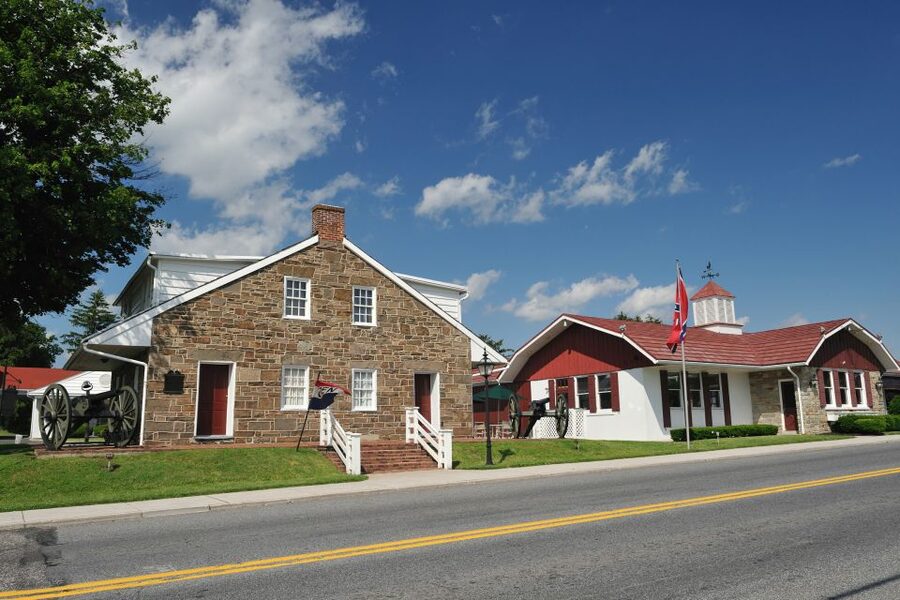
At $25 per person, this is a fairly accessible way to add guided history to a Gettysburg visit. You receive two hours with a live English-speaking guide, a planned walking route, and local interpretation that you would not get from simply strolling around downtown with a map.
The value depends on how actively you use the experience. If you only want a quick orientation, two hours may feel long. If you enjoy asking questions and listening to personal accounts, the time allows the guide to add context that a short town introduction would skip.
Small groups can improve the value. One tour had only four people, which made it easy to walk with the guide and interact directly. Group size can vary, so you should not assume every departure will be that intimate. Still, the format appears suited to conversation rather than a large crowd moving silently from stop to stop.
The price also covers access to the guide’s preparation and storytelling, not entry to private buildings. One person specifically noted that some stops could not include indoor visits because the buildings are privately owned. That is an important expectation to set: you will learn from the exterior setting and the guide’s explanation, not from a series of interior museum rooms.
Comfort, accessibility, and weather
The tour is listed as wheelchair accessible, which makes it a useful option for visitors looking for a guided downtown experience without a battlefield trek. You should still confirm any personal mobility needs when booking, since the information does not describe every surface or restroom arrangement along the route.
The walk is not described as strenuous. It is a leisurely two-hour route with many stops, but comfortable shoes remain important. Gettysburg summers can be hot, and one guide contacted a group ahead of time about shifting the departure time because of high heat. That shows why timing and weather deserve attention, especially in July and August.
Wear weather-appropriate clothing. The experience takes place outdoors, and the guide may be excellent, but no storyteller can control heat, rain, or cold. If the forecast looks poor, the option to cancel up to 24 hours before departure for a full refund gives you some flexibility.
You can also reserve now and pay later, which helps if your Gettysburg schedule is still taking shape. Check the available start times before committing, since the departure schedule can vary.
Who will enjoy this tour most?
I would choose this experience for:
- First-time Gettysburg visitors who want town context before tackling the battlefield.
- History fans who already know the famous battle outline but want civilian accounts.
- Families looking for stories about local adults and children rather than only generals.
- Visitors who prefer a moderate walking tour with regular stops.
- Anyone who enjoys personal storytelling, questions, and occasional living-history performance.
- People with limited time who want two focused hours in the center of Gettysburg.
I would think twice if you dislike outdoor walking, want extensive access inside historic buildings, or prefer a purely military account. The tour stays focused on downtown civilians, so it is not designed as a complete survey of every battlefield action.
Should you book the Gettysburg 1863 Historic Downtown Walking Tour?
I would book it if you want Gettysburg to feel like a town, not only a battlefield. The civilian viewpoint, downtown setting, and two-hour format make it a useful addition to a visit, particularly before you study the fields in detail.
Look for a departure that suits the weather, arrive 15 minutes early at Lincoln’s statue, and come ready to ask questions. You may receive a strong character presentation from Jeff, a highly interactive history talk from Ken, or a different style from Rich, Bruce, or another local guide.
The main caution is simple: expect an outdoor town walk, not a series of interior tours. If that suits you, $25 buys a focused and personal way to understand how Gettysburg’s residents lived through the Civil War.
FAQ
How long is the Gettysburg 1863 Historic Downtown Walking Tour?
The tour lasts two hours.
How much does the tour cost?
The price is $25 per person.
Where does the tour meet?
Meet at 11 Lincoln Square in Gettysburg, Pennsylvania, by the statue of President Lincoln and the benches.
How early should I arrive?
Arrive 15 minutes before the tour’s scheduled departure.
What language is the tour offered in?
The live tour is offered in English.
Is the tour wheelchair accessible?
Yes, the activity is listed as wheelchair accessible.
What should I bring?
Bring comfortable shoes and clothing suited to the weather.
More Battlefield and Military History Tours in the USA
- 2-Hour Gettysburg Battlefield Guided History Bus Tour with a National Park Guide
★ 4.5 · 2,201 reviews - Guided Savannah Civil War History Walking Tour
★ 5.0 · 492 reviews - Ghost Tour: History and Haunts – Family Friendly – Best in Gettysburg
★ 4.5 · 378 reviews - Gettysburg: “History and Haunts” Family Friendly Ghost Tour
★ 4.4 · 141 reviews
Newest history tours we have reviewed in the USA
- Self Guided Detroit’s Spirit and History Solo Walking Tour★ 4.5 · 41 reviews
- Best Downtown Detroit Historical Walking Tour★ 5.0 · 56 reviews
- Detroit’s Hidden History Guided Walking Tour★ 5.0 · 48 reviews
- Private Nightlife Tour in Denver: Culture, History, and Cocktails★ 5.0 · 48 reviews
- Historical Walking Tour Of Denver With A Haunting Twist★ 5.0 · 19 reviews
- Tip Based: Capitol Hill History & Ghost Tour★ 5.0 · 34 reviews
- Denver – Capitol Hill Guided Walking Ghost / History Tour★ 4.5 · 75 reviews
- JFK Historical Tour★ 5.0 · 22 reviews
Battlefield & Military History Tours, compared.
2-Hour Gettysburg Battlefield Guided History Bus Tour with a National Park Guide
Read our review →
Prague Communism History and Nuclear Bunker Tour
Read our review →

Ghost Tour: History and Haunts – Family Friendly – Best in Gettysburg
Read our review →

Gettysburg: “History and Haunts” Family Friendly Ghost Tour
Read our review →
Civil War History Tour – The Battle of Franklin, Tennessee
Read our review →
Private Atlanta History Tour From Civil War to Civil Rights
Read our review →Browse the lists this tour appears in