

Review · GERMANY HISTORY TOURS
Dessau: Guided Walking Tour through History
Dessau’s story is much bigger than Bauhaus. This 90-minute walking tour links the city’s eight centuries to the people and ideas that made it important, from Prince Leopold III Friedrich Franz and architect Friedrich Wilhelm Erdmannsdorff to Hugo Junkers, Walter Gropius, Wassily Kandinsky, and Kurt Weill.
I like the focus on small local anecdotes, which can turn an ordinary street or square into a memorable place. I also like the broad range of subjects, including the Bauhaus, the Basic Law, music, aviation, and the city’s princely past.
The main limitation is language: the tour is offered in German only. You should also be ready for rain, since it runs in all weather.
Key points
- Eight centuries in 90 minutes: Follow Dessau’s story from its princely past to modern design and industry.
- Bauhaus in context: Learn why the famous school came to Dessau and how it fits into the city’s wider story.
- Anecdotes make the walk personal: The tour is built around local stories, not just dates and monuments.
- Many famous names in one city: Hear about Gropius, Kandinsky, Junkers, Kurt Weill, Moses Mendelssohn, and others.
- Useful for locals and first-time visitors: The content can reveal things even Dessau residents have not noticed.
- Practical format: The tour costs $13 per person, lasts 1.5 hours, is wheelchair accessible, and has free cancellation up to 24 hours before departure.
Why Dessau rewards a history walk
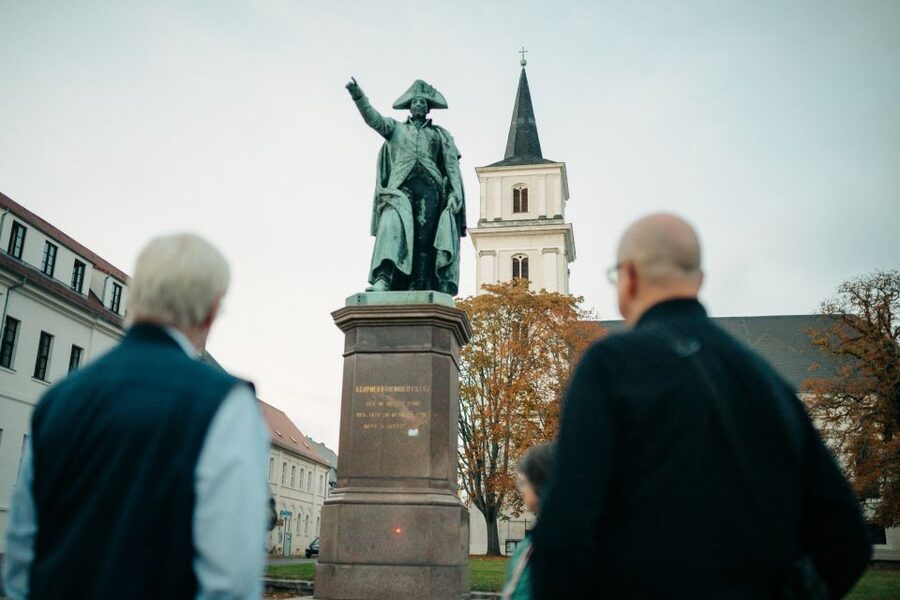
Dessau can be easy to misread. Some people come for Bauhaus and treat the city as a design stop. Others know it mainly as a former princely residence or as part of the story of central Germany. This tour makes a strong case for seeing all those chapters together.
You are not simply being taken from one famous building to another. The guide uses urban spaces as clues, showing how different periods left their mark on the city center. A place connected with a ruler may sit not far from one linked to modern design, political change, music, or industry.
That mixture is the point. Dessau’s identity was shaped by rulers, artists, engineers, writers, architects, and musicians. The walk gives each period a place in the same story rather than treating Bauhaus as an isolated attraction.
The format also suits a short stay. In 90 minutes, you can get a clear introduction without giving up most of your day. It is a useful first activity if you have just arrived and want to understand what you are seeing before visiting individual museums or sites.
More History Walking Tours in Germany
- Leipzig: 1.5-Hour Historical Walking Tour in German
★ 4.7 · 2,217 reviews - Berlin: History of the Third Reich Guided Walking Tour
★ 4.7 · 791 reviews - Trier: Guided Old Town Highlights and History Walking Tour
★ 4.7 · 687 reviews
From Prince Leopold to Erdmannsdorff
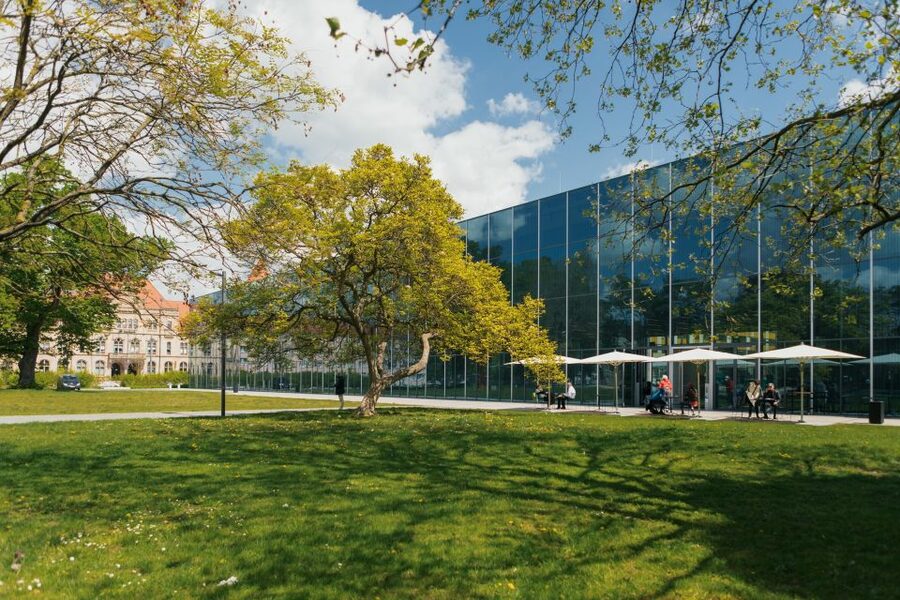
The opening part of the walk places Dessau in its older setting. Prince Leopold III Friedrich Franz is one of the important figures included in the story, along with Friedrich Wilhelm Erdmannsdorff. Their names help explain that Dessau was not created by modern design alone.
This part matters because it gives the city a sense of continuity. Before the Bauhaus brought international attention, Dessau already had a princely and cultural identity. The guide connects the built environment with the decisions and ambitions of earlier generations.
You may not remember every date, and you do not need to. The useful lesson is that the city center is not just a collection of old facades. It reflects changing ideas about power, culture, public space, and civic life.
The tour also refers to Moses Mendelssohn, another reminder that Dessau’s story reaches beyond local rulers. His place in the walk broadens the picture and shows how people connected with the city went on to matter far beyond it.
How Bauhaus came to Dessau
Bauhaus is the best-known reason many people visit Dessau, and the tour addresses the central question: why did the school come here?
The walk does not treat Bauhaus as a detached design brand. Instead, it explains how the school became part of Dessau’s development and why this city became one of the key places in modern architecture and design.
Walter Gropius and Wassily Kandinsky are among the major figures named in the tour. Their inclusion gives you a direct link to the school’s creative and educational work. You also gain a better sense of how Bauhaus fits among Dessau’s other stories, rather than replacing them.
That context is especially useful if you plan to visit Bauhaus buildings separately. A guided walk can help you notice the difference between a building as an architectural object and a building as part of a city’s political and social history.
If you already know a great deal about Bauhaus, you may find the broader city history more useful than basic introductions to the school. If you know little about it, the tour gives you a sensible starting point without requiring a full day of study.
The Basic Law and an unexpected political connection
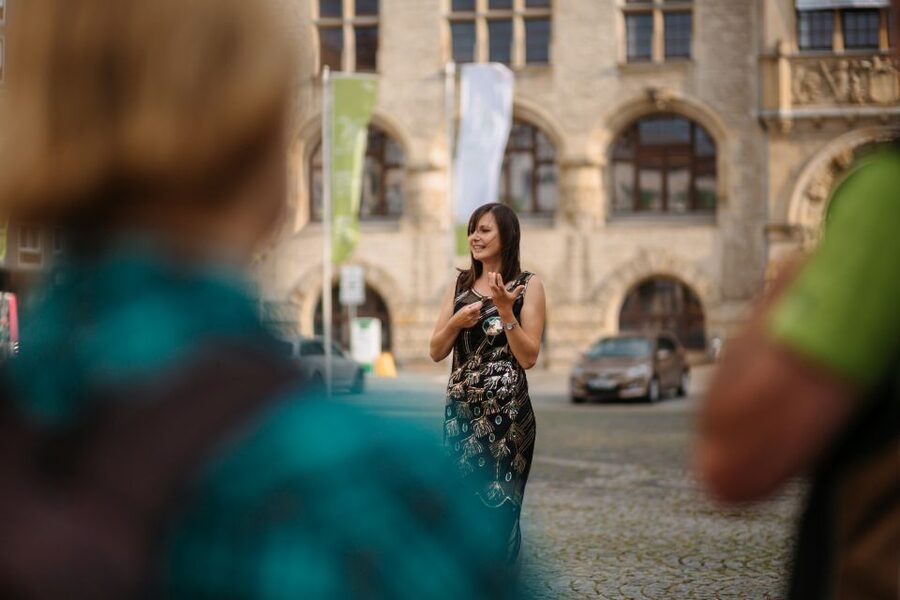
One of the more unusual subjects is what Dessau has to do with the Basic Law. This is the kind of connection that can make a local tour worthwhile because it links a city center to the legal and political structure of modern Germany.
The supplied details do not specify the exact stop or event used to explain this connection, so you should expect the guide to provide the important context during the walk. What matters for planning purposes is that the tour goes beyond architecture and famous residents.
This subject also helps balance the cultural material. You hear about design, music, and art, but you are not left with the impression that Dessau’s importance is only artistic. The walk presents the city as a place where political and civic developments also matter.
Same streets, a different century:
- Leipzig: City History Canal Sightseeing Tour on a Motorboat
★ 4.7 · 7,671 reviews - Berlin: 3-Hour World Heritage Cruise to Potsdam
★ 4.5 · 1,569 reviews - Heidelberg: Night Watchman Historic Adventure Tour
★ 4.7 · 1,186 reviews - The Local Tour of Hamburg Historic Centre
★ 5.0 · 1,058 reviews
Famous children and the city’s wider reach
The tour asks why some of Dessau’s children are better known abroad than in their birthplace. That is a useful theme because it encourages you to look at the city through people rather than only through monuments.
Kurt Weill is one of the names connected with this part of the story. Max and Wilhelm Müller are also included, along with Hugo Junkers. Each name points toward a different kind of achievement, and together they show how a relatively compact city can produce people with international influence.
Hugo Junkers adds an industrial and engineering angle. Kurt Weill brings music into the picture. Moses Mendelssohn adds another cultural and intellectual connection. Walter Gropius and Wassily Kandinsky represent modern art, design, and architecture.
The value here is not simply counting famous names. The guide uses them to show how Dessau’s local identity and international reputation can differ. You may find that the city’s most important stories are not always the ones most visible at first glance.
Why the anecdotes matter
The strongest feature of this experience is likely to be the storytelling. The tour is designed to include numerous anecdotes, and that detail matters more than it may sound.
A list of dates can tell you that Dessau has an eight-hundred-year history. A small story can help you remember why a particular place mattered, how a person was connected with the city, or why a building or street deserves attention.
The available feedback points to these smaller stories as a particular strength. One local participant said the tour revealed new information even in their own city and especially appreciated the little anecdotes. Another described it as very informative and said the places were interesting.
That is a good sign for the audience this tour targets. It is not only for someone seeing Dessau for the first time. You can live locally and still benefit from a guided explanation of familiar streets.
The exact names of the guides are not provided, so you cannot choose a particular presenter in advance. The activity is led by a trained guide from Stadtmarketinggesellschaft Dessau-Roßlau, and the live tour language is German.
What the 90-minute route can and cannot do
Ninety minutes is a sensible length for a city introduction. You have enough time to move through several themes, but the tour cannot give every period equal treatment.
Expect a connected overview rather than a full architectural survey or a detailed biography of every person mentioned. The guide must move between broad historical chapters, so some topics will receive more explanation than others.
The walk brings together:
- Dessau’s eight-hundred-year development
- The city’s princely history
- Friedrich Wilhelm Erdmannsdorff and Prince Leopold III Friedrich Franz
- Moses Mendelssohn and Kurt Weill
- Max and Wilhelm Müller
- Hugo Junkers
- The arrival and importance of Bauhaus
- Walter Gropius and Wassily Kandinsky
- The city’s connection with the Basic Law
- Lesser-known places in the city center
That is a lot to cover. I would treat the tour as a framework for the rest of your visit. Take note of the names and places that interest you, then explore those subjects further on your own.
The walk is also described as wheelchair accessible. Since the experience takes place outdoors and runs rain or shine, comfortable clothing and weather protection are sensible, even though the supplied details do not specify the exact surface or route conditions.
Who gets the best value for $13
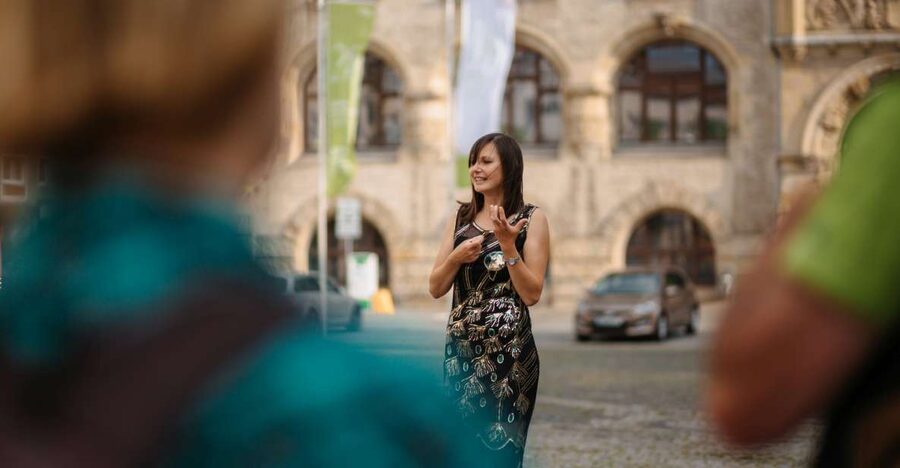
At $13 per person, this is a modestly priced introduction to Dessau. The value comes from interpretation rather than entry to a major museum. You are paying for a trained guide who can connect scattered facts and explain why the city matters.
I consider the price especially fair if you are new to Dessau or have only a few hours available. A good orientation walk can prevent you from seeing Bauhaus, princely sites, and city-center places as unrelated stops.
It is also a good buy for local residents and repeat visitors. The local feedback shows that the content can add something even when you already know the streets. That makes the tour less dependent on being a first-time visitor.
The value is less clear if you want an English-language tour, a private guide, or a detailed visit inside specific buildings. This is a German-speaking group walk, and the information supplied does not include private touring, museum admission, or extended interior visits.
Booking and meeting details that matter
Before the tour begins, show your voucher at the ticket counter. The activity includes skip-the-ticket-line access, which should make the start more efficient, though you still need to allow time to present your voucher.
The schedule varies, so check the available starting times before booking. You can reserve now and pay later, which helps if your plans are still moving around. Free cancellation is available up to 24 hours before the tour for a full refund.
The tour runs in all weather. That is worth taking seriously in northern Germany. A wet day will not cancel the experience, so bring a coat or umbrella when conditions look uncertain.
The tour is offered in German. If you understand German well enough to follow a live history talk, you should be able to get much more from the anecdotes and wordplay than you would from a simple audio guide. If you do not speak German, this is probably not the right choice unless you are comfortable arranging your own translation.
The best way to use this tour
I would schedule the walk near the start of your time in Dessau. The guide’s overview can help you decide which people, buildings, and subjects deserve more of your attention afterward.
Listen for the connections rather than trying to memorize every name. When the guide moves from princely history to Bauhaus, or from music to engineering, notice how the city changes with each period.
The small anecdotes are worth concentrating on. They are likely to be the details that help you remember the route later, especially if you are comparing what you see in the street with what you learn in museums or exhibitions.
Because the tour is only 1.5 hours, you still have time afterward for independent sightseeing. That balance makes it easier to fit into a day that includes other Dessau sights.
Should you book the Dessau history walking tour?
Book it if you want a concise introduction to Dessau that connects Bauhaus with the rest of the city’s story. The price is reasonable, the duration is manageable, and the subject range is unusually broad for a short walk.
I would give it priority if you speak German, enjoy local anecdotes, or want more than a standard Bauhaus explanation. It is also a good option for residents who suspect they have missed parts of their own city’s story.
Think twice if you need English, want detailed interior visits, or prefer to focus on one subject only. For everyone else, this is a practical first look at Dessau, with enough unusual connections to make the city center feel more meaningful.
FAQ
How long does the Dessau walking tour last?
The tour lasts 1.5 hours, or 90 minutes.
What language is the tour offered in?
The live tour guide speaks German, and the activity is listed as German-language only.
How much does the tour cost?
The listed price is $13 per person.
What subjects are covered?
The tour covers Dessau’s eight-hundred-year history, the arrival of Bauhaus, the city’s connection with the Basic Law, and notable figures including Prince Leopold III Friedrich Franz, Friedrich Wilhelm Erdmannsdorff, Moses Mendelssohn, Kurt Weill, Max and Wilhelm Müller, Hugo Junkers, Walter Gropius, and Wassily Kandinsky.
Is the tour wheelchair accessible?
Yes. The activity is listed as wheelchair accessible.
What happens if it rains?
The tour takes place rain or shine, so you should prepare for the weather.
Can I cancel the booking?
Yes. You can cancel up to 24 hours before the tour for a full refund. You can also reserve now and pay later.
Newest history tours we have reviewed in Germany
- Historic Dresden Private Walking Tour★ 5.0 · 32 reviews
- Walking Through Dresden’s Past with Dr. Fraser Macdonald★ 5.0 · 72 reviews
- Berlin Food & Cultural Tour: Must-Try German & Berliner Classics★ 5.0 · 51 reviews
- Historic center of Berlin – Tour in Italian★ 5.0 · 143 reviews
- Private Tour: Jewish Heritage Walking Tour of Berlin★ 5.0 · 29 reviews
- Small-Group Historical Bike Tour in Berlin★ 4.5 · 103 reviews
- East Berlin Food & History Tour with Eating Europe★ 5.0 · 204 reviews
- Private Berlin WWII and Cold War History Tour with Local Expert Guide★ 5.0 · 28 reviews
History Walking Tours, compared.
History and Hauntings of Salem Guided Walking Tour
Read our review →
Freedom Trail History Small Group Walking Tour
Read our review →
Historic Charleston Guided Sightseeing Walking Tour
Read our review →
Tapas Walking Tour with Food, Wine, and History
Read our review →
Savannah History and Haunts Candlelit Ghost Walking Tour
Read our review →
A History of Terror – Belfast City Centre Walking Tour
Read our review →Browse the lists this tour appears in