
Review · GERMANY HISTORY TOURS
Leipzig: 1.5-Hour Historical Walking Tour in German
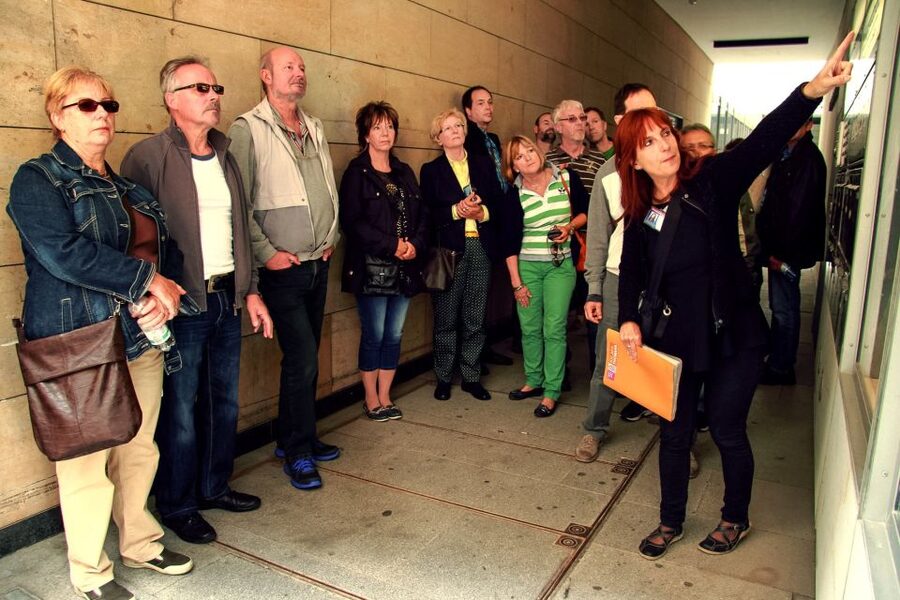
The most memorable part of this Leipzig walk may be the odd questions it answers: Why was the Central Train Station built in two halves? How did Greenlanders end up in Leipzig? And what is the story behind Shakespeare’s stockings? These curious details give the city a human scale that dates and architectural labels alone cannot provide.
I like the 90-minute length, which gives you a useful first look without swallowing half your day. I also like the mix of major sights and lesser-known anecdotes, especially the account of Leipzig before the fall of the Berlin Wall. The main consideration is simple: the tour is conducted in German, so you need enough German to follow live storytelling and humor.
Key points to know before you book
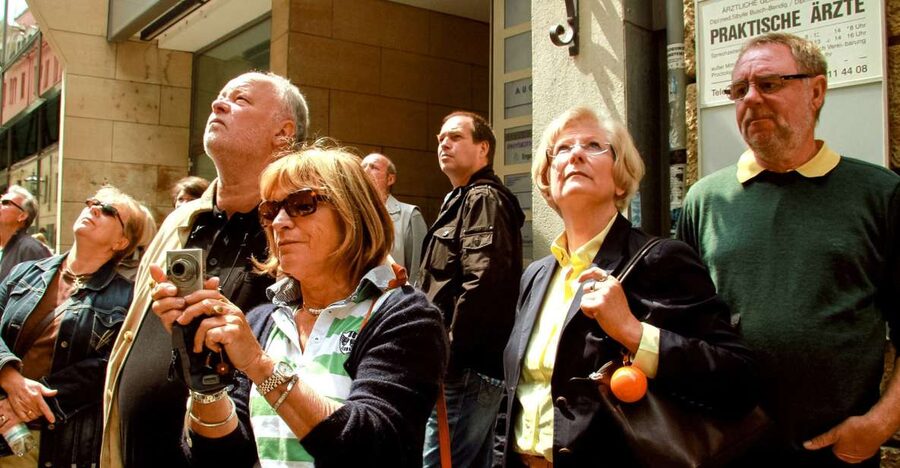
- Curious stories at every turn: Hear about the two halves of Leipzig Central Station, the city fountains, Greenlanders, and Shakespeare’s stockings.
- A compact historic-center route: See the Opera House, Gewandhaus, university, Mädler Passage, Old Town Hall, and St. Thomas Church.
- Strong guide-led storytelling: Guides such as Uwe Lange and Thorsten have been praised for clear, humorous, well-organized presentations.
- A useful look at modern Leipzig: The stop near St. Nicholas Church can connect the city’s older past with the period before the Berlin Wall fell.
- Good value at $17: For an hour and a half with a live certified guide, the price is modest, especially if this is your first time in Leipzig.
- German only: This is best for German speakers who want jokes, anecdotes, and local explanations in the original language.
Why the strange stories make Leipzig easier to understand
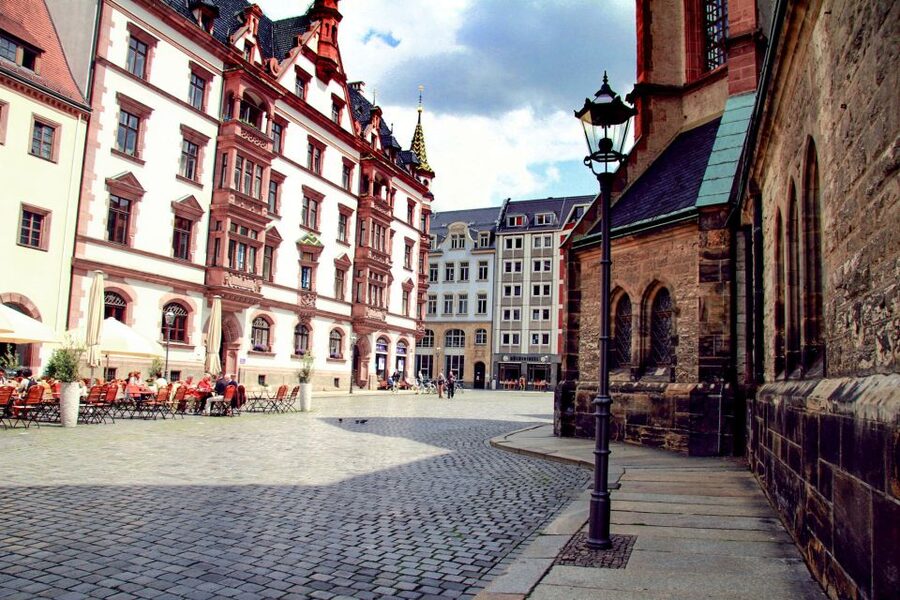
Leipzig is not a city you should approach only through grand monuments. Its character comes from trade, music, students, churches, political change, and the small oddities that link them together. This walk uses those threads to make the center feel less like a collection of buildings and more like a place where people have argued, performed, prayed, studied, and changed the course of German history.
The guide’s stories are a good fit for anyone who enjoys history with a side of humor. You might hear an explanation of why the main railway station was arranged in two sections, then move on to a tale about fountains or a strange connection involving Greenlanders. The point is not simply to collect facts. It is to give you memorable hooks, the kind that help you recognize Leipzig again when you walk through the center on your own.
The tour also reaches beyond medieval and early modern Leipzig. A presentation near St. Nicholas Church can bring in the period before the fall of the Berlin Wall, giving the tour a modern political edge. That balance matters. Leipzig is known for composers, churches, and old commercial arcades, but its recent past is just as important to understanding the city today.
More History Walking Tours in Germany
- Berlin: History of the Third Reich Guided Walking Tour
★ 4.7 · 791 reviews - Trier: Guided Old Town Highlights and History Walking Tour
★ 4.7 · 687 reviews - Berlin Historical Highlights Walking Tour
★ 4.9 · 657 reviews
Starting at Katharinenstraße 8
You meet at the Tourist Information Center at Katharinenstraße 8. Plan to arrive 15 minutes before departure. That extra time is useful in any city walk, since a late arrival can mean starting the tour already flustered and trying to spot the group in a busy central area.
The tour lasts 1.5 hours. That is long enough to cover a good number of central landmarks, but short enough to fit around a museum visit, a concert, lunch, or a train connection later in the day. The route is presented as a walking tour, and transfers are not included, so you should make your own way to the meeting point.
The group size can vary, but one recent tour was praised for having a small group. Smaller groups usually make it easier to hear the guide and ask a question. Still, you should not assume every departure will be intimate. The clearest practical advice is to arrive early and stay close enough to hear the live German commentary.
Leipzig Central Station and the city’s unusual details
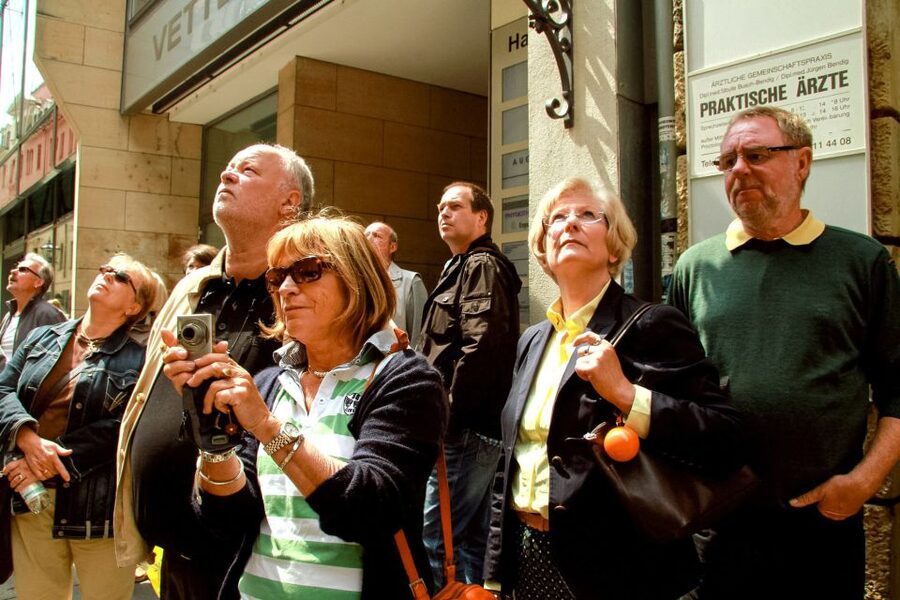
One of the tour’s most appealing ideas is that it does not save all its energy for famous churches and grand squares. The story of Leipzig Central Station asks you to look at an everyday transport building with fresh eyes. The tour explains why the station was made up of two halves, a detail you might otherwise pass without noticing.
That is the sort of fact that improves the rest of your time in Leipzig. After the tour, you may find yourself looking more closely at the station’s structure instead of treating it as a place where you simply arrive and leave. The explanation also shows how the city’s practical needs and historical development shaped its buildings.
The fountains offer another example. The supplied information does not spell out the full fountain story, which is part of the fun of hearing it from the guide. What matters for you is the method: familiar public features become prompts for local stories. Instead of walking past a fountain as decoration, you get a reason to remember it.
The Greenlanders story and the question about Shakespeare’s stockings add a lighter tone. These are not the standard facts you find on every city map. They help keep the pace lively, particularly if you are visiting with someone who would rather hear a good anecdote than a long list of dates.
Opera House, Gewandhaus, and Leipzig’s music tradition
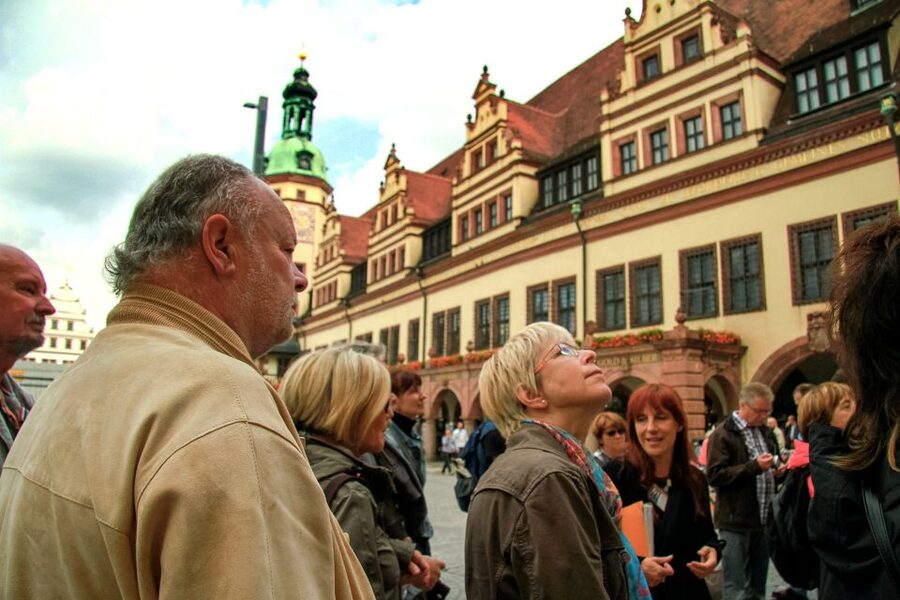
The route includes Leipzig’s Opera House and the Gewandhaus concert hall. Even if you do not attend a performance, these buildings point to the city’s long connection with music and public culture.
The guide can place them within the wider central-city setting rather than treating them as isolated photo stops. You move through a part of Leipzig where music, education, commerce, and civic life sit close together. That makes the walk useful for first-time visitors who want a basic map of the center before choosing which institutions to visit in greater depth.
The itinerary does not include admission to a concert or performance. You see the sights from the walking route and hear the guide’s explanation in German. If music is your main reason for coming to Leipzig, use this tour as an orientation rather than a substitute for a concert, museum visit, or dedicated music tour.
The advantage is efficiency. In a short time, you connect two major cultural landmarks with the rest of the old center. The limitation is also clear: the tour cannot offer an extended interior visit at every stop. It is a city walk, not a series of guided admissions.
Same streets, a different century:
- Leipzig: City History Canal Sightseeing Tour on a Motorboat
★ 4.7 · 7,671 reviews - Berlin: 3-Hour World Heritage Cruise to Potsdam
★ 4.5 · 1,569 reviews - Heidelberg: Night Watchman Historic Adventure Tour
★ 4.7 · 1,186 reviews - The Local Tour of Hamburg Historic Centre
★ 5.0 · 1,058 reviews
The university and Mädler Passage
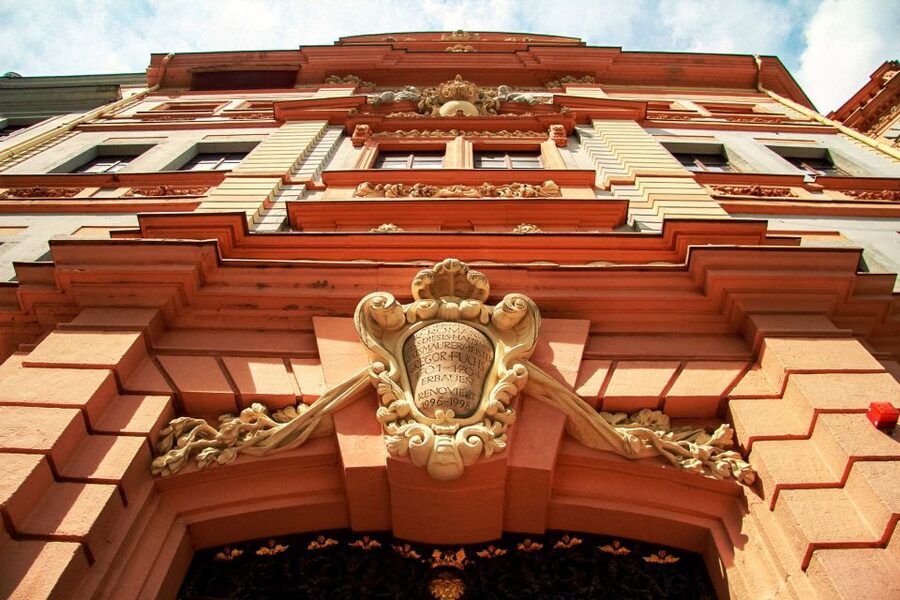
The university is another stop that helps explain Leipzig as a living city rather than an open-air monument. Universities bring students, debate, research, and daily movement into the center. Seeing it alongside the Opera House and Gewandhaus gives you a broader view of how Leipzig’s public life is organized.
Then comes Mädler Passage, one of the city’s best-known historic arcades. Passages like this make Leipzig’s commercial past easier to picture. You are not simply looking at a street lined with shops. You are moving through a type of urban space built for trade, display, and movement through the city center.
The passage is also a practical place to revisit after the tour. You can return at your own pace, look around, or use it as a reference point when navigating central Leipzig. The guided visit gives you context first, then leaves you free to explore without the pressure of keeping up with a group.
I like this part of the route because it combines architecture with ordinary city use. Leipzig’s center is not preserved only for sightseeing. People still pass through it, shop, meet, and go about their day. A good guide helps you notice both layers.
Old Town Hall and Leipzig’s civic story
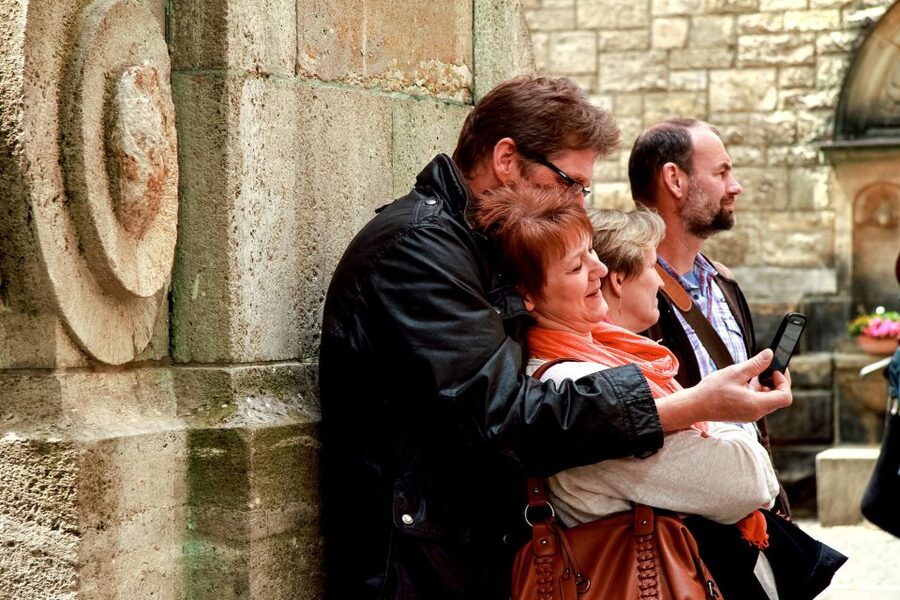
The Old Town Hall gives the tour a chance to discuss Leipzig’s civic identity. Town halls are practical buildings, but they also show how a city presents itself. Their location, scale, and relationship to public squares tell you something about trade, administration, and local pride.
On a short tour, the value here comes from the guide’s explanation rather than from a long architectural inspection. You get the building placed within the story of Leipzig’s center, then continue on foot to the next landmark. That keeps the pace moving and prevents the walk from becoming a lecture in one spot.
If you want to study the Old Town Hall in detail, you will need more time outside the tour. This experience gives you an introduction and a sense of why the building matters. I would mark the exterior as a place to revisit if you enjoy architecture or want photographs without the group moving on.
St. Thomas Church and a powerful modern-history stop
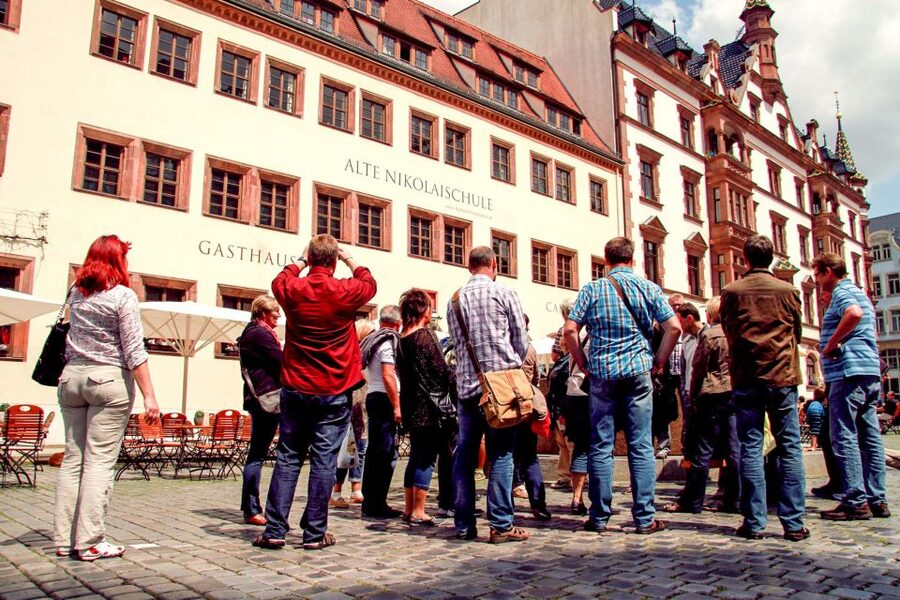
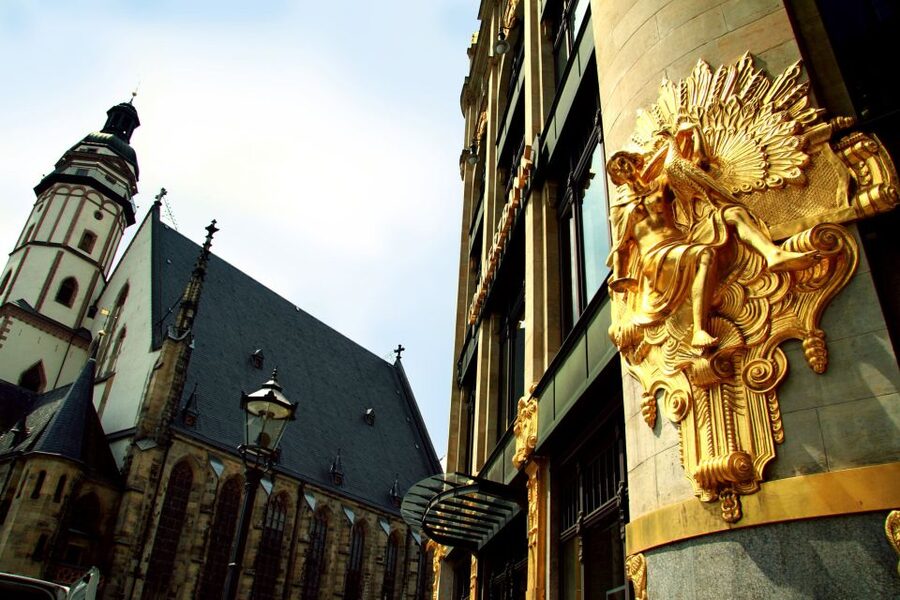
St. Thomas Church is one of the tour’s most important landmarks. It is tied to Leipzig’s musical and religious identity, and it gives the guide a strong setting for stories about the city’s past.
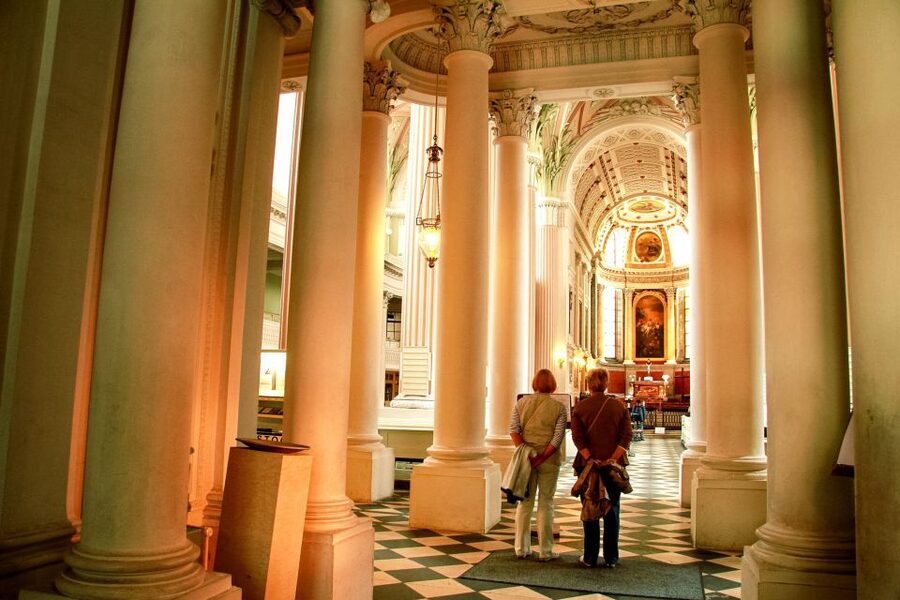
The tour also includes St. Nicholas Church in the central route, according to the detailed description of the experience. A particularly effective presentation can happen here when the guide explains Leipzig before the fall of the Berlin Wall. This is where the walk reaches beyond old buildings and connects the city to a period of real tension and change.
Guide Uwe Lange has been specifically praised for his humorous storytelling and for a moving presentation near St. Nicholas Church about the years before the Wall came down. You should not assume Uwe will lead every departure, but his example shows the kind of personal, spoken history this tour can offer. It is one thing to read that Leipzig played a role in modern German change. It is another to hear the story tied to the exact church and square where people gathered.
St. Thomas Church also matters for visitors interested in music. The route lets you see the church as part of the city center, but the 90-minute format does not turn it into a full specialist music visit. If you want an extended church or tower experience, ask about other offerings separately. One person wanted to add a tower visit after this walk but found it already full, so advance planning may help if that is important to you.
What the guides add to the walk
The guide is the heart of this experience. The strongest qualities reported for the tour are clear speech, humor, strong subject knowledge, and an approachable manner. Those details matter more than a polished route on paper because a walking tour succeeds or fails on whether you can hear, follow, and remember the explanation.
Uwe Lange is praised for weaving anecdotes into Leipzig’s history and for making the presentation near St. Nicholas Church especially compelling. Thorsten is praised for being very well informed. Another guide was noted for speaking loudly and clearly enough that people standing in the second or third row could follow without strain.
That last point is practical. In a walking group, the best story is useless if you cannot hear it. Clear pronunciation and a strong voice help, especially when the guide is explaining a joke or a detail in German. The tour’s language is German, so the combination of clear delivery and humor is important.
You should expect a prepared, live presentation rather than an audio guide or a self-guided route. Guides are certified, and the experience is designed around spoken explanations as the group moves from one central sight to the next.
Is $17 a good value for 90 minutes?
At $17 per person, this is a reasonably priced introduction to Leipzig. You are paying for a live German-speaking guide, a planned route through several central landmarks, and local anecdotes that can be difficult to find in a standard guidebook.
The strongest value comes if you are new to Leipzig. A first walk helps you place the Opera House, Gewandhaus, university, Mädler Passage, Old Town Hall, and the churches in relation to one another. Afterward, you can choose where to spend more time instead of wandering without a plan.
The value is less clear if you already know the central sights well or speak very little German. In that case, the route may repeat places you have already seen, and the storytelling will be hard to enjoy if you cannot follow the language. The tour is not designed as a private experience, and admission tickets, transfers, and other extras are not included.
For German speakers, though, the price is modest for a guide-led city introduction. The humor and wordplay are likely to work better in German than in translation, which is another reason to choose this version if you can comfortably understand spoken German.
Who should book this Leipzig walk?
I would recommend it to first-time Leipzig visitors, German speakers who enjoy local stories, and anyone who wants a short orientation before exploring independently. It also suits people who like a mixture of famous sights and odd facts rather than a purely academic architectural tour.
It is a good fit for a free morning or afternoon because the 90-minute format leaves room for your own plans. You can add a museum, a concert, a meal, or another central stop without giving up the whole day.
I would hesitate if you need an English-language tour, want extensive interior access, or prefer a slow, highly focused visit to one church or museum. The route covers many sights, so the treatment of each one is necessarily selective.
The cancellation policy gives you some flexibility: you can cancel up to 24 hours before the start for a full refund, and you can reserve now and pay later. You should still check the available starting times before arranging the rest of your day.
Final advice: book it for the stories
Book this tour if you want Leipzig to become memorable through stories rather than a checklist of buildings. The two-part railway station, the fountains, Greenlanders, Shakespeare’s stockings, and the account of Leipzig before the Berlin Wall fell give you plenty to carry into the rest of your visit.
The deciding question is your German level. If you can follow a live German presentation, this is a compact and good-value way to get oriented, hear local humor, and see the city’s major central sights. If you need English or want lengthy visits inside each landmark, choose a different format. For German-speaking visitors who appreciate a clear, funny, well-paced guide, this $17 walk is an easy recommendation.
FAQ
Where does the Leipzig walking tour begin?
The tour starts at the Tourist Information Center at Katharinenstraße 8 in Leipzig.
How early should I arrive?
You should arrive at the meeting point 15 minutes before the tour begins.
How long does the walking tour last?
The tour lasts 1.5 hours.
What language is the tour conducted in?
The tour is conducted in German with a live German-speaking guide.
Which Leipzig sights are included?
The route includes the Opera House, Gewandhaus concert hall, university, Mädler Passage, Old Town Hall, and St. Thomas Church. The detailed tour description also refers to St. Nicholas Church.
Are transfers included?
No. Transfers are not included, so you must make your own way to the meeting point.
Can I cancel for a full refund?
Yes. You can cancel up to 24 hours before the tour for a full refund. You can also reserve now and pay later.
Newest history tours we have reviewed in Germany
- Berlin: Nazi History Walking Tour★ 4.8 · 33 reviews
- Berlin: History and Sightseeing with Kids (Free for Kids)★ 4.9 · 19 reviews
- Berlin: Historical Sights & Berlin Wall Tour with a Berliner★ 5.0 · 62 reviews
- Berlin: Urbex Abandoned Places & History Tour★ 4.8 · 18 reviews
- Berlin: Historic Center Walking Tour with a Real Berliner★ 5.0 · 134 reviews
- Berlin (E)Bike Tour Historical Highlights in Small groups★ 4.5 · 24 reviews
- East Berlin Food & History Tour with Eating Europe★ 4.8 · 20 reviews
- Berlin: Guided Craft Beer & Cultural Tour With Snacks★ 5.0 · 68 reviews
History Walking Tours, compared.

History and Hauntings of Salem Guided Walking Tour
Read our review →

Freedom Trail History Small Group Walking Tour
Read our review →
Historic Charleston Guided Sightseeing Walking Tour
Read our review →
Tapas Walking Tour with Food, Wine, and History
Read our review →
Savannah History and Haunts Candlelit Ghost Walking Tour
Read our review →
A History of Terror – Belfast City Centre Walking Tour
Read our review →Browse the lists this tour appears in