
Review · GERMANY HISTORY TOURS
Trier: Guided Old Town Highlights and History Walking Tour
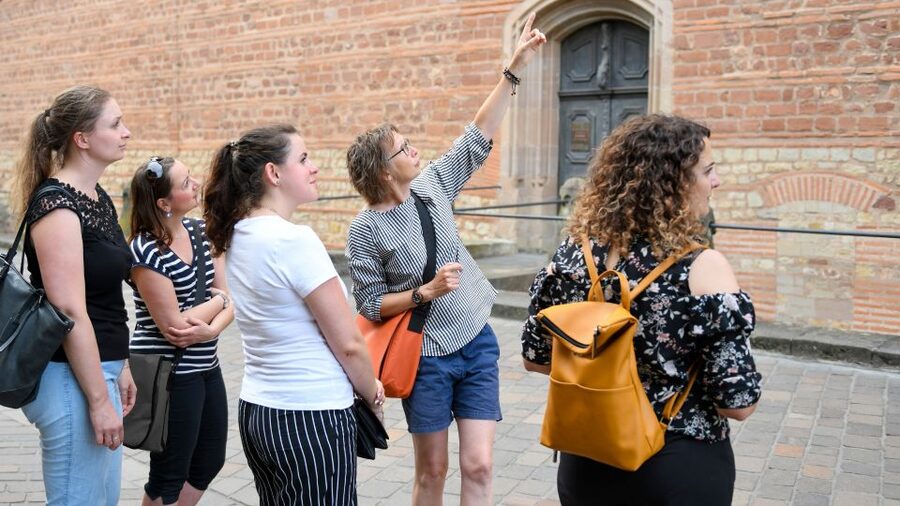
Trier’s story is unusually easy to read on foot. In about 90 minutes, this tour links the massive Porta Nigra with the Cathedral, Main Market, and the former home of Karl Marx, showing how Roman, medieval, and modern Trier sit side by side.
I like the clear route and the chance to ask about daily life under Roman rule, not just dates and stones. I also like the guides’ personal touch: Patrick is praised for humor and clear answers, while Herbert brings family-friendly energy and plenty of historical detail. The main drawback is that the tour is in German, so it is not a good fit if you need English commentary.
Key points to know before you book
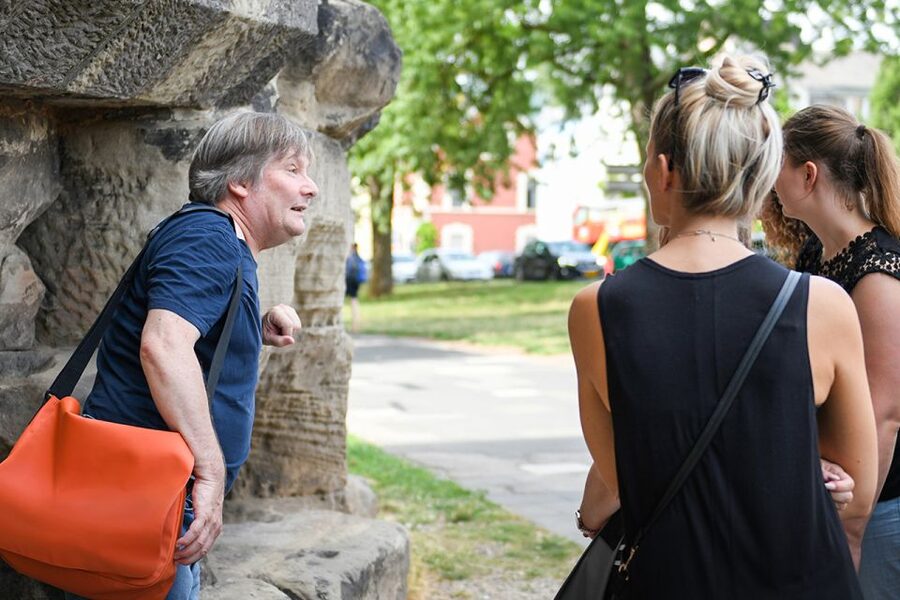
- Roman Trier begins at the Porta Nigra: The tour starts at the city’s most striking ancient landmark, built as early as 170 AD.
- Four major sights fit into 90 minutes: You’ll see the Porta Nigra, Trier Cathedral, Main Market, and Karl Marx’s former residence.
- History moves from emperors to philosophers: The route connects Roman daily life, medieval architecture, and Karl Marx’s modern legacy.
- Patrick and Herbert are named guides: Their approach combines solid historical detail with humor, questions, and a personal touch.
- German is the only listed tour language: Understanding spoken German is essential for getting full value from the walk.
- At $16, the timing is efficient: This is a modest-cost introduction to Trier, especially useful soon after arrival.
Starting beside the Porta Nigra
Your meeting point is in front of the Mercure Hotel, directly opposite the Porta Nigra. That makes the tour easy to find, since the Roman gate is Trier’s most obvious visual marker. You do not need to search through side streets or locate a small office.
The Porta Nigra gives the walk a strong opening. Built by the Romans as early as 170 AD, it is more than a photogenic gate. It lets your guide explain why Trier grew into an important Roman city and what daily life looked like under Roman rule.
I like beginning here because the story starts with a real piece of the city rather than a general introduction. You can look at the dark stonework while the guide explains how the gate fitted into the city’s defenses and movement. The supplied details do not promise an interior visit, so you should think of this as a guided stop and explanation around the monument rather than a ticketed Porta Nigra entry.
The guide also sets the tone here. Patrick is praised for making his broad knowledge entertaining, while Herbert is described as informative, warm, and good with children. Those details matter because a 90-minute city walk can feel dry if it becomes a list of dates. These guides appear to use humor and questions to keep the pace moving.
More History Walking Tours in Germany
- Leipzig: 1.5-Hour Historical Walking Tour in German
★ 4.7 · 2,217 reviews - Berlin: History of the Third Reich Guided Walking Tour
★ 4.7 · 791 reviews - Berlin Historical Highlights Walking Tour
★ 4.9 · 657 reviews
Following Trier from Roman rule to the Middle Ages
From the Roman gate, the tour follows Trier’s changing identity. The point is not simply to look at old buildings. You’ll hear how the city developed from its ancient foundations and how later generations added their own layer.
The tour includes examples of medieval architecture and explains how the city changed into the present day. That broad timeline is useful if you are new to Trier. Instead of seeing isolated monuments, you begin to understand why Roman remains, church buildings, public squares, and more recent sites share the same compact center.
The walk lasts 1.5 hours, which is long enough to give the city a proper introduction without taking over your day. I would book it early in a Trier visit if possible. Afterward, you can return to any sight that caught your eye, visit places at your own pace, or ask the guide where to eat and have a drink.
The tradeoff is depth. A short walk cannot explain every period or take you inside every major building. If you want detailed art history, Roman archaeology, or long interior visits, you will need extra time on your own. This tour works best as an organized overview with useful context.
Trier Cathedral and the city’s religious center
Trier Cathedral is one of the main sights on the route. The tour gives you a chance to connect the building with the city’s long religious and political story while taking in its place among the surrounding streets.
The information provided does not specify an interior visit, so plan on seeing the cathedral as part of the walking route rather than expecting a dedicated admission stop. That distinction helps you set the right expectations. You will get the guide’s explanation and the building’s exterior presence, but you should not assume that the tour includes time to explore the inside.
For a first look at Trier, this is still valuable. A guide can point out how the cathedral fits into the old town and explain the changes that came with different periods. The mixture of antiquity, medieval design, and modern city life is one of the tour’s main themes.
The cathedral stop also breaks up the Roman focus. If all you saw were ancient walls and gates, Trier could feel like a single-period destination. Here, the route shows that the city’s character was built over many centuries.
The Main Market and everyday city life
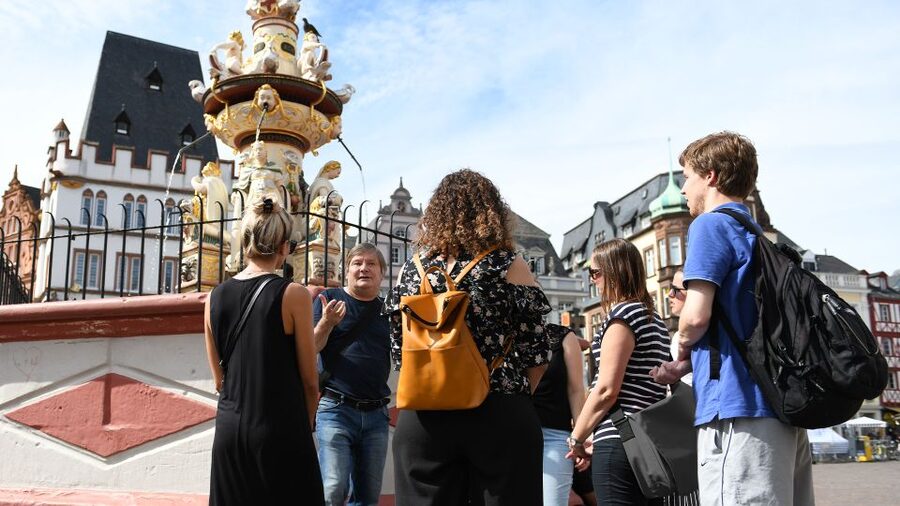
The Main Market adds a public, lived-in part of Trier to the itinerary. This is where the tour shifts from monumental buildings to the way the center functions as a civic space.
Your guide can help you read the square as more than a place for photographs. You’ll hear stories and anecdotes connected with people who shaped Trier, while the surrounding architecture shows how the city moved through the Middle Ages and into modern times.
The exact route order may vary with the guide and starting time, but the Main Market is one of the core sights included in the walk. Because the tour is guided in German, listen for the links between the physical buildings and the city’s changing social life. That is where the experience offers more than a quick old town stroll.
I would use this stop to ask practical questions. The guide is specifically available to suggest restaurants and bars for afterward, so ask for advice before the tour ends. The information does not name particular places, and recommendations can change, but a local guide can still help you choose an area or style of place that suits your evening.
More Old Town and Historic Centre Walks in Germany
- The Local Tour of Hamburg Historic Centre
★ 5.0 · 1,058 reviews - Cologne: Old Town Beer History Tour
★ 4.7 · 659 reviews - Berlin: Historic Center Walking Tour with a Real Berliner
★ 5.0 · 134 reviews - Sightseeing Tour – Free Tour – Historic Center-Hamburg On Foot
★ 5.0 · 112 reviews
Seeing Karl Marx’s former home
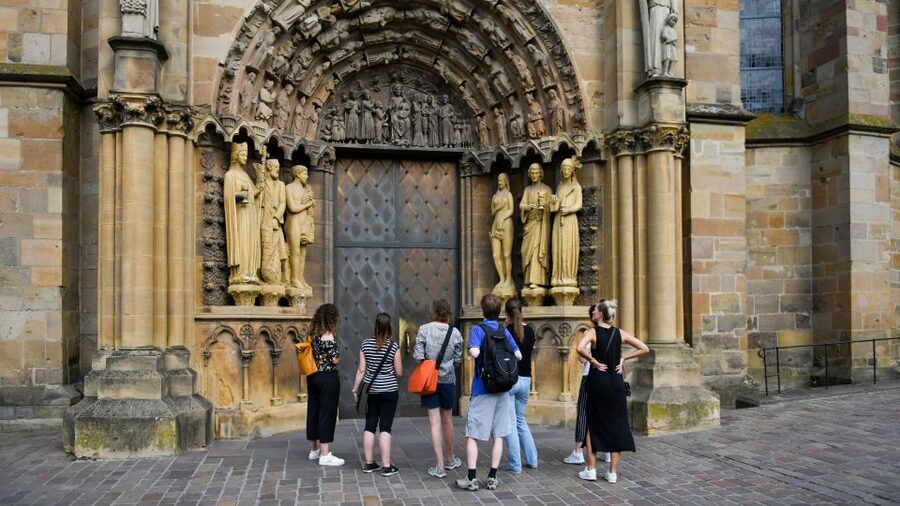
The route also brings you to the residential house where Karl Marx lived. This gives the walk a sharp change of subject. Trier is not only a Roman and medieval city, but also the birthplace and early setting of one of the most influential philosophers and political thinkers of the modern age.
The tour does not present Marx as a separate museum visit. Instead, you see the house as part of the city’s wider story and hear about his connection to Trier. That makes the stop especially useful for visitors who know Marx mainly as a name from books but want to place him in an actual city.
I like this contrast. The Porta Nigra represents Roman power and engineering, while Marx represents ideas that shaped modern politics and philosophy. Linking those two points helps you see Trier as a city with more than ancient stones.
Again, do not assume the 90-minute walk includes entry into the house. The supplied details say you will see the home where Marx used to live, not that admission is included. If you want a closer look inside, treat that as a separate plan.
What the guide’s style adds
The guide can make or break a short city walk. Here, Patrick and Herbert are the named examples to look for when guide assignment is shown at booking or on the day. Patrick is praised for explaining the history and buildings clearly, answering questions, and keeping the mood light. Herbert is described as bringing extensive information, smiles, and a personal approach that worked well for children.
That combination matters. You want enough detail to understand the city, but not so much that 90 minutes turns into a lecture. The strongest indications point to guides who can make the material lively while still answering specific questions.
The experience is conducted in German. This is the biggest practical filter. If you understand German well enough to follow a spoken explanation, the tour offers a compact way to get oriented. If you do not, the main sights will still be visible, but much of the value comes from the guide’s stories, explanations, and answers.
Children aged five and under can join free. The positive mention of children enjoying the tour suggests that the pace and presentation can work for families, though you should still consider your own child’s interest in a 90-minute history walk.
Is $16 good value for 90 minutes?
At $16 per person, this is a reasonably priced introduction to Trier. You are paying for a live guide and a focused route through several of the city’s most important points, not for transport, meals, or attraction admissions.
The price makes the tour particularly useful when you have limited time. A self-guided walk costs nothing, but it also requires preparation and leaves you to work out the connections between Roman Trier, medieval Trier, and modern Trier. Here, the guide supplies the structure and gives you a chance to ask questions as you go.
The value is strongest if you are visiting Trier for the first time or want an overview before exploring alone. It is less compelling if you already know the old town well, need English, or want extended time inside museums and churches.
Keep in mind that the walk does not list entrance tickets as included. The listed inclusions are the walking tour and live guide. Plan your budget separately if you want to enter the Porta Nigra, Cathedral, Marx’s former home, or other sights on your own.
Timing, booking, and small practical details
The walk lasts 1.5 hours, with starting times based on availability. That makes it easy to fit around a morning arrival, lunch, or an evening plan. Since the meeting point is near the Porta Nigra, you can also use the tour to get your bearings in the old town.
You can reserve now and pay later, which helps if your schedule is still shifting. Cancellation is free up to 24 hours in advance for a full refund. Those terms are useful for a city visit affected by train times or changing plans, but check the current booking conditions before paying.
The tour is on foot, so wear shoes that feel comfortable for 90 minutes of walking. No special equipment is listed, and no transport is included. The group size is not specified, so you should not book expecting either a private tour or a guaranteed small group.
Because the guide language is German, decide honestly how much spoken German you can follow. Reading signs or knowing a few historical terms will not replace understanding the live explanation. This is the one detail most likely to determine if the tour feels like good value.
Who should choose this Trier walk?
I would recommend it to first-time visitors who want a clear introduction without spending half a day on a formal tour. It also suits families with older children who can follow German and enjoy stories about Romans, medieval buildings, and Karl Marx.
It works well for visitors staying near the center, since the meeting point is simple and the route focuses on major old town sights. It is also a good choice if you like to ask local guides for food and drink ideas after the sightseeing ends.
I would choose something else if you need English commentary, want extensive interior visits, or prefer to explore at your own pace with no fixed schedule. The 90-minute format is efficient, but it cannot cover every corner of Trier or provide a full museum-style examination of each monument.
Should you book it?
Book this tour if you want a reasonably priced, German-language introduction to Trier that connects Roman ruins, medieval architecture, public squares, and Karl Marx in one walk. The route is focused, the starting point is easy to find, and guides such as Patrick and Herbert bring humor and clear explanations to the material.
Skip it if German is not comfortable for you or if your main aim is visiting interiors rather than understanding the city from its streets. For everyone else, $16 buys a useful first layer of Trier’s story, plus a chance to ask where to eat and drink once the walk is over.
FAQ
Where does the Trier walking tour meet?
Meet your guide in front of the Mercure Hotel, opposite the Porta Nigra.
How long does the tour last?
The walking tour lasts 1.5 hours.
What language is the tour conducted in?
The live tour is conducted in German.
Which Trier sights are included?
The route includes the Porta Nigra, Trier Cathedral, the Main Market, and the residential house where Karl Marx lived. It also covers Trier’s Roman origins, medieval architecture, and development into the modern city.
Is the Porta Nigra or Karl Marx’s house admission included?
The listed inclusions are the walking tour and live guide. The information does not list admission to the Porta Nigra, Trier Cathedral, or Karl Marx’s former home.
Can children join the tour?
Yes. Children aged 0 to 5 years can join for free.
Newest history tours we have reviewed in Germany
- Berlin: Nazi History Walking Tour★ 4.8 · 33 reviews
- Berlin: History and Sightseeing with Kids (Free for Kids)★ 4.9 · 19 reviews
- Berlin: Historical Sights & Berlin Wall Tour with a Berliner★ 5.0 · 62 reviews
- Berlin: Urbex Abandoned Places & History Tour★ 4.8 · 18 reviews
- Berlin: Historic Center Walking Tour with a Real Berliner★ 5.0 · 134 reviews
- Berlin (E)Bike Tour Historical Highlights in Small groups★ 4.5 · 24 reviews
- East Berlin Food & History Tour with Eating Europe★ 4.8 · 20 reviews
- Berlin: Guided Craft Beer & Cultural Tour With Snacks★ 5.0 · 68 reviews
Old Town & Historic Centre Walks, compared.

Madrid Essential: Historic Center, Plaza Mayor & Royal Palace
Read our review →
Live Fado Show with Port Wine in Historic Center
Read our review →
Valencia Old Town Tour with Wine & Tapas in 11th Century Historic Monument
Read our review →
Prague Old Town, Medieval Underground and Dungeon Historical Tour
Read our review →
Cartagena: Historic Center and Getsemaní Shared Walking Tour
Read our review →
Old Town Walking Tour History and Tales in Edinburgh
Read our review →
Philadelphia Old City Historic Walking Tour with 10+ Top Sites
Read our review →Browse the lists this tour appears in