
Review · HIROSHIMA HISTORY TOURS
Hiroshima Historical Walking Tour – Why A-Bomb was Dropped
Hiroshima’s story makes more sense when you see its military roots before 1945 and its peace message afterward. This 150-minute walk links Gokoku Shrine, Hiroshima Castle, the Atomic Bomb Dome, and Peace Memorial Park, building its explanation step by step rather than treating the bombing as an isolated event.
I like the clear historical structure and the chance to hear local perspectives from guides such as Chihiro, Emi, and Emmy. I also like that the walk ends at the Peace Memorial Museum, so you arrive with useful context. The main consideration is emotional weight: this is a serious tour, and the museum visit afterward may feel intense.
Key points
- Starts at Gokoku Shrine: Begin with Hiroshima’s military and cultural setting near the castle grounds.
- Hiroshima Castle in the story: A short guided stop helps explain the city’s wartime role.
- A gradual route to the bombing: The guide connects military importance, target selection, and the city’s prewar identity.
- Peace sites have time to breathe: The Atomic Bomb Dome and Peace Memorial Park receive focused visits rather than quick photo stops.
- Ends at the museum: You can continue straight into the Peace Memorial Museum after the walk.
- Strong guide-led experience: English-speaking guides including Chihiro, Thomas, Emi, Emmy, and others are praised for clear explanations, personal perspective, and practical Hiroshima advice.
Why this Hiroshima walk takes a different route
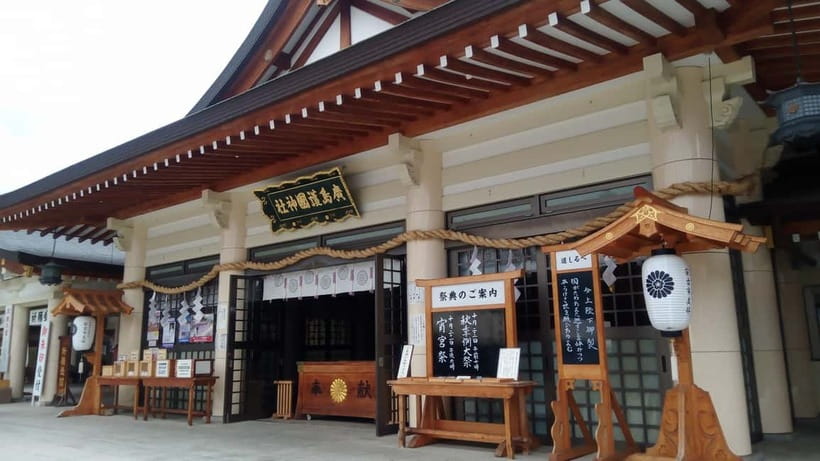
Many Hiroshima visits begin at the Peace Memorial Park and move directly toward the bombing’s aftermath. This tour takes a wider route first. You meet at Hiroshima Gokoku Shrine, near the main hall and in front of its torii gate, then move through Hiroshima Castle and nearby sites before reaching the memorial district.
That order matters. You first see Hiroshima as a city with a military role, a castle, a shrine, and a culture that existed long before August 1945. Only then does the walk turn toward the destruction and the city’s later call for peace.
I appreciate this approach because the question of why Hiroshima was selected cannot be answered with one short sentence. The guide discusses the city’s military significance, its strategic position, and the wider wartime setting. The result is not a simple good-versus-bad speech. It is an attempt to explain a decision with enormous military, political, and human consequences.
The tour is priced at $35 per person, which is fair for two and a half hours with a live English-speaking guide. You are paying mainly for interpretation, not admissions or transport. Since the route connects several major sites on foot and finishes at the museum, the price can be especially worthwhile if you want the city’s memorials explained rather than simply photographed.
More History Walking Tours in Japan
- Tokyo: Imperial Palace and Shogun Historical Walking Tour
★ 5.0 · 2,251 reviews - Kyoto Gion: 2-Hour Geisha Culture & History Walking Tour
★ 5.0 · 1,186 reviews - Tokyo Castle & Imperial PalaceーShogun Walking Tour
★ 4.7 · 1,068 reviews
Gokoku Shrine gives the tour its first layer
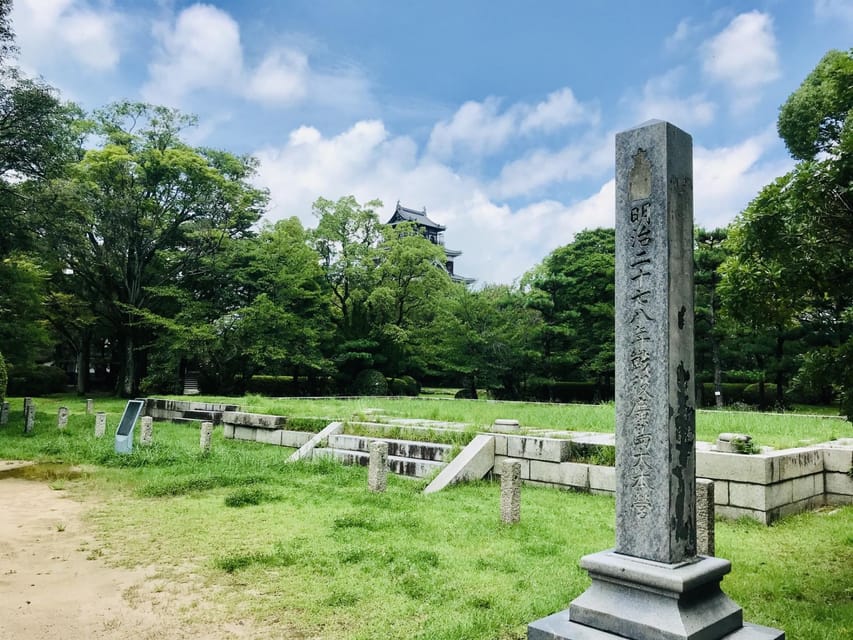
The meeting point is in front of the torii gate at Hiroshima Gokoku Shrine, close to the main hall. This is a useful place to begin because the shrine introduces the military and national themes that shape the early part of the walk.
Your guide uses the setting to discuss fallen soldiers and Hiroshima’s connection to Japan’s wartime identity. The shrine is not just a convenient landmark. It helps you see how remembrance, duty, religion, and military memory can overlap in Japan.
The opening section also gives you time to settle into the subject. Hiroshima’s story is painful, but the tour does not rush straight to the most difficult memorials. Guides such as Chihiro and Emi are praised for presenting the subject with care, while Thomas is often noted for making complicated material clear in English.
You should listen for the way the guide connects the city’s earlier history to the events of the 20th century. That background helps the later stops feel less like separate monuments and more like chapters in one story.
Hiroshima Castle puts the wartime setting in view
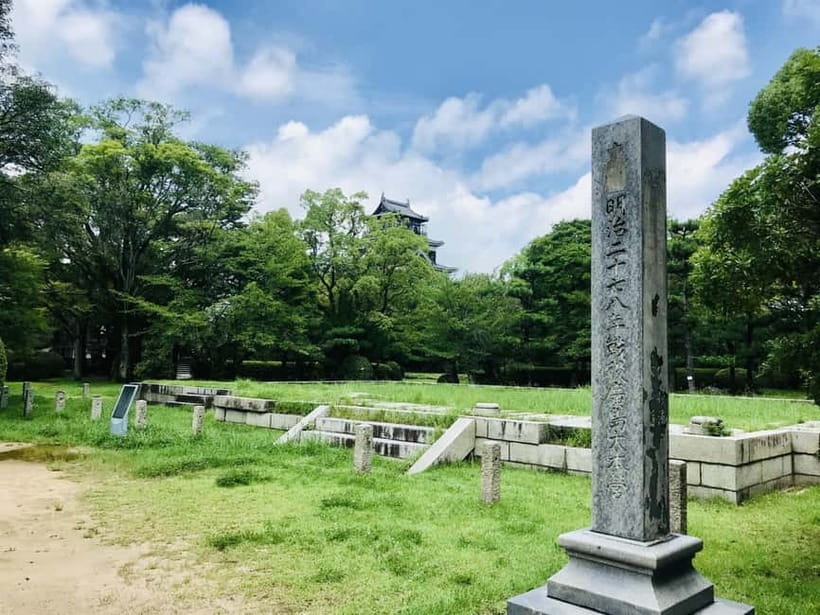
The next major stop is Hiroshima Castle, where you have a photo stop and a guided visit lasting about 20 minutes. The castle gives the route a strong visual break from the shrine and offers a clear point for discussing Hiroshima’s military importance.
Do not expect a long castle tour in the museum sense. The stop is brief, so the guide focuses on what matters for the larger subject. You can look around, take photographs, and ask questions while learning how the castle area fits into Hiroshima’s development and wartime role.
This is also one of the places where the tour’s walking format works well. You are not sitting in a classroom hearing a list of dates. You are standing in the places that shaped the city, then moving toward the sites that show what happened to it.
The pace is usually described as comfortable, with small sitting breaks along the way. That matters because the subject requires concentration. A guide who talks without pause for two and a half hours could turn even good material into a blur. Here, the route and the stops help divide the information into manageable pieces.
The route explains the target question without oversimplifying it
The tour’s central question is why the atomic bomb was dropped on Hiroshima. A useful guide must handle this carefully, because the answer involves military planning, strategy, the city’s role during the war, and the devastating impact on civilians and culture.
The best part of this experience is the build-up. You hear about Hiroshima before the bombing, its military significance, and the reasons it was considered a strategic target before reaching the Peace Memorial Park. That order gives you a framework for the museum, where the personal suffering becomes more immediate.
Several guides bring different perspectives to the subject. Chihiro and other guides from Hiroshima offer a local Japanese viewpoint, sometimes including family experiences and their own commitment to peace education. Thomas, who has lived in Japan for years, brings an outside perspective shaped by daily life in the country. Emi and Emmy are noted for strong storytelling and clear English.
That variety is useful, but your exact guide will depend on the departure. The experience is not built around one named host, so you should book it for the route and teaching style rather than expecting a particular person. The supplied guide names include Chihiro, Thomas, Emi, Emmy, Chisa, Katja, Kasha, and others.
Same streets, a different century:
- Kyoto: Fushimi Inari, Kinkakuji, Bamboo Grove 1 Day Bus Tour
★ 4.8 · 4,316 reviews - World Heritage Shirakawa-go and Experience Tours from Kanazawa
★ 5.0 · 4,049 reviews - World Heritage Kyoto & Nara Uji Authentic Matcha Experience
★ 5.0 · 1,573 reviews - Kanazawa: World Heritage Shirakawa-go Morning Guided Tour
★ 4.9 · 988 reviews
Hiroshima Gate Park adds a quieter city view
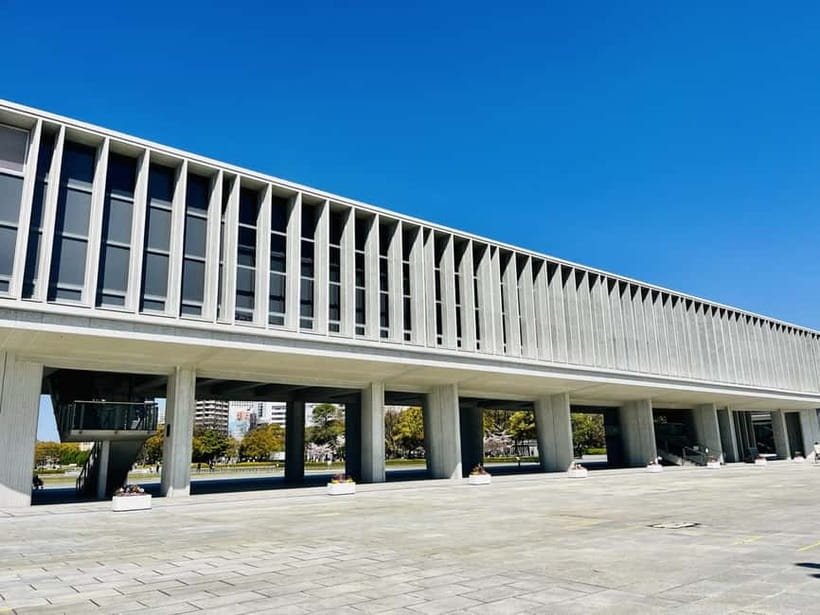
Hiroshima Gate Park is included as a guided stop of about 30 minutes. This section gives the tour room to discuss Hiroshima beyond the main memorial images.
The park helps connect the historic center with the modern city. Depending on the guide’s approach, you may hear more about the city’s culture, public spaces, and the way Hiroshima remembers its past while continuing daily life. The point is not only what was destroyed, but also what was rebuilt and how remembrance became part of the city’s identity.
This is a good place to ask questions. The guides are regularly praised for answering side questions patiently, from the meaning of monuments to local food and other places to visit. One guide even helped with restaurant reservations, and several offered suggestions for eating after the tour.
Those extras are useful, but the main value remains the historical explanation. Keep your questions connected to the city and its people, and you will get more from the stop than a quick pause between major monuments.
The Atomic Bomb Dome is the emotional turning point
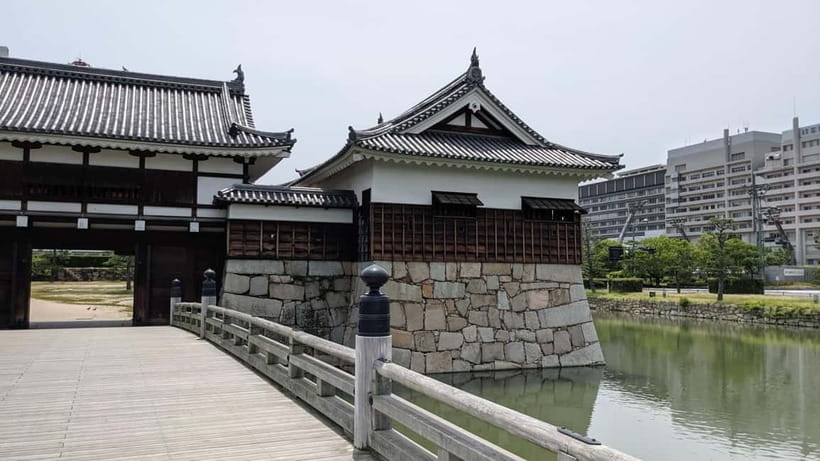
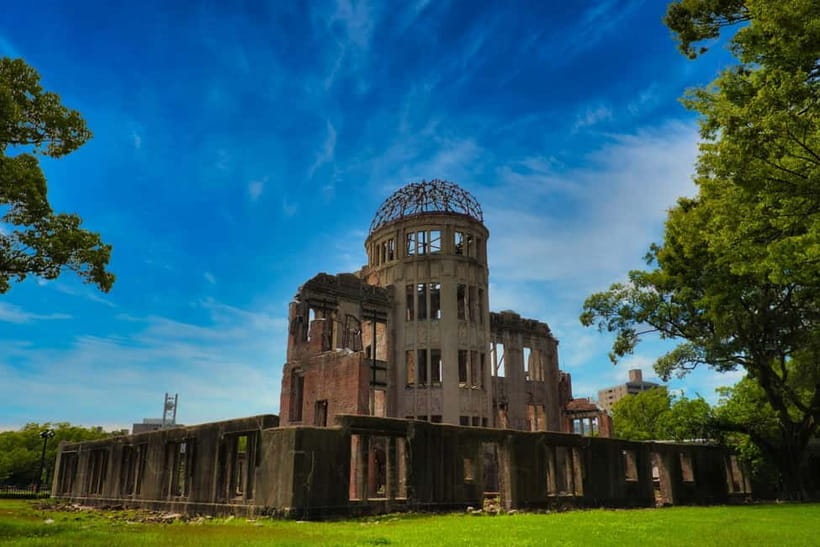
The walk then reaches the Atomic Bomb Dome for about 20 minutes. This is the moment when the tour shifts from Hiroshima’s military setting to the physical evidence of the bombing.
The Dome is one of the most recognizable sights in Hiroshima, but recognition can make it easy to look without really seeing. A guide gives you the background needed to understand why this damaged structure was preserved and why it remains central to the city’s peace message.
Expect a quiet stop with time for photographs and explanation. The guide may point out how the building fits into the surrounding memorial area and how the site helps visitors picture the scale of what happened. The tone is solemn, but the tour does not treat the Dome as a theatrical backdrop.
This is also where the earlier parts of the walk pay off. You have already heard about Hiroshima as a city with military importance and a culture of its own. Standing at the Dome, you can better grasp that the bombing did not erase an abstract target. It struck a functioning city filled with ordinary lives, institutions, traditions, and families.
Peace Memorial Park gives the story a human focus
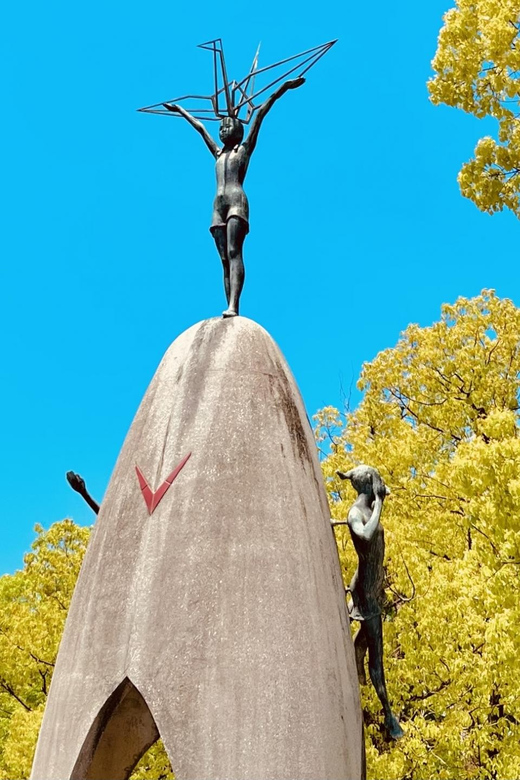
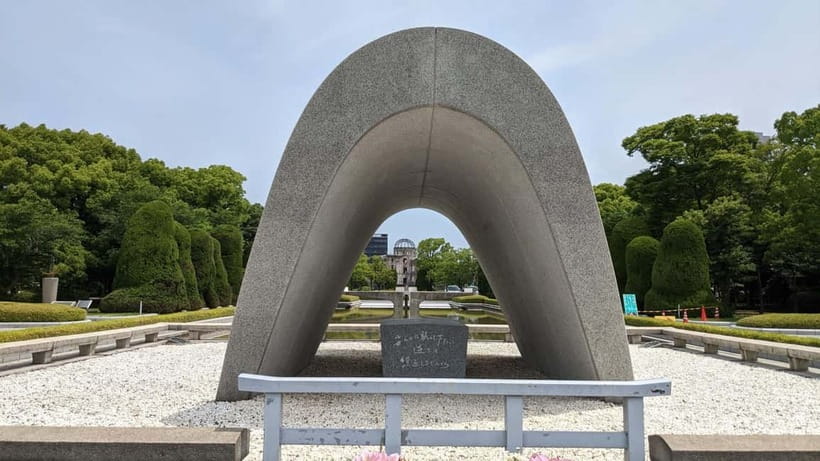
The final major walking stop is Hiroshima Peace Memorial Park, with about 30 minutes of guided time. The park contains several memorial sites, and the guide explains what they represent and how they fit into Hiroshima’s ongoing message of peace.
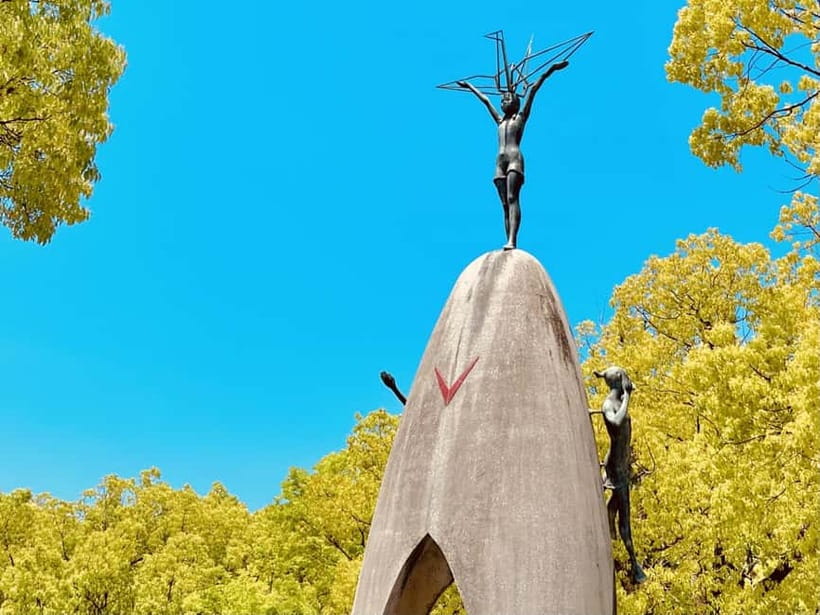
The Children’s Peace Monument and the folded paper cranes are particularly important parts of the experience. One guide also includes Hiroshima Orizuru Tower, where you may see origami cranes float down. These details shift the focus from military decisions to children, families, memory, and the hope that later generations can prevent similar destruction.
The park can feel calm, but the subject is not easy. You may hear personal family accounts from a guide who grew up in Hiroshima, or a Japanese perspective that adds emotional weight to the formal memorials. The strongest guides keep a balance between tragedy and hope rather than leaving you with only shock.
I would save enough energy for this section. By the time you reach the park, you have received a lot of information. You do not need to chase every monument. Listen closely, take a quiet moment, and let the guide show you which sites matter most for this route.
Finishing at the Peace Memorial Museum is a major advantage
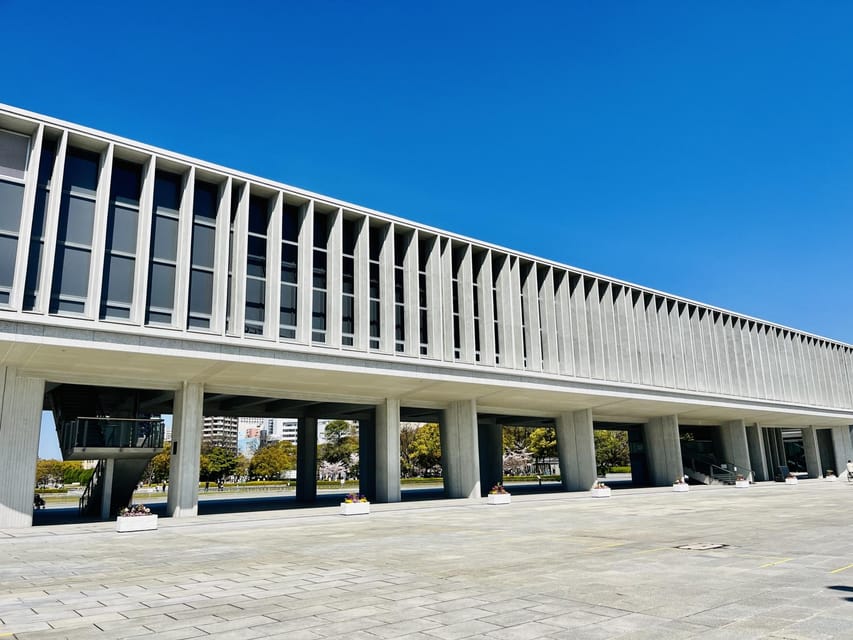
The walk finishes at the Hiroshima Peace Memorial Museum. This is one of the tour’s most practical features. Instead of trying to understand the museum displays without context, you arrive already familiar with Hiroshima’s military role, the reasons behind the target selection, the bombing’s effects, and the city’s peace movement.
You do not need to visit the museum as part of the guided walking time itself. The tour ends there, allowing you to continue on your own if you have admission and time. Check the museum’s current opening information separately, since the tour details provided here do not specify museum hours or entry arrangements.
The museum can be emotionally demanding. I recommend treating the walking tour as preparation rather than as a complete substitute. The guide explains the city and the broader setting, while the museum brings you closer to individual experiences and material evidence.
If you prefer to visit the museum before the walk, you can still benefit from the route. But the sequence works best for many people when the outdoor tour comes first. You hear the story in broad strokes, then examine its human cost inside the museum.
What the guides add to the experience
The guide is the heart of this tour. The route itself is important, but you could visit these sites without help. The value comes from having someone explain what you are looking at and answer questions in plain English.
The most praised qualities are clear storytelling, patience, and emotional care. Chihiro is frequently noted for her local connection and personal perspective. Thomas is described as organized, friendly, and able to explain complex history in accessible English. Emi and Emmy receive particular praise for their narration, warmth, and ability to keep the pace comfortable.
You may also find that your guide offers more than the scheduled subject. Food suggestions, restaurant advice, museum ideas, and information about local customs often come up naturally. That can help you plan the rest of your Hiroshima visit, though these extras vary by guide and should not be the main reason you book.
English is the tour language. The guides are expected to explain difficult historical and emotional material to an international audience, and the strong response to the English delivery is one of the experience’s clearest strengths.
Timing, walking, and comfort
The tour lasts 150 minutes, or two and a half hours. That is long enough to cover the major sites without turning the day into an all-day historical lecture.
The route includes outdoor walking, photo stops, and periods of standing. The pace is generally described as manageable, with some sitting breaks. Still, wear comfortable shoes and dress for the weather. The tour continues in rain, as one account makes clear, so a wet-weather plan is sensible.
Wheelchair access is listed as available. Because this is a walking route through several public areas, you may still want to confirm the day’s exact route if you have specific mobility needs. The provided details do not give the distance, incline, or restroom schedule.
The starting point is easy to identify if you use the torii gate near the main hall of Gokoku Shrine. Allow a little extra time to locate it within the castle area. The tour does not include transport, so you should plan your own way to the shrine and onward travel after the museum.
Who will get the most from this tour
I would recommend this walk to first-time visitors who want more than a quick stop at the Atomic Bomb Dome. It is also a strong choice if you plan to visit the Peace Memorial Museum and want the city’s military and cultural setting explained first.
Families can use it well, especially with older children and teenagers who can follow a serious historical discussion. One family with a 12-year-old found the guide engaging and able to make a difficult subject understandable without losing its gravity.
It suits visitors who enjoy asking questions. Guides are praised for handling side questions, explaining Japanese culture, and adding local suggestions. If you want to move silently from monument to monument at your own pace, a self-guided visit may suit you better.
The subject also calls for honest expectations. This is not a light sightseeing walk with a few historical facts added in. The bombing, its victims, and its continuing meaning are at the center. You may finish feeling moved, unsettled, or thoughtful. That is part of the experience, not a flaw, but it is worth knowing before you book.
Is the $35 price justified?
At $35 per person, this is good value if you want interpretation at each stop. The fee covers the live English-speaking guide, while tips are not included. You are not paying for a meal, transport, or a long list of admissions. You are paying to have the city’s most important sites placed in context.
The value rises if you would otherwise arrive at Hiroshima Castle, the Dome, and Peace Park with only a basic understanding of what you are seeing. The guide saves you from piecing the story together from signs and short captions.
The value is lower if you already know Hiroshima’s history well and prefer to read independently. Even then, the local perspective and opportunity to ask questions may add something that a guidebook cannot.
The free cancellation option up to 24 hours before the tour and reserve-now, pay-later booking make it easier to fit into a changing Japan itinerary. Wheelchair access and a finish at the museum also make the route practical for many visitors, though you should check the exact route if accessibility needs are specific.
Should you book it?
Book this tour if you want Hiroshima explained as a city first, a wartime target second, and a peace center afterward. The route from Gokoku Shrine to Hiroshima Castle, the Atomic Bomb Dome, Peace Memorial Park, and the museum gives you a clear story arc.
I especially recommend it before your museum visit. You will arrive with the military and cultural context in place, making the museum’s personal accounts easier to understand.
Skip it if you want a quick, independent photo walk or if two and a half hours of serious history feels too heavy for your schedule. For most first-time visitors, though, the $35 cost is sensible, the route covers the essential sites, and the guide’s explanation adds real value.
FAQ
Where does the Hiroshima Historical Walking Tour begin?
It begins in front of the torii gate of Hiroshima Gokoku Shrine, near the main hall.
Where does the tour finish?
The tour finishes at the Hiroshima Peace Memorial Museum.
How long does the tour last?
The walking tour lasts 150 minutes, or two and a half hours.
What language is the tour conducted in?
The live tour guide speaks English, and English is the listed tour language.
Is the tour wheelchair accessible?
Yes. The activity is listed as wheelchair accessible.
Is admission to the Peace Memorial Museum included?
The provided tour details include a guided tour but do not list museum admission as included. The walk finishes at the museum, so you can visit it afterward on your own.
Newest history tours we have reviewed in Japan
- Authentic Sapporo: Nijo Market Seafood Lunch & History Tour★ 4.8 · 20 reviews
- Asakusa: 3.5-hour Big-picture History Walk★ 4.7 · 39 reviews
- Asakusa: A Big-picture History Walk to Know Japan★ 4.6 · 77 reviews
- 2.5-Hour Nagoya Tour: Castle History, Local Food & City View★ 4.5 · 36 reviews
- 1-Day Tour from Nagoya: Hiking the Historic Nakasendo Trail★ 4.9 · 34 reviews
- 2.5 Hour Private History and Culture Tour in Himeji Castle★ 5.0 · 185 reviews
- From Tokyo: Nikko World Heritage Sight Full Day Private Tour★ 4.9 · 127 reviews
- From Tokyo: Nikko World Heritage Site Private Full-Day Trip★ 4.9 · 243 reviews
History Walking Tours, compared.

History and Hauntings of Salem Guided Walking Tour
Read our review →
Freedom Trail History Small Group Walking Tour
Read our review →
Historic Charleston Guided Sightseeing Walking Tour
Read our review →
Tapas Walking Tour with Food, Wine, and History
Read our review →
Savannah History and Haunts Candlelit Ghost Walking Tour
Read our review →
A History of Terror – Belfast City Centre Walking Tour
Read our review →Browse the lists this tour appears in