
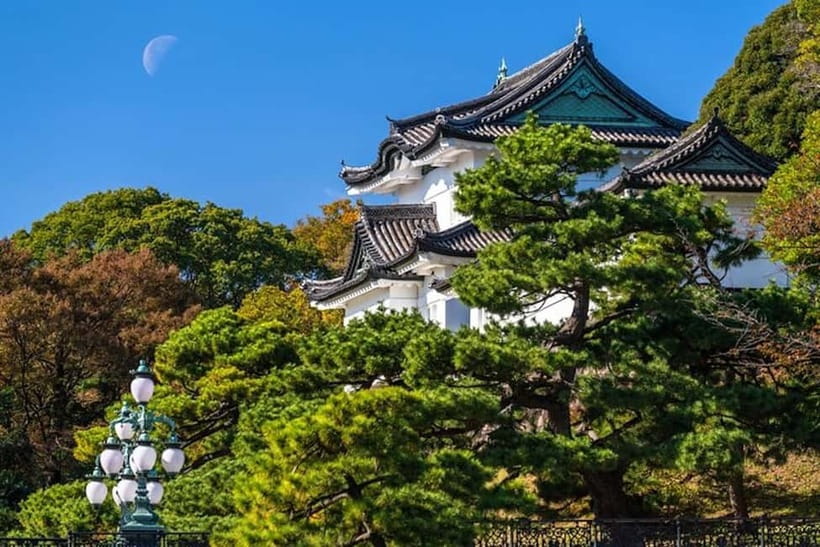
Review · TOKYO HISTORY TOURS
Tokyo: Edo Castle & East Garden of the Imperial Palace Tour
Tokyo’s East Gardens give you a rare look at the ground where shoguns ruled Japan and emperors later made their home. In two easy hours, an English-speaking guide leads you through old castle remains, formal gardens, stone walls, and the famous koi ponds.
I like the way this tour turns a pleasant garden walk into a readable lesson in Japanese history. I also like the relaxed pace, which suits older visitors, families, and anyone who wants help spotting details they might otherwise miss. The main drawback is simple: you do not enter the Imperial Palace itself, and the gardens are free to visit without a guide.
Key points to know before you book
- You walk on Edo Castle’s former grounds: See stone walls, castle foundations, gates, and other reminders of the shogun era.
- The guide supplies the context: English-speaking guides such as Hitoshi, Naoko, Shigeru, and Masahito use stories, pictures, and cultural details to explain what you see.
- The pace is gentle: The two-hour route includes stops for explanations, photographs, questions, and quiet garden viewing.
- The koi are part of the appeal: The ponds contain the distinctive koi fish highlighted by the tour, a small but memorable detail for families and garden lovers.
- The meeting point is Wadakura Fountain Park: Look for the guide holding a sign marked Gotcha in front of the fountain.
- Plan around closing days: The East Gardens are closed on Mondays and Fridays, and baggage inspection takes place at entry.
Why Edo Castle makes this garden walk worthwhile
Tokyo can feel modern at every turn, with trains, towers, shopping streets, and bright signs pressing in from all sides. Then you pass into the East Gardens and the pace changes. Broad paths, trees, clipped plantings, old stonework, and open lawns replace the city noise.
The setting is pleasant on its own, but the real value comes from knowing what you are looking at. Without a guide, an old wall may look like an old wall. With a clear explanation, it becomes part of a much larger story about Edo Castle, military government, powerful lords, and the transfer of authority to the imperial family.
The garden occupies the main grounds of the former Edo Castle. This was the seat of the shoguns, the military leaders who governed Japan for centuries. The tour connects those earlier rulers with the imperial household, helping you understand why this central patch of Tokyo carries such weight.
I especially like that the experience does not depend on grand interiors. The palace itself is not open to this tour, and much of the old castle no longer survives. Instead, the guide helps you read the remaining walls, foundations, gates, and garden spaces. That makes the walk more thoughtful than a simple photo stop.
More Castle and Palace History Tours in Japan
- Tokyo: Imperial Palace and Shogun Historical Walking Tour
★ 5.0 · 2,251 reviews - Tokyo Castle & Imperial PalaceーShogun Walking Tour
★ 4.7 · 1,068 reviews - Tokyo: Imperial Palace Japanese History Walking Tour
★ 4.9 · 987 reviews
Meeting at Wadakura Fountain Park
Your guide meets you in front of the fountain at Wadakura Fountain Park. Look for the person holding a sign that says Gotcha. This is a useful detail in a large city where meeting points can otherwise become a small travel headache.
The tour begins outside the garden, giving you a chance to get organized before entering. You should arrive ready for a walking tour rather than a formal palace visit. Comfortable shoes matter, and you will want to allow time for the route, pauses, and explanations.
At the entrance to the Imperial Palace grounds, visitors are subject to a baggage inspection. This has a practical consequence for your day in Tokyo. If you plan to buy Japanese knives or another item that might be treated as a weapon at Tsukiji, Asakusa, or elsewhere, leave it in a coin locker or similar storage before the meeting.
The tour returns to Wadakura Fountain Park after about two hours. That makes it easy to continue to another central Tokyo sight, provided you leave yourself enough time for transport and any photographs or questions at the end.
What you see inside the East Gardens
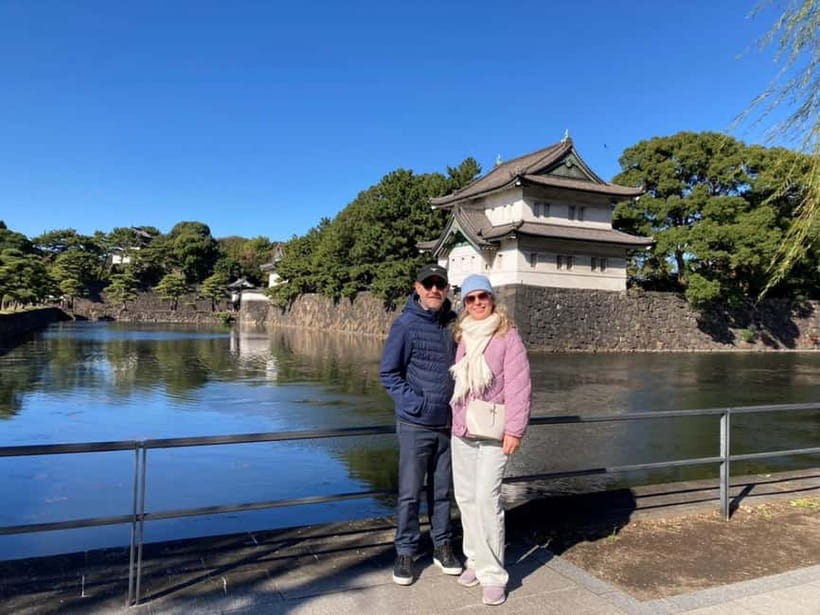
The East Gardens combine open green spaces, formal plantings, ponds, paths, stonework, and remains from the castle complex. The garden itself is the central attraction, but the historical traces give the walk its purpose.
Your guide may point out the remains of old buildings and castle walls, along with areas connected to important entrances. One part of the route includes discussion of the ministers’ entrance and the way the site functioned when the castle was an active seat of power.
Do not expect a preserved castle palace with rooms full of armor and furniture. That is not what this visit offers. Instead, you get a walk through the former grounds, where the scale of the site and the surviving stone structures suggest how large and fortified Edo Castle once was.
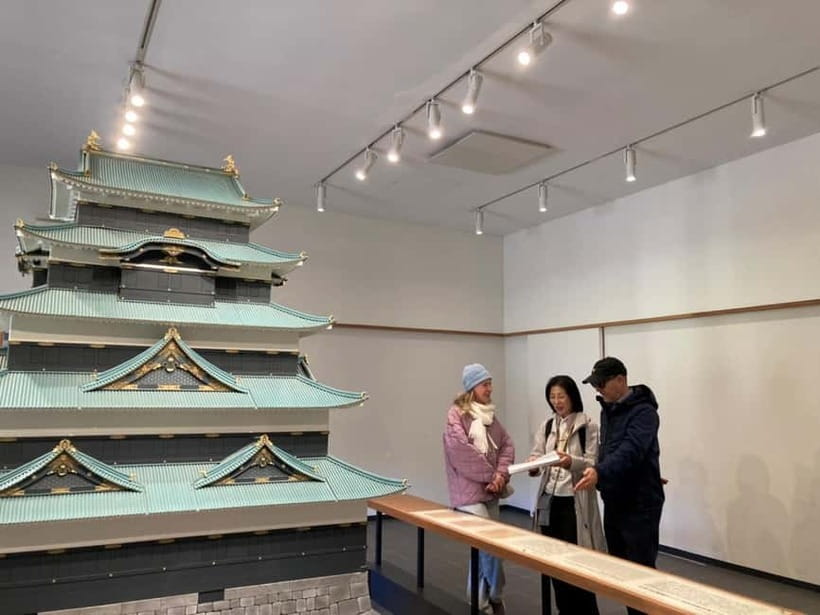
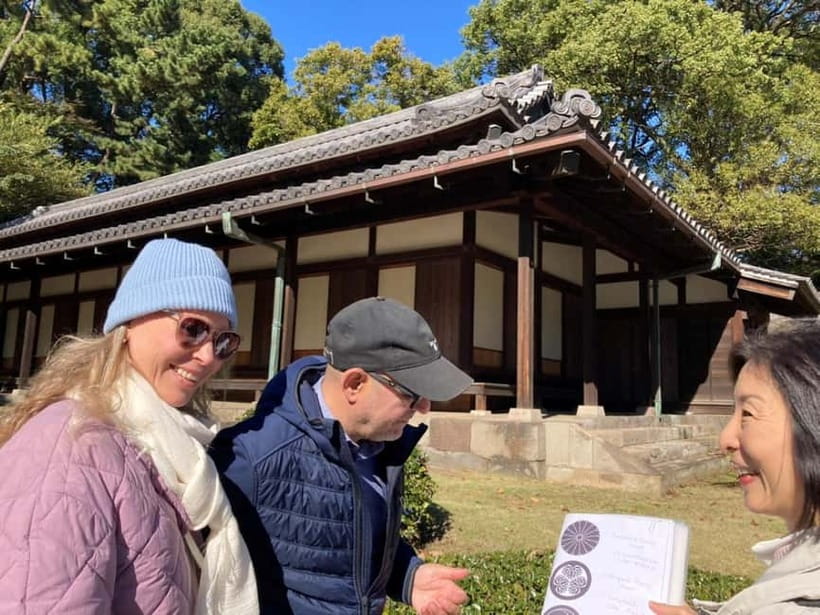
This is where the guide’s pictures can help. Guides including Naoko and Shigeru have used visual material to show how the site looked in earlier periods. Those images give shape to places that may otherwise seem sparse, especially if you have never studied Japanese castle design.
The garden also has an important botanical side. Guides may discuss trees, plants, and the way the grounds were arranged. You are not simply crossing a park between historical stops. You are seeing how beauty, power, ceremony, and careful garden design worked together.
The stories of shoguns, emperors, and everyday culture
The tour offers a broad introduction to Japanese history rather than a narrow lecture about one building. Guides have covered the Edo period, shoguns, daimyo, ninjas, the imperial family, architecture, and customs.
That range is useful if this is your first visit to Japan. You get enough background to place Edo Tokyo within the country’s larger story, without spending a full day in a museum or classroom. The best guides adjust the level of detail to the group. Hitoshi, Masahito, Shigeru, Hiroshi, Naoko, and others have been praised for clear English, patience, and an ability to answer questions.
The human touch matters here. Several guides have helped with photographs, shown visitors onward to a subway station, or offered directions for the next activity. One guide even used an origami crane as a small farewell gift, while another helped a visitor reach the metro platform after the tour.
These gestures are not guaranteed, but they show the kind of service you may receive from a guide who treats the walk as more than a memorized speech. If you have questions about Japanese customs or want to understand the difference between a shogun and an emperor, this is a good setting to ask.
Families can also make good use of the format. One guide made the subject accessible for a nine-year-old child, while other guides kept senior groups comfortable with regular stops. The content can be serious, but the approach is conversational rather than academic.
More Castle and Palace History Tours in Tokyo:
- Tokyo Castle & Imperial PalaceーShogun Walking Tour
★ 5.0 · 724 reviews - Imperial Palace East Garden and Edo Castle Walking Tour in Tokyo
★ 5.0 · 510 reviews - Tokyo: Imperial Palace, the history of Japan (ENGLISH GUIDE)
★ 5.0 · 77 reviews - Kyoto: Nijo Castle World Heritage Guided Tour with Admission
★ 4.9 · 37 reviews
The gardens, ponds, and famous koi
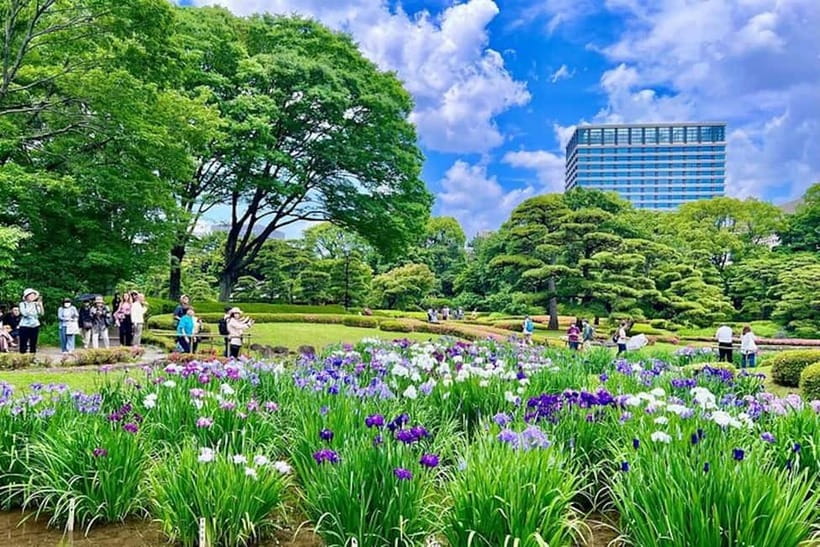
The East Gardens provide a welcome pause from Tokyo’s hard surfaces. You will see carefully arranged plantings, open areas, old stonework, and water features as you move through the grounds.
The koi ponds are a special talking point. The tour highlights a one-of-a-kind breed of koi, and the fish add an easy point of interest for children and anyone who enjoys Japanese gardens. Do not treat the koi as the sole reason to book, but they are a memorable detail within a broader historical visit.
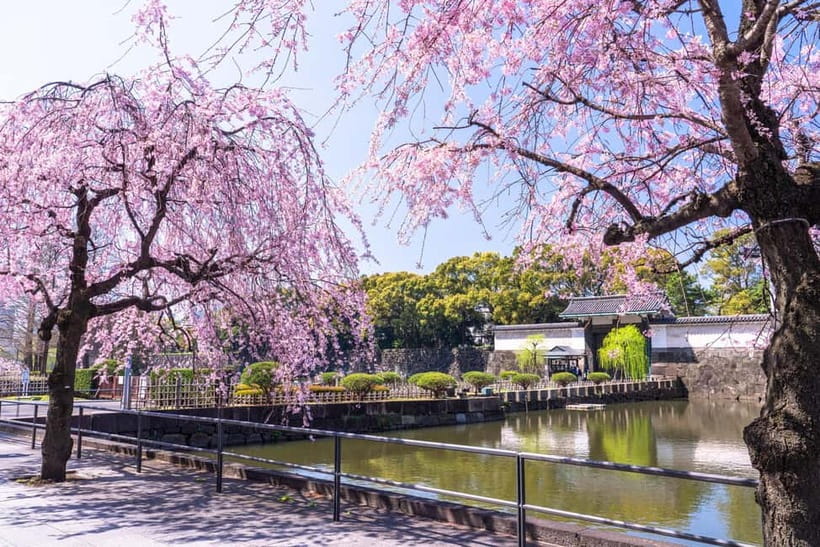
Season affects the feel of the walk. In spring, cherry blossoms in an adjacent park may add color to the outing, and one guide took time to show visitors blossoms nearby. In other seasons, the quieter garden setting and plant life become more important than flowers.
The route is described as leisurely, but you are still walking outdoors for two hours. Rain does not cancel the historical interest, though it can make the experience less comfortable. A rainy-day visit was still described as worthwhile, but the best conditions will let you focus on the walls, trees, ponds, and photographs instead of your umbrella.
How good is the guiding?
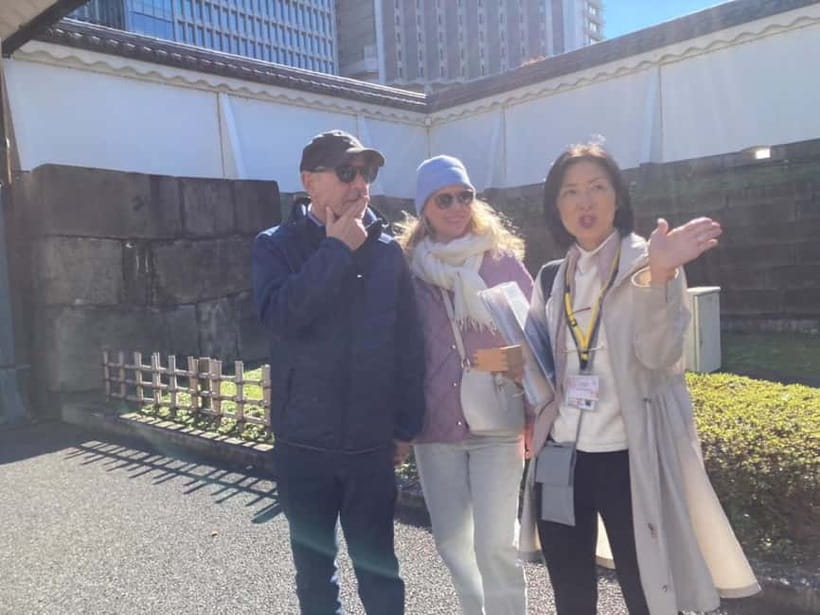
The strongest part of this tour is the standard of guiding. The individual guide changes, but the experience has included people such as Motonori, Hiroshi, Yoshi, Hirashima, Yoshikawa, Shigeru, Naoko, Hitoshi, Masahito, Mikio, Ayako, Mari, Miho, and Mitoshimo.
Several qualities appear again and again: clear English, strong command of Japanese history, patience with questions, and an ability to keep the pace comfortable. Guides have also helped senior visitors and a wheelchair user, taking care with comfort and access throughout the walk.
That does not mean every tour will feel identical. A guide’s style can be more story-led, more detailed, or more focused on gardens and architecture. Still, the range of guides available appears to be a real strength.
I would choose this tour if you want interpretation rather than simply entry. The East Gardens are free, so you are paying the $42 price for the guide’s time, explanations, route planning, and personal attention. If you enjoy reading signs and wandering alone, you may not need that added cost. If you want the site to make sense, the fee is easier to justify.
One useful comparison came from a visitor who felt the price could compete with a full-day trip to Nikko or Mount Fuji. That is fair. The tour is not a bargain activity in the same way as a free park visit. Its value depends on whether two hours of focused history fits your Tokyo plan.
Is two hours the right length?
For most people, two hours is a smart compromise. You get enough time to understand the site and see the main areas without sacrificing half a day of sightseeing.
A shorter visit could leave you with attractive photographs but little idea why the castle grounds matter. A much longer visit might feel repetitive unless you have a special interest in gardens, castle architecture, or Japanese political history.
The route has also worked well for visitors who need a slower pace. Guides have paused often, answered questions, and extended the visit in at least one case when time allowed. Do not assume an extension, but you can tell your guide at the start if your group needs regular breaks.
Older visitors and families should find the format manageable, although this remains an outdoor walking tour rather than a seated attraction. A wheelchair user received careful assistance from the guide, but specific access details for every path are not provided. If access is important for your group, discuss your needs when booking.
The limits you should understand
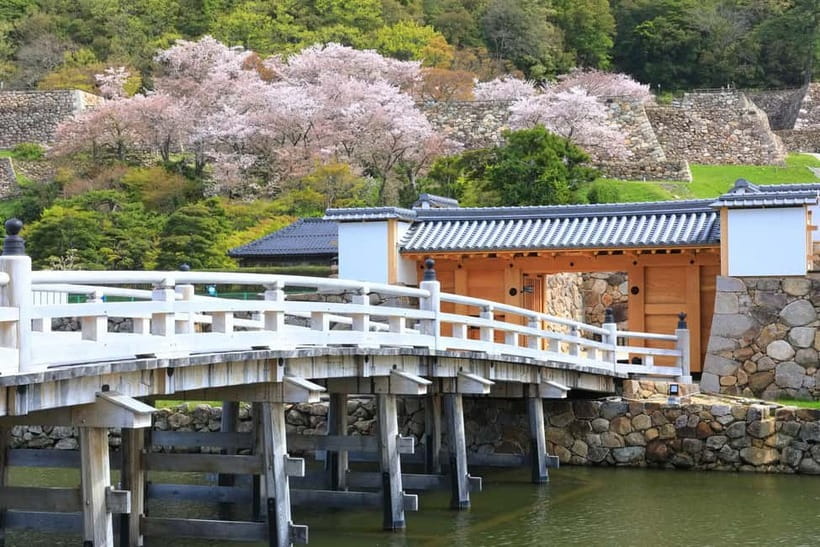
The title can create expectations that the tour does not meet. You are visiting the East Gardens of the Imperial Palace, not the private or inner palace buildings. The Inner Palace is not open to the public on this experience.
You also will not see a fully restored Edo Castle interior. The historical value comes from the site, remains, views, gardens, and explanations. If you want rooms, artifacts, or a larger museum collection, this walk should be one part of your Tokyo history plans rather than the entire plan.
The gardens close on Mondays and Fridays. This is the most important scheduling restriction, so check the day before you book. Weather can also shape the experience, since much of the tour takes place outdoors.
Finally, the entry baggage inspection means you should plan shopping carefully. Do not arrive carrying a newly purchased knife or another object that could be considered a weapon. Store it before meeting the guide.
Who should book this East Gardens tour?
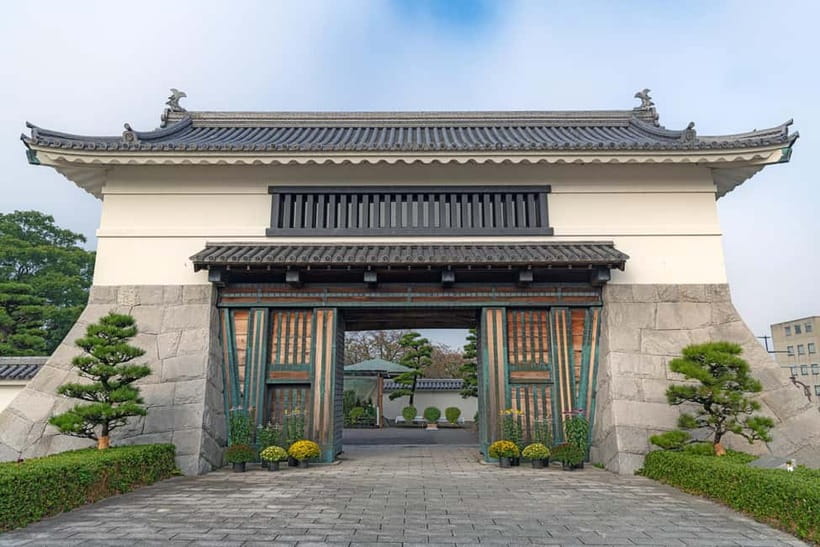
I would recommend it to first-time visitors who want a clear introduction to Tokyo’s past, especially if Japanese political history feels confusing. The guide can explain the relationship between shoguns, daimyo, ninjas, emperors, and the city now called Tokyo in a way that a casual walk cannot.
It also suits families with older children, couples, solo visitors who prefer company, and older adults who value a slower pace. The guide-led format is useful for anyone who wants help with photographs, questions, subway directions, or cultural details.
You may want to skip it if you prefer independent wandering and do not want to pay for a guide in a free garden. You should also skip it if your main goal is to enter the Imperial Palace buildings, because that is not part of the visit.
The best way to fit it into your itinerary is to place it near other central Tokyo plans. It ends back at Wadakura Fountain Park, so you can continue on after the garden rather than losing time crossing the city.
Should you book it?
At $42 per person, this is not the cheapest way to see the East Gardens. The grounds are free, and you can walk through them independently. Still, I think the price can be worthwhile if you want the remains of Edo Castle to mean something rather than simply appear as old stones beside a pleasant garden.
Book it if you value clear English explanations, a gentle pace, and personal help with questions and photographs. Hitoshi, Naoko, Shigeru, Masahito, and other guides have made the experience especially useful for families and older groups.
Skip it if you need the Inner Palace, want a full-day excursion, or prefer to spend your money on a larger day trip. For a focused two-hour introduction to the shoguns, emperors, gardens, and castle grounds, it is a practical choice.
FAQ
How long does the East Gardens tour last?
The guided walking tour lasts two hours and returns to Wadakura Fountain Park.
Where do I meet the guide?
Meet in front of the fountain at Wadakura Fountain Park. The guide will hold a sign that says Gotcha.
Does the tour enter the Imperial Palace?
No. The tour visits the East Gardens, which were built on the main grounds of Edo Castle. It does not enter the Inner Palace or other palace interiors.
On which days are the East Gardens closed?
The East Gardens are closed on Mondays and Fridays.
What language is the tour conducted in?
The tour is conducted in English with a live guide.
Is there a baggage inspection?
Yes. Visitors are subject to a baggage inspection when entering the Imperial Palace grounds. If you buy Japanese knives or similar items before the tour, leave them in a coin locker or comparable storage location.
Newest history tours we have reviewed in Tokyo
- Private Tour Through the Tokyo National Museum & Ukiyo-e★ 4.7 · 17 reviews
- Tokyo: Customized Private Historical Guided Photoshoot Tour★ 5.0 · 25 reviews
- Tokyo: Imperial Palace, the history of Japan (ENGLISH GUIDE)★ 5.0 · 77 reviews
- Tokyo: Nagano Snow Monkeys and Zenkoji Tour with Temples★ 4.9 · 19 reviews
- Kyoto: Nijo Castle World Heritage Guided Tour with Admission★ 4.9 · 37 reviews
- Historic Kanda Sake Tasting at Tokyo’s Oldest Shop (1596)★ 4.9 · 33 reviews
- From Tokyo: Private Nikko World Heritage Sights One Day Trip★ 4.7 · 52 reviews
- From Tokyo: Guided Day Trip to Nikko World Heritage Sites★ 4.8 · 51 reviews
Castle & Palace History Tours, compared.

Edinburgh Castle Guided History Tour with Tickets
Read our review →
Madrid Essential: Historic Center, Plaza Mayor & Royal Palace
Read our review →
Venice’s Best: Basilica, Doge’s Palace, Gondola & History Gallery
Read our review →
Imperial Palace and Shogun Historical Walking Tour
Read our review →
Saadian Tombs & Bahia Palace, Medina Guided Tour
Read our review →
Charleston historical walking tour with a Professor of History at The Citadel
Read our review →
Abu Dhabi Grand Mosque, Palace, and Heritage Village
Read our review →
Buda Castle District Dark History, Legends and Vampire Night Tour
Read our review →Browse the lists this tour appears in