Review · TOKYO HISTORY TOURS
Kyoto: Nijo Castle World Heritage Guided Tour with Admission
Nijo Castle was built as political theater, not simply as a fortress. The Tokugawa shoguns placed this lavish palace close to the Emperor’s home in Kyoto to show who really held power. I like the nightingale floors, which chirp underfoot, and the moment inside the palace where Tokugawa Yoshinobu handed authority back to the Emperor in 1867. It is a compact tour, so you get a clear story instead of wandering through a large site without context.
I also like the small groups, capped at 10, and the chance to ask direct questions. Guides such as Nao, Naoya, Uta, and Benjamin have been praised for clear English, humor, local tips, and a good pace for families. The main consideration is practical: you must remove your shoes inside Ninomaru Palace, and the tour may feel brief if you want a slow garden visit or lots of photographs.
Key points at a glance
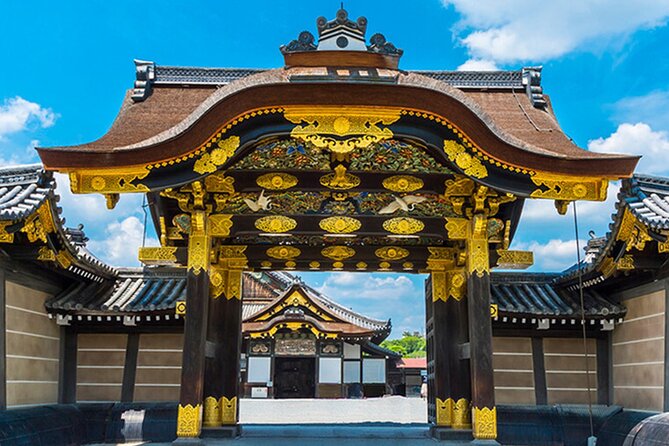
- Political drama in stone and wood: Learn why the shoguns built a grand palace beside the Emperor’s residence.
- The chirping floors: Hear the famous wooden corridors designed to reveal unwanted movement.
- A decisive room in Japanese history: Visit the place linked to the 1867 end of Tokugawa rule.
- Small-group attention: The group is limited to 10, making questions and conversation easier.
- Koi, moats, and formal gardens: The castle grounds offer calm, photogenic views after the indoor palace visit.
- Simple logistics: Meet outside Exit 1 of Nijōjō-mae Station, with admission included in the $40 price.
Why Nijo Castle tells Kyoto’s political story so well
Many Kyoto sights focus on religion, art, or imperial ceremony. Nijo Castle gives you a different angle: power being displayed, measured, and enforced without a battle.
The Tokugawa shoguns ruled from Edo, now Tokyo, yet Kyoto remained the Emperor’s city. Building a large palace near the imperial residence was a bold message. The shogun did not need to conquer Kyoto by force. His presence was already written into the gates, corridors, room sizes, and layers of decoration.
That idea gives the tour a useful thread. You are not just looking at painted screens or polished wood. You are learning how architecture made visitors feel small, watched, and carefully ranked.
I find this approach especially helpful if Japanese political history is new to you. The guide connects the building to the rivalry between the shogun and Emperor, then brings the story to its turning point in 1867. That final handover gives the visit a firm ending rather than leaving you with a collection of attractive rooms.
More Castle and Palace History Tours in Japan
- Tokyo: Imperial Palace and Shogun Historical Walking Tour
★ 5.0 · 2,251 reviews - Tokyo Castle & Imperial PalaceーShogun Walking Tour
★ 4.7 · 1,068 reviews - Tokyo: Imperial Palace Japanese History Walking Tour
★ 4.9 · 987 reviews
Meeting at Nijōjō-mae Station
The tour begins outside Exit 1 of Nijōjō-mae Station. Look for a guide holding a sign marked Local Guide Stars.
This is a practical meeting point because you do not need to search around the castle grounds for the correct entrance or guide. Arrive ready to begin the walk, since the activity is timed around a 90-minute visit.
The group limit of 10 matters here. Nijo Castle is a place where a guide’s explanation can easily get lost in a crowd. With fewer people, you can hear the story, ask why a room was designed in a certain way, and keep moving without the stop-and-start feel of a large party.
The exact guide may vary. Nao and Naoya have been singled out for strong English, storytelling, and answers to questions. Uta has been praised for adding local customs and cultural details, while Benjamin brings a friendly mix of facts and humor. The guide named Alexander has also been described as clear and direct.
That variety is worth noting. You are booking the format and local guide service, not a guaranteed individual guide. Still, the repeated praise for different guides suggests that the experience does not depend on one person alone.
The castle grounds, moats, and first impressions
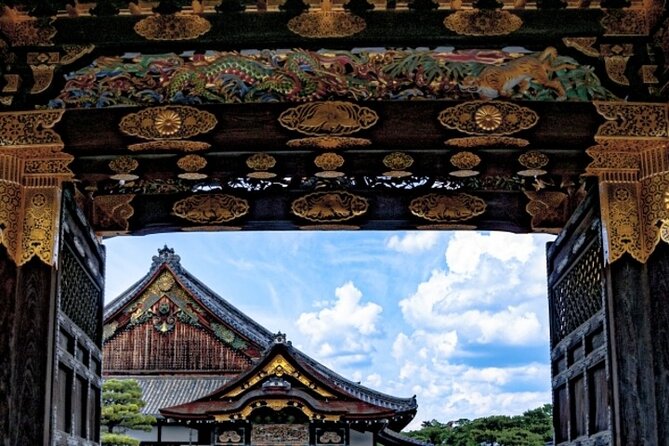
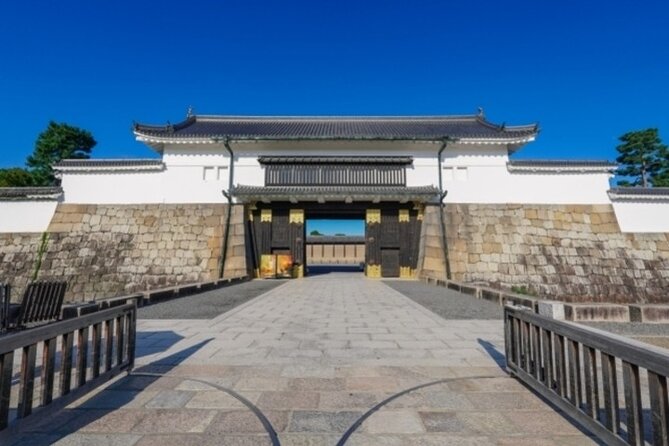
Your walk takes you through a site designed to impress before you ever reach the main palace. Gates and open spaces control how you approach the interior. The design is less about defending against an attack and more about directing your eyes and reinforcing the shogun’s rank.
The moats add to the sense of separation. They also bring one of the most pleasant visual touches to the visit: colorful koi swimming through the water. If you enjoy taking photographs, the combination of stonework, water, gardens, and painted architecture gives you plenty to frame.
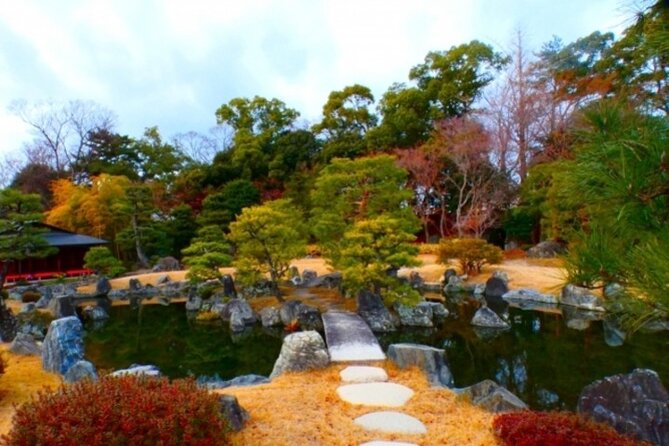
The gardens provide a needed change of pace after the formal political story. Their beauty is not separate from the castle’s message. Carefully arranged grounds helped create an atmosphere of order and control, just as the rooms and gates did.
The tour does not promise a long garden stroll, so you should not book it mainly as a photography walk. The guide-led route puts the emphasis on meaning and historical context. You will see attractive views, but the strongest part of the experience is understanding why the site looks and feels so carefully arranged.
Ninomaru Palace and the language of rank
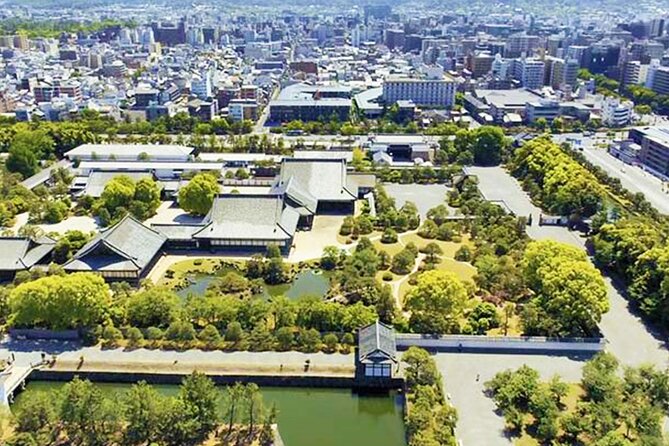
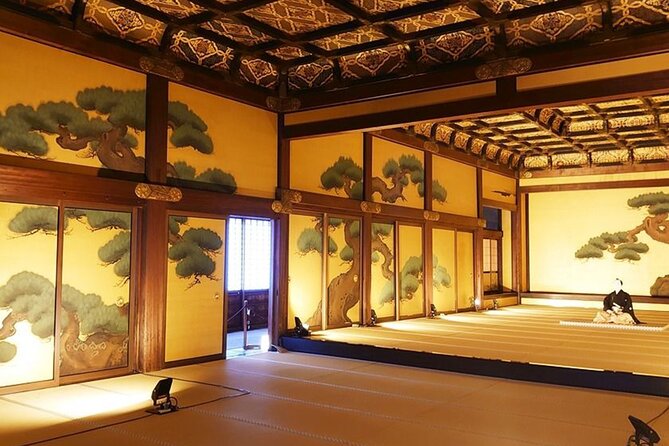
Inside Ninomaru Palace, the building itself becomes a lesson in social order. Room size, floor height, decoration, and position in the palace reflected a strict hierarchy.
You will move through layered corridors and gates that made an approach to the shogun feel longer and more imposing. A visitor did not simply walk into a private chamber. Each step was controlled, and each space helped reinforce the difference between ruler and subject.
This is where a guide adds real value. Without explanation, you might admire the painted interiors and move on. With a guide, you can notice that the palace was built to shape behavior as much as to provide shelter.
The tour also explains the contrast between the shogun’s military authority and the Emperor’s symbolic position. That distinction can be confusing if you are seeing Japanese history in short pieces. Here, the building provides a physical example of a political arrangement that lasted for centuries.
You will need to remove your shoes before entering the palace. Wear shoes that are easy to take off and put back on, especially if you are visiting several sites in Kyoto on the same day. The terrain is mostly flat, and the activity is wheelchair accessible, but the shoe-removal rule remains an important detail for palace access.
More UNESCO World Heritage Tours in Japan
- From Tokyo: Nikko World Heritage Site Private Full-Day Trip
★ 4.9 · 243 reviews - Tokyo: Nikko World Heritage Private Day Trip Hotel Pick-up
★ 4.8 · 145 reviews - From Tokyo: Nikko World Heritage Sight Full Day Private Tour
★ 4.9 · 127 reviews - From Tokyo: Private Nikko World Heritage Sights One Day Trip
★ 4.7 · 52 reviews
Listen for the nightingale floors
The nightingale floors are the castle’s most famous practical feature. As you walk, the wooden boards chirp beneath your feet. Their purpose was to alert residents to movement and help expose intruders.
It is a simple design detail, but it makes the history immediate. Instead of hearing only about security, you experience a small part of how the palace worked.
Do not expect a loud alarm. The sound is more subtle than dramatic, which is part of the charm. The guide can point out what you are hearing and explain why the floors mattered in a building that was designed to project control.
This is also one of the reasons the tour works well for families. Younger visitors may connect with the sound first, then understand the larger lesson about palace security and hierarchy. A family group with children aged 8 and 13 was able to keep pace with the tour, and the guide adjusted to the group’s needs.
The room where the shogunate ended
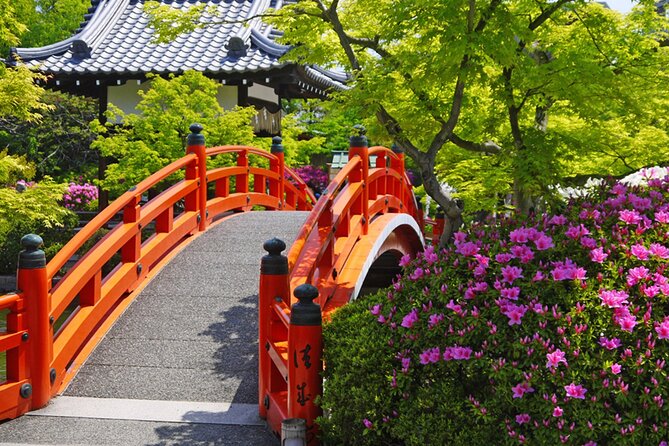
The visit’s most important stop is the room linked to Tokugawa Yoshinobu’s return of authority to the Emperor in 1867. This act ended more than 260 years of Tokugawa shogunate rule and helped open the way to the Meiji Restoration.
The setting gives the political change weight. You are not hearing about the end of the shogunate in an abstract lecture. You are standing in the palace where that transfer of power took place.
A guide can also help you understand why the moment mattered. The castle had been built to display the shogun’s dominance in Kyoto. Later, it became the setting for the surrender of that authority. The same rooms that projected control became associated with its withdrawal.
That reversal is the heart of the tour. If you know only the broad outline of Japanese history, this stop ties together the Tokugawa period, the Emperor’s return to political power, and the shift toward the Meiji era.
What the 90-minute pace feels like
The experience lasts 90 minutes, with the castle walk described as about an hour. That makes it easy to fit into a day that also includes other Kyoto sights.
I would plan on the tour as a focused introduction rather than a full-day visit. You will get the major palace story, the nightingale floors, the political setting, and a look at the grounds. You may not have time to linger at every garden view or revisit a room at your own pace.
The short format is a strength if you want structure. Kyoto can offer more temples, palaces, and gardens than you can reasonably absorb in one day. A 90-minute guided visit gives you a clear block of history without taking over your schedule.
The tradeoff is that you have less freedom than you would with an unguided visit. If you prefer to read every sign, stop often for photographs, or move slowly through the gardens, you may want extra time at the castle beyond the tour.
Is $40 a fair price?
At $40 per person, the price includes admission and a 90-minute English-language guided tour. The value depends on how much you want from the visit.
If you already know Nijo Castle well and mainly want to walk through the grounds, admission alone may better suit you. But if you want the palace’s political meaning explained, the fee is reasonable for a small group capped at 10 people.
The guide’s role is not just to point out famous features. You get the connection between the shogun and Emperor, the purpose of the palace’s intimidating layout, the social ranking built into the rooms, and the 1867 transfer of authority.
The small group also changes the feel of the price. You are not paying for a large lecture where questions are difficult. You can ask about the floors, the architecture, Japanese customs, or nearby places to visit. Several guides also provide suggestions for the rest of your Kyoto trip, which can add practical value if this is one of your first days in the city.
For families, couples, and first-time visitors who want a clear explanation, I think the price is justified. For independent history experts or repeat visitors, the decision depends on how much new context you expect to gain.
The guides and their teaching style
The strongest feature of this experience is the personal guide format. Nao has been praised for detailed explanations, strong English, and enthusiasm for the castle. Naoya has been noted for answering questions, sharing cultural background, and pointing out less obvious parts of the site.
Uta brings information about local customs as well as the castle. Benjamin uses humor along with historical facts, which can help keep a short tour lively. These details matter because Nijo Castle can feel formal and quiet, and a good guide helps you notice what the building is trying to say.
If you happen to be the only person booked, the small-group limit can turn into a private-style visit. That happened on some departures, allowing the guide to adjust the pace and answer more questions.
Of course, you should not assume you will have the castle to yourself. The stated limit is 10 people, not one. Still, even a full small group gives you much more access to the guide than a large coach tour.
Who should book this experience?
I would recommend it most strongly to:
- First-time visitors to Nijo Castle who want the main story explained clearly
- People interested in the Tokugawa shoguns, the Emperor, and the Meiji Restoration
- Families who prefer a short, guided activity with a manageable pace
- Visitors who enjoy architecture, palace design, and small historical details
- Anyone who wants to ask questions rather than rely only on signs
- Visitors who appreciate a set meeting point and admission included
You may want to skip it if you prefer complete independence or want to spend several hours photographing the gardens. The tour gives you a strong framework, but it does not promise unlimited time at each view.
It is also a good choice for readers who have encountered Japanese history through novels or popular culture. One participant who had read Shogun was especially keen to see a Tokugawa castle, and the nightingale floors provided the expected connection between historical reading and a real place.
Practical tips for a smoother visit
Meet outside Exit 1 of Nijōjō-mae Station and look for the Local Guide Stars sign. Keeping the meeting point in mind is more useful than simply heading toward the castle entrance, since the guide gathers the group there.
Wear shoes that come off easily. You must remove them to enter Ninomaru Palace, and simple footwear makes that process less awkward.
Allow the full 90 minutes even though the castle walk itself is described as about an hour. The remaining time allows for meeting, movement through the site, and the return to the station area.
The grounds are mostly flat, and the activity is wheelchair accessible. If mobility is a concern, the flat terrain is helpful, but the palace shoe-removal requirement is still something to consider before booking.
The tour is offered in English with a live guide. If you want a quieter, more personal visit, booking a small group of up to 10 is a better fit than joining a large sightseeing party.
Free cancellation is available up to 24 hours before the activity for a full refund, and you can reserve now and pay later. Those terms help if your Kyoto schedule is still changing.
Should you book the Nijo Castle tour?
Book it if you want Nijo Castle to make sense as a political place, not just a beautiful one. The strongest moments are the nightingale floors, the careful social design of Ninomaru Palace, and the room connected to the end of Tokugawa rule.
The $40 price is fair for admission, a live English guide, and a group limited to 10. I especially like the balance of palace interiors, gardens, koi-filled moats, and a clear story about the shogun and Emperor.
Skip it if your priority is a long, unhurried garden visit or complete freedom to set your own route. For most first-time visitors, though, the guided format makes this important Kyoto site easier to read and remember.
FAQ
Where does the Nijo Castle tour meet?
Meet outside Exit 1 of Nijōjō-mae Station. Your guide will be holding a sign that says Local Guide Stars.
How long does the experience last?
The activity lasts 90 minutes. The castle visit itself is described as about one hour, with the tour returning to the Nijōjō-mae Station area.
Is admission to Nijo Castle included?
Yes. The price includes admission to Nijo Castle and the guided tour.
What language is the tour offered in?
The tour is offered in English with a live guide.
How large is the group?
The group is limited to 10 participants.
What are the main sights on the tour?
You will visit Nijo Castle, walk through Ninomaru Palace, hear about the nightingale floors, see the gardens and moats, and learn about the 1867 transfer of authority from Tokugawa Yoshinobu to the Emperor.
Do I need to remove my shoes?
Yes. All visitors must remove their shoes when entering the palace.
Is the tour wheelchair accessible?
Yes. The activity is listed as wheelchair accessible, and the terrain is mostly flat.
Can I cancel for a full refund?
Yes. You can cancel up to 24 hours in advance for a full refund.
Can I reserve now and pay later?
Yes. The activity allows you to reserve your place and pay later.
More Castle and Palace History Tours in Tokyo
- Tokyo Castle & Imperial PalaceーShogun Walking Tour
★ 5.0 · 724 reviews - Imperial Palace East Garden and Edo Castle Walking Tour in Tokyo
★ 5.0 · 510 reviews - Tokyo: Edo Castle & East Garden of the Imperial Palace Tour
★ 4.7 · 112 reviews - Tokyo: Imperial Palace, the history of Japan (ENGLISH GUIDE)
★ 5.0 · 77 reviews
More UNESCO World Heritage Tours in Tokyo
- From Tokyo: Guided Day Trip to Nikko World Heritage Sites
★ 4.8 · 51 reviews - World Heritage Shirakawa-go and Experience Tours from Kanazawa
★ 5.0 · 4,049 reviews - From Tirana: Berat UNESCO Heritage & Belshi Lake Tour
★ 4.9 · 3,863 reviews - Bali: Tanah Lot UNESCO World Heritage Sites Full-Day Tour
★ 4.7 · 1,947 reviews
Newest history tours we have reviewed in Tokyo
- Private Tour Through the Tokyo National Museum & Ukiyo-e★ 4.7 · 17 reviews
- Tokyo: Customized Private Historical Guided Photoshoot Tour★ 5.0 · 25 reviews
- Tokyo: Imperial Palace, the history of Japan (ENGLISH GUIDE)★ 5.0 · 77 reviews
- Tokyo: Edo Castle & East Garden of the Imperial Palace Tour★ 4.7 · 112 reviews
- Tokyo: Nagano Snow Monkeys and Zenkoji Tour with Temples★ 4.9 · 19 reviews
- Historic Kanda Sake Tasting at Tokyo’s Oldest Shop (1596)★ 4.9 · 33 reviews
- From Tokyo: Private Nikko World Heritage Sights One Day Trip★ 4.7 · 52 reviews
- From Tokyo: Guided Day Trip to Nikko World Heritage Sites★ 4.8 · 51 reviews
Castle & Palace History Tours, compared.

Edinburgh Castle Guided History Tour with Tickets
Read our review →
Madrid Essential: Historic Center, Plaza Mayor & Royal Palace
Read our review →
Venice’s Best: Basilica, Doge’s Palace, Gondola & History Gallery
Read our review →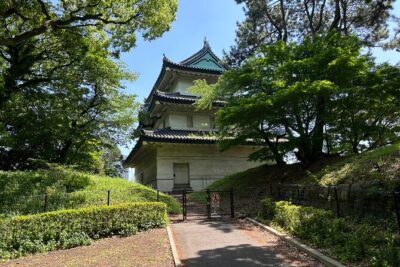
Imperial Palace and Shogun Historical Walking Tour
Read our review →
Saadian Tombs & Bahia Palace, Medina Guided Tour
Read our review →
Charleston historical walking tour with a Professor of History at The Citadel
Read our review →
Abu Dhabi Grand Mosque, Palace, and Heritage Village
Read our review →