
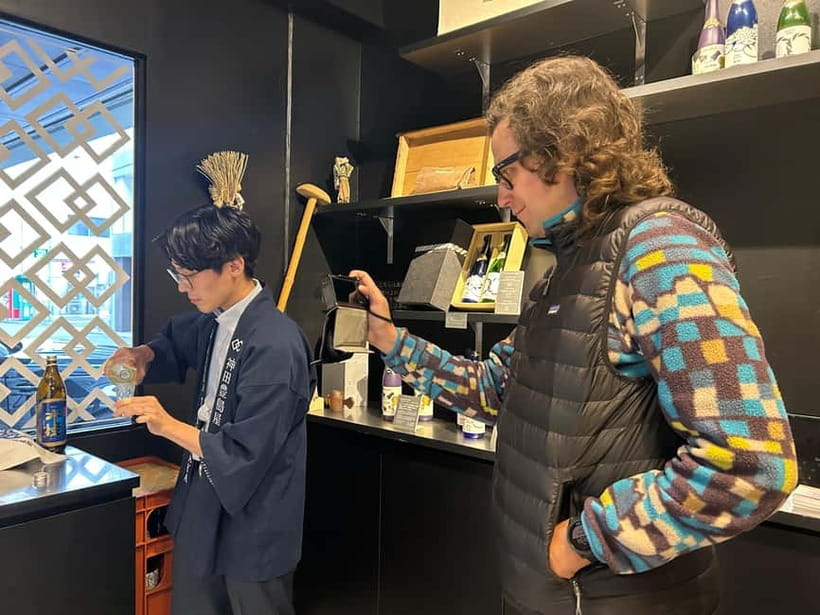
Review · TOKYO HISTORY TOURS
Historic Kanda Sake Tasting at Tokyo’s Oldest Shop (1596)
Tokyo’s oldest sake shop, founded in 1596, is the star here. You start at Toshimaya Rita-Shop in Kanda, learn why the shop matters, then taste a changing selection of about six to seven sakes in a separate room. The pours are tiny, around 10 to 20 milliliters, so this is a guided lesson rather than a drinking marathon.
I like the small group limit of 10, which leaves room for questions, and I like the practical finish: your guide points out nearby sake bars and izakayas before you return to the shop to browse. The main thing to consider is that food is not included, and the tasting is not meant to replace a meal. Eat beforehand, especially if sake is new to you.
Key points to know
- A sake shop dating to 1596: Visit Toshimaya Rita-Shop and learn about one of Tokyo’s oldest specialist stores.
- Seven small tastings: Expect pours of about 10 to 20 milliliters, with the selection changing by season and timing.
- Kanda beyond the train station: Walk through Kanda’s west-side shopping street and learn about the area’s drinking culture.
- Useful local advice: Your English-speaking guide recommends nearby places for sake and izakaya food.
- A compact two-hour outing: The route begins and ends at NewDays outside Kanda Station’s south ticket gate.
- Adults only: You must be at least 20 and carry a passport or valid ID for age verification.
Why the 1596 sake shop matters
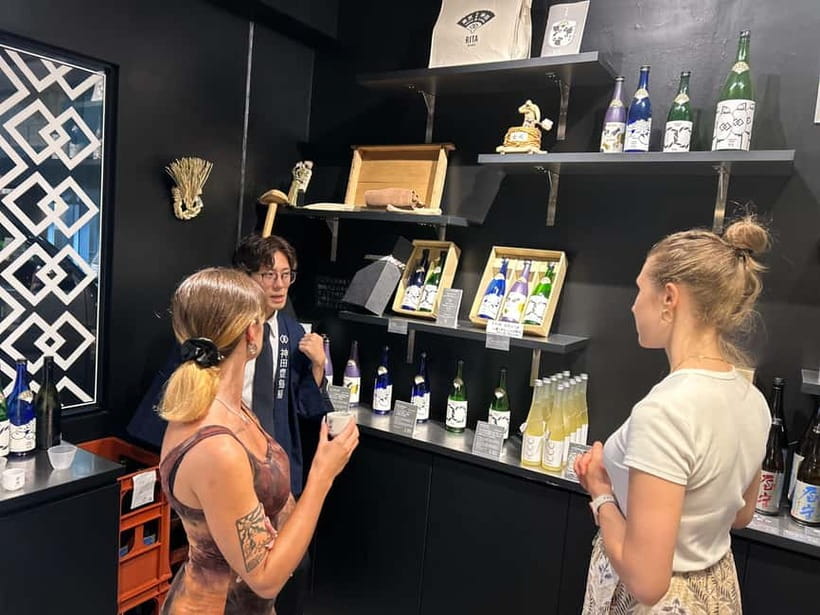
The experience works because it puts sake in a real setting rather than treating it as a stand-alone drink. Toshimaya Rita-Shop has been operating since 1596, giving you a direct connection to a long-running part of Japanese food and drink culture.
You first visit the shop to take in its atmosphere and hear about its past. That opening matters. Before you compare labels and flavors, you get a sense of the place where the sake is actually selected and sold.
I would not expect a grand museum or a long historical lecture. This is a working shop visit, followed by a tasting. The appeal is its scale and setting: you learn in a place with a clear link to sake retail, then taste bottles available for purchase there.
The shop also gives you a practical choice. If one of the pours suits you, you can buy it before leaving. That is more useful than tasting a bottle you cannot find again, though you should remember that any purchase is separate from the $38 tour price.
More Sake Tastings in Tokyo:
- Private sake pairing@ancient underground
★ 5.0 · 27 reviews
Starting at Kanda Station
Your meeting point is NewDays outside the south ticket gate at Kanda Station. NewDays is a convenience store, and the guide will hold a sign reading Sake Tasting Tour. This is a precise meeting spot, but allow enough time to find the correct station exit.
The guide can wait only five minutes, and you cannot join after the group has left. That rule makes sense for a short walking tour, but it means you should not treat the meeting time casually. Kanda Station is a busy transit point, so arrive early rather than trying to locate NewDays at the last second.
The activity begins and ends at the same place. That is handy if you are fitting the tasting between other Tokyo plans, and it removes the need to find your way back from an unfamiliar neighborhood.
The tour is conducted in English. Fumino-San is one guide associated with the experience, and direct feedback about her points to clear English, a friendly manner, strong sake knowledge, and helpful Tokyo recommendations. Guides may vary, but the format is built around a local English-speaking guide who can answer questions as you go.
A short walk through Kanda’s west-side shopping street
The first walking portion lasts about 20 minutes and takes you through Kanda’s west-side shopping street. This is not a long city walk, but it provides useful context for the sake shop and the district around it.
Kanda is known as a drinking area for Japanese salarymen. That does not mean this tour turns into an evening pub crawl. Instead, you get an introduction to the kind of neighborhood where sake and izakaya dining fit naturally into the local routine.
This short walk is especially useful if you have only seen Kanda as a place to change trains. The guide helps you notice the connection between the station, the shopping streets, the sake shop, and nearby drinking spots.
Do not book this part expecting a major sightseeing circuit. The walk is brief and supports the tasting. Its value is local orientation, not a long list of landmarks.
Inside Toshimaya Rita-Shop
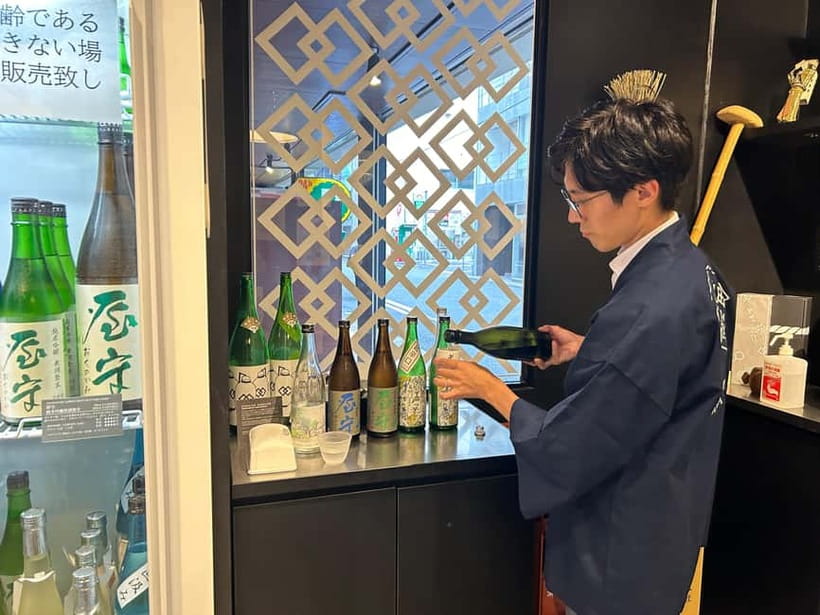
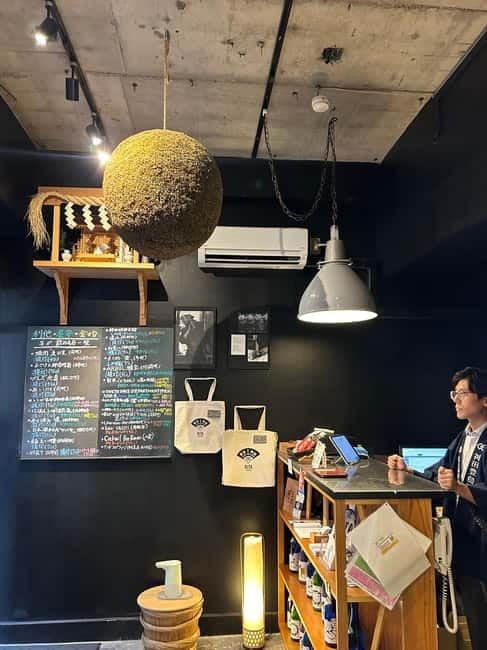
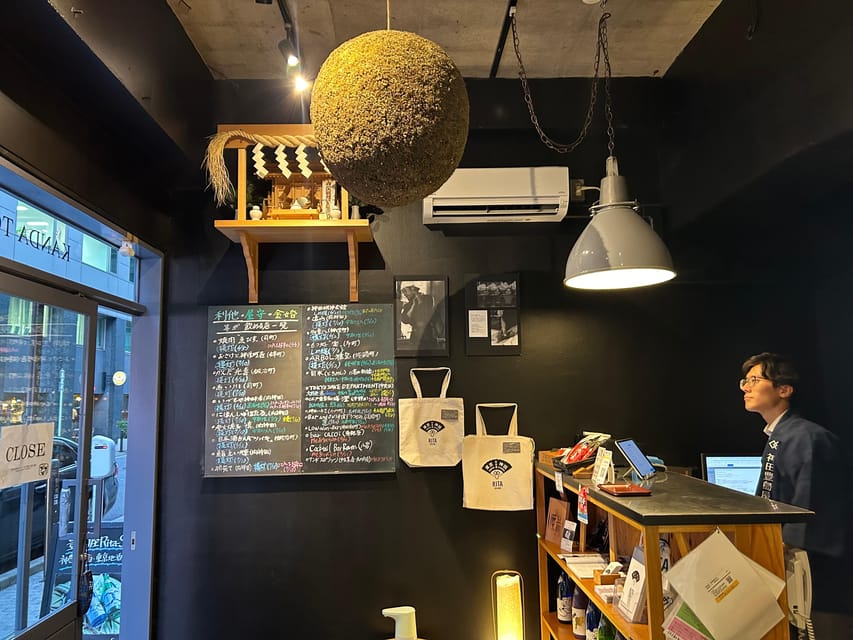
Most of the two-hour experience takes place at Toshimaya Rita-Shop. You first look around and hear about the store, then move to another room for the tasting.
The change of rooms gives the activity a clear rhythm. You begin with place and history, shift to the sake itself, then head back to the shop for browsing. It is a simple structure, but it keeps the tasting from feeling like a rushed counter stop.
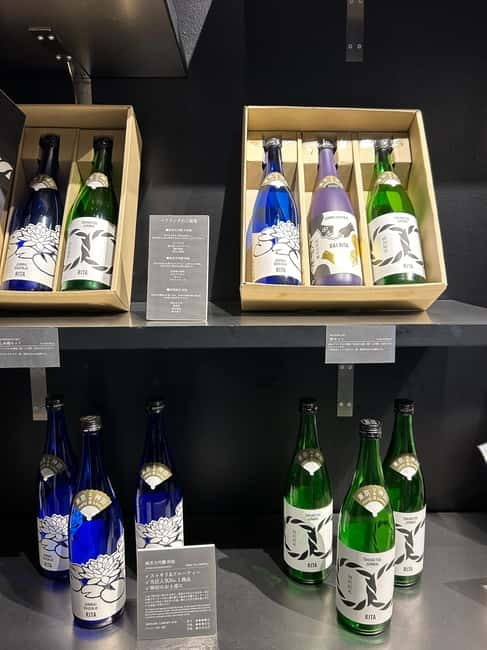
The shop’s age is the obvious draw, yet the practical side matters just as much. The sakes being tasted are sold there, so you can connect what you learn with bottles on the shelves. If you find a favorite, you have the chance to purchase it immediately.
The selection is not fixed. Seasonal availability and the timing of your visit can change the bottles offered. That is good news if you value variety, but it means you should not book this expecting one exact lineup.
More History Tours in Tokyo:
- Tokyo: Imperial Palace and Shogun Historical Walking Tour
★ 5.0 · 2,251 reviews - Tokyo Castle & Imperial PalaceーShogun Walking Tour
★ 4.7 · 1,068 reviews - Tokyo: Imperial Palace Japanese History Walking Tour
★ 4.9 · 987 reviews - Tokyo Castle & Imperial PalaceーShogun Walking Tour
★ 5.0 · 724 reviews
What seven small pours really mean
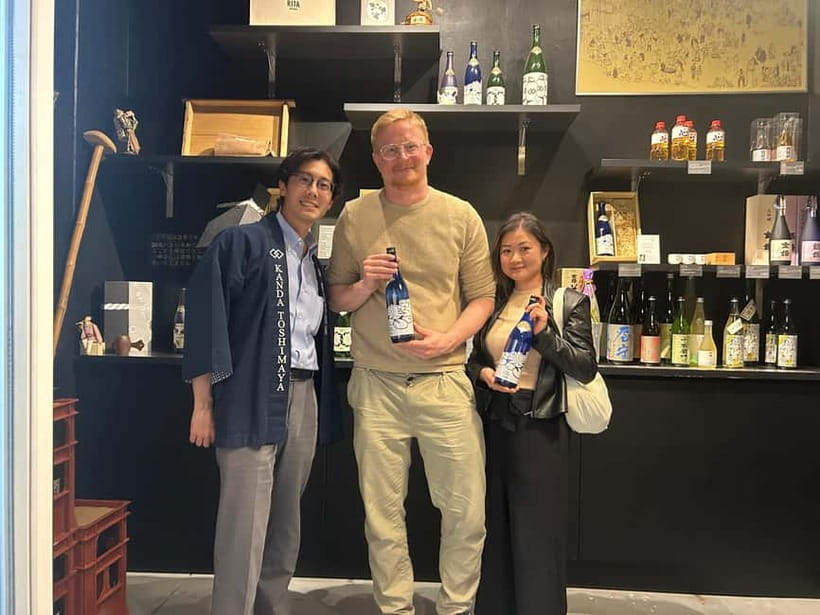
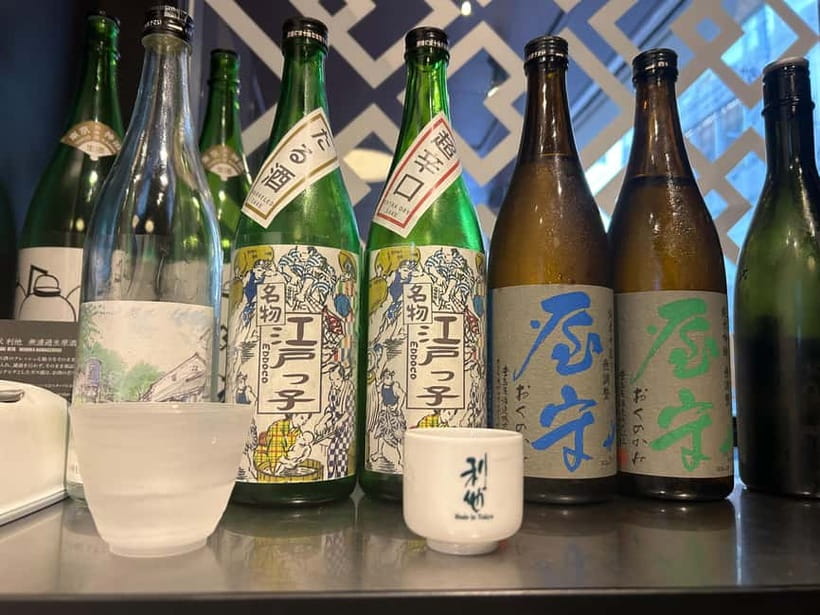
The included tasting is listed as seven sake tastings, while the description also refers to around six varieties. The safest expectation is a guided set of roughly six to seven small pours, each about 10 to 20 milliliters. The amount is enough to compare styles without leaving you with a full glass at every stop.
The small portions also make the activity approachable for beginners. You can pay attention to differences in aroma, texture, and finish without committing to a large serving. At the same time, someone who already enjoys sake can use the session to ask more specific questions about production, history, and differences between varieties.
A tasting like this is most useful when you slow down. Smell each pour, take a small sip, and note what you prefer. You do not need expert vocabulary. Simply telling the guide that one sake feels lighter, sweeter, drier, or more suited to food gives you a good starting point for discussion.
The experience covers sake and its production, along with the differences between the varieties served. Questions are welcome, and a small group makes that easier. With no more than 10 participants, the guide has a better chance of responding to individual interests than on a large bus-style outing.
The tasting cups shown for the experience are small, which matches the portion sizes. This is an educational sampling, not an open bar. If you want a full drink afterward, the guide’s nearby recommendations may help, but food and extra drinks are not included.
Getting advice for the rest of your Kanda evening
After the tasting, the guide introduces nearby places where you can enjoy sake and izakaya food. This is one of the strongest practical features of the experience.
A generic Tokyo food list is easy to find. Advice connected to the exact neighborhood is more useful when you are ready to eat or drink after the tour. The guide can also share recommendations for other places to visit in Tokyo, so you can ask for ideas beyond Kanda.
The timing matters here. You finish with enough local information to continue the evening on your own, but the tour does not include a meal or a stop at one of the recommended establishments. You will need to pay separately and make your own plans.
If you are hungry, eat before the activity. Food is not included, and food is not allowed during the tour. Starting with a meal also helps you focus on the sake rather than worrying about an empty stomach.
Price, group size, and what you receive
At $38 per person, the tour is fairly priced if you want instruction, local context, and a small tasting at a historic shop. You are paying for a guide-led experience, seven listed tastings, the Kanda walk, the shop visit, and local recommendations. You are not paying for dinner, transportation, or a large amount of alcohol.
The value improves if you are new to sake and would otherwise struggle to choose among unfamiliar bottles. The guide helps turn a shelf of labels into a more manageable set of choices, and you can buy a bottle you actually liked.
The price may feel less attractive if you only want to drink sake cheaply. In that case, a bar or izakaya could give you more total liquid for less money. This tour earns its cost through explanation and setting, not quantity.
The group limit of 10 is another part of the value. The experience is more personal than a large organized tour, and questions are easier to ask. Some sessions may be even smaller. A party of three, for example, can end up with a particularly individual format.
The full activity lasts two hours. That makes it easy to place in a Tokyo itinerary, though you should count on the complete time because the guide cannot add late arrivals after the group leaves.
Who should book this sake tasting
I would recommend it to first-time sake drinkers who want a clear introduction without committing to a full evening of bar-hopping. The small pours let you compare several types, and the guide can explain the basics in plain English.
It also suits sake fans who enjoy asking detailed questions. The tasting moves through different varieties and flavors, and the shop gives you a chance to continue your interest by buying a bottle.
Kanda is a good fit if you want a neighborhood experience tied to everyday drinking culture rather than a major sightseeing attraction. The activity gives you a short look at the district and then points you toward places to continue independently.
This is not suitable for anyone under 20, pregnant participants, or people with a cold. Japan’s legal drinking age is 20, and your age must be checked. Bring a passport or valid ID, even if you look clearly over the required age.
Wear comfortable shoes and comfortable clothes. You will walk through the shopping street, stand or move around during parts of the visit, and spend time in the shop and tasting room.
What to know before reserving
The activity is offered in English with a live guide. You can reserve now and pay later, and cancellation is free up to 24 hours before the start for a full refund.
The sake list can change with the season and the timing of your visit. That is normal for a shop-based tasting, but it is worth keeping in mind if you have a particular style in mind.
Bring no food into the activity. If you need something to eat, do so before meeting the guide. Also bring your passport or ID, since age verification is required.
The meeting point is NewDays outside the Kanda Station south entrance. Look for the guide holding the Sake Tasting Tour sign, and arrive early enough to locate the correct exit.
Should you book it?
Book this if you want more than a few random sips. The 1596 shop, small group, English instruction, seven modest pours, and Kanda recommendations make this a focused introduction to sake and the neighborhood around it.
Skip it if your main goal is a large meal or a long night of drinking. Food is not included, the pours are small, and the tour ends without taking you to an izakaya.
For most adults curious about sake, I think the $38 cost is reasonable. You get a real shop, a manageable two-hour schedule, and a guide who can help you make sense of what you taste. Just eat first, bring ID, and leave room in your evening to use those Kanda recommendations.
FAQ
How long does the sake tasting tour last?
The activity lasts two hours, including the Kanda walk, the shop visit, the tastings, and the local recommendations.
Where does the tour meet?
You meet at NewDays outside the south entrance at Kanda Station. The guide will hold a sign that says Sake Tasting Tour.
Where does the tour finish?
The tour returns to NewDays outside Kanda Station’s south entrance.
How many sake tastings are included?
Seven tastings are included. The selection is also described as around six types, so expect roughly six to seven varieties. Each pour is about 10 to 20 milliliters.
Can the sake selection change?
Yes. The sake available for tasting may change depending on the season and the timing of your visit.
Is food included?
No. Food is not included, and food is not allowed during the activity. If you are hungry, eat before the tour.
What is the minimum age?
Participants must be at least 20 years old, which is Japan’s legal drinking age. You must bring a passport or valid ID for age verification.
Is the tour conducted in English?
Yes. The activity has a live English-speaking guide.
How large is the group?
The tour is limited to 10 participants, making it a small-group experience.
Newest history tours we have reviewed in Tokyo
- Private Tour Through the Tokyo National Museum & Ukiyo-e★ 4.7 · 17 reviews
- Tokyo: Customized Private Historical Guided Photoshoot Tour★ 5.0 · 25 reviews
- Tokyo: Imperial Palace, the history of Japan (ENGLISH GUIDE)★ 5.0 · 77 reviews
- Tokyo: Edo Castle & East Garden of the Imperial Palace Tour★ 4.7 · 112 reviews
- Tokyo: Nagano Snow Monkeys and Zenkoji Tour with Temples★ 4.9 · 19 reviews
- Kyoto: Nijo Castle World Heritage Guided Tour with Admission★ 4.9 · 37 reviews
- From Tokyo: Private Nikko World Heritage Sights One Day Trip★ 4.7 · 52 reviews
- From Tokyo: Guided Day Trip to Nikko World Heritage Sites★ 4.8 · 51 reviews
Tokyo History Tours, compared.
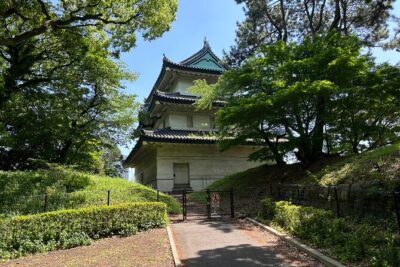
Imperial Palace and Shogun Historical Walking Tour
Read our review →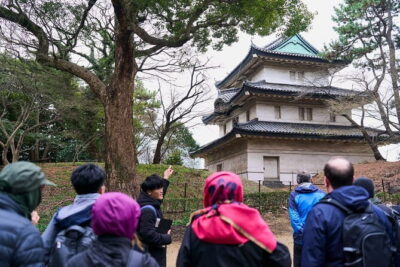
Tokyo Castle & Imperial PalaceーShogun Walking Tour
Read our review →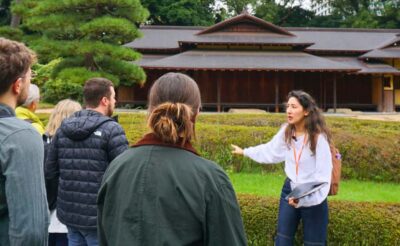
Tokyo Castle & Imperial PalaceーShogun Walking Tour
Read our review →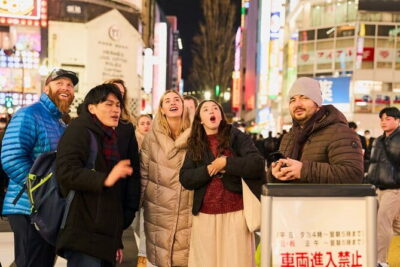
Shinjuku Historical Walking Tour & Secret Backstreets
Read our review →
Imperial Palace East Garden and Edo Castle Walking Tour in Tokyo
Read our review →
The Best of Izakaya in Shinjuku Food & Cultural Tour
Read our review →Browse the lists this tour appears in