
Review · JAPAN HISTORY TOURS
Kanazawa: World Heritage Shirakawa-go Morning Guided Tour
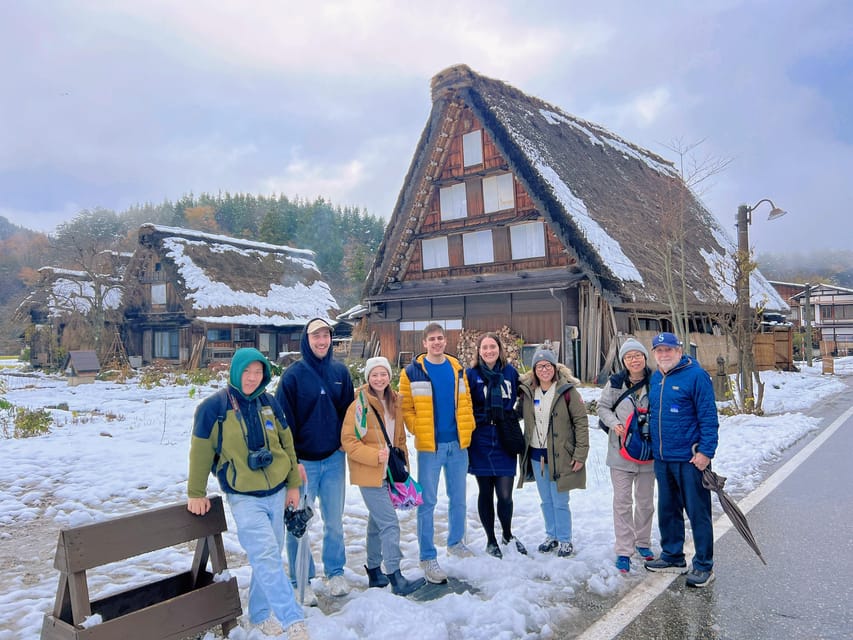
Shirakawa-go is the star here: a mountain village of steep, thatched gassho-zukuri houses that looks especially striking under snow. I like the early departure, which gets you there before the larger afternoon crowds, and I like the simple setup: useful commentary on the bus, then free time to walk, eat, and take photographs at your own pace.
The main tradeoff is time. About two and a half hours is enough for the village’s key sights and a few snacks, but it may feel short if you want to enter several houses, wait in shop lines, and stop for a full meal. The $77 price is fair for the direct transport and guide, but independent visitors who already understand the bus system may prefer more time on their own.
Key points at a glance
- Early arrival at Shirakawa-go: Reach the village before it fills up, especially useful in snow season and during busy travel periods.
- English guidance on the ride: Guides such as Keita, Yasushi, and Aiko explain the area, Japanese customs, and the village before you arrive.
- Roughly 2.5 hours to explore: Walk between traditional houses, scenic viewpoints, food stalls, and small shops without staying with the guide every minute.
- Local snacks worth planning for: Look for Hida beef skewers, custard pudding, goheimochi, and Doburoku soft serve.
- Easy return to central Kanazawa: The bus finishes at Kenrokuen Garden around 13:00, putting you near one of the city’s main sights.
- Useful onboard comfort: The air-conditioned coach has Wi-Fi, regular ventilation, and antibacterial coating.
Why the early Shirakawa-go departure matters
Shirakawa-go is not a quick city attraction. It lies beyond Kanazawa, in a mountain setting where the journey is part of the outing. This tour removes the need to work out the regional bus system, reserve the right connection, and manage the return trip yourself.
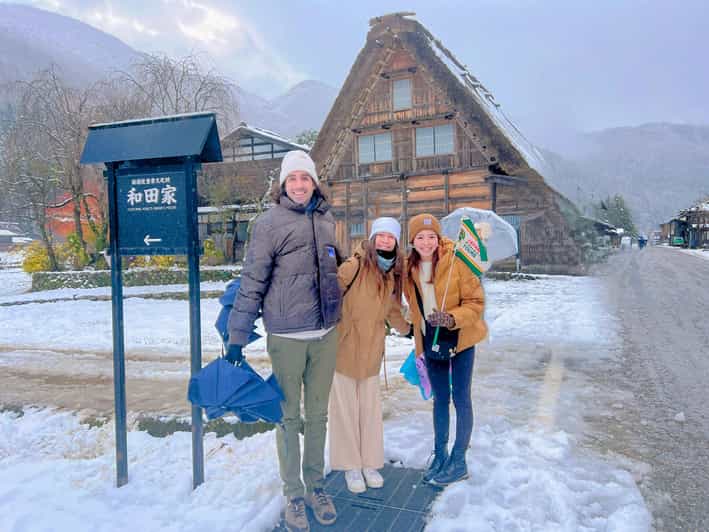
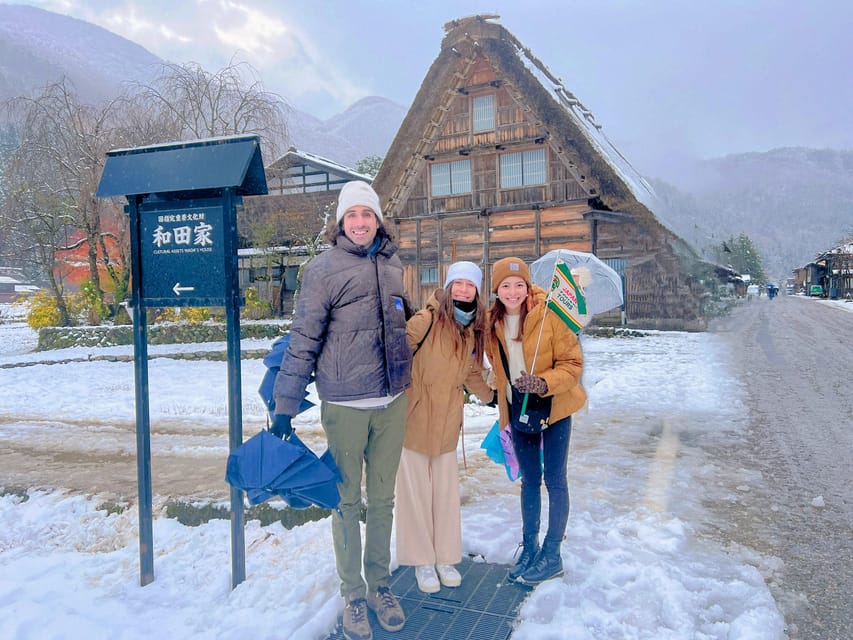
You meet at Kanazawa Station’s West Plaza Short-term Car Park at 7:50 in the morning. Look for the green and white Japan Panoramic Tours flag. The bus leaves at 8:00 sharp, and latecomers and no-shows do not receive refunds or changes, so this is not the morning to cut breakfast close.
The early start is one of the tour’s best decisions. Shirakawa-go can become crowded later in the day, while the first part of your visit should feel calmer. You get clearer photographs, easier movement along the village paths, and less competition at popular food counters.
This timing is particularly useful in winter. Snow gives the steep roofs their storybook appearance, but it also makes the village colder than Kanazawa. Wear layers, gloves, and comfortable shoes with good grip. The tour only specifically requires comfortable shoes, but winter conditions make sensible footwear important.
More UNESCO World Heritage Tours in Japan
- World Heritage Shirakawa-go and Experience Tours from Kanazawa
★ 5.0 · 4,049 reviews - World Heritage Kyoto & Nara Uji Authentic Matcha Experience
★ 5.0 · 1,573 reviews - Hiroshima Peace (Heiwa) Walking Tour at World Heritage Sites
★ 5.0 · 872 reviews
The bus ride from Kanazawa to the village
The outbound ride takes roughly 80 minutes, with the expressway making the trip straightforward. The coach is air-conditioned and has free Wi-Fi, and the operator says it is regularly ventilated and treated with antibacterial coating.
The practical benefit is more important than the Wi-Fi. You can sit down, stay warm or cool, and let the guide handle the route. The ride also becomes an introduction to the area rather than dead time. Guides including Keita and Yasushi have been praised for making the journey lively with facts, quizzes, jokes, and clear explanations of Japanese culture.
The guide also helps you use your limited time well. A map and handouts can point out the main walking route, food stops, and places worth seeing. That advance briefing means you are not spending your first 20 minutes trying to understand the village layout.
The live commentary is in English and Japanese. Audio guidance is also available in Spanish, French, Italian, German, Portuguese, and Ukrainian. Bring your own headphones if needed, since the included audio equipment is described as headsets, but the supplied information does not specify the exact connection type.
Walking through the gassho-zukuri village
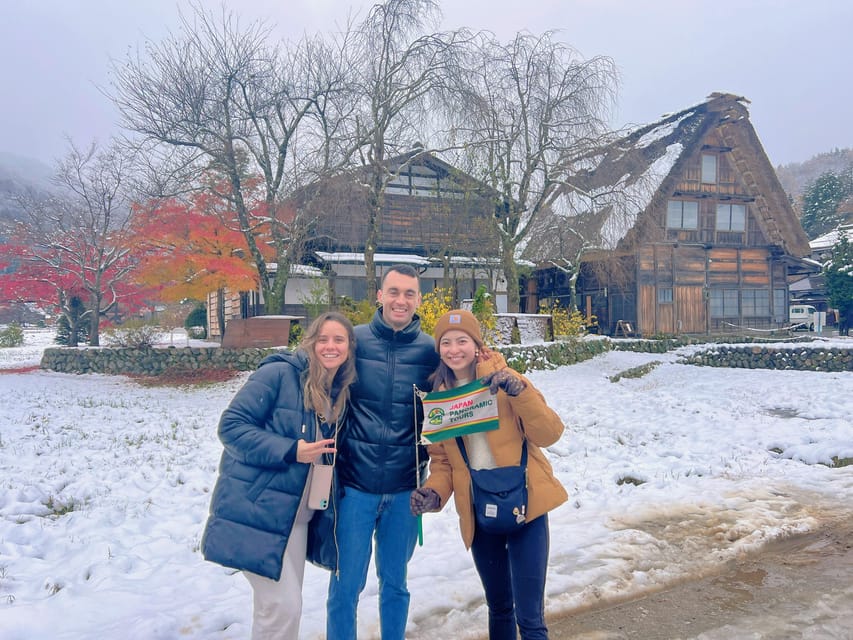
Shirakawa-go became a UNESCO World Heritage Site in 1995 because of its unusual gassho-zukuri architecture and the way the village remains a living community. These steeply pitched roofs were built to handle heavy mountain snow, and local people still live in the traditional settlement.
That last point matters. This is not an open-air museum built only for photographs. You are walking through a real community, so keep voices down near homes, follow signs, and do not treat private buildings as photo props. The guide can help explain the difference between public areas and ordinary residential spaces.
The tour gives you about 2.33 hours, usually described by the operator and visitors as about two and a half hours. The guide normally explains the village during the ride and then lets you explore independently. I like this arrangement because it gives you context without forcing you to follow a flag through every lane.
Use your time with a little planning. Start with the views and the main village walk, then choose one or two food stops. If you want to enter a gassho-style house, check its location early rather than leaving it until the final 20 minutes. Queues can build at popular shops, and several people have found that there was not enough time for both indoor visits and relaxed shopping.
The village is compact enough for a good overview, but the experience is not a race. You can photograph the roofs, cross the waterways, browse local products, and pause for a snack. You might also find that weather changes the pace. Snow, rain, or icy paths can slow your walk and make the same two and a half hours feel shorter.
What to eat during your free time
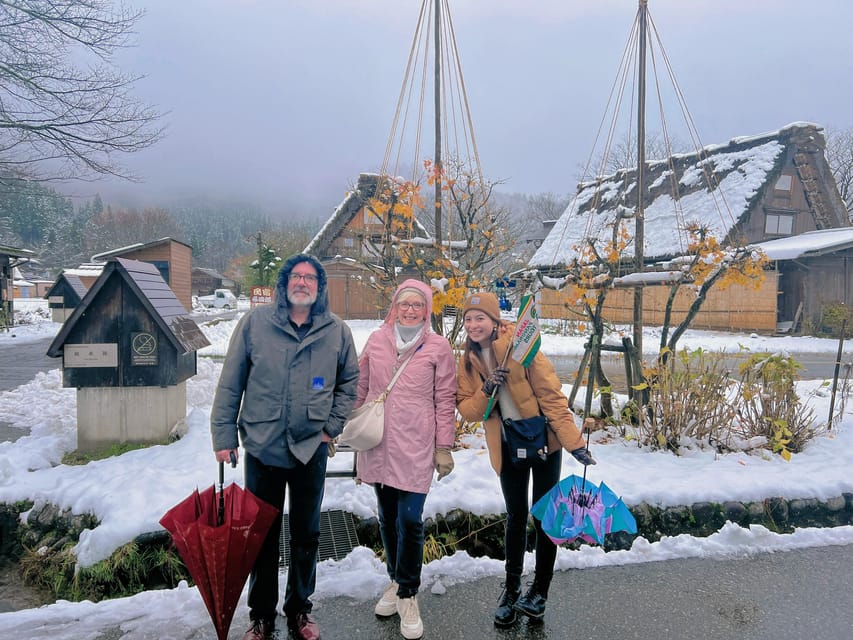
Food is not included, so bring money for snacks and drinks. The local specialties give this short visit extra character, and you do not need a full restaurant meal to sample them.
Hida beef is a popular choice, often served as a skewer or another small street-food portion. It is an easy option when your schedule is tight. Goheimochi, a grilled rice cake with a sweet or savory coating, is another worthwhile local bite.
The famous local pudding is worth noting if you enjoy custard desserts. One particularly popular pudding shop may have a queue, so decide early if it is a priority. You may need to choose between waiting for pudding and visiting another building.
Doburoku soft serve is a more unusual stop. It uses unfiltered sake, so ask about the serving details if you avoid alcohol or are unsure about the flavor. It is a memorable regional treat, but it should not be your only plan for food.
A practical approach is to make a short wish list before arrival: one savory item, one sweet item, and one place or view you most want to see. That keeps the morning enjoyable instead of turning the village into a checklist.
Same streets, a different century:
- Kyoto: Fushimi Inari, Kinkakuji, Bamboo Grove 1 Day Bus Tour
★ 4.8 · 4,316 reviews - Tokyo: Imperial Palace and Shogun Historical Walking Tour
★ 5.0 · 2,251 reviews - Kyoto Gion: 2-Hour Geisha Culture & History Walking Tour
★ 5.0 · 1,186 reviews - Tokyo Castle & Imperial PalaceーShogun Walking Tour
★ 4.7 · 1,068 reviews
Returning to Kanazawa and Kenrokuen Garden
After Shirakawa-go, the coach returns to Kanazawa, with the tour ending at Kenrokuen Garden around 13:00. The return ride takes about an hour, giving you a useful transition from the mountain village to the city.
Ending at Kenrokuen is convenient if you want to continue sightseeing. You are already near one of Kanazawa’s main attractions, rather than being dropped at a distant transport terminal. The garden itself is not part of the main Shirakawa-go visit, so you should not expect guided garden time unless you book the longer option.
The tour sometimes ends at Higashi Chaya District instead. This applies on October 12 and 16, and November 1, 3, and 13. Check your date carefully if you have a fixed afternoon plan, since the final drop-off affects where you begin your next activity.
There is also a full-day option that continues with Kenrokuen Garden and traditional crafts in Kanazawa. The morning tour can sometimes be upgraded on the day, subject to availability, but I would not rely on that if the afternoon program is important to you. Book the longer version in advance if you already know you want a fuller day.
How good is the $77 value?
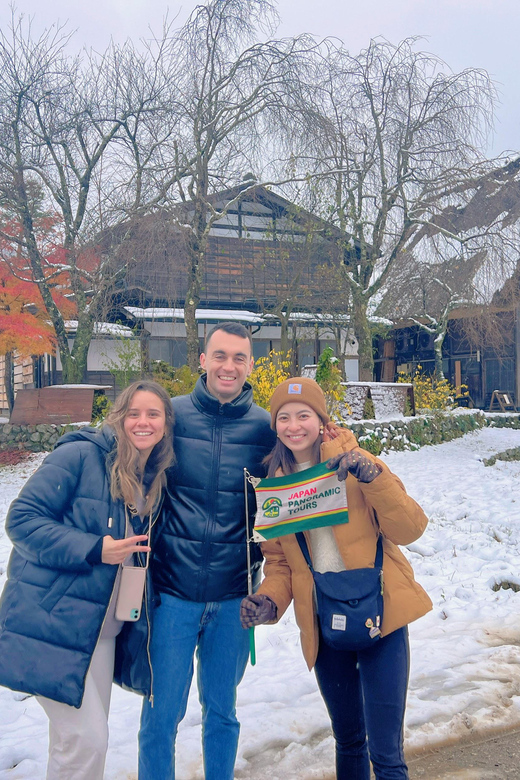
At $77 per person, this is not simply a bus ticket. You are paying for direct transport from Kanazawa, an English-speaking guide, route planning, village orientation, and a return to a useful central location.
That package makes sense for a first visit, especially if you are uneasy about regional bus reservations or want a low-effort morning. The guide’s map and bus commentary can save time, and the early departure may help you see Shirakawa-go before the heaviest crowds.
The value is less clear if you are a confident independent visitor. A self-planned trip may give you greater control over how long you stay, especially if you want to visit interiors, eat slowly, or shop. The tour’s fixed departure and return are also firm, and late arrivals are not accommodated.
For most people, the price is reasonable because the destination is awkward to reach without planning. The biggest question is not the fare itself. It is whether you value convenience and early access more than flexibility.
Guides, languages, and the feel of the tour
The tour includes a live guide in English and Japanese. Recent departures have featured guides named Keita, Yasushi, Aiko, Hiroko, Nagomi, and Ciel. Guide assignments can change, but the consistent pattern is a friendly, energetic presentation with practical advice on where to walk and what to eat.
Keita is especially associated with clear English, humor, and an easy way of making passengers comfortable. Yasushi is known for lively bus commentary and stories about Kanazawa and the surrounding area. Aiko has been praised for her warm manner, useful recommendations, and clear maps. These details matter because much of the tour’s value comes before you reach the village.
The guide does not appear to shadow you through every minute in Shirakawa-go. Instead, you receive background information and orientation, then explore at your own pace. That suits independent-minded visitors, couples, and families who want help with the complicated part but do not want a rigid walking line.
The multilingual audio guide adds flexibility for non-English speakers. It is available in Spanish, French, Italian, German, Portuguese, and Ukrainian, while the live service remains in English and Japanese.
Who should book this morning tour?
I would choose this tour if you have one morning available in Kanazawa and want to see Shirakawa-go without handling the transport yourself. It is also a strong choice for winter visits, when arriving early can make a major difference to photographs and walking comfort.
It suits first-time visitors, short-stay schedules, solo visitors who prefer organized transport, and anyone who wants cultural background without a full-day commitment. Families may also appreciate the direct coach and the freedom to choose their own pace once they arrive.
I would think twice if you want several house interiors, a long restaurant meal, or a slow shopping session. The timetable is efficient rather than leisurely. If you want Shirakawa-go plus Kenrokuen and a craft activity, choose the full-day version instead.
Wear comfortable shoes, arrive before 7:50, and keep your afternoon plan flexible enough to allow for traffic or weather. The itinerary can change for operational reasons, and closed sites may be replaced with alternatives.
Should you book the Kanazawa Shirakawa-go morning tour?
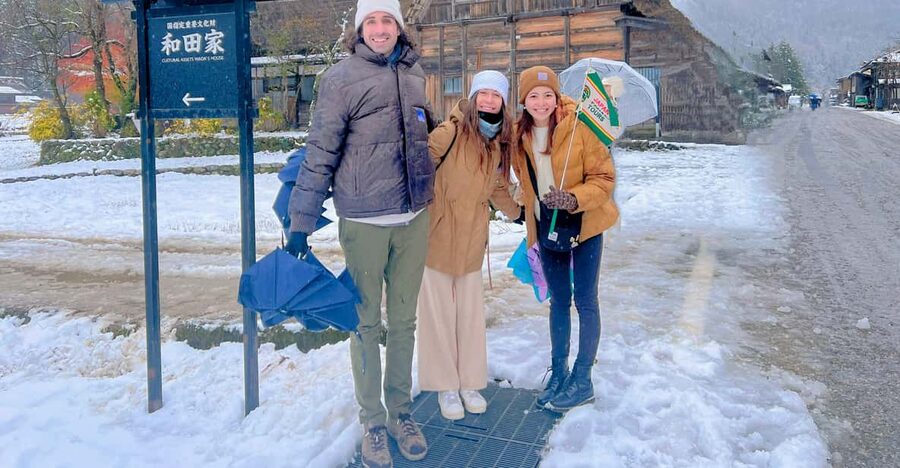
Book it if you want the easiest route to a spectacular rural village and like the idea of reaching it early. The strongest reasons are the direct coach, entertaining English commentary, useful village maps, and the chance to explore independently once you arrive.
Skip it in favor of independent transport if your top priority is unlimited time. Two and a half hours gives you a solid introduction, but not every possible house, shop, and food counter.
For most visitors with a free morning, the $77 cost is a sensible trade for convenience and timing. Just treat Shirakawa-go as a focused visit, not a leisurely full-day outing.
FAQ
Where does the tour meet?
You meet at Kanazawa Station West Plaza Short-term Car Park, at 1-chōme-6-802 Hirooka, Kanazawa. Look for the green and white Japan Panoramic Tours flag.
What time should I arrive?
Check-in is at 7:50 AM, and the bus departs at 8:00 AM. Latecomers and no-shows do not receive refunds or changes.
How long does the tour last?
The activity lasts about five hours. It ends around 13:00 at Kenrokuen Garden, although the final location changes to Higashi Chaya District on specified October and November dates.
How long is the bus ride to Shirakawa-go?
The outbound bus journey takes about 80 minutes. The return journey takes about one hour.
How much free time do I get in Shirakawa-go?
You get approximately 2.33 hours, or about two and a half hours, for the guided village visit and independent exploration.
Is an English-speaking guide included?
Yes. The tour includes a live English and Japanese-speaking guide. Guides such as Keita, Yasushi, and Aiko have led recent departures.
Is multilingual guidance available?
Yes. Audio guidance is available in Spanish, French, Italian, German, Portuguese, and Ukrainian.
Is food included in the price?
No. Additional food and drinks are not included. You can buy local items such as Hida beef, pudding, goheimochi, and Doburoku soft serve during your free time.
Does the bus have Wi-Fi?
Yes. The air-conditioned bus offers free onboard Wi-Fi, regular ventilation, and antibacterial coating.
Can I cancel the booking?
You can cancel up to 24 hours in advance for a full refund. The tour also offers a reserve-now, pay-later option.
Newest history tours we have reviewed in Japan
- Authentic Sapporo: Nijo Market Seafood Lunch & History Tour★ 4.8 · 20 reviews
- Asakusa: 3.5-hour Big-picture History Walk★ 4.7 · 39 reviews
- Asakusa: A Big-picture History Walk to Know Japan★ 4.6 · 77 reviews
- 2.5-Hour Nagoya Tour: Castle History, Local Food & City View★ 4.5 · 36 reviews
- 1-Day Tour from Nagoya: Hiking the Historic Nakasendo Trail★ 4.9 · 34 reviews
- 2.5 Hour Private History and Culture Tour in Himeji Castle★ 5.0 · 185 reviews
- From Tokyo: Nikko World Heritage Sight Full Day Private Tour★ 4.9 · 127 reviews
- From Tokyo: Nikko World Heritage Site Private Full-Day Trip★ 4.9 · 243 reviews
UNESCO World Heritage Tours, compared.
World Heritage Shirakawa-go and Experience Tours from Kanazawa
Read our review →
Bali: Tanah Lot UNESCO World Heritage Sites Full-Day Tour
Read our review →
World Heritage Kyoto & Nara Uji Authentic Matcha Experience
Read our review →

UNESCO’s Ayutthaya Historical Park: Full-Day Tour from Bangkok
Read our review →
Rotterdam: Kinderdijk UNESCO World Heritage Entry Ticket
Read our review →
From Busan: Gyeongju UNESCO World Heritage Guided Day Tour
Read our review →Browse the lists this tour appears in