
Review · CAMBODIA HISTORY TOURS
Heritage tour of Phnom Penh in electric bus
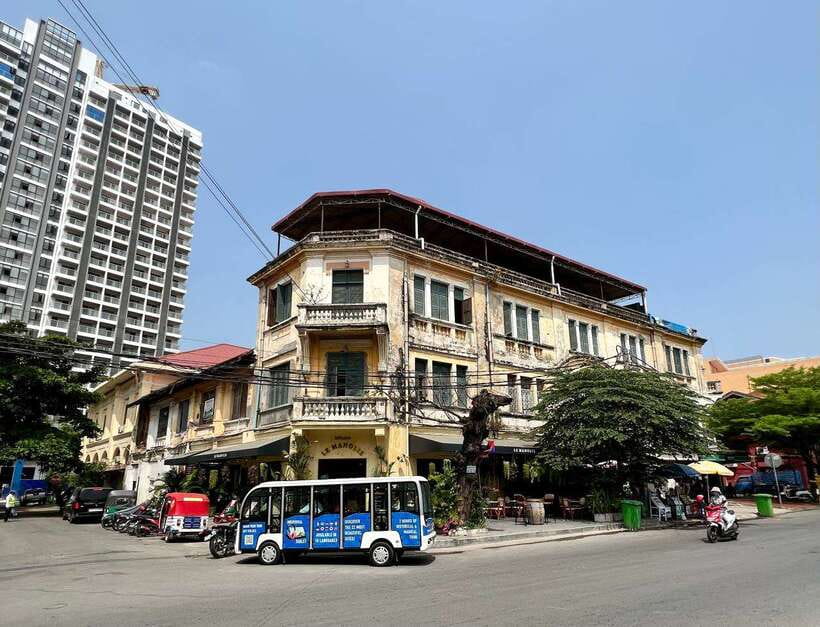
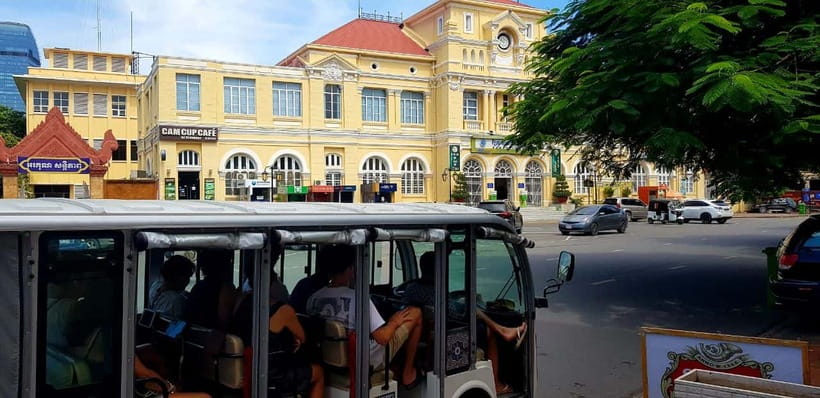
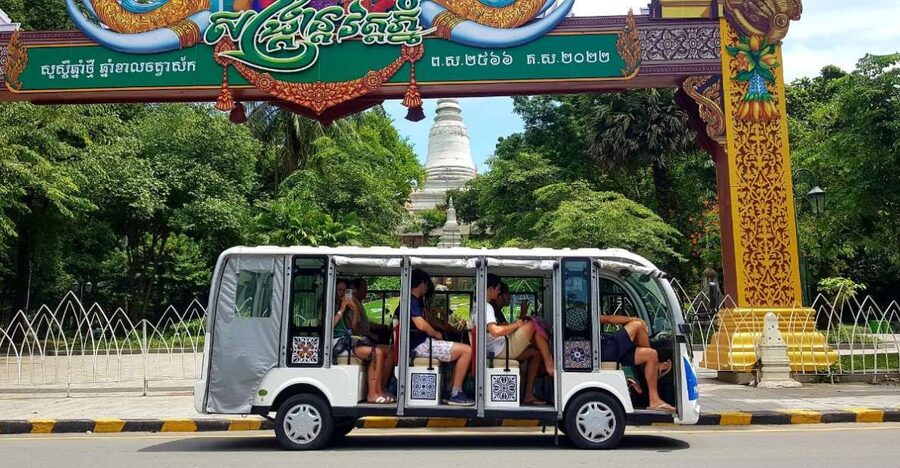
Phnom Penh’s past is spread across a busy, fast-changing city, so this electric-bus heritage tour gives you a useful first look without the heat and traffic of a long walking route. In 2.5 hours, you visit 19 stops connected to 22 historic sites, from French colonial buildings and Art Deco landmarks to places tied to the royal family and Cambodia’s darker modern history.
I like the mix of short walks and on-board video, especially when the tablet lets you see inside buildings closed to the public. I also like the calm pace and the chance to enter an Hokkien temple, the National Library, and the Royal University of Fine Arts. The main consideration is that this is an overview, not a full visit to every site, and the bus does not include hotel pickup or tuk-tuk transport.
Key points at a glance
- Nineteen stops, 22 historic sites: Cover a large part of central Phnom Penh in one organized route.
- Electric bus comfort: A sensible choice in Cambodia’s heat, especially for your first day in the city.
- Tablet films and vintage photos: See historical interiors and old Phnom Penh even when some buildings are closed.
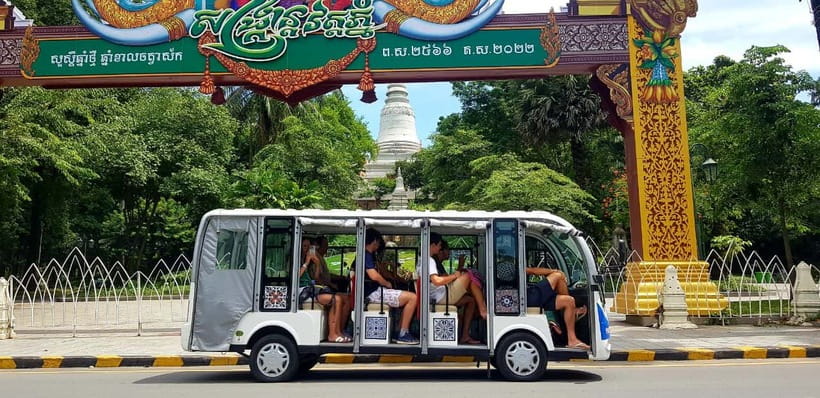
- Three unusual entries: Walk into an Hokkien temple, the National Library, and the Royal University of Fine Arts.
- English and French support: The guide speaks English or French, while the audio guide offers 10 language choices.
- A useful final location: The tour ends near Street 240, the Royal Palace, and the riverside, making it easy to continue on your own.
Why this bus tour works as a Phnom Penh introduction

Phnom Penh can be hard to read at first. The city’s royal institutions, French-era avenues, old Chinese temples, Art Deco buildings, and painful twentieth-century history do not sit in one tidy museum district. They are mixed into the modern capital.
This tour helps you connect those pieces. Rather than taking you to one major monument and sending you on your way, it explains how a fishing village became Cambodia’s capital, how French planning changed the city, and how social life developed around the royal court, colonial administration, and local communities.
The electric bus matters here. You spend less time worrying about traffic, directions, and the heat, and more time looking out at the streets. You still get off at several points, so this is not a sightseeing ride where you remain seated for the entire morning or afternoon.
I would book it early in a Phnom Penh stay. The final stop near Street 240 puts you close to the Royal Palace and the riverside, so you can use the tour to decide what deserves a longer visit later.
More History Tours in the world:
- New York City: American Museum of Natural History Ticket
★ 4.5 · 15,447 reviews - History and Hauntings of Salem Guided Walking Tour
★ 5.0 · 14,564 reviews - Colosseum: Underground and Ancient Rome Tour
★ 4.7 · 12,691 reviews
Nineteen stops that cover 22 sites
The route is organized around 19 stops but takes in 22 significant places. That sounds like a small distinction, yet it tells you how the experience works. Some stops introduce more than one building or part of the city’s development, while the tablet fills in details that cannot be covered during a short roadside explanation.
The focus is mainly on places inherited from the period when Cambodia was under the French protectorate. You see how a French urban model shaped Phnom Penh, how Art Deco became fashionable, and how buildings reflected the city’s changing social order.
Do not expect every stop to feel like a major monument visit. Some are best understood as pieces of a larger story. A street, facade, or civic building can reveal how the capital functioned, even when you cannot go inside.
That broader approach is one of the tour’s strengths. If you only want postcard sights, you may find parts of the route less dramatic. If you want to understand why Phnom Penh looks the way it does, the connections are useful.
From fishing village to colonial capital
One of the most worthwhile themes is the city’s transformation from a fishing settlement into a capital. The tour uses historical films, old photographs, and short anecdotes to show how that change unfolded.
The tablet adds something that a guide standing beside a building cannot always provide. Vintage images help you compare the old city with what you see today, while video material can show streets and interiors from earlier periods.
This is especially useful in Phnom Penh, where modern construction and daily traffic can make the older city hard to picture. You are not simply told that urbanization happened. You are given visual clues about how the city developed.
The experience also looks at the organization of Phnom Penh’s social fabric. That means the focus is not only on grand government buildings or royal landmarks. It considers how different groups lived and how the elite shaped the capital in the early twentieth century.
French planning and Phnom Penh’s Art Deco style
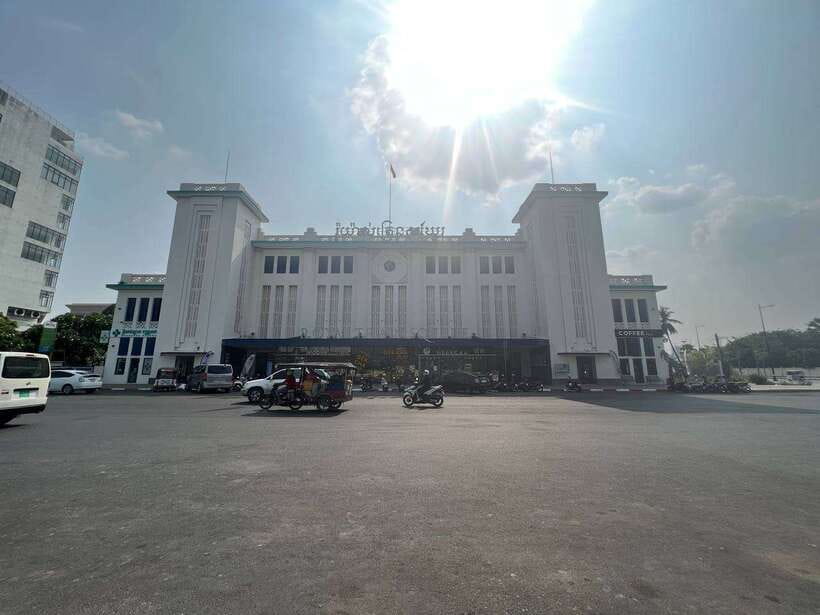
The colonial period gets a large share of the tour, and that is appropriate. French influence affected Phnom Penh’s streets, civic buildings, architectural taste, and public institutions.
You will hear about the first urban planning carried out on a French model and the later enthusiasm for Art Deco architecture. The details help you notice more than age or appearance. Look for the way a building’s design reflects the period in which it was built and the people it was meant to serve.
The tablet’s old photographs are valuable here. Some buildings may look ordinary at street level, especially when surrounded by newer development. Historical images give you a better sense of their original setting and purpose.
I would not choose this outing if your main goal is a slow architectural photography walk. The bus follows a set schedule and covers a lot of ground. But for a first orientation, it gives you a practical visual guide to the city’s older core.
Same streets, a different century:
- Lisbon: History, Stories and Lifestyle Walking Tour
★ 4.8 · 10,902 reviews - London Small Group Tour of Historical Pubs
★ 5.0 · 10,422 reviews - Prague: Oldtown, Medieval Underground & Dungeon History Tour
★ 4.3 · 10,277 reviews - Charleston’s Old South Carriage Historic Horse & Carriage Tour
★ 5.0 · 10,023 reviews
Three places you can enter
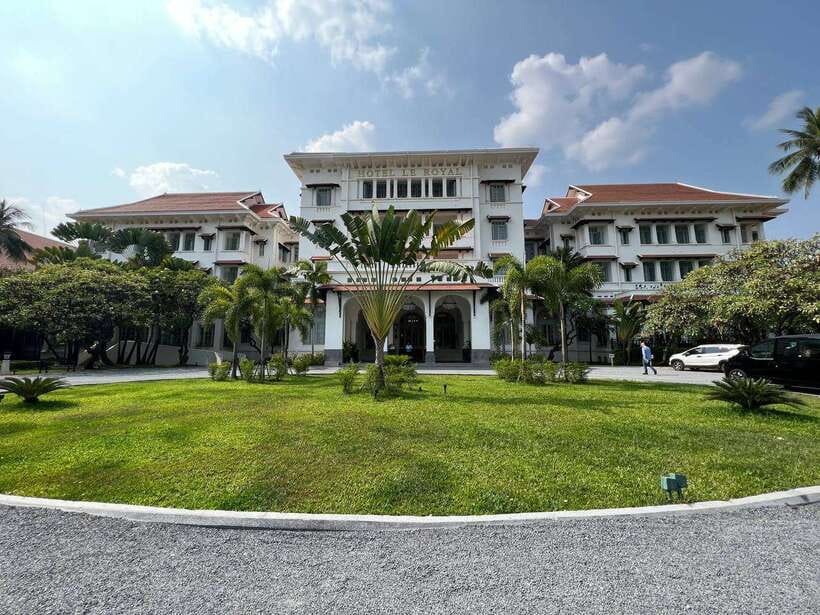
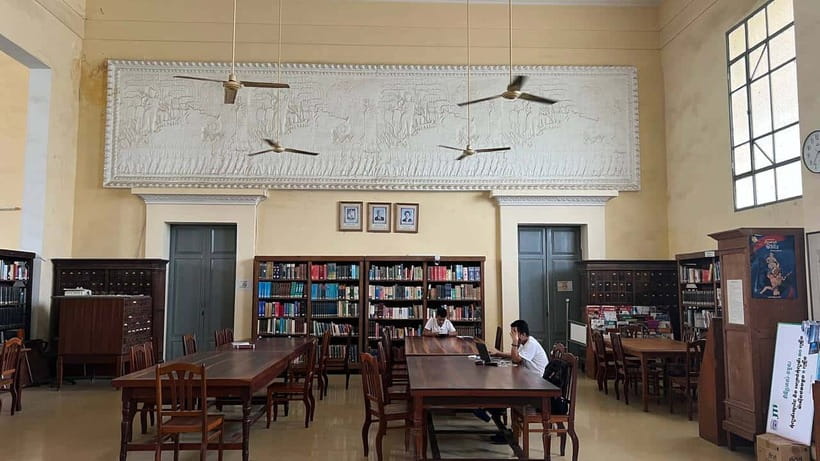
The tour includes walks into three less usual locations: an Hokkien temple, the National Library, and the Royal University of Fine Arts.
These entries make the route feel more personal than a simple drive past buildings. The Hokkien temple adds a look at the Chinese community’s place in Phnom Penh’s story. The National Library connects to the city’s intellectual and institutional life. The Royal University of Fine Arts brings attention to Cambodia’s artistic traditions and the education of artists.
The exact amount of time at each location is not specified, so you should think of these as guided visits within a larger route, not long independent explorations. Still, getting out of the bus and stepping inside gives the day a welcome change of pace.
The university visit is particularly useful for anyone interested in Cambodian art and culture. The tour does not promise a full campus or museum visit, so keep your expectations measured. Its value is in the context and access, not in spending hours at one institution.
Royal life, elite society, and the country’s darkest years
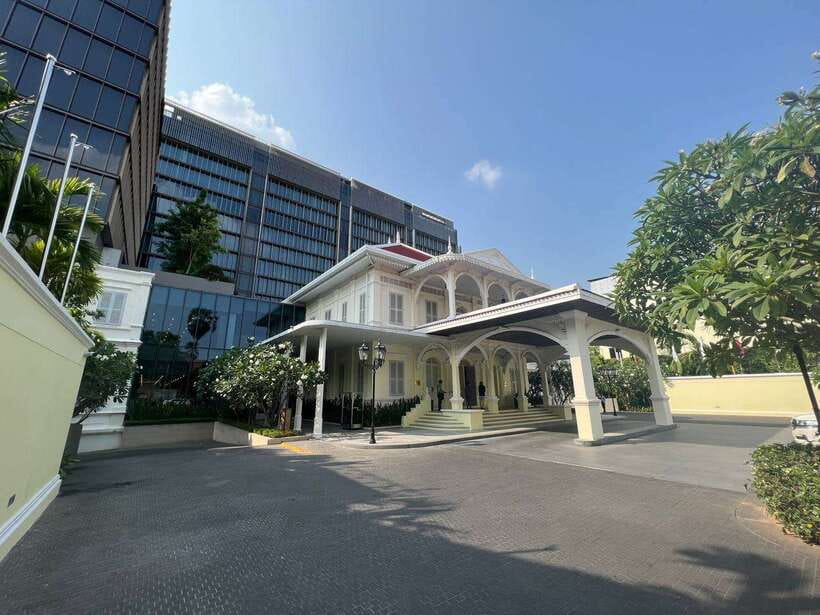
The tour also discusses the royal family and the lifestyle of Phnom Penh’s elite at the start of the twentieth century. These subjects help explain how the capital operated beyond its buildings.
You get a sense of the relationship between royal power, colonial administration, and the city’s upper social circles. That context can make later visits to the Royal Palace more meaningful, since you will have already heard how the capital’s institutions developed.
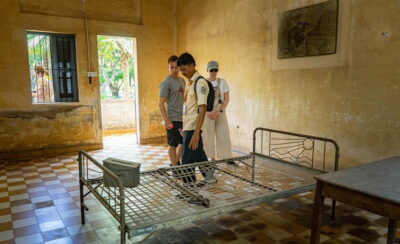
The route does not avoid Cambodia’s painful recent past. The Khmer Rouge period is included among the subjects discussed. This is important, but you should know that the tour presents the topic as part of a wider city history rather than as a dedicated visit to a memorial or former prison.
If you plan to visit sites such as the Tuol Sleng Genocide Museum or the Killing Fields separately, this tour can provide a useful starting point. It gives the subject a place within Phnom Penh’s wider story, though it cannot offer the depth of a full-day focus on the Khmer Rouge era.
Tablets, films, and audio in ten languages
Each passenger receives a tablet and headset. The audio guide is available in Cambodian, Chinese, English, French, German, Italian, Japanese, Korean, Russian, and Spanish.
The tablet is more than a basic translation device. Its films, vintage photographs, and historical anecdotes add material that may not be visible from the street. It can also provide virtual access to certain buildings that are closed to the public.
This works well for independent-minded visitors. You can follow the visual material while the guide provides live explanations in English or French. The result is a blend of guided sightseeing and self-paced background information.
The English and French-speaking guide remains important. The tablets show and explain, but a person on the route can point out details, answer questions, and add local context. French-speaking visitors are well served, and the recent French-language feedback points to especially clear explanations.
Bring patience if the technology takes a moment to get used to. You are handling a tablet and headset while moving between a vehicle and outdoor stops. The supplied bottle of water is helpful, but you should still plan for Phnom Penh’s heat.
What the guide adds beyond the screen
The strongest version of this experience is not just a bus ride with headphones. The guide adds live commentary at stops and can explain what you are seeing in real time.
One recent tour included extra explanations at many of the stops, with the guide making an effort to show more of the sites during the walks. That is worth keeping in mind when you book. The printed route may list the main subjects, but the quality of the day also depends on how actively the guide uses the stops.
No individual guide names are provided, so I cannot point you toward a particular person. You can expect an English or French-speaking instructor, with the tablet providing the wider choice of languages.
If you have questions about architecture, the royal family, colonial planning, or the Khmer Rouge period, ask them as you go. The format leaves room for conversation, especially when the group is small.
Heat, timing, and the practical trade-offs
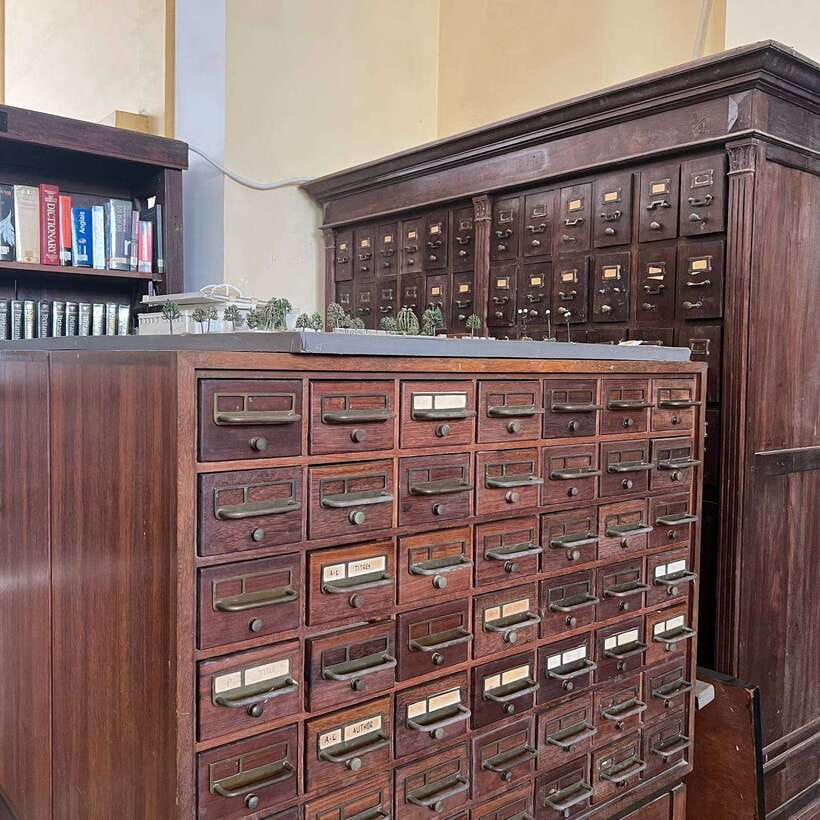
At $27 per person, I see this as a fair orientation tour rather than a cheap way to get from one place to another. The price includes the electric bus, tablet, headset, bottled water, live guide, and ten audio languages. It also includes access to three unusual interiors and a large amount of visual background material.
A private tuk-tuk with a driver may cost less for simple transport, but it will not automatically give you the same historical structure, films, old photographs, or language options. On the other hand, a private ride gives you more control over how long you stay at each place.
The 2.5-hour length is a good fit for a first morning, a hot afternoon, or a day when you want an overview before choosing your longer visits. It is long enough to cover a lot, but short enough to leave time for the Royal Palace, the riverside, or a museum afterward.
Hotel pickup and drop-off are not included. Private transportation by tuk-tuk is also not included, so check the meeting arrangements and allow time to reach the starting point. You receive a bottle of water, but food and other drinks are extra.
Cancellation is flexible, with a full refund available when you cancel at least 24 hours ahead. You can also reserve and pay later, which is useful when your Phnom Penh plans are still shifting.
Finishing near Street 240 and the riverside
The final stop is on Street 240, close to the Royal Palace and the riverside. This is a smart ending because the tour does not leave you at an isolated transport point. You can continue sightseeing on your own with a basic understanding of the city.
Street 240 also gives you a chance to change pace. After the structured route, you may want to walk, eat, shop, or simply follow the river. The tour does not include food or drinks, so this is a natural point to arrange your own break.
If you have limited time in Phnom Penh, the location makes the tour easier to combine with other central sights. Just avoid planning a tightly timed visit immediately afterward, since traffic and the pace of the stops can vary.
Who should book this experience?
I would recommend it to first-time visitors, people staying only briefly, and anyone who wants the city explained before exploring alone. It is also a good choice if heat makes a long walking tour unappealing.
History and architecture fans will get the most from the old photographs, colonial themes, Art Deco discussion, and access to places that are not usually open for casual visits. It also suits visitors who like a guide but want more visual material than a standard commentary-only tour provides.
Families and older visitors may appreciate the electric bus and regular chance to sit down. The tour still includes walking, however, so it is not a completely vehicle-based activity.
I would choose something else if you want a deep visit to a single museum, a dedicated Khmer Rouge history tour, or complete control over every stop. The route moves across a broad story, and the reward is perspective rather than extended time at one building.
Should you book the Phnom Penh Heritage Tour?
Book it if you want a clear introduction to Phnom Penh’s buildings, royal connections, colonial planning, Chinese heritage, art institutions, and modern history in one short outing. The mix of electric transport, live guiding, and tablet videos gives you more than a standard city drive.
At $27, the value is strongest when you use it to plan the rest of your stay. Note the places that deserve a second visit, then continue from Street 240 toward the Royal Palace and riverside.
Skip it only if you already know central Phnom Penh well or prefer a slow, private route. For most first visits, the 2.5-hour format is a practical way to get your bearings without spending the entire day in the heat.
FAQ
How long does the Phnom Penh Heritage Tour last?
The tour lasts 2.5 hours.
How much does the tour cost?
The listed price is $27 per person.
How many places does the tour visit?
The route includes 19 stops and introduces 22 major sites connected with Phnom Penh’s history.
What languages are available?
The live guide speaks English or French. The audio guide is available in Cambodian, Chinese, English, French, German, Italian, Japanese, Korean, Russian, and Spanish.
What is included in the tour?
The tour includes the electric bus, tablets, headsets, a bottle of water, and the audio guide.
Are hotel pickup, food, and tuk-tuk transport included?
No. Hotel pickup and drop-off, food and drinks, and private tuk-tuk transportation are not included.
Can I cancel the booking?
Yes. You can cancel up to 24 hours in advance for a full refund. You can also reserve now and pay later.
Newest history tours we have reviewed in the world
- Enjoy Ancient Mostar★ 4.0 · 45 reviews
- Private Dublin Historical and Heritage Tour by Bike★ 5.0 · 30 reviews
- Dubrovnik by Night, History, Wine & Bites★ 5.0 · 41 reviews
- Historical Walking Tour of Dublin★ 5.0 · 50 reviews
- DayTripper Dublin: A Guided City Walking Tour★ 5.0 · 90 reviews
- Ancient Old City– Finest tour of Dubrovnik★ 5.0 · 64 reviews
- Dublin LGBTQ Pride Historical and Cultural Walking Tour★ 5.0 · 91 reviews
- Interactive Living History in Dalkey Castle near Dublin City★ 5.0 · 133 reviews
Cambodia History Tours, compared.
Banteay Srei and Grand Circuit Heritage Tour from Siem Reap
Read our review →

Browse the lists this tour appears in