
Review · CAMBODIA HISTORY TOURS
Angkor Wat Sunrise & Ancient City Discovery
Angkor Wat is most magical before the heat and crowds take over. This 9-hour cycling tour gets you there in darkness, then carries you beyond the famous front towers by bike, along forest paths and quieter temple approaches. Guides such as Vannarath, Bobo, Seng, and Sihal have been praised for their history knowledge, photo help, and careful pacing.
I like the way the bicycle turns a large archaeological park into an active day rather than a string of quick stops. I also like the practical inclusions: breakfast, lunch, water, and fresh coconut juice are covered. The catch is the early start, the physical effort, and the extra $37 temple pass. Hotel pickup is provided, but hotel drop-off is not included in the stated inclusions.
Key points to know before you book
- Sunrise begins at 5:00 a.m., so prepare for a very early hotel pickup.
- Cycling links six major Angkor sights, including Angkor Wat, Bayon, Preah Khan, Tanei, Ta Prohm, and Prasat Chrung.
- A Giant or Trek mountain bike and helmet are supplied, with routes described as including asphalt, dirt roads, elevated trails, and single track.
- Meals and drinks are included, a useful advantage on a long day in the Cambodian heat.
- The group is capped at 10 people, though some departures may be very small or even private in feel.
- The $70 price excludes the one-day Angkor pass, which costs $37.
Why a bicycle makes Angkor easier to understand
The Angkor complex is not one temple with a few ruins nearby. It is a huge area of gates, walls, reservoirs, forest roads, and separate temple sites. On foot, you see one area at a time. By bicycle, you get a better sense of how the temples fit together.
I like that the ride is not treated as a race. The point is to pedal between sites, park the bike, and explore on foot with an English-speaking guide. That rhythm gives you a physical connection to the setting. You are not simply stepping out of a vehicle, taking a few pictures, and climbing back in.
The route can include paved roads, dirt roads, raised trails, and single-track sections. That variety is part of the appeal, but it also means you should be comfortable riding a bicycle for much of the day. The supplied mountain bikes are described as quality Giant or Trek models, and helmets are provided.
A maximum of 10 people keeps the group smaller than a large coach excursion. Some departures have been handled with only one booking, which can make the pace more flexible. Still, you should ask about the group size if that matters to you, since the advertised maximum does not guarantee a private ride.
More Ancient History Tours in the world:
- Colosseum: Underground and Ancient Rome Tour
★ 4.7 · 12,691 reviews - Colosseum & Ancient Rome with Arena Floor Option I Max 6 People
★ 5.0 · 3,306 reviews - Rome: Colosseum, Ancient Rome Tour or AudioGuided Tour
★ 4.4 · 2,879 reviews
Angkor Wat before breakfast
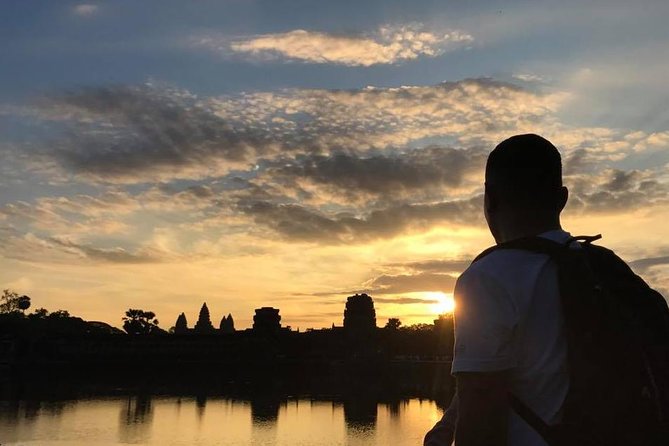
The day starts at 5:00 a.m. with hotel pickup. You reach Angkor Wat while the sky is still dark, giving you time to find a viewing position before the sun appears behind the temple.
Sunrise here is not guaranteed to produce a perfect red sky. Weather changes, and the famous reflection pool can be crowded. Even so, the early hour gives the temple a different mood. The towers emerge slowly, and the first light brings out the outlines of the galleries, causeways, and carved stone.
After sunrise, you have time to walk through the temple complex. Your guide explains the site’s history and points out architectural details that are easy to pass without context. Angkor Wat is large enough to reward patience, but that also makes the first visit tiring. The guide helps shape the visit so you are not left guessing which courtyards and chambers matter most.
Dress with care. Angkor remains an active spiritual place, and shorts or skirts above the knees and bare shoulders are prohibited in sacred palaces. Bring clothing that covers your shoulders and knees. This is not only a rule to avoid trouble at the entrance. It is basic respect for people who come here to pray and meditate.
South Gate of Angkor Thom and Prasat Chrung
From Angkor Wat, the route moves toward Angkor Thom. The South Gate is one of the most memorable entrances in the complex, with its defensive setting and large sculpted figures lining the approach.
This stop works well by bicycle because you can appreciate the road and the gate as part of one connected system. Angkor Thom was designed as a fortified city, so the walls, gates, and moat are not background decoration. They explain how the city was organized and protected.
The itinerary also includes a climb along the protection wall toward Prasat Chrung. This is one of the more active parts of the day. You should expect uneven ground and some effort, not a smooth cycle path. In return, you get a broader view across the surrounding area and a quieter setting than the main temple courtyards.
This section is a good example of why the tour is more than a standard Angkor Wat outing. It adds less obvious structures to the day. The tradeoff is that the route may feel demanding if you are not used to cycling or walking on uneven surfaces.
Bayon and the faces of Angkor Thom
Bayon is likely to be one of the day’s major visual highlights. Its towers carry the famous large stone faces, and the temple’s maze of galleries can feel close and crowded compared with the open approach to Angkor Wat.
Your guide’s role matters here. Without context, Bayon can seem like a confusing pile of towers and corridors. With an explanation of the temple’s design and carved scenes, the site becomes easier to read. Guides on this tour have been praised for pointing out small details, suggesting good photo positions, and timing visits to avoid the heaviest crowds when possible.
Do not expect to rush through Bayon in a few minutes. The temple rewards slow walking, but you will already have been awake for several hours by this point. Comfortable shoes, sun protection, and regular water breaks are important.
The bicycle stays useful even when you are off the saddle. You cover the distance between Bayon and the next sites without waiting for a vehicle or climbing into a hot seat. That flexibility is one of the strongest reasons to choose this format.
More History Tours in the world:
- New York City: American Museum of Natural History Ticket
★ 4.5 · 15,447 reviews - History and Hauntings of Salem Guided Walking Tour
★ 5.0 · 14,564 reviews - Lisbon: History, Stories and Lifestyle Walking Tour
★ 4.8 · 10,902 reviews - London Small Group Tour of Historical Pubs
★ 5.0 · 10,422 reviews
Ta Prohm, Tanei, and the forest roads
Ta Prohm is the temple most closely linked with trees growing over ancient stone. It is also one of the best-known stops in Angkor, so it can be busy. The appeal comes from the meeting of architecture and forest, with roots, galleries, and fallen blocks creating a more enclosed atmosphere than Angkor Wat.
The cycling route adds a useful contrast. Instead of treating Ta Prohm as the entire day, you ride through forest paths to reach it and then continue to another temple. The ride makes the wooded setting part of the experience rather than something viewed only from a temple doorway.
Tanei is a smaller and less famous stop. That can make it valuable for travelers who want more than the standard Angkor circuit. You might find fewer people there, but the tradeoff is that the site is less immediately dramatic than Angkor Wat or Bayon. Your guide’s explanations help give the smaller ruins a place in the wider story.
Several riders have particularly valued the off-road sections, which can include dirt tracks and single-track riding. These are not just transportation links. They add a sense of exploration, though you should be prepared for dust, bumps, and changing surfaces.
Preah Khan and the longer middle of the day
Preah Khan gives the tour another large temple complex to explore. Its corridors, courtyards, and carved stone make it a substantial stop rather than a quick photo break.
By the time you reach Preah Khan, the early start and repeated walking will be noticeable. This is where the included drinks and meals become more than a nice extra. Water is provided throughout, and fresh coconut juice offers a welcome change from plain water. Breakfast and lunch keep you from having to search for food during a tightly timed route.
The meal arrangements are practical, but you should provide any dietary requirements when booking. No detailed menu is given, so specific needs should be raised in advance rather than assumed to be covered.
Preah Khan also shows the benefit of having a guide who can adjust the pace. Vannarath has been praised for being gentle and well informed, while Bobo has been noted for handling different riding surfaces and flexible pacing. Guide assignments can change, but these names give you an idea of the service style associated with the experience.
What the 9-hour schedule feels like
Nine hours sounds long because it is long. You begin before dawn, spend time walking through major temples, ride between sites, and finish after a full morning and afternoon of activity.
The schedule works best if you want a full Angkor day and do not mind giving the temples your main focus. It is less suitable if you prefer a short sightseeing outing, dislike early mornings, or want a relaxed hotel breakfast before leaving.
The tour is not described as a technical mountain-biking expedition. Still, the mix of roads and trails means you should have basic cycling confidence. You will not be seated all day, and the route includes walking and a climb near Prasat Chrung.
The physical effort has a payoff. You see the forest between the temples, feel the distance between the ancient sites, and avoid making every transfer by vehicle. For many people, that makes Angkor feel like a place rather than a list of monuments.
What is included, and what the $70 really buys
The price is $70 per person. That includes hotel pickup, an English-speaking guide, a quality mountain bike, helmet, breakfast, lunch, drinking water, and fresh coconut juice.
The one-day Angkor temple pass is not included. Add $37 per person to the stated price, making the basic combined cost $107 before any other personal spending. That is important when comparing this tour with a vehicle-based temple tour.
The value depends on what you want from your day. If you only need transport between the main temples, a bicycle tour may offer more activity than you want. If you want a guide, a planned route, meals, drinks, and access to smaller roads and temple areas, the price is easier to justify.
Hotel pickup removes one early-morning worry. Hotel drop-off is not included in the stated inclusions, so confirm the end-of-day arrangement before booking. That small detail matters after nine hours of riding and walking.
Free cancellation is available if you cancel at least 24 hours before the start time. Changes or cancellations inside that window are not accepted for a refund.
Who should choose this Angkor cycling day
I would point active sightseers toward this tour, especially if you want Angkor Wat plus several other major temples in one day. It suits people who like moving under their own power and who enjoy seeing forest tracks between historic sites.
It also works well for solo visitors and couples who want a guide without committing to a large group. The maximum group size is 10, and a small booking may receive a more personal pace. The guide may also help with photographs, an especially useful service when you are traveling without someone to take pictures.
Families and older riders should consider the early start, heat, uneven trails, and total duration. The information says most people can participate, but that is not the same as saying the route is effortless.
Bring a camera, sunglasses, and sunscreen. Wear respectful clothing that covers the shoulders and knees. You may also want a small way to carry personal items while riding, though the supplied equipment is limited to the bike and helmet.
Should you book it?
Book this tour if you want to see Angkor actively, start with sunrise, and reach more than the usual headline temple. The strongest parts are the cycling route, the small-group limit, the guide support, and the included food and drinks.
Skip it if you want a slow, vehicle-based day or if a 5:00 a.m. start sounds miserable. Also remember the added $37 temple pass and the fact that hotel drop-off is not included in the stated package.
For an active visitor with one full day in Siem Reap, this is a well-planned way to connect Angkor Wat, Angkor Thom, Bayon, Ta Prohm, Tanei, Preah Khan, and Prasat Chrung. You will work for the experience, but you will also see how the temples relate to the forest and roads around them.
FAQ
What time does the Angkor cycling tour start?
The tour starts at 5:00 a.m. Hotel pickup is provided, so you should be ready before that start time at your accommodation.
Is the Angkor temple pass included?
No. The one-day temple pass costs $37 and must be purchased separately.
What equipment is provided?
A quality Giant or Trek mountain bike and a helmet are provided. An English-speaking guide leads the route.
Are meals and drinks included?
Yes. Breakfast, lunch, pure drinking water, and fresh coconut juice are included. You should advise the operator of dietary requirements when booking.
How many people can join the tour?
The maximum group size is 10 people. Some departures may have fewer participants.
Is hotel drop-off included?
Hotel pickup is included, but hotel drop-off is not included in the stated package details. Confirm your end-of-day arrangements before booking.
Newest history tours we have reviewed in the world
- Bilbao Historical Tour in small group★ 4.7 · 52 reviews
- Bologna: Street Food Tour in the Historic Center★ 4.8 · 125 reviews
- CEBU: Cebu City Heritage and Uphill Guided Tour★ 4.2 · 31 reviews
- Bishkek : City Tour (History, Architects, Statues & Culture)★ 4.9 · 54 reviews
- Blenheim: Omaka Aviation Heritage Centre Admission Ticket★ 4.9 · 31 reviews
- Berlin: Nazi History Walking Tour★ 4.8 · 33 reviews
- Best of Baku: 4-Hour City Tour Historic and Modern Landmarks★ 4.7 · 63 reviews
- Belfast: Best of Belfast History, Culture & Art Walking Tour★ 4.9 · 158 reviews
Ancient History Tours, compared.
Colosseum: Underground and Ancient Rome Tour
Read our review →
Colosseum & Ancient Rome with Arena Floor Option I Max 6 People
Read our review →
Colosseum, Ancient Rome Tour or AudioGuided Tour
Read our review →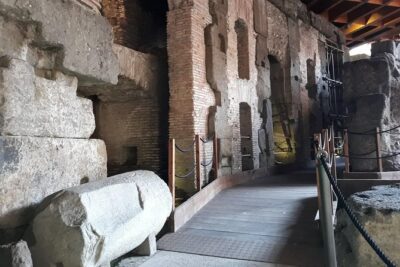
Colosseum Underground & Ancient Rome Guided Tour
Read our review →
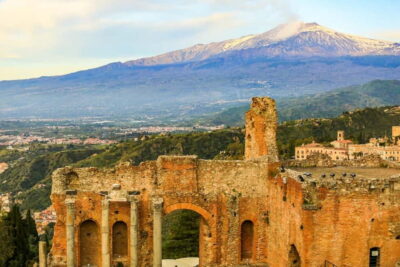
Taormina: Ancient Theater Skip-the-Line Ticket & Audio Guide
Read our review →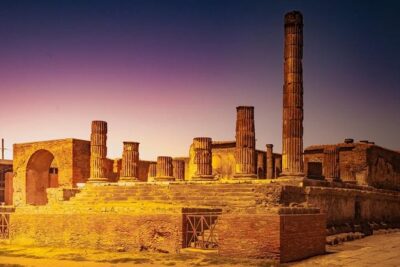
Discover the Ancient Ruins of Pompeii: Day Trip from Rome
Read our review →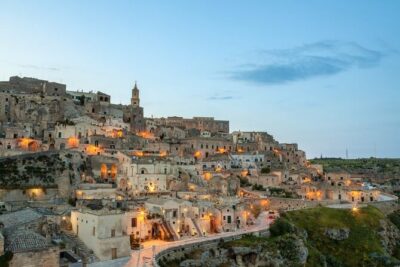
Discover Matera, the ancient city – English tour
Read our review →Browse the lists this tour appears in