Review · JAPAN HISTORY TOURS
Nara: Half-Day UNESCO Heritage & Local Culture Walking Tour
Nara’s best moments are not limited to the famous deer. This five-hour walking tour links the city’s old merchant quarter with Todai-ji Temple, Kasuga Taisha Shrine, quiet paths, and a local lunch. You get the big sights, but also a traditional home, a hilltop view, and a less crowded side of town.
I especially like the way the tour explains the relationship between Buddhism, Shinto, and sacred deer rather than treating each stop as a photo opportunity. The included lunch is another strong point, with local vegetables and fresh meat rather than a generic meal aimed at tourists. The tradeoff is simple: this is a real walking tour, and summer heat, rain, or tired legs can change the mood.
Key points to know before booking
- Two major UNESCO sites: See Todai-ji Temple and Kasuga Taisha Shrine, with entrance fees included.
- A broader view of Nara: The route includes Naramachi, a traditional merchant’s home, a quiet pathway, and a hilltop viewpoint.
- Sacred deer encounter: Your guide provides one packet of crackers so you can feed the deer in Nara Park.
- Regional lunch included: Expect a Japanese meal made with local Nara vegetables and fresh meat.
- Small-group atmosphere: The tour is offered privately or in small groups, allowing time for questions and a flexible pace.
- Plan for walking: Comfortable shoes matter, and dietary requests must be made by the day before.
Why this Nara tour works beyond the deer photos
Many half-day visits to Nara become a quick loop through the park, a few deer pictures, and a rushed look at Todai-ji. This route gives you a better sense of how the city fits together. You move from old streets and merchant buildings to temples, a shrine, wooded paths, and a meal rooted in the area.
The local guide is central to the experience. Guides named in the booking feedback include Miyabi, Matthew, Peco, Yuki, Eri, Nobu, Shin, and Yucci. Their strengths vary, but the pattern is clear: the better guides explain customs in plain English, answer unusual questions, and keep the group moving without making the day feel hurried.
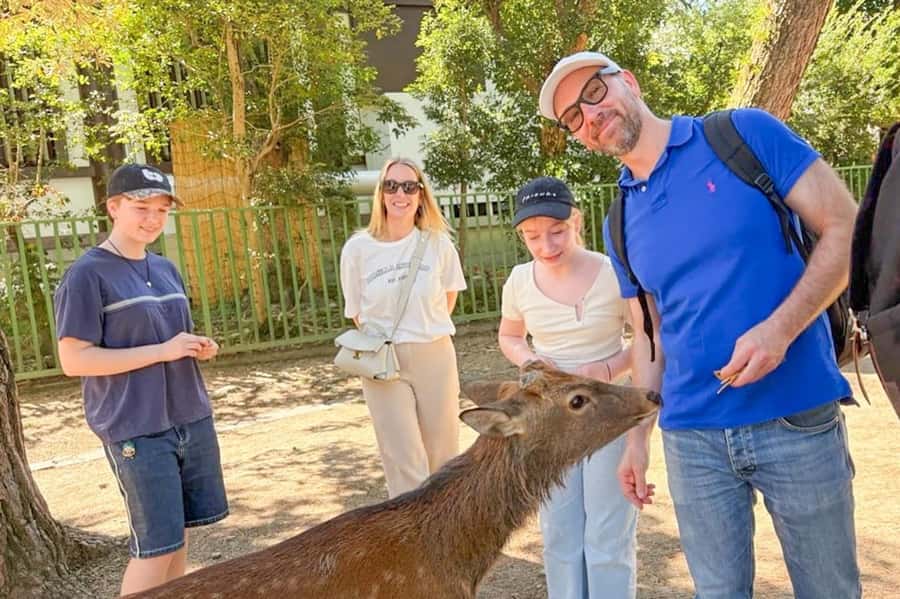
A small group also changes the tone. You can ask why a shrine uses lanterns, how to pray, or what the deer mean without holding up a busload of people. Several guides have also taken photos for solo visitors and families, a useful extra when you want a picture of everyone together.
More History Walking Tours in Japan
- Tokyo: Imperial Palace and Shogun Historical Walking Tour
★ 5.0 · 2,251 reviews - Kyoto Gion: 2-Hour Geisha Culture & History Walking Tour
★ 5.0 · 1,186 reviews - Tokyo Castle & Imperial PalaceーShogun Walking Tour
★ 4.7 · 1,068 reviews
Meeting at Kintetsu Nara Station
The tour begins in front of the Gyoki Bosatsu statue near Exit 2 or the East Exit of Kintetsu Nara Station. Do not go to JR Nara Station. The guide carries a board marked Magical Trip, and you should arrive 10 minutes early.
This location is practical for a walking day because the route starts near central Nara. The first stretch takes you through the shopping arcade and toward the historic district, giving you an immediate contrast with Tokyo or Osaka. Nara feels lower and quieter here, with older buildings and streets that reward looking up at their woodwork and lattice fronts.
The tour must start on time. That matters in Nara, where the major sites can fill with visitors and the day includes several timed stops. Wear shoes suited to pavement, temple grounds, and uneven paths. You will have short breaks, but this is not a seated sightseeing experience.
Naramachi and the old merchant town
One of the most useful parts of the route comes before the grand monuments. In Naramachi, you see an old merchant quarter with traditional buildings and enter a former merchant’s house. This gives you a look at how people lived and worked, rather than only showing you religious architecture.
The details here are easy to miss without help. Lattice work on old homes could reveal information about the kind of goods sold inside. A guide can point out how the shape and arrangement of a building connect to the neighborhood’s commercial past.
You also pause at a quiet town spot with a mysterious pyramid-shaped structure and a view over Nara from a hill. The supplied information does not identify the structure by name, so I would treat it as a visual curiosity rather than the main reason to book. Its value is the pause: after walking through the arcade, you get a calmer view before entering the busy temple area.
Kofuku-ji sets the religious scene
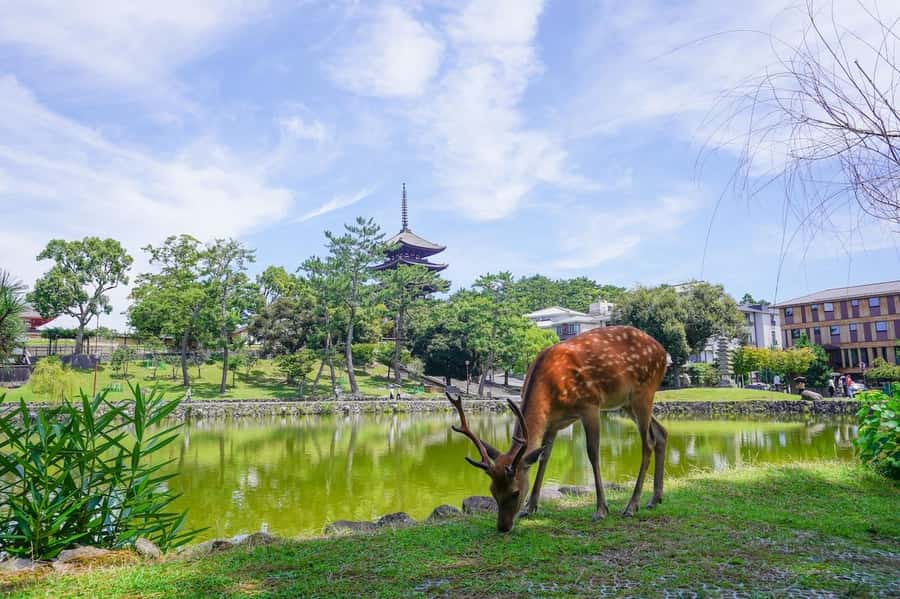
The stop at Kofuku-ji lasts about 25 minutes. It helps frame Nara as more than an old capital with attractive buildings. This is a place to begin sorting out the difference between Buddhist temples and Shinto shrines, something that can seem confusing when both appear within the same sightseeing day.
Your guide explains statues, worship customs, and the meaning behind what you see. The best part of having a guide here is not simply learning dates. It is understanding what visitors are meant to do, what a structure represents, and why religious practice in Japan can include both traditions.
Twenty-five minutes is enough for orientation and focused viewing, but not for a slow, detailed examination of every corner. If Kofuku-ji is a personal priority, you may want to return independently after the tour.
More Local Culture and Traditions Tours in Japan
- Tokyo: The Best of Izakaya in Shinjuku Food & Cultural Tour
★ 4.9 · 221 reviews - 2.5 Hour Private History and Culture Tour in Himeji Castle
★ 5.0 · 185 reviews - Kyoto: Nara & Traditional Matcha Experience Bus Tour
★ 4.9 · 185 reviews
Two hours at Todai-ji Temple
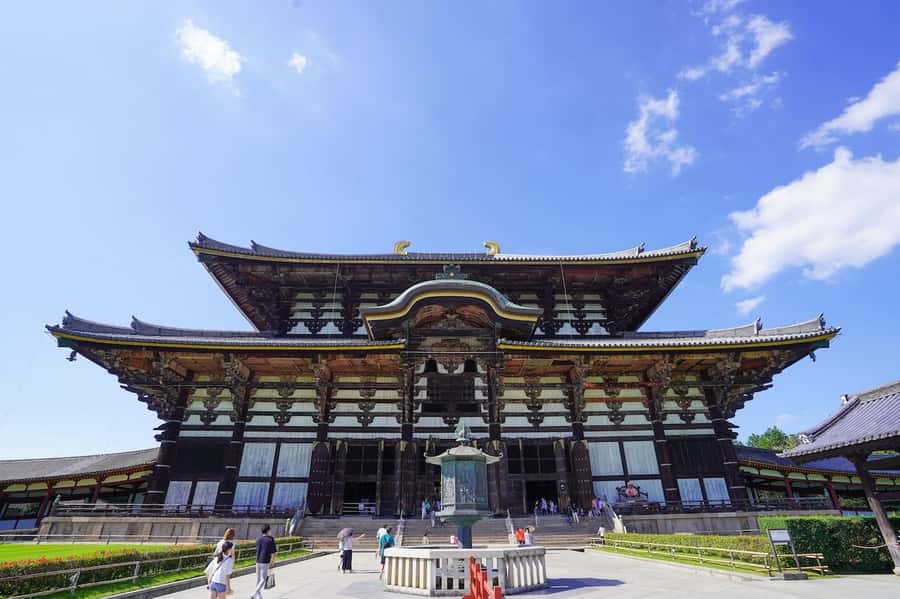
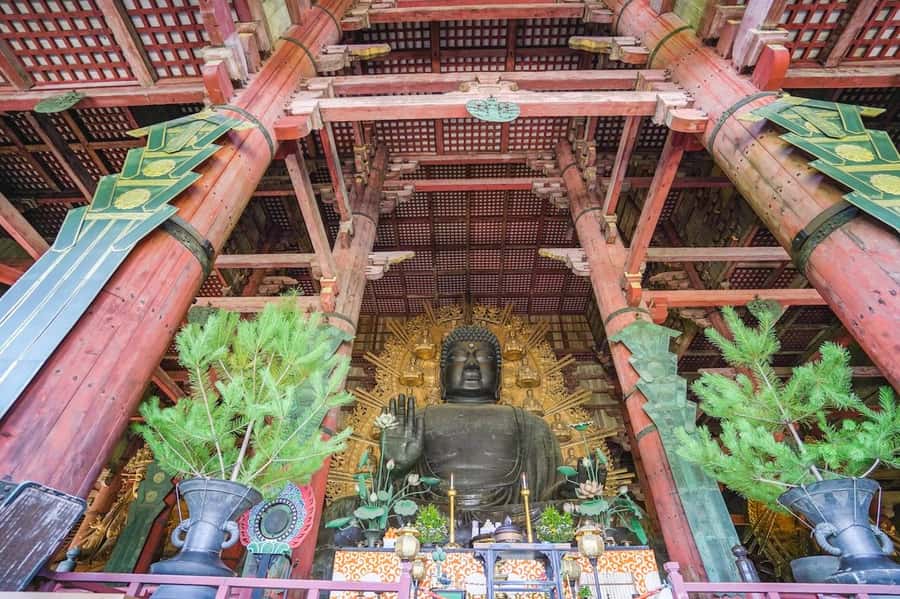
Todai-ji receives the longest scheduled visit, about two hours, and rightly so. The temple is one of Nara’s essential sights and home to a huge Buddha statue. The scale can be startling even if you have already seen grand temples elsewhere in Japan.
A guide adds useful context to the Buddha, the building, and the surrounding religious tradition. You are not left to simply walk into a large hall, take a photograph, and move on. The explanations help connect the size of the temple with Nara’s role as Japan’s first historical capital.
Two hours gives the group room to see the main hall, hear stories, and take photographs without racing. It also absorbs time that could otherwise be spent wandering freely. That is the fair compromise: you gain interpretation and structure, but the schedule is not designed for an unhurried solo visit to every building.
The temple grounds can be busy, particularly in good weather. Your guide may use quieter approaches or gather the group in less crowded spots. Still, expect plenty of people around Todai-ji. The quieter parts of the day come later, especially along the less trafficked paths.
Lunch with local Nara ingredients
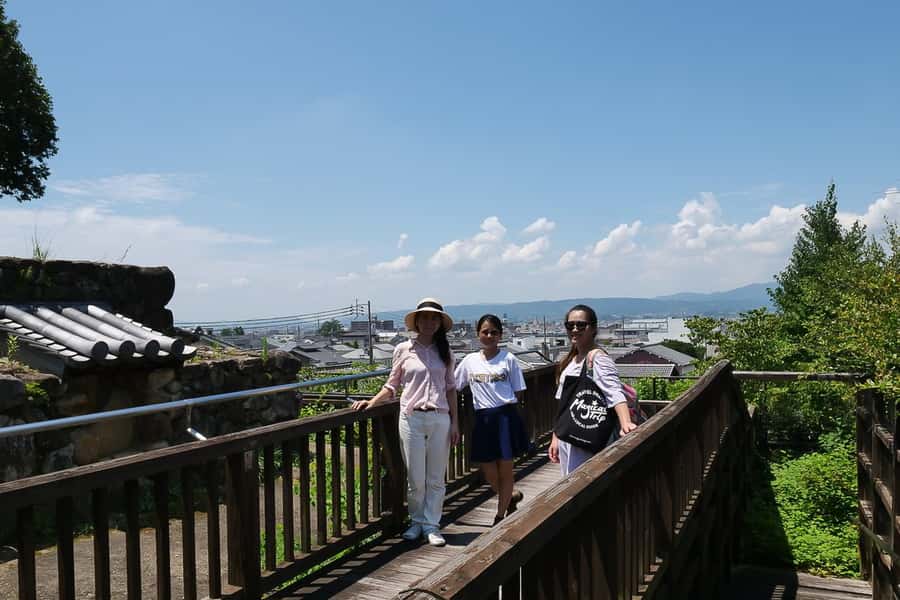
The included lunch lasts about 45 minutes at a local restaurant. It uses Nara vegetables and fresh meat, giving you a chance to eat something connected to the region rather than relying on food near a major attraction.
The meal is one of the tour’s strongest practical benefits. Finding lunch in an unfamiliar Japanese city can take time, and a group meal gives the walking day a proper pause. The food has been described as home-style and well presented, with some guides helping diners understand the choices.
Dietary planning is important. Vegans are not accepted on this activity, and the tour is not suitable for people with gluten intolerance. Vegetarian or gluten-free requests may be possible only if you contact the local partner by the day before, and requests cannot be added on the day itself. You do not need to pay for the guide’s food or drinks.
Extra snacks and drinks are not included, so carry some cash. The tour includes lunch, but it is sensible to buy water or a small snack if you prefer not to wait until the meal.
A quieter stop at 110 Zoshicho
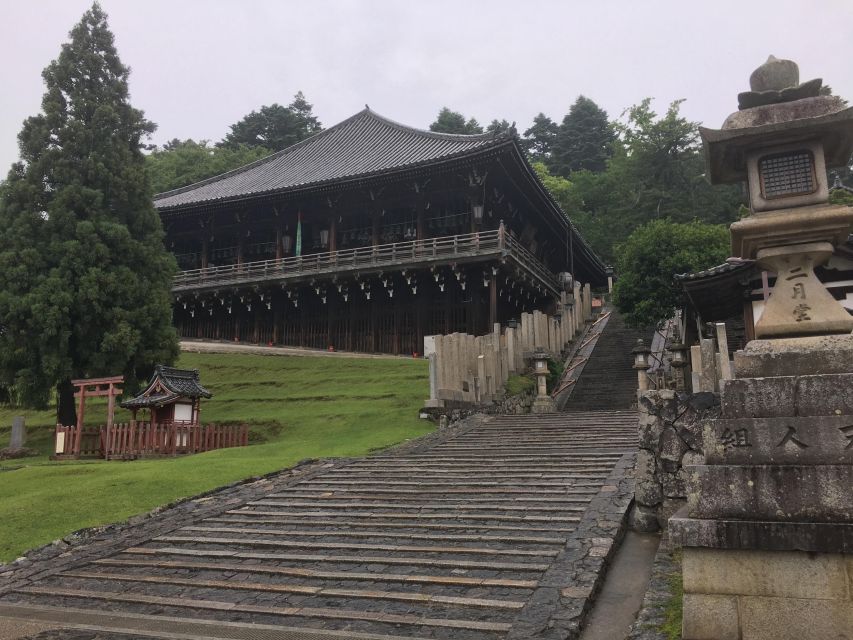
The itinerary includes a 15-minute visit at 110 Zoshicho. The supplied information does not give this stop a formal attraction name, so it is best understood as one of the route’s smaller local pauses rather than a headline sight.
That is not a weakness. A five-hour Nara walk benefits from a few stops that break up the major monuments. These shorter locations give your guide space to point out details and give you a moment to reset before Kasuga Taisha.
If you prefer a day made entirely of famous buildings, this stop may feel less important. If you want a sense of Nara beyond the standard checklist, it helps add texture.
Kasuga Taisha and its hundreds of lanterns
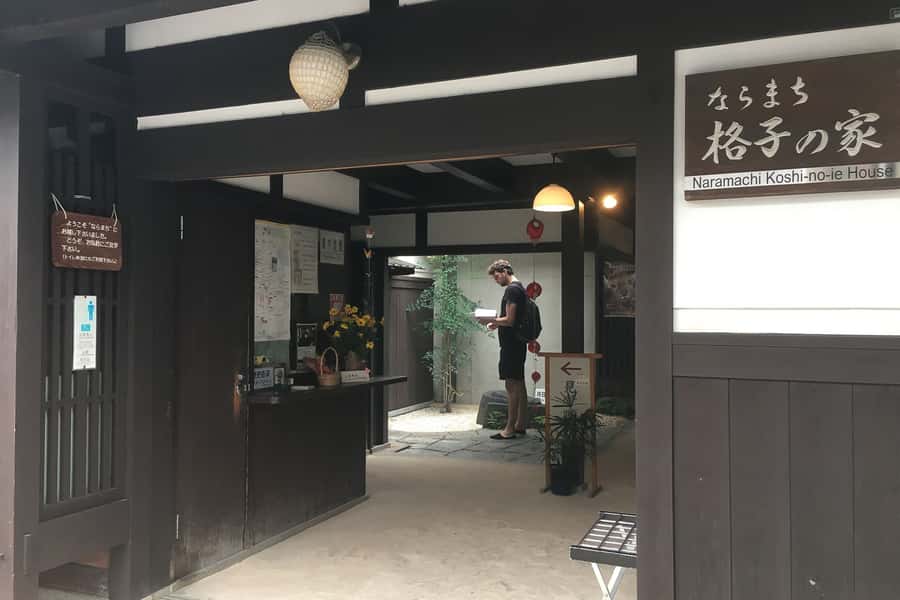
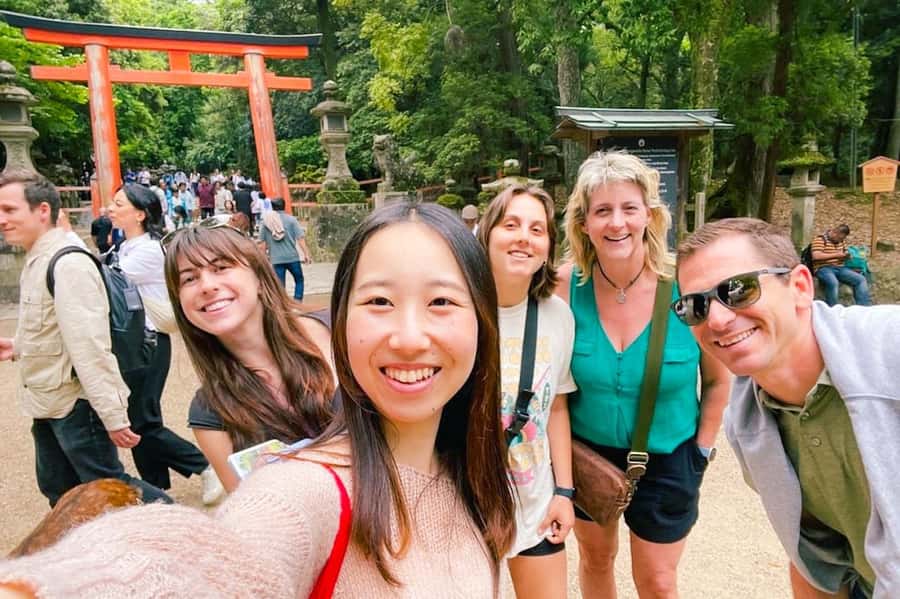
Kasuga Taisha takes about 40 minutes. This Shinto shrine is one of the day’s major UNESCO-listed sites, and its atmosphere differs sharply from Todai-ji. Instead of a giant Buddha hall, you encounter a shrine associated with lanterns, wooded approaches, and Shinto practice.
The guide explains the difference between Buddhist and Shinto spaces, including how to behave and pray. That practical instruction is valuable. You can enjoy the shrine more when you understand the cleansing ritual and the basic steps of worship, rather than copying the person in front of you without knowing why.
The hundreds of lanterns are a major visual draw. The shrine can be crowded, but the surrounding route offers a sense of quiet that the busiest areas of Nara Park sometimes lack. Forty minutes is enough for a guided look, though visitors who love shrine architecture may want extra time on another visit.
Sacred deer and the right way to feed them
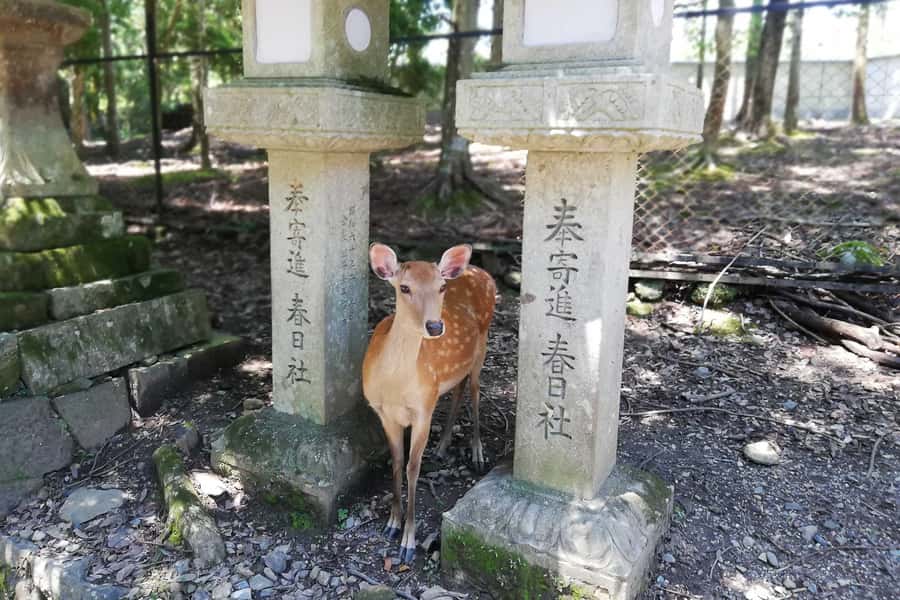
The deer are not just decorative companions for your photographs. For more than 1,200 years, local belief has treated them as sacred messengers of the divine. That background makes the encounter more interesting than a simple animal feeding stop.
The tour includes one packet of crackers. Your guide can help you approach the deer and show you how to offer the food. The deer are known for their polite bowing gesture, though you should still keep food controlled and pay attention to the animals around you.
If you plan to stay in the park after the tour, buy extra crackers early. They can sell out at the park shops, and you may have to walk back to the original shop to find more. This is a small but useful planning point, especially if feeding the deer is high on your list.
The deer area can be lively and crowded. It is also one of the most memorable parts of the tour, particularly for children and first-time visitors. Your guide may take group photos, which is helpful for solo visitors who do not want every picture to be a selfie.
Shimononegi-michi and the final walk through Naramachi
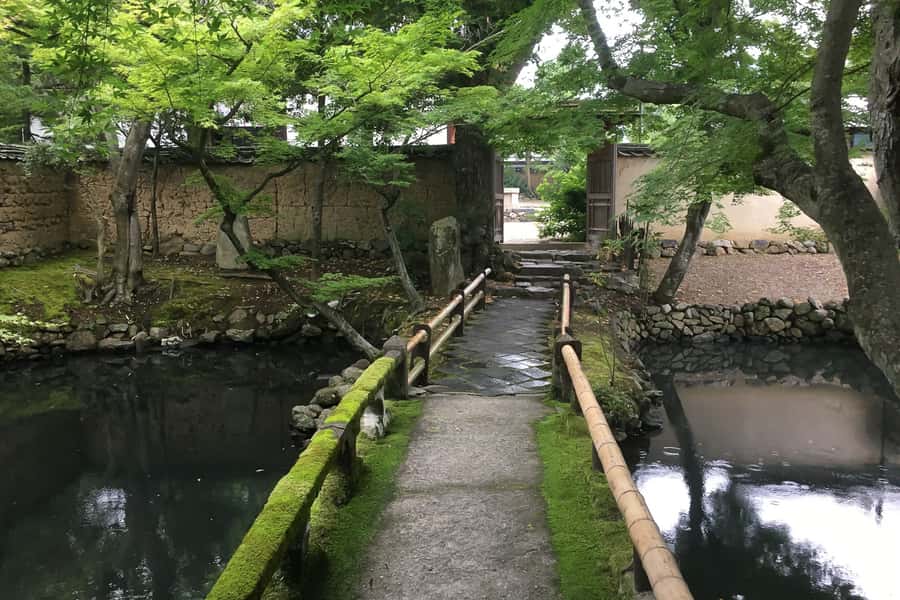
The 20-minute Shimononegi-michi Pathway is where the tour leans into its quieter side. Instead of staying on the busiest tourist routes, you walk through a less crowded section and see how Nara’s historic areas connect.
This was one of the strongest themes in the feedback about the guides. Several were praised for taking groups away from higher-traffic paths and for choosing a pleasant pace. That matters after Todai-ji, lunch, and the deer park, when a quieter walk feels much better than another packed street.
The final 20-minute stop at Naramachi Nigiwai-no-le brings the day back toward the old town. It gives you another look at the local neighborhood before returning to the Gyoki Bosatsu statue. Depending on the group and guide, you may have time for souvenirs, temple stamps, or extra questions.
Is $102 a fair price?
At $102 per person, this is not the cheapest way to see Nara. You could walk to the main sites yourself and pay only the separate entrance fees. The price makes more sense if you value interpretation, lunch, and a planned route.
The fee includes entrance to all temples and shrines visited, lunch, a packet of deer crackers, and an English-speaking guide for five hours. It also removes the small decisions that can drain time on a day trip: which entrance to use, how to connect the old town with the park, where to eat, and how to handle temple and shrine customs.
Private and small-group options are available. A private booking can make the price more worthwhile for families or couples who want the route shaped around their pace. A small group keeps the cost lower while still allowing questions and conversation.
I would not choose this tour if your main goal is to spend hours alone inside Todai-ji or to wander Nara without a schedule. I would choose it if you have one day in Nara and want a clear introduction that combines major sights with local detail.
Who should book this walking tour?
This experience suits first-time visitors, solo travelers, couples, families, and anyone who wants more context than a guidebook can offer while walking. It is especially useful for a day trip from another Japanese city because the route covers many of Nara’s key experiences in five hours.
It also works well for visitors curious about Japanese religious culture. The tour gives you Buddhist and Shinto examples in one day, with explanations of statues, lanterns, shrines, temples, and prayer customs.
You should think twice if you dislike walking, need a fully vegan meal, or cannot eat gluten. Summer can be hot, rain can make the paths less comfortable, and there are only short breaks. Tell the local partner about health concerns in advance so the pace can be considered.
The overall rating is 4.8 from 250 ratings, and the most consistent strengths are clear English, friendly guides, a relaxed pace, excellent lunch, and thoughtful route choices. Guides such as Matthew, Peco, Miyabi, and Yuki are repeatedly singled out for storytelling, photos, flexibility, and personal attention.
Should you book it?
Book this Nara tour if you want the city’s major religious sights explained in plain English, plus a good meal and a few places you might miss on your own. The combination of Todai-ji, Kasuga Taisha, sacred deer, Naramachi, and quieter paths gives you a fuller day than a simple deer park visit.
Skip it if you want complete independence, a short stroll, or a vegan and gluten-free lunch. For most first visits, though, the $102 price is reasonable because it covers admissions, food, route planning, and the local insight that turns impressive buildings into meaningful places.
FAQ
Where does the Nara walking tour meet?
Meet in front of the Gyoki Bosatsu statue near Exit 2 or the East Exit of Kintetsu Nara Station. Do not go to JR Nara Station. The guide will hold a board marked Magical Trip.
How early should I arrive?
Arrive 10 minutes before the activity begins. The tour starts on time so the group can follow the planned route.
How long does the tour last?
The tour lasts five hours. Starting times vary, so check availability when booking.
Is the tour offered in English?
Yes. The activity includes a live English-speaking guide.
Which UNESCO World Heritage Sites are included?
The tour visits Todai-ji Temple and Kasuga Taisha Shrine. Entrance fees to all temples and shrines visited are included.
Is lunch included?
Yes. Lunch is included and uses local Nara vegetables and fresh meat. Extra food and drinks are not included.
Can I request a vegetarian or gluten-free lunch?
You must contact the local partner by the day before the tour. Requests cannot be accepted on the day of the tour. The activity is not suitable for vegans or people with gluten intolerance.
Is the tour suitable for people who cannot walk far?
The tour includes substantial walking, with a few short breaks. Bring comfortable shoes and tell the local partner in advance about any health concerns.
More Half-Day Tours in Japan
- Miyajima Half-day Trip Historical Walking Tour
★ 5.0 · 284 reviews - Lima’s Vibrant Heritage: Exploring the City’s Landmarks Half-day
★ 4.5 · 581 reviews - From Ho Chi Minh: Cu Chi Tunnels Half-Day History Tour with Guide
★ 5.0 · 480 reviews - Naxos: Half-Day Guided History and Culture Sightseeing Tour
★ 4.7 · 435 reviews
More UNESCO World Heritage Tours in Japan
- World Heritage Shirakawa-go and Experience Tours from Kanazawa
★ 5.0 · 4,049 reviews - World Heritage Kyoto & Nara Uji Authentic Matcha Experience
★ 5.0 · 1,573 reviews - Kanazawa: World Heritage Shirakawa-go Morning Guided Tour
★ 4.9 · 988 reviews - Hiroshima Peace (Heiwa) Walking Tour at World Heritage Sites
★ 5.0 · 872 reviews
Newest history tours we have reviewed in Japan
- Authentic Sapporo: Nijo Market Seafood Lunch & History Tour★ 4.8 · 20 reviews
- Asakusa: 3.5-hour Big-picture History Walk★ 4.7 · 39 reviews
- Asakusa: A Big-picture History Walk to Know Japan★ 4.6 · 77 reviews
- 2.5-Hour Nagoya Tour: Castle History, Local Food & City View★ 4.5 · 36 reviews
- 1-Day Tour from Nagoya: Hiking the Historic Nakasendo Trail★ 4.9 · 34 reviews
- From Tokyo: Nikko World Heritage Sight Full Day Private Tour★ 4.9 · 127 reviews
- From Tokyo: Nikko World Heritage Site Private Full-Day Trip★ 4.9 · 243 reviews
- Tokyo: Nikko World Heritage Private Day Trip Hotel Pick-up★ 4.8 · 145 reviews
UNESCO World Heritage Tours, compared.
World Heritage Shirakawa-go and Experience Tours from Kanazawa
Read our review →
Bali: Tanah Lot UNESCO World Heritage Sites Full-Day Tour
Read our review →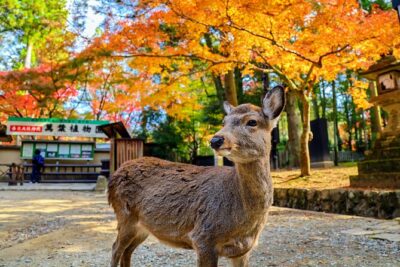
World Heritage Kyoto & Nara Uji Authentic Matcha Experience
Read our review →

UNESCO’s Ayutthaya Historical Park: Full-Day Tour from Bangkok
Read our review →
Rotterdam: Kinderdijk UNESCO World Heritage Entry Ticket
Read our review →