
Review · KYOTO HISTORY TOURS
Kyoto: Nara & Traditional Matcha Experience Bus Tour
The best part of this day is the contrast: Nara’s free-roaming deer and enormous Buddha in the morning, then the quieter tea town of Uji in the afternoon. You get temples, a shrine, a hands-on food experience, and time to browse shops without changing trains or figuring out local buses.
I like the way the tour joins three major World Heritage sites with a real activity. I also like the human touch from guides such as Nanami, Mai, At-chan, and Yuta, who use simple Japanese lessons, visual aids, and practical help to keep the day friendly and easy to follow. The main drawback is the pace: eight and a half hours is a long day, and the walking, stairs, hills, crowds, and fixed departure times will not suit everyone.
Key points to know before booking
- Three major cultural stops in one day: Visit Kasuga Taisha, Todaiji Temple, and Byodoin Temple, all tied to the ancient Nara and Kyoto area.
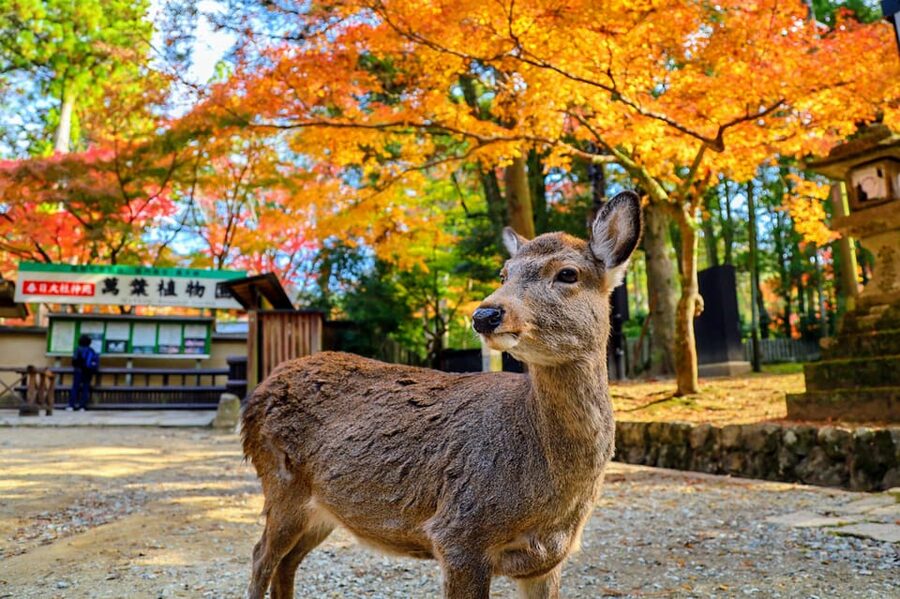
- The deer are genuinely wild: You can buy rice crackers and feed them, but they may crowd around you and can nip.
- Todaiji is the morning centerpiece: Its Great Buddha Hall is one of the world’s largest wooden buildings.
- Uji gives the day a hands-on finish: You make matcha from finely ground tea leaves rather than simply drinking a prepared cup.
- The coach saves time: Air-conditioning, free Wi-Fi, and included temple admissions make the $122 price easier to assess.
- The guide can shape the day: Guides including Nanami, Mai, At-chan, Rina, Tsubasa, and Yuta have been praised for clear commentary, Japanese language help, and care with directions.
Why this Nara and Uji combination works
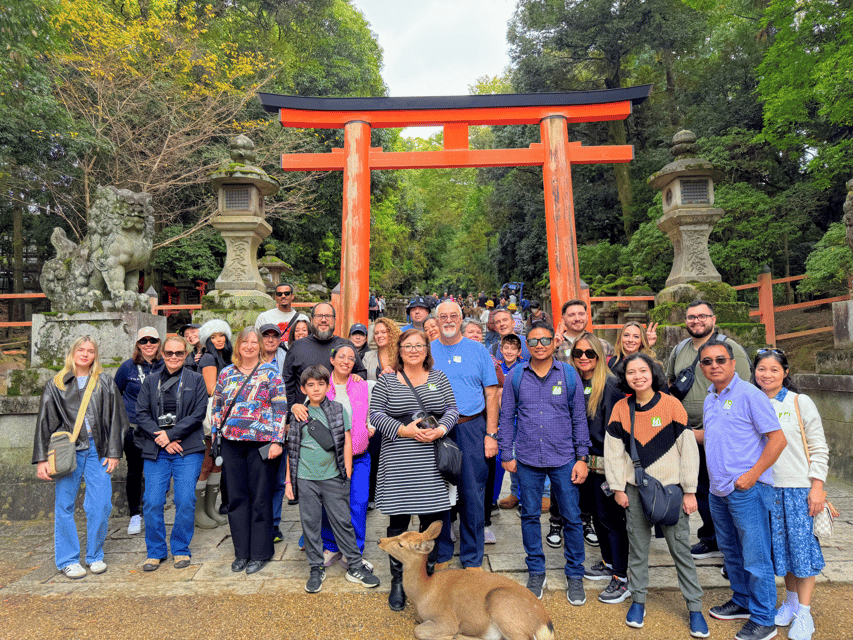
Kyoto has enough famous temples to fill several days, but Nara and Uji offer a useful change of pace. Nara feels open and spacious around its park, with deer moving between visitors, stone lanterns, and temple grounds. Uji is more focused on tea, river-town streets, and one of Japan’s most recognizable Buddhist buildings.
This tour is built for you if you want to see the main sights without planning two separate day trips. The coach leaves Kyoto at 8:00 AM and returns to the same area after roughly 510 minutes. Along the way, the guide adds historical context and often teaches basic Japanese words, numbers, or useful phrases.
The $122 price includes transport, a professional English-speaking guide, admission to Todaiji and Byodoin, and the matcha-making activity. Lunch is included only if you select that option. For a self-guided day, train fares, local transport, admission tickets, and planning time would still add up, so the price is reasonable if you value structure and commentary.
You give up some independence, of course. You cannot linger for an hour at one shrine and skip another without affecting the group. Traffic can also change the order of the stops. Still, for a first visit to the area, the mix is unusually broad without feeling like a simple bus ride past the sights.
More Local Culture and Traditions Tours in Japan
- Kyoto Gion: 2-Hour Geisha Culture & History Walking Tour
★ 5.0 · 1,186 reviews - Nara: Half-Day UNESCO Heritage & Local Culture Walking Tour
★ 4.8 · 250 reviews - Tokyo: The Best of Izakaya in Shinjuku Food & Cultural Tour
★ 4.9 · 221 reviews
Starting at Kyoto Station before 8 AM
The meeting point is in front of Tully’s Coffee at the Kyoto Avanti store, at 31 Higashikujo Nishisannocho. Check-in is at 7:50 AM, with departure at 8:00 AM. Look for the green and white Japan Panoramic Tours flag.
Kyoto Station is large, and the meeting point can be confusing if you are crossing from the wrong side of the station. Give yourself extra time. One person had to cut across the station to reach the café, so this is not a meeting point to approach casually at 7:58 AM.
There is no hotel pickup or drop-off. Late arrivals and no-shows do not receive a refund, so a nearby hotel or an early train connection will make the morning much less stressful.
Once aboard, you have an air-conditioned coach with free Wi-Fi. The bus is regularly ventilated and treated with an antibacterial coating. The ride toward Nara takes about an hour, with views and commentary passing the direction of Fushimi Castle and the former Heijokyo palace area.
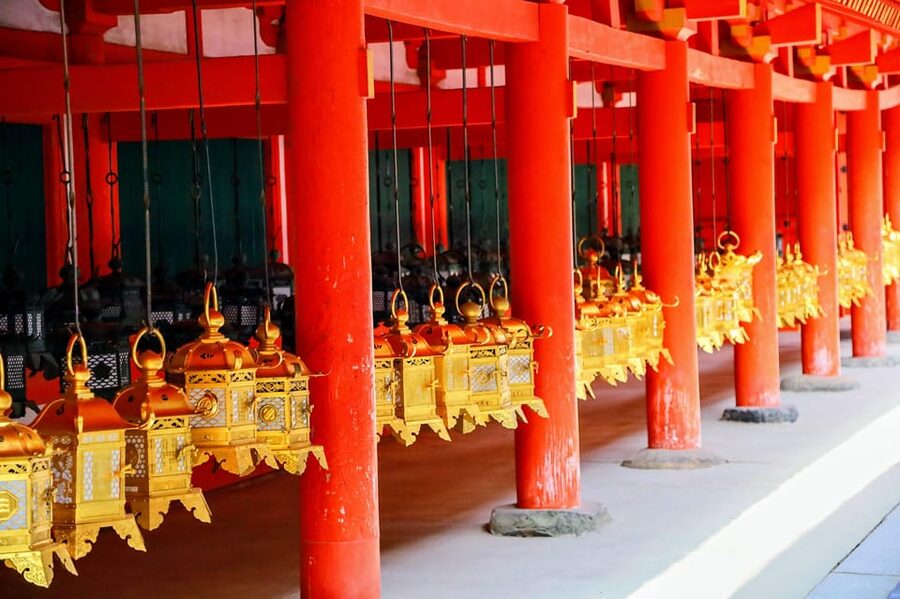
Kasuga Taisha and its 3,000 lanterns
Kasuga Taisha is listed as a 30-minute visit, so you should expect a focused walk rather than a slow exploration of every corner. The shrine is known for its many stone lanterns, with roughly 3,000 spread through the grounds and approaches.
This is a good early stop because it sets up the religious character of Nara before you reach the larger temple and deer park. The lanterns give the shrine a distinct mood, and your guide can explain the role of Shinto shrines, purification, and customary behavior.
Thirty minutes goes quickly. I would listen closely during the introduction, then use your free time for photographs and a short look around. Comfortable shoes matter from the start, since the day includes stairs, slopes, and uneven walking routes.
The exact order can change with traffic, weather, or local operations. Do not worry if Kasuga Taisha comes before or after another Nara stop. The important point is that the tour allows you to see the shrine without spending your morning working out how to reach it.
Nara Park and the deer encounter
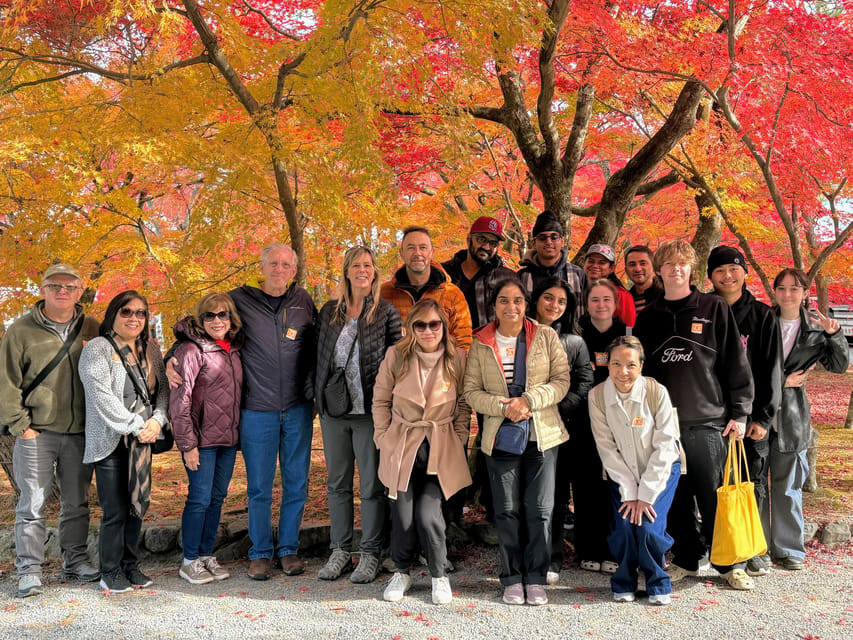
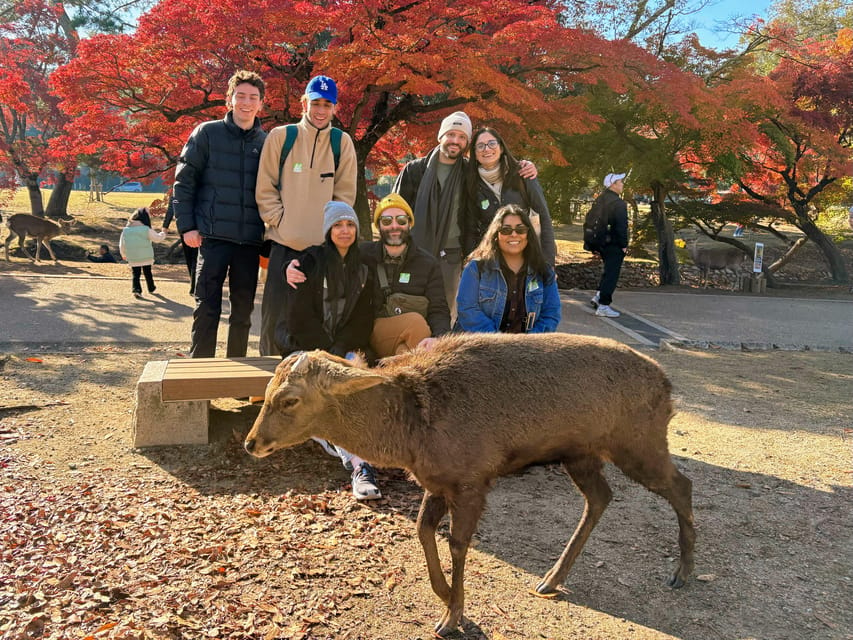
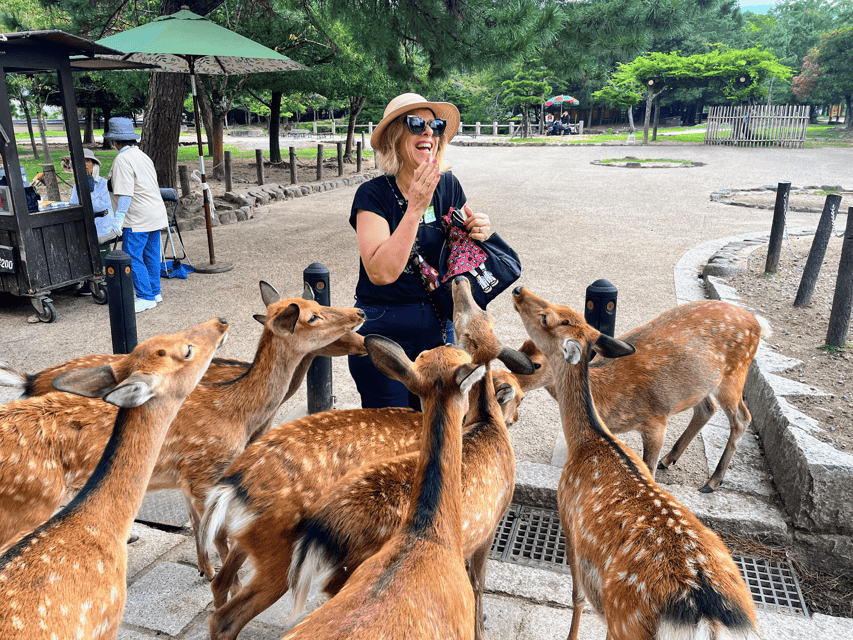
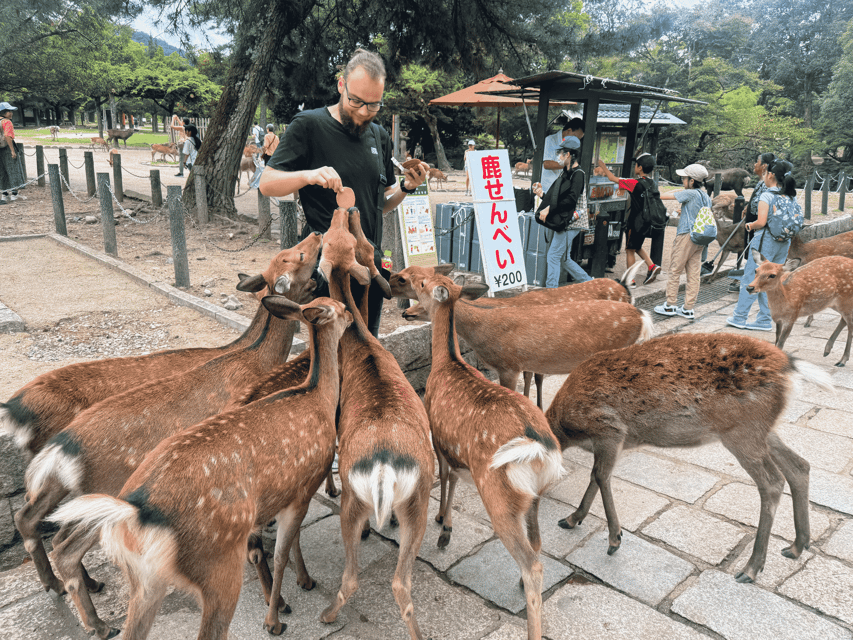
Nara Park is the most playful part of the day, but it is not a petting zoo. The deer are wild, accustomed to people, and free to wander. You can buy special rice crackers from roadside stalls and offer them to the deer.
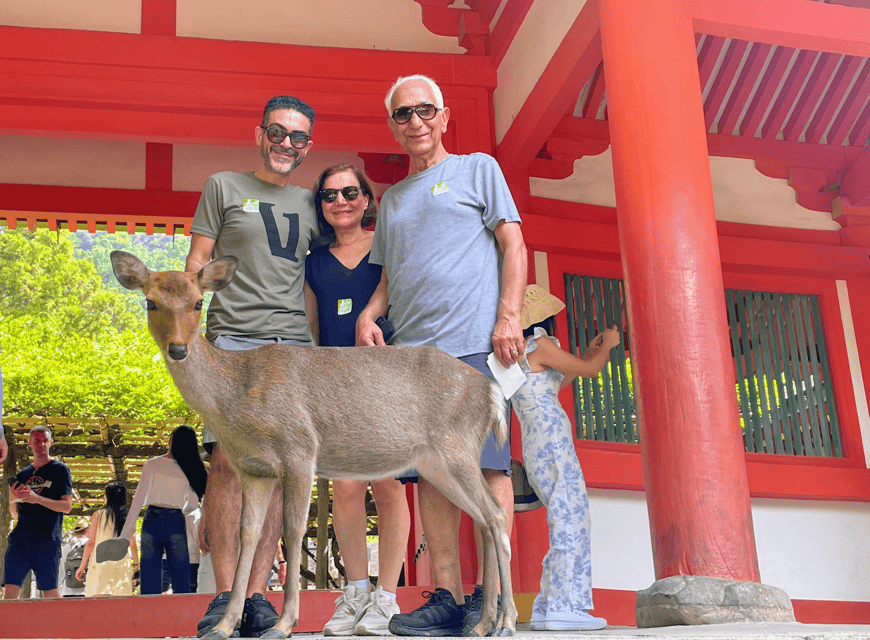
Some deer bow when they want food, which makes for an entertaining photograph. They can also crowd close, tug at clothing, or nip, as one guide warned with good reason. Keep food away until you are ready, feed calmly, and show empty hands when the crackers are gone.
The scheduled park visit is about 30 minutes. That gives you enough time to meet the deer and take photographs, but not necessarily enough time to roam far through the park. Stay aware of the meeting instructions. Nara Park is open and busy, and it would be easy to focus on an especially charming deer and lose track of the group.
For families, this stop can be the highlight. Children get a memorable encounter with Japanese wildlife, while adults often enjoy the strange combination of ancient temple grounds and deer wandering beside the path. Just keep small children close and avoid treating the animals like tame pets.
Same streets, a different century:
- Kyoto: Fushimi Inari, Kinkakuji, Bamboo Grove 1 Day Bus Tour
★ 4.8 · 4,316 reviews - World Heritage Shirakawa-go and Experience Tours from Kanazawa
★ 5.0 · 4,049 reviews - Tokyo: Imperial Palace and Shogun Historical Walking Tour
★ 5.0 · 2,251 reviews - World Heritage Kyoto & Nara Uji Authentic Matcha Experience
★ 5.0 · 1,573 reviews
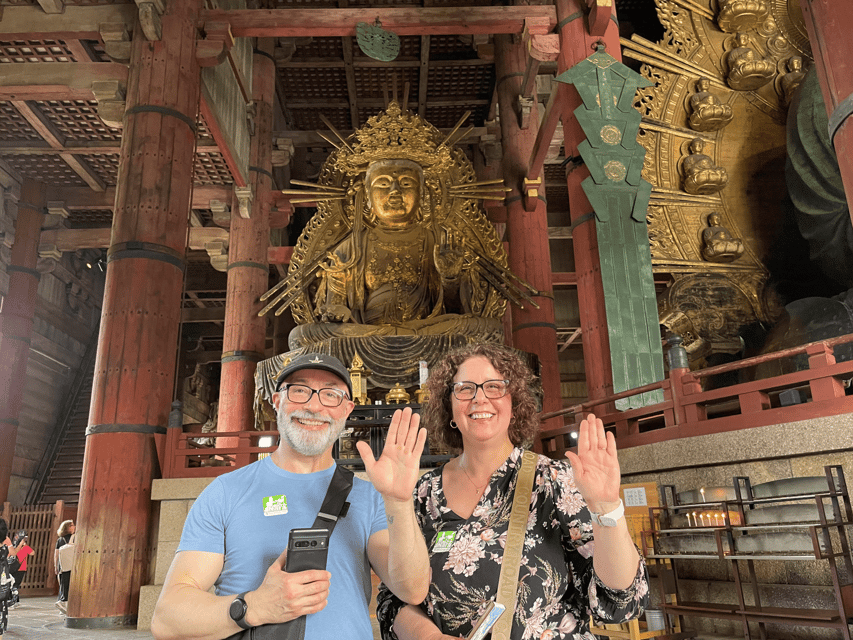
Todaiji and the Great Buddha Hall
Todaiji is the major architectural stop in Nara. The central Daibutsuden, or Great Buddha Hall, houses the Great Buddha statue and is recognized as one of the world’s largest wooden buildings.
The admission fee is included, which is helpful because this is one of the places you most want to enter rather than simply photograph from outside. Your guide will lead you toward the main sights, then provide time to look around and take in the scale of the hall.
The scheduled visit is about 50 minutes. That is enough for a meaningful first visit, especially when your guide points out what you are looking at, but it is not a full study of the entire Todaiji complex. If you enjoy reading every sign or exploring side buildings, you may wish for more time.
Still, the fixed schedule has a benefit. You get to see one of Japan’s essential sights without spending half a day navigating Nara’s large temple grounds. Guides such as At-chan, Nanami, and Yuta have been praised for adding cultural context instead of simply leading the group from gate to gate.
The lunch break and what to choose
After Nara, the coach heads toward Uji. The day includes a 50-minute lunch break at a local restaurant. A Japanese lunch is available as an optional add-on, so check your booking choice carefully rather than assuming food is included.
The meal option makes sense if you want an organized break and a traditional Japanese dish without searching for a restaurant during a tight schedule. It also keeps the group moving on time. If you prefer to choose your own food, select the tour without lunch and budget for your own meal and drinks.
Vegetarian arrangements can be made up to two days before the tour date. Last-minute bookings receive the regular meal, so dietary needs should be handled early. Additional food and drinks are not included.
Fifty minutes is a practical lunch window, but it is not an extended meal. Bring water, especially in warm weather. You should also carry some cash for snacks, drinks, deer crackers, and purchases in Uji.
Byodoin Temple and the Phoenix Hall on the 10-yen coin
Byodoin Temple is in Uji, the area most closely associated with Japanese tea. Its Phoenix Hall is depicted on the 10-yen coin, making this a satisfying stop for anyone who has handled Japanese currency but never connected the image with a real place.
The temple visit is scheduled for about an hour, and admission is included. Byodoin has a different feel from Todaiji. Todaiji impresses through size and the Great Buddha, while Byodoin is closely tied to symmetry, water, gardens, and the elegant Phoenix Hall.
Your guide can help you understand why this building appears so often in Japanese visual culture. You will have time for photographs and a walk through the grounds, though the tour does not promise a private or extended visit inside every part of the complex.
Uji is also less frantic than Kyoto’s most famous central sights. That matters late in the day, when a quieter setting and a slower look at the temple can feel welcome after the movement of Nara.
Making Uji matcha from scratch
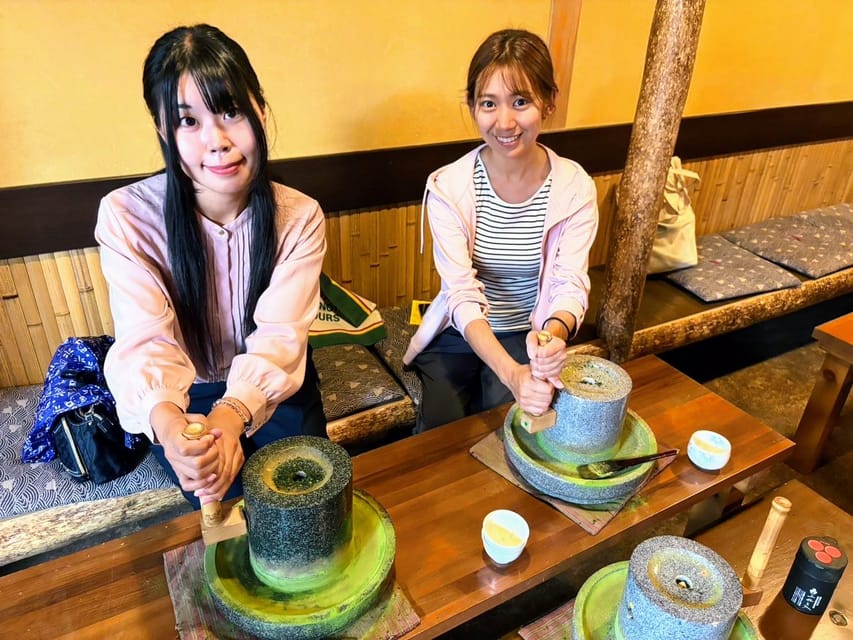
The hands-on matcha session is what keeps this from being just another temple circuit. Matcha is powdered green tea made from finely ground tea leaves. In Japan it is used not only in tea ceremonies but also in sweets and cooking.
Here, you make the matcha yourself. The experience gives you a better sense of the work behind the drink and the care involved in preparing it. Your own cup may taste especially satisfying because you have prepared it from the beginning.
The session is part of roughly 70 minutes in Uji, which also includes free time. That leaves room to browse small shops, look for tea, and choose souvenirs. Uji is a good place to buy matcha products because tea is central to the area rather than simply a souvenir theme added to a sightseeing stop.
The activity is not presented as a formal, silent tea ceremony. It is a practical matcha-making experience. That makes it approachable for first-time visitors and families, though anyone hoping for a long, highly ceremonial performance should set expectations accordingly.
What the guides add to the day
The guide is one of the most important parts of this experience. The stops are famous, but a crowded temple can be hard to understand without context. An effective guide helps you notice details, keeps the group on schedule, and makes the bus rides useful.
Several guides have been particularly praised for their style. Nanami is known for clear explanations and careful group management. Mai has used handmade visual material and Japanese counting lessons to make the information easier to remember. At-chan has helped people find specific tea shops during free time and offered tips on basic Japanese.
Yuta has been praised for his cultural explanations and fluent English, while Tsubasa added language lessons and kept the schedule moving. Rina and Den have also been described as especially helpful when people needed directions or fell behind.
Guide assignments can change, so you should not book on the assumption that one particular person will lead your departure. The useful pattern is clear: expect live English commentary, practical assistance, and a friendly teaching style rather than a silent transfer between sights.
A multilingual audio guide is also available in French, German, Italian, Portuguese, Spanish, and Ukrainian. English is provided live by the guide. Audio headsets are included for the other listed languages.
Comfort, walking, and the long-day tradeoff
The air-conditioned coach is a major part of the value. You avoid several train and bus changes, get a seat between sites, and have free Wi-Fi during the rides. The vehicle is regularly ventilated, which is welcome after walking around Nara.
The day still asks a lot of your legs. You will walk through shrine and temple grounds, use stairs, and encounter hills. The tour is not suitable for wheelchair users or people with mobility impairments. Comfortable shoes are essential.
The schedule also leaves limited room for delay. Traffic, weather, and operational changes can alter the order or lead to an alternative stop if a site closes. That is normal for a full day covering several towns, but it means you should not plan a fixed evening reservation too close to the return time.
The coach returns to the Tully’s Coffee meeting area near Kyoto Station after the Uji portion. You should expect to finish in the late afternoon or early evening, depending on traffic.
Is the $122 price good value?
At $122 per person, the tour is not the cheapest way to reach Nara. You are paying for convenience, an English-speaking guide, two temple admissions, the matcha activity, and a full day with the major decisions already handled.
The value improves if you want to see both Nara and Uji in one day. Doing that independently requires careful timing, separate train planning, local navigation, admission tickets, and a way to reach the matcha experience. The coach also gives you a place to rest between stops.
The lunch option is separate, so include it in your calculation if you want the organized Japanese meal. You will also want cash for drinks, snacks, deer crackers, and shopping in Uji.
I would not choose this tour if your priority is slow photography, long temple visits, or complete freedom. I would choose it if you want a well-organized first look at Nara and Uji, with enough explanation to understand what you are seeing.
Who should book this tour?
This is a strong choice for first-time visitors to Kyoto who want more direction. It suits couples, families, and solo visitors who would rather spend the day seeing major sights than managing transport.
It is also a good fit if feeding the deer is high on your list and you want a tea experience with active participation. The Japanese language tips from guides such as Mai, Nanami, At-chan, and Yuta can make the day feel more personal.
You should think twice if you dislike early starts, group schedules, or walking on hills. Visitors with mobility limitations should not book this particular route. The day covers a lot, and its strength is variety rather than depth.
Cancellation is free up to 24 hours in advance, and reserve-now, pay-later booking is available. Those policies help if your Kyoto plans are still changing, but they do not protect late arrival at the morning meeting point.
Should you book it?
Book this tour if you want Nara’s deer and Todaiji, then Uji’s tea culture, in one carefully arranged day. The mix is more interesting than a standard temple-only outing, and the matcha session gives you something to do rather than simply another place to photograph.
Skip it if you want to set your own pace or spend most of the day at one temple. For everyone else, the combination of included admissions, coach transport, strong guide support, and a hands-on tea activity makes the $122 fare fair, especially on a first Kyoto visit.
FAQ
How long does the Nara and matcha tour last?
The tour lasts 510 minutes, or about eight and a half hours. It departs at 8:00 AM and returns to the Tully’s Coffee area near Kyoto Station after the Uji visit.
Where does the tour meet?
Meet in front of Tully’s Coffee at the Kyoto Avanti store, 31 Higashikujo Nishisannocho, Minami Ward, Kyoto. Check-in is at 7:50 AM, and the green and white Japan Panoramic Tours flag identifies the meeting point.
Is lunch included?
Lunch is included only when you select the lunch option. The tour includes a 50-minute lunch break at a local restaurant, but additional food and drinks are not included.
Can vegetarian meals be arranged?
Yes. Vegetarian meal arrangements can be made up to two days before the tour date. Last-minute bookings receive the regular meal.
Which sights are included?
The itinerary includes Kasuga Taisha Shrine, Nara Park, Todaiji Temple, Byodoin Temple, and the Uji matcha experience. Todaiji and Byodoin admission fees are included.
Are the deer safe to feed?
The deer are wild, and you can feed them special rice crackers sold near the park. They may crowd around you or nip, so feed them carefully and keep food away once the crackers are finished.
Is the tour suitable for wheelchair users?
No. The tour includes stairs and hills and is not suitable for wheelchair users or people with mobility impairments.
What languages are available?
The live tour guide speaks English. Audio guides are available in French, German, Italian, Portuguese, Spanish, and Ukrainian.
Newest history tours we have reviewed in Japan
- Authentic Sapporo: Nijo Market Seafood Lunch & History Tour★ 4.8 · 20 reviews
- Asakusa: 3.5-hour Big-picture History Walk★ 4.7 · 39 reviews
- Asakusa: A Big-picture History Walk to Know Japan★ 4.6 · 77 reviews
- 2.5-Hour Nagoya Tour: Castle History, Local Food & City View★ 4.5 · 36 reviews
- 1-Day Tour from Nagoya: Hiking the Historic Nakasendo Trail★ 4.9 · 34 reviews
- From Tokyo: Nikko World Heritage Site Private Full-Day Trip★ 4.9 · 243 reviews
- Tokyo: Nikko World Heritage Private Day Trip Hotel Pick-up★ 4.8 · 145 reviews
- 2.5 Hour Private History and Culture Tour in Himeji Castle★ 5.0 · 185 reviews
Local Culture & Traditions Tours, compared.

Amsterdam Food and Cultural Tour with Tastings
Read our review →
Sevilla Food Tour: Tapas, Wine, History & Traditions
Read our review →
Tromsø: Reindeer Camp and Sami Cultural Tour with Lunch
Read our review →
Half Day Dominican Republic Cultural Tour : Small Group
Read our review →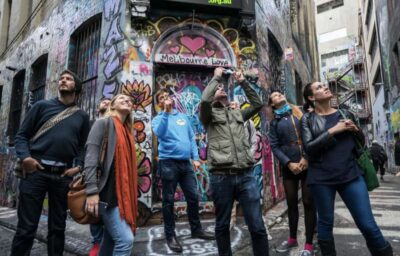
Ultimate Melbourne Walking Tour: History, Laneways & Culture
Read our review →
Tromsø: Sámi Reindeer Sledding and Sami Cultural Tour
Read our review →
Kyoto Gion: 2-Hour Geisha Culture & History Walking Tour
Read our review →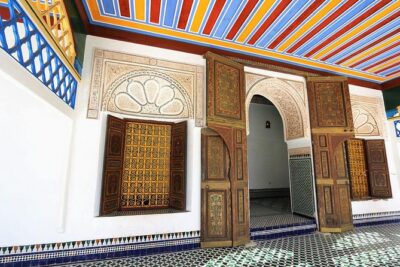
Marrakech Historical and Cultural Tour – Half Day City Tour
Read our review →Browse the lists this tour appears in