
Review · JAPAN HISTORY TOURS
Nara: Bike Tour in Ancient Capital UNESCO World Heritage
Nara’s Heijo Palace site is broad, quiet, and easy to underestimate on foot. A bicycle lets you cover its big gates, gardens, museums, excavation remains, tomb, and ceremonial halls in two hours, while a guide gives the scattered ruins a clear story.
I like the peaceful ride around Mizukami Pond, with birds, ducks, turtles, and open views. I also like the small-group format, capped at eight, and guide Kay’s patient, friendly approach, especially with families. The main drawback is that much of the palace has been reconstructed or marked by foundations, so visitors looking for intact ancient buildings may find the site less dramatic than Nara Park.
Key points to know before you book
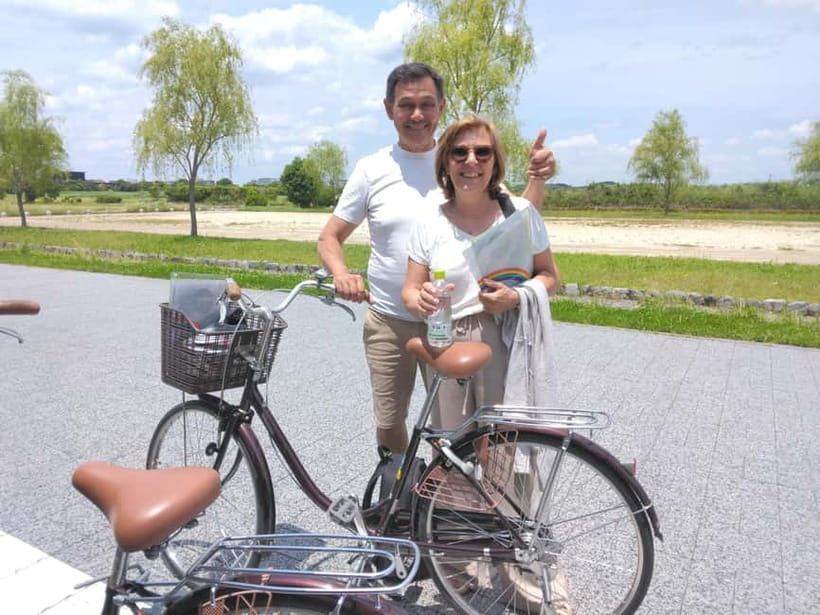
- Cycle across a huge UNESCO site: A bike saves time and gives you a better sense of the palace’s scale.
- See Nara beyond the deer: This tour focuses on the eighth-century capital and Heijo Palace, not Nara Park.
- Guide Kay is a strong asset: Her English explanations, patience, and help with questions receive consistent praise.
- The tour stays gentle and short: Two hours, with frequent stops, works well for families and first-time visitors.
- Traditional costume photos are included: You can wear Tenpyo clothing associated with the Nara period.
- Expect ruins and reconstructions: The site rewards interest in archaeology, history, and the way old capitals are studied.
Why a bicycle works so well at Heijo Palace
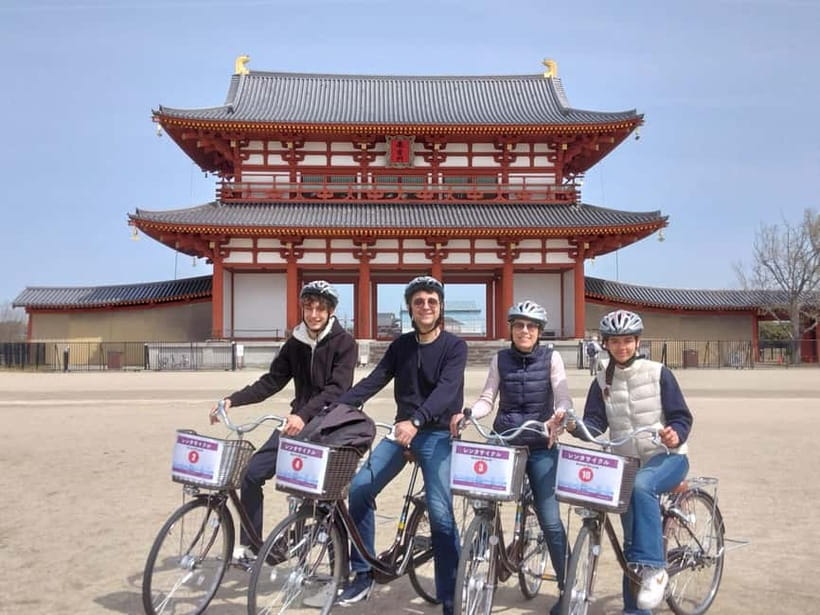
Heijo Palace once formed the center of Nara, Japan’s capital during the Nara period. Today, the grounds cover a large open area west of central Nara. The distances between the main sights are too long for a quick casual stroll, yet the site is calm enough for relaxed cycling.
That makes the bike the right tool here. You move from the main gate to the garden, museums, tomb, and reconstructed audience hall without spending your limited time walking across open paths. You also get a better feel for the palace plan. From a bicycle, the spaces between buildings make more sense.
This is not a high-speed ride. The route includes short visits and photo stops, and the pace is designed for sightseeing. If you can ride a bicycle comfortably, you should have time to look around, ask questions, and take photos without feeling pushed.
The group limit of eight matters. A small group makes it easier to hear the guide, stay together, and stop for questions. It also gives the tour a more personal feel than a large bus outing. Kay is frequently named as the guide, and her style appears particularly useful for families. She has been praised for her patience with a six-year-old and for adjusting the pace to suit the group.
More History Bike, Segway and Tuk-Tuk Tours in Japan
- Historical Kyoto E-Bike Tour
★ 5.0 · 181 reviews - Sakurajima Century Lava Climb Journey with E-bike
★ 5.0 · 54 reviews - Tokyo: 3-Hour Bike/E-Bike Tour of the City’s Hidden Gems
★ 5.0 · 47 reviews
Meeting at Suzaku Gate Square
You meet at the rental bike reception counter inside Miharashi-Kan in Suzaku Gate Square. Arrive 10 minutes before the start time so there is room to get organized before setting off.
The meeting point is not at Kintetsu Nara Station or JR Nara Station. You need to allow time for the bus or walk. From Kintetsu Nara Station, the Nara Kotsu bus takes about 16 minutes to the Suzakumon-hiroba-mae stop, followed by a five-minute walk north. From JR Nara Station’s West Exit, the bus ride takes about 10 minutes, again followed by a five-minute walk.
From Kintetsu Yamato-Saidaiji Station’s South Exit, the bus takes about 10 minutes, or you can walk in roughly 20 minutes. Shin-Omiya Station is also about a 20-minute walk away.
The rental bike, helmet, guide, admissions, and traditional costume experience are included. Food, drinks, hotel pickup, and bike insurance are not included. The price is $22 per person, which is strong value for a guided ride that includes equipment, entry costs, and a costume activity.
Suzaku Gate gives the palace a proper beginning
The first major stop is Suzaku Gate, the ceremonial entrance to Heijo Palace. It is the right place to begin because the gate shows the scale and formality of the old capital more clearly than the open grounds do.
You’ll hear about the role of Nara as an ancient capital and have time for photographs. The gate also frames the broad route into the palace grounds, helping you picture how visitors once approached the political center.
The setting changes with the season. The palace site is open and green, and the gate makes a strong photo backdrop against the sky and surrounding nature. It is also a useful first stop for getting the basic story before you visit the less obvious remains.
Toin Garden shows the polished side of palace life
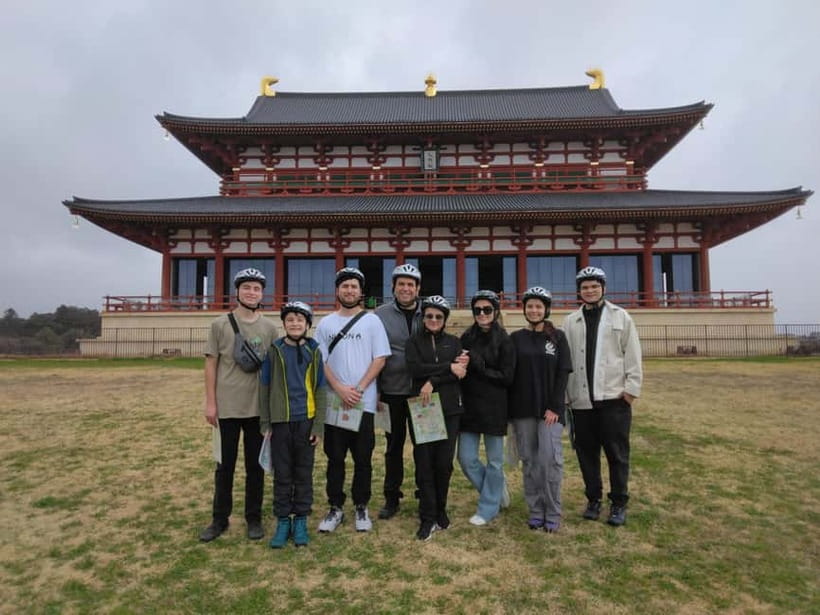
Toin Garden, also called the East Palace Garden, offers a different mood. Instead of a large ceremonial entrance, you see the careful arrangement of bridges, buildings, rocks, and water that shaped the Japanese garden tradition.
This garden was linked to the state guest house, so it was not simply a decorative park. Its layout helped create an appropriate setting for formal visitors and palace events. A guide can point out how the garden’s parts worked together, which is easy to miss if you only walk around taking pictures.
The stop is brief, about 10 minutes, but that is enough to see the main arrangement and hear its purpose. I like this contrast in the tour: Suzaku Gate explains public ceremony, while Toin Garden gives you a glimpse of refined court life.
More UNESCO World Heritage Tours in Japan
- World Heritage Shirakawa-go and Experience Tours from Kanazawa
★ 5.0 · 4,049 reviews - World Heritage Kyoto & Nara Uji Authentic Matcha Experience
★ 5.0 · 1,573 reviews - Kanazawa: World Heritage Shirakawa-go Morning Guided Tour
★ 4.9 · 988 reviews - Hiroshima Peace (Heiwa) Walking Tour at World Heritage Sites
★ 5.0 · 872 reviews
Museums make the ruins easier to understand
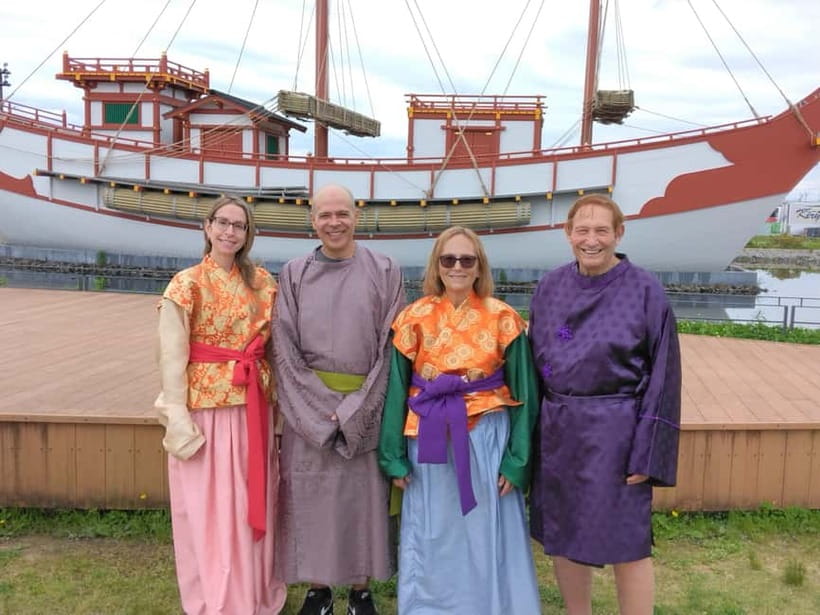
The Nara Palace Site Museum and the Excavation Site Exhibition Hall help fill in what the open grounds cannot show. Excavation Site Exhibition Hall is especially unusual because the remains are preserved and displayed in the same state in which they were found.
That approach can be more revealing than a polished reconstruction. You see how archaeologists work with foundations, soil layers, and fragments to rebuild an understanding of the ancient capital. The site may look simple at first, but the preserved excavation gives you a direct connection to the work behind the history.
The Nara Palace Site Museum is the oldest museum at the Heijo Palace site. Displays include ancient roof tiles, wooden tablets, and models. These smaller objects matter because they explain how the palace functioned. A reconstructed gate gives you scale, while a wooden tablet or roof tile gives you a physical link to daily administration and building work.
Each museum stop lasts around 10 minutes. That is enough for an introduction rather than a long museum visit. If you enjoy archaeology, you may want to return later for more time.
Mizukami Pond brings a quiet break
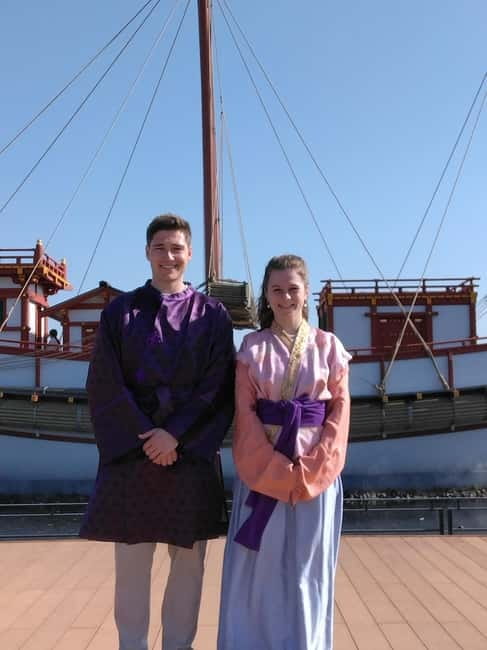
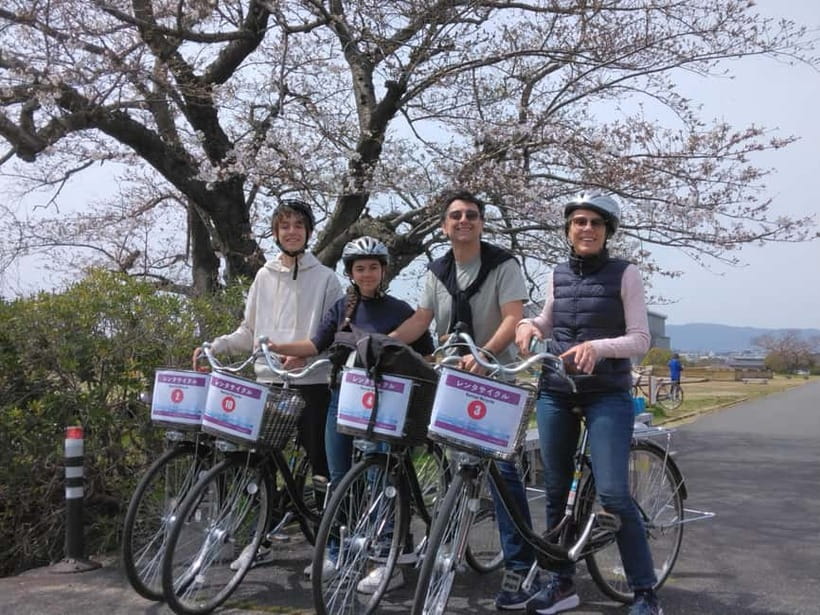
The ride around Minakami, or Mizukami, Pond is one of the tour’s most pleasant sections. You can feel the breeze, hear birds, and look for ducks and turtles near the water.
This stop also breaks up the historical explanations. Two hours of gates, models, foundations, and palace details could feel dense, but the pond gives you a few calm minutes outdoors. The open surroundings help you understand why the palace site feels so different from the crowded lanes around Nara’s most famous temples.
The pond is not a major monument, and that is exactly its value. You get a peaceful part of present-day Nara, where locals may be out enjoying the area. Spring can bring hanami activity, while summer may feel very hot on the bike. One visitor who took the tour in August found the heat difficult, so plan your clothing and water carefully.
Hishiage Kofun adds an older layer
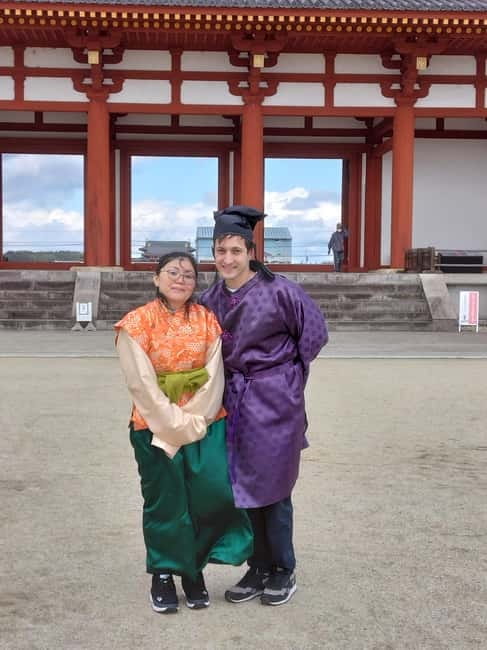
Hishiage Ancient Tomb, or Hishiage Kofun, adds another period of history to the route. Here you stop to admire the tomb and its grave goods.
The tomb is useful because it places the Nara Palace story within a much longer Japanese past. You are not looking only at the eighth-century capital. You are also seeing evidence of earlier burial customs and the material objects connected with them.
This is a short stop, about 10 minutes. The guide’s explanation is important because an ancient mound or burial site can be easy to pass without context. If you have a general interest in archaeology, this is one of the stops that makes the route feel broader than a palace tour.
The First Daigokuden explains imperial ceremony
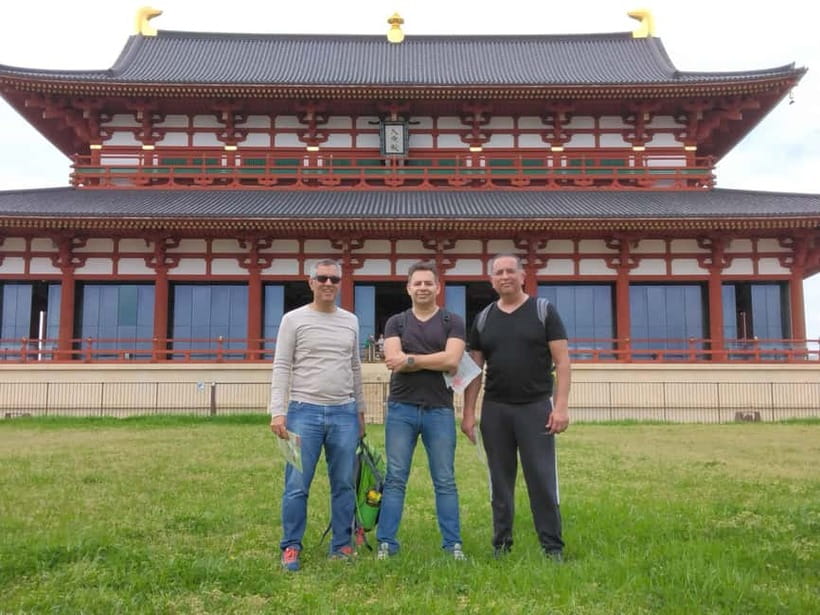
The First Imperial Audience Hall, Daiichiji Daigokuden, is the grandest reconstructed building on the route. It was used for major ceremonies, not ordinary palace business.
Inside, you can see paintings, ornamental displays, and other exhibits connected with the building. The hall also gives you a wide view across the palace site. That viewpoint helps tie together the gates, open grounds, gardens, and rebuilt structures you have already visited.
The building is a reconstruction, so it should not be mistaken for an untouched ancient hall. Still, reconstruction has a clear benefit here: it gives you a sense of height, color, decoration, and ceremony that foundations alone cannot provide.
You also visit the South Gate, known as the Daigokumon or Nammon. This is a quick five-minute stop, mainly for viewing and photographs. Together, the audience hall and south gate show how the palace was organized around formal approaches and state rituals.
Traditional Tenpyo clothing makes the history personal
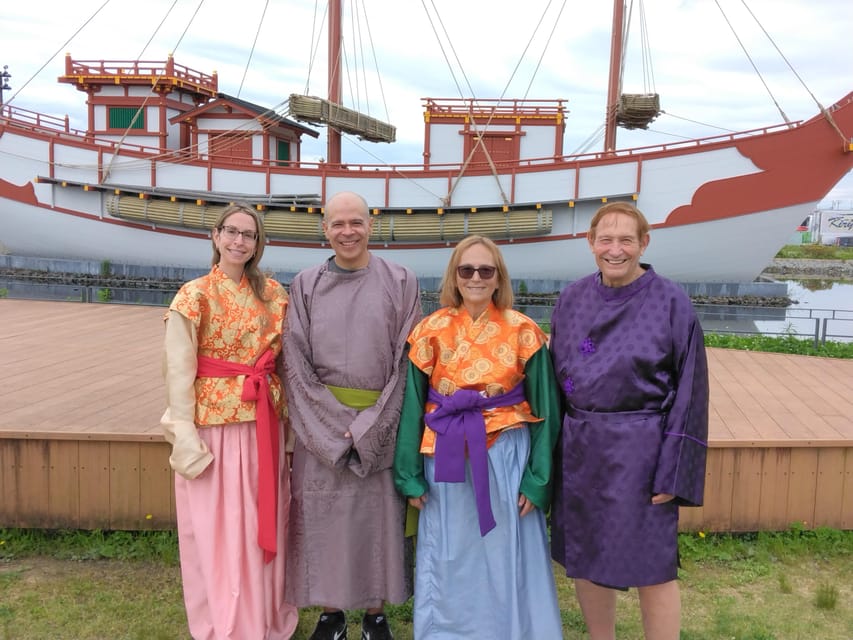
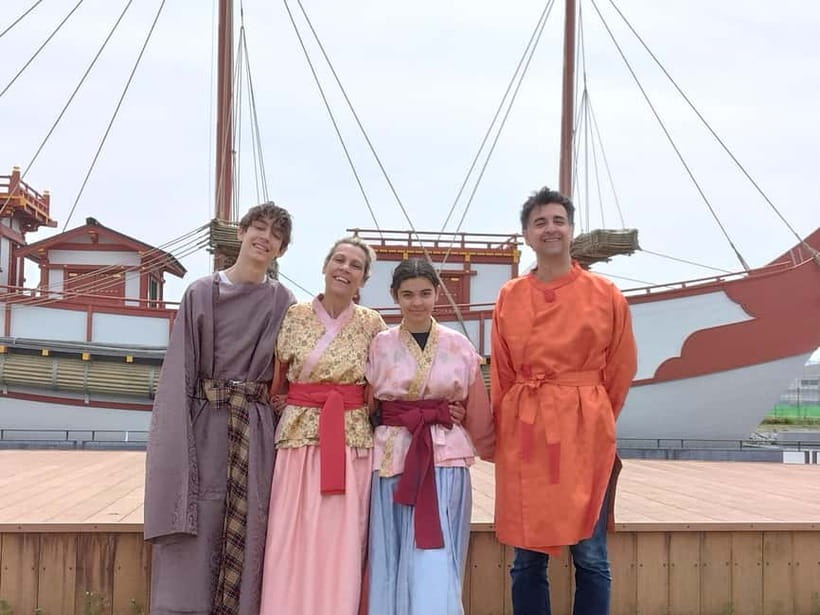
The costume experience lets you wear traditional Tenpyo clothing associated with the Nara period and take photographs. This is a lighthearted part of the tour, but it also helps put the period’s visual culture into focus.
You should think of it as a short photo activity rather than a full costume program. The supplied information does not specify the exact clothing options, changing arrangements, or how long the session lasts, so ask the guide for the details on the day.
For families, the costume stop can keep younger children engaged between museums and historical explanations. It also gives you a personal souvenir from a site where much of the original palace no longer survives.
What the tour explains well, and what it cannot recreate
The strongest part of this experience is the connection between the stops. You are not just looking at a gate, a pond, a tomb, and several museums as separate attractions. The guide explains how they fit into Nara’s role as an ancient capital.
Kay’s English has been praised for being clear, and she is described as willing to answer questions and explain the right amount of detail for a short tour. She has also helped with practical matters, including calling a taxi for a group after the ride. Her patient manner is a real advantage if you are visiting with children or prefer explanations without a lecture-like pace.
The limitation is the site itself. Some areas consist of reconstructed buildings, open ground, or holes and foundations marking where structures once stood. If you want original temple buildings, carved statues, or a dense concentration of intact monuments, Nara Park may offer more immediate visual impact.
This tour works best when you enjoy learning how historians and archaeologists piece a place together. It is less satisfying if you only want spectacular old buildings. One visitor found two hours a little long without a strong interest in ancient Japanese culture, especially in very hot weather.
Is $22 good value for two hours?
At $22, this is a low-cost guided experience. You receive a rental bicycle, helmet, guide, admissions, and the Tenpyo costume activity. You also avoid the time and effort of figuring out how to connect the large palace site by yourself.
The value is highest if you are visiting Nara for the first time, have limited time, or want a clear introduction before exploring further. A bicycle makes it possible to see several parts of the site in two hours, while the guide supplies the background that signs alone may not provide.
The value is lower if you already know Heijo Palace well, dislike reconstructed sites, or plan to spend a full day studying each museum. In that case, an unguided visit might give you more control over your pace, though you would need to arrange your own bike and admissions.
The tour is offered in English and Japanese, with free cancellation up to 24 hours before departure and a reserve-now, pay-later option. Missing the tour is non-refundable. The operator may cancel for heavy rain, storms, or other bad weather, with a full refund in that situation.
Who should book this Nara bike tour?
I would recommend it to families with children who can ride, couples looking for a quiet break from the busiest parts of Nara, and anyone curious about the city’s political and archaeological past. It is also a good first activity because it gives you a broad map of the palace site.
You should be comfortable riding a bicycle and managing a two-hour outdoor activity. The experience is not suitable for pregnant women, wheelchair users, people who cannot ride, or people with visual impairments.
Book with extra care in summer. The route may be gentle, but the open palace grounds offer limited shade, and the August experience was notably hot. Bring water and dress for the weather, since drinks are not included.
Should you book it?
Book this tour if you want to see a quieter, less familiar side of Nara and appreciate a guide who can explain why the palace site matters. The combination of cycling, excavation displays, garden design, ceremonial buildings, and a traditional costume photo gives you more variety than a simple walk among ruins.
Skip it if your main goal is deer, famous temples, or original wooden architecture. Heijo Palace is a study in scale, reconstruction, and archaeology. With guide Kay, a small group, and a $22 price, it is a practical and worthwhile choice for the right kind of visitor, especially families and history-minded first-timers.
FAQ
Where does the Nara bike tour start?
It starts at the rental bike reception counter at Miharashi-Kan in Suzaku Gate Square. The meeting point coordinates are 34.68628944048124, 135.7926401146025.
How long does the tour last?
The scheduled duration is two hours. The guide may spend a little longer with your group when needed, but you should plan for at least two hours.
What languages are available?
The tour is available with a live guide in English or Japanese.
How large is the group?
It is a small-group tour limited to eight participants.
What is included in the price?
The price includes the bike tour, guide, rental bicycle, helmet, all admission fees, and the traditional Tenpyo costume experience.
Is hotel pickup included?
No. You need to make your own way to the rental bike reception counter at Miharashi-Kan.
What should I bring or pay for separately?
Food and drinks are not included, and bike insurance is not included. You should plan your own drinks, especially in hot weather.
Can I cancel for a refund?
You can cancel up to 24 hours before the tour for a full refund. No-shows and missed tours are non-refundable.
What happens if the weather is bad?
The supplier may cancel the tour because of heavy rain, storms, or other poor weather. Weather-related cancellations receive a full refund.
More Ancient History Tours in Japan
- Colosseum: Underground and Ancient Rome Tour
★ 4.7 · 12,691 reviews - Colosseum & Ancient Rome with Arena Floor Option I Max 6 People
★ 5.0 · 3,306 reviews - Rome: Colosseum, Ancient Rome Tour or AudioGuided Tour
★ 4.4 · 2,879 reviews - Colosseum Underground & Ancient Rome Guided Tour
★ 4.5 · 2,590 reviews
Newest history tours we have reviewed in Japan
- Authentic Sapporo: Nijo Market Seafood Lunch & History Tour★ 4.8 · 20 reviews
- Asakusa: 3.5-hour Big-picture History Walk★ 4.7 · 39 reviews
- Asakusa: A Big-picture History Walk to Know Japan★ 4.6 · 77 reviews
- 2.5-Hour Nagoya Tour: Castle History, Local Food & City View★ 4.5 · 36 reviews
- 1-Day Tour from Nagoya: Hiking the Historic Nakasendo Trail★ 4.9 · 34 reviews
- Tokyo: Nikko World Heritage Private Day Trip Hotel Pick-up★ 4.8 · 145 reviews
- 2.5 Hour Private History and Culture Tour in Himeji Castle★ 5.0 · 185 reviews
- From Tokyo: Nikko World Heritage Sight Full Day Private Tour★ 4.9 · 127 reviews
UNESCO World Heritage Tours, compared.
World Heritage Shirakawa-go and Experience Tours from Kanazawa
Read our review →
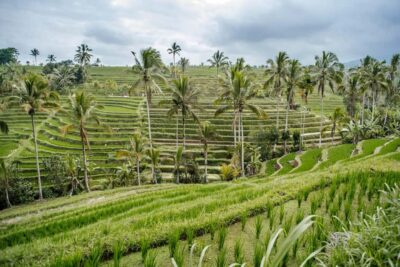
Bali: Tanah Lot UNESCO World Heritage Sites Full-Day Tour
Read our review →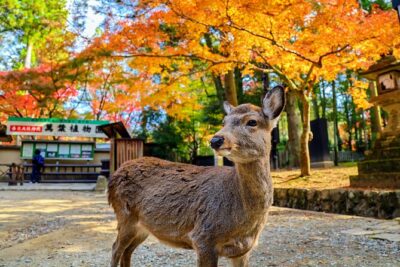
World Heritage Kyoto & Nara Uji Authentic Matcha Experience
Read our review →
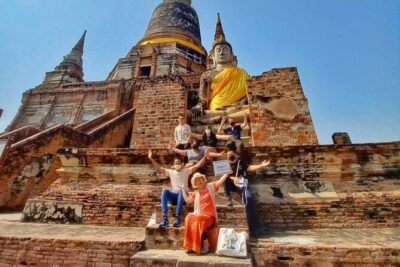
UNESCO’s Ayutthaya Historical Park: Full-Day Tour from Bangkok
Read our review →
Rotterdam: Kinderdijk UNESCO World Heritage Entry Ticket
Read our review →
From Busan: Gyeongju UNESCO World Heritage Guided Day Tour
Read our review →Browse the lists this tour appears in