
Review · TOKYO HISTORY TOURS
Tokyo: 3-Hour Bike/E-Bike Tour of the City’s Hidden Gems
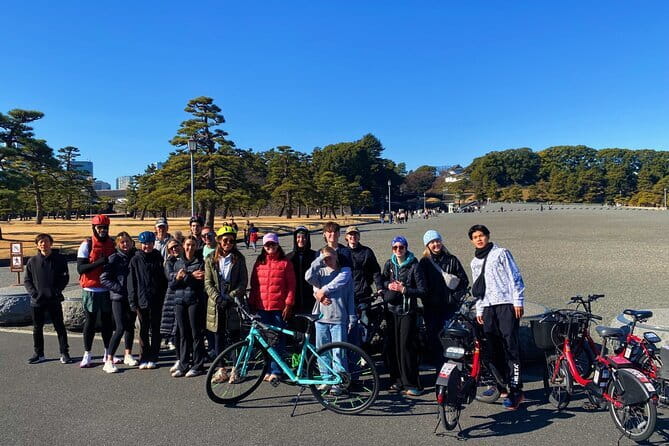
Tokyo is easier to understand when you move through it at street level. This three-hour ride covers about 18 kilometers, linking temples, palace gates, grand avenues, shopping streets, and Shibuya’s famous crossing in one compact outing. You get much farther than on foot, but you still have time to stop for photos and hear the story behind each place.
I like the route’s range. It moves from the quiet grounds of Zojo-ji to the formal Imperial Palace, then through Aoyama and Harajuku before ending near Shibuya. I also like the small maximum group of seven, which makes it easier to ask questions and stay together in city traffic.
The main caution is simple: this is still a city bike ride. You need moderate fitness and must feel comfortable riding near cars, pedestrians, and occasional hills. An e-bike makes the route easier, especially in Tokyo’s heat, but it does not turn the outing into a passive sightseeing bus ride.
Key Points to Know Before You Ride
- You cover 18 kilometers in three hours, making this a useful first look at central Tokyo.
- The route begins near Zojo-ji and Tokyo Tower and finishes in Jinnan, close to Yoyogi Park and Shibuya.
- An e-bike is worth considering if you dislike hills, hot weather, or sustained pedaling.
- The group is limited to seven people, giving the guide room to manage the pace and answer questions.
- The sights are a mix of famous landmarks and ordinary city streets, not a tour of obscure places only.
- Bring cash for extras, including the ¥1,000 helmet rental and the ¥3,000 child-seat setup if needed.
Why a Bike Works So Well in Tokyo
Tokyo is enormous, yet many of its best-known districts sit within a workable riding route. Trains are excellent for getting across town, but underground travel hides the transitions between neighborhoods. On a bike, you see the city change from temple grounds to government buildings, from polished avenues to youth fashion streets.
This tour is particularly useful early in a Tokyo stay. You can get your bearings across several central districts and note places you may want to revisit later. The route also gives you a feel for distance. Shibuya, Harajuku, Aoyama, Tokyo Station, and the Imperial Palace can seem like separate worlds on a subway map, but the ride connects them in a way that makes the city feel more legible.
The three-hour schedule includes roughly 80 minutes of listed stops, with the rest used for riding between them. That is enough time for photos and short explanations, but not enough for long visits inside the palace grounds, museums, or Akasaka Palace. Think of this as a moving introduction, not a series of full-length tours.
More History Bike, Segway and Tuk-Tuk Tours in Japan
- Historical Kyoto E-Bike Tour
★ 5.0 · 181 reviews - Sakurajima Century Lava Climb Journey with E-bike
★ 5.0 · 54 reviews - Nara: Bike Tour in Ancient Capital UNESCO World Heritage
★ 5.0 · 43 reviews
Starting at Zojo-ji with Tokyo Tower Behind You
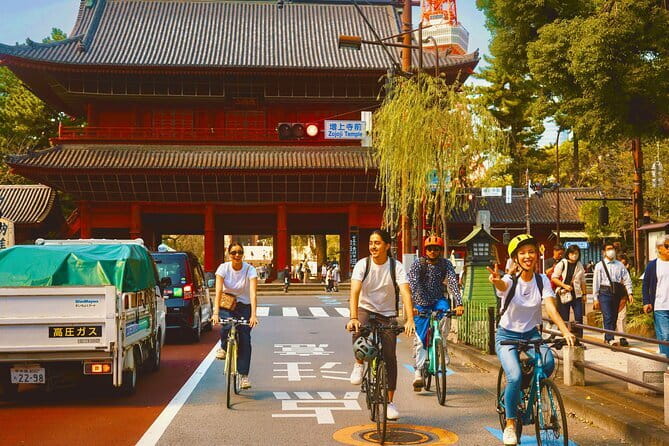
The meeting point is at Shiba Park Building in Minato City, near Zojo-ji and Tokyo Tower. This is a strong place to begin because the first view gives you two very different sides of Tokyo at once: an important Buddhist temple and the bright, modern tower rising behind it.
You spend about 15 minutes at Zojo-ji. That allows time for a photo and a short look at the temple area. If access happens to be available, you may also go inside the temple structure, though the information for the tour does not promise interior access.
Zojo-ji is more than a quick photo stop. It helps set up the contrast that runs through the whole ride. Tokyo is not simply old or new. Its major temples, palace walls, office towers, and fashion districts often sit close together, and the bicycle lets you pass between them without losing that sense of place.
The first stretch also gives the guide a chance to explain the riding pattern and keep the group together. Guides named Show, Naoki, Kosei, Miguel, Rinto, and others have led this route. The strongest feedback focuses on their friendly manner, clear directions, and ability to answer questions about Japanese culture and local sights.
The Imperial Palace and Otemon Gate
The ride continues to the Imperial Palace entrance, where you spend about 10 minutes. You will see the area associated with the Emperor and may see guards at the entrance. This is an exterior stop, so do not expect a palace tour or access to the private residence.
The palace area gives you some of Tokyo’s most formal scenery. Broad open spaces, carefully maintained grounds, stone walls, and controlled entrances create a sharp change from the smaller streets around Zojo-ji. Your guide can add context about the institution and the role of the palace in Japan today.
A second stop follows at Kokyo Otemon Gate, another 10-minute photo opportunity. Otemon is an impressive historic entrance to the palace grounds, and it offers a better sense of the old defensive design than a quick look at the modern palace entrance.
These two stops are close in theme, so some people may find the schedule slightly repetitive. They are also not hidden places in the strict sense. The tour’s appeal here is not secrecy. It is the efficient connection of major Tokyo sights without spending half a day walking between them.
Tokyo Station’s Red-Brick Face

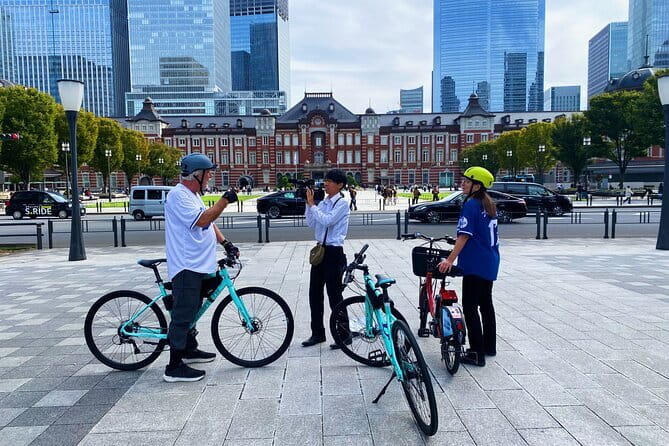
Tokyo Station Marunouchi Ekimae Hiroba gets about 10 minutes. The station’s red-brick exterior dates to its opening in 1914 and gives you one of the city’s clearest examples of historic architecture set beside modern office towers.
The plaza is a good place to pause and take in the scale of the business district. Tokyo Station is a major transport hub, but this stop focuses on its exterior character rather than the maze of platforms and underground passages. If you want to explore the station properly, save that for another visit.
I like this part of the route because it shows how Tokyo handles old and new construction. The station does not sit in an isolated historic quarter. It faces a modern commercial center, which makes the contrast immediate and easy to understand.
You should keep your expectations realistic about the stop length. Ten minutes is enough for an introduction and photographs, not a detailed architectural visit. The value comes from seeing the building in the flow of the city, then continuing by bike instead of returning to a train station.
More History Bike, Segway and Tuk-Tuk Tours in Tokyo:
- Historical Singapore Bike Tour on Full-Sized Bicycles
★ 5.0 · 1,421 reviews - Charlotte’s Ultimate Southern Charm Historical City Cart Tour
★ 5.0 · 1,347 reviews - Barcelona: 2.5-Hour Bike or E-Bike Historical Tour
★ 4.5 · 1,262 reviews - Asheville Historic Downtown Guided Electric Bike Tour with Scenic Views
★ 5.0 · 1,234 reviews
A Quick Look at Akasaka Palace
Akasaka Palace, also called the State Guesthouse, receives about five minutes. It began as a royal villa and now serves as a state guesthouse. The stop is brief, and admission is not included.
This is best treated as a passing look at an important formal building rather than a full visit. If you care deeply about the palace interior or grounds, you would need separate time and admission arrangements. The tour provides only a snapshot.
Still, the stop adds another layer to the day. You have already seen a Buddhist temple and the Imperial Palace area, and now you get a glimpse of a building used for official state hospitality. The route keeps showing how different kinds of power and ceremony appear in Tokyo’s streets.
The National Stadium and Aoyama Streets
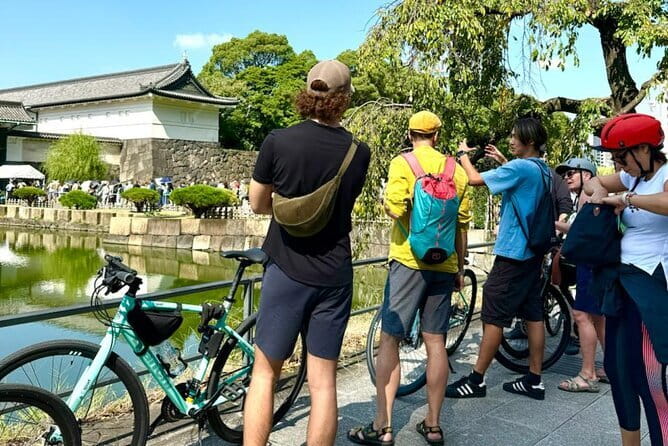
The Japan National Stadium gets about 15 minutes. This is the venue associated with the 2020 Tokyo Olympic and Paralympic Games. The stop is free and gives you time to see the exterior and take photographs.
The stadium is a useful modern counterpoint to the palace gates and Tokyo Station. It also marks the shift toward the western side of central Tokyo, where the mood becomes more commercial, creative, and fashion-focused.
From there, the ride passes along Aoyama Street for about five minutes. Aoyama is known for high-end fashion brands and distinctive architecture. You will not have time for serious shopping, but the ride lets you see the polished storefronts and unusual buildings as part of the city scene.
This portion is more about motion than formal sightseeing. You get a taste of a district rather than a complete visit. I find that useful on a first day because it helps you decide which areas deserve a slower return on foot.
Cat Street, Shibuya Crossing, and the Finish
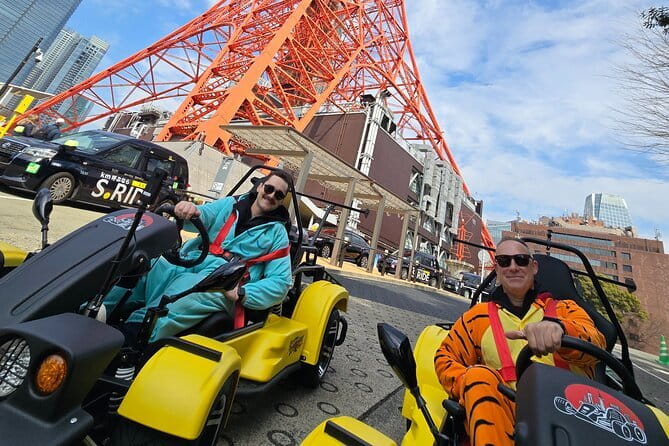
Shibuya Cat Street receives about five minutes. The area combines current fashion shops with vintage stores and has a younger, more casual feel than Aoyama. Again, the stop is short, so think of it as a preview.
The final major stop is Shibuya Crossing. You spend around five minutes here and ride through the area associated with one of Tokyo’s most famous pedestrian intersections. This is the loudest and most crowded part of the route, and it provides a lively finish after the quieter palace and temple stops.
Riding near Shibuya requires attention. You are sharing space with cars and pedestrians, and the route can feel more demanding here than on calmer streets. One useful point from the ride feedback is that you should be comfortable cycling in traffic and around people. The guides direct the group, but you still need to control your bicycle and watch your surroundings.
The tour ends in Jinnan, a shopping and dining area between Yoyogi Park and Shibuya. You are about five minutes on foot from Yoyogi Park and about 10 minutes from Shibuya Station. That is a convenient finish if you want lunch, shopping, or more time around Harajuku and Shibuya.
Choosing Between a Regular Bike and an E-Bike

The regular bike is enough for some riders. One participant reported keeping up without an e-bike, and the route is not described as an extreme cycling challenge. Still, several details make the electric option attractive.
You ride for three hours, cover 18 kilometers, encounter some hills, and may be dealing with heat and humidity. One account specifically noted that regular-bike riders lagged on climbs, while the e-bike made the route much easier. Another rider called the e-bike especially helpful on a hot day.
I would choose the e-bike if you are not a regular cyclist, if you want to conserve energy for sightseeing afterward, or if you are visiting during Tokyo’s warmer months. It is also a good choice if you are traveling with older family members. A couple in their late 60s completed the outing with an e-bike and found it enjoyable, along with their adult son.
Check the exact bicycle pricing when you book. The advertised price is $59.45 per person, but one piece of feedback noted that different bike options may have different prices. The listing includes bicycle use, bike insurance, a small pouch for your phone, wallet, or keys, and a raincoat on rainy days.
Helmets are not included. You can rent one for ¥1,000, and you should bring cash if you want one. A child seat costs ¥3,000, must be arranged at least two days ahead, and also requires cash on the day.
How Much Value You Get for $59.45
At $59.45 per person, the tour offers solid value if you want a broad introduction to central Tokyo. You are paying for three hours of route planning, bicycle use, insurance, a guide, and the chance to cover a distance that would be tiring on foot.
The value is strongest for a first visit or a short stay. In one outing, you see Zojo-ji, the Imperial Palace area, Tokyo Station, Otemon Gate, Akasaka Palace, the National Stadium, Aoyama, Cat Street, and Shibuya Crossing. You will not explore any one of them in depth, but you avoid spending separate subway trips to reach each area.
The price is less compelling if you already know these districts well or want long visits at each landmark. It is also not the cheapest way to see Tokyo if you are happy using public transport and walking. The tour earns its cost through the guide’s route, local explanations, and the sheer amount of ground covered.
The tour has a 4.9 rating from 47 reviews, with 100 percent recommending it. That high score is consistent with the strongest pattern in the feedback: the guides are friendly, the route is well planned, and the e-bike helps people enjoy the ride in heat and on hills.
What the Guides Add
The guide is an important part of this activity because the stops alone would not fill three hours. Show is praised for explaining local history and answering questions. Naoki receives similar credit for directing the group and helping riders see more of Tokyo than they could manage alone. Kosei, Miguel, Rinto, Kazu, Kei, and other guides have also led outings on this route.
The style seems conversational rather than academic. You get cultural and historical context at the stops, but the amount of detail may vary by guide and by the questions you ask. One rider found the information fairly light but appreciated the guide’s ability to answer questions.
That is useful to know. If you want a lecture-heavy history tour, this may feel informal. If you want practical explanations, a friendly pace, and room to ask about Japanese customs or the neighborhoods you pass, it should suit you well.
There are no headsets listed. In traffic or around busy pedestrian areas, it may be harder to hear every word. Stay close to the guide and ask for clarification when needed.
Who Should Book This Ride
I would recommend it to you if you:
- Have only a half day for a first look at Tokyo
- Enjoy active sightseeing and can ride a bicycle confidently
- Want to connect several central districts in one outing
- Prefer a small group to a large bus or walking tour
- Like asking questions and getting local recommendations
- Are willing to ride near traffic and pedestrians
It is also a good option for families with older children, provided the child can ride safely in city conditions. A child seat is available, but it must be arranged in advance and costs extra.
I would think twice if you dislike cycling, struggle with heat, or want a slow visit inside each major sight. The tour does not include food, drinks, interior admission to Akasaka Palace, or a long visit at the Imperial Palace. It is active sightseeing, not a relaxed cruise through town.
The best day may be Sunday, when some streets are closed to cars, according to one account of the route. That can make riding feel easier, though street conditions and crowds can change. The activity requires good weather, and poor conditions may lead to a new date or a full refund.
Should You Book This Tokyo Bike Tour?
Book it if you want to get your bearings fast and are comfortable riding in an urban setting. The route gives you a smart cross-section of Tokyo, from temple and palace architecture to fashion streets and Shibuya’s crowds. I would pay the extra attention to the e-bike option, especially in summer or if you do not cycle often.
Skip it if your priority is quiet temple time, detailed palace visits, or a fully guided historical lecture. The stops are brief, and some of the famous sights are previews rather than full visits. For an active first look at Tokyo that covers serious ground, though, this is a practical and enjoyable choice.
FAQ
How long is the Tokyo bike tour?
The tour lasts approximately three hours.
How far do you ride?
You ride about 18 kilometers through central Tokyo.
What sights are included?
The route includes Zojo-ji, the Imperial Palace entrance, Tokyo Station Marunouchi, Otemon Gate, Akasaka Palace, Japan National Stadium, Aoyama Street, Shibuya Cat Street, and Shibuya Crossing.
Where does the tour start?
It starts at Shiba Park Building in Shibakoen, Minato City, near Zojo-ji and Tokyo Tower.
Where does the tour end?
It ends in Jinnan, between Yoyogi Park and Shibuya. Yoyogi Park is about a five-minute walk away, and Shibuya Station is about a 10-minute walk away.
Is an e-bike available?
Yes. The activity offers bicycles and e-bikes. Check the price of your selected bike option when booking, since different bicycle options may have different prices.
Is a helmet included?
No. Helmet rental costs ¥1,000, and you should bring cash if you want one.
What happens if the weather is bad?
The activity requires good weather. If it is canceled because of poor weather, you can receive a different date or a full refund. You can also cancel for a full refund up to 24 hours before the start time.
More Three-Hour Tours in Tokyo
- Berlin: 3-Hour World Heritage Cruise to Potsdam
★ 4.5 · 1,569 reviews - Edinburgh: 3-Hour Historical Walking Tour in Italian
★ 4.7 · 734 reviews - 3-Hour Porto Jewish Heritage Walking Tour with Local Guide
★ 4.5 · 396 reviews - 3-Hour Atlanta Beltline Food, Street Art and History Tour
★ 5.0 · 345 reviews
Newest history tours we have reviewed in Tokyo
- Asakusa: 3.5-hour Big-picture History Walk★ 4.7 · 39 reviews
- Asakusa: A Big-picture History Walk to Know Japan★ 4.6 · 77 reviews
- From Tokyo: Nikko World Heritage Sight Full Day Private Tour★ 4.9 · 127 reviews
- From Tokyo: Nikko World Heritage Site Private Full-Day Trip★ 4.9 · 243 reviews
- Tokyo: Nikko World Heritage Private Day Trip Hotel Pick-up★ 4.8 · 145 reviews
- Tokyo: The Best of Izakaya in Shinjuku Food & Cultural Tour★ 4.9 · 221 reviews
- Imperial Palace East Garden and Edo Castle Walking Tour in Tokyo★ 5.0 · 510 reviews
- Tokyo: Shinjuku Historical Walking Tour & Secret Backstreets★ 5.0 · 530 reviews
History Bike, Segway & Tuk-Tuk Tours, compared.
Historical Singapore Bike Tour on Full-Sized Bicycles
Read our review →
Charlotte’s Ultimate Southern Charm Historical City Cart Tour
Read our review →

Asheville Historic Downtown Guided Electric Bike Tour with Scenic Views
Read our review →
Private Guided Historic Electric Cart Tour of St. Augustine
Read our review →
60-Minute Guided Segway History Tour of Savannah
Read our review →
Historic Athens: Small Group Electric Bike Tour
Read our review →
90 Minute Historic Uptown Neighborhood Segway Tour of Charlotte
Read our review →Browse the lists this tour appears in