
Review · JAPAN HISTORY TOURS
Sakurajima Century Lava Climb Journey with E-bike
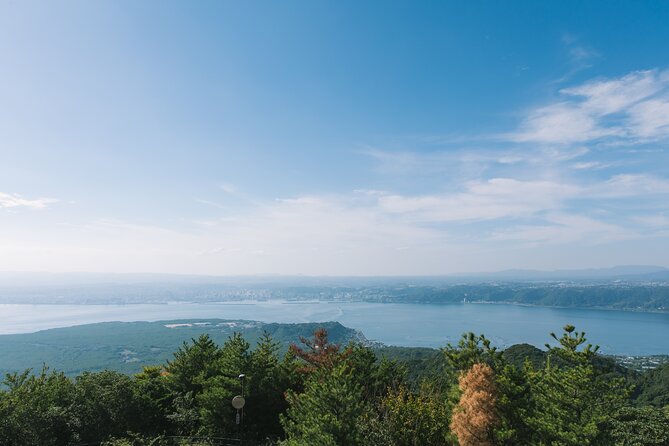
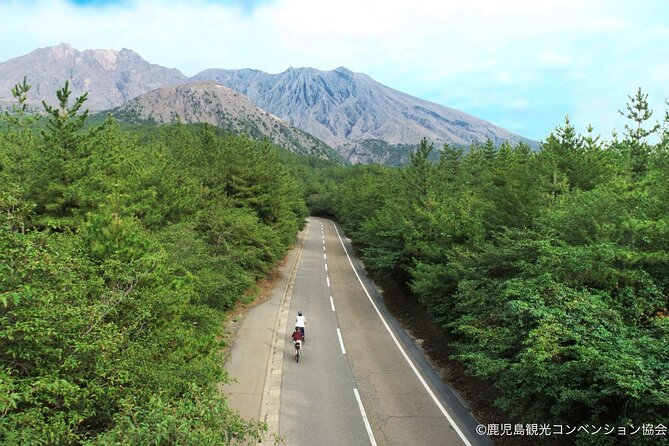
Sakurajima’s story is written in lava, ash, and altered coastlines. This three-hour e-bike trip follows the traces of the island’s great 20th-century eruption, then climbs to Yunohira Observatory, the highest point on Sakurajima, for wide views across Kagoshima Bay.
I like the small group of six or fewer, which leaves room for a guide to explain what you are seeing. I also like the modern, powerful e-bikes and the loop route, which lets you cover more ground than a walking tour without turning the outing into a hard cycling test.
The main drawback is practical: the meeting point is at Sakurajima Visitor Center, not necessarily the port where your ship arrives. One person missed the tour after following confusing directions, so check your route carefully before booking.
Key points at a glance
- Climb to Sakurajima’s highest viewpoint: Yunohira Observatory is the main goal and offers striking views of Kagoshima’s volcanic surroundings.
- Ride modern Yamaha e-bikes: The electric assistance helps make the uphill route manageable for people with moderate fitness.
- Follow the story of a major eruption: The route connects the island’s volcanic past with the people who lived through it.
- Keep the group small: A maximum of six people makes it easier to hear the guide and ask questions.
- Meet and finish at the same place: The ride starts and ends at Sakurajima Visitor Center.
- Plan around the weather: Poor conditions can lead to a new date or a full refund.
Why Sakurajima works so well by e-bike
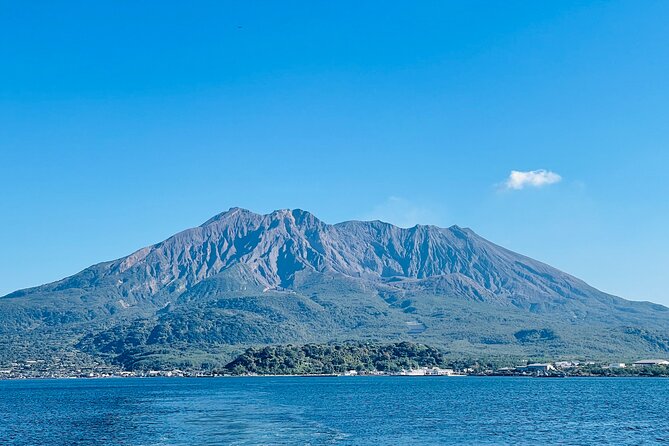
Sakurajima is not simply a scenic island stop. It is an active volcanic place with a powerful past, and the best parts of the experience come from connecting the views to that past.
A major eruption in the 20th century changed Sakurajima’s shape and its story. Rather than treating the volcano as a backdrop for photographs, this tour follows the marks left by the eruption and explains how local people were affected. That gives the ride a stronger sense of place than a simple scenic cycle.
The e-bike is a smart choice here. You still pedal, but the motor helps on the climb toward Yunohira Observatory. The route goes uphill and then returns in a loop, so the electric assistance matters. You will need moderate physical fitness, but you do not need to approach the ride like a serious cyclist.
I especially like the balance between activity and interpretation. You are moving through the island instead of sitting in a vehicle, yet the pace remains suitable for stopping, listening, and looking around. One review described the bikes as recent Yamaha models with plenty of power, and another praised the route and pace as a good fit for a relaxed ride.
More History Bike, Segway and Tuk-Tuk Tours in Japan
- Historical Kyoto E-Bike Tour
★ 5.0 · 181 reviews - Tokyo: 3-Hour Bike/E-Bike Tour of the City’s Hidden Gems
★ 5.0 · 47 reviews - Nara: Bike Tour in Ancient Capital UNESCO World Heritage
★ 5.0 · 43 reviews
Starting at Sakurajima Visitor Center
The meeting point is Sakurajima Visitor Center at 1722-29 Sakurajimayokoyamachō, Kagoshima, 891-1419. The activity finishes back at this same location, which simplifies the end of the day and avoids arranging a separate pickup.
The center is near public transportation, but you still need to work out the final approach yourself. This matters if you arrive by ferry, bus, or cruise ship. The tour instructions caused trouble for at least one person arriving by ship, who assumed the port was the stated starting point after seeing a short walking time.
Do not rely on a vague map estimate. Check the exact meeting point before the day of the ride and allow time to reach the Visitor Center. A mobile ticket is provided, so keep the booking confirmation easy to access on your phone.
The same-location return is useful if you have other plans on Sakurajima. It also means you can leave bags or arrange your day around a fixed starting and finishing point, though the supplied information does not state whether luggage storage is available. Do not assume it is.
The ride toward Yunohira Observatory
The central goal is Yunohira Observatory, the highest point on Sakurajima. Reaching it gives the ride a clear purpose: you are not simply cycling around at random, but following a route that builds toward the island’s best-known high viewpoint.
The climb is made more approachable by the e-bikes. Several riders specifically praised their quality and power, while one person described the ride up and back down as a loop. That combination is important. A regular bicycle could make an uphill volcanic route tiring, especially in warm weather, but electric assistance lets you focus more on the scenery and the guide’s explanations.
You should still expect physical effort. The tour asks for a moderate fitness level, and the route includes an ascent. If you are comfortable with a few hours of active sightseeing and can manage a bicycle, the format should feel more accessible than a conventional uphill cycle. If you are seeking a completely effortless sightseeing trip, this is not the right match.
The pace appears to be one of the tour’s strengths. The guide, identified in the feedback as Rento, is described as friendly and attentive. One review also notes that he provided treats along the way. That small detail suggests a personal style rather than a strictly scripted ride, although the exact snacks and stopping schedule are not specified.
Reading the eruption through the island
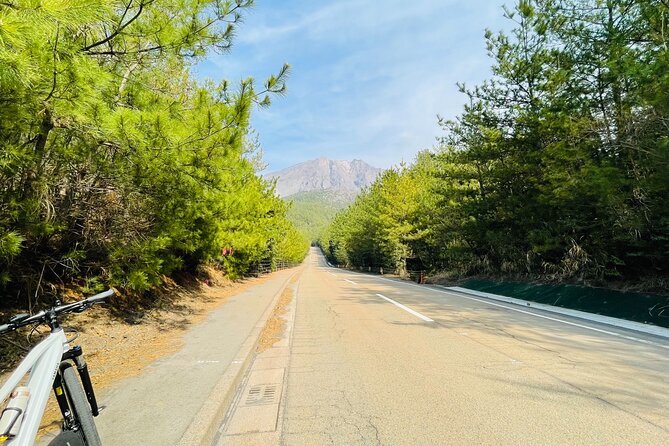
The most valuable part of the tour is the way it uses physical traces to explain Sakurajima’s past. You will cycle through places connected with the island’s major eruption and hear about the people who lived through it.
That approach gives the scenery more meaning. A dark volcanic surface or altered section of the island is not just something to photograph. It becomes part of a larger story about how an eruption changed the island and its residents.
The tour description presents the eruption as one of the largest of the 20th century. The route is designed to show how that event shaped Sakurajima’s history. You are not being asked to study a long timeline or sit through a museum lecture. The information comes while you are out in the open, moving from one part of the island to another.
I would choose this experience if you want context but do not enjoy traditional sightseeing tours. The ride gives you a reason to pay attention to the ground, the slopes, and the island’s position around Kagoshima. It also lets you ask questions directly, which is easier in a group of six than on a large coach outing.
The guide makes a real difference here. Rento is repeatedly described as warm, conscientious, and deeply connected to the place. That matters on a volcano tour, where clear explanations and a calm pace help turn raw scenery into something understandable.
Same streets, a different century:
- Kyoto: Fushimi Inari, Kinkakuji, Bamboo Grove 1 Day Bus Tour
★ 4.8 · 4,316 reviews - World Heritage Shirakawa-go and Experience Tours from Kanazawa
★ 5.0 · 4,049 reviews - Tokyo: Imperial Palace and Shogun Historical Walking Tour
★ 5.0 · 2,251 reviews - World Heritage Kyoto & Nara Uji Authentic Matcha Experience
★ 5.0 · 1,573 reviews
At Yunohira Observatory
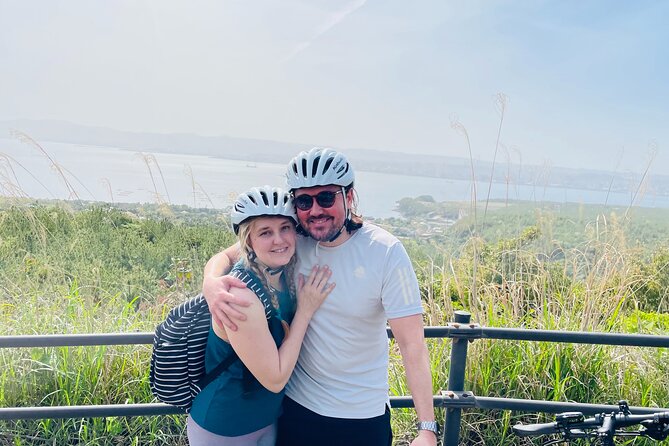
Yunohira Observatory is the payoff. From Sakurajima’s highest point, you can look across the great natural setting around Kagoshima and understand how strongly the city and bay are shaped by volcanic terrain.
The view is described as impressive and wide-reaching. It is the kind of stop that works best after the climb because the effort gives the viewpoint a sense of arrival. You have followed the eruption story by bicycle and then reached the high point where the scale of the island becomes easier to grasp.
The observatory is also the clearest reason to choose this tour instead of a flatter cycling route. If your priority is reaching a high viewpoint while learning about Sakurajima, this trip has a direct focus. If you mainly want an easy ride beside the water, you may find the climb less appealing.
The supplied details identify Yunohira Observatory as the itinerary’s main stop, not a list of many separate attractions. That is worth understanding before you book. The experience is built around the ride, the volcanic story, and the summit view. It is not a rapid-fire tour of several unrelated sights.
The return loop and the value of the e-bike
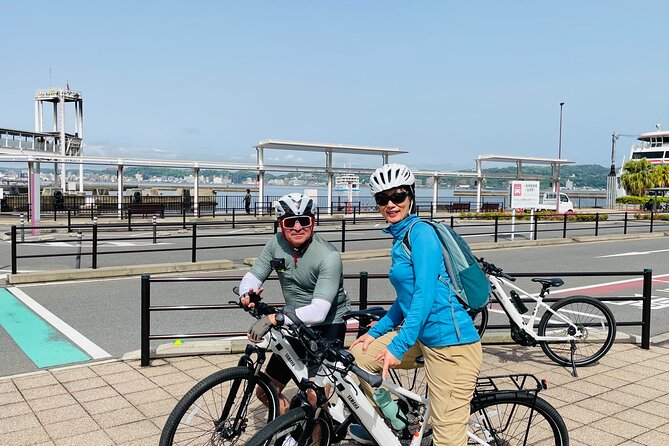
After the observatory, the route comes back down in a loop. This makes the outing feel more complete than an out-and-back ride and gives you a different view of the island on the return.
The descent should also make the e-bike feel worthwhile. You receive assistance where you need it most, then benefit from the bicycle’s easy handling as the route heads back toward the starting point. Still, cycling downhill requires attention, and you should follow the guide’s instructions rather than treating the return as a race.
The loop is one of the tour’s practical advantages. A repeated route can feel dull, particularly on a short activity. Here, the outward and return sections give the ride a little more variety while keeping the plan simple enough to finish within about three hours.
The timing also works well as a half-day addition to a Kagoshima visit. You can give Sakurajima a focused block of time without committing an entire day to a long excursion. Since the activity returns to the Visitor Center, you have a clear point from which to continue exploring or arrange your onward transport.
What the $105.02 price gets you
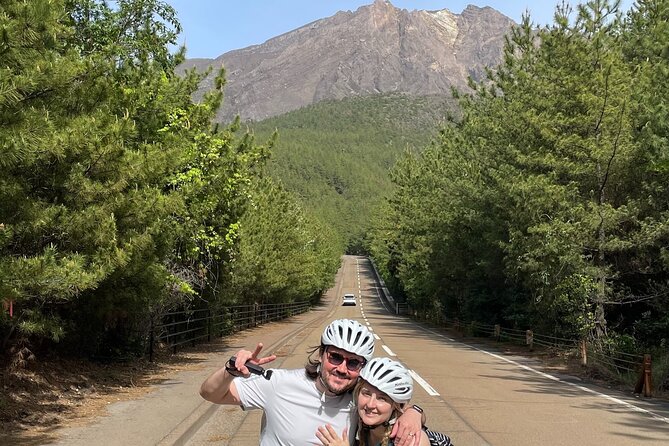
At $105.02 per person, this is not the cheapest way to see Sakurajima. The price makes more sense if you value the e-bike, a personal guide, a small group, and a planned route to the island’s highest viewpoint.
You are paying for more than bicycle use. The experience combines equipment, route planning, volcanic interpretation, and a guide who can adjust explanations and pace for a small party. That is useful if you want to understand what you are seeing instead of simply renting a bike and finding your own way.
The maximum group size of six improves the value. In a larger group, a three-hour cycling tour can become a line of bicycles with limited contact with the guide. Here, the format should give you a better chance to hear the story, ask questions, and keep a comfortable pace.
I would consider the price fair for an active, guided half-day, especially if you are already planning to visit Sakurajima. It is less attractive if you only want a short ride or if you have no interest in the island’s eruption history. The tour’s value comes from the combination of exercise, interpretation, and scenery.
Who should book this ride
This experience fits you best if you:
- Want to see Sakurajima through its volcanic past, not just take photographs
- Enjoy active sightseeing but prefer electric assistance on uphill routes
- Like small groups and direct contact with a local guide
- Have moderate physical fitness
- Want a focused activity lasting about three hours
- Are comfortable meeting at Sakurajima Visitor Center and returning there
Families with older children may find the format appealing, but the supplied details do not give a minimum age or child-bike policy. Ask the provider before booking if those points matter to you.
You should think twice if you dislike cycling, have difficulty with uphill activity, or need a fully accessible sightseeing format. The route is an active ride, and the operator specifically asks for moderate fitness.
Weather is another consideration. The tour requires good conditions. If bad weather cancels the activity, you can choose another date or receive a full refund. For the same reason, keep your plans flexible if Sakurajima is a key part of your day.
Booking and timing tips for Sakurajima
Book only after confirming how you will reach the Visitor Center. The cruise ship issue is the most important practical warning. A port may be close on a map but still be different from the tour’s actual meeting point.
Give yourself extra time to get oriented. The activity begins and ends at the Visitor Center, and the maximum group size is six, so a late arrival could be more disruptive than on a large bus tour.
The booking confirmation is issued at the time of reservation, and the ticket is mobile. Keep your phone charged and make sure you can display the confirmation when you arrive.
Cancellation is free up to 24 hours before the start time for a full refund. Changes or cancellations inside that 24-hour window are not accepted, and the amount paid is not refunded. The cut-off follows local time in Japan, so check the clock carefully if you are arranging the tour from another time zone.
Should you book the Sakurajima e-bike tour?
I would book this if you want a personal way to understand Sakurajima and feel comfortable with a moderate uphill bicycle ride. The strongest reasons are the small group, powerful Yamaha e-bikes, thoughtful guiding from Rento, and the clear finish at Yunohira Observatory.
I would not book it simply because you have three spare hours and want an effortless ride. The climb and meeting-point logistics require planning, and this is a history-focused cycling experience rather than a casual rental.
For the right person, the $105.02 price buys a useful mix of movement, local storytelling, and a memorable view from Sakurajima’s highest point. Check the starting location first, watch the weather, and choose this tour when you want the volcano to be the main story of your visit.
FAQ
How long does the Sakurajima e-bike tour last?
The activity lasts approximately three hours.
Where does the tour start?
It starts at Sakurajima Visitor Center, 1722-29 Sakurajimayokoyamachō, Kagoshima, 891-1419, Japan.
Where does the tour finish?
The activity ends back at the Sakurajima Visitor Center meeting point.
What is the main destination on the route?
The goal is Yunohira Observatory, the highest point in Sakurajima.
How many people can join the tour?
The maximum group size is six people.
What type of ticket is provided?
The experience provides a mobile ticket.
What level of fitness is required?
You should have a moderate level of physical fitness because the tour involves cycling toward a high viewpoint.
Is the tour available near public transportation?
Yes. The meeting point is described as being near public transportation.
What happens if bad weather cancels the tour?
You will be offered another date or a full refund if poor weather causes the cancellation.
How late can I cancel for a full refund?
You must cancel at least 24 hours before the experience start time to receive a full refund. Cancellations or changes made less than 24 hours before the start time are not accepted.
Newest history tours we have reviewed in Japan
- Authentic Sapporo: Nijo Market Seafood Lunch & History Tour★ 4.8 · 20 reviews
- Asakusa: 3.5-hour Big-picture History Walk★ 4.7 · 39 reviews
- Asakusa: A Big-picture History Walk to Know Japan★ 4.6 · 77 reviews
- 2.5-Hour Nagoya Tour: Castle History, Local Food & City View★ 4.5 · 36 reviews
- 1-Day Tour from Nagoya: Hiking the Historic Nakasendo Trail★ 4.9 · 34 reviews
- From Tokyo: Nikko World Heritage Sight Full Day Private Tour★ 4.9 · 127 reviews
- From Tokyo: Nikko World Heritage Site Private Full-Day Trip★ 4.9 · 243 reviews
- Tokyo: Nikko World Heritage Private Day Trip Hotel Pick-up★ 4.8 · 145 reviews
History Bike, Segway & Tuk-Tuk Tours, compared.

Historical Singapore Bike Tour on Full-Sized Bicycles
Read our review →
Charlotte’s Ultimate Southern Charm Historical City Cart Tour
Read our review →

Asheville Historic Downtown Guided Electric Bike Tour with Scenic Views
Read our review →
Private Guided Historic Electric Cart Tour of St. Augustine
Read our review →
60-Minute Guided Segway History Tour of Savannah
Read our review →
Historic Athens: Small Group Electric Bike Tour
Read our review →
90 Minute Historic Uptown Neighborhood Segway Tour of Charlotte
Read our review →Browse the lists this tour appears in