
Review · HIROSHIMA HISTORY TOURS
Hiroshima: History and Hidden Gems Tour
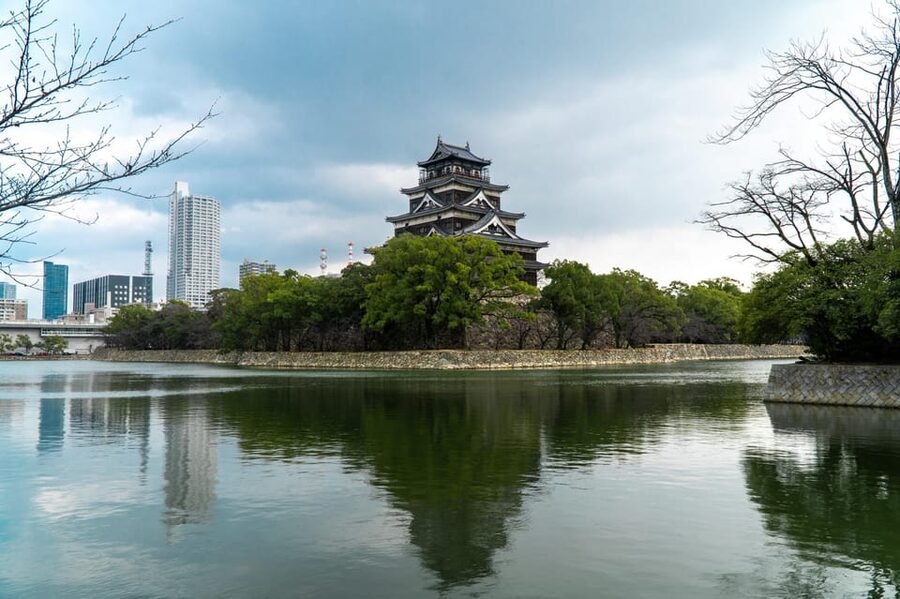
Hiroshima’s story is too important to rush past with a few photos and a plaque. This three-hour walking tour links the Peace Memorial Museum and Park with the Atomic Bomb Dome, memorials, Hiroshima Castle, and Shukkeien Garden, giving you the historical thread that ties the city together.
I like two things right away: Awais, the English-speaking guide, is praised for clear explanations and a calm, caring manner, and the route can be adjusted for weather, walking pace, and your interests. The main consideration is time. Three hours can pass quickly, and several people found that the experience ran longer when the group wanted more time at the museum, castle, or garden.
Key Points At A Glance
- Awais brings clear historical context: He explains the bombing, its human cost, Hiroshima’s recovery, and present-day concerns in fluent English.
- The route goes beyond the main photo stops: You visit the museum, Peace Park, Atomic Bomb Dome, memorials, bridge, castle area, and Shukkeien Garden.
- The tour can be adapted: Awais has shortened museum visits, changed routes, offered breaks, and adjusted plans during heavy rain.
- Expect plenty of walking: The city is best understood on foot, but comfortable shoes, sun protection, and weather-ready clothing matter.
- The subject is serious: Personal accounts and memorial sites can be sobering. The guide’s patient, compassionate approach helps give the visit proper weight.
- At $57 per person, the value is guidance: You pay for structure, local insight, and help fitting major sights together in a short stay.
Why This Hiroshima Tour Works
Hiroshima can look easy to cover on a map. The Peace Memorial Park, museum, Atomic Bomb Dome, castle, and Shukkeien Garden are all central, yet the experience changes greatly when someone explains what you are seeing and why the sites belong together.
I like this tour because it does not treat the Peace Park as a quick stop for one famous photograph. You move through memorials, bridges, monuments, and quieter corners while hearing about the people affected by the bombing. Then the route widens to include the city’s older cultural and architectural layers.
That balance matters. Hiroshima is not only a place of wartime memory. It is also a Japanese city with a castle, a historic garden, surviving structures, rebuilt neighborhoods, and an active present. Awais connects those subjects in a way that can help you understand Hiroshima as a whole place rather than as one event.
The format also suits different kinds of visitors. You can ask questions about World War II, Japanese culture, architecture, memorial customs, or modern Hiroshima. If you have already seen part of the museum or another memorial, the route can be adjusted rather than repeated in a rigid order.
More History Tours in Japan:
- Kyoto: Fushimi Inari, Kinkakuji, Bamboo Grove 1 Day Bus Tour
★ 4.8 · 4,316 reviews - World Heritage Shirakawa-go and Experience Tours from Kanazawa
★ 5.0 · 4,049 reviews - Tokyo: Imperial Palace and Shogun Historical Walking Tour
★ 5.0 · 2,251 reviews
Starting Inside the Peace Memorial Museum
The tour begins at the Hiroshima Peace Memorial Museum, the most emotionally demanding stop. The museum presents the atomic bombing through personal accounts, objects, photographs, and the stories of people who died or survived.
You should allow yourself time to absorb the material. This is not a light sightseeing stop, and a guide cannot remove the sadness of what you will see. What Awais adds is context. He can help explain the sequence of events, answer questions, and connect the exhibits to the memorial sites outside.
The museum is also where the advertised skip-the-ticket-line feature matters most. Lines and crowded galleries can eat into a short visit, so any help with entry and timing is useful. The exact admission arrangement should be confirmed when you book, since the supplied activity details list the guide and historical tour as included, while some booking information indicates museum and garden entry may be covered.
If you have already visited the museum, say so before the tour begins. Awais has adapted visits for people who wanted a shorter museum session and more time outdoors. That flexibility can make the difference between a useful introduction and a rushed afternoon.
Walking Through Peace Memorial Park
From the museum, the route continues through Peace Memorial Park, where Hiroshima’s central memorials sit among open paths and views toward the river. This part of the tour gives the museum’s stories a physical setting.
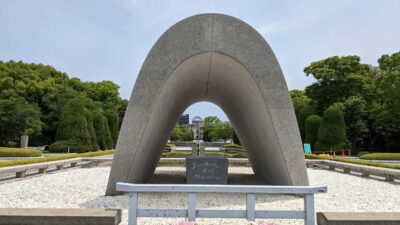
The park includes the Hiroshima National Peace Memorial, the Children’s Peace Monument, the Atomic Bomb Memorial Burial Mound, the Korean Atomic Bomb Victims Cenotaph, and other memorial points. Each has its own purpose and group of people being remembered. On your own, it is easy to pass several of them without knowing their significance.
The Children’s Peace Monument is especially important because it links the bombing to the lives of children and to the paper crane tradition associated with peace. The burial mound reminds you that not every victim received an individual grave or memorial. The Korean victims’ cenotaph adds another layer, showing that the bombing affected people from beyond Japan as well.
Awais’s role here is not simply to name each monument. The value comes from explaining why it exists and how it fits into the larger story. His approach is described as patient and compassionate, which is useful in a place where a guide can easily talk too much or flatten complex subjects into simple slogans.
The park is spread out, so you will walk between stops. The route is generally manageable, but you should not treat this as a seated museum visit with a short stroll. Bring water, wear comfortable shoes, and use a hat and sunscreen in warm weather. During rain, an umbrella and weatherproof clothing will make the experience easier.
Aioi Bridge and the Atomic Bomb Dome
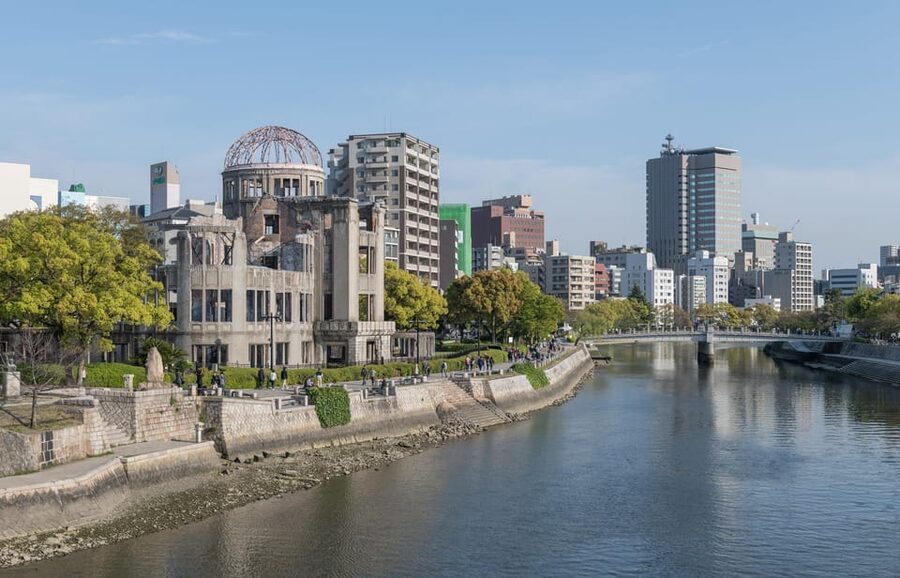
The walk includes Aioi Bridge, a key orientation point near the park and Atomic Bomb Dome. From here, the geography of central Hiroshima becomes clearer, and your guide can explain how the bridge relates to the bombing area and the city’s street plan.
The Atomic Bomb Dome is the tour’s most recognizable exterior sight. Its damaged framework has become a symbol of destruction and peace, but the structure is more powerful when you understand what it was before the bombing and why it remained after the blast.
This is a good place for photographs, but the setting calls for restraint. You are looking at a memorial site, not simply an old building. A guide helps set the right tone and points out details you might otherwise miss.
The itinerary also lists several additional guided stops around the park and memorial area. Their exact sequence may change. That is not necessarily a weakness. Weather, museum timing, walking speed, and the group’s questions can all affect the order. Awais has adjusted routes during heavy rain and helped groups avoid unnecessary queues.
Same streets, a different century:
- World Heritage Kyoto & Nara Uji Authentic Matcha Experience
★ 5.0 · 1,573 reviews - Kyoto Gion: 2-Hour Geisha Culture & History Walking Tour
★ 5.0 · 1,186 reviews - Tokyo Castle & Imperial PalaceーShogun Walking Tour
★ 4.7 · 1,068 reviews - Kanazawa: World Heritage Shirakawa-go Morning Guided Tour
★ 4.9 · 988 reviews
Memorial Sites That Add Missing Voices
The Korean Atomic Bomb Victims Cenotaph deserves particular attention. It is easy for first-time visitors to focus only on the Japanese experience, yet people from other parts of Asia were also in Hiroshima when the bomb fell.
A guide can help you notice this broader human picture without turning the visit into a lecture. The same is true of the Atomic Bomb Memorial Burial Mound, which recalls the many victims whose remains could not be individually identified or returned to families.
These stops are one reason I would choose a guided visit over simply walking through the park with a map. The memorials are not hard to find, but their meaning is not always obvious. You get more from them when you know what each site is asking you to remember.
The tour also includes a safety briefing and scenic views along the way. That may sound minor, but it shows the practical side of a walking tour. Hiroshima’s central area is easy to navigate, yet you still need to pay attention to crossings, weather, and the pace of the group.
Hiroshima Castle and the City Before 1945
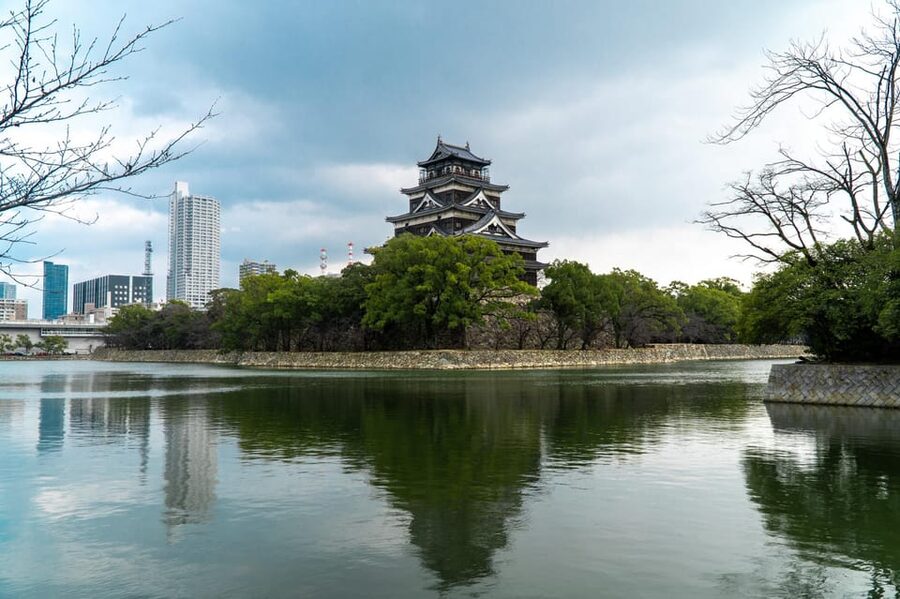
The route then shifts from wartime remembrance to Hiroshima Castle, one of the city’s major historical landmarks. This change of subject is valuable. It places the modern city within a much longer story of Japanese history, military power, urban planning, and architecture.
The castle gives you a chance to see Hiroshima before the atomic bombing, at least through its historical setting. The present structure is not the original castle, but it remains an important part of the city’s identity and a useful contrast to the Peace Park.
The experience information says the tour goes inside rather than leaving you waiting in line to view the exhibits. Since admission details can vary, confirm what is covered when reserving. The key advantage is having someone guide you toward the important material instead of wandering through without a clear sense of what matters.
Do not expect a long castle study session in a three-hour tour. If you are fascinated by Japanese castles, you may want extra time after the tour. The same applies if you prefer to linger over displays or take many photographs. The guide is trying to give you a broad picture of Hiroshima, not spend the entire afternoon in one building.
Shukkeien Garden: A Quiet Change of Pace
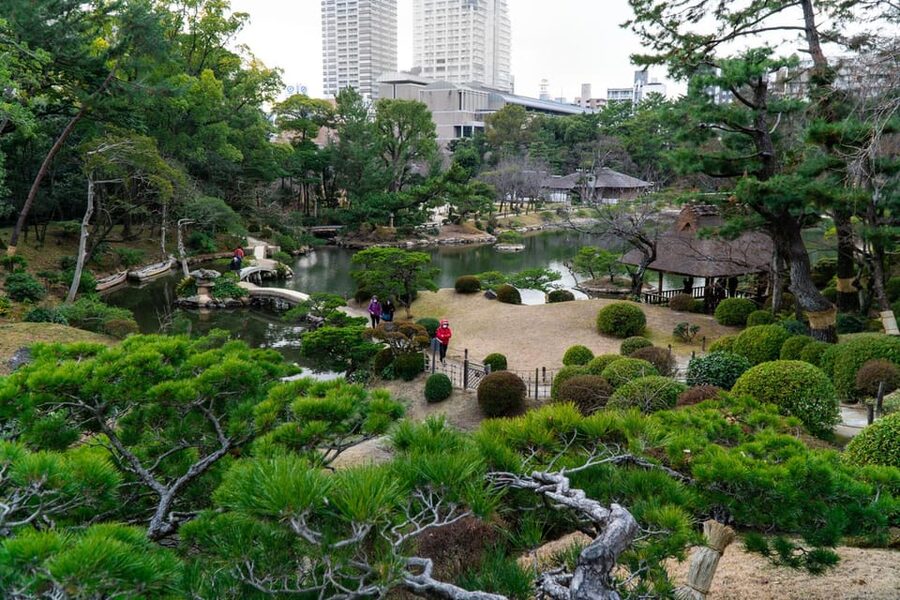
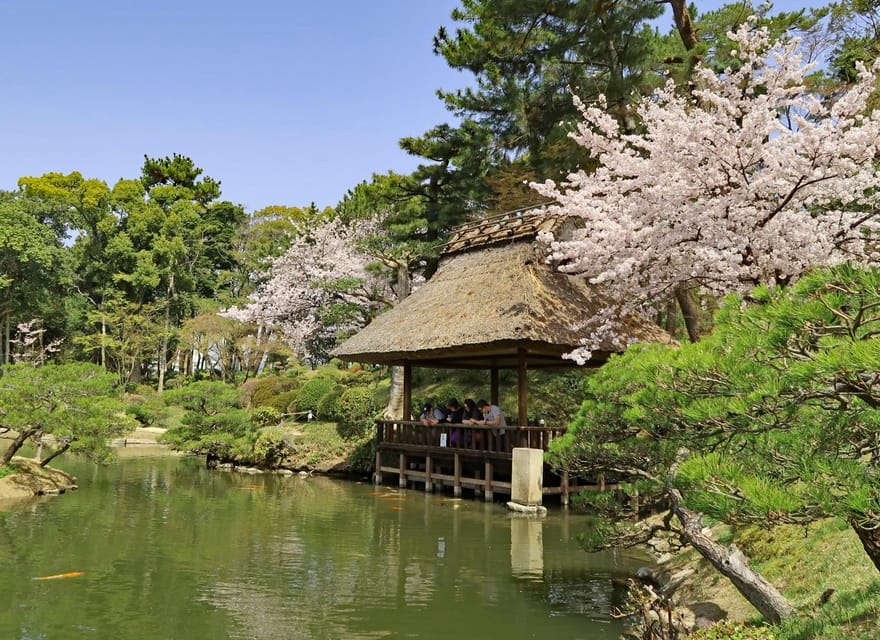
Shukkeien Garden provides the tour’s gentlest transition. Described as dating to the 16th century, it offers ponds, paths, shaped plantings, and carefully composed views that feel far removed from the stark memorial landscape.
The garden is valuable because it shows a different side of Hiroshima. After the museum and Peace Park, a traditional Japanese garden gives you room to think and lets you see the city’s cultural life beyond its wartime memory.
Several visitors found the garden to be a highlight, and I can understand why. Its scale and design reward slow looking. You may notice how bridges, water, trees, and buildings are arranged to create changing views as you walk.
The main practical issue is timing. The stated duration is three hours, but the tour can extend when the group asks questions or spends longer at the museum, castle, or garden. One couple reported that Awais stayed an extra hour to show them Shukkeien and the castle, while others appreciated that he made room for a coffee stop or additional recommendations.
Treat the official three hours as a guide, not a guarantee of a precise finish. If you have a train, restaurant booking, ferry, or evening event, tell Awais at the start.
What the Guide Adds
Awais is the central reason this experience earns strong marks. His background as a doctoral student in the area is noted in the feedback, along with his clear English and strong command of Hiroshima’s past and present.
The praise is not limited to facts. He is also described as polite, funny, patient, attentive, and flexible. That combination matters. A guide who knows the subject but cannot read the group can make a difficult day tiring. Awais appears to adjust his pace and explanations to the people in front of him.
You can ask questions as you go. If you need a break, say so. If you have already visited a memorial, mention it. If rain becomes heavy, expect the route to change. One person described being given an umbrella, while another noted that the guide kept the group sheltered during a downpour.
This flexibility also makes the tour work well for a small group or couple. Several bookings effectively became private tours because of the group size. That is not promised every time, so you should not book expecting a private experience, but a small group can allow more conversation and route changes.
Is $57 a Good Price?
At $57 per person, the tour is not the cheapest way to walk around Hiroshima. You can visit many outdoor memorials without a guide, and public transport or a self-guided map costs less.
The value comes from what you might miss alone. You receive a planned route, an English-speaking guide, explanations at memorials that can be easy to overlook, and help adjusting the visit around crowds, weather, and your interests. For a first visit, that can save time and prevent the Peace Park from becoming a disconnected list of names and buildings.
The price makes the most sense if you have only part of a day in Hiroshima, want historical context, or prefer to ask questions as you walk. It is less useful if you already know the city well, have studied the museum in detail, or want to move at your own very slow pace.
Check the final booking details for admission coverage. The activity information promises the historical tour and English-speaking guide, and it advertises skip-the-line access. Some booking details indicate museum and garden admission may be included, but you should verify this before paying.
Who Should Book This Tour?
I would recommend it to first-time visitors who want a clear introduction to Hiroshima without spending hours planning a route. It is also a strong choice for people who care about history but want more than a museum audio guide.
Families and mixed-age groups may appreciate the ability to slow down, ask questions, or shorten certain sections. Older visitors should be comfortable with walking, though the guide has accommodated breaks and offered alternatives when needed. The tour is wheelchair accessible, but it is still sensible to ask about the exact route and access needs in advance.
This is not the right choice if you want a carefree sightseeing loop with little discussion. Hiroshima’s memorial sites deserve attention, and the museum can be upsetting. Go when you have enough emotional and physical energy to listen.
Practical Tips for the Three Hours
- Wear comfortable walking shoes. The route links several outdoor sites and garden paths.
- Bring a hat, sunscreen, and clothing suited to the forecast.
- Carry rain protection. Heavy rain has affected the route before, though the guide has adjusted plans and sheltered the group.
- Tell Awais at the beginning if you have already visited the museum or another memorial.
- Mention any fixed plans after the tour. The experience may run beyond three hours if you spend extra time at the sights.
- Keep questions coming. The tour’s best value comes from the conversation and context, not just the walking route.
- If you want extra time at Hiroshima Castle or Shukkeien Garden, plan a separate visit rather than expecting the full tour to linger at every stop.
Should You Book It?
Book this tour if you want Hiroshima’s major memorials explained by a thoughtful English-speaking guide, with a route that also includes the castle and Shukkeien Garden. Awais’s clear delivery, patience, and willingness to adjust the plan are the strongest reasons to choose it.
Skip it if you prefer to explore alone, need a precisely timed three-hour schedule, or would rather spend an entire day inside the museum and castle. For most first-time visitors, though, $57 is a fair price for a guided introduction to the city’s most important places and the stories behind them.
FAQ
How long does the Hiroshima History and Hidden Gems Tour last?
The advertised duration is three hours. It may take longer if you spend extra time at the museum, castle, or garden, so allow some flexibility after the scheduled finish.
Where does the tour begin?
The listed starting point is the Hiroshima Peace Memorial Museum. You can also arrange a different meeting point with the guide.
Is the tour conducted in English?
Yes. The tour includes a live English-speaking guide, Awais.
Which places are included in the route?
The route includes the Peace Memorial Museum, Peace Memorial Park, Hiroshima National Peace Memorial, Children’s Peace Monument, Atomic Bomb Memorial Burial Mound, Aioi Bridge, Korean Atomic Bomb Victims Cenotaph, Atomic Bomb Dome, Hiroshima Castle, and Shukkeien Garden.
Is the tour wheelchair accessible?
Yes, the activity is listed as wheelchair accessible. Since the route includes walking between several sites, discuss specific access needs when arranging the tour.
What should I bring?
Bring comfortable shoes, a hat, sunscreen, and clothing suited to the weather. Rain protection is also useful, since the tour continues outdoors and the route may be adjusted during heavy rain.
Newest history tours we have reviewed in Japan
- [30 minutes] Rickshaw tour around Asakusa [History, sightseeing, Tokyo Skytree]★ 5.0 · 38 reviews
- Tokyo: Asakusa & Sensoji ー Oldest Temple Walking Tour (2hrs)★ 5.0 · 213 reviews
- Private sake pairing@ancient underground★ 5.0 · 27 reviews
- Private Tour Through the Tokyo National Museum & Ukiyo-e★ 4.7 · 17 reviews
- Tokyo: Customized Private Historical Guided Photoshoot Tour★ 5.0 · 25 reviews
- Tokyo: Imperial Palace, the history of Japan (ENGLISH GUIDE)★ 5.0 · 77 reviews
- (Ticket Included) Explore Osaka Castle & Museum of History★ 4.8 · 21 reviews
- Tokyo: Edo Castle & East Garden of the Imperial Palace Tour★ 4.7 · 112 reviews
Hiroshima History Tours, compared.
Hiroshima Historical Walking Tour – Why A-Bomb was Dropped
Read our review →
Hiroshima Peace (Heiwa) Walking Tour at World Heritage Sites
Read our review →
Miyajima Half-day Trip Historical Walking Tour
Read our review →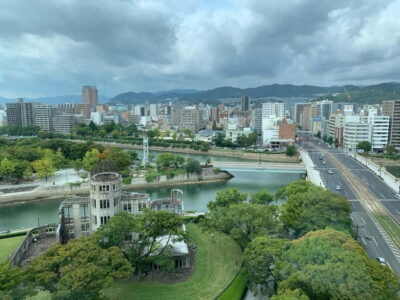

Hiroshima & Miyajima Island Private Tour: History & Culture
Read our review →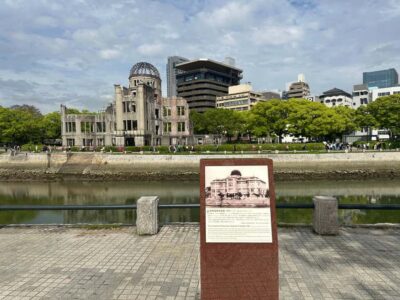
The history of Hiroshima “the event that shape the history”
Read our review →Browse the lists this tour appears in