
Review · HIROSHIMA HISTORY TOURS
The history of Hiroshima “the event that shape the history”
Hiroshima’s Peace Memorial Park is more than a collection of monuments. It is a carefully arranged story about a living city, the bombing of August 6, 1945, and the people who rebuilt after it. This tour helps you read that story, from the Atomic Bomb Dome to the exact hypocenter where the blast began.
I like the way the tour connects large events to individual lives, especially through accounts of hibakusha, civilians, and children. I also like that the museum visit comes with a guide who can explain difficult exhibits and answer questions instead of leaving you to make sense of everything alone.
The main drawback is pace. Two hours is a useful introduction, but the itinerary includes many stops and the museum, so some visits may be brief. If you want a slow museum visit or time for quiet reflection at every monument, plan to return on your own.
Key points to know before you book
- The tour follows a clear route through Peace Memorial Park, beginning near the museum and ending at the same area.
- Maria, James, and Ali are among the named guides, with tours offered in English, Hindi, and Urdu.
- The $38 price includes the guide and Peace Memorial Museum admission, which makes it good value if you want historical context with your ticket.
- The Atomic Bomb Dome and the hypocenter give the history a physical setting, not just a date in a textbook.
- The tone is serious but approachable, with room for questions and personal stories.
- A two-hour schedule works best as an introduction, not as a complete study of Hiroshima.
Starting at 1-2 Nakajimacho
The tour begins near the taxi stand by the Hiroshima Peace Memorial Museum, at approximately 34.3915047, 132.4530738. This is a practical meeting point because you are already beside the park and close to the main memorial sites.
I would arrive a little early. The park is open and spread out, and the meeting area can feel less obvious than a station entrance. The tour returns to 1-2 Nakajimacho, so you finish in the same general part of the park rather than being left at a distant stop.
The guide sets the tone from the start. This is not a tour built around quick photo stops and loose facts. It explains Hiroshima before the bombing, the city’s place in the Pacific War, why it was selected, and what happened to ordinary people when the bomb fell.
That background matters. Without it, the monuments can blur into one solemn walk. With it, you can see the park as a record of a city that existed before August 6, 1945, and a place that made a deliberate choice to preserve memory after the war.
More History Tours in Japan:
- Kyoto: Fushimi Inari, Kinkakuji, Bamboo Grove 1 Day Bus Tour
★ 4.8 · 4,316 reviews - World Heritage Shirakawa-go and Experience Tours from Kanazawa
★ 5.0 · 4,049 reviews - Tokyo: Imperial Palace and Shogun Historical Walking Tour
★ 5.0 · 2,251 reviews
Gates of Peace: an opening lesson in remembrance
The Gates of Peace are among the first stops. You get time for photographs and a guided explanation of their meaning.
This is a good place to begin because it introduces the park’s public message. Hiroshima is not only marking its own loss. It is asking you to think about peace, nuclear weapons, and the future.
The guide’s job here is to provide a frame for the rest of the visit. Names, dates, and political decisions matter, but so does the question of how a city chooses to remember. Guides such as Maria are especially useful for this kind of opening because the tour depends on storytelling, not simply pointing at buildings.
The Cenotaph for the A-bomb Victims
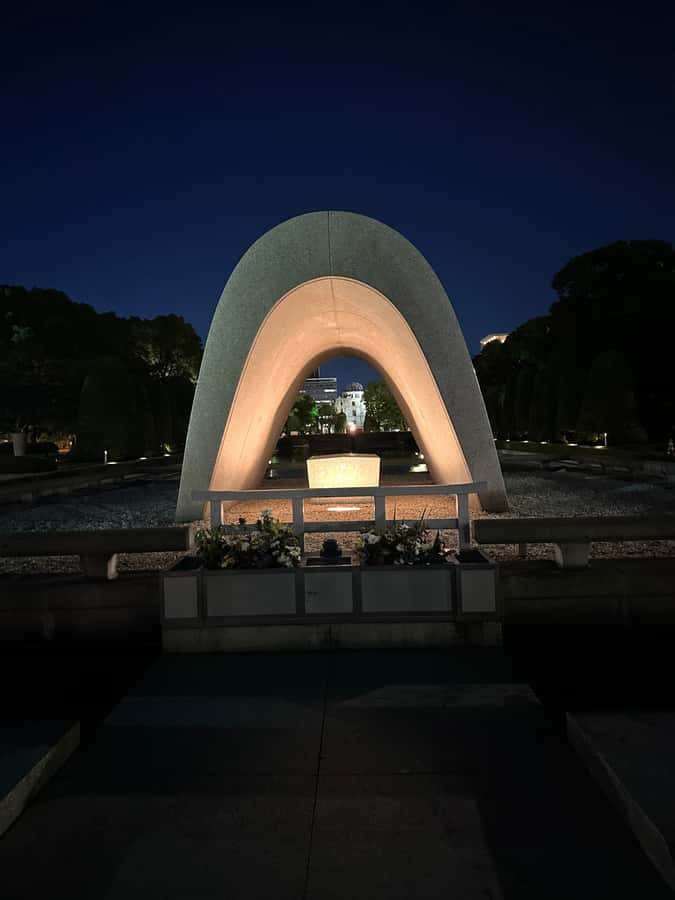
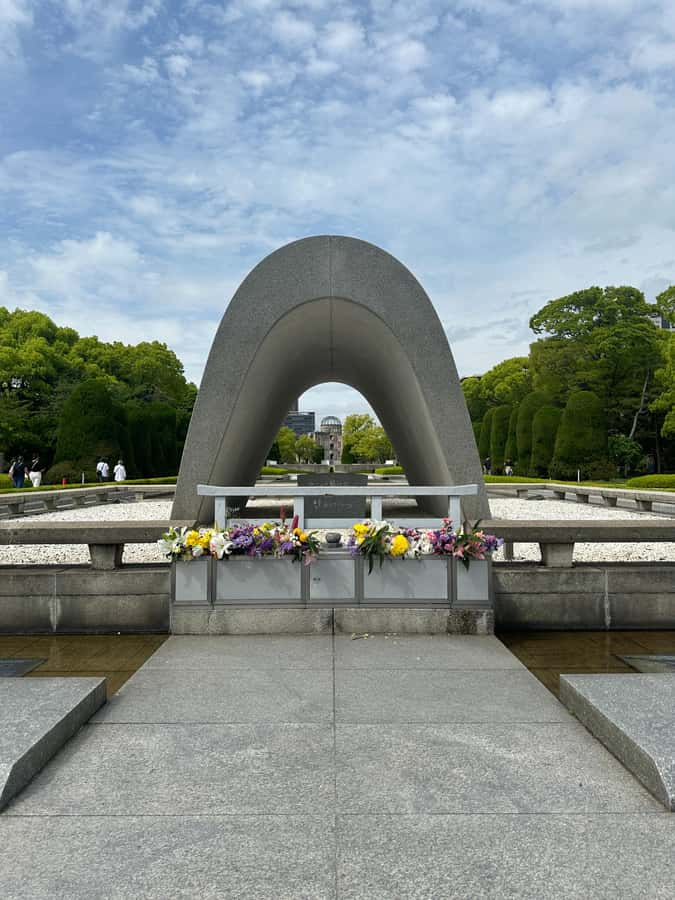
The Hiroshima Victims Memorial Cenotaph is one of the park’s central sites. It honors those who died because of the bombing, including people who died immediately and those who later suffered from the effects of radiation.
Your guide explains the symbolism of the cenotaph and helps place it within the wider park. This is one of the points where the tour moves from military history to personal loss.
I appreciate the chance to ask questions here. The subject can bring up difficult issues about responsibility, the end of the war, and the long effects of nuclear weapons. A good guide does not rush to turn those questions into simple answers. The strongest part of this experience is its willingness to connect the official story with the lives behind it.
The Korean Atomic Bomb Victims Cenotaph
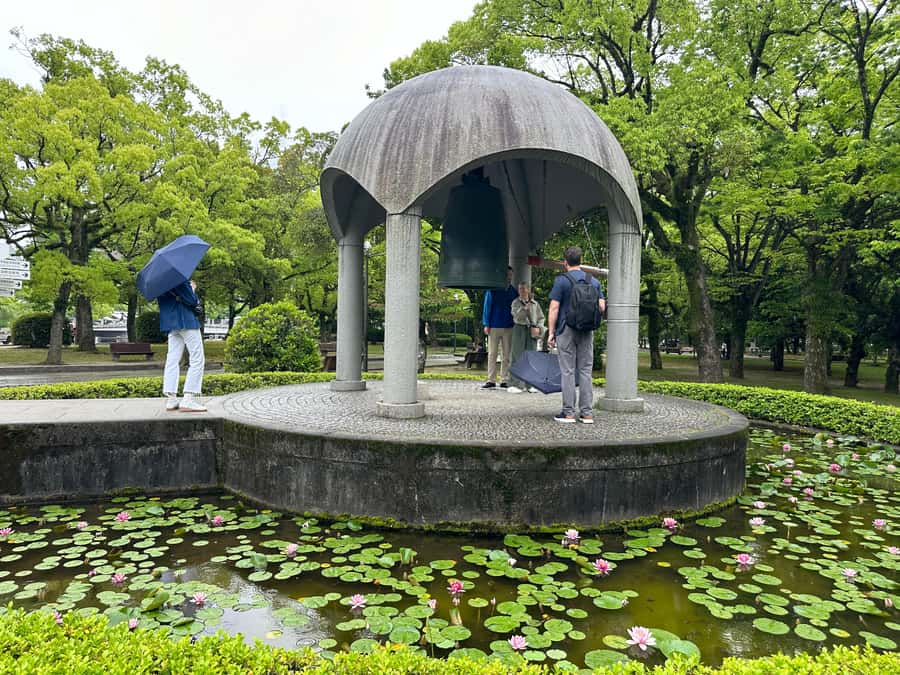
The Korean Atomic Bomb Victims Cenotaph adds an important layer that can be missed on a first visit. It recognizes Koreans who were in Hiroshima at the time of the bombing and died as a result.
This stop widens the story beyond the Japanese civilian experience. Hiroshima was part of an empire at the time, and people from different places lived and worked in the city. The memorial encourages you to consider how war affects people who may not fit neatly into a national history.
The stop is relatively short, but it earns its place on the route. If you were visiting the park alone, you might pass it without knowing why it matters. The guide gives the monument context and helps you understand why remembrance in Hiroshima includes more than one community.
Same streets, a different century:
- World Heritage Kyoto & Nara Uji Authentic Matcha Experience
★ 5.0 · 1,573 reviews - Kyoto Gion: 2-Hour Geisha Culture & History Walking Tour
★ 5.0 · 1,186 reviews - Tokyo Castle & Imperial PalaceーShogun Walking Tour
★ 4.7 · 1,068 reviews - Kanazawa: World Heritage Shirakawa-go Morning Guided Tour
★ 4.9 · 988 reviews
The Bell of Peace and Children’s Peace Monument
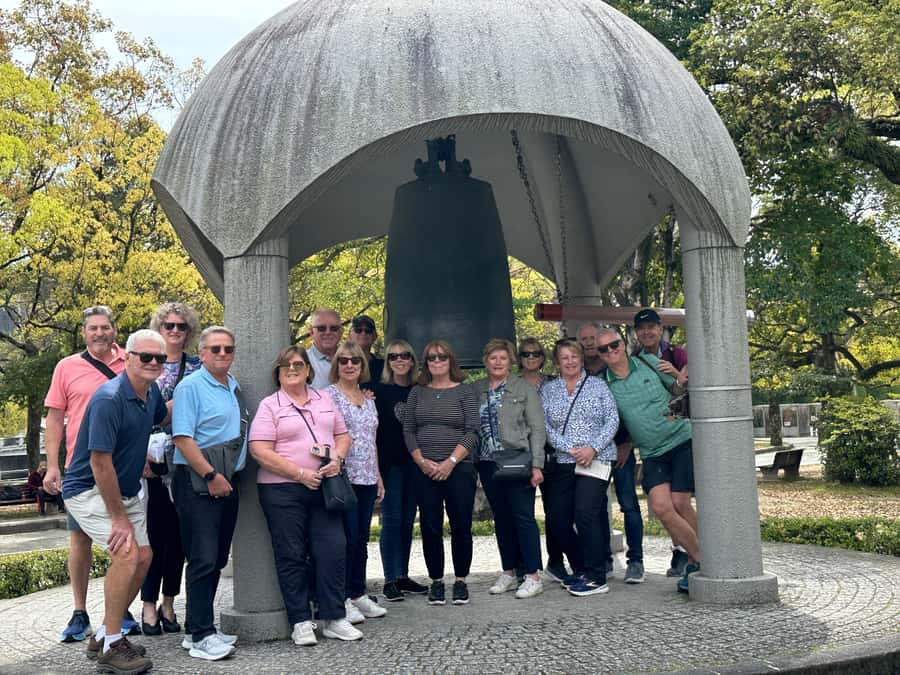
The Bell of Peace is a quieter stop, with time to see the bell and hear about its message. It represents a call for peace, and the guide links it to Hiroshima’s continuing public work against nuclear weapons.
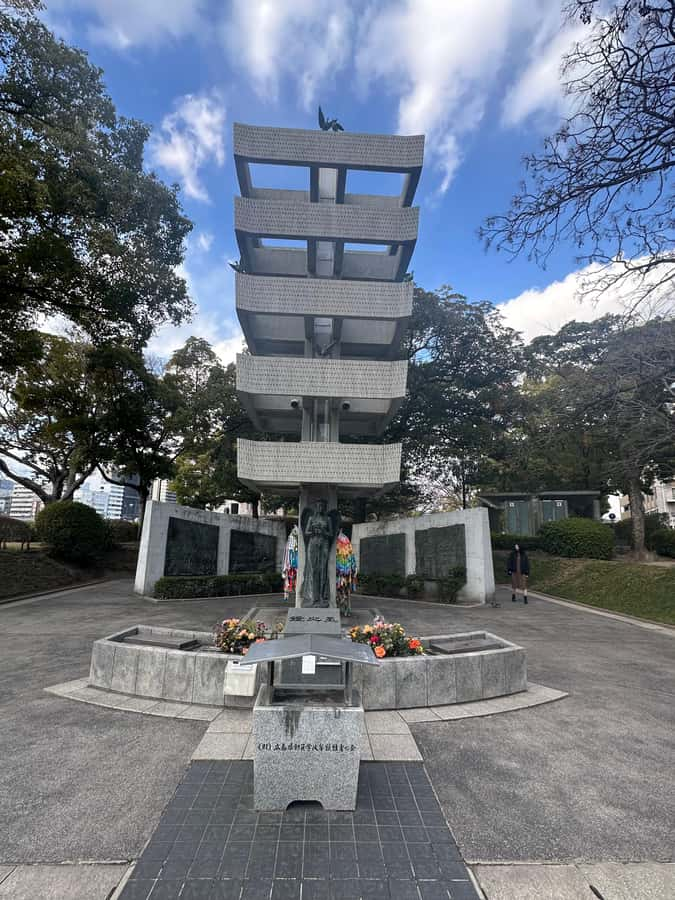
The Children’s Peace Monument brings the subject closer to individual children. It is associated with the story of Sadako Sasaki and the paper cranes that became a symbol of hope and remembrance. The tour uses this site to discuss children affected by the bombing and the way later generations have kept their stories alive.
This is often one of the most emotional parts of the walk. You may find that the monument’s many cranes and messages create a different feeling from the more formal cenotaph. The guide helps explain that difference without turning the stop into a performance.
The experience works best if you allow yourself a quiet moment here. The schedule is active, and there are several places to visit, but you do not need to treat every stop like a rushed checklist.
Hiroshima Peace Park Rest House and the city before 1945
The Hiroshima Peace Park Rest House gives the tour another chance to connect the park with the city that came before the bombing. Hiroshima was not an empty military target. It was a working urban center with homes, shops, schools, and daily routines.
That point is easy to lose when the story begins with the bomb. A guide can help you picture Hiroshima as a real city rather than a symbol alone. The rest house also offers a change of setting during the walk and may help break up the emotional weight of the memorials.
The tour looks at the city’s wartime role and the wider Second World War. It also addresses why Hiroshima was targeted and how the bombing changed the lives of people who survived. Those subjects can be politically and morally complex, so the value here lies in having a guide available to explain the context and listen to your questions.
The Atomic Bomb Dome: the image everyone recognizes
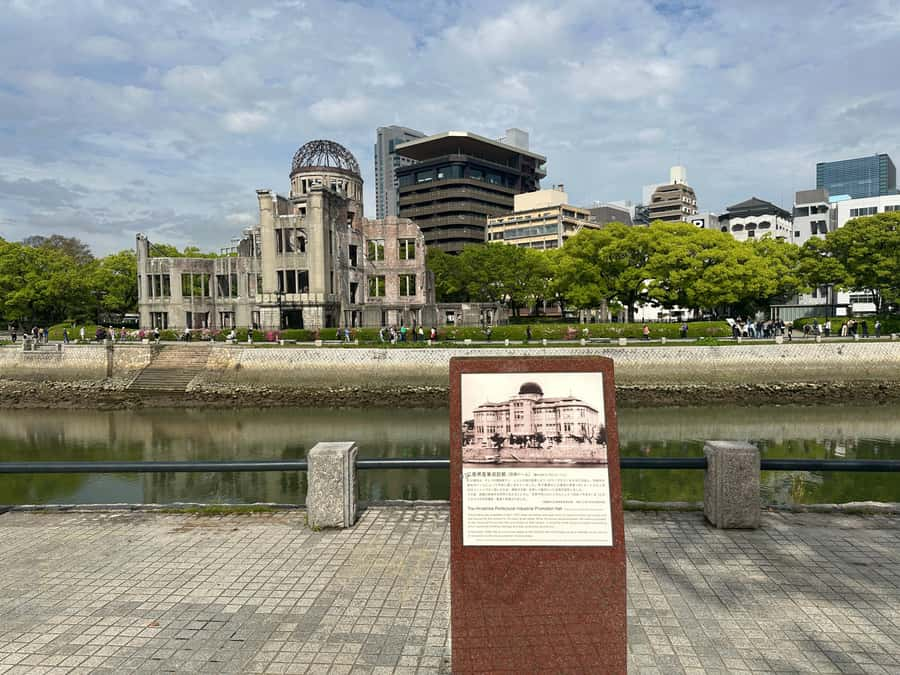
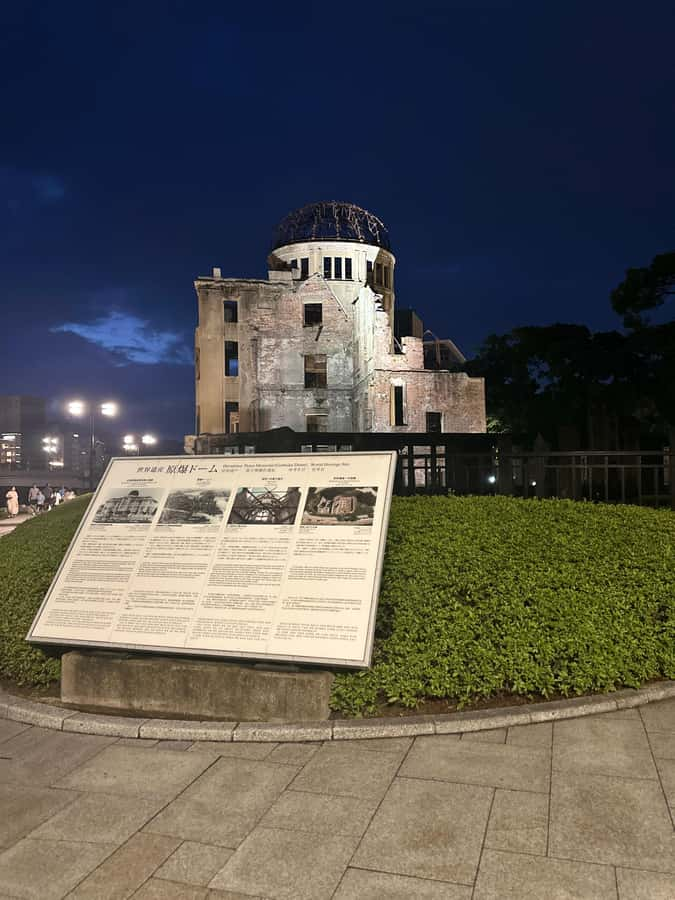
The Atomic Bomb Dome is the most familiar structure in Hiroshima’s park, but seeing it in person gives it a different force. Its ruined frame remains close to the site of the blast, making the distance between a modern city and a destroyed one feel very small.
The guide explains the building’s history and why it was preserved. You can take photographs, but the site asks for more than a quick picture. Look at the exposed structure and the empty spaces around it. The contrast between a surviving shell and a rebuilt city is central to Hiroshima’s story.
This is also where the tour’s balance becomes clear. The dome is a powerful symbol, yet the guide keeps bringing you back to people. Buildings do not suffer. Families do. Children do. The strongest explanations make that distinction clear.
The hypocenter and the exact point of the blast
The hypocenter is one of the most direct stops on the route. It identifies the point above which the atomic bomb detonated.
A visit here can feel less dramatic than the dome because the site itself is not a large monument. That is exactly why a guide helps. The meaning comes from understanding what happened at that location and how the blast affected the surrounding city.
I find this kind of stop especially useful for building scale. You are no longer thinking only about Hiroshima as a broad map or a museum display. You are standing at a precise point and then considering the destruction that spread outward from it.
The guide also discusses immediate and long-term consequences, including the effects on survivors. Personal accounts from hibakusha, civilians, and children bring a human voice to an event that can otherwise feel too large to grasp.
Hiroshima Peace Memorial Museum
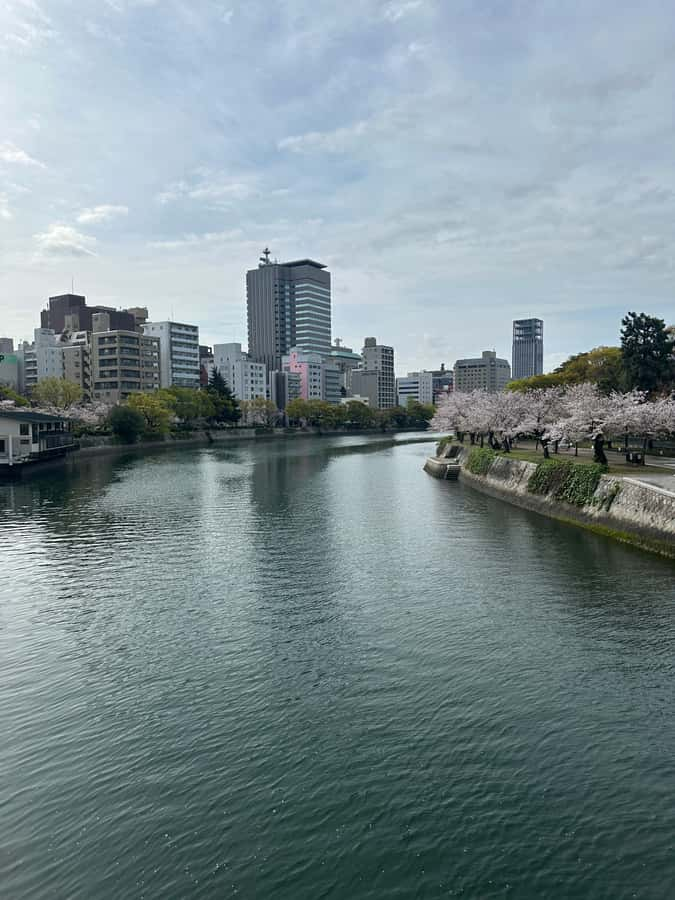
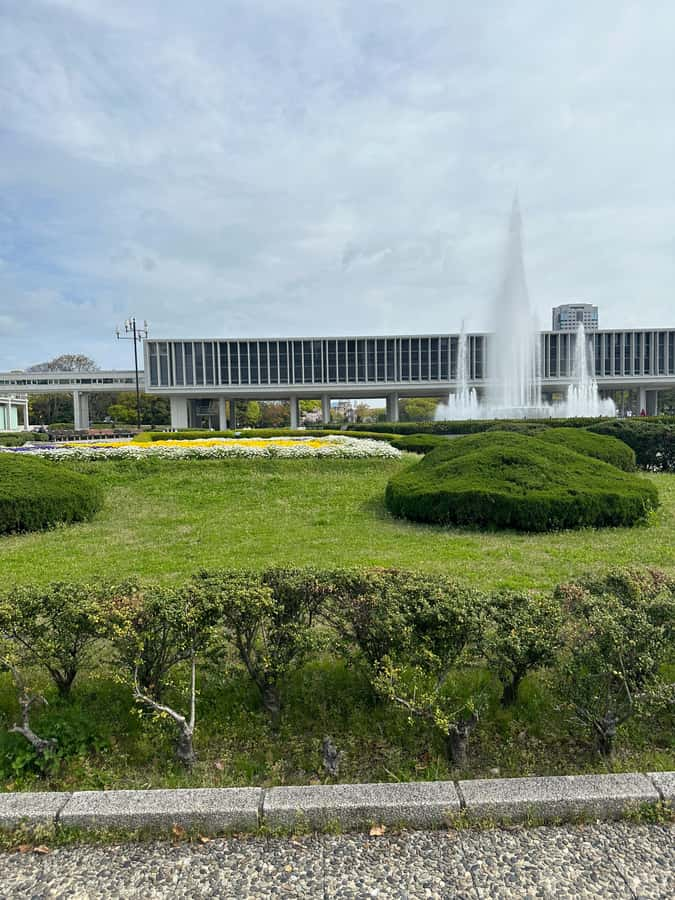
The Peace Memorial Museum is included in the $38 price, and that is a real benefit. Museum admission gives you access to objects, photographs, records, and personal accounts that cannot be reproduced fully during an outdoor walk.
The guide’s role is especially useful before entering. The subject is heavy, and the museum can be crowded. One person who took the tour before entering the museum was glad to have historical context in place first, since the exhibits made more sense after the park walk.
Do not expect two hours to cover every display at an unhurried pace. The itinerary allows for a visit, but the exact time inside depends on the pace of the group and the guide’s handling of the earlier stops. If you want to read every panel, study each artifact, and spend a long time in the museum, you may need to return later.
That is not a flaw in the tour so much as a matter of planning. Think of the experience as a guided introduction to the park and museum, followed by the option to explore the museum independently. The guide can make the first visit less confusing and less emotionally overwhelming.
The guides and the value of the storytelling
The named guides include Maria, James, and Ali, and the experience is offered in English, Hindi, and Urdu. The guide makes a major difference here because the subject requires care, clarity, and patience.
Maria is described as bringing the past and present together through stories, while also sharing local suggestions such as food and a place to try an excellent ice cream. That kind of local detail is a pleasant extra, but the more important point is her ability to keep the tour human and conversational.
James is described as adding detail beyond what a visitor might already know. Ali is noted for taking time with each part of the park, allowing questions and exploration without rushing. These differences suggest that the exact feel can depend on who leads your tour, but the core format remains the same.
I would not choose this experience if you want a silent, self-directed walk. Choose it if you want someone to explain the symbols, answer hard questions, and connect the memorials to the city’s past and present.
Price, timing, and who gets the most from it
At $38 per person, the tour offers solid value because it includes a private guide, Peace Memorial Museum admission, and the guided walk through the park. Museum admission alone does not provide the same historical structure, while a free walk may leave you guessing about the meaning of several monuments.
The private format can be particularly good for couples, families, or small groups who want to ask questions. It also lets the guide respond to your pace and interests, though you should still expect a brisk schedule because the tour lasts two hours.
Free cancellation is available up to 24 hours before the activity, and you can reserve now and pay later. Starting times vary, so check availability before booking. The tour offers a useful way to fit Hiroshima’s central historical sites into a short visit.
I would schedule it early in your Hiroshima stay if possible. The guide can give you a working map of the park and museum, leaving you better prepared to return to the places that affected you most.
The emotional weight and practical limits
This is a serious experience. The subject includes death, radiation, illness, wartime decisions, and the suffering of children. You should expect moments that are hard to absorb.
The guides aim to make the material clear without making it unbearable. That balance matters. The tour does not treat Hiroshima as a simple lesson with one easy conclusion, and it does not use the tragedy as entertainment.
The short duration helps some people because it gives the visit shape. For others, it may feel too fast. You will probably get the most from it if you treat the tour as a guided first look, then leave time for your own reflection afterward.
Wear comfortable shoes and allow room in your day for the museum or park after the official finish. Those are practical choices based on the number of stops and the weight of the subject, not extra requirements from the activity.
Should you book this Hiroshima history tour?
Book it if you want a clear, human explanation of Hiroshima’s past and only have a short time in the city. The guide, museum admission, central meeting point, and focused route make the $38 cost reasonable.
It is also a strong choice if you already know the basic facts but want more detail about the people, monuments, and city that existed before and after the bombing. Maria, James, and Ali each bring a personal guiding style, with time for questions and local conversation.
Skip it if you prefer to spend several hours reading every museum display at your own pace. In that case, visit the park independently and set aside more time for the museum. For most first visits, though, this tour gives Hiroshima’s memorials shape, context, and a human voice.
FAQ
Where does the Hiroshima history tour start?
It starts at the taxi stand near the Peace Memorial Museum, at approximately 1-2 Nakajimacho. The coordinates provided are 34.3915047, 132.4530738.
Where does the tour finish?
The tour returns to 1-2 Nakajimacho, near the starting area.
How long does the activity last?
The tour lasts two hours. Starting times depend on availability when you book.
What is included in the price?
The $38 price includes a private guide, admission to the Hiroshima Peace Memorial Museum, and museum tickets.
Which languages are available?
The live guide is available in English, Hindi, and Urdu.
Which places do you visit?
The route includes the Gates of Peace, the Hiroshima Victims Memorial Cenotaph, the Korean Atomic Bomb Victims Cenotaph, the Bell of Peace, the Children’s Peace Monument, the Hiroshima Peace Park Rest House, the Atomic Bomb Dome, the hypocenter, and the Hiroshima Peace Memorial Museum.
Can I cancel or pay later?
You can cancel up to 24 hours in advance for a full refund. The reserve now and pay later option lets you book without paying at the time of reservation.
Newest history tours we have reviewed in Japan
- [30 minutes] Rickshaw tour around Asakusa [History, sightseeing, Tokyo Skytree]★ 5.0 · 38 reviews
- Tokyo: Asakusa & Sensoji ー Oldest Temple Walking Tour (2hrs)★ 5.0 · 213 reviews
- Private sake pairing@ancient underground★ 5.0 · 27 reviews
- Private Tour Through the Tokyo National Museum & Ukiyo-e★ 4.7 · 17 reviews
- Tokyo: Imperial Palace, the history of Japan (ENGLISH GUIDE)★ 5.0 · 77 reviews
- Tokyo: Customized Private Historical Guided Photoshoot Tour★ 5.0 · 25 reviews
- (Ticket Included) Explore Osaka Castle & Museum of History★ 4.8 · 21 reviews
- Tokyo: Edo Castle & East Garden of the Imperial Palace Tour★ 4.7 · 112 reviews
Hiroshima History Tours, compared.
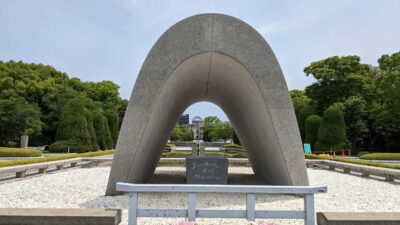
Hiroshima Historical Walking Tour – Why A-Bomb was Dropped
Read our review →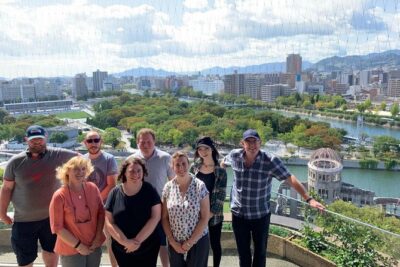
Hiroshima Peace (Heiwa) Walking Tour at World Heritage Sites
Read our review →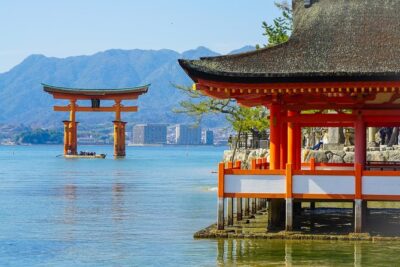
Miyajima Half-day Trip Historical Walking Tour
Read our review →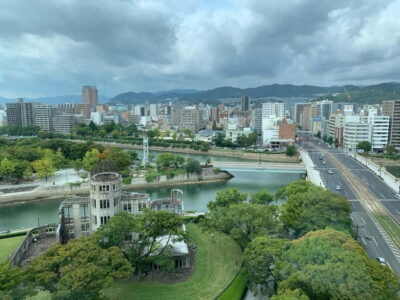

Hiroshima & Miyajima Island Private Tour: History & Culture
Read our review →Browse the lists this tour appears in