
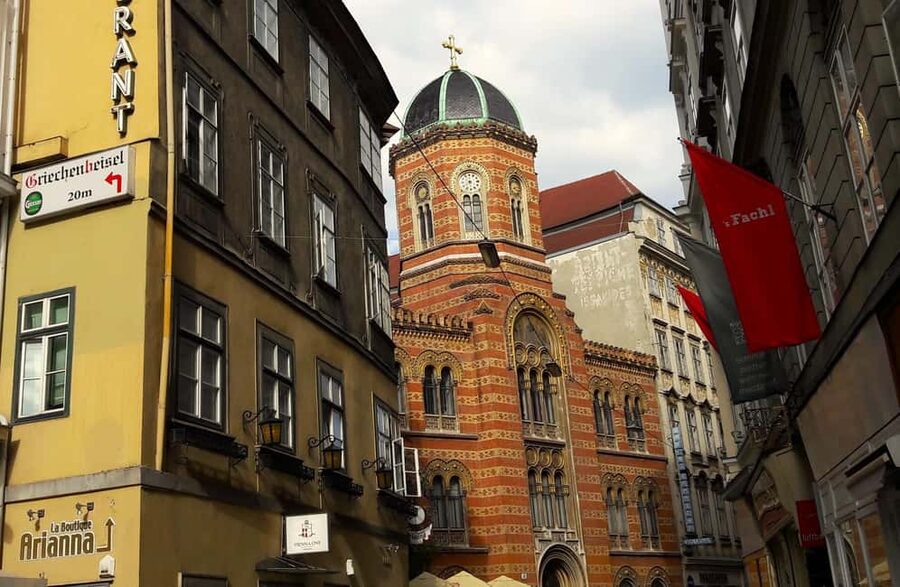
Review · VIENNA HISTORY TOURS
Vienna: historical tours with locals in the unknown City,
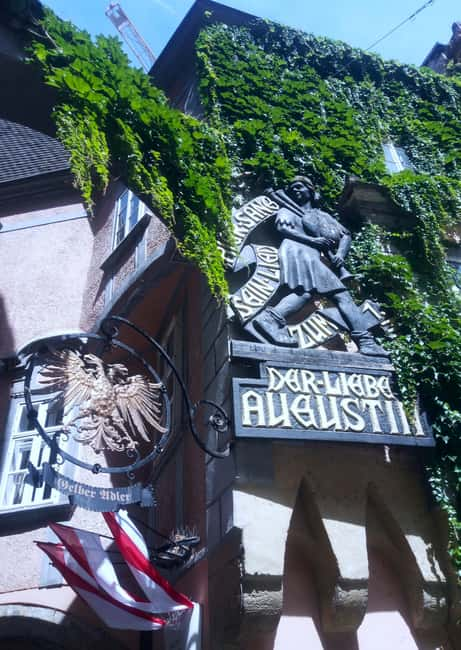
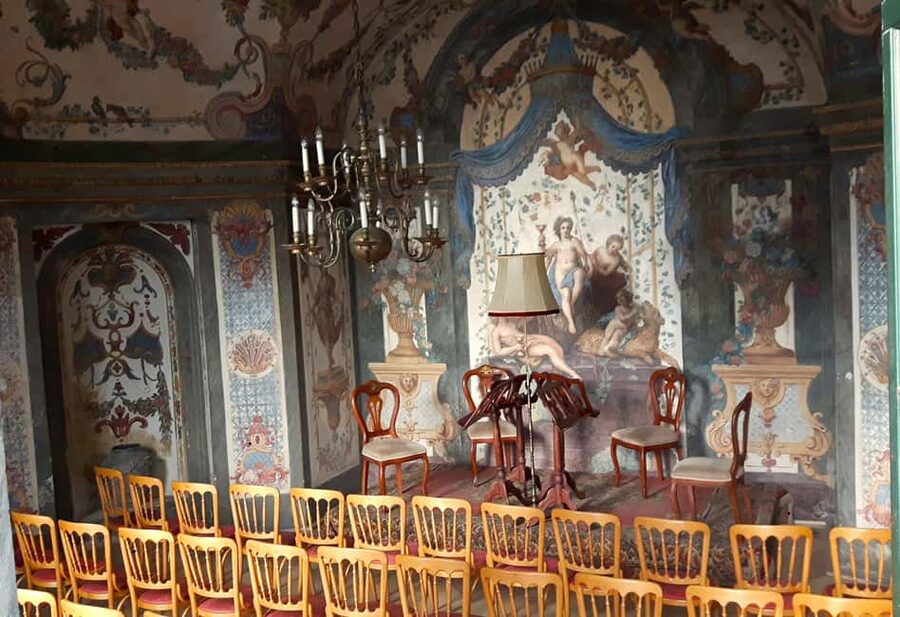
Vienna’s grand sights are only half the story. This small-group walk leads you into quiet lanes, courtyards, and overlooked corners where medieval walls sit beside modern buildings, and where stories about monsters, musicians, emperors, and religious change give the old center extra texture. You may also see the Deutscher Orden Haus, home to Mozart’s concert hall.
I like the focus on architecture you could easily walk past, especially the clues left by Vienna’s re-Catholicization and its changes from Gothic to Art Nouveau. I also like the personal touch: guides such as Nicoleta have adjusted the pace, answered questions at length, recommended restaurants, and even helped visitors find the right tram stop. The main consideration is that this is a walking tour with little sitting, and the full version can last three hours, so eat first and wear good shoes.
Key points to know before booking
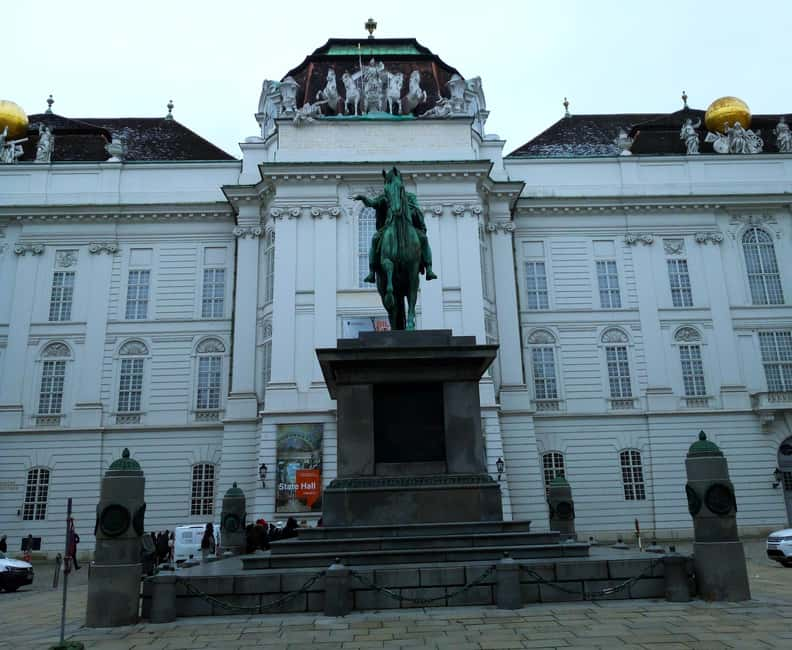
- Mozart’s concert hall: Visit the Deutscher Orden Haus and connect Vienna’s buildings with its musical past.
- A city beneath the city’s polish: Look for medieval details, winding streets, churches, courtyards, and architectural traces that standard sightseeing can miss.
- Stories with a local flavor: Hear legends about monsters such as the basilisk, along with tales of emperors, patrons, musicians, and ordinary Viennese life.
- A compact group: The tour is limited to 10 people, which makes questions and pace adjustments easier.
- A useful first-day walk: The route gives you a historical orientation and practical suggestions for restaurants and further sightseeing.
- Not suitable for wheelchairs: Expect uneven streets, narrow passages, and a substantial amount of walking.
Why this Vienna walk feels different
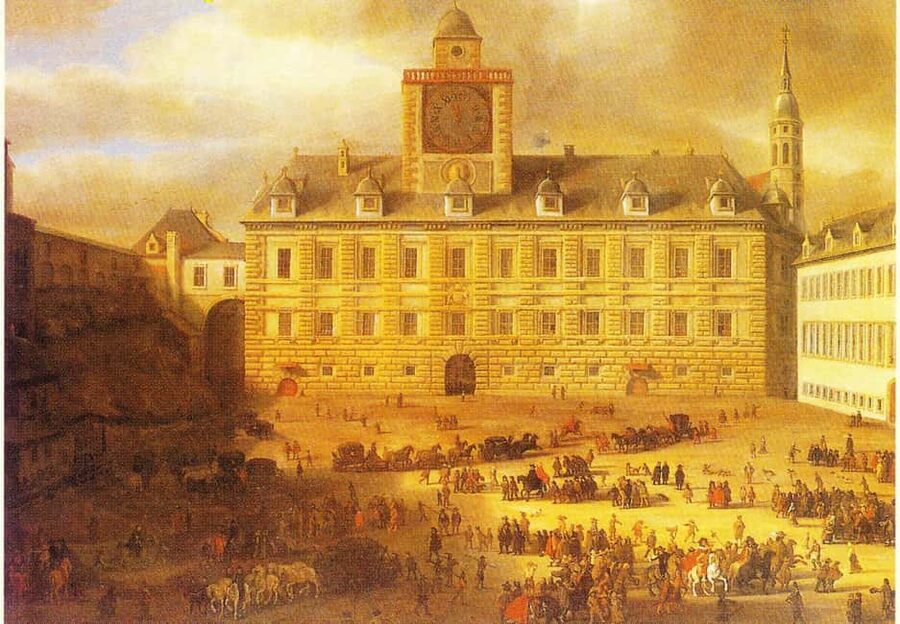
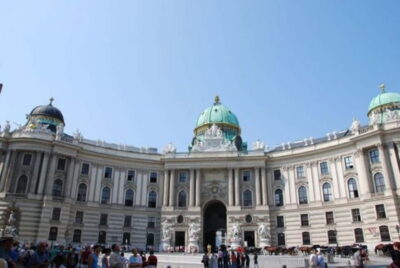
The best reason to book this experience is its subject. It is not simply a march past St. Stephen’s Cathedral and the Hofburg. Instead, it asks you to read Vienna.
That means looking at a doorway, a church facade, a street bend, or a building squeezed beside a modern block and asking what changed here. The answer might involve medieval trade, the Ottoman Wars, the Habsburg monarchy, religious policy, music, or a local tale about a creature that once frightened the neighborhood.
You still receive a broad outline of Vienna’s past, from the 13th century to the 21st century. But the route approaches that story through details rather than a long lecture. You may finish with a better sense of how old Vienna developed in layers, rather than as a perfectly planned imperial display.
The tour is led in German or English and is capped at 10 participants. That size matters. In narrow streets and small courtyards, a large group would be awkward. In a group of 10 or fewer, you can usually hear the guide, ask questions, and keep a reasonable pace.
The guide connected with this experience is often identified as Nicoleta, with the name also appearing as Nikoletta, Nicola, or Nichole. The important point is the style of guiding: personal, attentive, and strongly focused on the city’s stories and buildings.
More History Tours in the world:
- New York City: American Museum of Natural History Ticket
★ 4.5 · 15,447 reviews - History and Hauntings of Salem Guided Walking Tour
★ 5.0 · 14,564 reviews - Colosseum: Underground and Ancient Rome Tour
★ 4.7 · 12,691 reviews
Starting near Georg Coch Platz
The listed starting point is Georg-Coch-Platz, near the Georg Coch monument, though the exact meeting place depends on the option you reserve. Check your booking details carefully rather than assuming every departure begins at the same spot.
This area is a practical launch point for a walk into the historic center. It also helps set the tone. You are not being collected at a major museum entrance with a crowd of tour groups. The experience begins in the city and then works its way toward older streets and better-known central districts.
Because the route is on foot, arrive ready to walk. Comfortable shoes are not just a polite suggestion. The tour moves through streets, lanes, and historic areas where smooth pavement cannot always be expected. Eat something beforehand, since the activity does not include a meal or a scheduled food stop.
If you are using this as your first Vienna activity, the starting point can work well. You get a broad orientation before spending later days inside museums or at major palaces. If you book it near the end of your stay, it can help explain details you may have noticed but not understood.
Reading Vienna’s medieval streets
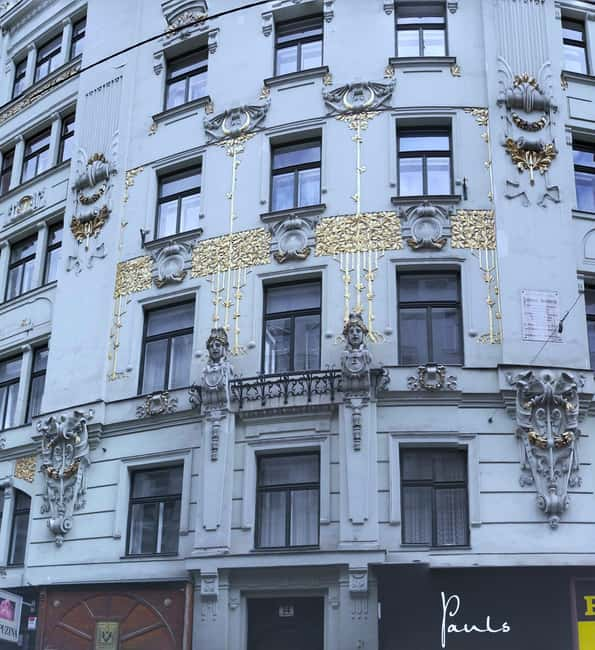
The historic center is the heart of the experience, but the point is not simply to tick off famous buildings. The guide uses the old center to show how Vienna changed over time.
You can expect a mixture of architectural periods, including Gothic, Renaissance, Baroque, Art Nouveau, and modern construction. That variety is one of the walk’s strongest features. Vienna’s older buildings are not isolated in a museum district. They sit close to much newer structures, and the contrast makes the city’s long development easier to see.
Winding streets are especially useful here. A straight road suggests planning, traffic, and expansion. A crooked lane often points to an older path, an earlier property line, or a district that grew in stages. The guide’s job is to turn those visual clues into a story.
You may pass courtyards and churches that would be easy to miss without someone pointing them out. One part of the route has included the former residence of Mark Twain, while other stops have featured local legends and sites linked with decisive moments in Vienna’s past. The exact sequence can change, but the character of the walk is clear: look closely, and do not rush through the side streets.
This is where the tour earns its price. A map can show you where a church or old street is located. It cannot easily explain why a window, facade, alley, or building alignment matters.
The Deutscher Orden Haus and Mozart’s Vienna
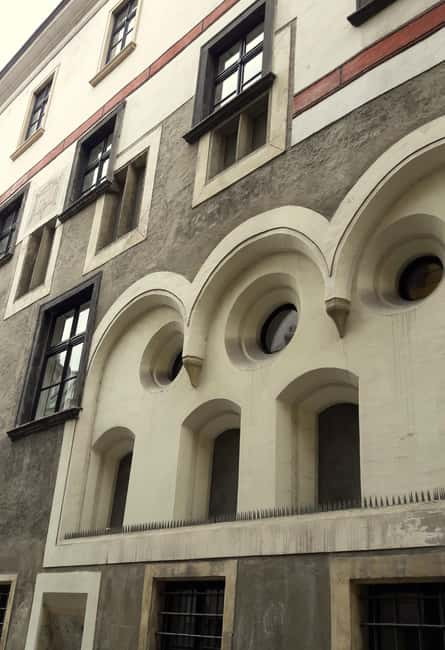
Music is one of Vienna’s best-known subjects, but this walk approaches it through places and patrons rather than only through concert history. A key stop is the Deutscher Orden Haus, associated with Mozart’s concert hall.
That detail gives the tour a useful human scale. Instead of treating Mozart as a distant name printed on a souvenir, you connect him with a real building and with the patrons and institutions that supported music in Vienna.
The broader theme is the relationship between architecture and music. Churches, residences, halls, and courtly spaces all helped shape the city’s cultural life. The tour follows the footsteps of musicians and patrons of music, giving you a link between the buildings you see and the artistic life that took place around them.
Do not book this expecting a concert. The attraction here is the setting and the explanation. The experience is a walking history lesson, not a performance or a formal visit focused only on Mozart.
For music lovers, this part adds welcome context. For people who are more interested in architecture or politics, it is still useful because it shows how culture, wealth, religion, and urban space overlapped in old Vienna.
Same streets, a different century:
- Lisbon: History, Stories and Lifestyle Walking Tour
★ 4.8 · 10,902 reviews - London Small Group Tour of Historical Pubs
★ 5.0 · 10,422 reviews - Prague: Oldtown, Medieval Underground & Dungeon History Tour
★ 4.3 · 10,277 reviews - Charleston’s Old South Carriage Historic Horse & Carriage Tour
★ 5.0 · 10,023 reviews
Churches, re-Catholicization, and political change
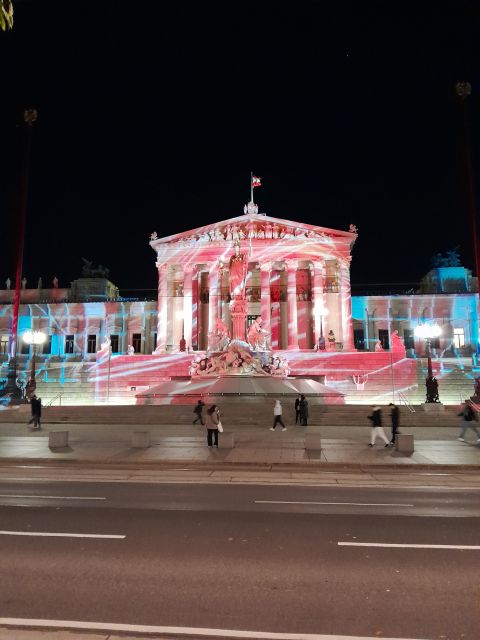
One of the more unusual themes is the architectural evidence of Vienna’s re-Catholicization. This subject gives the walk more substance than a simple parade of pretty facades.
Religious change affected buildings, public life, and the way rulers presented authority. As you move through the center, the guide points out traces connected with the return or strengthening of Catholic influence in Vienna. The details may appear in church design, decoration, or the placement of religious buildings within the city.
This is valuable because architecture often records political change without announcing it in plain language. A church is not only a place of worship. It can also express power, loyalty, wealth, and the priorities of a ruling dynasty.
The tour places this story within the larger period of the Ottoman Wars and the Habsburg monarchy. Those subjects can become dry when presented as a list of dates. They make more sense when tied to streets, buildings, and the city’s physical defenses and institutions.
You will not receive a complete academic study of every religious or military event. Three hours is not enough for that. But you should come away with a clearer sense of how Vienna’s built environment reflects its political and religious past.
Monsters, basilisks, and Vienna’s local legends
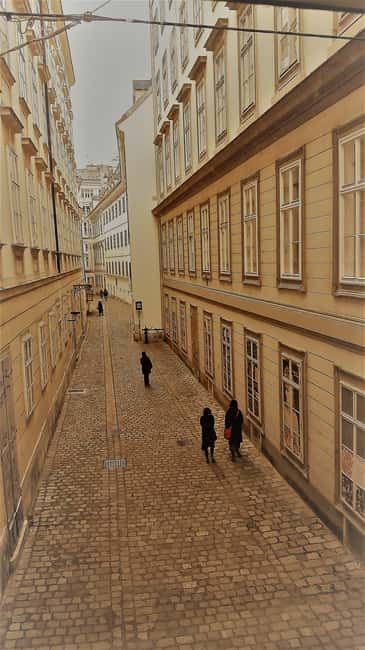
The tour also makes room for legends, including stories of monsters and the basilisk. This lighter material is not just decoration. Local tales show how people once explained danger, illness, strange buildings, and frightening events.
The guide discusses where such stories came from, what they meant, and how Vienna’s people dealt with the creatures in the tales. That can be a welcome change after a long stretch of dynasties and religious policy.
The monster stories also give you a reason to look at ordinary spaces differently. A narrow passage or old courtyard may seem unremarkable until you hear the story attached to it. You do not have to believe the legend for it to be useful. Folklore reveals what a community feared, admired, or found amusing.
This section will suit you if you enjoy local storytelling. If you prefer only documented political history, you may find some of it less essential. The balance appears to favor history and architecture, with legends added to make the city more memorable.
How the itinerary works in practice
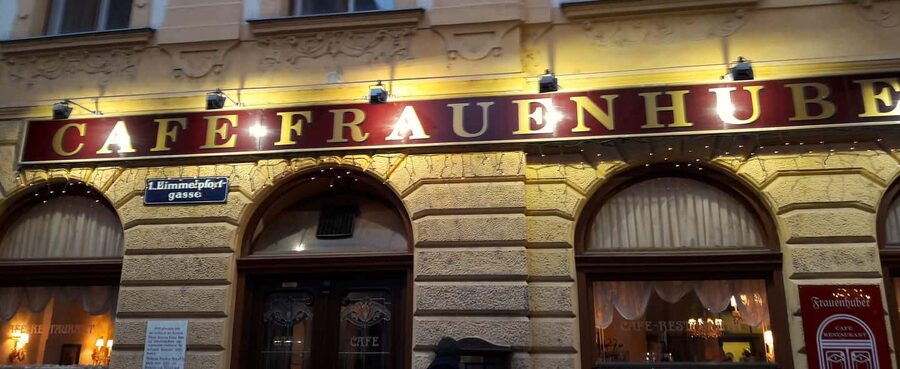
The advertised walk through Vienna’s historic center can last up to three hours, while the activity description gives a duration range of one to three hours. Check the available departure option when booking, since the exact length and starting arrangement may vary.
The route finishes at one of three listed points: Lugeck, Neuer Markt, or Café Central. These are useful central locations rather than remote endpoints. They leave you well placed to continue sightseeing, find a meal, or return to your hotel by public transport.
The route is not presented as a fixed checklist with a guaranteed minute-by-minute schedule. That is a benefit if you like asking questions and pausing for details. It also means you should not book a tight museum entry or concert immediately afterward.
The guide may adjust the pace to suit the group. That has been especially useful for people who wanted time to ask questions or needed a little extra help finding public transport afterward. Still, this remains a walking tour, so do not expect long indoor breaks.
Recording explanations is not allowed. Video and audio recording are specifically prohibited, and the guide’s explanations are protected by copyright. Bring your attention instead of your phone recorder.
The value of $43
At $43 per person, this is not the cheapest way to walk around central Vienna. You can wander the old center for free, and a guidebook will explain many major sights.
The value comes from access to interpretation. You are paying someone to notice the details, link them across centuries, and take you through places you might otherwise pass without understanding. The small group also makes the cost more defensible than a large coach-style city tour.
For two people, the price can feel especially reasonable if the group is small. In one unusually quiet departure, a couple effectively received a very personal experience without paying for a private tour.
I would not book it for basic orientation alone. If all you want is a quick introduction to St. Stephen’s Cathedral, the Hofburg, and the main shopping streets, other options may be more efficient. I would book this when you value context, local stories, architecture, and a slower look at the city center.
The reserve-now-and-pay-later option also reduces the pressure of committing early. Free cancellation is available up to 24 hours before the activity for a full refund. You still need to confirm the meeting details and start time for your chosen option.
Who should book this experience
I would recommend the tour to several kinds of visitors:
- You are visiting Vienna for the first time and want a strong historical orientation.
- You have already seen the major sights and want less familiar streets and buildings.
- You enjoy architecture and want help spotting changes from Gothic through modern design.
- You like stories about local legends, musicians, rulers, and religious change.
- You want a small group where you can ask questions.
- You appreciate restaurant suggestions and practical help from a local guide.
It is also a good fit for a three-day visit. Take it early, then use the guide’s suggestions to shape the rest of your stay. The tour can help you decide which churches, museums, restaurants, or districts deserve more of your time.
I would be more cautious if you have limited mobility. Wheelchair users cannot take this tour, and the route involves walking through historic streets and narrow areas. It may also be a poor choice if you dislike long explanations or want a fast photo stop at each major sight.
Language and group considerations
The tour is offered in English and German. In rare cases, it may be conducted in two languages if participants have booked different language options, especially at short notice or during crowded periods such as Easter or Christmas.
You cannot see in advance which languages have already been booked. If this matters to you, contact the provider at [email protected] before booking.
A bilingual tour may take longer at certain stops because the guide needs to explain each point twice. On the other hand, the small group limit helps keep that from becoming too unwieldy. Ask about the language arrangement before you commit if you want a fully English or fully German experience.
My verdict on this lesser-known Vienna walk
Book this tour if you want Vienna explained through its overlooked details rather than only its famous monuments. The strongest elements are the old lanes, the mixture of architectural periods, the Deutscher Orden Haus and Mozart connection, the stories of monsters and basilisks, and the look at Catholic restoration and Habsburg power.
The guide’s personal attention is another real advantage. Nicoleta, also known as Nikoletta in some booking details, has been especially helpful with pace, questions, restaurant ideas, and practical directions. That matters when a history walk becomes more than a memorized speech.
Skip it if you need step-free access, dislike walking, or want a short list of headline sights with little explanation. For everyone else, $43 buys a thoughtful look at Vienna’s old center and the tools to see more in the streets you explore afterward.
FAQ
How long does the tour last?
The activity is listed as lasting from one to three hours, with the historic center guided tour described as three hours. Check the available starting option for the exact duration.
Where does the tour begin?
The listed starting options are Georg-Coch-Platz and the Georg Coch monument. The exact meeting point may vary according to the option you book.
Where does the tour finish?
The listed drop-off points are Lugeck, Neuer Markt 13, and Café Central.
What languages are available?
The tour is offered in German and English.
Can the tour be conducted in two languages?
In rare cases, yes. This may happen when participants have booked different language options, particularly at short notice or during busy periods such as Easter or Christmas.
How many people are in the group?
The group is limited to 10 participants.
Is the tour suitable for wheelchair users?
No. The experience is not suitable for wheelchair users.
Can I record the guide?
No. Video and audio recording of the guide’s explanations are prohibited.
What should I bring or do before the tour?
Eat something before you begin and wear comfortable shoes suitable for a walking tour.
Can I cancel for a refund?
Yes. You can cancel up to 24 hours in advance for a full refund. The reserve-now-and-pay-later option lets you book without paying immediately.
Newest history tours we have reviewed in the world
- Enjoy Ancient Mostar★ 4.0 · 45 reviews
- Private Dublin Historical and Heritage Tour by Bike★ 5.0 · 30 reviews
- Dubrovnik by Night, History, Wine & Bites★ 5.0 · 41 reviews
- Historical Walking Tour of Dublin★ 5.0 · 50 reviews
- DayTripper Dublin: A Guided City Walking Tour★ 5.0 · 90 reviews
- Ancient Old City– Finest tour of Dubrovnik★ 5.0 · 64 reviews
- Dublin LGBTQ Pride Historical and Cultural Walking Tour★ 5.0 · 91 reviews
- Interactive Living History in Dalkey Castle near Dublin City★ 5.0 · 133 reviews
Vienna History Tours, compared.
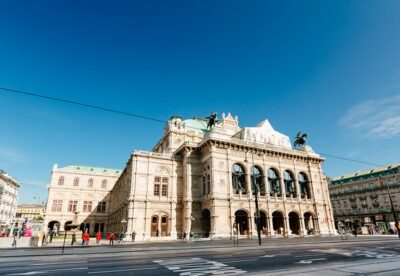
Vienna Historic Center Small Group Walking Tour
Read our review →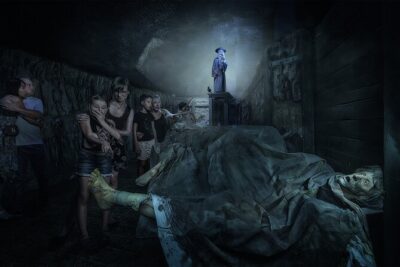
Skip-the-Line Schonbrunn Palace Guided Tour and Vienna Historical City Tour
Read our review →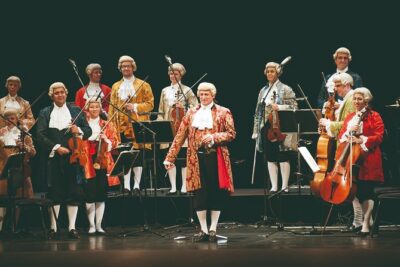
Vienna Mozart Concert in Historical Costumes at the Musikverein
Read our review →
Browse the lists this tour appears in