
Review · VIENNA HISTORY TOURS
Time Travel-Magic Vienna History Tour Ticket
Vienna’s past comes at you through 5D cinema, virtual reality, animatronics, and short theatrical scenes in the old vaults of the Michaelerkloster. You move from Roman Vindobona to the Habsburg court, a plague pit, Mozart and Strauss, and a WWII air raid without leaving the building.
I like the quick overview of Austrian history, and I like the variety of ways it is presented. The air-raid shelter and virtual fiaker ride add more feeling than a standard museum display. The main drawback is that the history is broad and simplified, so adults seeking detailed historical analysis may find parts too light.
Key points at a glance
- Five centuries in about an hour: Move from Roman Vienna and medieval plague years to the Habsburgs, famous composers, and modern Austria.
- Technology drives the show: Expect a 5D cinema, VR goggles, projections, wax figures, animatronics, and simulated rides.
- English is available by headset: The live presentation is in German, with simultaneous audio translation into English and nine other languages.
- A good rainy-day choice: The entire experience takes place indoors, close to central Vienna sights.
- Best for families and first-time visitors: It gives you a lively city overview without demanding much prior history.
- Keep expectations realistic: This is theatrical entertainment with history, not a substitute for Vienna’s palaces, museums, or memorial sites.
A fast trip through Vienna’s past
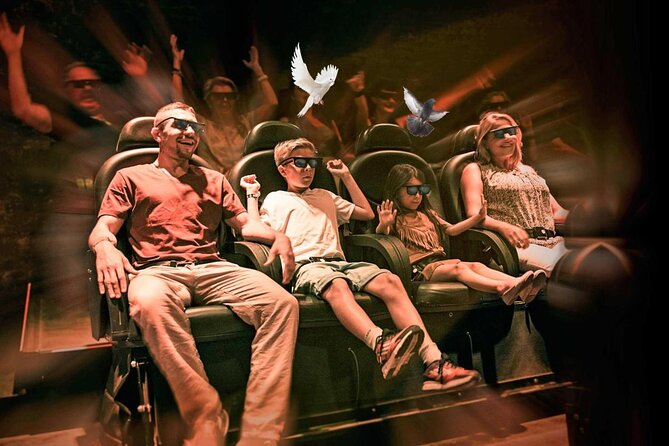
Time Travel Vienna is designed as a moving show rather than a traditional museum. You pass through a series of rooms and scenes, each covering a different part of the city’s past. The pace is brisk, and the technology keeps changing, which helps hold the attention of children and teenagers.
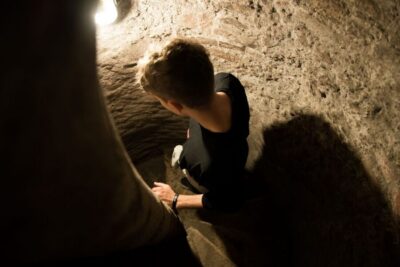
The setting adds character. The attraction occupies historic vaults beneath the 400-year-old Michaelerkloster, near the center of Vienna. You are surrounded by old masonry, but the presentation is modern, with screens, sound effects, moving figures, and simulated motion.
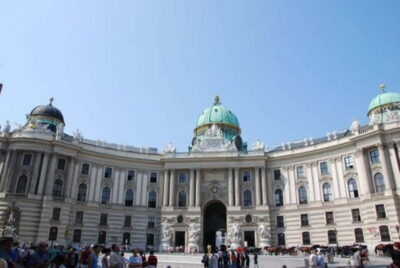
I would treat it as a first introduction to Vienna. It gives you names, events, and a rough timeline that can make later visits to the Hofburg, St. Stephen’s Cathedral, the Ringstrasse, or the House of Music more meaningful. It does not give enough detail to replace those places.
More Entry Tickets in the world:
- New York City: American Museum of Natural History Ticket
★ 4.5 · 15,447 reviews - Edinburgh: Edinburgh Castle Guided History Tour with Tickets
★ 4.8 · 9,933 reviews - Taormina: Ancient Theater Skip-the-Line Ticket & Audio Guide
★ 4.5 · 2,412 reviews
Roman Vindobona and the medieval plague years
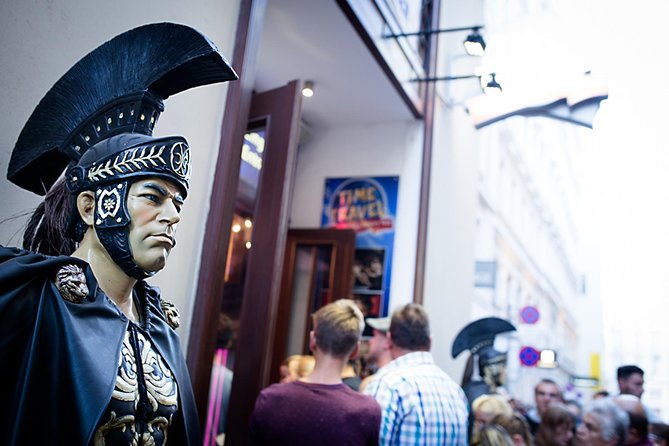
The show begins by taking you back to Roman Vienna, when the city was known as Vindobona. This section gives you a quick sense of the settlement’s early importance and the layers of history beneath modern Vienna.
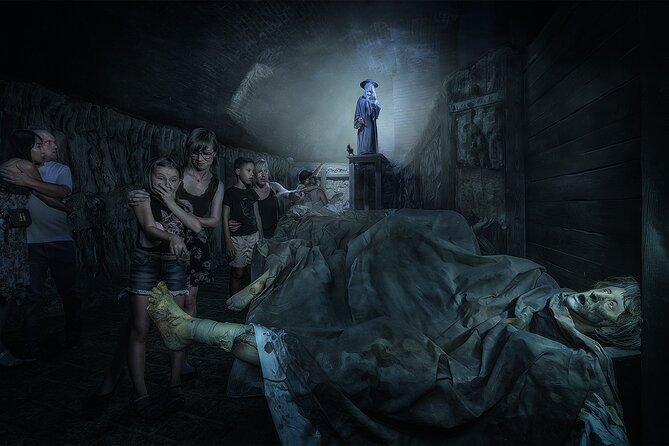
From there, the mood turns darker. You enter the world of medieval Vienna and the plague, including a visit to a plague pit. The theatrical setting makes this portion more memorable than a paragraph in a guidebook, though you should know that the attraction aims for atmosphere rather than a detailed medical or social account of the epidemic.
You may find the darker scenes too intense for very young children. The tone is not presented as a serious memorial visit, but plague imagery and sound effects can still unsettle younger viewers. One family found that a nervous 15-year-old had fun with the experience, but individual comfort levels will differ.
Habsburg emperors in a theatrical setting
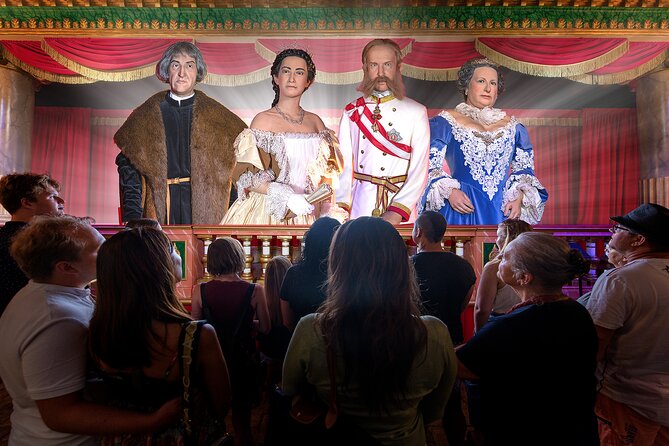
The Habsburg section introduces the dynasty that shaped Vienna for centuries. You get a quick look at imperial life and the personalities connected with the court. Wax figures, moving displays, and visual effects make the rulers easier to remember than a list of names.
This is useful if you have only just arrived in Vienna and need the basic outline. You will hear enough to understand why the Hofburg matters, why imperial Vienna has such a strong presence, and how the city’s identity was shaped by its rulers.
The tradeoff is simplicity. The show cannot explain the Habsburg empire, its many regions, or its political changes in much depth during a short visit. If you already know Austrian history, you may find this part familiar. If the names are new to you, it works as a helpful starting point.
Mozart, Strauss, and a spinning musical ride
Vienna’s musical past gets one of the most playful treatments. You meet famous composers including Mozart and Johann Strauss, then ride a spinning waltz car through the city’s musical heritage.
The simulated ride is a clever way to connect music with place. It is not a concert, and you should not expect a serious examination of composition or musical history. Instead, you get a lively reminder that Vienna’s identity is tied closely to opera, orchestras, waltzes, and composers.
This section works especially well for families because it breaks up the heavier historical material. The motion and special effects also give younger children a reason to stay engaged. If you are sensitive to spinning or simulated movement, you may want to keep that in mind before booking.
More History Tours in the world:
- History and Hauntings of Salem Guided Walking Tour
★ 5.0 · 14,564 reviews - Colosseum: Underground and Ancient Rome Tour
★ 4.7 · 12,691 reviews - Lisbon: History, Stories and Lifestyle Walking Tour
★ 4.8 · 10,902 reviews - London Small Group Tour of Historical Pubs
★ 5.0 · 10,422 reviews
The WWII air raid shelter
The WWII portion takes you into an original air raid shelter. Among the attraction’s different rooms, this is one of the more serious moments. The sound and setting give you a sense of the fear and uncertainty of an air raid, rather than presenting the period only as a date on a timeline.
I appreciate the change in tone. The show is often playful, but the shelter reminds you that Vienna’s past includes war, destruction, and painful memories. It gives the hour a little more weight.
The treatment remains brief. The presentation does not offer a full account of Vienna during WWII, and some visitors may wish this section covered more of the war years. For a fuller understanding, you will need a dedicated museum or memorial visit elsewhere in the city.
The show also brings you to Leopold Figl’s famous declaration that Austria is free. It is a short way to connect wartime history with the country’s postwar identity.
The virtual fiaker ride back to modern Vienna
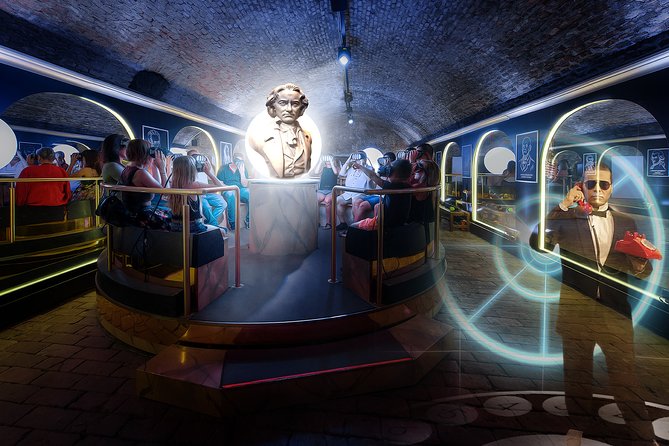
Near the end, a magical carriage ride brings you back toward the present. The virtual fiaker ride lets you see major Vienna landmarks from a different angle, even though you remain indoors.
This is one of the attraction’s strongest ideas. A real fiaker ride takes time and depends on weather, traffic, and availability. Here, the virtual version gives you a compact visual tour that can help you recognize the city’s main sights before exploring them in person.
Do not mistake it for a substitute for walking Vienna. A virtual ride cannot match the feel of standing in a square, entering a church, or looking up at the Hofburg from the street. Think of it as a preview that helps you get oriented.
Why the technology matters
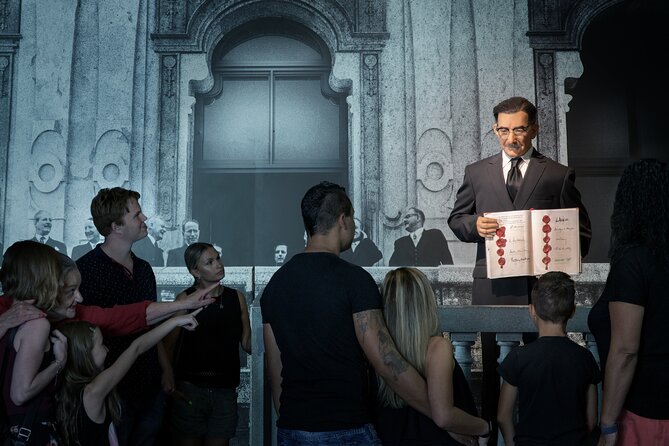
The technology is not just decoration. Each format serves a slightly different purpose:
- 5D cinema: Adds motion and physical effects to historical scenes, making the past feel less distant.
- Virtual reality: Gives you a more direct visual trip through Vienna and its landmarks.
- Animatronics and wax figures: Put recognizable historical characters into the rooms.
- Video and projections: Move quickly through long periods without lengthy explanations.
- Simulated rides: Add variety and give families a break from standing and listening.
- Audio translation: Lets you follow the German presentation in English or another language.
The effect is more like a stage production than a museum visit. I like that the format keeps changing, but I also understand why some adults may find it slightly artificial. If you want original objects, quiet galleries, or long conversations about primary sources, this is not the right choice.
English audio and the live host
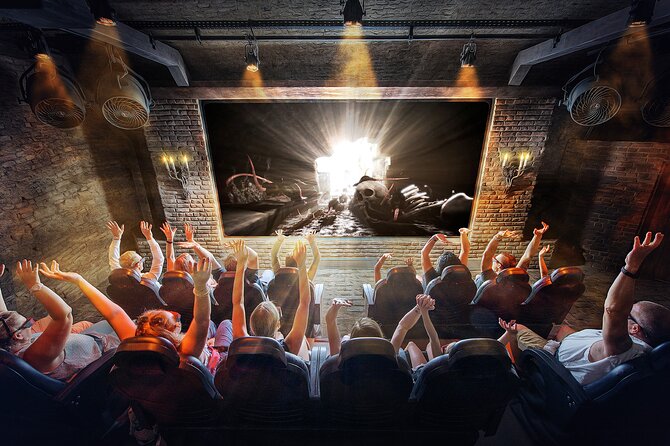
The live presentation is in German. You receive headphones for simultaneous translation into English, Spanish, Italian, French, Japanese, Chinese, Russian, Hungarian, Polish, or Czech.
The English audio makes the experience accessible, but it may not feel as natural as a live English-speaking guide. You need to keep the headset on and listen carefully, especially when other sounds are playing. A noisy group can make it harder to catch every line.
The tour group is limited to a maximum of 32 people. That is small enough to keep the rooms manageable, though the experience still depends on group behavior. Children who talk loudly or move around during the audio sections can interfere with the atmosphere for everyone.
A host named Marie has led sessions and is known for being helpful and friendly. The quality of the live welcome matters here because the technology does much of the storytelling. A warm host can explain what is happening and help visitors use the headsets and equipment.
Who will get the most from the one-hour format
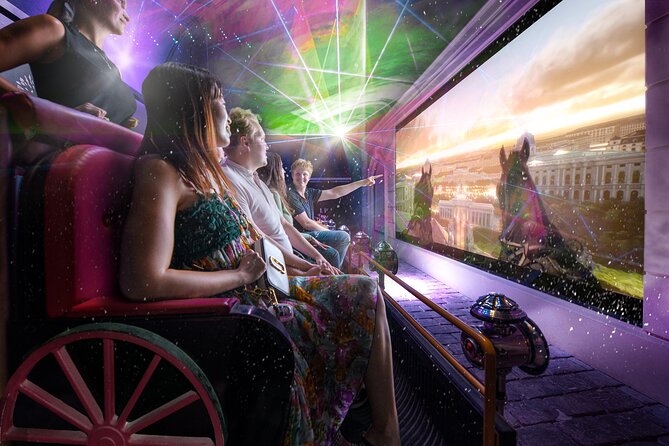
I would recommend this most strongly to families, first-time visitors, and anyone looking for an indoor activity near central Vienna. It is also useful when you want a short break from palaces, churches, and walking tours.
Children tend to have plenty to watch and do. The VR, moving figures, ride elements, and sound effects make the history easier to follow than a standard lecture. Teenagers may also enjoy it, particularly if they like video effects and interactive displays.
Adults can enjoy it too, especially if they approach it as a lively introduction rather than a scholarly program. I found the quick timeline useful because it connects several parts of Vienna’s identity in one place.
The attraction may be less satisfying for you if:
- You already know Austrian history well.
- You prefer quiet museums and original artifacts.
- You want a detailed account of WWII in Vienna.
- You dislike simulated motion or theatrical effects.
- You need every historical period explained in depth.
One useful point is that you do not need much prior knowledge to follow the basic story. Still, the short format means some names and events pass quickly. A little reading about Roman Vindobona, the Habsburgs, Mozart, Strauss, and postwar Austria will help you get more from it.
Is $27.76 a fair price?
At $27.76 per person, the experience offers reasonable value if you want about an hour of entertainment and orientation in central Vienna. You are paying for several different formats in one visit, rather than a simple room with labels and displays.
The value is strongest for families. A conventional historical attraction may lose younger children after 20 minutes, while this show keeps changing its presentation. It also gives everyone a shared activity, which can be easier than trying to keep a group interested during a long guided walk.
For a solo adult with a strong interest in history, the calculation is different. You may prefer to spend the same money on a museum or guided visit with more time for detail. Time Travel Vienna earns its price through variety and convenience, not depth.
Because the experience is indoors and lasts about an hour, it also fits neatly between other plans. You can visit the show and still have most of the day for the Hofburg, Spanish Riding School, St. Stephen’s Cathedral, or a café stop nearby.
Practical details before you book
You receive a mobile ticket, and confirmation is provided when you book. The site is near public transportation, making it easy to reach without arranging a private transfer. Hotel pickup and drop-off are not included, and food and drinks are not part of the ticket.
Animals are not allowed inside Time Travel Vienna. Most people can take part, but remember that the experience involves standing, moving between rooms, headphones, visual effects, and simulated rides.
The stated duration is approximately one hour. A few descriptions of the visit run longer, so I would avoid scheduling your next activity immediately afterward. Allow a little breathing room, particularly if you are traveling with children or need time to gather your group.
Book at least several days ahead if your Vienna schedule is fixed. The activity is often reserved around 10 days in advance, so leaving it until the last minute could limit your choice of time.
You can cancel for a full refund if you do so at least 24 hours before the start time. Changes or cancellations made within 24 hours are not accepted for a refund. If you need to alter the time, make sure the change is confirmed directly by the attraction, not only shown in a booking message.
My verdict: book it for the format, not the depth
I would book Time Travel Vienna if I wanted a fun, compact introduction to the city, especially with children or teenagers. The best parts are the changing media, the virtual fiaker ride, the musical sequence, and the air raid shelter, which give the hour both energy and a little emotional weight.
I would skip it if my main goal were detailed history or a quiet encounter with original objects. Vienna has better choices for that. But at $27.76, this is a sensible indoor activity that can help you understand the city before you explore it on foot.
FAQ
How long does Time Travel Vienna last?
The experience lasts approximately one hour. Some sessions may take a little longer, so leave extra time before your next activity.
Is the tour available in English?
Yes. The live presentation is in German, and English audio translation is available through headphones. Translation is also offered in Spanish, Italian, French, Japanese, Chinese, Russian, Hungarian, Polish, and Czech.
What does the ticket include?
The ticket includes admission to Time Travel Vienna and the Vienna History Show. Food, drinks, hotel pickup, and hotel drop-off are not included.
What technology is used during the experience?
The show uses 5D cinema, virtual reality, videos, projections, animatronics, wax figures, simulated rides, and other special effects.
Are children allowed to attend?
Yes. Most people can participate, and the experience is especially suitable for families. Some scenes, including the plague section and air raid shelter, may feel intense for very young or sensitive children.
What is the cancellation policy?
You can cancel up to 24 hours before the start time for a full refund. Cancellations or changes made less than 24 hours before the experience are not accepted for a refund.
Newest history tours we have reviewed in the world
- Bilbao Historical Tour in small group★ 4.7 · 52 reviews
- Bologna: Street Food Tour in the Historic Center★ 4.8 · 125 reviews
- CEBU: Cebu City Heritage and Uphill Guided Tour★ 4.2 · 31 reviews
- Bishkek : City Tour (History, Architects, Statues & Culture)★ 4.9 · 54 reviews
- Blenheim: Omaka Aviation Heritage Centre Admission Ticket★ 4.9 · 31 reviews
- Belfast: Best of Belfast History, Culture & Art Walking Tour★ 4.9 · 158 reviews
- Berlin: Nazi History Walking Tour★ 4.8 · 33 reviews
- Best of Baku: 4-Hour City Tour Historic and Modern Landmarks★ 4.7 · 63 reviews
Vienna History Tours, compared.
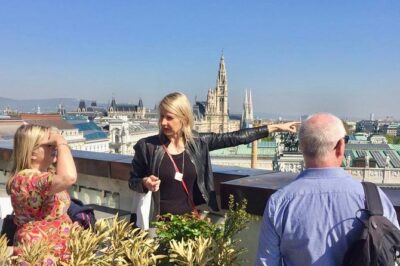
Vienna Historic Center Small Group Walking Tour
Read our review →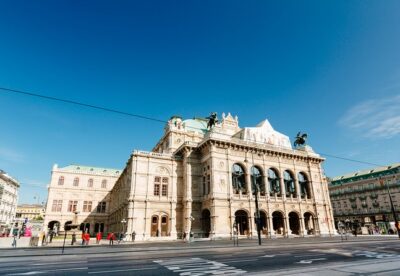
Skip-the-Line Schonbrunn Palace Guided Tour and Vienna Historical City Tour
Read our review →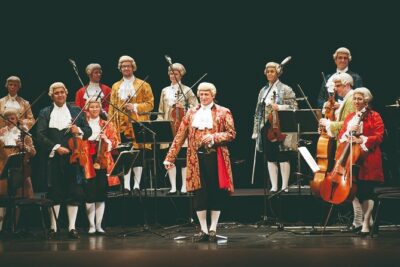
Vienna Mozart Concert in Historical Costumes at the Musikverein
Read our review →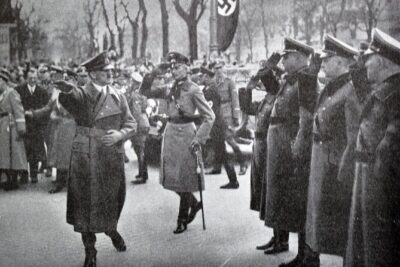
Browse the lists this tour appears in