
Review · LOCAL CULTURE & TRADITIONS TOURS
Sucre: Free Walking tour (History, culture and traditions)
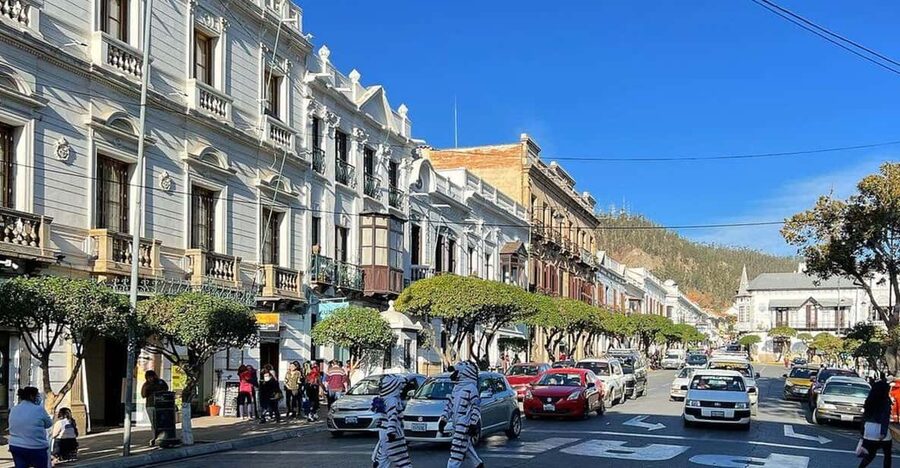
Sucre’s story unfolds best on foot, and this 2.5-hour walking tour links its grand central squares with quieter corners, indigenous art, an old castle, and a mountain viewpoint. You get more than a quick look at white colonial façades. The route shows how Sucre’s public life, university traditions, local communities, and Spanish-era past fit together.
I like the mix of major sights and small details, especially the Street of Cats, the old mayor’s office, and the university courtyards. I also like the local bus ride, which costs 2 bolivianos and gives you a simple way to see an older part of Sucre. The main caution is that this is a walking tour with uneven or demanding sections, and it is not suitable for wheelchair users or people with mobility impairments.
Key points before you book
- A history-focused route with local texture: See central Sucre, the old castle gardens, the Street of Cats, and public university courtyards.
- English-speaking guides: Manuel and Silvana are specifically praised for clear English, strong preparation, and useful city advice.
- Indigenous art and mountain scenery: The tour connects Sucre’s urban story with nearby communities and views from a lookout.
- A 2-boliviano local bus ride: This is part of the experience and helps you reach an older section of the city.
- Very low cost: The advertised price is $0.50 per person, with transportation not included.
- Plan around opening hours: Sundays and holidays bring a slightly different route.
Why this tour is a smart first look at Sucre
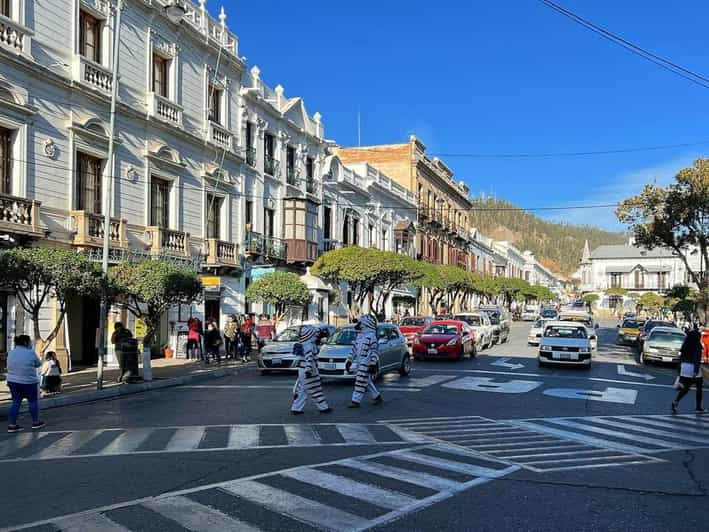
Sucre can appear easy to understand at first. The central plazas are compact, the streets invite slow walks, and the white colonial buildings make a strong first impression. But the city has several layers, and they are easier to connect with a guide.
This walk places the city’s past beside its present. You will hear about Sucre’s political role, university life, local traditions, and indigenous communities while moving through the places where those stories took shape. That combination is more useful than simply ticking off a cathedral, a plaza, and a museum.
The tour also gives you orientation. After 2.5 hours, you should have a clearer sense of where the main square, university, colonial streets, art displays, and older neighborhoods fit together. Manuel is praised for giving practical tips for making the most of time in Sucre, while Silvana is noted for her clear explanations and strong command of the subject.
The price is unusually low at $0.50 per person. That makes this an easy choice for budget-conscious visitors, though you should carry cash as requested. Transportation costs extra, with the local bus priced at 2 bolivianos per person. Since the tour includes a guide, several stops, and a short public transport experience, it offers strong value for a small outlay.
More Local Culture and Traditions Tours in the world:
- Amsterdam Food and Cultural Tour with Tastings
★ 5.0 · 4,315 reviews - Sevilla Food Tour: Tapas, Wine, History & Traditions
★ 5.0 · 3,468 reviews - Tromsø: Reindeer Camp and Sami Cultural Tour with Lunch
★ 4.7 · 3,326 reviews
Starting at Plaza Cochabamba
The meeting point is in the middle of Plaza Cochabamba. This is a practical starting place because you begin in the city rather than at a distant attraction, and the route then moves toward Sucre’s central historic areas.
Arrive ready to walk. You will want comfortable shoes, water, sun protection, and a little cash for the bus. The supplied information does not give a fixed starting time, so you need to check availability when booking.
The English-language guide is an important part of the experience. Manuel and Silvana are the named guides associated with especially strong feedback, and both are described as able to explain Sucre’s past clearly and answer questions. Guide quality matters here because the value comes less from simply seeing buildings and more from understanding why each place matters.
Plaza de Armas 25 de Mayo and Sucre’s public story
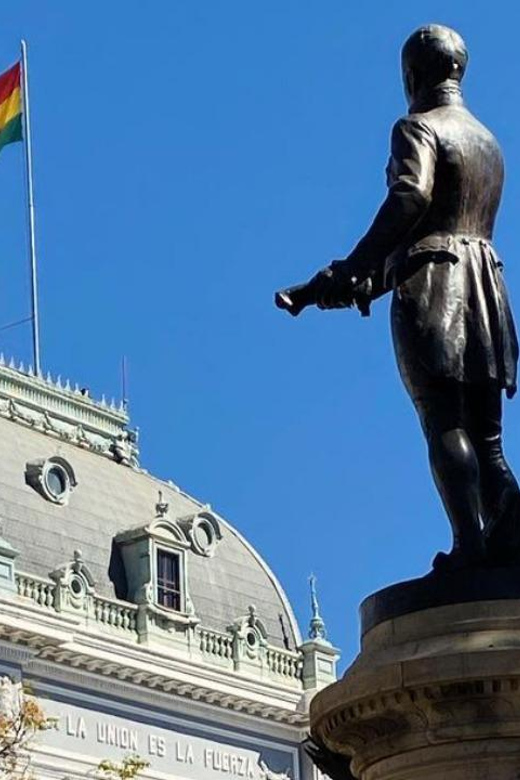
The main square, Plaza de Armas 25 de Mayo, receives about 20 minutes. This is one of the tour’s key teaching stops, where you learn about Sucre’s political past, cultural life, and place in Bolivia.
A good guide can make a central square feel less like a photo stop and more like a map of the city’s identity. Look around as you listen. Public buildings, open gathering space, and nearby religious and civic landmarks help explain how the city developed as an important center.
You should expect this portion to be more interpretive than hands-on. The emphasis is on stories and context rather than a long interior visit. One useful point to know is that the route does not promise entry into every major church or cathedral. If taking interior photographs is important to you, ask the guide what is open that day.
The program changes slightly on Sundays and public holidays because some places have different opening hours. That could affect the order of stops or the exact sites visited, so do not expect the weekday route to be identical.
The old university courtyards
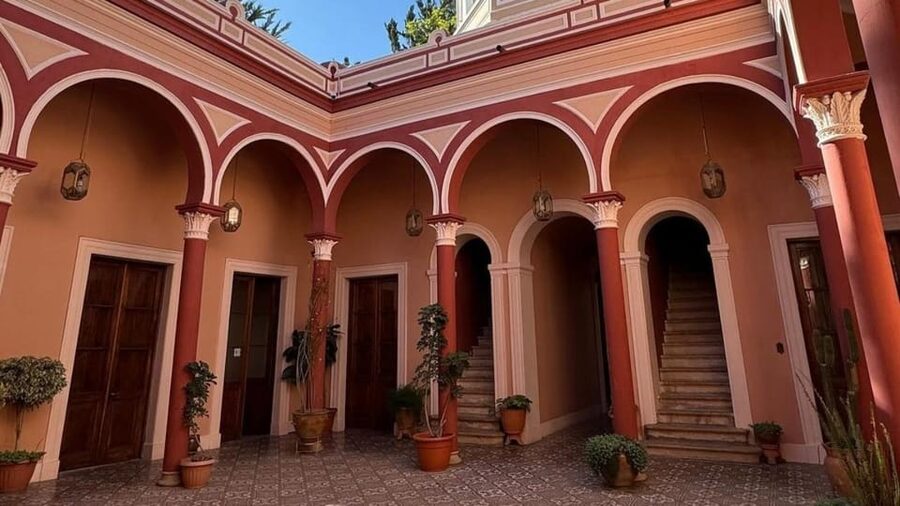
The tour visits the courtyards of Universidad Mayor, Real y Pontificia de San Francisco Xavier de Chuquisaca, usually called USFX, for around 15 minutes. The university is one of the most interesting stops because it brings education and public life into the story.
Rather than only looking at an exterior façade, you get to explore historic courtyards. These spaces offer a quieter change of pace from the main plaza and show how old institutions continue to shape Sucre.
The stop is short, so listen closely and use the time well. Ask questions if you want more detail about the university’s role in the city. The tour is designed as a broad introduction, not an extended academic visit, so anyone wanting a detailed study of the institution may need more time on another day.
Still, this stop adds depth. A city’s character is not formed only by palaces and churches. Universities, courtyards, students, and public debate also help explain why Sucre has such a strong cultural identity.
More History Walking Tours in the world:
- History and Hauntings of Salem Guided Walking Tour
★ 5.0 · 14,564 reviews - Lisbon: History, Stories and Lifestyle Walking Tour
★ 4.8 · 10,902 reviews - Boston: Freedom Trail History Small Group Walking Tour
★ 5.0 · 6,450 reviews - Historic Charleston Guided Sightseeing Walking Tour
★ 5.0 · 6,216 reviews
Plaza de la Libertad and the Obelisco
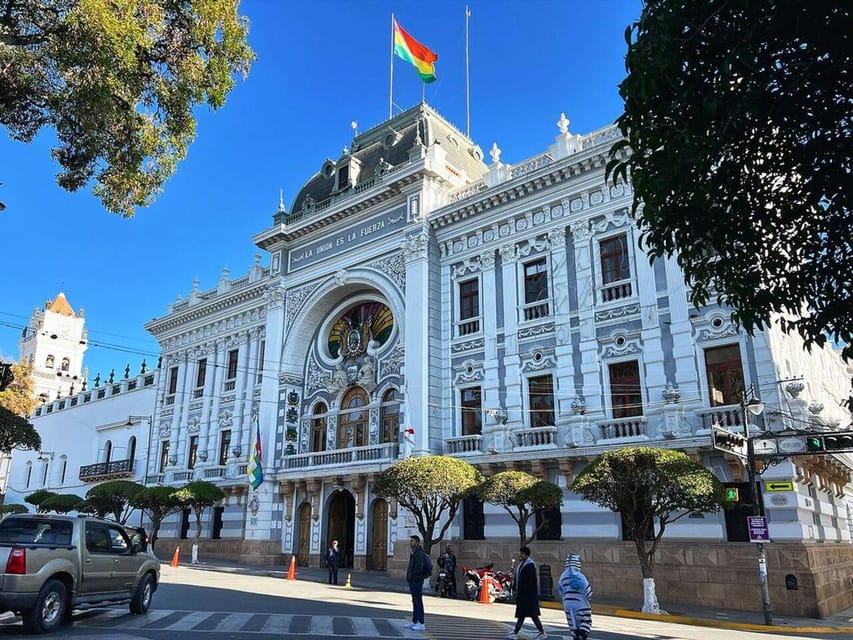
Next comes Plaza de la Libertad and its Obelisco, with around 15 minutes set aside for the visit. This stop continues the civic side of the walk and gives you another place to connect Sucre’s monuments with its political story.
The value of this stop is partly visual and partly geographic. As you move between the main square, the university, and Plaza de la Libertad, you begin to understand the compact shape of central Sucre. It is easier to return later because you have walked the connections yourself.
This is also a good place to ask the guide about dates, symbols, and local meaning. Manuel is particularly praised for his preparation in Bolivian history, while Silvana is described as well prepared and able to explain the city with confidence.
You should not expect a long stop at every monument. The tour covers several subjects in one morning or afternoon, so the guide has to keep the group moving. That is useful if you have limited time, but less ideal if you prefer to linger at each site.
Indigenous art and the story beyond the center
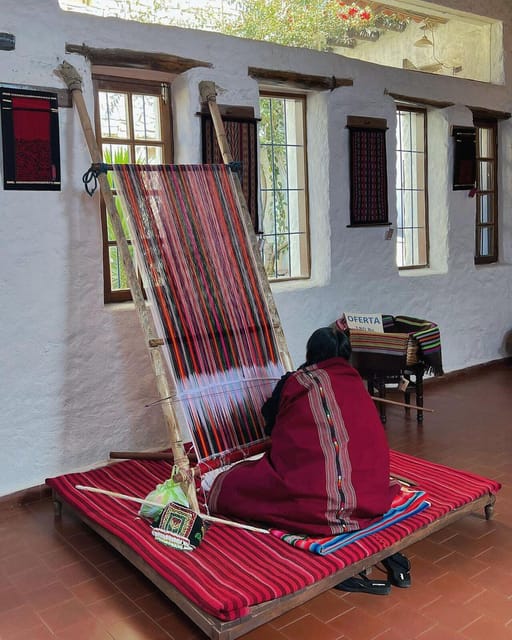
The Museo de Arte Indígena is listed as a 15-minute visit. This gives the tour a needed change of focus. Sucre is not only a colonial city center. The area is also connected to indigenous communities whose art, clothing, traditions, and visual language form an essential part of local culture.
The art stop helps you see the city through a wider lens. Instead of treating indigenous culture as a side note, the route gives it a place alongside colonial buildings and civic monuments. That balance is one of the tour’s best features.
Because the visit is short, you will probably get an introduction rather than a full museum study. If you have a strong interest in indigenous art, take note of what catches your attention and consider returning independently with more time.
The route then takes you toward indigenous art connected with communities living near Sucre, along with a viewpoint offering mountain scenery. This section links the city to its surrounding region. You are not just looking at old streets. You are also seeing the relationship between urban Sucre and the communities nearby.
The Street of Cats and the city’s beginnings
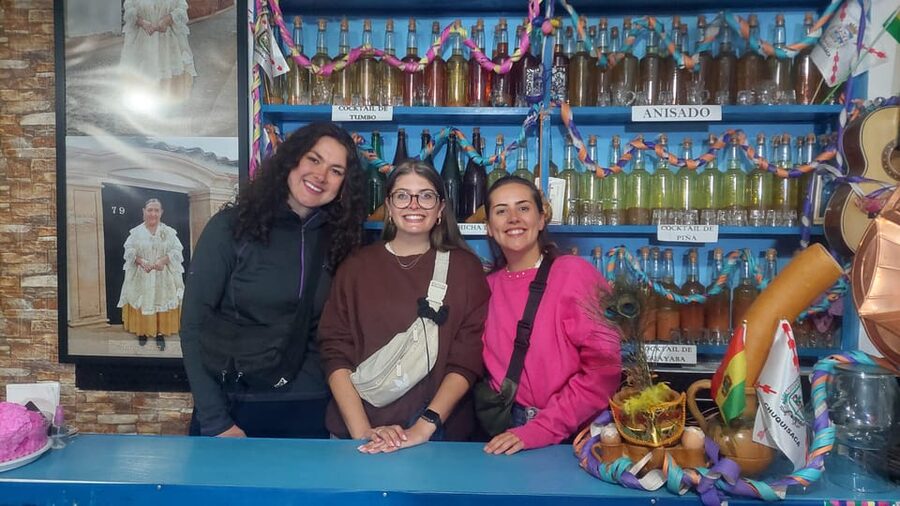
The Street of Cats is one of the more unusual stops. The name alone makes it memorable, but its real value is the story attached to it: this is presented as the place where the city was born.
This kind of narrow historic street can reveal more than a grand building. It allows the guide to talk about Sucre’s beginnings at street level, where the city’s early shape and daily life become easier to picture.
The stop also fits the tour’s wider pattern. You move from official spaces such as the main square and university to places with a more intimate, local feel. That variety keeps the walk from becoming a procession of formal monuments.
You should be prepared for the possibility that some sites are viewed from outside or explored briefly, depending on opening hours and the day’s program. The attraction here is the story and setting as much as any formal display.
The old castle, mayor’s office, and gardens
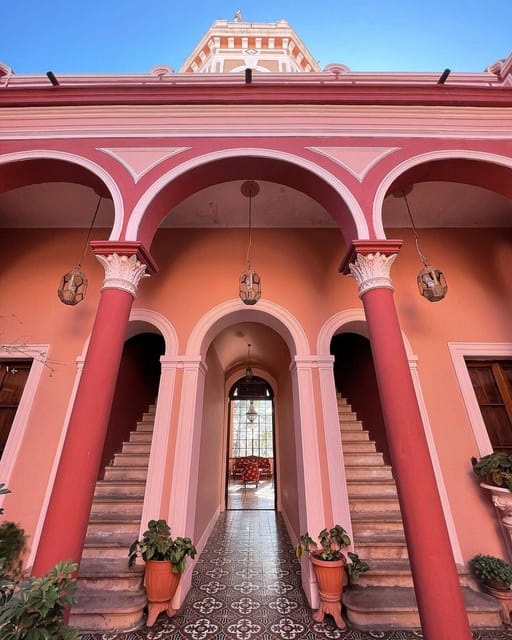
A major feature of the route is a visit to an ancient castle, including the old office of the Mayor of Sucre and its gardens. The supplied information does not name the castle, so you should confirm the exact site and opening arrangements when checking availability.
This is one of the tour’s stronger historical contrasts. The old mayor’s office represents civic authority, while the gardens offer a more relaxed setting for looking at the building and hearing about its past. It is a chance to see how power was housed and presented in earlier Sucre.
The gardens also provide a break from close city streets. You can expect some time to look around, take photographs, and listen to the guide’s explanation. As with the other sites, Sunday and holiday hours may change the program.
Since transportation is not included, the short bus ride may be used to connect parts of the route. The experience costs 2 bolivianos per person and gives you a practical introduction to local public transport. If you have wanted to try a colectivo but were unsure how to use one, this is a useful guided first step.
Mountain views and the old colonial square
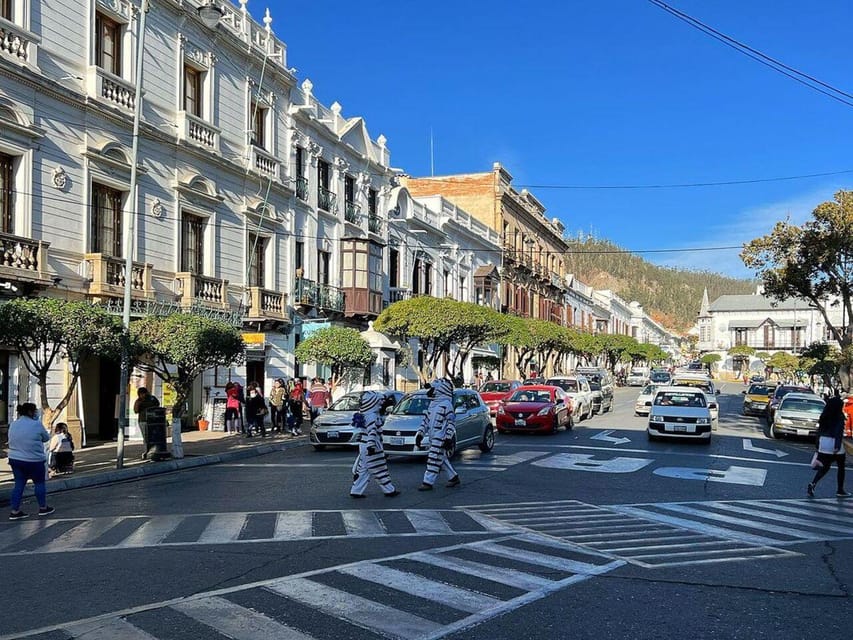
The route includes a viewpoint near the city with mountain views, then ends by exploring an old colonial square. The viewpoint adds breathing room after the central streets and museums. It also helps you see Sucre in relation to the surrounding mountains rather than as a collection of isolated buildings.
Bring your camera, but do not treat the lookout as only a photo stop. The guide can help connect what you see outside the city with the communities and traditions discussed earlier.
The final colonial square provides another look at Sucre’s built character and a pleasant way to finish. The supplied route lists the end at Suipacha 202, Sucre, while the meeting information also says the activity ends back at the meeting point. Because those details do not perfectly match, confirm the exact finishing point before you set plans for the rest of the day.
Ending near the historic center is useful if you want to continue exploring on foot. If you have a bus, meal, or timed visit afterward, leave some flexibility rather than scheduling it immediately.
Walking demands, timing, and what to carry
This is not a wheelchair-friendly activity and is not suitable for people with mobility impairments. The route includes old streets, several stops, a viewpoint, and movement between different parts of the city, so comfortable footwear is essential.
The duration is 2.5 hours. That is long enough to build a useful picture of Sucre without taking your entire day. You will get the most from it early in your stay, when the route can help you decide which places deserve a longer return visit.
Carry cash. The tour price is listed as $0.50 per person, and the bus costs 2 bolivianos. The information does not state a group size, so you should check the current booking details if the size of the group matters to you.
The tour is conducted in English. Manuel and Silvana are the named guides praised for clear communication, strong preparation, and helpful answers. Those qualities matter because the route covers politics, art, architecture, local traditions, and public transport in one compact outing.
Who will get the most from this walk
I would choose this tour if you are visiting Sucre for the first time and want a fast, guided introduction before exploring alone. It is also a good fit if you enjoy history but want more than a formal museum visit.
You will likely appreciate it if you want:
- A low-cost way to get oriented
- An English-speaking guide
- A mix of squares, courtyards, art, gardens, and viewpoints
- An introduction to indigenous culture
- Practical advice about visiting Sucre
- A guided first ride on a local bus
It may be less suitable if you want a slow photography walk, extensive time inside churches, or a route built around one museum. The short stop lengths mean you will see a lot, but you will not study every place in detail.
The physical demands also matter. If long walks or uneven streets are difficult for you, choose a less active experience. The tour is specifically not suitable for wheelchair users or people with mobility impairments.
Should you book the Sucre free walking tour?
Book it if you want a broad, inexpensive introduction to Sucre that combines official landmarks with less obvious places. The old mayor’s office, Street of Cats, university courtyards, indigenous art, and mountain viewpoint give the route more variety than a standard central-square walk.
The strongest reason to go is the guide-led context. Manuel and Silvana are associated with clear English, strong preparation, and useful advice, and the tour can help you understand the city before you explore it on your own.
Check the schedule carefully if you are visiting on Sunday or a public holiday. Confirm the finish point, carry cash for the 2-boliviano bus, and wear comfortable shoes. If those details suit you, the $0.50 price makes this one of the easiest ways to get your bearings in Sucre.
FAQ
How long does the Sucre walking tour last?
The tour lasts 2.5 hours. Starting times depend on availability, so check the schedule when booking.
Where does the tour start?
The meeting point is in the middle of Plaza Cochabamba in Sucre.
Where does the tour finish?
The listed route finishes at Suipacha 202, Sucre, Bolivia. The meeting information also says the activity ends back at the meeting point, so confirm the exact finish location before booking onward transport.
What language is the tour conducted in?
The live tour guide speaks English.
How much does the tour cost?
The advertised price is $0.50 per person. Transportation is not included.
How much does the local bus cost?
The local bus costs 2 bolivianos per person.
What places are visited?
The route includes Plaza de Armas 25 de Mayo, the USFX university courtyards, Plaza de la Libertad and the Obelisco, the Museo de Arte Indígena, an ancient castle and its gardens, the old mayor’s office, the Street of Cats, a mountain viewpoint, and an old colonial square.
Does the program change on Sundays and holidays?
Yes. Sundays and public holidays have a slightly different program because some places have different opening hours.
Is the tour suitable for wheelchair users?
No. The activity is not suitable for wheelchair users or people with mobility impairments.
Newest history tours we have reviewed in the world
- Dubrovnik by Night, History, Wine & Bites★ 5.0 · 41 reviews
- Enjoy Ancient Mostar★ 4.0 · 45 reviews
- Private Dublin Historical and Heritage Tour by Bike★ 5.0 · 30 reviews
- Historical Walking Tour of Dublin★ 5.0 · 50 reviews
- DayTripper Dublin: A Guided City Walking Tour★ 5.0 · 90 reviews
- Ancient Old City– Finest tour of Dubrovnik★ 5.0 · 64 reviews
- Dublin LGBTQ Pride Historical and Cultural Walking Tour★ 5.0 · 91 reviews
- Interactive Living History in Dalkey Castle near Dublin City★ 5.0 · 133 reviews
Local Culture & Traditions Tours, compared.
Amsterdam Food and Cultural Tour with Tastings
Read our review →
Sevilla Food Tour: Tapas, Wine, History & Traditions
Read our review →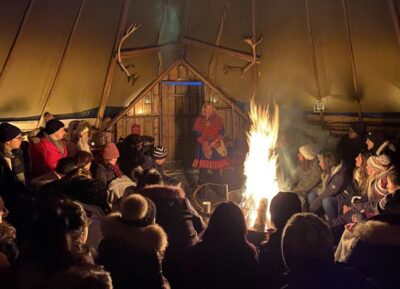
Tromsø: Reindeer Camp and Sami Cultural Tour with Lunch
Read our review →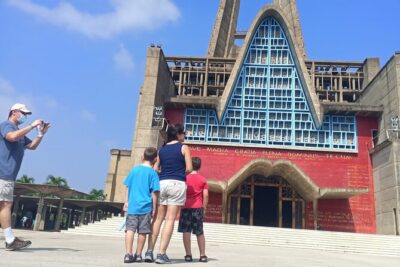
Half Day Dominican Republic Cultural Tour : Small Group
Read our review →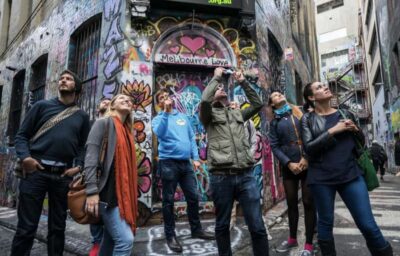
Ultimate Melbourne Walking Tour: History, Laneways & Culture
Read our review →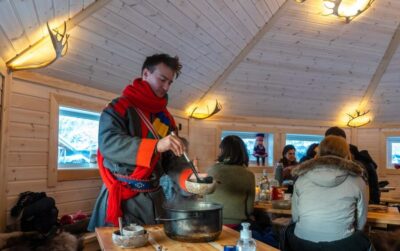
Tromsø: Sámi Reindeer Sledding and Sami Cultural Tour
Read our review →
Kyoto Gion: 2-Hour Geisha Culture & History Walking Tour
Read our review →
Marrakech Historical and Cultural Tour – Half Day City Tour
Read our review →Browse the lists this tour appears in