
Review · ZANZIBAR HISTORY TOURS
Stonetown Historical Walking Tour & Traditional Lunch
Stone Town’s narrow lanes hold several centuries of trade, faith, power, and painful history within a compact old quarter. This tour brings those layers together, from the former slave market and Anglican Church to fish auctions, grand palaces, forts, and the house linked with Freddie Mercury. I like the mix of serious history and everyday local life, especially the market stop and the included lunch. I also like that guides such as Ahmed and Juma have earned praise for explaining the city clearly and answering questions.
The main caution is value. At $60 for three hours, with lunch and entrance fees included, the price can make sense if you want a guide and a planned route, but one past booking considered it expensive for the short length. Also confirm transport when booking, since the meeting point is the Old Fort at 9 AM and hotel pickup is optional rather than plainly included in the base details.
Key points at a glance
- The former slave-market site begins the story: The Anglican Church gives the opening stop weight and context.
- Fish auctions add real daily life: At the city market, you can watch locals bid on seafood alongside fruit, meat, chicken, and spice stalls.
- The main sights fit into one walk: The route includes the Palace Museum, House of Wonder, Old Fort, Tippu Tip, Peace Memorial, and Natural History Museum.
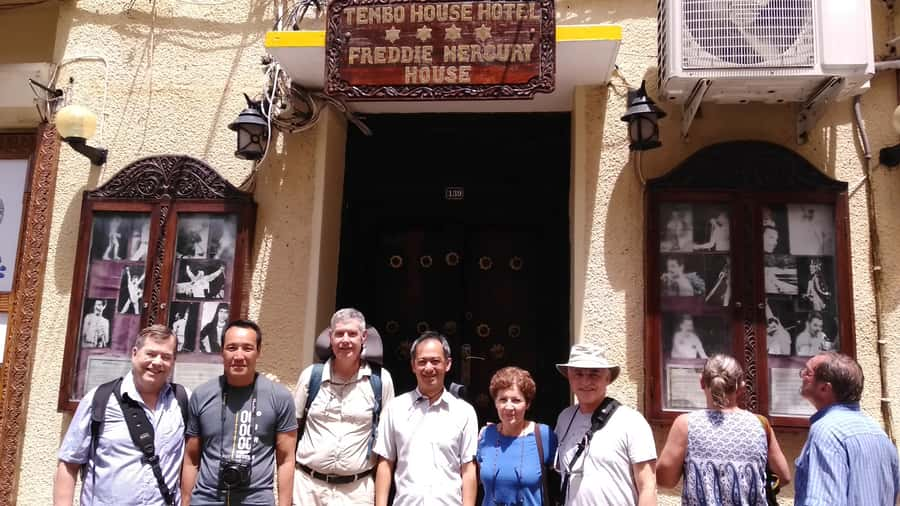
- Freddie Mercury’s house is a quick photo stop: It is a memorable music connection, but expect to see the outside rather than enter.
- Lunch is part of the price: A local meal at a cozy restaurant closes the tour.
- Ahmed and Juma are names worth requesting: Both have been singled out for clear, friendly guiding, though the assigned guide may vary.
Why this three-hour walk works
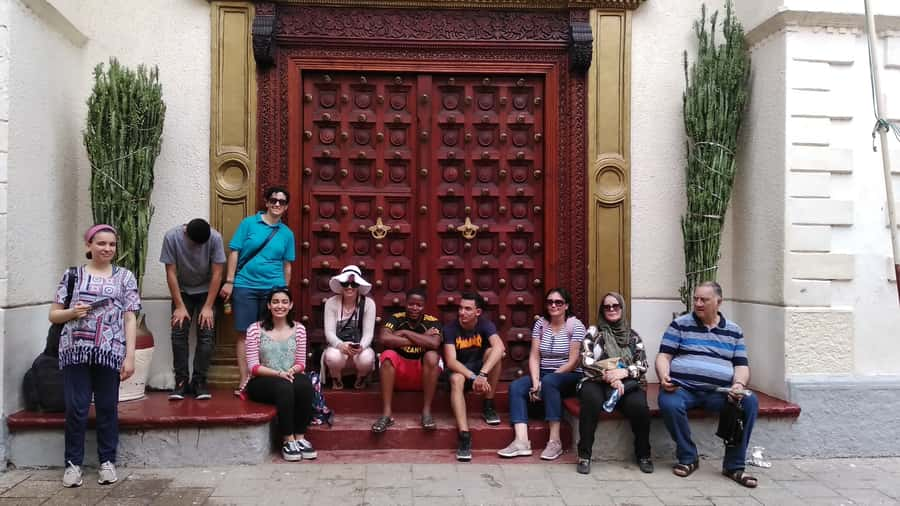
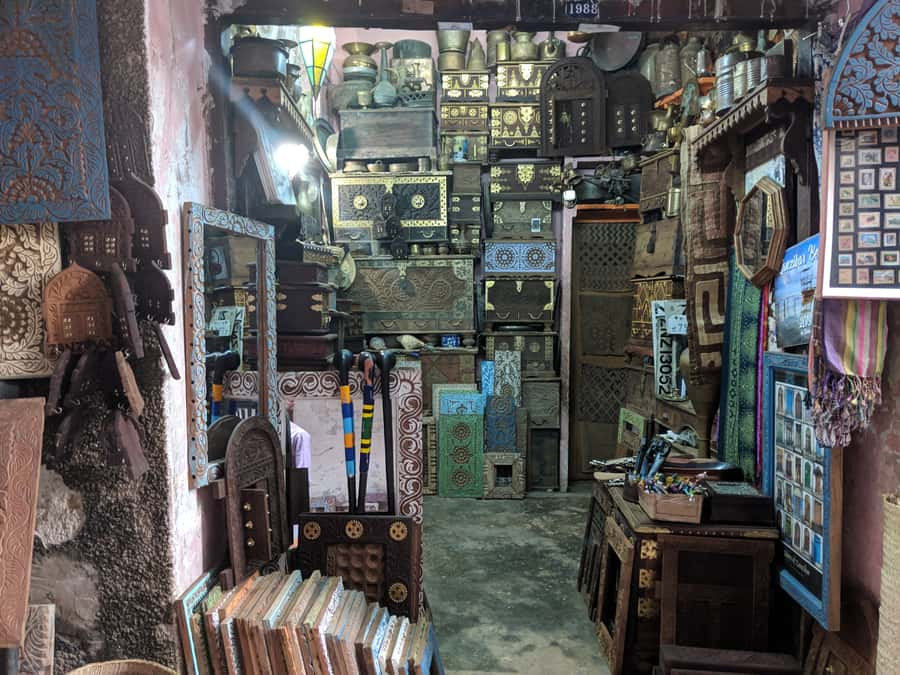
Stone Town is best understood on foot. Its old quarter brings together Arab, Persian, Indian, and European influences, and you can feel those connections in the buildings, markets, and religious sites rather than only hearing them listed in a guidebook.
This is not a tour built around one famous monument. It links many shorter stops into a single story. You begin with the difficult past of the slave trade, move through the commerce of the present-day market, then pass the grand buildings and landmarks that shaped Zanzibar’s political and cultural life.
I like that balance. A tour made only of palaces can feel polished but distant. A walk made only of markets can leave you without context. Here, the two sides meet. You see where people traded, worshipped, governed, lived, and bought food.
The route lasts about three hours. That is enough time to get a useful first look at Stone Town without giving up an entire day, though it also means the stops are fairly brisk. You should think of this as an orientation walk with lunch, not a slow museum visit at every site.
More Local Culture and Traditions Tours in the world:
- Amsterdam Food and Cultural Tour with Tastings
★ 5.0 · 4,315 reviews - Sevilla Food Tour: Tapas, Wine, History & Traditions
★ 5.0 · 3,468 reviews - Tromsø: Reindeer Camp and Sami Cultural Tour with Lunch
★ 4.7 · 3,326 reviews
Starting at the Anglican Church and former slave market
The tour begins at one of Stone Town’s most important historical locations, the former slave-market site and Anglican Church. This is a serious opening, and rightly so. The church occupies a place tied to Zanzibar’s role in the regional slave trade, so the first part of the walk gives you more than pretty streets and old doors.
Your guide is central here. A strong explanation can help you understand why this site matters and how the church relates to the former market. The English-speaking guides associated with this experience include Ahmed and Juma. Ahmed has been praised for answering questions about Stone Town’s past, while Juma has been described as friendly and well informed about the city’s history.
I would take advantage of this first stop by asking questions. The tour covers a lot of ground, and the opening is your best chance to establish the wider story before the walk becomes a sequence of buildings and streets.
This portion may not suit someone looking for a light, purely cheerful introduction to Zanzibar. The subject is uncomfortable, but it is essential to understanding the city. A guide who treats it with care can make this one of the most valuable parts of the morning.
Narrow lanes leading to the city market
From the church, you continue through Stone Town’s narrow streets toward the city market. The lanes are part of the experience, not just a way to get from one stop to the next. They show the dense shape of the old quarter and the way daily movement still fits into an historic urban setting.
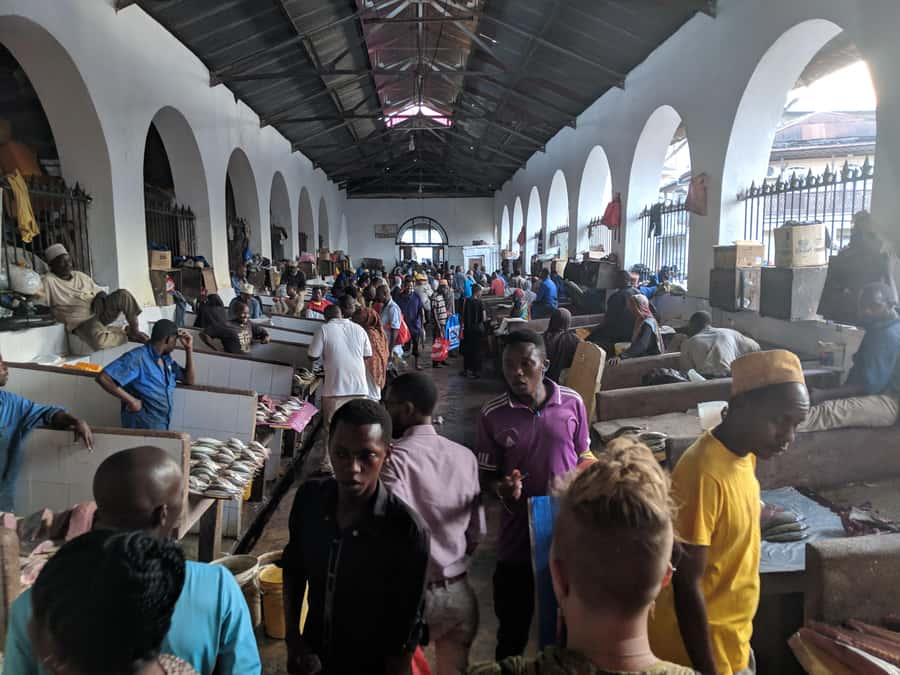
The market is described as the largest market on the islands. Inside, you can expect a broad display of everyday trade, including fresh fruit, fish, meat, chicken, and spices. The fish auction is the main attraction for many people because it gives you a direct look at local buying and selling. Locals bid on seafood, so this is not a staged demonstration arranged only for visitors.
That makes the market a useful counterpoint to Stone Town’s grand buildings. At the palace and museums, you look at the city’s past through objects and architecture. At the market, you see local commerce happening now.
You will want to stay alert in the market. It is an active working place, and the tour is not simply a photo stop. Follow your guide’s directions and be considerate around sellers and buyers. The supplied details do not promise a set amount of time at each market section, so keep your expectations flexible.
For me, this is one of the tour’s strongest features. It adds sound, movement, food, and local routine to a route that could otherwise become a parade of monuments.
Palace Museum and House of Wonder

The next part focuses on Stone Town’s major historic buildings, including the Palace Museum and House of Wonder. The Palace Museum offers a window into Zanzibar’s ruling family and court life. It is a useful stop after the market because it shifts your attention from ordinary trade to the people who held political power.
The House of Wonder, also known as Bait-al-ajab, is described as the largest and tallest building in Stone Town. Its scale helps explain why it became such a prominent landmark. The name itself suggests something remarkable, and the building’s place in the old city makes it an important part of the visual route.
One practical point matters here: one account of the tour specifically describes seeing the outside of the House of Wonder. That means you should not assume every building on the route includes a full interior visit. The tour includes entrance fees, but the available details do not clearly assign an interior admission to every named sight.
That distinction affects how you judge the price. If you want a quick, guided look at several landmarks, the route gives you good coverage. If your priority is spending a long time inside the Palace Museum or House of Wonder, ask before booking how much interior access is planned on your date.
More History Walking Tours in the world:
- History and Hauntings of Salem Guided Walking Tour
★ 5.0 · 14,564 reviews - Lisbon: History, Stories and Lifestyle Walking Tour
★ 4.8 · 10,902 reviews - Boston: Freedom Trail History Small Group Walking Tour
★ 5.0 · 6,450 reviews - Historic Charleston Guided Sightseeing Walking Tour
★ 5.0 · 6,216 reviews
Old Fort, Tippu Tip, and the city’s changing power

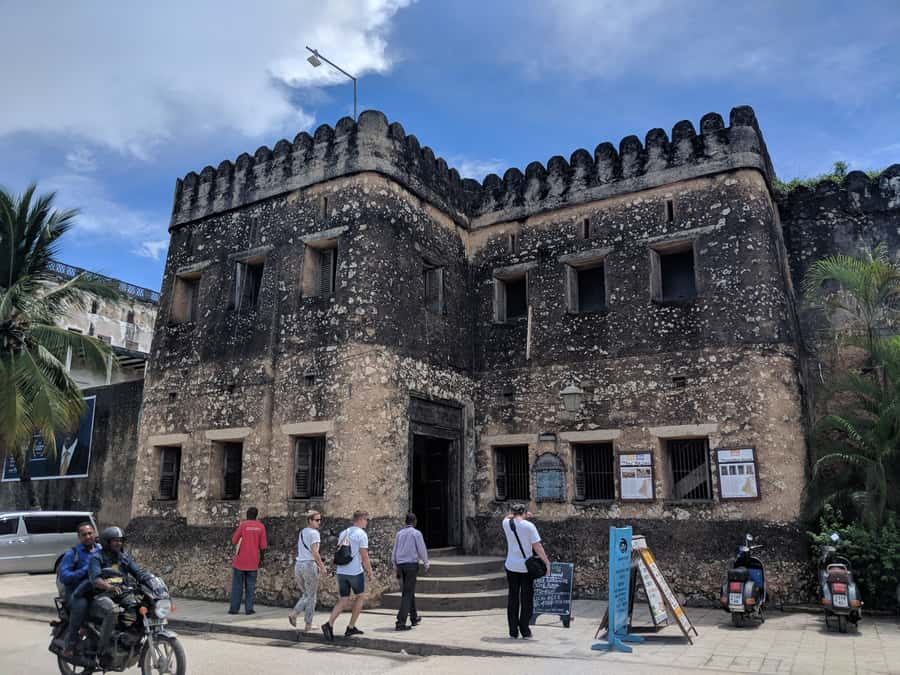
The Old Fort is another central stop. Its heavy walls and position near the waterfront reflect a period when defense and control mattered greatly to the city. The fort is also the meeting point for the tour, so you will already know where to gather at 9 AM if you are making your own way there.
The route also includes Tippu Tip, a name tied to Zanzibar’s trading past, along with other important points in the old quarter. Details about the exact stop format are limited, so your guide’s explanation will shape how much you get from it. This is another reason to request a guide with strong English and a good command of local history.
The Peace Memorial and Natural History Museum add more range. The Peace Memorial connects the walk to Zanzibar’s public memory, while the Natural History Museum offers a different subject from the palaces, forts, and market. Together, these stops help prevent the tour from becoming too narrowly focused on one period.
You will not have time to examine every exhibit at length in three hours. That is the tradeoff. The route gives you a broad map of Stone Town’s major sights, and you can return later to the place that interests you most.
Freddie Mercury’s house and a modern cultural link

Freddie Mercury’s house is the most obvious crowd-pleaser on the route. The singer was born in Stone Town, and the stop gives the old city a modern music connection that many people recognize immediately.
Expect a photo opportunity near the house, not a full museum visit. The information provided identifies it as a famous spot and specifically mentions taking a picture near the house. It does not promise entry, displays, or a private tour inside.
That makes this a short stop, but a worthwhile one if you enjoy music history or want a personal photo from Stone Town. It also breaks up the heavier historical sections with a more familiar cultural reference.
I would keep your expectations in proportion. This is not the reason to book the whole tour unless you are a dedicated Freddie Mercury fan. It works best as one memorable piece in a larger walk that also includes the market, museums, fort, and former slave-market site.
A local lunch to finish the morning

The tour ends with lunch at a cozy local restaurant. Food is included, along with drinking water, entrance fees, and the guide fee. The available details do not specify the restaurant, menu, or dietary options, so ask ahead if you have allergies or strict food requirements.
Lunch matters here because it gives the walk a natural finish. After several historical stops and a market visit, sitting down for a local meal helps you pause and take stock of the city. It is also more useful than ending at a monument and leaving you to find food on your own.
One past booking described the lunch place as perfect but still felt the overall tour was a little expensive for three hours and a meal. That is a fair point. Lunch adds value, but it does not turn a short tour into a full-day experience.
I would judge the meal as a convenience and cultural extra, not the main reason to pay $60. The real value is the combination of an English-speaking guide, historical context, market access, entrance fees, water, and a planned lunch.
Is $60 a fair price?
The price is $60 per person. For that amount, you receive the guide, entrance fees, drinking water, and lunch. The walk covers many of Stone Town’s best-known sights and includes the market, which can be difficult to interpret on your own if you do not know what you are seeing.
The price is easier to justify if you value structure. In three hours, you move from the former slave-market site to the market, then through the main historic sights and on to lunch. You do not need to research a route, arrange several admissions, or find a restaurant at the end.
The value is less clear if you are happy to walk independently and spend only a few minutes at each landmark. Stone Town’s old quarter can be explored without joining a tour, and the duration is short. One booking judged the cost high for three hours and lunch, so this is not an automatic bargain.
My view: $60 is reasonable for a first visit if the guide is your priority and the entrance fees genuinely apply to the stops you care about. It is less attractive if you mainly want a quick photo at Freddie Mercury’s house and a casual walk.
Meeting point, pickup, and practical planning
The standard meeting point is in front of the Old Fort at 9 AM. Plan to arrive a little early so you are not searching for the group after the start time.
The transport information needs careful attention. Hotel pickup and drop-off appear among the advertised highlights, but the included list says pickup and drop-off are not included. The additional details clarify that pickup is optional and available from hotels in Zanzibar’s North or West regions. You are asked to provide your hotel name and room number, and a representative can collect you from the hotel lobby.
Because these details do not fully match, confirm the pickup arrangement and any extra cost before payment. If you are staying elsewhere, assume you will need to reach the Old Fort yourself unless the operator confirms another plan.
The tour is listed as wheelchair accessible, but Stone Town’s narrow streets and old buildings can still make movement more complicated than a modern attraction. Ask the provider to confirm how the specific route and entrances will work for your needs.
Free cancellation is available up to 24 hours in advance for a full refund. You can also reserve now and pay later, which helps if your Zanzibar schedule is still changing.
Who will enjoy this Stone Town tour?
This tour suits you if you want a guided first look at Stone Town and prefer a planned route over independent wandering. It is especially useful if you want both major landmarks and a working market, rather than a route made only of historic buildings.
It also fits visitors who enjoy asking questions. The strongest part of the experience depends on the guide’s explanations, and Ahmed and Juma are names worth requesting if they are available. You should not assume a specific guide is guaranteed, but you can ask when booking.
The tour is a good match for people who want a compact morning activity before another plan. Three hours leaves the rest of the day open. It is less suitable if you prefer slow museum visits, long shopping stops, or a full day of historical detail.
The former slave-market site may be emotionally difficult, but leaving it out would give you an incomplete picture of Stone Town. I appreciate that this tour puts it at the beginning rather than treating the city as only a collection of attractive old buildings.
Should you book it?
Book this tour if you want a broad, guided introduction to Stone Town with a market, major landmarks, local lunch, and the city’s harder history included. The highly praised guiding from Ahmed and Juma is a real reason to consider it, particularly if you like clear explanations and an easy chance to ask questions.
Think twice if you are price-sensitive or already comfortable exploring independently. At $60, the tour offers convenience and coverage, but three hours is not long, and some sights may be viewed from outside. Confirm the pickup details, interior admissions, assigned guide, and lunch arrangements before booking.
For a first morning in Stone Town, I would consider it a useful choice. For a second visit, I would want a narrower tour with more time inside the places that caught my attention.
FAQ
How long does the Stone Town tour last?
The tour lasts three hours.
What time does the tour begin?
The standard meeting time is 9 AM.
Where is the meeting point?
Meet in front of the Old Fort.
Is hotel pickup available?
Yes, optional hotel pickup can be arranged from hotels in Zanzibar’s North or West regions. You should provide the hotel name and room number. Confirm the arrangement because pickup and drop-off are not included in the stated inclusions.
What language is the tour conducted in?
The live tour guide speaks English.
Is lunch included?
Yes, local lunch at a cozy restaurant is included.
Are entrance fees included?
Yes, entrance fees are included in the tour price.
Is the tour wheelchair accessible?
The activity is listed as wheelchair accessible.
Can I cancel for a full refund?
Yes. You can cancel up to 24 hours in advance for a full refund.
More Lunch Experiences in the world
- Douro Valley: Historical Sites, Wine Experience, Lunch & Cruise
★ 5.0 · 5,133 reviews - Ninh Binh Heritage Full Day Tour with Buffet Lunch and Limousine
★ 5.0 · 2,692 reviews - From Kuala Lumpur: Historical Melaka Day Tour with Lunch
★ 4.4 · 2,297 reviews - Strahan: World Heritage Cruise on Gordon River with Lunch
★ 4.8 · 1,143 reviews
Newest history tours we have reviewed in the world
- Dubrovnik by Night, History, Wine & Bites★ 5.0 · 41 reviews
- Enjoy Ancient Mostar★ 4.0 · 45 reviews
- Private Dublin Historical and Heritage Tour by Bike★ 5.0 · 30 reviews
- Historical Walking Tour of Dublin★ 5.0 · 50 reviews
- DayTripper Dublin: A Guided City Walking Tour★ 5.0 · 90 reviews
- Ancient Old City– Finest tour of Dubrovnik★ 5.0 · 64 reviews
- Dublin LGBTQ Pride Historical and Cultural Walking Tour★ 5.0 · 91 reviews
- Interactive Living History in Dalkey Castle near Dublin City★ 5.0 · 133 reviews
Local Culture & Traditions Tours, compared.

Amsterdam Food and Cultural Tour with Tastings
Read our review →
Sevilla Food Tour: Tapas, Wine, History & Traditions
Read our review →
Tromsø: Reindeer Camp and Sami Cultural Tour with Lunch
Read our review →
Half Day Dominican Republic Cultural Tour : Small Group
Read our review →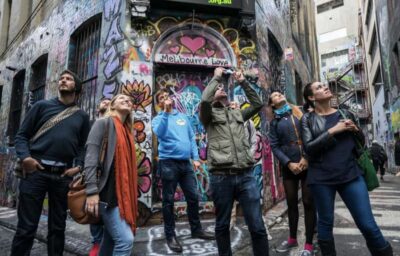
Ultimate Melbourne Walking Tour: History, Laneways & Culture
Read our review →
Tromsø: Sámi Reindeer Sledding and Sami Cultural Tour
Read our review →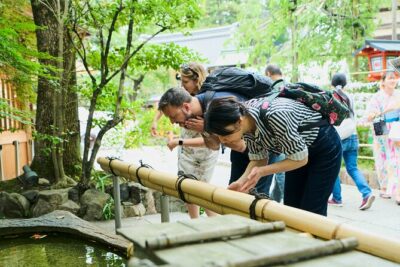
Kyoto Gion: 2-Hour Geisha Culture & History Walking Tour
Read our review →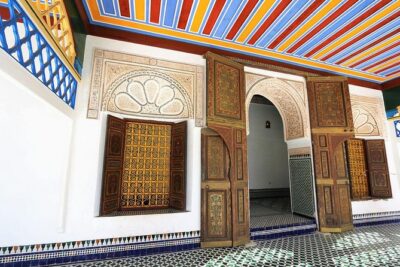
Marrakech Historical and Cultural Tour – Half Day City Tour
Read our review →Browse the lists this tour appears in