
Review · BRAZIL HISTORY TOURS
Rio de Janeiro: Little Africa Heritage Walking Tour
Rio’s Little Africa tour puts the city’s African heritage where it belongs: at the center of the story. You’ll walk from the Rio Art Museum through Morro da Conceição, Largo da Prainha, Pedra do Sal, the Hanging Garden of Valongo, and Cais do Valongo, with time to connect slavery, samba, food, dance, and present-day Brazil.
I like the rooftop view of Mauá Square and Guanabara Bay, which gives you a useful sense of place before the walking begins. I also like the way the guides, including Luana, Nathalia, Ryane, Larissa, and Eddie, bring difficult subjects into a human conversation. The main drawback is simple: this is an outdoor walk in Rio’s heat, rain or shine, and two and a half hours can feel long without water and good shoes.
Key points at a glance
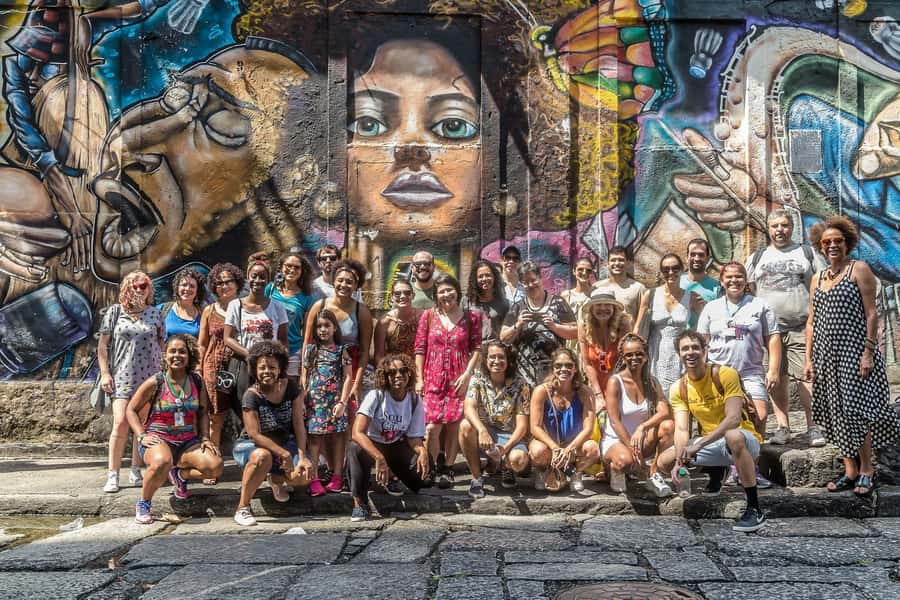
- A serious look at Little Africa: Learn how formerly enslaved people shaped the port district after Brazil ended the slave trade.
- Samba’s birthplace: Stop at Pedra do Sal, linked to the birth of samba and to Rio’s oldest continuously inhabited Black neighborhood.
- A strong opening view: Use the Rio Art Museum rooftop to see Mauá Square and Guanabara Bay before setting off.
- More than slavery history: The route also covers Afro-Brazilian food, dance, music, art, racism, and cultural survival.
- Personal, lively guiding: Guides such as Nathalia, Luana, Larissa, Ryane, and Eddie are praised for warmth, humor, passion, and thoughtful answers.
- Good value at $40: For 150 minutes with a live English-speaking guide, this is a fair price if you want context rather than a quick photo stop.
Why Little Africa changes how you see Rio
Many first visits to Rio focus on beaches, viewpoints, football, and famous landmarks. Those are worthwhile, but they do not explain the city on their own. This walk takes you into the port district and shows how African people shaped Rio’s culture, economy, neighborhoods, food, music, and public life.
The term Little Africa became associated with parts of the port area around the turn of the 20th century. After the slave trade was made illegal in Brazil, formerly enslaved people remained in the area and built lives, families, religious traditions, work networks, and musical culture there.
That background matters because the route is not just a parade of monuments. You are learning why these places matter and how much of Rio’s identity grew from communities that were often pushed aside in official accounts.
I find the subject especially useful early in a Rio visit. Several people who took the walk said it changed how they understood Brazil and made the rest of their trip more meaningful. You may leave wanting to learn more about Bahia, Afro-Brazilian culture, and the wider African diaspora. That is a good sign in a history tour.
The tone is serious, but it is not a dry lecture. Guides use stories, questions, gestures, humor, and personal connections to keep the group involved. Nathalia, for example, has been praised for handling difficult questions about slavery, racism, and sexism with both sensitivity and a clear sense of humor. Marina has connected the subject to her own family experiences as a Carioca. Eddie has been especially appreciated for linking Little Africa to a wider world story.
More History Walking Tours in the world:
- History and Hauntings of Salem Guided Walking Tour
★ 5.0 · 14,564 reviews - Lisbon: History, Stories and Lifestyle Walking Tour
★ 4.8 · 10,902 reviews - Boston: Freedom Trail History Small Group Walking Tour
★ 5.0 · 6,450 reviews
Starting at the Rio Art Museum
Meet your guide in front of the Rio Art Museum, or Museu de Arte do Rio, and arrive about five minutes early. The guide can wait only 15 minutes, so this is not a good tour to join after a slow breakfast or a last-minute taxi problem.
The first part sets the historical frame. You’ll hear about Brazil during the colonial period, including the forces that shaped the country before the walk reaches Little Africa. This introduction is important. Without it, the later stops could feel like disconnected statues and squares. With it, the port district becomes part of a much larger story.
The museum also gives you an early break of about 10 minutes and a rooftop view toward Mauá Square and Guanabara Bay. The view is not the main reason to book this tour, but it is a smart beginning. You can see the port area from above, get your bearings, and understand the relationship between the museum and the streets you’ll soon walk.
Do not expect a long museum visit. The focus is the neighborhood outside, and the museum functions mainly as the meeting point and opening viewpoint.
Morro da Conceição and the old port district
From the museum, the walk continues toward Morro da Conceição. This section takes about 20 minutes and introduces the area’s connection to the people who lived and worked around the port after the end of the slave trade.
The value here is the guide’s explanation. A street can look ordinary if you do not know what happened there. A strong guide helps you connect the physical neighborhood to migration, labor, family life, and the growth of Afro-Brazilian culture.
The route also gives you a chance to see how older parts of Rio sit beside newer public spaces and redevelopment around the port. I would keep your attention on the guide rather than rushing to photograph every wall. This is one of those walks where the meaning of a place matters more than a single postcard view.
The terrain and pace should be manageable for most adults, but it is still a walking tour in a warm city. Wear shoes that you can comfortably use for 150 minutes. Bring sunscreen, water, and light clothing. The activity runs in rain as well as sunshine, so a wet forecast should affect your packing, not necessarily your booking decision.
Largo de São Francisco da Prainha and Afro-Brazilian food
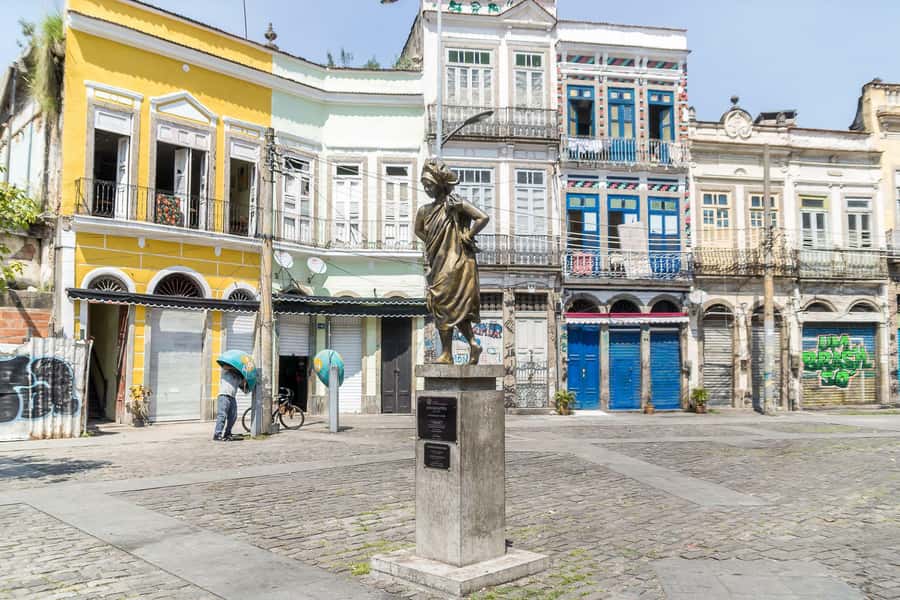
The next major stop is Largo de São Francisco da Prainha, where you’ll spend roughly 20 minutes learning about African influence on Brazilian gastronomy.
This is one of the tour’s most useful turns because food makes history easy to grasp. Instead of discussing culture as something abstract, the guide connects it to what people cook, eat, sell, and pass down. You’ll hear how African influence remains part of Brazilian food culture, not a footnote from the past.
The square also has bars and restaurants, making it a natural place to continue after the tour. The walk does not include lunch, so plan to eat separately. Several guides have offered restaurant and food suggestions, and some groups have continued on together after the official route. That is a nice option if you want to keep talking while trying Afro-Brazilian dishes.
One participant specifically enjoyed a meal featuring bobó de camarão, a shrimp stew. That does not form part of the tour, and you should not expect food or a tasting to be included. Still, the location gives you a practical chance to turn the discussion into a meal afterward.
There is also a statue honoring Mercedes Baptista, a major figure in Afro-Brazilian dance. She was the first Black dancer at Rio’s Municipal Theater and a forerunner of Afro dance in Brazil. Her story adds another layer to the tour: Black cultural achievement was not limited to music and food. It reached the formal arts, even when institutions were slow to open their doors.
More History Tours in the world:
- New York City: American Museum of Natural History Ticket
★ 4.5 · 15,447 reviews - Colosseum: Underground and Ancient Rome Tour
★ 4.7 · 12,691 reviews - London Small Group Tour of Historical Pubs
★ 5.0 · 10,422 reviews - Prague: Oldtown, Medieval Underground & Dungeon History Tour
★ 4.3 · 10,277 reviews
Pedra do Sal, where samba took root
Pedra do Sal is the emotional center of the walk for many people. It is widely considered the place where samba was born, and it is identified as the oldest continuously inhabited Black neighborhood in Brazil.
The stop lasts about 20 minutes, enough for the guide to explain the site without turning the visit into a rushed photo opportunity. You’ll learn how music, community, and daily life came together in this part of Rio.
Samba is often presented to visitors as a cheerful symbol of Brazil. Here, you get more context. The music grew from Black communities and from people whose lives had been shaped by slavery, exclusion, work, and cultural resistance. That makes the sound feel less like a tourist product and more like a living part of the city.
The experience can be moving. One person described learning about slavery and the birth of samba as emotionally powerful, while another said the tour made a visit to Brazil more culturally meaningful. You should be ready for difficult material, including the realities of slavery and the racial divisions that continue into the present.
The guide’s personality matters greatly at Pedra do Sal. Ryane has been praised for her energy and passion, while Larissa has been appreciated for making the experience feel like a conversation with a friend. Eddie has received similar praise for connecting the local story to the wider African diaspora. The names may vary by departure, so you cannot choose a particular guide unless the operator confirms it, but the activity consistently calls for an English-speaking guide.
The Hanging Garden of Valongo
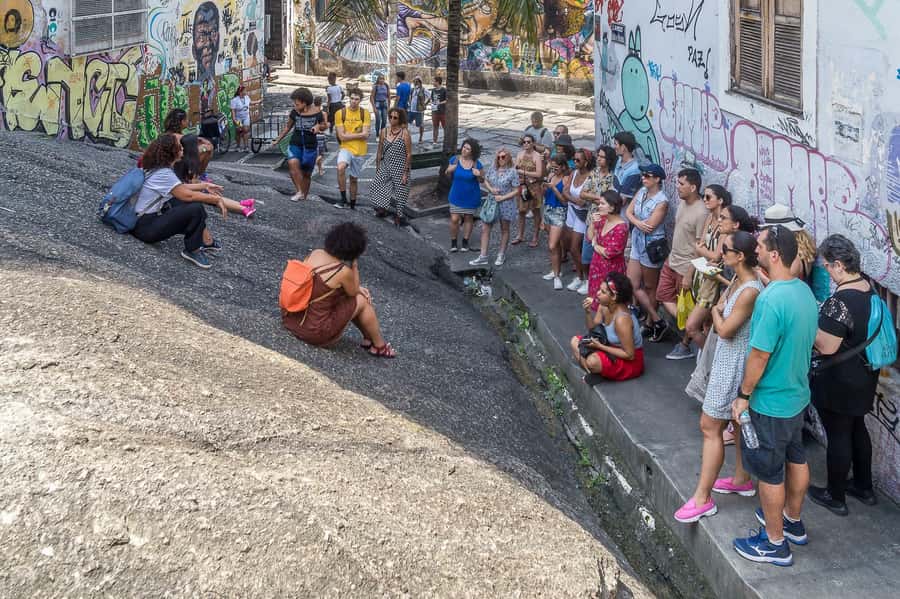
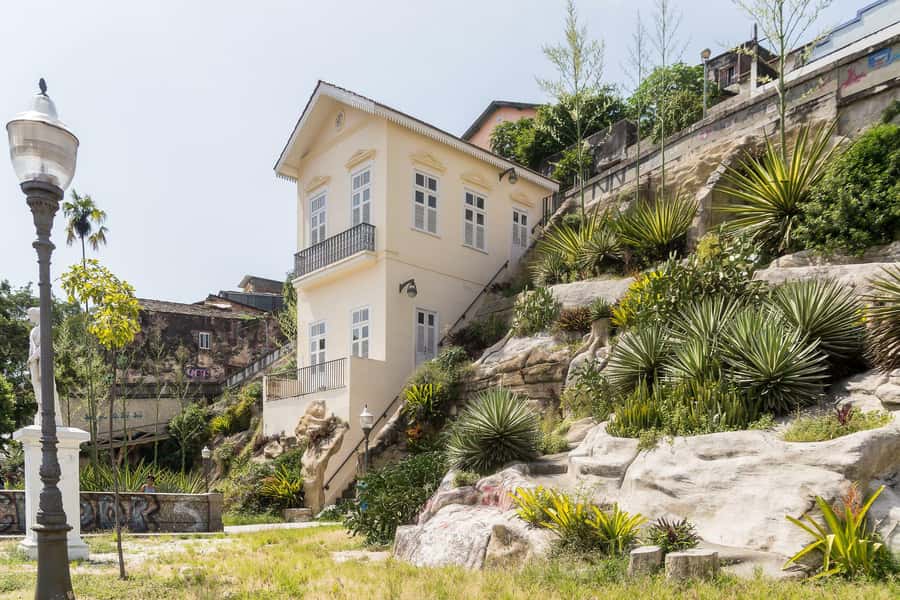
The route then reaches the Jardim Suspenso do Valongo, or Hanging Garden of Valongo. You’ll spend around 20 minutes here.
This stop provides a change of mood and setting. The garden offers a place to pause, look around, and hear how the Valongo area fits into the story of the port. It is not merely a pleasant green space. Its importance comes from what the guide explains about the surrounding district and the people connected to it.
This is where the tour’s structure works well. You have already heard the broad colonial background, seen the port from above, walked through the neighborhood, discussed food and dance, and visited Pedra do Sal. The garden helps gather those threads before the final stop.
Do not expect a long rest break. The guide continues the history here, and you should remain ready to walk. If you need frequent sitting breaks, tell the guide at the start so you can understand the pace.
Cais do Valongo and the weight of the final stop
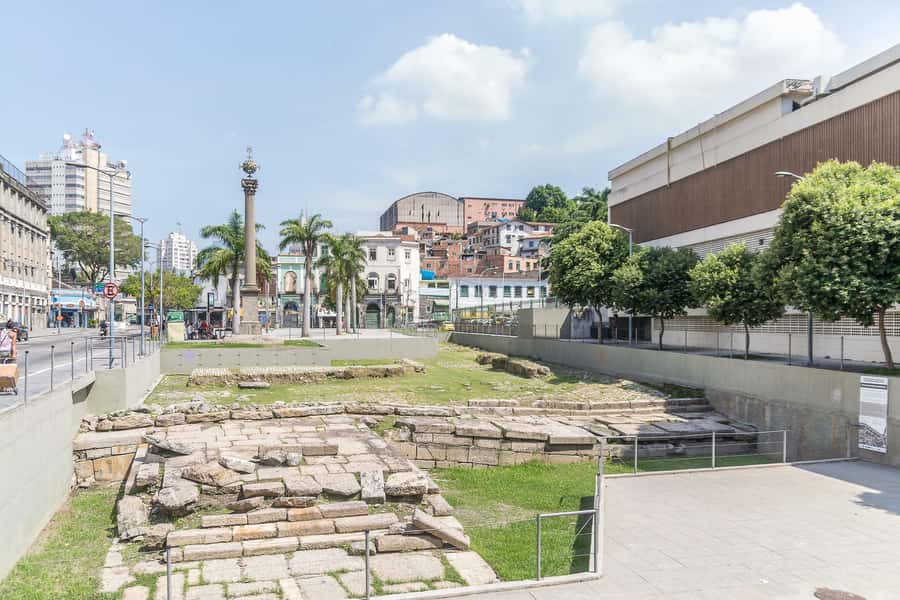
The final historic site is Cais do Valongo, reached after another guided section of about 20 minutes. The tour ends here before returning to the Rio Art Museum.
Valongo is a difficult place to visit because its importance is tied directly to the transatlantic slave trade. The guide explains the site in the context of Brazil’s colonial past and the arrival of enslaved Africans. This is not light sightseeing, but it is essential to understanding Rio and Brazil.
The ending gives the walk a clear purpose. You begin with a broad explanation of colonial Brazil and finish at a site that makes the human cost of that system impossible to ignore. Along the way, you see how African communities shaped new forms of culture and identity despite violence and exclusion.
I appreciate that the walk does not stop at suffering. It includes slavery, but it also gives space to dance, food, music, neighborhoods, art, and people such as Mercedes Baptista. That balance is important. You are not being shown only a tragedy. You are being shown a community and a culture that survived, adapted, and influenced the country.
After Cais do Valongo, you return to the Rio Art Museum. The route is listed as 150 minutes in total, although individual stops and group pace can affect the exact timing.
Guide quality makes the difference
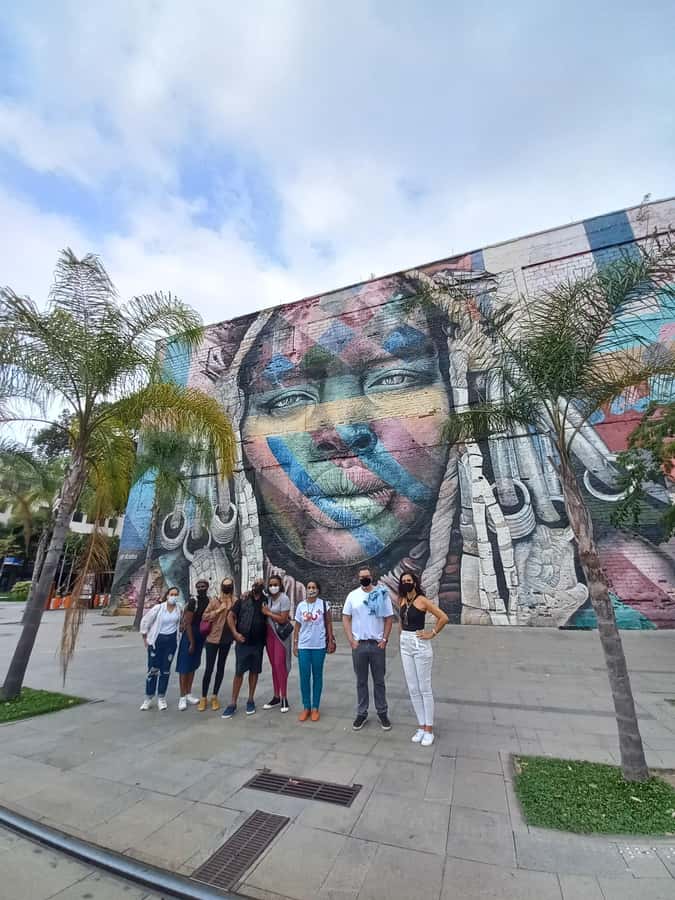
This is a guide-led experience, so the quality of the storytelling matters more than the number of stops. The strongest feedback centers on guides who explain complex subjects clearly and invite questions rather than reciting dates.
Luana has been praised for kindness, enthusiasm, and staying with a participant until an Uber arrived. Nathalia has received repeated praise for her historical detail, warmth, humor, and ability to answer sensitive questions. Ryane brings strong personal energy to the subject, while Marina combines tourism training, historical study, and a personal connection to Rio.
Larissa has been singled out for making the walk welcoming and interactive. She has also helped people continue their day with food or a visit to a market. Eddie is often appreciated for his passion, generosity with time, and ability to place Little Africa in a global context.
You should not assume that every departure will have the same guide. Still, the repeated praise for several different guides suggests that the operator, Sou Mais Carioca, places real weight on storytelling and personal connection.
The tour is offered in English only, despite the broader language information sometimes shown with the activity. Portuguese-speaking visitors should confirm what they need before booking, but the practical booking information identifies English as the tour language.
Is $40 a fair price?
At $40 per person, this tour is fairly priced for a 150-minute guided walk in central Rio. You are paying for a live guide, historical interpretation, and access to a sequence of places that can be hard to understand on your own.
The value is strongest if you want context. You could walk around the port district without paying, but you would likely miss the links between the sites. You might see Pedra do Sal, the garden, and the waterfront without understanding why they matter or how they connect.
The price is less attractive if you want a relaxed sightseeing stroll with plenty of free time, shopping, or included food. The tour does not include hotel pickup, drop-off, lunch, drinks, or museum admission beyond the stated tour elements. You also need to make your own way to the museum.
Free cancellation up to 24 hours before the start and the option to reserve now and pay later make the booking less risky. Those policies are useful in Rio, where weather and transport can disrupt plans, but remember that the walk goes ahead in rain or sunshine.
Who should book this walk?
I would recommend it to first-time visitors who want to understand Rio beyond its famous postcard sights. It is also a strong choice for anyone interested in the African diaspora, Brazilian slavery, samba, food, dance, public memory, or present-day racial issues.
It suits adults and older children who can focus during a serious history discussion. Children under five are not suitable for the activity, and the material may be too heavy for very young children even if they meet the age requirement.
You should also book it if you like asking questions. The guides make room for discussion, and the experience appears strongest when you engage rather than simply follow from stop to stop.
I would think twice if you dislike walking in heat, do not want to discuss slavery and racism, or need a fully sheltered activity. Bring water and sunscreen, wear comfortable shoes, and allow some flexibility after the walk if you want to eat nearby.
Should you book the Little Africa Heritage Walking Tour?
Yes, if you want a thoughtful introduction to the African foundations of Rio. The route is compact, the price is fair, and the subject fills a major gap left by many general city tours.
Book it early in your Rio stay if possible. The walk can help you understand later encounters with samba, food, music, neighborhoods, and Brazilian identity. Just arrive on time, prepare for the weather, and expect a serious conversation rather than a light afternoon outing.
If you want a deeper connection to the city, this is one of the better uses of two and a half hours in Rio.
FAQ
Where does the Little Africa Heritage Walking Tour begin?
It begins in front of the Rio Art Museum, or Museu de Arte do Rio.
How long does the tour last?
The tour lasts 150 minutes, or two and a half hours.
What places do you visit?
The route includes the Rio Art Museum, Morro da Conceição, Largo de São Francisco da Prainha, Pedra do Sal, the Hanging Garden of Valongo, and Cais do Valongo.
Is the tour offered in English?
Yes. The activity information identifies English as the tour language and includes an English-speaking live guide.
Is hotel pickup included?
No. Hotel pickup and drop-off are not included. You must reach the meeting point at the Rio Art Museum yourself.
What should I bring?
Bring comfortable shoes, sunscreen, water, and comfortable clothing.
Does the tour run in bad weather?
Yes. The tour takes place rain or shine, so you should prepare for outdoor conditions.
Can children join the tour?
Children under five are not suitable for this activity.
Newest history tours we have reviewed in the world
- Bilbao Historical Tour in small group★ 4.7 · 52 reviews
- Bologna: Street Food Tour in the Historic Center★ 4.8 · 125 reviews
- CEBU: Cebu City Heritage and Uphill Guided Tour★ 4.2 · 31 reviews
- Bishkek : City Tour (History, Architects, Statues & Culture)★ 4.9 · 54 reviews
- Blenheim: Omaka Aviation Heritage Centre Admission Ticket★ 4.9 · 31 reviews
- Berlin: Nazi History Walking Tour★ 4.8 · 33 reviews
- Best of Baku: 4-Hour City Tour Historic and Modern Landmarks★ 4.7 · 63 reviews
- Belfast: Best of Belfast History, Culture & Art Walking Tour★ 4.9 · 158 reviews
History Walking Tours, compared.
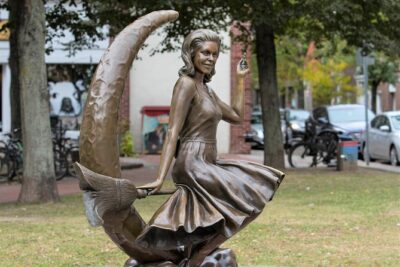
History and Hauntings of Salem Guided Walking Tour
Read our review →

Freedom Trail History Small Group Walking Tour
Read our review →
Historic Charleston Guided Sightseeing Walking Tour
Read our review →
Tapas Walking Tour with Food, Wine, and History
Read our review →
Savannah History and Haunts Candlelit Ghost Walking Tour
Read our review →
A History of Terror – Belfast City Centre Walking Tour
Read our review →Browse the lists this tour appears in