
Review · BRAZIL HISTORY TOURS
Historic City Tour Manaus by car with 3 stops.
Manaus built its grandest buildings when rubber money poured through the Amazon. This three-hour private car tour lets you connect those grand ambitions with the city you see today, from the Adolpho Lisboa Market to the ornate Teatro Amazonas. I like the easy hotel pickup and the chance to shape the stops around your interests.
I especially like the inside visit to the market, where local food, fish, and crafts give the tour a daily-life counterpoint to the grand monuments. I also like the guide service: Daniel is praised for his excellent English and history knowledge, while Gabriel has added less expected local stops to suit the group. The main consideration is time. Three hours moves quickly, and Rio Negro Palace visits depend on the weekday and opening conditions.
Key points at a glance
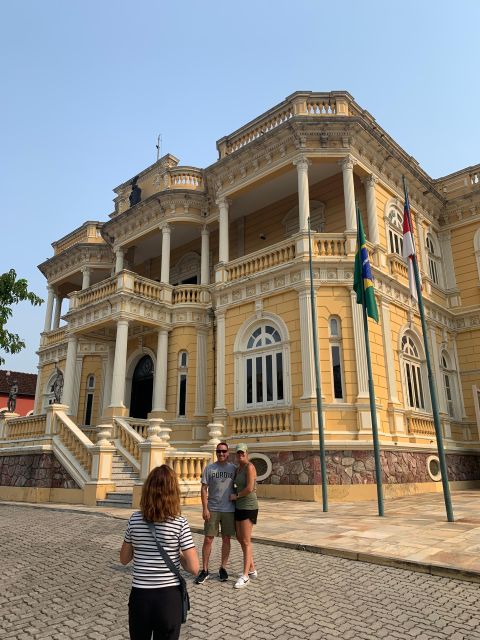
- Rubber-boom architecture: See the city hall area, Rio Negro Palace when available, and Teatro Amazonas, all tied to Manaus’s remarkable rubber-era wealth.
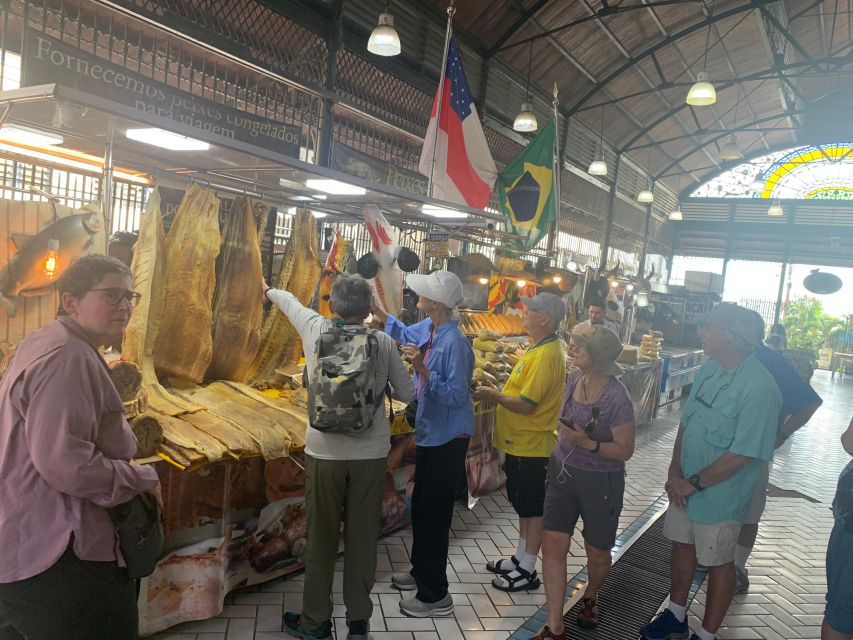
- A real market stop: Spend about 40 minutes at Adolpho Lisboa Market, with time for local snacks, shopping, and the area beside the Negro River.
- Teatro Amazonas inside and out: The ticket and guided visit are included when the theater is open for visitation.
- Private and flexible: Your own group travels by car, with hotel pickup, hotel drop-off, and room to adjust the route.
- Three useful languages: Tours are offered in English, Portuguese, and Spanish.
- Strong guide feedback: Daniel receives repeated praise for his English, punctuality, history knowledge, and restaurant suggestions.
Manaus explained through its rubber-boom center
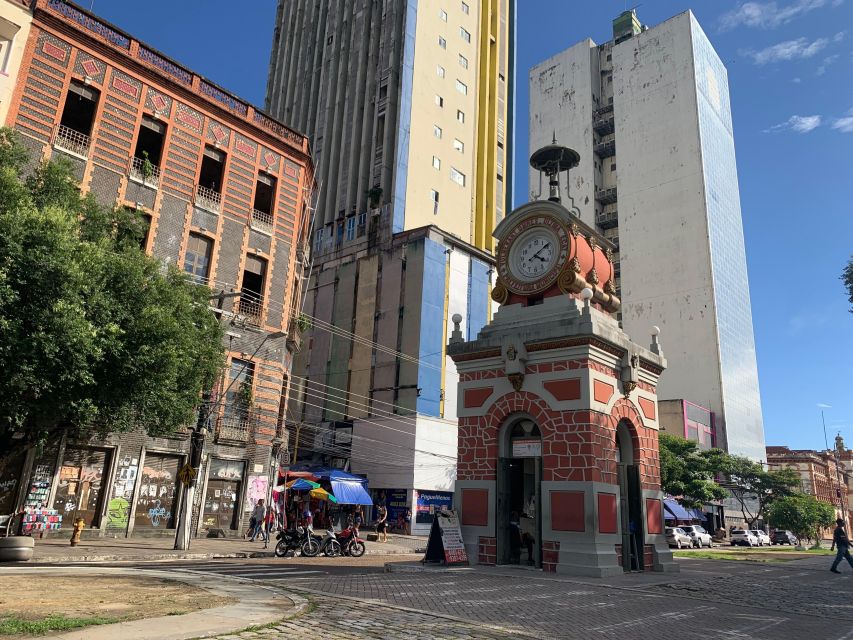
Manaus can feel surprising at first. You are in a city surrounded by the Amazon rainforest, yet the historic center contains European-style buildings, formal squares, and a grand opera house built more than 120 years ago.
The reason is the rubber trade. During the city’s prosperous years, money from the Amazon region funded ambitious public buildings and imported design ideas from Europe. This tour gives you a compact way to see that contrast: market life beside the Negro River, then polished architecture linked to an earlier age of wealth.
The private car matters here. You are not walking between every sight in the heat, and hotel pickup removes the need to work out the downtown route before you have learned the city. Your driver-guide also gives you the background as you go, rather than leaving you to study plaques on your own.
The experience is listed at $81 per person. That is not the cheapest way to see downtown, but the price includes private transport, hotel pickup and drop-off, a guide, and admission to Teatro Amazonas when the guided visit is available. For a couple or small private group with limited time in Manaus, that package can make sense.
You are paying most for convenience and interpretation, not for a long list of admissions. Food, drinks, and tickets for attractions beyond those included cost extra, so keep that in mind if you want to add more stops.
More History Tours in Brazil:
- Maria Fumaça – Wines and History
★ 4.0 · 242 reviews - Rio de Janeiro: Historic Rio and Santa Teresa Half-Day Tour
★ 4.4 · 228 reviews - São Paulo: Downtown Historical Bike Tour
★ 4.9 · 191 reviews
The first street and square of Manaus
The route introduces you to the first street and square of Manaus, including the city’s first town hall. These early civic spaces help you see the historic center as a working city, not just a set of postcard buildings.
This part is especially useful at the beginning. Instead of starting with the most famous attraction, you get a little orientation: where the old center developed, how public buildings were arranged, and how Manaus grew into an important regional city.
Because the tour uses a car, some sights may be viewed during the drive or as brief stops rather than as long formal visits. If the first street, square, or town hall matters greatly to you, ask the guide how much time is planned there. The itinerary is flexible, but three hours places a natural limit on lingering.
That flexibility is one of the tour’s better features. Daniel has adjusted the pace and route for different groups, and Gabriel has included places connected to present-day Manaus as well as the standard historic sights. You can ask for more architecture, more market time, or a broader sense of how local people use the city.
Adolpho Lisboa Market in about 40 minutes
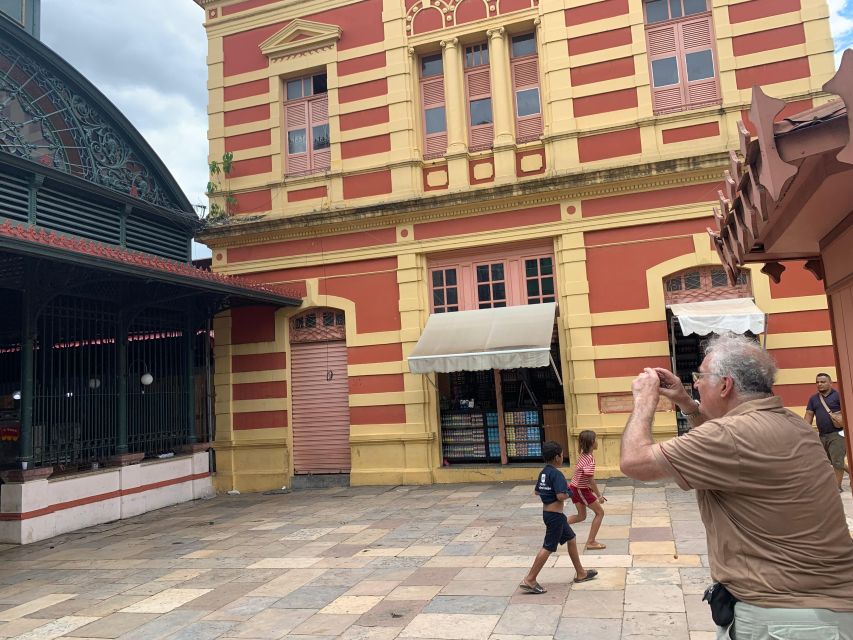
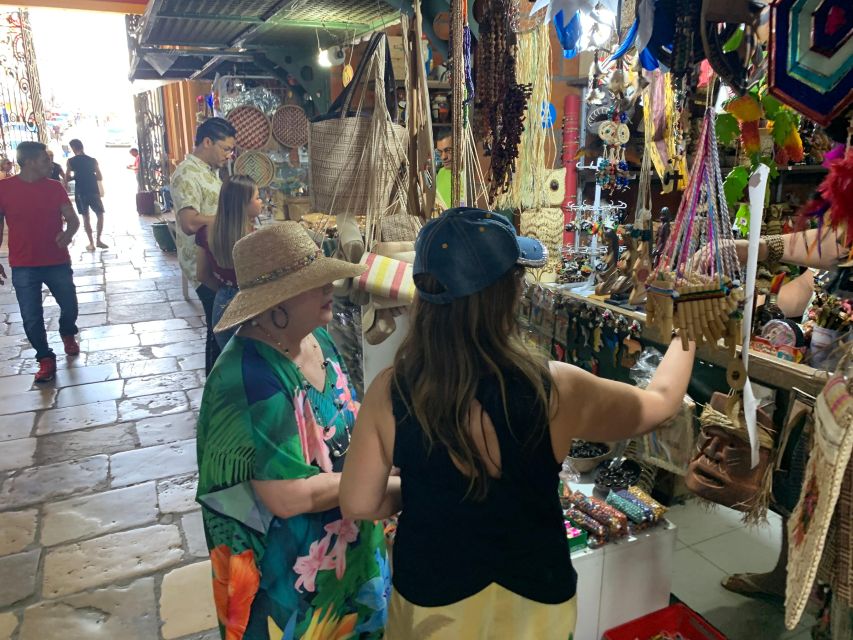
Adolpho Lisboa Market is the main extended stop, with roughly 40 minutes for walking, shopping, local snacks, and the food market. The building and its setting near the Negro River connect Manaus’s trade past with its present-day food culture.
Inside, you might find fish, fruit, regional products, and market goods. The available information also points to banana, fish, and municipal market experiences, so your guide may make the market visit broader than a quick look at one building. Exact details can vary with the day and the route chosen.
I would use this stop for observation rather than a rushed shopping mission. Look at what is being sold, notice how the market serves local residents, and ask about ingredients or products you do not recognize. If you want to buy something or taste a snack, tell the guide early so the 40 minutes do not disappear before you have had a chance.
The market also gives you a useful change of pace. Teatro Amazonas is carefully decorated and formal. The market is practical, social, and tied to the river economy. Seeing both in one short outing gives you a better feel for Manaus than visiting grand buildings alone.
Food and drinks are not included. That is simple enough, but it is worth remembering if you plan to sample local snacks. Ask about prices before buying if you are unsure, and allow time to return to the car.
Rio Negro Palace when the doors are open
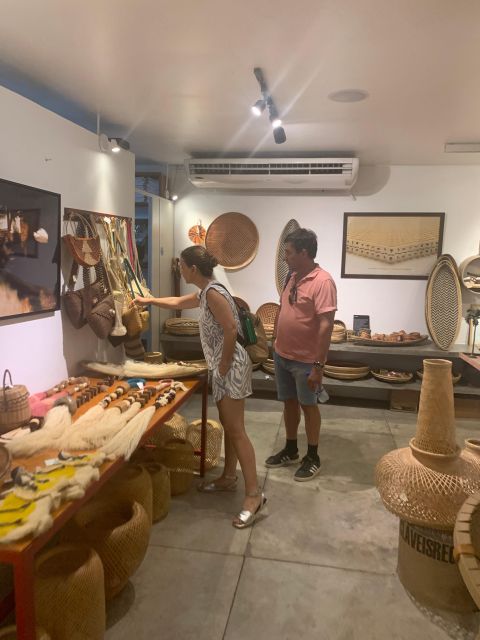
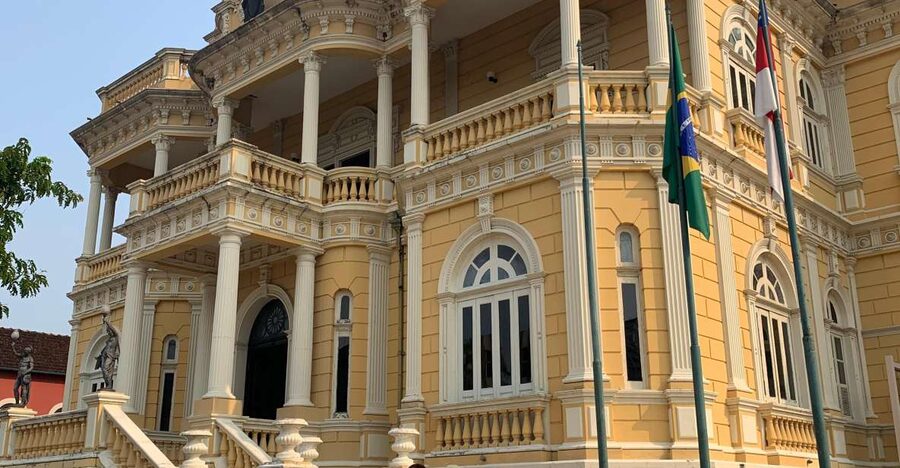
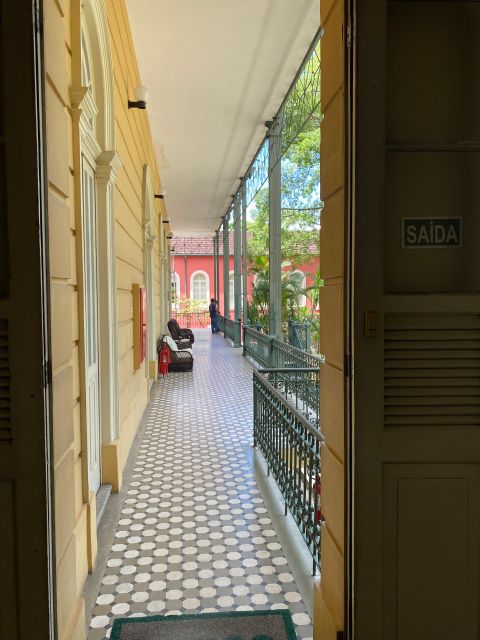
Rio Negro Palace is a possible additional stop, depending on the weekday and whether visitation is available. The building is described as a neoclassical residence built by a German businessman who became one of the major traders during the rubber era.
Its value is not only the architecture. The palace helps explain who had the money to shape Manaus during its prosperous period and how international business ties reached into the Amazon. It adds a private, grander side to the story after the public market and civic spaces.
Do not treat this visit as guaranteed. The tour information makes clear that access depends on the day, so ask about availability when you book or at the start of the tour. If the palace cannot be visited, the guide can use the flexible route for other historic sights.
The palace is also one reason a private tour can be more useful than a fixed group outing. You can ask the guide to spend more time on the rubber era if the building is open, or move on without losing the entire schedule if it is not.
Same streets, a different century:
- Scenic Train ride to historical cities of Morretes and Antonina
★ 4.0 · 188 reviews - Rio de Janeiro: Little Africa Heritage Walking Tour
★ 4.9 · 177 reviews - Ancient Rio and Santa Teresa Tour with Hotel pick-up and drop-off
★ 4.5 · 154 reviews - From Foz do Iguazu: Triple Frontier Landmark Ticket
★ 4.4 · 136 reviews
Teatro Amazonas, Manaus’s grand finale
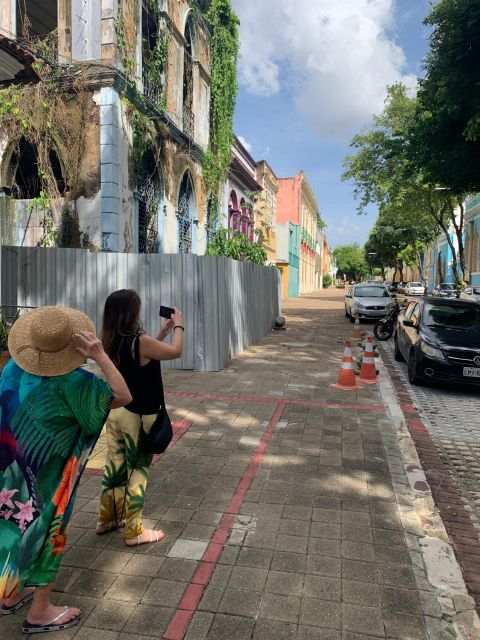
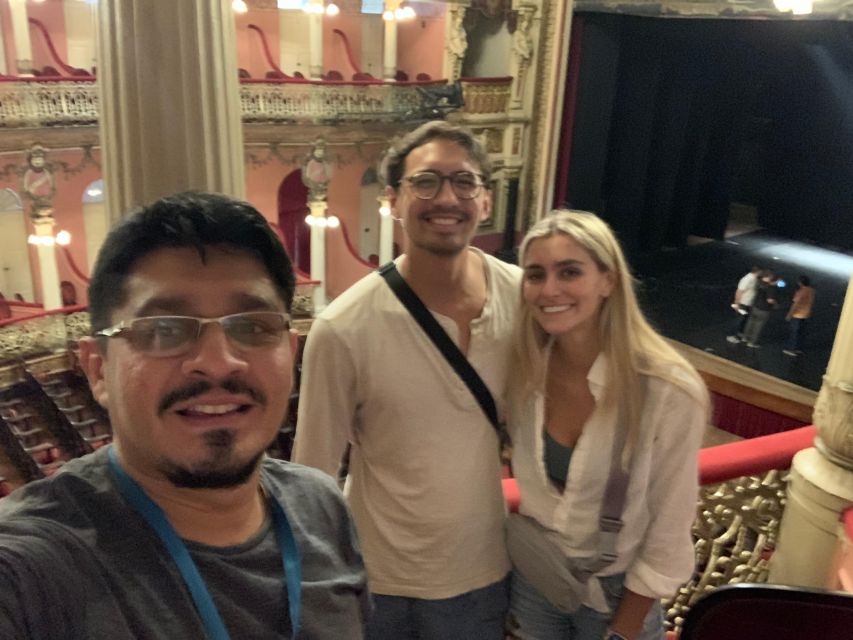
Teatro Amazonas is the star of the outing, and the tour includes the admission ticket and a guided visit when visitation is available. You will see the building from inside rather than merely stopping for an exterior photograph.
The opera house was built in the jungle more than 120 years ago and drew inspiration from opera houses in Paris and Milan. That European influence is visible in the theater’s design and decoration, but its location is what makes the building so striking. It represents the confidence and spending power of Manaus during the rubber boom.
The guided visit is scheduled for about 50 minutes. That is enough time to see the principal spaces and understand why the theater matters, though it is not a leisurely performance-night visit. Your guide can point out the details that are easy to miss if you walk through on your own.
The theater is also associated with excellent acoustics, and it has been recognized as one of Brazil’s most beautiful buildings. Those distinctions are appealing, but the practical point is more important: you get context for the building instead of simply taking a photograph on the square.
If you enjoy the theater, you may be able to buy a ticket for a live evening performance. The tour does not include that ticket, and a performance is not promised, so treat it as a possible extra rather than part of the plan.
The opera house comes late in the route, which works well. You first see the working market and historic streets, then finish with the most ornate building. It gives the three-hour tour a clear shape without making every stop feel like the same kind of attraction.
What the guides add to the experience
The guide is the most important variable on a short city tour. Daniel is repeatedly singled out for punctuality, polite service, strong English, and detailed answers about Manaus, Brazil, and local history. He is also praised for adapting the pace and recommending a Brazilian restaurant that would be difficult to find without local help.
Gabriel brings a different local angle. Along with the usual historic sights, he has taken groups to a place where current residents go to enjoy the beach. He is also a musician working to bring country music to the Amazon, an example of the personal local connections that can make a private tour feel less scripted.
You cannot necessarily choose Daniel or Gabriel when booking, so consider those names useful clues about the guide team rather than a promise. The tour is offered in English, Portuguese, and Spanish, and the guide’s ability to answer questions is particularly valuable at the market and historic buildings.
If you have a strong interest in architecture, rubber history, food, music, or present-day Manaus, say so at pickup. The route allows more adjustment than a large bus tour. You should still be realistic: the total time is only three hours.
Timing, transport, and value
Hotel pickup and drop-off are included, and the group is private. That makes this a practical choice if you are staying in Manaus for a short time, arriving without a car, or visiting as part of a wider Amazon trip.
The tour can finish at your hotel, another downtown location, or a restaurant. That last option is useful if you want to continue exploring after the formal route. If the guide has no later tour and joins you for a meal before taking you back to the hotel, you pay for the guide’s meal.
A three-hour schedule is both an advantage and a limit. You can see the main historic center without giving up an entire day, but you should not expect a slow museum day or long time at every building. The route works best as an introduction and orientation.
The price becomes easier to justify when you value door-to-door transport and a private guide. It is less attractive if you only want a quick photograph of Teatro Amazonas and are comfortable arranging your own way around downtown.
The tour offers free cancellation up to 24 hours before departure and a reserve-now, pay-later option. Starting times depend on availability, so check the schedule carefully and consider your flight, boat, or other Amazon activities before choosing a slot.
Who should book this Manaus tour
I would recommend it to first-time visitors who want the historic center explained clearly and efficiently. It also suits couples, families, and small groups who prefer their own car and the ability to adjust the pace.
It is a good fit if you want a mix of:
- Historic buildings and rubber-era context
- Market life and local products
- A guided interior visit to Teatro Amazonas
- Hotel pickup and drop-off
- English, Portuguese, or Spanish service
- A possible restaurant recommendation or extra local stop
I would be more cautious if you want extended shopping time, a full museum day, or a long visit inside every historic building. The route has several possible sights, but the clock remains three hours.
Wear comfortable shoes for the market and theater walking, and keep some flexibility for opening conditions. The Rio Negro Palace visit may not be possible on every weekday, and Teatro Amazonas admission depends on visitation availability.
Should you book it?
Book this tour if you want a private, well-organized introduction to Manaus and care about understanding what you are seeing. The strongest reasons are the market, the included Teatro Amazonas visit, hotel transport, and the guide’s ability to adjust the route and explain the city’s rubber-era story.
Skip it if your priority is spending a full day at one attraction or exploring independently at a slower pace. For most visitors with only a short window in Manaus, though, this is a practical way to connect the city’s market, river setting, historic streets, palace, and opera house in one focused outing.
FAQ
How long does the Historic City Tour Manaus last?
The tour lasts three hours. Starting times depend on availability.
What is the price of the tour?
The listed price is $81 per person.
Is hotel pickup and drop-off included?
Yes. Pickup and drop-off in Manaus are included.
Is the tour private?
Yes. The experience is for a private group rather than a shared group.
Which languages are available?
The live guide service is available in English, Portuguese, and Spanish.
Is admission to Teatro Amazonas included?
Yes, the entry ticket and guided visit are included when visitation to the opera house is available.
Is the Rio Negro Palace visit guaranteed?
No. The visit depends on the weekday and whether visitation is available.
Is food included?
No. Food and drinks are not included. If the guide joins you for a meal after the tour, you must also pay for the guide’s meal.
Can I cancel the tour for a refund?
Yes. You can cancel up to 24 hours in advance for a full refund. The reserve-now, pay-later option also lets you hold a place without paying immediately.
Newest history tours we have reviewed in Brazil
- Scenic Train ride to historical cities of Morretes and Antonina★ 4.0 · 188 reviews
- Germanic Route – Cultural and historical in Ilhota, Blumenau and Pomerode★ 4.5 · 67 reviews
- Rio: Historical Walking Tour★ 4.7 · 32 reviews
- Rio: Olympic Boulevard, Museum of Tomorrow & History Tour★ 4.1 · 47 reviews
- Rio de Janeiro: Historical Downtown and Lapa Walking Tour★ 4.4 · 32 reviews
- Salvador Historic Walking Tour – Pelourinho★ 4.8 · 62 reviews
- From Foz do Iguazu: Triple Frontier Landmark Ticket★ 4.4 · 136 reviews
- Florianopolis: Walking Tour – History, Art and Gastronomy★ 5.0 · 21 reviews
Brazil History Tours, compared.

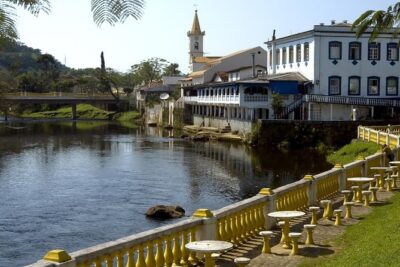
Scenic Train ride to historical cities of Morretes and Antonina
Read our review →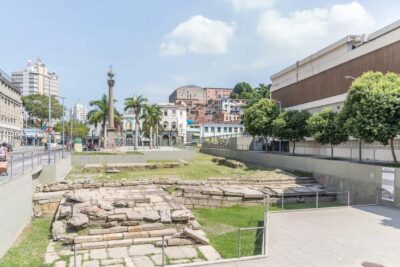
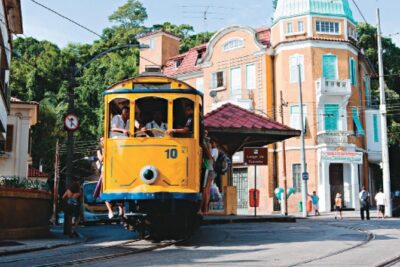
Ancient Rio and Santa Teresa Tour with Hotel pick-up and drop-off
Read our review →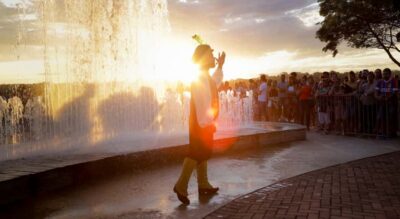
From Foz do Iguazu: Triple Frontier Landmark Ticket
Read our review →
Paraty: Historic Centre Walking Tour & Cachaça Tasting
Read our review →Browse the lists this tour appears in