
Review · BRAZIL HISTORY TOURS
Scenic Train ride to historical cities of Morretes and Antonina
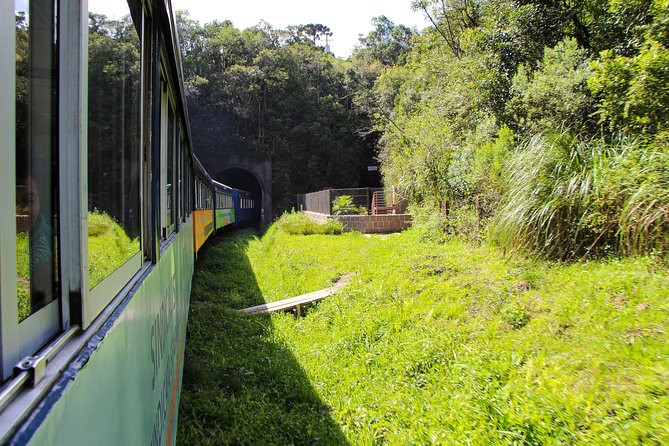
The best part of this full-day outing is the train journey through Serra do Mar Atlantic rainforest, where a 19th-century railway threads across bridges, through tunnels, and past steep valleys and waterfalls. It is a fine change of pace from Curitiba’s city streets, with the scenery doing most of the talking.
I especially like the combination of historic rail travel and a proper regional lunch in Morretes. The other strong point is the easy door-to-door arrangement, with hotel pickup, train tickets, food, and the return transfer included. The main drawback is the rushed schedule. Morretes deserves more time, and Antonina can feel like a very short stop.
Key points to know
- The train is the star: The Paranaguá-Curitiba Railway dates to the 19th century and includes more than 41 bridges, 13 tunnels, viaducts, and mountain views.
- Morretes gets the best town time: You have about 90 minutes for colonial streets, churches, craft stalls, and a look around town.
- Barreado is the signature meal: Slow-cooked beef comes with rice, bananas, oranges, and manioc flour, with breaded fish served on the side.
- Language needs careful checking: The onboard guide can be arranged in Portuguese, English, or Spanish, but the land portion is not always equally well supported.
- The return road is scenic but weather-dependent: The planned route is Estrada da Graciosa, with BR-277 used when conditions are poor.
- Expect a long day: Pickup is around 7:00 a.m., with return to Curitiba expected near 4:30 p.m.
Why the railway journey is worth the day
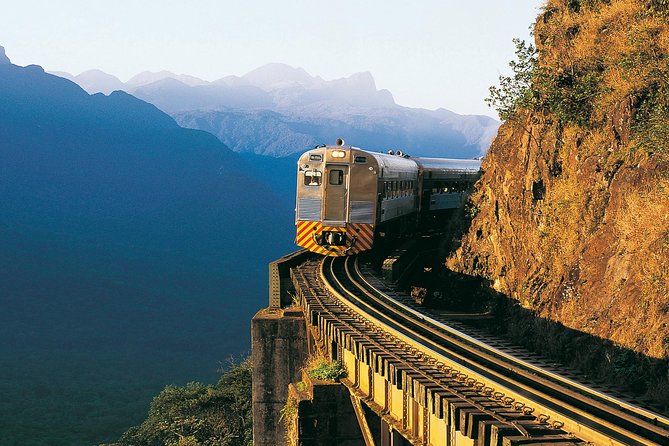
This is not simply a train ride from one town to another. The railway is part of the attraction. The Paranaguá-Curitiba line opened in the 19th century, with its inaugural journey made by Princess Isabel in 1884. As the train leaves Curitiba, the setting changes from city to mountain country.
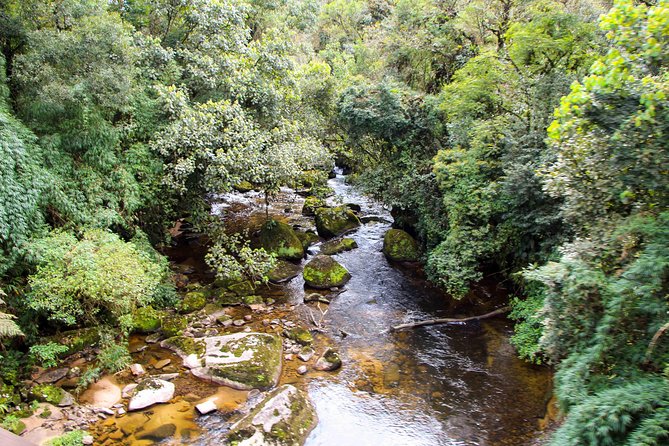
The route passes through the Serra do Mar ecological reserve, a broad area of Atlantic rainforest. Look for narrow valleys, rocky cuts, waterfalls, rivers, and heavy green forest pressing close to the tracks. The railway includes more than 41 bridges, hundreds of smaller bridge structures, 13 tunnels, and major engineering works such as Ponte São João and Viaduto do Carvalho.
You may find the first and last sections less exciting than the middle part. The scenery becomes most impressive around the mountains and valleys, and clouds or rain can reduce visibility. Still, several people who took the trip in wet weather found the ride enjoyable, so a gray day does not ruin the outing. It simply changes the view from broad mountain panoramas to misty forest and waterfalls.
The train can be crowded, and boarding may take time. Onboard service includes a snack and a soft drink or bottled water, which is useful on a journey lasting several hours. You can move around within your carriage, and commentary is available in the language selected at booking. The language service is especially important here, so confirm it before paying.
More Train Trips in Brazil:
- Puffing Billy Railway: Heritage Steam Train Journey
★ 4.6 · 1,195 reviews - Ancient Ostia Antica Semi-Private Day Trip from Rome by Train with Guide
★ 4.5 · 579 reviews - Dublin to Cork, Blarney Castle & Cóbh Heritage Centre by train
★ 4.5 · 510 reviews
What the morning transfer is really like
Pickup from most Curitiba hotels is scheduled for about 7:00 a.m. You first ride by bus to the railway station, then board the train to Morretes. The full experience lasts about nine hours, with an expected return around 4:30 p.m.
That early start matters. You are not booking a casual afternoon outing. You are committing most of a day, and the train timetable controls the rest of the program. Delays have occurred, including a train that arrived in Morretes later than planned after making several stops, so do not schedule an important evening activity too tightly.
The group is limited to 30 people, which is more manageable than a huge coach tour. The actual train carriage will still be part of a larger railway operation, and the station can feel busy during boarding. The included bus, van, or minibus transfer takes away the need to coordinate separate tickets and connections.
Pickup reliability deserves attention. Most departures may go smoothly, but there have also been serious problems involving incorrect passenger names, missed pickups, and poor communication when arrangements changed. Give your full name, birth date, and passport number, or Brazilian ID or CPF, exactly as requested. These details are required for the passenger list, and mistakes can create real trouble at the start of the day.
Morretes, the day’s most rewarding town stop
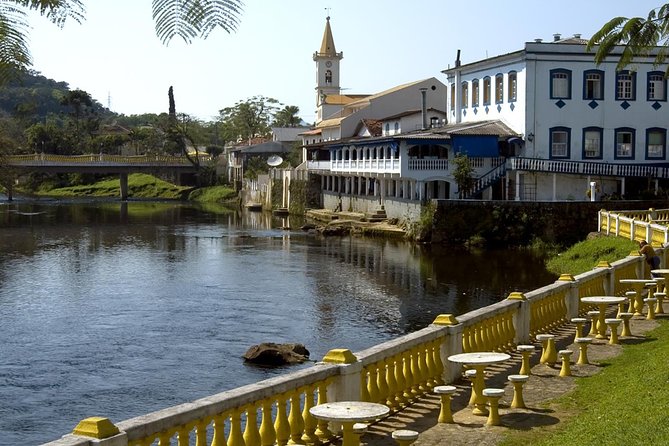
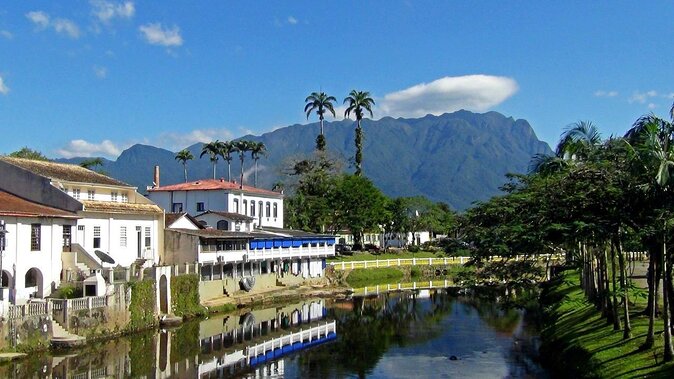
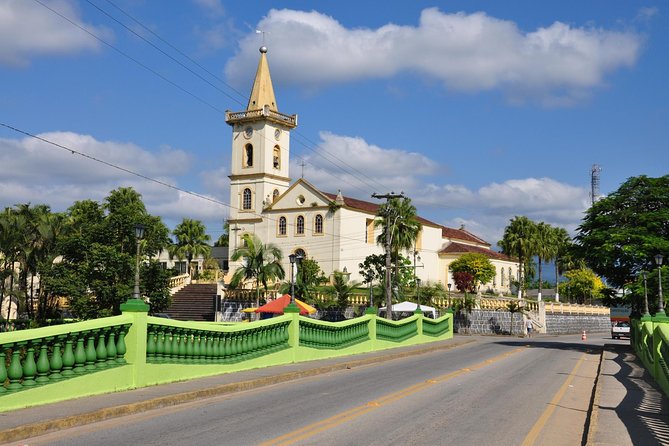
Morretes is where the trip becomes more than a scenic railway excursion. The town has colonial houses, churches, craft stalls, and a relaxed setting along the Nhundiaquara River. You have about one hour and 30 minutes here, including the town visit and lunch program.
The pace is fairly brisk. You can see the central streets and get a feel for the town, but you will not have time for a slow, wandering afternoon. If you like buying local crafts, browsing sweets, or taking photographs of old buildings, use your free minutes carefully.
The guide is supposed to lead a historical walk through Morretes. This is one area where the quality of the day depends heavily on language and guide assignment. The land guide may speak Portuguese, while English or Spanish support can be more limited outside the train carriage. If historical explanation matters to you, ask at the beginning who will guide the Morretes walk and in which language.
I would gladly trade some of the later stops for another half-hour in Morretes. It has the clearest sense of place on the itinerary, and it is where you can best connect the train ride with Paraná’s coastal culture.
Barreado beside the Nhundiaquara River
Lunch is a major reason to include this tour rather than buying a train ticket alone. The meal is served near the Nhundiaquara River and centers on barreado, a traditional dish from the coast of Paraná.
The beef is cooked slowly for about 12 hours in a clay pot. Manioc flour mixed with water seals the lid, keeping the steam inside and allowing the meat to become very soft. It is served with rice, sliced bananas, oranges, and manioc flour. Breaded fish is also served on the side.
This is filling, local food, not a light café lunch. The banana and orange add sweetness and acidity to the beef, while the manioc flour gives the plate a dry, nutty texture. If you enjoy trying regional dishes, this meal is one of the strongest parts of the day.
Lunch is included, but beverages and dessert are not. Bring some Brazilian reais or another accepted payment method for drinks. The distinction between included food and extra drinks has not always been clear to people booking the excursion, so plan for that additional cost.
The river setting is another small pleasure. Depending on the timing, you may have a chance to sit near the water or put your feet in the river after eating. Keep your expectations practical: the schedule allows roughly one hour and 10 minutes for the lunch stop, so this is not a long riverside break.
More History Tours in Brazil:
- Maria Fumaça – Wines and History
★ 4.0 · 242 reviews - Rio de Janeiro: Historic Rio and Santa Teresa Half-Day Tour
★ 4.4 · 228 reviews - São Paulo: Downtown Historical Bike Tour
★ 4.9 · 191 reviews - Rio de Janeiro: Little Africa Heritage Walking Tour
★ 4.9 · 177 reviews
Antonina in a short twenty-minute visit
Antonina is a small historic coastal town with old streets, a shoreline, shops, and regional sweets made with banana. The itinerary allows about 20 minutes, which is enough for a quick look but not enough for a proper town tour.
This short stop divides opinion for a simple reason: there is very little time. You might walk a few streets, see the waterfront, and visit a shop selling local products. You may also find that the stop feels like a quick commercial visit, especially if the group is directed toward a particular shop or ice cream outlet.
If your priority is history, photography, and a relaxed walk, Antonina will probably feel too brief. Morretes is the stronger town visit. If you enjoy seeing several places in one day and do not mind quick stops, Antonina adds a different coastal setting without requiring another full excursion.
The schedule also appears to vary in practice. Some departures have included a restaurant or a slightly different sequence of stops. Ask the guide where lunch will occur and how much time you will have in each town once you board the return vehicle.
Hisgeopar’s miniature Paraná
The Hisgeopar theme park is a compact stop lasting about 30 minutes. Do not picture a ride-based amusement park. This is a moving miniature display that explains Paraná’s history and geography through models, figures, and working scenes.
You will see small-scale versions of the railway from Curitiba to Morretes, including a locomotive. The display also covers colonization, with dozens of figures showing work and daily life during that period. Other models include the Itaipu Dam and Iguazu Falls.
This stop works best if you enjoy miniature railways, historical displays, and visual explanations. It also gives you context for the region you have just crossed. The presentation is brief, so you will not get a long museum visit or a detailed lecture. Think of it as a compact illustrated break between the town stops and the road back to Curitiba.
One practical point: the site is described as Hisgeopar or Parana Encantado HISGEOPAR. Do not worry if the name appears differently on signs or in the guide’s explanation. The attraction is the same miniature history and geography display.
The return along Estrada da Graciosa
At the end of the day, you return to Curitiba by road rather than by train. The planned route is Estrada da Graciosa, one of Brazil’s most scenic historic roads. It passes through mountain country and is a fitting final chapter after the railway journey.
The road can be slow and bumpy, with many turns and sections of stone paving. If you get carsick, sit near the front of the van or minibus and bring whatever normally helps you. The ride is part of the scenery, but it is not always comfortable.
Weather controls the route. If conditions are poor, the vehicle uses the BR-277 highway instead. That is a sensible safety decision, but it means you should not treat the Graciosa drive as guaranteed. The return trip may also feel long after an early start and a full day of sightseeing.
Some people would prefer a roadside café or viewpoint stop on the climb back toward Curitiba. The standard program does not promise one, so consider the return mainly transportation with scenic possibilities, not another major attraction.
Guide language and service details
The tour includes a professional Portuguese-speaking guide. A bilingual guide is available in the train carriage in Portuguese, English, or Spanish, and you must choose your preferred language when booking.
This wording is important. It does not guarantee that every guide, driver, or land-based explanation will be delivered in your chosen language. English and Spanish support has worked well for some departures, but there have also been cases where the carriage guide spoke the requested language while the guide in Morretes or Antonina did not.
If you speak little Portuguese, confirm the language request at reconfirmation and keep your voucher available. During the train ride, make sure you know the meeting point and the time to leave the carriage. On the town portions, ask the guide to repeat the meeting time and location clearly.
The service can be warm and attentive. Guides and staff named in past feedback include Alex, Josiane, and Flavia, with Flavia praised for careful help aboard the train. Individual assignments change, so these names are useful context rather than a promise that you will meet them.
Is $128.40 a fair price?
At $128.40 per person, this is not the cheapest way to reach Morretes. The price includes hotel transfers, the train ticket, onboard snack and drink, a professional guide, lunch, Morretes and Antonina visits, Hisgeopar admission, and the road transfer back to Curitiba.
That bundle gives the tour solid value if you want an organized day. Buying each element separately could save money, but you would need to arrange transport to the station, train tickets, local sightseeing, lunch, and the return journey. The package is particularly useful if you do not speak Portuguese or do not want to manage a railway schedule on your own.
The value is weaker if you mainly want a long train ride and plenty of time in Morretes. You are paying for several short stops, and the Antonina visit may feel too thin. You are also paying for convenience and coordination, not just the view from the carriage.
The tour is generally booked well ahead, with reservations often made about 35 days in advance. If your dates are fixed, booking early is sensible, especially if you need English or Spanish support.
Who should book this excursion?
I would recommend it to you if you want one full day that combines nature, railway history, regional food, and several Paraná sights. Families, first-time visitors to Curitiba, and people who prefer an arranged day will find the structure useful.
It is also a good choice for anyone who sees the train as the main event. The forest, bridges, tunnels, and mountain valleys provide the memorable part of the day, while Morretes supplies the food and colonial setting.
I would hesitate if you want a slow cultural visit. The timetable is tight, Antonina is very brief, and the land commentary may not be available in your preferred language. Independent visitors who speak Portuguese and are comfortable arranging transport may prefer more time in Morretes and fewer scheduled stops.
Free cancellation is available up to 24 hours before the start time. Changes or cancellations inside that period are not accepted for a refund.
FAQ
How long does the tour last?
The experience lasts approximately nine hours. Pickup is around 7:00 a.m., and the planned return to Curitiba is about 4:30 p.m.
Where does the train travel?
The train runs from Curitiba to Morretes on the historic Paranaguá-Curitiba Railway through Serra do Mar Atlantic rainforest.
What food is included at lunch?
Lunch includes barreado, a traditional Paraná dish of beef cooked slowly in a clay pot, served with rice, bananas, oranges, and manioc flour. Breaded fish is also served.
Are drinks and dessert included at lunch?
No. Beverages and dessert are not included. A snack and soft drink or bottled water are included during the train ride.
What languages are available?
The onboard bilingual guide is available in Portuguese, English, or Spanish. You must select your preferred language when booking. Land-based language support can vary.
How do I return to Curitiba?
You return by van, bus, or minibus. The planned route is Estrada da Graciosa, but the operator uses BR-277 when weather conditions make the scenic road unsuitable.
Is the train ride suitable for most people?
The tour states that most people can participate, and the maximum group size is 30. You should expect a long day with extended transport, station boarding, and a possibly bumpy, winding road ride on the return.
Newest history tours we have reviewed in Brazil
- Germanic Route – Cultural and historical in Ilhota, Blumenau and Pomerode★ 4.5 · 67 reviews
- Rio: Historical Walking Tour★ 4.7 · 32 reviews
- Rio: Olympic Boulevard, Museum of Tomorrow & History Tour★ 4.1 · 47 reviews
- Rio de Janeiro: Historical Downtown and Lapa Walking Tour★ 4.4 · 32 reviews
- Salvador Historic Walking Tour – Pelourinho★ 4.8 · 62 reviews
- Historic City Tour Manaus by car with 3 stops.★ 4.9 · 18 reviews
- From Foz do Iguazu: Triple Frontier Landmark Ticket★ 4.4 · 136 reviews
- Florianopolis: Walking Tour – History, Art and Gastronomy★ 5.0 · 21 reviews
Train Experiences, compared.
Puffing Billy Railway: Heritage Steam Train Journey
Read our review →
Ancient Ostia Antica Semi-Private Day Trip from Rome by Train with Guide
Read our review →
Dublin to Cork, Blarney Castle & Cóbh Heritage Centre by train
Read our review →
From Nice: Historic Train Ride & Alps Villages
Read our review →

Sedona, AZ: Grand Canyon Guided Tour and Historic Railway
Read our review →
Skip the Line: Historic RailPark and Train Museum Ticket with Guided Tour
Read our review →Browse the lists this tour appears in