
Review · WWII & D-DAY TOURS
Nazis in Buenos Aires: a historical walking tour
Buenos Aires’ connection to Nazi fugitives is not a simple tale of secret escape routes and villainous officials. This 2.5-hour historical walk asks harder questions: who knew about postwar arrivals, what role did the Argentine government play, and how did politics, antisemitism, diplomacy, and the Jewish community shape the story?
I like two things right away. First, the tour puts difficult history in real city spaces, from a still-operating theater linked to a huge Nazi meeting to the place where Adolf Eichmann reportedly sat for coffee. Second, guide Max brings the care of a history teacher to the streets, using photographs and other visual material while separating firm evidence from open debate.
The main drawback is that this is not a light sightseeing stroll. The subject includes terrorism, the Holocaust, neo-Nazi violence, and the fate of Argentina’s Jewish community. You should also be ready for a fairly long walk, with no entry fees included and no wheelchair access.
Key points to know before you book
- Adolf Eichmann’s trail: Learn how one of the Holocaust’s most wanted men was identified and captured in Argentina.
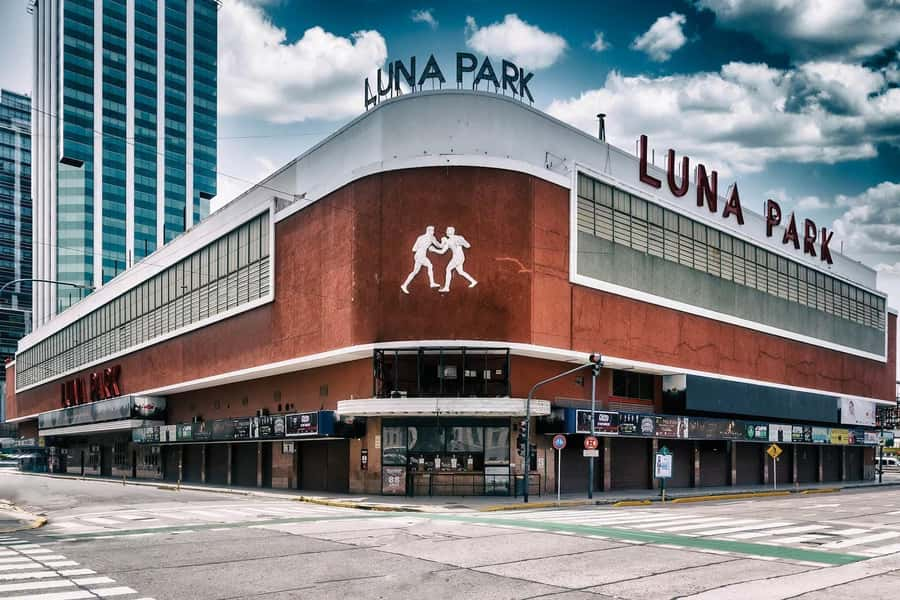
- A 15,000-seat political gathering: Visit Luna Park, a working Buenos Aires theater tied to a major Nazi meeting.
- History beyond Nazi fugitives: The route also covers Juan Domingo Perón, postwar Argentina, and the country’s Jewish community.
- A serious final stop: Finish at the memorial site of the former Israeli Embassy, connected to the worst terrorist attack in Latin America.
- A teacher-led walk: Max explains disputed points carefully and uses images to make unfamiliar events easier to follow.
- Good value for history-minded visitors: At $25, the price is reasonable for about two and a half hours of guided history in central Buenos Aires.
Why this Buenos Aires tour is different
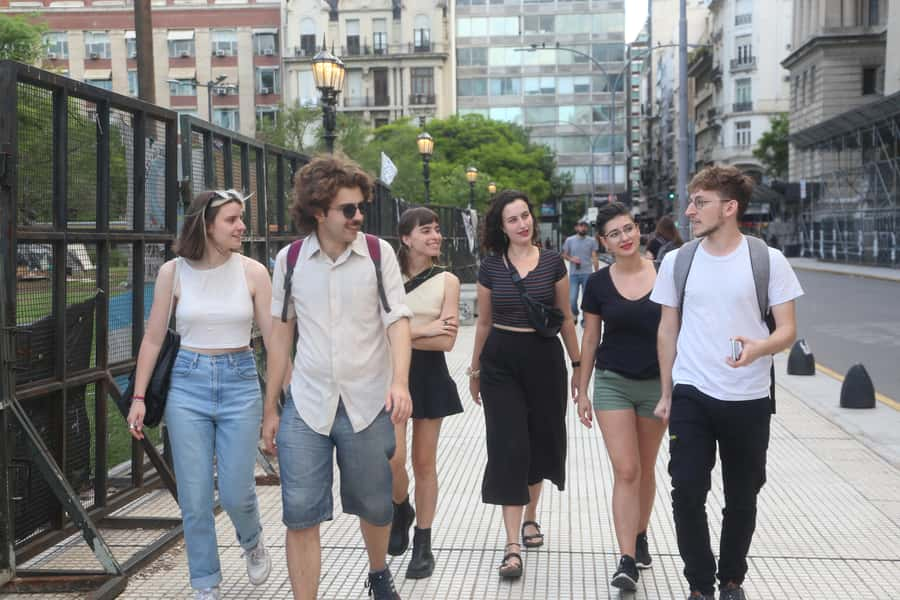
Many city walks show you grand buildings and attach a date or two. This one uses familiar central Buenos Aires locations as evidence in a larger argument. The streets, theaters, diplomatic buildings, restaurants, and memorials become pieces of a story about Argentina before, during, and after World War II.
The central question is often phrased bluntly: was Argentina a refuge for Nazi war criminals? The useful answer is not a simple yes or no. You will examine who arrived after 1945, how they traveled, what Argentine authorities may have known, and how later research has changed the picture.
That careful approach matters. The subject attracts myths, political slogans, and sensational claims. Max’s teaching style appears designed to slow the story down. He explains what is supported by evidence, what remains disputed, and where historians still disagree.
You do not need to be a specialist. A basic understanding of World War II and the Holocaust will help, but the guide builds the wider setting as the walk progresses. If you know little about Argentine politics, you will also get useful background on Perón and the forces that shaped twentieth-century Argentina.
More WWII and D-Day Tours in the world:
- Vienna: World War II Historical Walking Tour
★ 4.8 · 1,772 reviews - Zagreb: City & History Walking Tour & WW2 Tunnels
★ 4.9 · 1,202 reviews - Pearl Harbor History Remembered Tour from Ko Olina
★ 5.0 · 1,009 reviews
Starting beside Monumento a Juana Azurduy
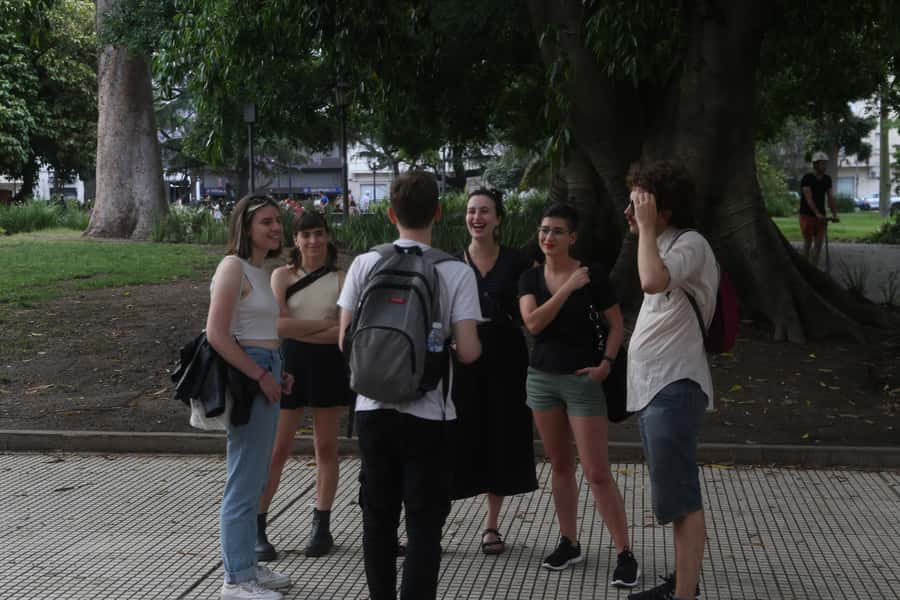
The walk begins a few meters from the Monument to Juana Azurduy, beside the benches facing Palacio Libertad, formerly known as the CCK. Max wears a black cap, which should make the meeting easier to spot.
This opening location places you near the edge of several important central neighborhoods. The tour later moves through Retiro, Recoleta, and Microcentro, so comfortable shoes are essential. Bring water, and expect a ten-minute pause for a restroom break during the route.
The beginning is more than a roll call of dates. Max sets the scene before taking you to the individual locations. That structure helps because the subject crosses several periods: wartime Europe, postwar migration, Perón-era Argentina, the Eichmann case, attacks on Jewish targets, and modern memory.
I would not book this as a substitute for a general Buenos Aires orientation walk. The route is focused and serious. It gives you political and social context, but the main purpose is to understand Argentina’s relationship with Nazism and the Holocaust.
Luna Park and the 15,000-seat gathering
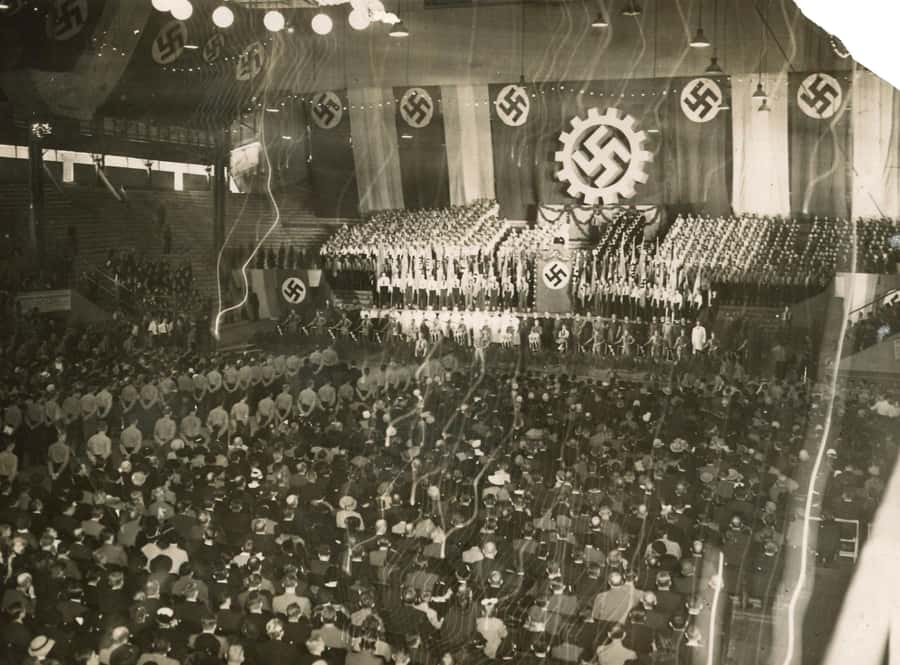
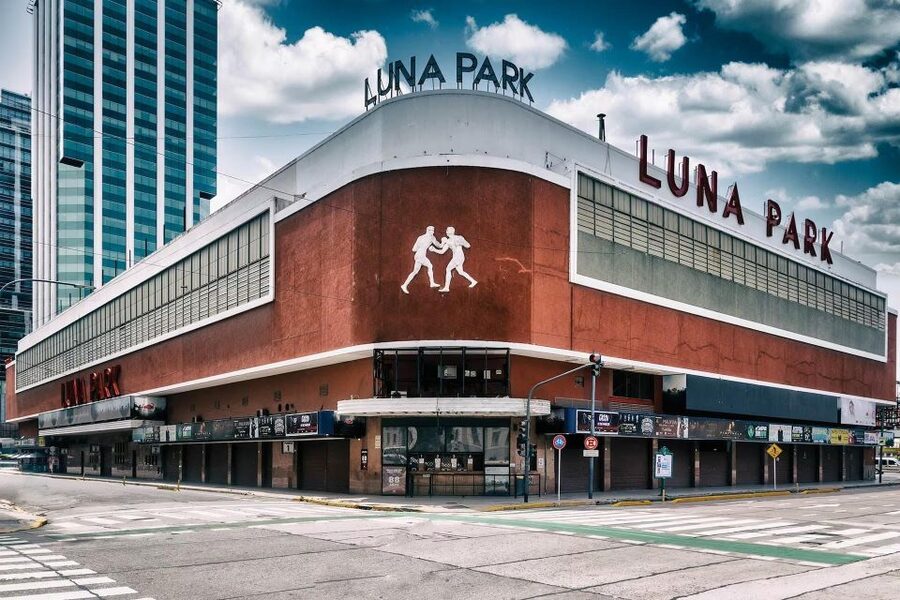
The stop at Luna Park lasts about 20 minutes. This still-operational theater is tied to a Nazi meeting attended by around 15,000 people, making it one of the route’s most striking settings.
The value here is physical scale. Reading that a movement had support is one thing. Standing outside or near a venue large enough to hold such a crowd gives the subject a harder edge. It also challenges the lazy idea that Nazi activity in Argentina was only the work of a few isolated foreigners hiding after the war.
You will need to listen closely to the guide’s explanation of what the location proves and what it does not. A political gathering in Argentina is part of a much wider story about local movements, European influence, public sentiment, and government policy. The stop works best when treated as evidence to examine, not as a dramatic prop.
Entry to Luna Park is not included. The experience is sold as a walking tour, so you should not assume there will be an interior visit or a behind-the-scenes look inside the venue.
ABC Restaurant and the ordinary side of the story
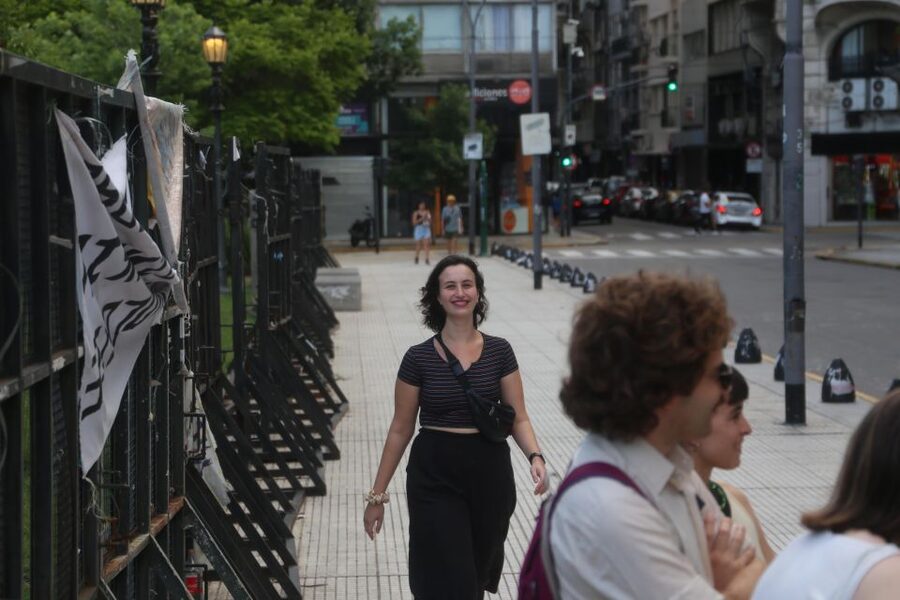
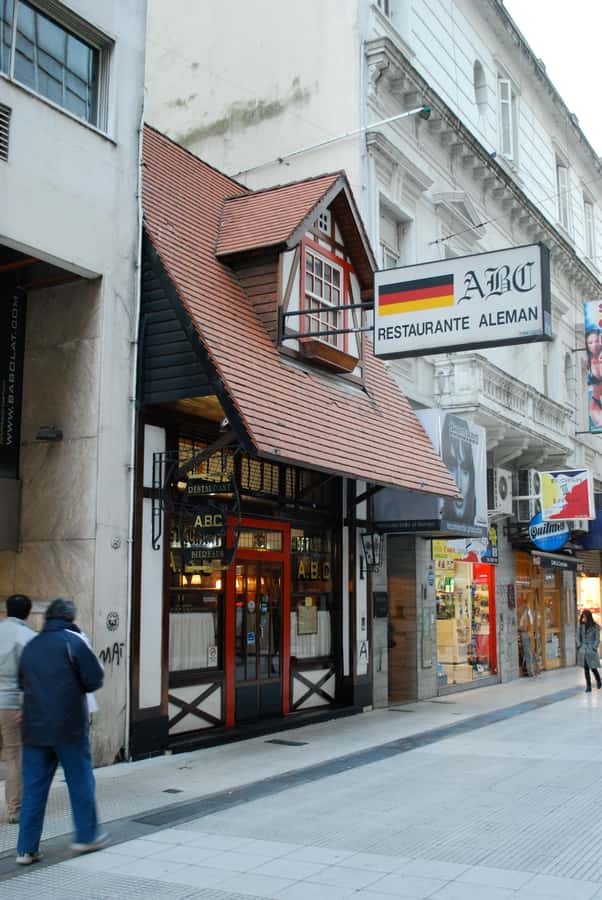
The 20-minute stop at ABC Restaurant brings the subject down from mass politics to an ordinary public place. It is connected with the story of Adolf Eichmann, including the memorable detail that the war criminal sat there for a cup of coffee.
This is one of the tour’s most effective ideas. Eichmann’s name is tied to industrial-scale murder and one of the most important postwar manhunts. Learning about him in a restaurant setting makes the story feel less remote. It also raises an unsettling question: how could someone connected to such crimes move through normal city life?
The guide also explains the spy-like process of Eichmann’s identification and capture. That story is best heard in sequence, so try not to arrive with the expectation of collecting only a single dramatic fact. The value lies in understanding how suspicion, identity, evidence, and pursuit came together.
For me, this stop also shows why a walking tour can work better than a lecture in a classroom. The place itself is not a museum display. It is part of the city’s daily life, which makes the contrast with the history especially sharp.
More History Walking Tours in the world:
- History and Hauntings of Salem Guided Walking Tour
★ 5.0 · 14,564 reviews - Lisbon: History, Stories and Lifestyle Walking Tour
★ 4.8 · 10,902 reviews - Boston: Freedom Trail History Small Group Walking Tour
★ 5.0 · 6,450 reviews - Historic Charleston Guided Sightseeing Walking Tour
★ 5.0 · 6,216 reviews
Museo de Armas de la Nación and the question of state power
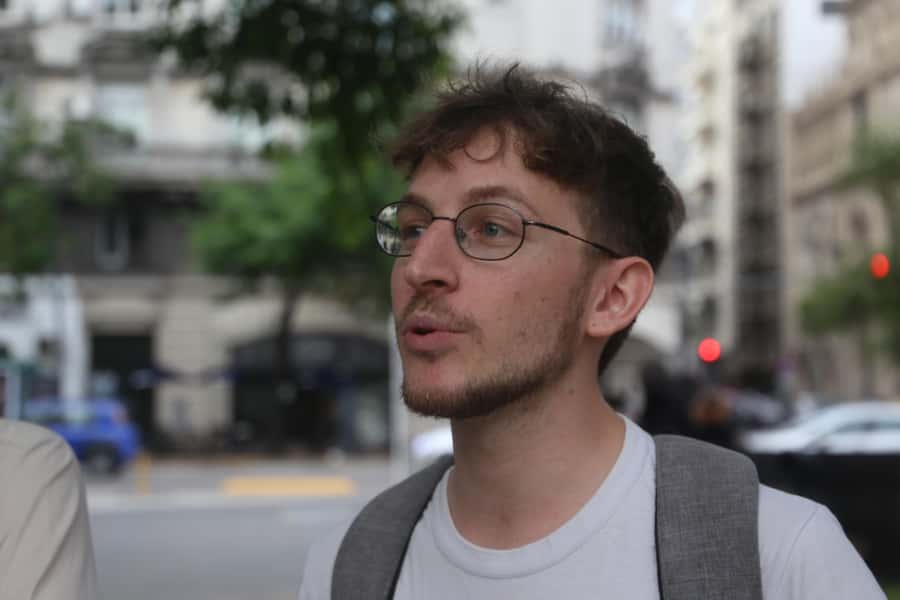
The Museo de Armas de La Nación, named for Lieutenant General Pablo Riccheri, is another 20-minute stop. Here the conversation can connect the movement of people, military and political power, government institutions, and Argentina’s postwar choices.
The supplied details do not promise entry to the museum, so treat this as an exterior or location-based discussion unless Max tells you otherwise. That is not a major weakness, but it is worth knowing if you expect a museum visit.
This stop helps move the walk beyond the famous names. The debate is not only about Nazi war criminals who arrived in Argentina. It is also about the systems that allowed people to obtain papers, cross borders, find work, build networks, or remain protected from justice.
The strongest parts of the tour appear to be the connections between these questions. Max does not simply point out a building and recite its date. He uses each place to ask what it tells you about the country and the period.
Palacio San Martín and international connections
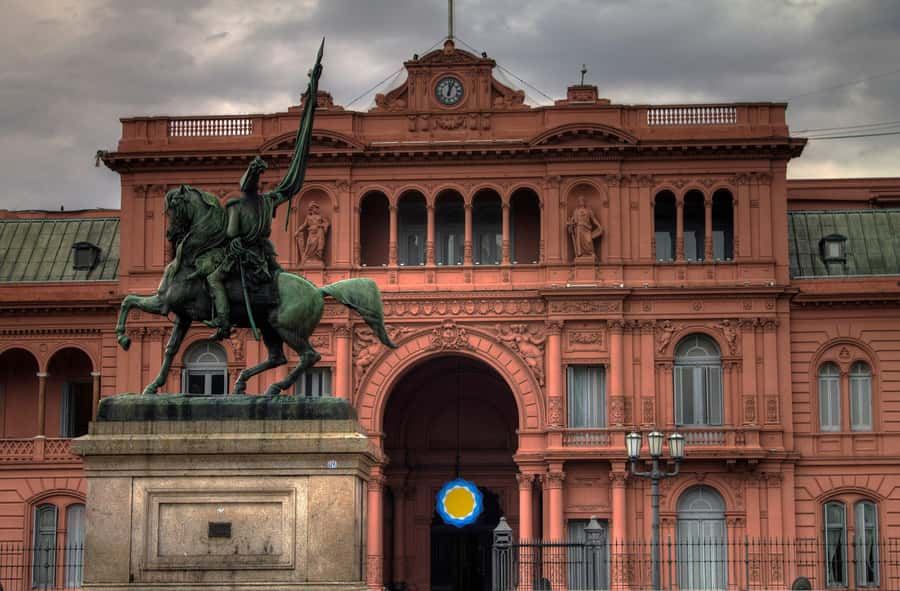
At Palacio San Martín, another 20-minute stop, the focus turns toward diplomacy and international relations. The building’s setting makes sense for a discussion about government decisions, foreign policy, and Argentina’s place in the postwar world.
This is where the tour’s wider political context becomes especially useful. If you come expecting only stories about fugitives, you may find the discussion of Perón and Argentine politics longer than expected. One piece of direct feedback suggests that some people would prefer more time on Nazis on the run and less on political circumstances.
That is a fair consideration. The tour is not a narrow manhunt walk. It treats Nazi migration as part of Argentina’s political history, so the guide spends time explaining the conditions that shaped it. I consider that a strength, but it may not suit you if you want a rapid list of escape routes and aliases.
The route’s discussion of Perón is especially important because he remains one of Argentina’s most influential twentieth-century figures. The walk tackles debates about his presidency instead of presenting a tidy portrait. You will need to listen for distinctions and avoid expecting a single verdict.
Italian Circle of Buenos Aires and the social setting
The Italian Circle of Buenos Aires is the final scheduled stop before the memorial. It adds another social and cultural setting to a route that has already included a stadium, a restaurant, a museum, and diplomatic buildings.
The stop is useful because migration networks and European communities form part of the background to Argentina’s wartime and postwar story. Still, the supplied information does not specify exactly what you will see inside or whether entry is included. Plan on a location-based explanation rather than a guaranteed interior tour.
By this point, the connections should be clearer. You will have considered public Nazi activity, the movement of individuals after 1945, official responsibility, Argentine politics, and the experience of the Jewish community. The route also introduces the second-largest Jewish community in the Americas, placing local history within a broader regional setting.
That community is not just a side note. It gives the tour a human focus. The story is not only about European criminals arriving in South America. It is also about Jewish life, fear, resilience, public memory, and the consequences of violence in Buenos Aires.
Ending at the former Israeli Embassy memorial
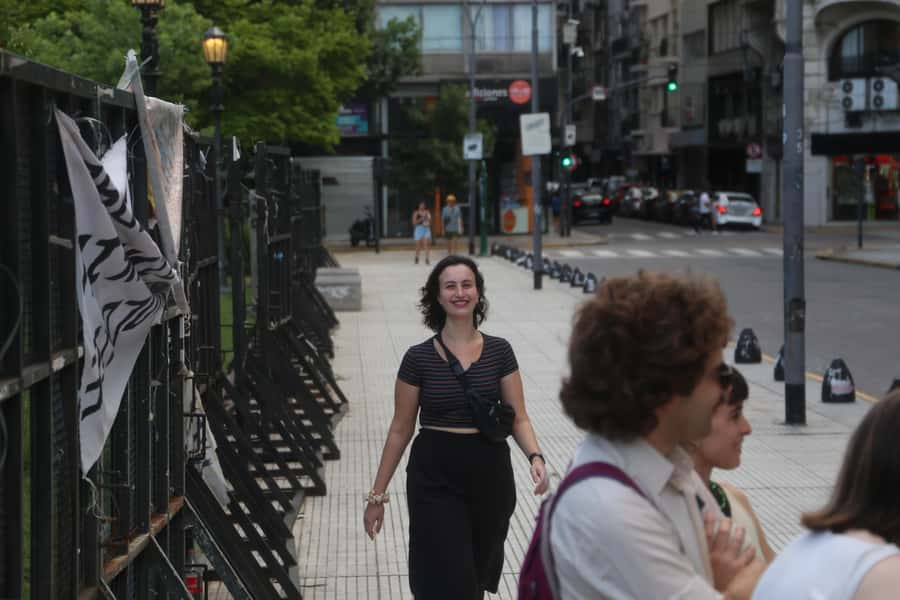
The tour ends at Plaza Embajada de Israel, the memorial site of the former Israeli Embassy. This location is linked to the 1990s terrorist attack described as the worst in Latin American history.
It is a sobering way to end. The tour begins with World War II and postwar migration, but it does not leave the subject in the past. The final stop shows how antisemitism, terrorism, and political violence continued to affect Buenos Aires long after 1945.
Give yourself space to absorb this part of the walk. It is not a cheerful photo stop, and the guide’s discussion may connect the event to current global concerns. That relevance is part of the experience, but it also makes the tour emotionally demanding.
There is a small practical inconsistency in the supplied meeting details: the route is described as finishing at Plaza Embajada de Israel, while another note says the activity ends back at the meeting point. Confirm the exact end location when you book, especially if you have a timed reservation afterward.
Guide style, evidence, and pace
Max is repeatedly described as an engaging and careful teacher. The useful trait is not just his command of the material. He is also said to distinguish between established facts and points he cannot confirm, which is exactly what this subject needs.
Expect an English-language discussion rather than a simple walk-and-point routine. Max uses photographs and other visual material at stops, and he encourages questions. That makes the tour accessible to people with different levels of background knowledge.
The pace is designed for about two and a half hours, with roughly 20 minutes at each listed stop. The walk is long enough to build an argument without stretching into a full-day commitment. Still, you will be standing and walking through central neighborhoods, so wear proper walking shoes.
The tone is serious but not dry. Max’s work as a history teacher helps him answer questions from people who already know the period as well as those who are starting from the basics. One parent also found the material suitable for a 14-year-old, while the activity is officially not suitable for children under 10.
Is $25 a fair price?
At $25 per person, the tour offers good value if you want a focused history lesson rather than a general city walk. You get a live English-language guide, about two and a half hours of material, several central locations, and a subject that would be difficult to reconstruct on your own.
The price does not include entry to Casa Rosada, the Libertad Synagogue, or Luna Park Stadium. Those exclusions matter only if you expected an inside visit. The core experience is the guide’s interpretation of the places, not admission to a collection of buildings.
I would compare it with the cost of a museum ticket plus a guidebook and several hours of independent research. The tour cannot replace archival study, but it gives you a clear route through a complicated topic and points you toward the questions worth asking.
You can cancel up to 24 hours in advance for a full refund, and the reserve-now, pay-later option gives you some flexibility. The activity is not suitable for wheelchair users, and children under 10 are not accepted.
Who should book this walking tour?
Book it if you enjoy political history, Holocaust history, twentieth-century Argentina, Jewish history, or tours that examine uncomfortable questions without forcing a neat answer. It is also a good choice if you have already seen the classic Buenos Aires sights and want a more focused look at the city’s less discussed past.
You should know a little about World War II and the Holocaust, but you do not need advanced study. The guide provides the setting and welcomes questions about Nazism, Judaism, the war, and Argentina.
Skip it if you want a relaxed architecture walk, a fast list of famous criminals, or a family outing for young children. The subject is heavy, and the political sections may take more time than you expect.
Should you book it?
I would book this tour if you want the Nazi escape story placed inside Argentina’s wider political and social history. The strongest reasons are Max’s evidence-based teaching, the unusual locations, the Eichmann story, and the final visit to the former Israeli Embassy memorial.
Go in expecting nuance rather than a sensational thriller. At $25, it is a strong pick for serious history-minded visitors, especially if you can give the full 2.5 hours your attention and are comfortable with a walking route that ends on a difficult but important note.
FAQ
Where does the tour begin?
It begins a few meters from the Monument to Juana Azurduy, by the benches facing Palacio Libertad, formerly known as the CCK. Max wears a black cap.
Where does the tour end?
The route is described as ending at Plaza Embajada de Israel, the memorial site of the former Israeli Embassy. Another meeting note says the activity ends back at the meeting point, so confirm the exact end location when booking.
How long does the tour last?
The tour lasts about 2.5 hours. The listed stops are planned for about 20 minutes each, with a ten-minute pause for restroom use.
What language is the tour in?
The live tour guide speaks English.
Does the tour enter Luna Park Stadium?
Entry to Luna Park Stadium is not included. The tour visits the location and discusses its historical importance.
Are museum or building entry fees included?
No. Entry to Casa Rosada, the Libertad Synagogue, and Luna Park Stadium is not included.
Is the tour suitable for children?
The activity is not suitable for children under 10. A 14-year-old has taken the tour with a parent, but the material deals with serious subjects related to Nazism, the Holocaust, terrorism, and political violence.
What should I bring?
Bring comfortable shoes and water. Expect a walking route through Recoleta, Retiro, and Microcentro, with a ten-minute restroom pause.
Newest history tours we have reviewed in the world
- Enjoy Ancient Mostar★ 4.0 · 45 reviews
- Private Dublin Historical and Heritage Tour by Bike★ 5.0 · 30 reviews
- Dubrovnik by Night, History, Wine & Bites★ 5.0 · 41 reviews
- Historical Walking Tour of Dublin★ 5.0 · 50 reviews
- DayTripper Dublin: A Guided City Walking Tour★ 5.0 · 90 reviews
- Ancient Old City– Finest tour of Dubrovnik★ 5.0 · 64 reviews
- Dublin LGBTQ Pride Historical and Cultural Walking Tour★ 5.0 · 91 reviews
- Interactive Living History in Dalkey Castle near Dublin City★ 5.0 · 133 reviews
WWII & D-Day Tours, compared.
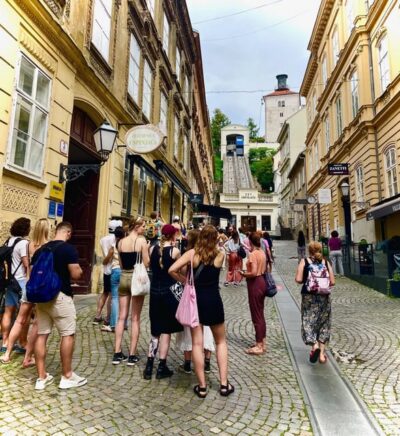
Zagreb: City & History Walking Tour & WW2 Tunnels
Read our review →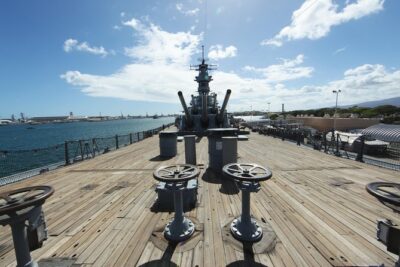
Pearl Harbor History Remembered Tour from Ko Olina
Read our review →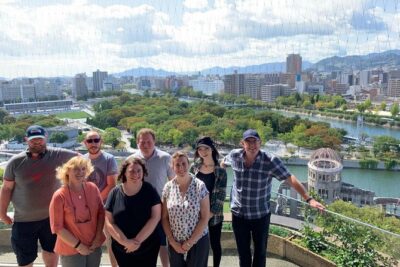
Hiroshima Peace (Heiwa) Walking Tour at World Heritage Sites
Read our review →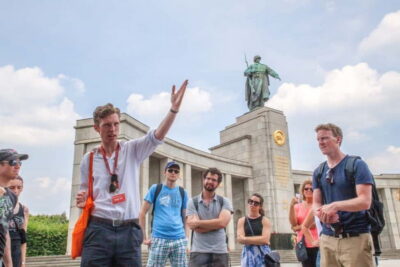
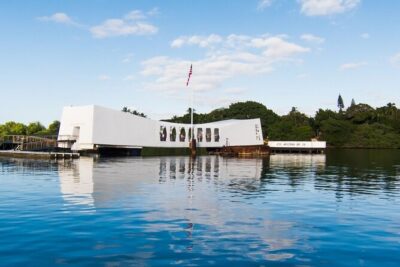
Pearl Harbor & USS Arizona Small-Group Tour [Early Access]
Read our review →
Anne Frank and the Jewish History of Amsterdam Private Tour
Read our review →
Browse the lists this tour appears in