
Review · GERMANY HISTORY TOURS
Koblenz: Historical Sparkling Wine Museum Guided Tour
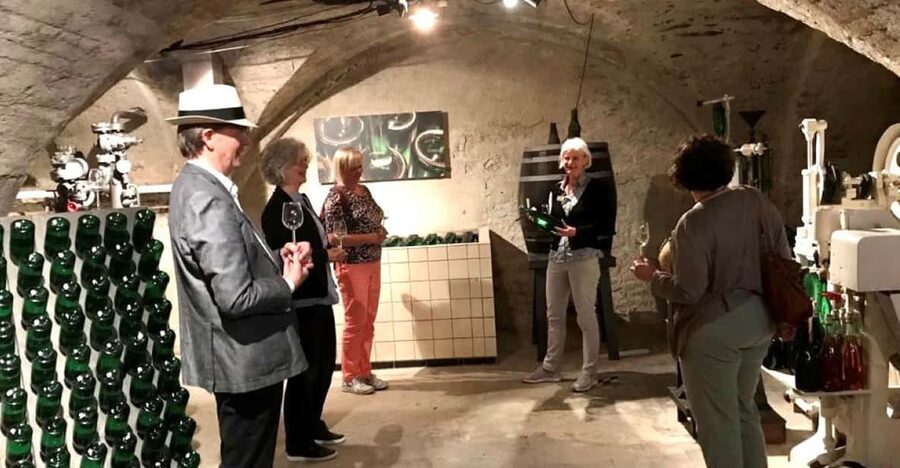
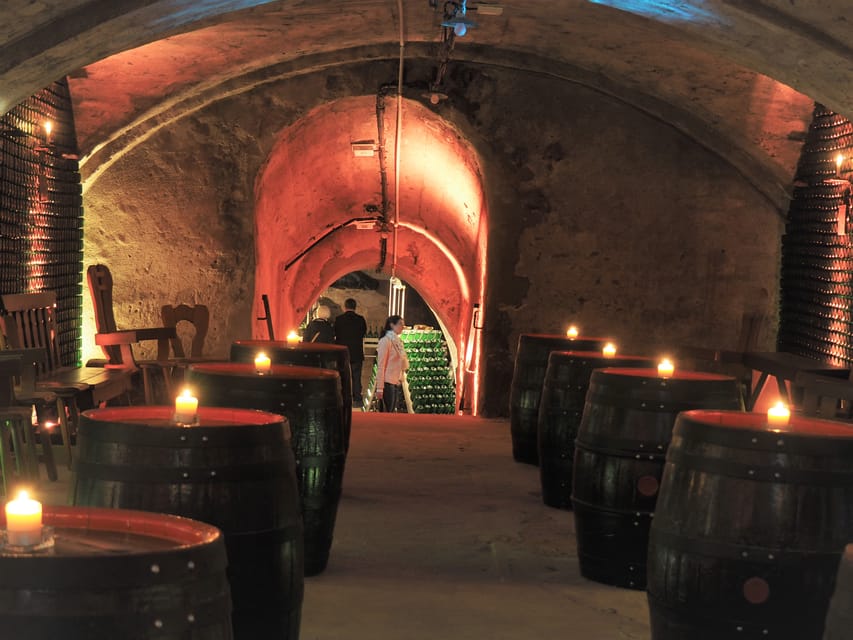
Koblenz’s sparkling wine story begins underground, in the former cellars of the Deinhard company. Founded in 1794, Deinhard has produced sparkling wine here since 1843, using the traditional bottle fermentation method. The one-hour visit takes you through vaulted rooms where wine, work, and a bit of mystery meet.
I like the original cellar setting and the way the tour follows the drink from grape to finished bottle. I also like the simple ending: one glass of Sekt in the place where the story happened. The main limitation is practical: the live tour is in German, so you’ll get less from it if you do not understand the language.
Key points to know before booking
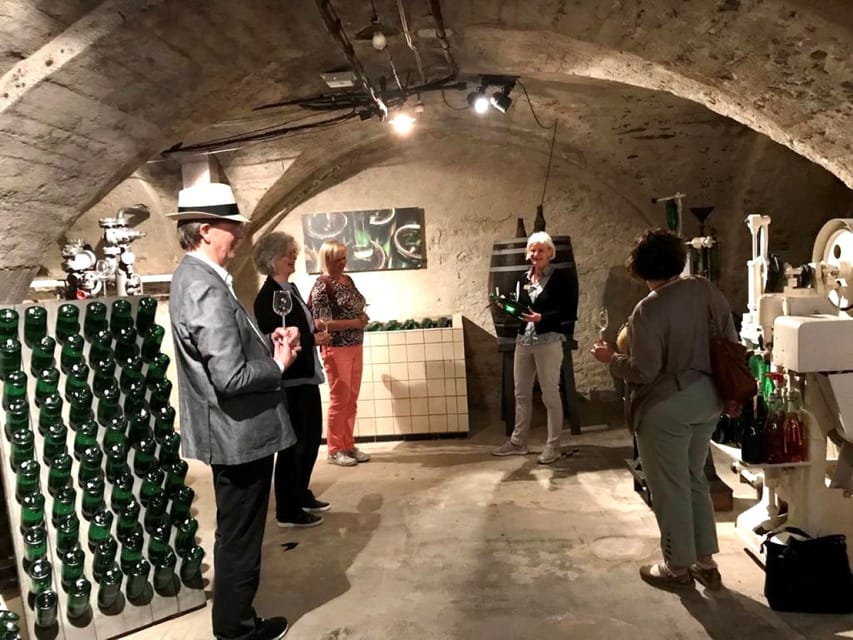
- Historic Deinhard cellars: Walk through former vaulted rooms used by one of Koblenz’s old sparkling wine producers.
- Traditional bottle fermentation: Learn how wine becomes sparkling wine through a method used here since 1843.
- Original equipment: See tools connected with grape growing, wine production, and the cellar work.
- One glass of Sekt included: The tour ends with a tasting rather than stopping at a lecture.
- Good weather backup: The cool cellar is a useful choice on a hot or rainy day.
- German-language guide: The tour lasts one hour, with starting times depending on availability.
A short history lesson below Koblenz
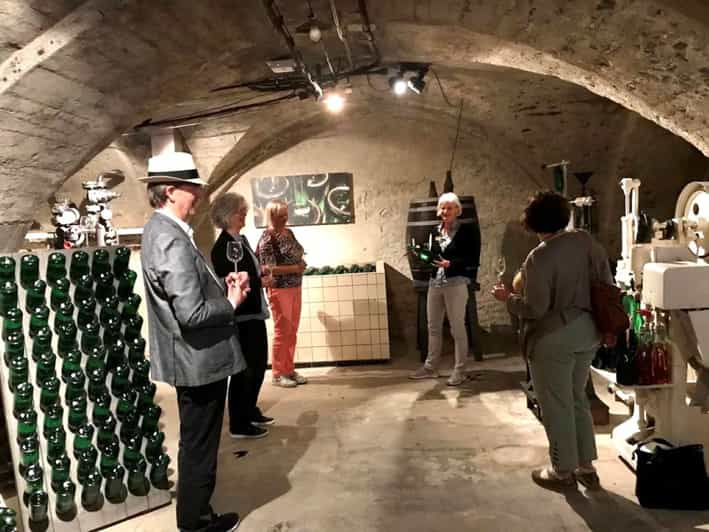
This experience works because it is tied to a real place of production. You are not simply looking at bottles in a shop or hearing a general talk about wine. You enter the former sparkling wine cellars of Deinhard, a company founded in Koblenz in 1794.
That date gives the tour a useful sense of scale. The cellar is connected to a business with more than two centuries of local history, while sparkling wine production at this site dates from 1843. The rooms and equipment help put those dates into physical form.
You’ll go into the depths of the building, with an elevator available for access. The setting is one of the main reasons to choose this activity. Vaulted cellar rooms naturally feel cooler, quieter, and more atmospheric than an ordinary exhibition hall. The stone surroundings also make the production story easier to picture.
I would not book this as a grand wine-country outing. It is a compact city attraction, with a one-hour visit and one included glass. Its appeal comes from the place, the process, and the chance to connect a familiar drink with the work behind it.
More Museum and Gallery History Tours in Germany:
- New York City: American Museum of Natural History Ticket
★ 4.5 · 15,447 reviews - Paris: Louvre Museum Entry with History of Mona Lisa
★ 3.9 · 2,823 reviews - Venice’s Best: Basilica, Doge’s Palace, Gondola & History Gallery
★ 4.5 · 2,478 reviews
What happens when you arrive
The meeting point is the entrance to the museum. You meet the guide there, enter the cellar area, and return to the same point when the tour ends. Since the activity lasts one hour, it fits neatly into a day of sightseeing in Koblenz.
The schedule is not fixed in the information provided, so you need to check available starting times before booking. That matters if you are working around a river cruise, a castle visit, or a train departure. Allow a little breathing room around the tour rather than placing another timed activity immediately afterward.
The guide leads the visit in German. This is the most important planning point. If you understand German, you can follow the explanations about viticulture, wine production, and the cellar process directly. If you do not, the visual setting and equipment may still be interesting, but the spoken explanation is a central part of the experience.
There is no mention of a multilingual guide, audio guide, or written translation. I would treat this as a German-language cultural visit, not as a tour designed for international interpretation.
Following the route from grape to wine
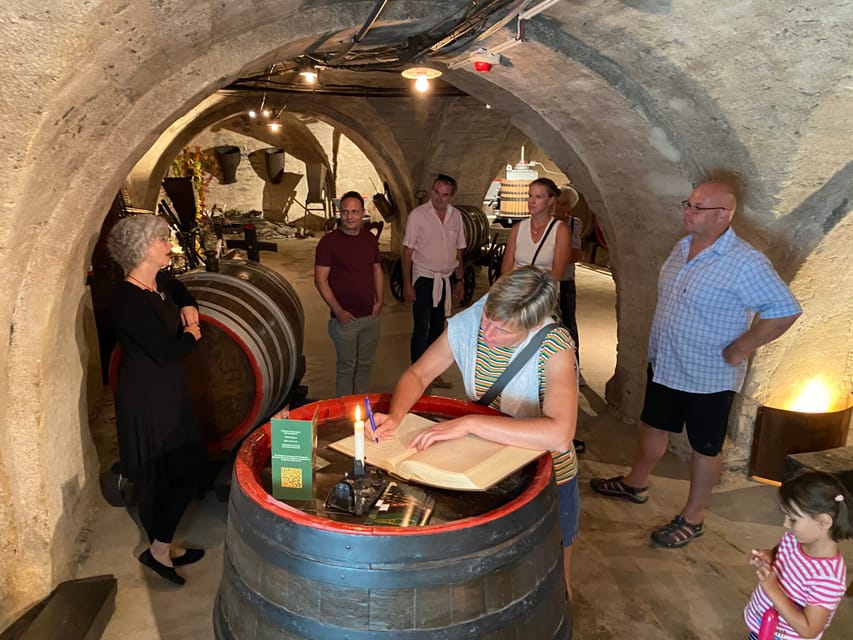
The guide explains the work steps connected with viticulture, beginning with the grape. The experience puts attention on the labor behind the drink, including the demanding work involved in earlier periods of grape harvesting.
That human side is important. Sparkling wine can seem like a finished luxury product, but it starts with fieldwork, timing, and careful handling of grapes. The tour connects those basic steps with what happens later in the cellar.
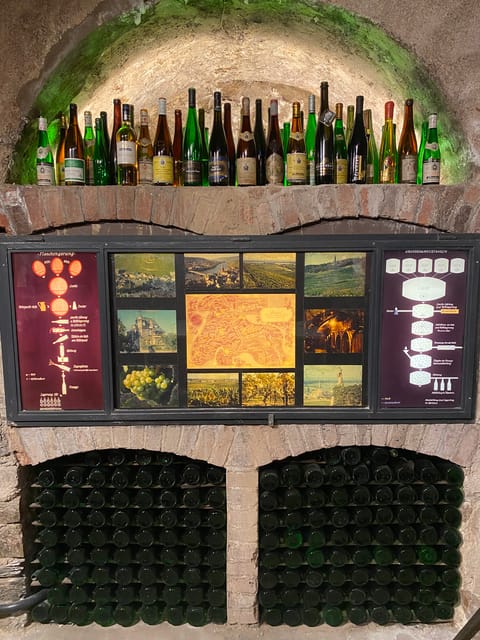
You will see original equipment as the guide explains how the process moves from grape to wine. The details are presented in an entertaining way, with the aim of showing how each stage contributes to the final drink. A strong part of the experience is the contrast between the old equipment and the polished glass you receive at the end.
Do not expect a full working winery visit with a long production schedule. The tour is short, and the emphasis is on explanation and historical setting. Still, the simple sequence makes it easy to follow: grapes become wine, wine goes through further treatment, and the finished product becomes sparkling wine.
How traditional bottle fermentation works
The central technical subject is traditional bottle fermentation. Deinhard has used this method since 1843, and the tour explains how it shaped the production of sparkling wine.
At a basic level, fermentation creates the bubbles. The traditional bottle method keeps important parts of the process connected to individual bottles rather than treating all the wine in one large tank. The tour uses original equipment to help show the work involved.
The exact explanation will depend on the guide and the language you understand, but you should expect the process to be described as a series of careful cellar steps. This is where the tour’s title makes sense. You are not only tasting sparkling wine. You are learning why the bottle, the cellar, and the production method matter.
The experience also touches on the mysterious origin of sparkling wine. That phrase gives the tour a little theatrical flavor, but it points to a serious question: how did still wine become a drink with pressure, bubbles, and a completely different character?
I like this part because it turns a familiar beverage into a small science lesson. You do not need to be a wine expert to follow the basic idea. The cellar equipment gives the explanation something concrete to focus on.
More Guided Tours in Germany:
- Berlin: History of the Third Reich Guided Walking Tour
★ 4.7 · 791 reviews - Bamberg: Guided Beer History Tour with Optional Tasting
★ 4.6 · 772 reviews - Trier: Guided Old Town Highlights and History Walking Tour
★ 4.7 · 687 reviews - Berlin: Berlin Charité Guided History Tour
★ 4.4 · 660 reviews
Original equipment and the work of the cellar
The original tools are more than decoration. They help show how much of sparkling wine production depended on physical work and close attention.
The included information does not identify every item by name, so I would not expect a room-by-room inventory of machinery. Instead, the guide uses the equipment to explain the stages from wine to sparkling wine. You get the best value by listening for how the tools fit into the process.
One especially useful detail is the link between historical labor and modern expectations. A bottle of Sekt looks simple when it reaches your table. In the cellar, the route to that bottle involved grape growing, fermentation, handling, and production choices that were far less automatic in earlier times.
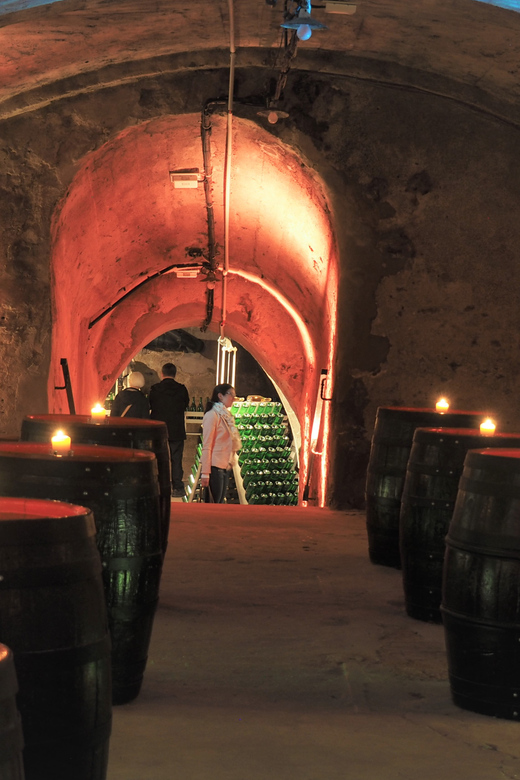
The cellar also gives the tour its mood. Vaulted rooms have a strong visual quality, but they are not just a backdrop for photographs. They help you understand why wine producers valued underground storage. The cool, enclosed setting suits the subject and gives the tour a sense of place that a modern tasting room could not provide as easily.
Ending with a glass of Sekt
The visit ends with one glass of sparkling wine. That is a modest tasting, but it is the right size for a one-hour museum tour.
The tasting gives you a chance to connect the explanation with the finished drink. After hearing about grapes, wine, fermentation, and cellar work, you can look at the glass differently. You have just followed the product through the setting where its story was told.
This is not a full tasting session. The activity includes one glass, not a flight of several wines or a meal. If you are looking for detailed comparisons between different styles, this tour will feel limited. If you want a pleasant finish to a compact historical visit, it does the job.
The setting matters here. A glass of Sekt in a former sparkling wine cellar feels more connected to the subject than a drink served in an unrelated café. It is a small detail, but it completes the route from production to tasting.
Is the $24 price fair?
At $24 per person, the tour is reasonably priced if you value the cellar setting and the guide’s explanation. Your fee covers entrance, the guided tour, and one glass of sparkling wine.
I would compare it with two kinds of activities. A basic museum entry without a guide might cost less, but it would not provide the same explanation of the production process. A larger winery tour with several tastings might offer more wine, but it could also cost more and take much longer.
Here, you are paying for a focused hour. The value is strongest for someone who wants a local story tied to a real building, rather than a general introduction to sparkling wine. It is also useful when you have a spare hour and want an activity that does not depend on good weather.
The value is weaker if you mainly want to drink Sekt. One glass is included, and the tour is not built around quantity. It is an educational visit with a tasting at the end, not a tasting event with a short explanation.
Why this is a good rainy or hot-day plan
The cellar makes this a practical choice in poor weather. On a rainy day, you can spend an hour indoors without giving up a sense of place. On a hot day, the underground rooms offer a cooler change from the streets of Koblenz.
That does not mean you should treat the tour as a generic weather backup. The cellar is the reason the experience works, and the weather simply makes its setting more useful. You still need an interest in wine, local business history, or historic interiors.
The short duration helps, too. You can fit the visit between other Koblenz plans without giving up half a day. Since the tour starts and ends at the entrance, the arrangement is simple. Just check the available start time before committing to another booking.
Who will enjoy this tour most
I would recommend this experience to:
- Wine-curious visitors: You can learn how sparkling wine is made without needing advanced wine knowledge.
- History-minded visitors: The Deinhard story reaches back to 1794, with sparkling wine production at the site since 1843.
- People who like unusual interiors: The vaulted cellar is a key part of the visit.
- Short-stay visitors: One hour is enough to add this between major Koblenz sights.
- Rainy-day planners: The indoor setting keeps the activity useful in poor weather.
- German speakers: The guide gives the tour in German, so language ability will shape how much you take from it.
Families and groups may also find the production story easy to follow, but the available information does not specify a children’s program or special family format. I would choose it for adults and older children who can appreciate a guided explanation and a tasting.
What to keep in mind before you go
The cellar setting may involve going below ground, although an elevator is available. If you have specific mobility needs, confirm the details when booking, since the information provided only confirms elevator availability and does not describe every part of the route.
Dress for an indoor cellar rather than assuming the weather outside tells you what it will feel like below ground. The experience is particularly suited to hot or wet days, but the temperature inside may differ from the street.
You should also plan around the German-language format. If you do not speak German, you may still enjoy the architecture, equipment, and tasting, but you will miss some of the historical and technical detail unless you have another way to follow along.
Cancellation is flexible: you can cancel up to 24 hours before the start for a full refund. You can also reserve now and pay later, which helps if your Koblenz schedule is still changing.
Should you book the Koblenz Sekt Museum tour?
Book it if you want a short, place-based experience with a real cellar, old equipment, and a clear explanation of how sparkling wine is made. The strongest parts are the vaulted Deinhard rooms, the traditional bottle fermentation story, and the final glass of Sekt.
Skip it if you want a long winery visit, several tastings, or an English-language guide. The tour lasts only one hour, includes one glass, and is conducted in German.
For German speakers, I see this as a good-value addition to a Koblenz day, especially when rain or heat makes outdoor sightseeing less appealing. For everyone else, the decision rests on how much you value the historic cellar itself. If that setting interests you, the tour offers a focused and atmospheric hour for $24.
FAQ
Where does the Koblenz sparkling wine tour take place?
The tour takes place in the former sparkling wine cellars of the Deinhard company in Koblenz, Rhineland-Palatinate, Germany.
How long does the tour last?
The guided tour lasts one hour. Starting times vary, so check availability when booking.
What language is the tour in?
The live tour guide conducts the experience in German.
What is included in the price?
The price includes entrance, the guided tour, and one glass of sparkling wine.
Does the tour include a tasting?
Yes. The experience ends with one glass of sparkling wine.
Is an elevator available?
Yes, an elevator is available for the route into the cellar area.
Where does the tour start and end?
You meet at the entrance, and the activity ends back at the same meeting point.
Can I cancel the booking?
Yes. You can cancel up to 24 hours in advance for a full refund. You can also reserve now and pay later.
Newest history tours we have reviewed in Germany
- Historic Dresden Private Walking Tour★ 5.0 · 32 reviews
- Walking Through Dresden’s Past with Dr. Fraser Macdonald★ 5.0 · 72 reviews
- Berlin Food & Cultural Tour: Must-Try German & Berliner Classics★ 5.0 · 51 reviews
- Private Tour: Jewish Heritage Walking Tour of Berlin★ 5.0 · 29 reviews
- Small-Group Historical Bike Tour in Berlin★ 4.5 · 103 reviews
- Historic center of Berlin – Tour in Italian★ 5.0 · 143 reviews
- East Berlin Food & History Tour with Eating Europe★ 5.0 · 204 reviews
- Private Berlin WWII and Cold War History Tour with Local Expert Guide★ 5.0 · 28 reviews
Museum & Gallery History Tours, compared.
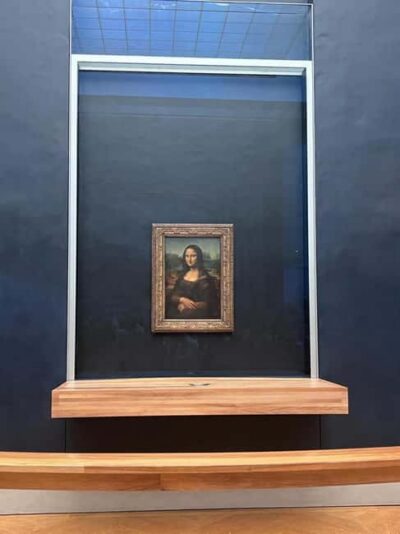
Louvre Museum Entry with History of Mona Lisa
Read our review →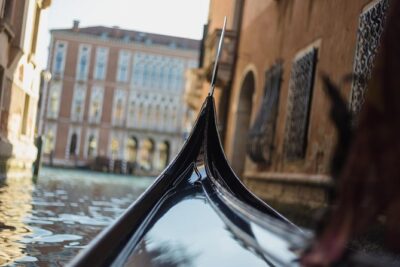
Venice’s Best: Basilica, Doge’s Palace, Gondola & History Gallery
Read our review →
American Museum of Natural History Admission Ticket
Read our review →
Guided African American History Tour with Reserved Museum Entry
Read our review →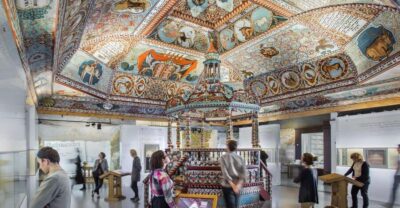
POLIN Museum of the History of Polish Jews Ticket
Read our review →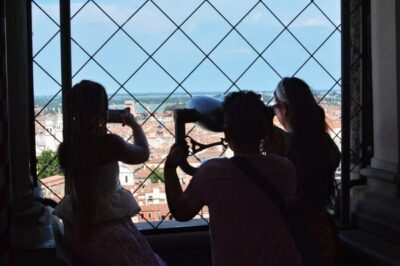
Bell Tower & St Mark’s Square History Gallery Ticket
Read our review →
Field Museum of Natural History Ticket or VIP Tour
Read our review →Browse the lists this tour appears in