
Review · BERLIN HISTORY TOURS
Berlin: Berlin Charité Guided History Tour
Berlin’s Charité is more than a hospital. It is a record of 300 years of medicine, shaped by plague, scientific breakthroughs, Nobel Prize winners, war, and the moral failures of doctors under the Nazi regime. This two-hour walking tour brings those stories to life around the hospital’s historic quarter.
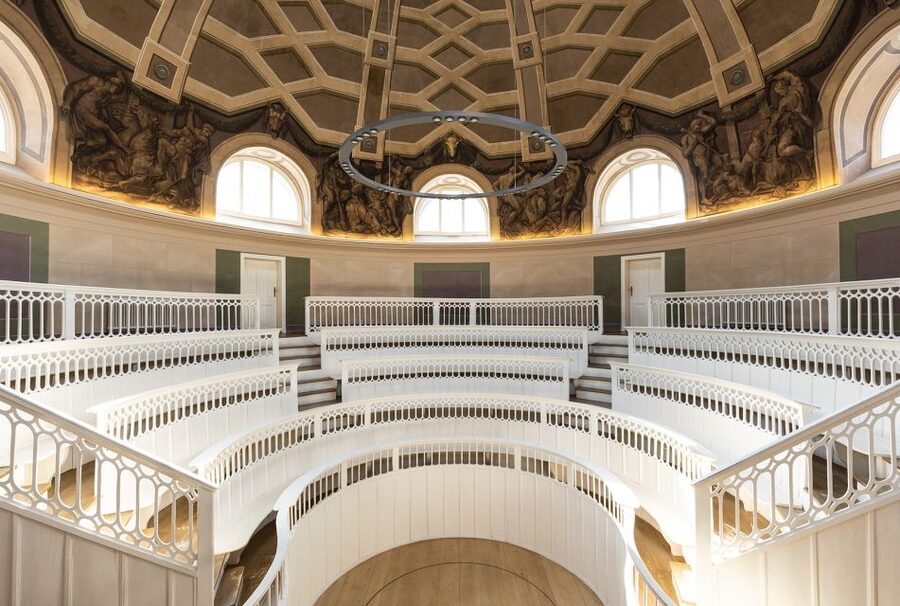
I especially like the stop inside the Animal Anatomical Theatre, a mysterious old teaching building tucked into a backyard. I also like the clear focus on people such as Rudolf Virchow, Robert Koch, Emil von Behring, and Ferdinand Sauerbruch. The main limitation is important: you do not enter the Charité Bed House or the hospital grounds, and the tour is offered in German.
Key points to know before you book

- A 300-year medical story: Follow Charité’s development from an 18th-century plague house to one of Europe’s major university hospitals.
- Famous names included: Learn about Virchow, Koch, Behring, Sauerbruch, and other figures linked to Berlin medicine.
- The Animal Anatomical Theatre: Go inside Berlin’s oldest surviving teaching building, if it is open that day.
- A serious look at Nazi-era medicine: The tour addresses the period when doctors worked with the Nazi regime.
- A walking tour with outside views: See the Charité Bed House from the street, but do not enter the hospital campus.
- German-language format: The live guide speaks German, so this tour suits you best if you can follow a sustained German explanation.
Why Charité makes an unusual Berlin history tour

Many Berlin tours stay with kings, walls, war, and politics. This one follows a different thread: how people tried to understand the human body, control disease, and improve treatment, sometimes with results that saved lives and sometimes with terrible consequences.
The story begins in the 18th century, when the Charité site was connected to a plague house. Over time, that practical institution developed into a leading teaching hospital and research center. You get to watch that change through buildings, streets, scientists, and the changing ideas behind medical care.
I like this subject because it gives you another way to read Berlin. The city’s famous scientific names are not just names on plaques. They belong to arguments about infection, anatomy, surgery, public health, and the limits of medical power.
The tour also avoids a polished, feel-good version of science. The guide addresses the dark period when doctors collaborated with the Nazi regime. That matters. A hospital with an honored academic past must also face the harm done in its name and by people trained within its system.
At $28 per person, the tour is reasonably priced for two hours with a live guide and entry to the Animal Anatomical Theatre when it is open. Its value depends heavily on your interest in medicine, science, and difficult institutional history. If you want broad Berlin sightseeing, this will feel narrow. If you enjoy a focused story with strong historical detail, the price is fair.
More Guided Tours in Berlin:
- Berlin: History of the Third Reich Guided Walking Tour
★ 4.7 · 791 reviews - Berlin: Cold War & Berlin Wall History Guided Bike Tour
★ 4.8 · 422 reviews - Berlin: Guided Bike tour of the Berlin Wall and Third Reich
★ 5.0 · 160 reviews
Starting at the Charité Tower
You meet in front of the Charité Tower at the crossroads of Schumannstraße, Charitéplatz, and Charitéstraße. Arrive early enough to locate the exact meeting point, since the tour starts on time.
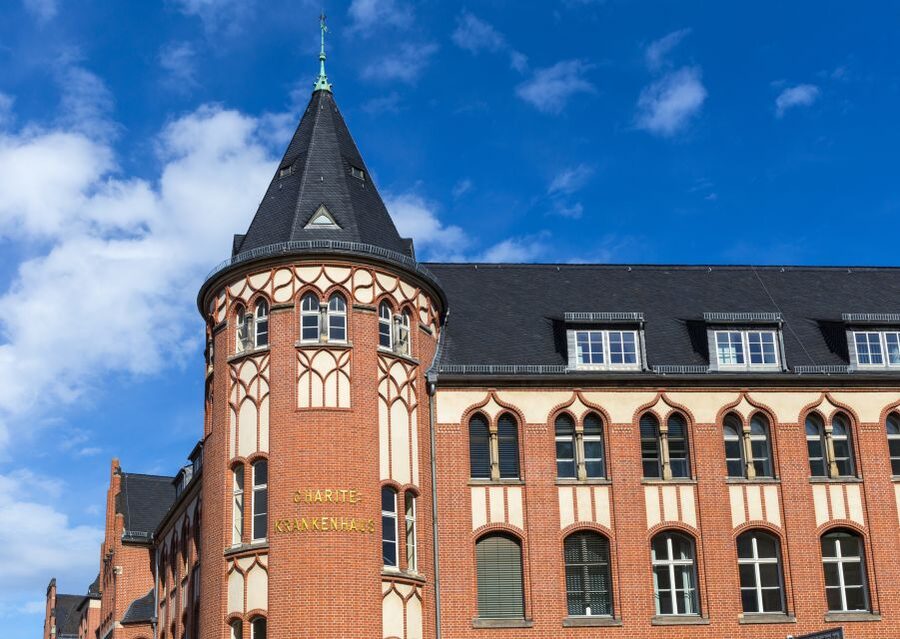
The opening view is of the Charité Bed House. You see the building from outside and begin to understand the scale and importance of the medical complex around you. Do not expect a standard museum entrance here. The Bed House is an active hospital facility, so hygiene and protection rules prevent group tours from going inside.
That restriction may disappoint you if you imagined wandering through old hospital corridors. Still, it also gives the tour a useful sense of place. You are not looking at a set built for tourists. You are standing beside a working medical institution that has continued to serve patients while its history has unfolded around it.
Your guide uses this first stop to set up the long story. The Charité began with a practical response to disease and eventually became a center for university medicine. The contrast between its early role and its modern standing gives the rest of the walk a clear direction.
Walking along Luisenstraße

From the Charité Tower, the tour continues along Luisenstraße and across the university campus. This is where the experience becomes a walking history lesson rather than a single-building visit.
The route connects people and places. You hear about doctors and scientists who changed medicine, including Rudolf Virchow, Emil von Behring, Robert Koch, and Ferdinand Sauerbruch. Each name opens a different part of the story.
Virchow is linked with modern pathology and the effort to understand disease through the study of organs and tissue. Koch is associated with major work on infectious disease. Behring was a Nobel Prize winner, and Sauerbruch became famous for surgical work. The tour’s strength is not simply listing achievements. It places these figures within Berlin’s medical world and shows how one institution helped train, support, and sometimes challenge such figures.
You should expect a fair amount of spoken explanation as you walk. The experience is strongest when you listen closely, since the buildings alone do not tell the full story. The streets and campus offer the setting, while the guide supplies the connections between research, teaching, patient care, and public life.
The route also gives you time to notice how close the medical center is to the rest of central Berlin. This is not an isolated monument. It sits within the city, alongside university buildings and ordinary streets. That setting helps explain why medical research in Berlin could influence civic life far beyond the hospital walls.
The scientists behind Berlin medicine
The names on this tour are a major reason to book it. Berlin’s medical story is full of figures who worked at the edge of what was then understood, often with methods that changed later practice.
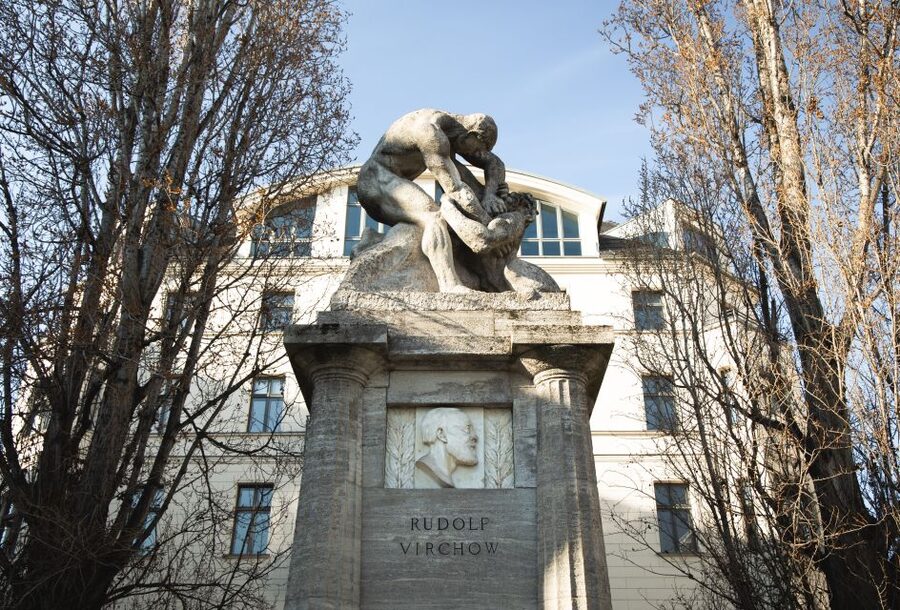
Rudolf Virchow is one of the most important. His work helped make pathology a central part of medicine, with disease studied through physical changes in the body rather than only through symptoms. The tour gives you a chance to see him as part of Berlin’s academic world, not merely as a famous name from a textbook.
Robert Koch brings the story toward infectious disease and laboratory science. His work helped shape modern ideas about how disease spreads and how specific organisms can be identified. Emil von Behring adds the story of treatment and immunity, while Ferdinand Sauerbruch represents the demanding world of surgery.
You do not need a medical background to follow the main points, but a basic interest in science will make the tour more rewarding. The guide explains why these people mattered and how their work affected medicine. The tone is informative rather than technical for its own sake.
The tour also gives Berlin residents a reason to join. Several local participants described learning a great deal despite already knowing the city, and one particularly liked being able to see old Charité buildings later with a clearer understanding of what happened there. That is useful advice for anyone who plans to keep exploring Berlin after the tour: pay attention to the buildings you pass, because their appearance means more once the history is in place.
More History Tours in Berlin:
- Berlin: 3-Hour World Heritage Cruise to Potsdam
★ 4.5 · 1,569 reviews - Berlin Historical Highlights Walking Tour
★ 4.9 · 657 reviews - Berlin Private Complete History All Day Walking Tour
★ 5.0 · 474 reviews - Berlin: Historic Boat Sightseeing City Center Tour
★ 4.5 · 415 reviews
The dark chapter of medical power
A good medical history cannot stop at discoveries and awards. The Charité’s past includes a period when doctors collaborated with the Nazi regime, and the tour addresses that fact directly.
This part may be difficult, but it belongs in the story. Hospitals and universities are not automatically moral institutions. Doctors hold power over vulnerable people, and scientific authority can be abused when professional duty gives way to political obedience.
The guide’s job here is to explain rather than turn suffering into spectacle. You hear about the institution’s difficult past as part of a longer account of German medicine, including the ways a respected academic center could be connected to a criminal political system.
I value this section because it gives the tour weight. You are not being asked to admire every famous figure or treat medical progress as a straight line toward improvement. The history includes courage, error, ambition, discovery, compromise, and harm.
If you prefer light sightseeing, this subject may feel too serious. The tour is not designed as a cheerful diversion. It asks you to think about ethics, responsibility, and the limits of scientific progress. That makes it more worthwhile for some people and less suitable for others.
Entering the Animal Anatomical Theatre
The tour’s most unusual stop is the Animal Anatomical Theatre, often described as a medicine temple. It is Berlin’s oldest surviving teaching building, and you visit it from the inside.
The building’s setting adds to its appeal. It is hidden in a backyard, away from the main street, so reaching it feels like finding a piece of old academic Berlin that is easy to miss. The phrase medicine temple fits the atmosphere of a place built for teaching and scientific display, even if you should not expect a large museum with many rooms or a long self-guided visit.
This is the point where the medical past becomes most physical. You are no longer looking at an active hospital from the pavement. You are entering a surviving teaching space that belonged to an earlier age of medical education.
The stop also gives the two-hour route a satisfying finish. After hearing about hospitals, scientists, and medical ethics in the open air, you reach a building with a direct connection to instruction and anatomical study.
There is one practical warning. The Animal Anatomical Theatre can adjust its opening hours at short notice for closed events, and it is closed on public holidays. If the building cannot open, the experience may need to change. Check the date carefully before booking, especially if your Berlin visit includes a public holiday.
What you will not see inside
The Charité Bed House is viewed only from outside. The hospital grounds, known as Charité Campus Mitte, are not open to group tours.
This distinction is worth understanding before you pay. The tour is about the Charité’s history in its surrounding streets and buildings, not an inspection of modern wards, clinical areas, or hospital interiors. You will not follow a guide through patient spaces.
For some people, this is a sensible arrangement. Active hospitals need privacy, hygiene, and security. For others, the lack of interior access may be the main drawback. If your idea of a hospital history tour includes old wards or medical collections, read the format carefully and keep your expectations realistic.
The Animal Anatomical Theatre is the important exception. It is the interior visit that gives the experience a physical historic space rather than only exterior views.
The German-language format and guide style
The tour is conducted in German. The guide is live, and the strongest feedback centers on clear explanations, good rhetoric, and a high level of information. Since no guide name is provided in the booking details, you should not count on a particular named guide.
You should be comfortable listening to German for two hours while walking. Medical terms and historical names may come quickly, so this is not the best choice if you only understand a few basic phrases. The subject is detailed enough that missing parts of the explanation could reduce the value.
For German speakers, the format is a strong point. The tour gives you time to ask questions and hear the story in a natural spoken presentation rather than through a recorded device. Several recent participants found the guide especially effective at explaining a lot of material in an interesting way.
The best guide will make the subject feel connected rather than scattered. You want clear links between the plague house, the hospital, the scientists, the university, the Nazi period, and the old teaching theatre. The high rating of 4.4 from 660 reviews suggests that the overall format works well, though a focused history tour will always depend somewhat on the guide’s pace and style.
Who will get the most from two hours here
I would choose this tour if you have a strong interest in one or more of the following:
- Medical history and the development of modern hospitals
- German science and Nobel Prize winners
- The history of Berlin’s universities
- The ethical problems of medicine under dictatorship
- Historic buildings that are easy to miss on a normal city walk
- Guided tours in German
It also works well for repeat visitors who have already seen Berlin’s best-known sights. The subject gives you a fresh route through central Berlin and helps you notice the Charité buildings later on your own.
Families with older children may find the topic useful, but the serious material about Nazi-era medicine and the sustained spoken format may not suit young children. The experience is also a poor fit if you want a fast overview of Berlin or an all-purpose sightseeing walk.
Wear comfortable shoes for a two-hour walk and arrive at the crossroads before the start time. The tour does not promise a long museum visit, so do not book it as a substitute for a full medical museum. Its strength is the combination of walking, storytelling, scientific biography, and one historic interior.
Is the $28 price good value?
At $28, you are paying for a live, specialized history lesson rather than a large collection of admission tickets. That can be good value if you would otherwise pass the Charité without understanding its importance.
The price covers the guided tour, including the walk from the Charité Tower, the exterior view of the Bed House, the route along Luisenstraße, the campus area outside restricted grounds, and the visit to the Animal Anatomical Theatre when open.
The value drops if you cannot follow German or if you mainly want to enter the hospital itself. You may also feel the limitations on a public holiday, when the Animal Anatomical Theatre is closed.
Flexible booking helps if your plans are uncertain. You can cancel up to 24 hours before the start for a full refund, and you can reserve now and pay later. Those terms are useful, but the subject and language should guide your decision more than the booking flexibility.
Should you book the Charité History Tour?
Book it if you want a focused, serious look at Berlin through medicine. The best parts are the links between the city’s scientists, the Charité’s growth from a plague house, the honest treatment of its Nazi-era past, and the chance to enter the Animal Anatomical Theatre.
Skip it if you need an English-language tour, want access to hospital interiors, or prefer broad sightseeing with many major landmarks. The tour is narrow by design, but that focus is its strength.
For German-speaking visitors who enjoy science, ethics, and overlooked city history, $28 for two hours is a sensible buy. Just confirm that the Animal Anatomical Theatre is open on your date, meet at the Charité Tower early, and expect a thoughtful walking tour rather than a hospital behind-the-scenes visit.
FAQ
How long does the Berlin Charité Guided History Tour last?
The tour lasts two hours.
What language is the tour conducted in?
The live tour guide speaks German.
Where does the tour meet?
It meets in front of the Charité Tower at the crossroads of Schumannstraße, Charitéplatz, and Charitéstraße.
Can I go inside the Charité Bed House?
No. The Bed House is viewed from outside because it is an active hospital facility with protection and hygiene regulations.
Can I enter the Charité Campus Mitte hospital grounds?
No. The hospital grounds are not accessible for group tours.
Is the Animal Anatomical Theatre always open during the tour?
No. The Animal Anatomical Theatre may adjust its opening hours for closed events and is closed on public holidays.
Newest history tours we have reviewed in Berlin
- Berlin: Nazi History Walking Tour★ 4.8 · 33 reviews
- Berlin: History and Sightseeing with Kids (Free for Kids)★ 4.9 · 19 reviews
- Berlin: Historical Sights & Berlin Wall Tour with a Berliner★ 5.0 · 62 reviews
- Berlin: Urbex Abandoned Places & History Tour★ 4.8 · 18 reviews
- East Berlin Food & History Tour with Eating Europe★ 4.8 · 20 reviews
- Berlin: Historic Center Walking Tour with a Real Berliner★ 5.0 · 134 reviews
- Berlin (E)Bike Tour Historical Highlights in Small groups★ 4.5 · 24 reviews
- Berlin: Guided Craft Beer & Cultural Tour With Snacks★ 5.0 · 68 reviews
Berlin History Tours, compared.


Berlin Private Complete History All Day Walking Tour
Read our review →
Cold War & Berlin Wall History Guided Bike Tour
Read our review →
Small group Potsdam: A Journey Through History and Palaces
Read our review →
Charité Hospital Walking Tour of Medical History
Read our review →Browse the lists this tour appears in