
Review · GERMANY HISTORY TOURS
Karlsruhe: Guided City History & Culture Walking Tour
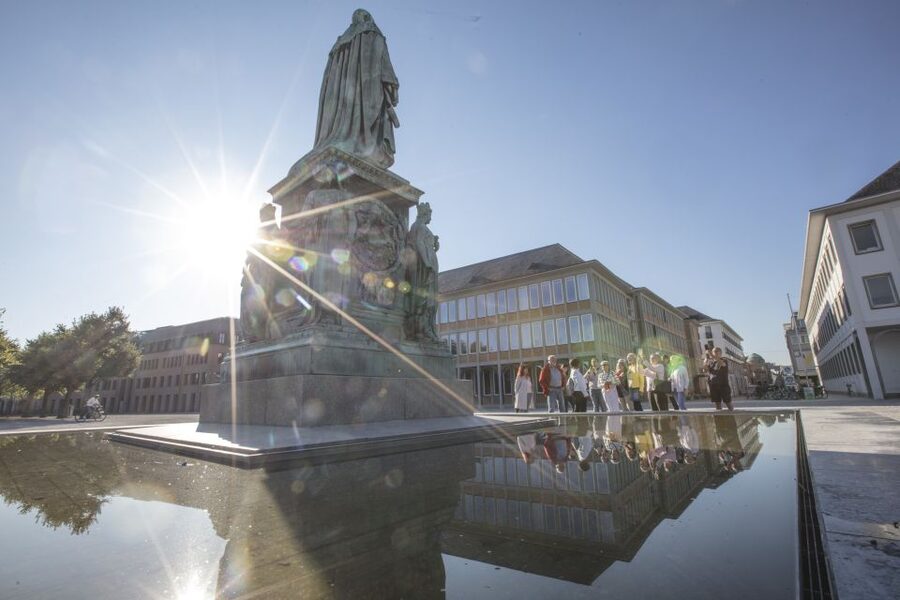
Karlsruhe was born from an audacious idea: Margrave Karl III Wilhelm left his old capital of Durlach and built a new city in 1715. This 1.5-hour walk brings that unusual beginning to life, then connects it with classical architect Weinbrenner and Karlsruhe’s modern identity. I like the focus on the city’s planning, not just a parade of old buildings.
I also like the low $12 price and the local touches: funny anecdotes, personal tips, and explanations from a German-speaking guide. The main consideration is language. This tour is conducted in German, and it takes place outdoors in every kind of weather.
Key points to know before you book
- Karlsruhe began as a planned Baroque city in 1715, giving the tour a clear story from the start.
- Karl III Wilhelm’s decision to leave Durlach adds a human and political angle to the city’s founding.
- Architect Friedrich Weinbrenner’s influence helps explain Karlsruhe’s classical appearance.
- The guide adds anecdotes and personal tips, so the walk is more than a basic date-and-building tour.
- The route begins and ends at the Tourist Information beside the market square, making it easy to fit into a day in town.
- The tour is in German and outdoors, but it is wheelchair accessible and suitable for children under 3 free of charge.
Why Karlsruhe’s unusual plan makes a good walking tour
Many city walks begin with a medieval center, a market, and a church that grew over centuries. Karlsruhe offers something different. It was created as a new residence city in 1715, with a planned Baroque design that reflected the power and taste of its founder, Karl III Wilhelm, Margrave of Baden-Durlach.
That gives your guide a strong narrative to work with. You are not simply moving from one old building to another. You are learning why a ruler would abandon an established capital and start again. The decision to leave Durlach is one of the most useful details in the tour because it turns city planning into a human story.
I find that kind of context especially helpful when I first arrive in a city. A map can show you streets, but it does not tell you why they were laid out that way. A local guide can help you see Karlsruhe as a deliberate project, not an accidental collection of neighborhoods.
The tour also links the city’s past with its present and future. Karlsruhe was considered a novelty in its time, and the experience presents that pioneering spirit as something the city still carries. You get a short introduction to the founding idea, a look at the architectural style that followed, and a sense of how Karlsruhe understands itself today.
More History Walking Tours in Germany
- Leipzig: 1.5-Hour Historical Walking Tour in German
★ 4.7 · 2,217 reviews - Berlin: History of the Third Reich Guided Walking Tour
★ 4.7 · 791 reviews - Trier: Guided Old Town Highlights and History Walking Tour
★ 4.7 · 687 reviews
Starting at the market square and Tourist Information
The walk begins at the Karlsruhe Tourist Information beside the market square, at Kaiserstraße 72 to 74. This is a practical meeting point in the center, and the same location serves as the ending point.
That start and finish matter. You do not need to arrange a separate ride back across town, and you can continue exploring from the market square after the tour. If you are arriving in Karlsruhe for the day, the meeting point also gives you a simple place to begin your orientation.
The information provided does not list a fixed route with named stops, so you should not expect a rigid checklist of every major sight. Instead, the guide shapes the walk around the city’s story. The market square provides a natural launch point for explaining Karlsruhe’s public center and its role in the planned city.
I would arrive a few minutes early, especially if you are unfamiliar with Karlsruhe. The tour lasts only 90 minutes, so a late arrival could mean missing the opening explanation about Karl III Wilhelm and the city’s foundation.
Following Karl III Wilhelm’s decision to build anew
The most distinctive part of the walk is the story of Karl III Wilhelm. In 1715, he founded Karlsruhe and chose to build a completely new city rather than continue using Durlach as his capital.
That choice gives the guide room to explain more than dates. You can expect discussion of the margrave’s role, the reason a fresh capital might appeal to him, and the unusual character of a city designed from the beginning. The tour description makes clear that this is one of its central subjects, so anyone interested in political history or urban design should find it especially useful.
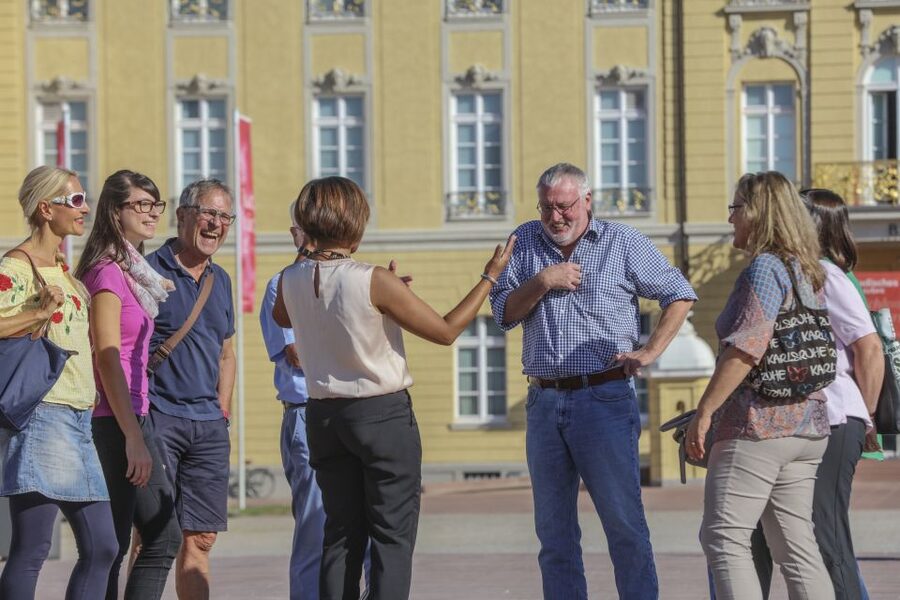
I like that the focus is not limited to grand official events. The guide is also expected to bring in funny anecdotes and personal observations. Those small details can make a short tour easier to remember, especially when the subject is a ruler and a plan that might otherwise feel abstract.
You should keep your expectations sensible. This is not a full lecture on Baden-Durlach, and there is no promise of interior visits, archival material, or admission to historic sites. The value comes from hearing the story while walking through the city that grew from it.
Seeing Karlsruhe through Weinbrenner’s classical design
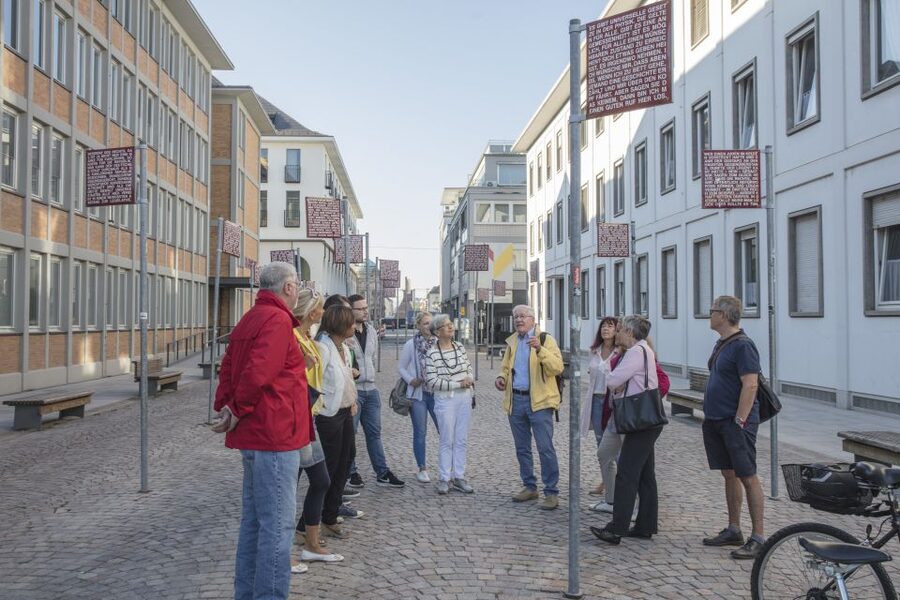
The tour also introduces classical architect Weinbrenner, whose work is an important part of Karlsruhe’s architectural identity. The supplied information does not name individual buildings included on the route, so I would treat this as a guided introduction to his influence rather than a guaranteed interior or building-by-building architectural tour.
That distinction matters. If you want detailed architectural analysis, ask the guide questions during the walk. If you are simply trying to understand why parts of Karlsruhe look the way they do, the Weinbrenner section should give you a useful framework.
A good city walk helps you notice patterns. Here, the connection between the Baroque plan and later classical architecture is more useful than memorizing isolated construction dates. You can begin to compare the city’s original design with the buildings and public spaces that developed afterward.
The guide’s local perspective is important here. A book can tell you that Weinbrenner shaped Karlsruhe, but a person on the street can point out how that influence fits into the city’s wider character. Since the tour is conducted in German, this part will work best for visitors who can follow architectural explanations in German or who are comfortable asking for clarification.
More Local Culture and Traditions Tours in Germany:
- Berlin Craft Beer & Cultural Tour With Snack
★ 5.0 · 343 reviews - Berlin: Guided Craft Beer & Cultural Tour With Snacks
★ 5.0 · 68 reviews - Berlin Food & Cultural Tour: Must-Try German & Berliner Classics
★ 5.0 · 51 reviews - Amsterdam Food and Cultural Tour with Tastings
★ 5.0 · 4,315 reviews
Anecdotes and local tips make the short route worthwhile
At $12 per person, this experience is priced as an affordable orientation walk rather than a major paid attraction. That is a strong value if you want a useful introduction before exploring Karlsruhe on your own.
The included extras are simple but worthwhile: a local guide, funny anecdotes, and personal insider tips. There is no food, no drink, and no admission ticket included. That keeps the price low, but it also means you are paying for the guide’s time and interpretation, not for access to a monument.
The German-language comment available for the tour describes the content as highly interesting and very well explained. That matches the structure promised here: the walk has a clear subject, and the guide is expected to explain rather than merely point.
I would particularly recommend this tour early in your stay. A guide’s tip about where to continue, what to notice, or how Karlsruhe’s center fits together can improve the rest of your visit. Since the tour ends where it began, you can use the remaining day for your own exploration without needing to cross town.
The 4.5 rating from 79 reviews also suggests a reliable experience, though no rating can guarantee that every guide or group will suit every person. The strongest reason to book is the content: Karlsruhe’s founding story and urban design are specific enough to make this more interesting than a generic walk.
What the 90-minute pace feels like
Ninety minutes is long enough to establish a city’s character without taking over your day. I see that as the right length for Karlsruhe, especially if you are fitting the walk between train connections, museum visits, or an afternoon in the center.
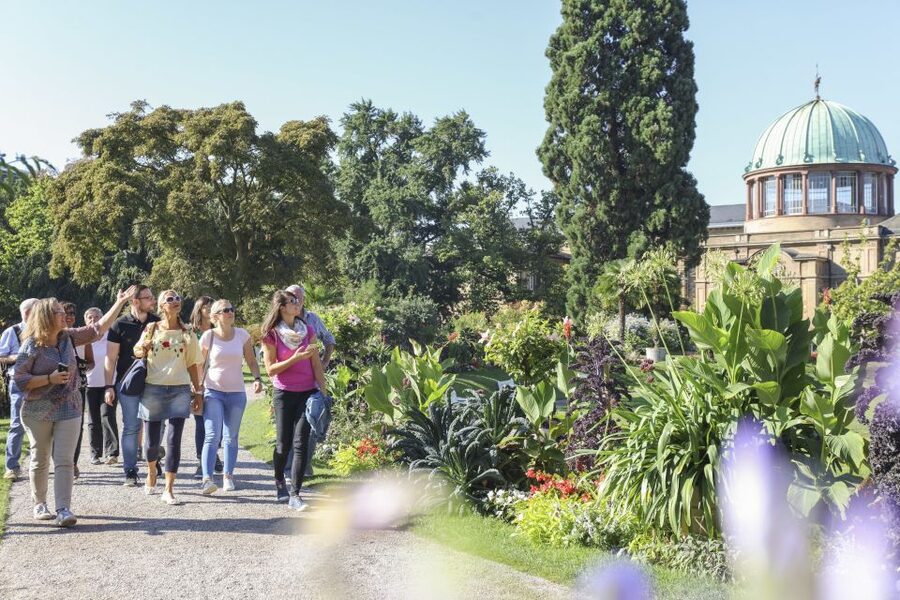
The pace should be manageable for most people because this is a walking tour through the city, not a strenuous excursion. Still, you will be outdoors for the full activity. Comfortable shoes and weather-appropriate clothing are sensible choices.
The tour runs in all weather. Rain, cold, or heat can affect how much you enjoy an outdoor explanation, so check the forecast before you leave and dress accordingly. There is no promise of indoor shelter or a weather-related change of plan.
The route is wheelchair accessible, which is an important practical advantage. The supplied details do not describe the exact surfaces, slopes, or restroom arrangements, so if you need specific accessibility information, ask the provider before booking.
Children under 3 can participate free of charge. The short length may work well for families, though the German-only format and outdoor setting are worth considering if you are bringing very young children.
Who will get the most from this experience
I would choose this tour if you want to understand Karlsruhe before deciding what to see next. It is a good match for first-time visitors, architecture fans, people interested in German regional history, and anyone who likes cities with a strong plan behind them.
It also suits you if you prefer a small dose of history rather than a full-day program. The tour gives you a foundation in Karl III Wilhelm, Durlach, Baroque planning, and Weinbrenner without asking you to spend hours indoors or memorize a long list of dates.
The experience is less suitable if you need an English-language tour. The available guide language is German, and there is no English option stated. It is also not the right pick if your main goal is to enter monuments, eat local food, or take part in optional activities, since admission, refreshments, and personal expenses are not included.
The atmosphere should suit curious visitors who enjoy conversation. The promised anecdotes and insider tips suggest a personal style rather than a purely formal lecture. You can get more from it by asking about the connection between Durlach and Karlsruhe, the margrave’s motives, and Weinbrenner’s role in shaping the city.
Practical value at $12 per person
At $12, I consider this a sensible purchase for a city orientation. You receive 90 minutes with a local guide, a focused explanation of Karlsruhe’s unusual beginning, and practical local tips. The cost is modest enough that it does not need to replace independent sightseeing.
The value is strongest if you would otherwise walk around without knowing what the plan of the city means. Karlsruhe’s design may make more sense after someone explains the choices behind it. The guide can also add the human details that are easy to miss when you explore with only a map.
The price does not cover food, drinks, admission tickets, or optional activities. Plan to pay separately if you want to visit attractions afterward. Since the tour returns to the starting point, you can decide what to do next once you have a better sense of the center.
You can reserve now and pay later, which helps if your schedule is still changing. Free cancellation is available up to 24 hours before the tour for a full refund. Starting times vary, so check availability before making the rest of your day’s plans.
Should you book the Karlsruhe city walk?
I would book this tour if you can follow German and want a concise explanation of why Karlsruhe exists in its present form. The combination of Karl III Wilhelm’s bold relocation, the planned Baroque city, and Weinbrenner’s classical influence gives the walk a clear purpose.
I would skip it if you need English, dislike outdoor activities in uncertain weather, or want a tour built around interior visits. For everyone else, $12 is a fair price for a 90-minute introduction with local anecdotes and useful tips.
Book it near the start of your Karlsruhe visit if possible. You will leave with a clearer sense of the city’s plan, its founding story, and the architectural ideas that shaped it, then have the rest of your time to explore with better bearings.
FAQ
Where does the Karlsruhe walking tour begin?
It begins at the Tourist Information Karlsruhe beside the market square, at Kaiserstraße 72 to 74, 76133 Karlsruhe.
Where does the tour end?
The tour ends back at the same meeting point by the market square.
How long does the walking tour last?
The tour lasts 1.5 hours, or 90 minutes.
What language is the tour conducted in?
The live tour guide conducts the experience in German.
What is the price of the tour?
The listed price is $12 per person.
Is the tour wheelchair accessible?
Yes, the activity is described as wheelchair accessible.
Does the tour operate in bad weather?
Yes. Tours take place in all weather, and the experience is outdoors. Dress for the forecast.
Are food and admission tickets included?
No. Food, drinks, personal expenses, admission tickets, and optional activities are not included.
Can children under 3 join the tour?
Yes. Children under 3 years old may participate free of charge.
Newest history tours we have reviewed in Germany
- Historic Dresden Private Walking Tour★ 5.0 · 32 reviews
- Walking Through Dresden’s Past with Dr. Fraser Macdonald★ 5.0 · 72 reviews
- Berlin Food & Cultural Tour: Must-Try German & Berliner Classics★ 5.0 · 51 reviews
- Private Tour: Jewish Heritage Walking Tour of Berlin★ 5.0 · 29 reviews
- Small-Group Historical Bike Tour in Berlin★ 4.5 · 103 reviews
- Historic center of Berlin – Tour in Italian★ 5.0 · 143 reviews
- Berlin: Private Bike Tour of the Berlin Wall and Third Reich★ 5.0 · 23 reviews
- East Berlin Food & History Tour with Eating Europe★ 5.0 · 204 reviews
Local Culture & Traditions Tours, compared.
Amsterdam Food and Cultural Tour with Tastings
Read our review →
Sevilla Food Tour: Tapas, Wine, History & Traditions
Read our review →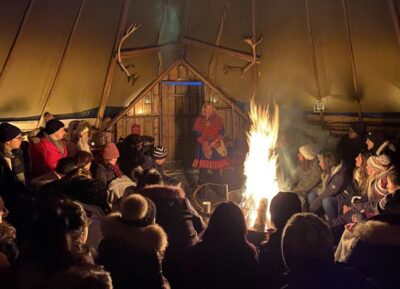
Tromsø: Reindeer Camp and Sami Cultural Tour with Lunch
Read our review →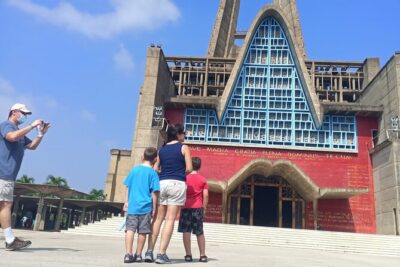
Half Day Dominican Republic Cultural Tour : Small Group
Read our review →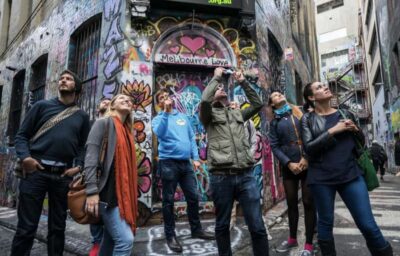
Ultimate Melbourne Walking Tour: History, Laneways & Culture
Read our review →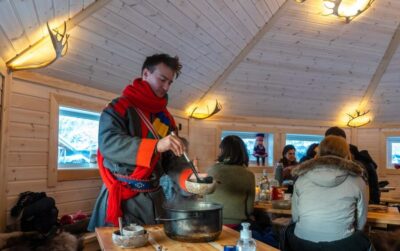
Tromsø: Sámi Reindeer Sledding and Sami Cultural Tour
Read our review →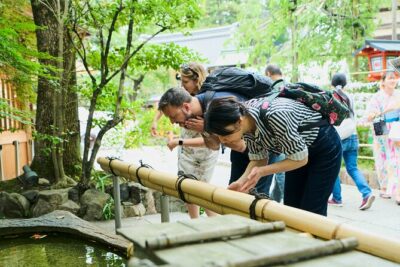
Kyoto Gion: 2-Hour Geisha Culture & History Walking Tour
Read our review →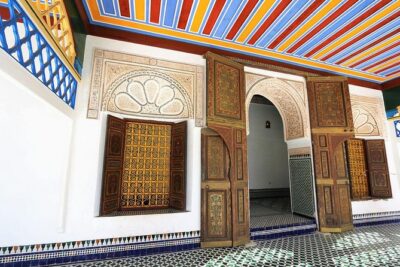
Marrakech Historical and Cultural Tour – Half Day City Tour
Read our review →Browse the lists this tour appears in