
Review · BERLIN HISTORY TOURS
Berlin: Charité Hospital Walking Tour of Medical History
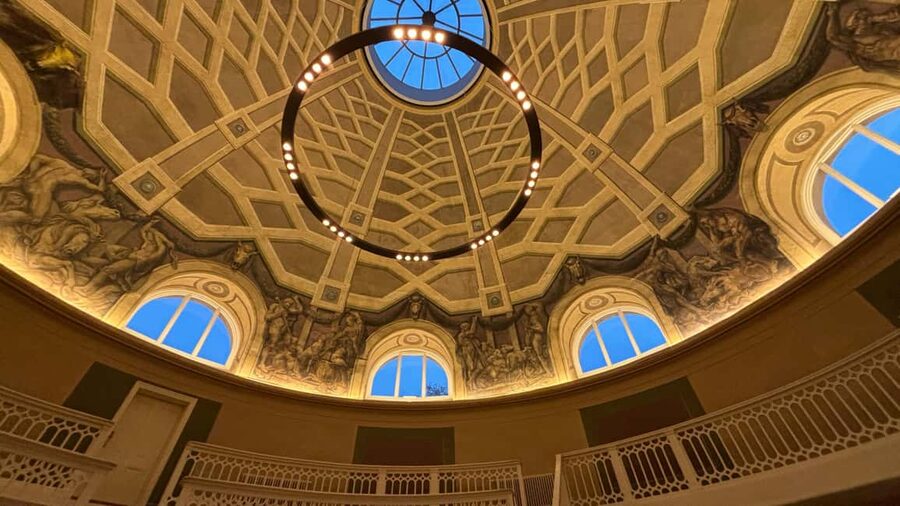
The most striking part of this tour is the way one Berlin hospital reflects three centuries of medicine and politics. Charité began as a simple plague house in 1710, then became a center for figures such as Robert Koch and Rudolf Virchow. You also enter the old Veterinary Anatomy Theatre, where 18th-century doctors studied the illnesses of livestock and cavalry horses.
I like the mix of medical breakthroughs and human stories, including Rachel Hirsch’s fight to become Prussia’s first female medical professor. I also like the honest treatment of Charité’s darker chapters, from Nazi medical crimes to the East German practice of bricking up windows facing the capitalist West.
The main drawback is simple: most of the two-hour tour takes place outdoors. Cold, damp weather can make the walk tiring, and the theatre may occasionally close for internal events or public holidays.
Key points about the Charité medical history walk
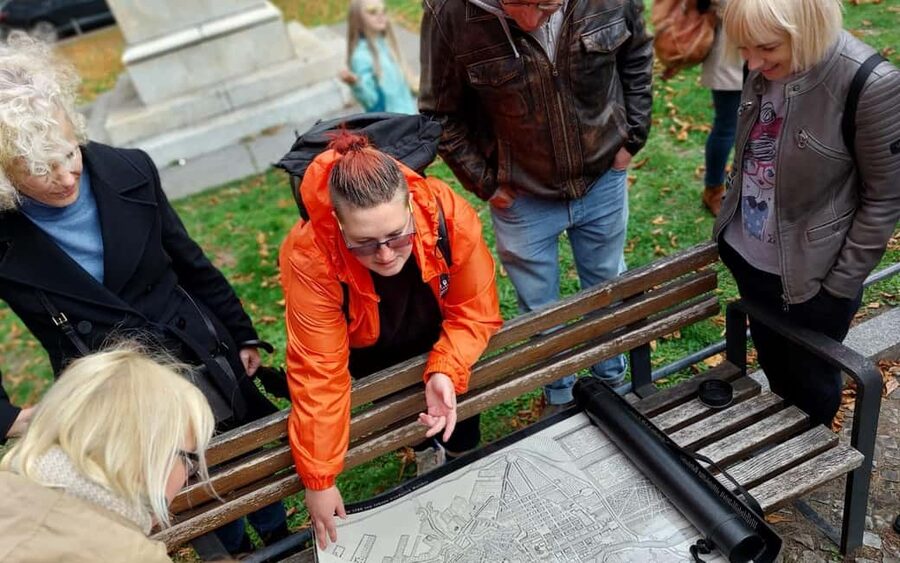
- The tour begins with a plague house from 1710, showing how fear of epidemics shaped Berlin’s first hospital.
- The Veterinary Anatomy Theatre is the oldest surviving academic building in Berlin, and admission is included.
- Robert Koch, Rudolf Virchow, and Rachel Hirsch anchor the story of medical discovery and social change.
- Nazi-era medicine receives serious attention, including racial hygiene and the murder of psychiatric patients.
- East Berlin’s Charité story adds a political layer, with the hospital used as a symbol of socialist achievement.
- The walk ends near Berlin Central Station, making it easy to continue sightseeing afterward.
Why Charité tells Berlin’s story so well

You might come to this tour expecting old buildings and famous doctors. You get those, but the stronger subject is the changing meaning of medicine. At Charité, treatment moved from bloodletting, mercury, and amputations toward laboratory science and modern medical research. The hospital also reflects changing ideas about women, class, government, ethics, and public responsibility.
That makes this more than a campus walk. You are following the story of a working institution through monarchy, war, dictatorship, division, and reunification-era Berlin. The guide connects people and events to the buildings around you, so the setting matters as much as the dates.
The tour has earned a very high rating of 4.9 from 276 bookings, and the strongest praise focuses on clear explanations, medical detail, and a lively pace. That balance matters here. The subject can become grim or technical, but the tour is designed to remain understandable during a two-hour walk.
I would consider it a particularly good choice for anyone interested in Berlin’s less familiar museums and memorial sites. It also suits people who have already seen the Brandenburg Gate and Museum Island and want a different way to understand the city.
More History Walking Tours in Berlin
- Berlin: History of the Third Reich Guided Walking Tour
★ 4.7 · 791 reviews - Berlin Historical Highlights Walking Tour
★ 4.9 · 657 reviews - Berlin Private Complete History All Day Walking Tour
★ 5.0 · 474 reviews
Starting at Robert-Koch-Platz
Your meeting point is Robert-Koch-Platz, by the statue of Robert Koch. Look for the guide carrying an orange umbrella. This is a useful arrangement in a city where large squares and hospital buildings can otherwise make a first meeting confusing.
The starting point also introduces one of the tour’s central figures. Robert Koch became known for groundbreaking work in medical science, and his presence at the beginning helps frame Charité as a place where laboratory research changed the way doctors understood disease.
You will need comfortable shoes and water. The walk lasts about two hours, and you should be ready to stand and walk for most of that time. The activity is listed as wheelchair accessible, but the outdoor format and the need to remain with the group are still worth considering when planning your day.
The guide speaks German or English. Martina is one guide associated with the experience, and her presentation has been described as both impressive and easy to follow. The important point for you is the tone: the tour aims to explain medical history without turning every stop into a lecture.
The Veterinary Anatomy Theatre and 18th-century medicine

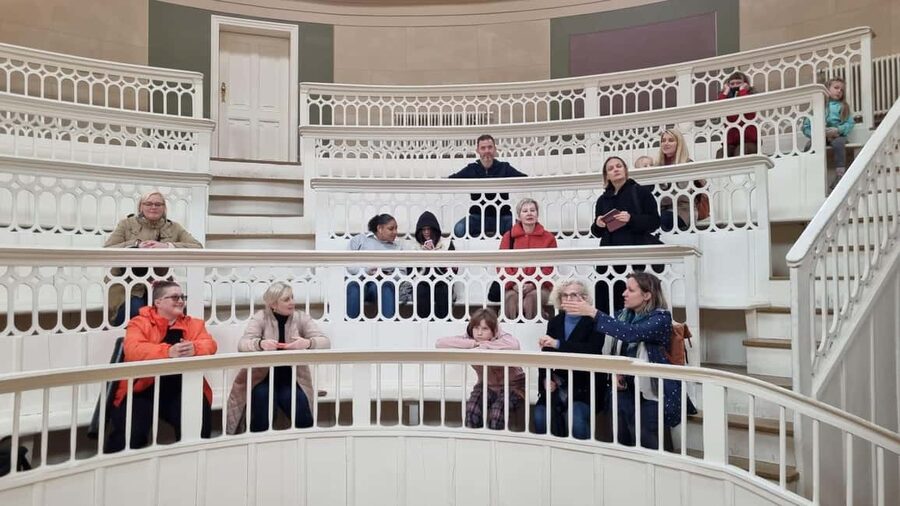
The visit to the Veterinary Anatomy Theatre is the tour’s most distinctive stop. The building is the oldest academic building still in existence in Berlin, and it takes you back to a period when veterinary medicine was closely tied to the city’s livestock, transport, and military needs.
In the 18th century, doctors and researchers needed to understand diseases affecting animals as well as people. Livestock mattered to food supplies, while cavalry horses were central to military power. The theatre shows how anatomy was studied in an academic setting and gives you a physical sense of early medical education.
This stop also adds needed perspective to the opening story of Charité. Early medical treatment could involve bloodletting, mercury, or amputation. Those methods sound harsh now, but they reflect the limited tools and theories available at the time. The tour does not present medical progress as a straight line from ignorance to perfection. Instead, it shows how doctors worked within the knowledge of their period, sometimes with harmful results.
Admission to the Veterinary Anatomy Theatre is included in the tour price. Do keep the closure warning in mind. The building can be unavailable during internal events or public holidays, so the stop is not guaranteed on every departure.
Walking the neo-Gothic Charité campus

After the theatre, the route circles the historic Charité campus. The neo-Gothic architecture gives the walk a strong sense of place, with decorative details that make the hospital feel more like an old university quarter than a normal medical complex.
You will not enter every building. Hospital and university facilities remain active, and some areas are restricted during guided tours. That limitation is important. This is not an indoor museum visit through hospital wards, laboratories, or treatment rooms. It is an outdoor historical walk around a campus that still has medical and academic functions.
You can explore some areas independently after the tour, but access is not promised for every part of the campus. I see this as a fair trade-off. The working hospital setting is part of what makes Charité relevant, even if it means the visit has fewer interiors than you might expect from the word hospital.
The buildings also help the guide move between stories. A campus corner can introduce a scientist, a social reform, or a political decision. The route’s shorter guided sections, listed at roughly 15 minutes each, suggest a series of focused stops rather than one long speech. That should suit you if you prefer frequent changes of subject.
More History Walking Tours in Germany
- Berlin Private Half-Day Walking Tour: Discover the German Capital’s History
★ 5.0 · 244 reviews - The History of Berlin: WWII PRIVATE Walking Tour With Locals
★ 5.0 · 209 reviews - Berlin: Historic Center Walking Tour with a Real Berliner
★ 5.0 · 134 reviews - Berlin: Nazi History Walking Tour
★ 4.8 · 33 reviews
Robert Koch, Rudolf Virchow, and the rise of modern medicine
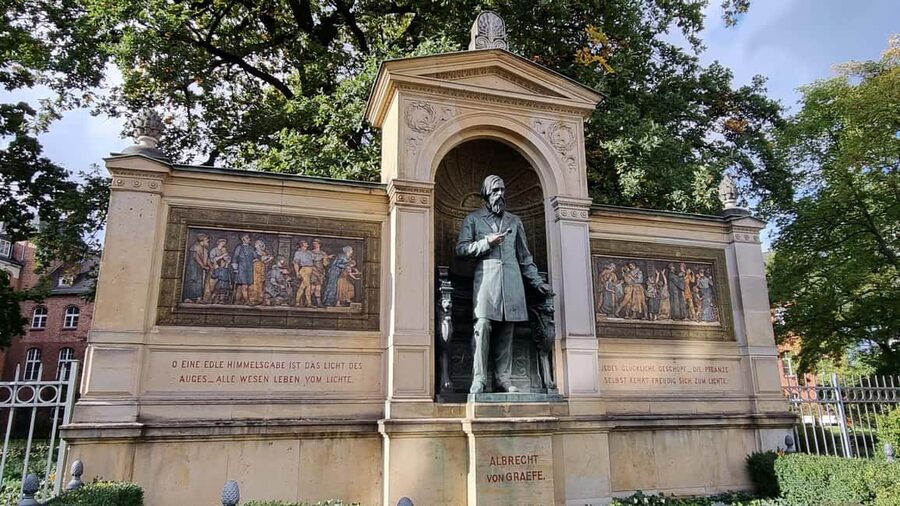
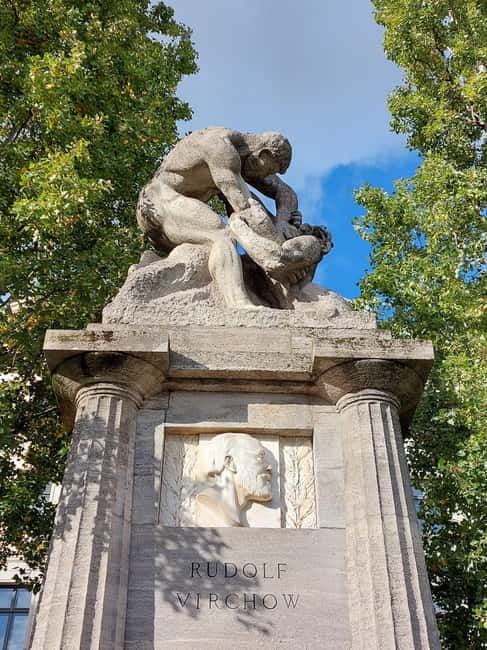
Two of the most important names connected with Charité are Robert Koch and Rudolf Virchow. Their work represents the hospital’s role in the development of modern medical science, and the tour uses their careers to explain why Charité became so influential.
Robert Koch is linked to the shift toward laboratory-based investigation. Rudolf Virchow is another major medical pioneer whose work helped shape modern ideas about disease and the body. You will hear how people at Charité pushed medicine beyond older methods and toward careful study, research, and evidence.
The value here is not simply memorizing famous names. A good guide shows what changed in practical terms. Medicine became less dependent on inherited habits and more connected to research institutions, teaching, and scientific debate. The Charité campus gives that change a physical home.
The tour also appears to handle these figures with some distance. You are not asked to admire every famous doctor without question. The historical setting includes the political pressures and social attitudes of each period, which makes the story more useful than a simple parade of medical heroes.
Rachel Hirsch and women in medicine
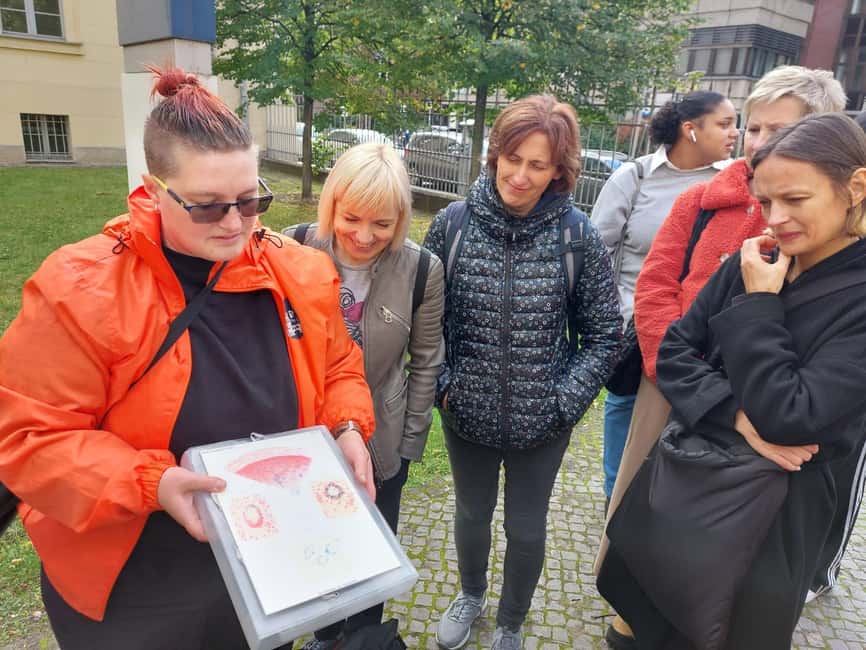
Rachel Hirsch gives the tour one of its most important social stories. In 1913, she became the first woman to hold a medical professorship in Prussia. That appointment marked a major step for women in medicine, but it did not mean the institution suddenly became welcoming.
Her career helps show the gap between formal progress and daily resistance. A woman could reach an important academic position and still face opposition inside the institution. That tension is exactly why her story deserves space on a medical history tour.
I like this part of the experience because it broadens the definition of medical history. The subject is not only discoveries and diagnoses. It also includes who was allowed to study, teach, lead, and receive recognition.
If you are interested in the history of women in science, Rachel Hirsch may be one of the most memorable figures on the walk. Her story also connects Charité to the wider changes taking place in early 20th-century Europe, when old professional barriers were beginning to shift but had not disappeared.
Charité under Nazi rule
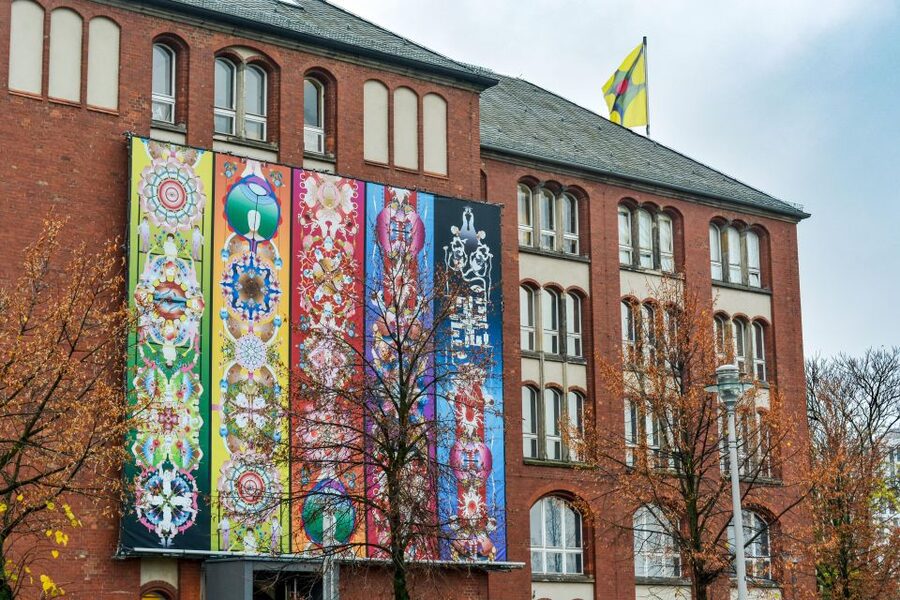
The tour does not avoid Charité’s darkest period. Under the Nazi regime, medical ethics were discarded, and racial hygiene became a tool of state persecution. Some doctors stayed silent. Others actively helped organize the killing of psychiatric patients.
This section is difficult, but it belongs in any honest account of the institution. A hospital is not automatically a place of moral safety. Doctors and researchers can serve patients, but they can also serve an abusive government when professional ethics are pushed aside.
The walk’s location makes this history especially direct. You are discussing these events in the same institutional setting where medical work continued. That can be more affecting than reading a general account in a distant museum, even though the outdoor format means the presentation remains tied to the buildings and streets around you.
Expect a serious tone here. This is not a light sightseeing stop, and the tour’s recommended age of 14 and up makes sense. Minors must be accompanied by an adult. If you are looking only for architecture or famous scientists, this section may feel heavier than expected. If you want a fuller picture of Berlin, it is essential.
East German Charité and the divided city
The story continues after the Nazi period, when East Germany used Charité as a source of national pride. The hospital’s achievements were promoted as proof of socialist strength, while the divided city shaped daily life around the campus.
One memorable detail is the treatment of windows facing West Berlin. Some were bricked up so people inside the hospital would not look toward the capitalist West. That small architectural decision turns a political system into something you can picture at human scale.
This is one of the tour’s best links between medical history and Berlin history. Hospitals do not exist outside politics. Funding, public image, staff life, research, and even the direction of a window can reflect the government in power.
For people who know little about East Germany, the Charité story offers a useful addition to the better-known Cold War sights. You get the political context without leaving the hospital grounds, and the building details help keep the subject concrete.
The Charité TV series connection
The tour also explains the real-life stories behind the Charité television series. That gives the experience an extra hook if you have watched the show or are curious about the people and events behind it.
The TV connection should not be your only reason to book. The tour covers a much longer period than any single screen story, from the hospital’s foundation in 1710 through its Nazi and socialist chapters. Still, seeing the real campus and learning which figures and events inspired dramatized stories can add depth to your viewing.
If you have not seen the series, you will not be left out. The tour is built around the history of the institution, not around prior knowledge of the program.
Price, timing, and practical value
At $29 per person, this is a reasonable price for a two-hour specialist walking tour that includes admission to the Veterinary Anatomy Theatre. The value is strongest if you want context and interpretation, rather than simply looking at the campus on your own.
You could walk around the exterior without paying. What you would miss is the link between the buildings, medical pioneers, Rachel Hirsch, Nazi crimes, East German politics, and the TV connection. The included theatre visit adds a genuine interior stop, although it may close on some dates.
The tour finishes on Alexanderufer near Berlin Central Station. That is useful for planning. You can continue toward the station, arrange onward transport, or use the ending point as a springboard for more sightseeing in central Berlin.
Dress for the weather. Even a well-paced outdoor walk can feel long in cold rain, and one participant completed the route in cool, damp conditions without finding it dull, but that does not mean you should arrive in light clothing. Warm layers and firm shoes are sensible.
The activity offers free cancellation up to 24 hours before the start and allows you to reserve now and pay later. Those terms make it easier to fit the walk into a changing Berlin schedule.
Who should book this walk
I would recommend it most strongly to adults and older teenagers who enjoy social history, science, architecture, or the difficult parts of Berlin’s past. The recommended minimum age is 14, and the material about Nazi medical crimes is serious.
It is also a good fit if you have already seen the city’s major landmarks and want a more focused subject. The tour gives you a close look at a working institution rather than another grand public monument.
You may want to skip it if you dislike outdoor walking, have no interest in medicine, or expect to enter hospital interiors throughout the route. The campus has restricted areas, and the tour cannot promise access to active university or hospital buildings.
Should you book the Charité Hospital tour?
Book this tour if you want a carefully connected story about medicine and Berlin, presented through real buildings and real people. The Veterinary Anatomy Theatre, Robert Koch and Rudolf Virchow, Rachel Hirsch, the Nazi-era crimes, and the East German window story give the two hours plenty of substance.
I especially like that the tour does not turn Charité into a spotless shrine. It shows achievement, exclusion, political pressure, and moral failure in the same institution. Bring warm clothes, expect to walk and stand, and check your interest in serious history before booking. For the right audience, $29 buys a thoughtful look at a side of Berlin that many visitors miss.
FAQ
Where does the Charité Hospital walking tour begin?
The tour begins at Robert-Koch-Platz, by the Robert Koch statue. Look for the guide holding an orange umbrella.
Where does the tour finish?
The tour finishes on Alexanderufer, near Berlin Central Station.
How long does the tour last?
The walking tour lasts two hours.
What languages are available?
The tour is offered in German and English.
Is the Veterinary Anatomy Theatre included?
Yes. Admission to the Veterinary Anatomy Theatre is included in the tour price.
Can the Veterinary Anatomy Theatre be closed?
Yes. The theatre can occasionally close because of internal events or public holidays.
Will I enter the hospital buildings?
Entry to buildings where hospital or university activities take place is not included. Some campus areas are also restricted during guided tours.
Is the tour wheelchair accessible?
Yes, the activity is listed as wheelchair accessible.
What should I bring?
Bring comfortable shoes and water. Warm clothing is important in cold weather because most of the tour takes place outdoors.
Is there an age recommendation?
The tour is recommended for ages 14 and up because of its historical content. All minors must be accompanied by an adult.
What is the cancellation policy?
You can cancel up to 24 hours in advance for a full refund.
Can I reserve now and pay later?
Yes. You can reserve your place and pay later.
Newest history tours we have reviewed in Berlin
- Berlin: Nazi History Walking Tour★ 4.8 · 33 reviews
- Berlin: History and Sightseeing with Kids (Free for Kids)★ 4.9 · 19 reviews
- Berlin: Historical Sights & Berlin Wall Tour with a Berliner★ 5.0 · 62 reviews
- Berlin: Urbex Abandoned Places & History Tour★ 4.8 · 18 reviews
- Berlin: Historic Center Walking Tour with a Real Berliner★ 5.0 · 134 reviews
- Berlin (E)Bike Tour Historical Highlights in Small groups★ 4.5 · 24 reviews
- East Berlin Food & History Tour with Eating Europe★ 4.8 · 20 reviews
- Berlin: Guided Craft Beer & Cultural Tour With Snacks★ 5.0 · 68 reviews
History Walking Tours, compared.

History and Hauntings of Salem Guided Walking Tour
Read our review →

Freedom Trail History Small Group Walking Tour
Read our review →
Historic Charleston Guided Sightseeing Walking Tour
Read our review →
Tapas Walking Tour with Food, Wine, and History
Read our review →
Savannah History and Haunts Candlelit Ghost Walking Tour
Read our review →

A History of Terror – Belfast City Centre Walking Tour
Read our review →Browse the lists this tour appears in