
Review · LIVERPOOL HISTORY TOURS
A Walk Through Time: History of Liverpool Walking Tour
Liverpool’s story comes into focus when you connect the Three Graces, medieval churchyard, cotton exchange, Old Dock, and Royal Albert Dock in one walk. This is not just a parade of pretty buildings. It explains how a small medieval settlement became one of the world’s great ports, and it does not skip the darker parts of that success.
I like the route’s clear sense of time travel, and I like the guides’ passion, especially John’s lively local knowledge and Julio’s engaging style. The price is fair at $27.74 for nearly two hours of guiding. The main drawback is pace: there is a lot to absorb, and one person found the guide spoke too quickly. Cold wind off the Mersey can also make the outdoor stops feel long, so wear a warm coat and sensible shoes.
Key points to know before booking
- Liverpool’s growth is the main story: The walk links trade, docks, cotton, shipping, and the city’s rise as a global port.
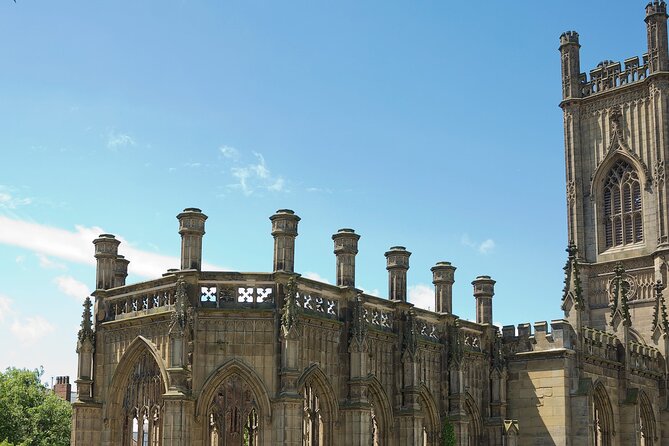
- The medieval beginning is easy to miss: Liverpool Parish Church Gardens offers clues to the city’s origins in the 13th century.
- The Old Dock is a major highlight: You learn how the 1715 wet dock changed the city’s fortunes.
- John and Julio lead the experience: John is especially noted for his detailed, passionate talks, while Julio brings an engaging style.
- Expect an outdoor, fact-packed route: The walk lasts about 1 hour and 50 minutes and covers busy city streets and waterfront areas.
- The history is not polished over: The tour addresses Liverpool’s role in Atlantic trade and the transatlantic slave trade.
Why this walk gives Liverpool a useful shape
Liverpool can feel like several cities at once. You have the grand waterfront, modern shopping streets, Georgian civic buildings, medieval traces, and old commercial districts. A first visit can leave you admiring the architecture without understanding why it is there.
This walk ties those pieces together. You begin at the Royal Liver Building, move toward the old town, pass sites linked with commerce and Atlantic trade, and finish by the docks. The route shows Liverpool as a working port first and a sightseeing destination second.
That focus is useful. The Beatles are an important part of Liverpool, but this experience is about the older forces that made the city wealthy and influential. You hear about shipping, cotton, docks, global trade, civic growth, and wartime importance. If you want a stronger foundation before visiting museums or attractions on your own, this is a sensible first activity.
The guide makes a real difference here. John is frequently praised for his command of the subject, his humor, and his ability to keep talking through cold and windy weather. He also encourages questions. Julio is described as engaging and clear, and one group particularly appreciated having a smaller crowd.
The advertised maximum is 40 people. That is not a tiny group, so your experience may depend on the day and the guide’s ability to keep everyone close and audible. The route passes streets with traffic noise, yet John has been able to project clearly in those conditions.
More History Walking Tours in the UK
- A History of Terror – Belfast City Centre Walking Tour
★ 5.0 · 2,883 reviews - Edinburgh: Old Town History and Tales Walking Tour
★ 4.8 · 2,361 reviews - Old Town Walking Tour History and Tales in Edinburgh
★ 5.0 · 2,168 reviews
Starting beneath the Three Graces
The meeting point is the Liver Building at Pier Head, one of Liverpool’s easiest landmarks to find. This gives the tour a strong opening. You are not beginning beside an anonymous street corner, but in front of one of the city’s defining buildings.
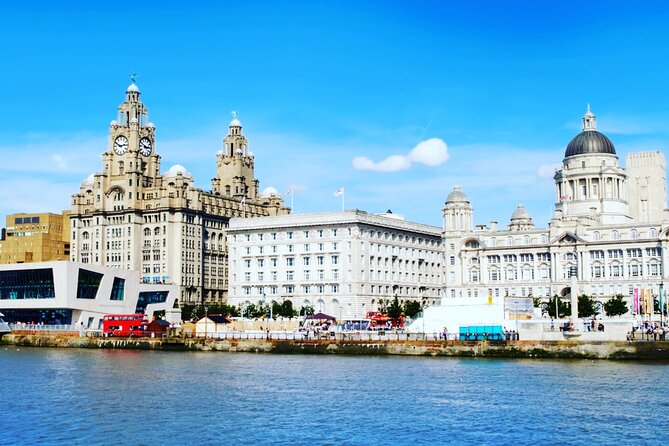
The Royal Liver Building forms part of the Three Graces, along with the Cunard Building and the Port of Liverpool Building. The opening talk sets up the waterfront and explains why these grand structures appeared here. You get the context before walking away from the river.
The stop lasts about 10 minutes, and admission to the building is not included. That matters because this is an exterior introduction rather than a visit inside. If you want an interior tour or a climb, you would need to arrange that separately.
The waterfront can be exposed. Even on a pleasant day, wind from the river may make the start cooler than expected. Keep your coat handy rather than packing it away after breakfast.
Liverpool Parish Church Gardens and the medieval city
The route then crosses the Strand toward Liverpool Parish Church Gardens. This is where the city’s early story becomes more concrete.
The church was once known as St. Nicholas’ Church, named for the patron saint of the sea. That name fits Liverpool’s long connection with ships and ocean trade. The site also provides evidence of the town’s medieval beginnings, reaching back to the creation of Liverpool in 1207.
This is one of the most useful stops for first-time visitors because modern Liverpool can hide its early roots. You are surrounded by a large commercial city, yet the churchyard points back to a much smaller settlement. The guide uses the surviving place and its physical setting to explain the 13th-century town.
The stop lasts around 15 minutes and is free to enter. It is not a grand indoor attraction, so the value comes from the explanation. Without a guide, you might pass through without realizing how important the site is.
Old Hall Street and Liverpool’s hard-edged commercial past
Old Hall Street shifts the focus from medieval origins to trade. The street dates to the 13th century and was connected with the old town hall after Liverpool received its town charter.
You pass Grade I listed buildings and reach the area associated with the Cotton Exchange. This is where the city’s global trading role becomes central. Liverpool’s cotton trade grew so strongly that by the late 18th century it had overtaken London in that field.
This section also deals with Atlantic trade and Liverpool’s role in the transatlantic slave trade. That is essential context. The city’s prosperity did not come from harmless commerce alone, and a useful history walk should explain who gained, who suffered, and how global systems shaped local wealth.
The guide’s detailed approach works well here, since the buildings can look like a collection of fine old facades unless someone explains their purpose. You are not simply told that Liverpool was important. You learn how trade networks affected streets, offices, warehouses, and civic ambition.
Some of the information comes quickly. If you prefer a quiet, slow-paced stroll with only a few facts, this section may feel dense. If you want a serious introduction to the city’s commercial past, it is one of the strongest parts of the route.
Same streets, a different century:
- London Small Group Tour of Historical Pubs
★ 5.0 · 10,422 reviews - Edinburgh: Edinburgh Castle Guided History Tour with Tickets
★ 4.8 · 9,933 reviews - Edinburgh: Whisky Tasting with History and Storytelling
★ 4.9 · 2,451 reviews - Soho Music & Historic Pubs Tour
★ 5.0 · 1,993 reviews
Liverpool Town Hall and Georgian power
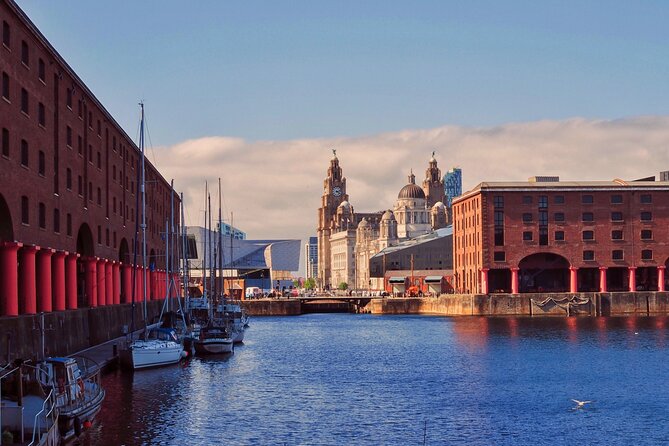
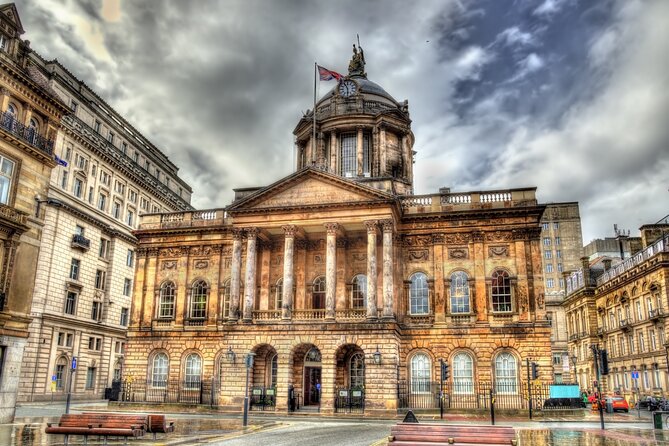
Liverpool Town Hall, built in 1749, provides another change in tone. The building represents the city’s growing wealth and confidence during the Georgian period.
The talk here covers the town hall itself and Liverpool’s development as a port and commercial center. You begin to see how trade money became civic display. A prosperous port needed offices, public buildings, and symbols of status, and the town hall helped express that new importance.
Admission is not included, so expect to view the building from outside as part of the walking tour. That is enough to understand its place in the route, though you will not get an interior visit through this experience.
The stop is around 10 minutes. If the group is large, the guide may need to position everyone carefully so you can hear while standing near the street.
Castle Street and the vanished castle
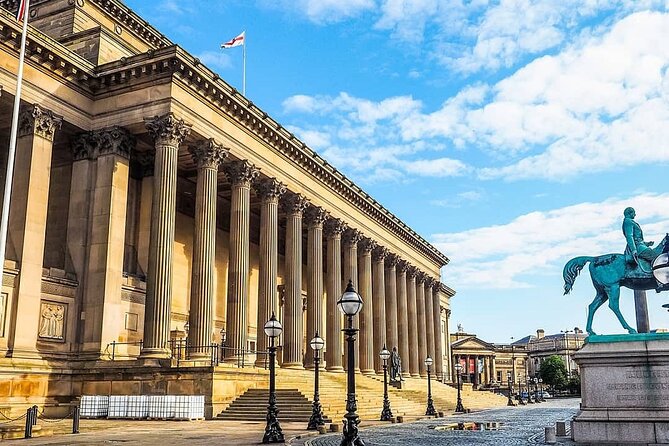
Castle Street is a fine place to notice Liverpool’s changing architecture. The route uses the street as a literal passage through time, moving from older foundations toward the city’s 18th-century growth.
The name points to Liverpool Castle, a structure that no longer survives as a complete building. The guide explains where it stood and why Castle Street mattered to the town’s development. This helps you read the city beneath the modern surface.
There is no admission fee, and the talk lasts about 15 minutes. You are mainly examining the street, buildings, and historical layout. That means the experience is strongest when you enjoy using architecture and street plans as clues.
The Queen Victoria Monument follows as a related stop. Here the story turns again toward Liverpool’s expansion and its rise to become the largest port on the planet for global trade by 1800. The monument is also near the stated end point at One Derby Square, making the area a useful place to continue exploring after the formal walk.
Liverpool ONE and the modern city
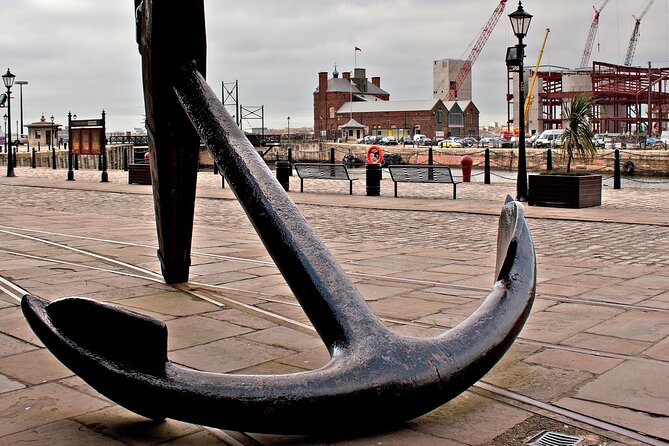
The section through Liverpool ONE is shorter and more contemporary. The guide explains the shopping district, its shops, and its attractions.
This is not the historic heart of the tour, but it provides a helpful contrast. You move from old streets, vanished buildings, and commercial offices into a modern retail area. Liverpool’s city center has changed dramatically, and this stop shows that the city’s working identity continues to shift.
Some people may find this part less compelling than the medieval and dock sections. It is also a reminder that the experience is an overview rather than a specialist architectural walk. The guide is trying to connect past and present, not spend every minute on heritage buildings.
The Old Dock, where Liverpool’s port changed course
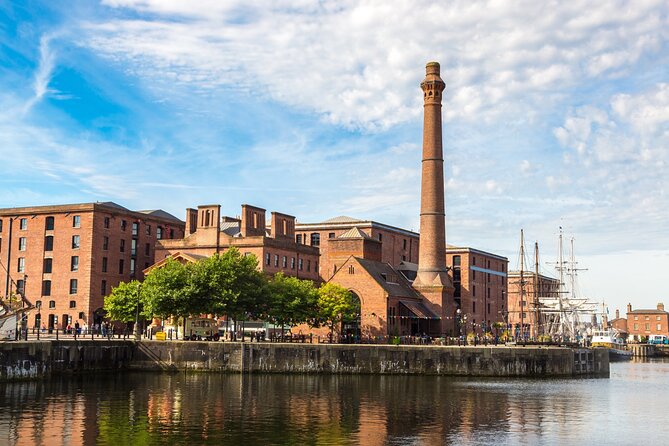
The Old Dock is one of the most important stops on the route. Built in 1715, it was the first commercial wet dock on the planet.
A wet dock allowed ships to remain afloat regardless of the tide. That practical change helped Liverpool handle cargo more efficiently and gave the port a major advantage. The guide explains how this dock helped Liverpool grow into one of the world’s most efficient ports.
This is the point where earlier subjects connect. Atlantic trade, cotton, shipping, and civic wealth were not separate stories. They depended on the port’s ability to receive, hold, and move goods.
You do not need to be a maritime specialist to appreciate this stop. The basic idea is easy to grasp, yet its effects were enormous. A site that may look modest today helped change Liverpool’s place in world commerce.
The stop lasts about 10 minutes and is free. Because the physical remains may not look dramatic at first glance, listen closely to the explanation. The significance is in what the dock made possible.
Royal Albert Dock and Liverpool’s 19th-century reach
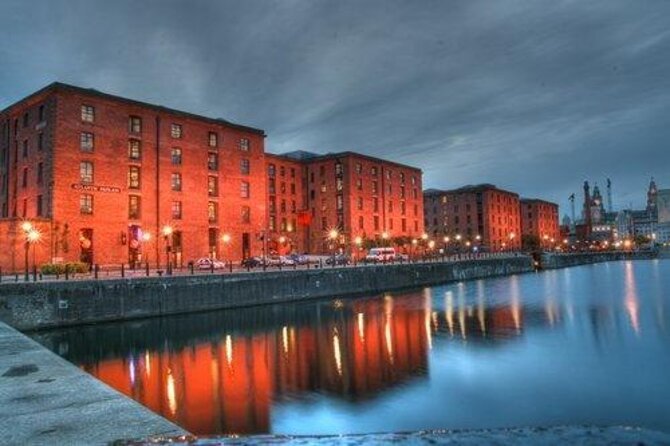
Royal Albert Dock brings the story into the 19th century. Built in 1846, it became a major center of Liverpool’s commerce.
The dock’s scale and layout make the port’s ambition easier to see. Here the tour covers commercial activity as well as Liverpool’s role during the First and Second World Wars. That wartime connection adds another layer to the waterfront. The docks were not simply places for trade. They also mattered to national logistics and military supply.
You spend about 10 minutes here. The area has plenty to see beyond the tour, so I would note anything that catches your interest and return later at your own pace. This walk gives you historical orientation, but it does not replace a full visit to the dock’s museums or attractions.
The route then returns to the Three Graces for a final look at the waterfront. The stated tour description places the closing talk at the Royal Liver Building, while the meeting information gives the Queen Victoria Monument as the end point. Since both locations are in the central area, check the exact end point and timing when you book.
How much value do you get for $27.74?
At $27.74, this is reasonably priced for a guided walk lasting close to two hours. You are paying for a local historian’s preparation and storytelling, not for entry to a museum or monument.
The value is strongest if you want a broad introduction to Liverpool before exploring on your own. In one outing, you cover medieval origins, civic buildings, Atlantic trade, cotton, the old port, modern retail development, and the major docks. Buying separate guided explanations for all those subjects would cost more and take longer.
The price is less attractive if you want interior access or a very small private group. No admissions are included, and the maximum group size is 40. The experience also depends heavily on the guide. John’s detailed approach has made a strong impression, while Julio has been praised for keeping the walk engaging.
The rating is 4.8 from 911 ratings, with 97 percent of people recommending it. That is a strong signal, but it does not erase the practical cautions. Two serious complaints concern cancellations shortly before the start, including one situation when the group had already reached the meeting point. The provider gave refunds and offered another date, but a late cancellation can still spoil a carefully planned day.
Pace, weather, and practical comfort
This is an outdoor walk in an exposed city center. The route is suitable for most people, and service animals are allowed. It is near public transportation, which makes reaching the start fairly simple.
Wear comfortable shoes. The walk is not described as strenuous, but you will be on your feet and moving between several districts. A warm, windproof jacket is especially important near the river. Rain or poor weather can lead to cancellation, with a different date or a full refund offered.
The guide may speak quickly because there is so much ground to cover. Stay near the guide and ask for a repeat if you miss a point. The best guides encourage questions, and John in particular has been described as willing to keep the conversation going.
English is the only offered language. The tour uses a mobile ticket, and confirmation arrives at booking. Free cancellation is available until 24 hours before the start time. After that, changes and refunds are not accepted under the stated policy.
Who should book this Liverpool walk?
I would choose this tour for a first visit, especially if you want Liverpool to make sense before visiting its museums and historic buildings. It suits anyone curious about ports, trade, architecture, medieval towns, and the forces behind urban growth.
It is also a good fit for people who want history beyond the Beatles. You will still finish near the waterfront, but the main subject is the city’s long commercial and maritime story.
You may want something else if you prefer a slow photographic walk, a Beatles-focused route, or extended time inside historic buildings. The facts come quickly, the group may be fairly large, and the walk does not include admissions.
Should you book A Walk Through Time?
Yes, if you want a compact, serious introduction to Liverpool’s past for $27.74. The strongest reasons are the connected route, the Old Dock explanation, the honest treatment of Atlantic trade, and the guides’ evident passion for their subject.
Book with a warm coat, comfortable shoes, and realistic expectations about pace. I would also avoid placing an unmissable activity immediately afterward, given the occasional late cancellation reports. For a first orientation to Liverpool’s docks, commerce, and medieval beginnings, this walk gives you a useful framework and plenty of ideas for what to explore next.
FAQ
How long does the walking tour last?
The tour lasts approximately 1 hour and 50 minutes.
What is the price?
The listed price is $27.74 per person.
Where does the tour start?
It starts at the Liver Building, Pier Head, Liverpool L3 1HU, UK.
Where does the tour end?
The meeting information gives the Queen Victoria Monument at One Derby Square, James Street, as the end point. The tour description also refers to a final stop at the Three Graces, so check the exact end point when booking.
Which language is offered?
The tour is offered in English.
Who guides the tour?
The named guides associated with the experience are John and Julio. John leads many of the described walks and is especially focused on Liverpool’s history.
Are admission tickets included?
Admission tickets are not included for the Royal Liver Building or Liverpool Town Hall. The other listed stops are described as free.
How many people can join?
The maximum group size is 40 people.
Is the tour suitable for most people?
Yes. Most people can participate, and service animals are allowed. The experience takes place outdoors and involves walking between several stops.
What happens if bad weather cancels the tour?
If poor weather causes cancellation, you will be offered another date or a full refund.
Newest history tours we have reviewed in the UK
- Belfast: Best of Belfast History, Culture & Art Walking Tour★ 4.9 · 158 reviews
- Belfast Walking Tour with a Local – History & Craic★ 4.9 · 130 reviews
- Belfast: Peacewall and Political History Black Taxi Cab Tour★ 5.0 · 60 reviews
- Bath : 2 Hour Historic Walking Tour With An App★ 3.6 · 19 reviews
- London: Private Landmark Tour with Professional Photographer★ 4.7 · 91 reviews
- American Heritage in London 4 Hour Private Tour in a Black Cab★ 5.0 · 64 reviews
- Private Rock n Roll History Tour of London in an Iconic Black Cab★ 5.0 · 65 reviews
- London: Medieval History Walking Tour from The Tower★ 4.9 · 318 reviews
History Walking Tours, compared.
History and Hauntings of Salem Guided Walking Tour
Read our review →
Freedom Trail History Small Group Walking Tour
Read our review →
Historic Charleston Guided Sightseeing Walking Tour
Read our review →
Tapas Walking Tour with Food, Wine, and History
Read our review →
Savannah History and Haunts Candlelit Ghost Walking Tour
Read our review →
A History of Terror – Belfast City Centre Walking Tour
Read our review →Browse the lists this tour appears in