
Review · UK HISTORY TOURS
Curious Cambridge – The History Tour that’s FUN!!!
Cambridge’s past comes alive through good stories rather than a lecture on this 90-minute walk. You’ll hear about Newton, night climbers, ancient roads, university pranks, town-versus-gown fights, and the laboratory where the secret of life was discovered. Guides including Peter, Ben, Simon, Chuck, and Chris bring different personalities to the route.
I like the clear route from Jesus Green to the Corpus Clock, which gives you both an easy introduction and a useful finish in the city center. I also like the family-friendly tone: a nine-year-old and a 15-year-old are specifically reported as enjoying it, not merely tolerating it.
The main drawback is simple: you see the colleges from outside. The tour also depends on guide availability, so a last-minute cancellation is possible, though it appears to be unusual and the company offers a refund when it happens.
Key points at a glance
- Ancient Cambridge in 90 minutes: Follow the city’s story from Roman, Viking, and Norman conquest to modern university life.
- A story-led walk: Expect fun facts, local oddities, famous people, and jokes instead of a formal academic talk.
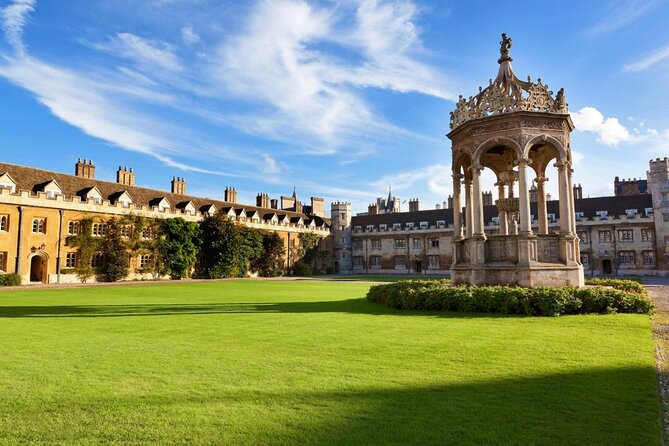
- Nine worthwhile stops: The route includes Magdalene College, St. John’s College, Trinity College, Trinity Hall, Caius, Market Square, St Bene’t’s Church, and Castle Hill.
- College exteriors only: You will pass major colleges but will not enter them, which keeps the cost and timing down.
- Good for mixed ages: The guides aim to keep children, teenagers, and adults interested at the same time.
- Strong value at $27.74: For a compact orientation to Cambridge, the price is reasonable, especially if you want context before exploring alone.
Why this Cambridge walk works
Many city tours give you names and dates, then leave you to sort out why they matter. Curious Cambridge takes a different path. It links a building or street to a tale you can remember, such as the odd instruction left by the founder of Gonville and Caius College or the university prank associated with Trinity.
That approach matters in Cambridge. The colleges can look alike at first, with gates, stone walls, courtyards, and formal names arriving in quick succession. A lively guide helps you connect each place to a person, scandal, invention, or custom.
The tone is friendly and flexible. The route can change slightly depending on questions and audience interest, so you are not locked into a speech delivered word for word. Peter has been praised for using photographs to explain landmarks and for suggesting chapels, libraries, and museums to visit later. Ben is known for keeping the walk amusing while adding both ancient and recent facts.
You should expect a gentle meander, not a race through Cambridge. At roughly ten minutes per main stop, the pace leaves room for explanation and questions. The group can reach 25 people, large enough to provide energy but still manageable on city streets.
More History Tours in the UK:
- London Small Group Tour of Historical Pubs
★ 5.0 · 10,422 reviews - Edinburgh: Edinburgh Castle Guided History Tour with Tickets
★ 4.8 · 9,933 reviews - A History of Terror – Belfast City Centre Walking Tour
★ 5.0 · 2,883 reviews
From Jesus Green to Magdalene Street
The walk begins at Jesus Green Lock House, Cambridge CB4 3AX. This is a useful starting point because the tour does not throw you straight into a crowded college gate. Instead, you begin near the water and move toward the old heart of Cambridge.
The first stop is Cambridge itself, a brief opening before the route settles into its story. You will get the broad picture of a city with more than 1,000 years of history, then move into the details.
Magdalene Street and Bridge offer the first substantial pause. This was an ancient roadway and the center of what was once Cambridge’s port. That detail helps you picture the city before the university dominated its identity. Cambridge was not simply a collection of colleges. It was also a working settlement shaped by movement, trade, and the river.
Magdalene College is seen from outside. You should not expect an interior visit, but the setting gives the guide a chance to explain how the college district grew around older routes and the water. If you want polished interiors, you will need a separate college visit later.
St. John’s, the Round Church, and university beginnings
The route continues to St. John’s College and the Round Church. The church is tied to the early seeds of the university, so this stop gives the tour a useful shift from city history to academic history.
The value here is not only the building itself. You begin to see how religious institutions, roads, and learning came together in medieval Cambridge. The guide can also help you understand why the university is spread through the city rather than enclosed in one campus.
St. John’s is another exterior stop. That limitation is worth keeping in mind if you have come hoping to walk through college courts. Still, the outside route lets you cover several famous institutions in one short outing, which is a fair trade at this price.
Trinity College and the Newton connection
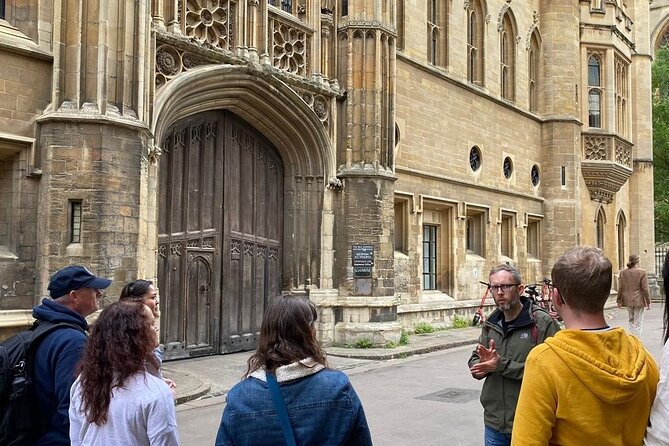
Trinity College receives about ten minutes, with good reason. It is described as the wealthiest college in either Oxford or Cambridge, and it has links to Isaac Newton. The guide also brings in one of Cambridge’s longest-running pranks, keeping the stop from becoming a dry account of college wealth and famous alumni.
This is one of the places where the tour’s style should work best for you. Instead of simply hearing that Newton was connected with Trinity, you get a story-based reason to remember the college. The prank adds a human touch to a grand institution.
Again, you see Trinity from the outside. The route is designed as an introduction, not as a substitute for an official college admission ticket. If Trinity is your priority, note the name and return later if access is available.
Same streets, a different century:
- Edinburgh: Whisky Tasting with History and Storytelling
★ 4.9 · 2,451 reviews - Edinburgh: Old Town History and Tales Walking Tour
★ 4.8 · 2,361 reviews - Old Town Walking Tour History and Tales in Edinburgh
★ 5.0 · 2,168 reviews - Soho Music & Historic Pubs Tour
★ 5.0 · 1,993 reviews
Trinity Lane and the less polished past
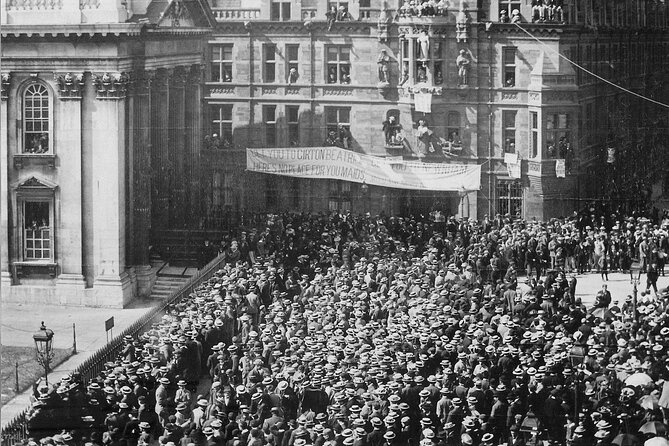
Trinity Lane has a name that sounds respectable today, but its older nickname was pisspot lane. That small fact says plenty about the gap between Cambridge’s polished present and its less tidy past.
The guide uses this part of the route to show that historic streets were practical places, not just pretty backdrops. You will hear how the lane changed over time, with humor helping the information stick.
This stop also keeps the walk grounded. Cambridge can feel formal and grand, but the city’s past included ordinary mess, poor sanitation, crowded lanes, and rough habits. Those details make the tour feel more like a city story than a parade of prestigious buildings.
Gonville and Caius College’s strange instructions
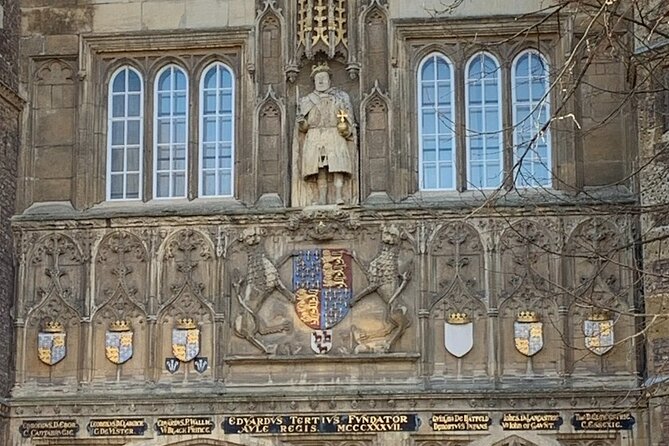
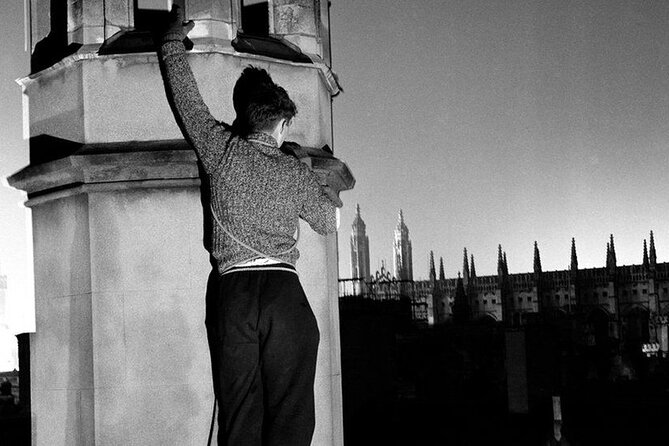
At Gonville and Caius College, the focus turns to the famous Nightclimbers and an unusual instruction from the college’s founder. Nightclimbing is one of those subjects that immediately grabs attention, especially for younger people and anyone who likes university folklore.
The tale also shows how Cambridge students have long tested rules and boundaries. You get a glimpse of student culture rather than only institutional history.
This is a strong family stop because it offers a clear image to hold onto. Chris has been praised for mixing carefully researched facts with fun details, and that balance is important here. The children in your group may not remember a founding date, but they are more likely to remember the night-climbing story.
Market Square and town-versus-gown Cambridge
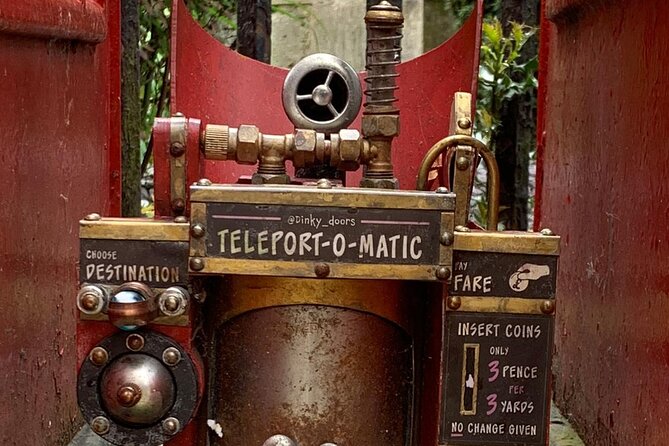
Market Square brings you into one of Cambridge’s oldest markets. It is also tied to famous bell chimes and some fierce town-versus-gown fights.
Town versus gown refers to the long tension between local residents and university members. That conflict gives you a better sense of Cambridge as a lived-in city. The university brought status and money, but it also brought crowds, rules, and friction with people who were not part of college life.
The market is a useful change of scene after the college stops. You are no longer looking mainly at gates and walls. You are in a civic space with a long practical role, where Cambridge’s residents and university community met, traded, argued, and sometimes fought.
The tour does not include shopping time, so do not plan to browse the market at length during the walk. If a stall catches your eye, make a note to return after the tour.
St Bene’t’s Church, DNA, and the Corpus Clock

St Bene’t’s Church on Benet Street is one of the most important stops because it is the oldest building in Cambridge. The church gives you a direct physical link to the city’s early past, rather than another view of a later college facade.
The stop also brings together science and pub culture. You will hear about the laboratory where the secret of life was discovered, then the pub where the discovery was announced over a pint. That pairing is memorable because it connects a major scientific breakthrough with an ordinary Cambridge social ritual.
Finally, you reach the Corpus Clock. Its famous Chronophage is a fitting last sight, since the clock is unusual, slightly unsettling, and easy to remember. The tour ends opposite King’s College at the Corpus Clock, on Trumpington Street, so you finish near one of Cambridge’s best-known central sights.
For me, this ending makes practical sense. You are left in a spot where you can continue sightseeing, find food, visit nearby attractions, or return to a college area. The finish also gives the walk a clear final image rather than simply stopping on an anonymous street.
Castle Hill and the city’s earliest chapter
Castle Hill is included as a planned stop, though the exact order or emphasis can vary with questions and group interest. This is where Cambridge is said to have begun, with Romans, Vikings, and Normans all linked to the site.
The key point is geography. Castle Hill relates to the last bridge before the sea, making it easier to understand why this location mattered. Cambridge did not appear at random. Its position helped make it useful to different groups over many centuries.
Because the total tour lasts about 90 minutes, you should expect an overview rather than a long archaeological discussion. That is appropriate for a first walk. The tour gives you the framework, then you can return to any place that catches your interest.
What guides bring to the walk
The guide can shape the experience more than the route does. Peter is especially good for visitors who like visual help and follow-up ideas, since he has used pictures of landmarks and pointed people toward chapels, libraries, and museums.
Ben brings an entertaining approach with facts from both ancient and recent Cambridge. Simon has been praised for enthusiasm and storytelling, with the added ability to keep a teenager interested. Chuck is associated with an informative walk through key city sights, while Chris is noted for handling different age groups well.
Those names do not promise the same performance every day, but they show the company’s preferred style: informed, warm, and lightly comic. You should be ready to ask questions. Since the route can respond to audience interests, your questions may affect how much time goes to university history, local life, science, or odd stories.
Price, group size, and practical value
At $27.74 per person, this is priced like an affordable orientation walk rather than a premium private tour. I think the value is strongest if Cambridge is new to you and you want a clear map of its main stories before spending money on separate attractions.
The tour covers nine planned points in about 90 minutes, with no admission charges at the stops. That keeps the cost down, but it also means you are paying for the guide’s interpretation, not for entry to college interiors or museums.
The maximum group size is 25. That is not an intimate private walk, and you may occasionally need to position yourself carefully to hear or see the guide. In return, the price remains accessible for families and couples.
The tour is offered in English and uses a mobile ticket. Most people can participate, and service animals are allowed. It is near public transportation, which helps, but you should still allow time to reach Jesus Green Lock House before the start.
Free cancellation is available up to 24 hours before the start time. A cancellation inside that window is not refundable. The company also requires a minimum number of participants, and if it cancels because that number is not reached, you are offered another date or a full refund.
One caution is worth noting: a guide illness has caused a late cancellation in at least one case, without a replacement guide available. That appears to be unusual, but if your schedule is tight, avoid placing this walk immediately before a fixed train, flight, or timed admission.
Who should book Curious Cambridge?
I would choose this tour for a first visit, a family day in Cambridge, or a short stay when you need orientation fast. It suits people who remember places through stories, jokes, and odd facts more easily than through dates.
It is also a good choice for parents with children or teenagers. The tone is designed to make the walk feel like an outing rather than homework, and the route includes subjects that can hold younger attention, including pranks, night climbers, old fights, and the Chronophage.
You may want something else if your main goal is entering college chapels, libraries, or courtyards. This tour shows you the outside and explains the setting, but it does not include admission.
Should you book it?
Book Curious Cambridge if you want a lively, affordable introduction to the city and its university. The strongest reasons are the memorable storytelling, the broad range of subjects, the useful start-to-finish route, and the ability to keep different ages involved.
Skip it if you want a quiet specialist lecture, a private guide, or guaranteed access inside the colleges. For most first-time visitors, though, $27.74 buys a practical foundation. You finish at the Corpus Clock with a better sense of what to explore next, and that is exactly what a good introductory walk should do.
FAQ
How long does Curious Cambridge last?
The tour lasts approximately 1 hour and 30 minutes.
Where does the tour start?
It starts at Jesus Green Lock House, Cambridge CB4 3AX, UK.
Where does the tour end?
It ends at the Corpus Clock at 58 Trumpington Street, opposite King’s College.
Does the tour enter the colleges?
No. The walk passes colleges including Magdalene, St. John’s, Trinity, Trinity Hall, and Gonville and Caius, but college interiors are not included.
What language is the tour offered in?
The tour is offered in English.
Can I cancel for a full refund?
Yes. You can cancel at least 24 hours before the start time for a full refund. Cancellations made less than 24 hours in advance are not refunded.
Newest history tours we have reviewed in the UK
- Ilfracombe Seafront History Walking Guided Tour★ 5.0 · 18 reviews
- Walking Bogside History Tour in Guildhall★ 5.0 · 280 reviews
- Private tour of the stunning Cotswolds with an expert local guide★ 5.0 · 45 reviews
- Birmingham Gangs Nighttime Historical Walking Tour with Pub Stops★ 5.0 · 53 reviews
- 2.5-Hours Walking Tour of Birmingham into Black Heritage Madiba★ 5.0 · 49 reviews
- Private Political History & Murals Tour Belfast★ 5.0 · 182 reviews
- Belfast Walking Tour: City Centre History, Troubles & Stories★ 5.0 · 39 reviews
- Belfast Political/history/troubles private taxi/cab tour★ 5.0 · 69 reviews
UK History Tours, compared.
Edinburgh Castle Guided History Tour with Tickets
Read our review →
A History of Terror – Belfast City Centre Walking Tour
Read our review →
Old Town Walking Tour History and Tales in Edinburgh
Read our review →
Browse the lists this tour appears in