
Review · TOKYO HISTORY TOURS
From Tokyo: Nikko World Heritage Sight Full Day Private Tour
Nikko gives you two very different Japan experiences in one day: the ornate world of Toshogu Shrine, then the cool mountain scenery around Lake Chuzenji and Kegon Falls. This private tour handles the long drive from Tokyo and links sights that are spread across the valley and mountains.
I like the door-to-door van service and the freedom to adjust the day. Guides such as Mirza, Imran, and Kashif have been praised for safe driving, clear explanations, family help, and taking useful photos. I also like that an early start can help you beat the crowds and return to Tokyo before dark.
The catch is the distance. You can spend about four hours in the van, and traffic can make the day feel full. The ropeway may close in bad weather, and the published route does not clearly guarantee every extra attraction mentioned in the highlights, including Edo Wonderland.
Key points for your Nikko day
- Toshogu Shrine: See Yomeimon Gate, the sleeping cat carving, colorful decoration, and the forest setting of Tokugawa Ieyasu’s mausoleum.
- Private transport: A group of up to six shares a luxury, air-conditioned van with Wi-Fi, highway fees, hotel pickup, and hotel drop-off.
- Mountain views: Akechidaira offers the best broad view toward Mount Nantai, Lake Chuzenji, and Kegon Falls when weather allows.
- Flexible pacing: Your guide can adjust stops for children, older family members, weather, crowds, and personal interests.
- Kanmangafuchi option: The quiet path lined with Jizo statues is a worthwhile addition, though it is not shown in every timed route.
- Seasonal appeal: Autumn color, winter snow and ice, and summer mountain air each give Nikko a different character.
Why Nikko works as a private day trip from Tokyo
Nikko is not a simple single-site outing. The main shrines sit near the town, while Lake Chuzenji and Kegon Falls are much higher in the mountains. A public transport day is possible, but you must coordinate trains, buses, walking, and mountain road conditions.
This tour removes that puzzle. Your driver collects you at your Tokyo hotel, takes you north in a private van, and returns you after roughly 10 hours. That matters most for families, groups of friends, and anyone who values time more than the lowest possible fare.
The price is $362 per group of up to six. For six people, that is about $60 per person before food and admission charges. For two people, the cost per person is much higher, but you are paying for private transport, hotel pickup, a guide, flexibility, Wi-Fi, highway fees, and the ability to leave the driving to someone else.
I would compare this with the cost and effort of arranging several train and bus connections. The private van is especially useful in autumn, on national holidays, or when you are traveling with a stroller. It is not the cheapest way to reach Nikko, but it can be good value if your group wants to cover both the cultural sites and the mountain area in one day.
More Private History Tours in Japan
- From Tokyo: Nikko World Heritage Site Private Full-Day Trip
★ 4.9 · 243 reviews - Tokyo: Nikko World Heritage Private Day Trip Hotel Pick-up
★ 4.8 · 145 reviews - 2.5 Hour Private History and Culture Tour in Himeji Castle
★ 5.0 · 185 reviews
Shinkyo Bridge gives you Nikko’s graceful opening
The first sightseeing stop is usually Shinkyo Bridge, a striking red and brown bridge crossing the Daiya River. It is one of Nikko’s most recognizable views, with forested hills and the river below.
The stop is listed at about 30 minutes. That gives you time for photographs, a short walk, and a brief explanation of the bridge’s role as a gateway toward the sacred sites. Do not expect a long riverside outing here. Think of it as a smart first stop that places you in Nikko’s spiritual center.
The bridge can be particularly attractive in autumn, when the surrounding trees turn color. Snow also gives the scene a different mood. Your guide can help with photos, which is useful because the best picture often requires someone to frame the bridge, river, and hillside together.
Toshogu Shrine is the cultural heart of the day
Toshogu Shrine is the main reason many people make the trip to Nikko. It honors Tokugawa Ieyasu, founder of the shogunate that shaped Japan for more than two centuries. The complex is set among tall trees, and the contrast between dark forest and detailed painted buildings makes the visit feel unlike a typical city shrine.
Look closely at the decoration rather than rushing from gate to gate. Yomeimon Gate is covered with intricate carvings and strong colors. The famous sleeping cat carving is smaller and easier to miss, so ask your guide to point it out. The shrine’s craftsmanship rewards a slow pace, especially if your guide explains the symbols and the political role of the Tokugawa family.
The timed plan gives about 30 minutes at Toshogu, plus separate time for the Toshogu Art Museum and Futarasan Shrine. That is enough for a focused introduction, but not enough for every corner of the complex if you want to linger over architecture, religious details, and all the smaller buildings.
Entry fees are not listed among the inclusions. Budget for admission, and carry cash because one summer visitor specifically advised being ready for entry payments. Food and drinks are also extra.
The Toshogu Art Museum adds context, but its importance will depend on your interests and the exhibitions available on the day. Futarasan Shrine offers a quieter contrast to Toshogu. It is associated with the mountains and the older religious traditions of Nikko, making the pair useful for understanding how shrine and temple culture developed together in the area.
Kanmangafuchi Abyss brings a quieter side of Nikko
Kanmangafuchi Abyss is not a dramatic canyon in the usual sense. It is a peaceful riverside path shaped by volcanic terrain, trees, moss, and the sound of moving water. More than 70 Jizo statues line the route, representing the spirits of children and travelers.
This is one of the best places to ask for a change of pace. After the crowds and elaborate carving at Toshogu, the path gives you room to walk quietly and look around. The statues are individually expressive, and the forest setting makes the stop feel personal rather than ceremonial.
The walk leads toward Jiunji Hondo Temple. Allow enough time for uneven ground and steps. The stop is not always shown in the short scheduled route, but the private format makes it a sensible request, especially if the ropeway closes or you want more time outdoors.
More UNESCO World Heritage Tours in Japan
- World Heritage Shirakawa-go and Experience Tours from Kanazawa
★ 5.0 · 4,049 reviews - World Heritage Kyoto & Nara Uji Authentic Matcha Experience
★ 5.0 · 1,573 reviews - Kanazawa: World Heritage Shirakawa-go Morning Guided Tour
★ 4.9 · 988 reviews - Hiroshima Peace (Heiwa) Walking Tour at World Heritage Sites
★ 5.0 · 872 reviews
Lake Chuzenji turns the day into a mountain outing
The road climbs from Nikko town toward Lake Chuzenji, a highland lake at the foot of Mount Nantai. The journey itself is part of the experience. You leave the shrine district and move into mountain scenery, with views that change according to season and weather.
The plan allows about 90 minutes at the lake. That is a useful amount of time for photographs, a walk, lunch, and a little quiet by the water. Boating, hiking, and picnicking are possible in the area, but optional activities and rentals cost extra.
The lake is most famous for its autumn color, but winter can be just as striking. Snow around the shore and mountain views give the area a calm, spare beauty. Summer offers a break from Tokyo’s heat, though you should still bring water, sunscreen, and a hat.
Do not assume clear views. Clouds, rain, and mist are common mountain conditions. Even when the summit views disappear, the lake can still be worthwhile. One useful advantage of a private guide is the ability to spend more time at the lake if the conditions are better there than at another stop.
Akechidaira Ropeway depends on the weather
The Akechidaira Ropeway is the high point of the scenic part of the route. The short ride carries you to an observation area with views toward Mount Nantai, Lake Chuzenji, and Kegon Falls.
The stop is planned for about 45 minutes, including the ride and free time. On a clear day, this is likely to be your best single panorama. The view helps you understand the geography of Nikko, with the lake, waterfall, forest, and volcanic mountain all connected in one sweep.
There is an important limitation: wind and bad weather can close the ropeway. This has happened during winter visits, and it is not something your driver can control. A flexible guide may replace it with Kanmangafuchi Abyss, an imperial villa, or another local stop, but you should confirm the backup plan when booking.
If the ropeway matters greatly to you, check the forecast and keep your expectations flexible. The road trip and lake remain worthwhile, but the signature panorama may not be available.
Kegon Falls finishes with a powerful view
Kegon Falls drops about 97 meters into a rocky gorge and is one of Japan’s best-known waterfalls. The main viewpoint is reached by a short walk from the Lake Chuzenji area, and the planned stop lasts about an hour.
The falls change sharply with the seasons. In summer, water pours through the gorge against green forest. In autumn, the surrounding trees add color. In winter, ice can form around the waterfall, creating the striking frozen scene that made several January visitors especially glad they had come.
The stop includes free time, and the supplied plan also refers to tea and coffee tasting. Treat those as light refreshment opportunities, not as a full meal. You will need to arrange lunch separately, and your guide can suggest places to eat.
Kegon Falls is easy to photograph, but do not rush away after the first view. The gorge, surrounding rock, and changing water give you several angles. If you have mobility limits, ask about the exact walking route in advance because some areas may not be easy to reach.
The van, guide, and family-friendly pace
The private van is the practical backbone of this tour. You get air conditioning, Wi-Fi, and space for a private group of up to six. That makes the long return trip less tiring than managing a crowded public route after a full day of walking.
The guide quality matters here because the driver is also your main source of local context. Mirza is repeatedly praised for flexible planning, clear English, safe driving, and taking photos. Imran receives similar praise for helping families, working around crowds, and adjusting the schedule for a visitor using a wheelchair and crutches. Other named guides include Musa, Kashif, and Cheema.
The service seems particularly suited to families. A guide has helped with strollers, kept young children safe, waited patiently, and avoided making parents feel hurried. One family traveled with children aged one, four, and seven and found the day manageable because the guide adjusted his pace.
That said, private transport does not remove every physical challenge. Toshogu includes walking and steps, Kanmangafuchi has an uneven path, and mountain viewpoints may require walking. The activity is not recommended for people over 95, and some areas are not suitable for people with mobility impairments. Explain your needs before the day, not after arriving.
Timing matters more than most people expect
The drive from Tokyo takes about two hours each way under the planned schedule. Traffic can stretch that, especially during autumn foliage, weekends, and national holidays. An early pickup is one of the best ways to protect your sightseeing time.
Several visitors found that leaving around 7 a.m. helped them see the main sites and return before dark. One person specifically suggested an even earlier 6:30 a.m. pickup during busy periods. If you care about photographs, crowds, or a calmer shrine visit, ask about the earliest available start.
Hotel pickup and drop-off are available in Tokyo and Nikko. Give the provider your hotel name and address, then wait in the lobby about 10 minutes before pickup. The stated waiting limit is 60 minutes, so do not treat the pickup time casually.
The full day is approximately 10 hours including pickup. You should wear comfortable shoes, bring water, sunscreen, a hat, and a camera. Smoking is not allowed.
What the price includes, and what it leaves out
The $362 group price covers the main convenience items: private luxury transport, air conditioning, Wi-Fi, highway tax, hotel pickup and drop-off, a live guide, and photography help. It also gives you flexibility that a fixed public tour usually cannot match.
You still need money for shrine and attraction admission, meals, snacks, souvenirs, optional boat rentals, and workshops. Insurance is not included. If Edo Wonderland is important to you, confirm it directly before booking because it appears in the promotional highlights and cultural activities, but it is not included in the timed route shown for this day.
Free cancellation is available up to 24 hours before the start, and you can reserve now and pay later. Those terms are useful if weather is uncertain, especially because the ropeway can close.
Who should book this Nikko tour?
I would recommend it to a group of up to six that wants to combine Nikko’s shrines with Lake Chuzenji and Kegon Falls without renting a car. It is also a strong choice for families, older relatives who need a flexible pace, and visitors who prefer explanations and photo help in English, Arabic, or Hindi.
It is less suitable if you want a slow, scholarly visit to every shrine building, or if you dislike long drives. Independent visitors who are comfortable with trains and buses can spend less, but they will need to manage connections and mountain transport themselves.
Final verdict: a practical way to see Nikko in one day
Book this tour if you want the broad Nikko picture: Tokugawa architecture, sacred forest, a quiet statue-lined path, a volcanic lake, a major waterfall, and a high mountain viewpoint. The best part is not a single attraction. It is the ability to connect them without wasting your day on navigation.
Choose an early start, confirm which attractions are included, and ask about a weather backup for the ropeway. With those details settled, the private van and adaptable guide make this a strong-value day for a small group, even though the long drive and extra admission costs should be part of your calculation.
FAQ
How long is the private Nikko tour from Tokyo?
The tour lasts approximately 10 hours, including the pickup from Tokyo and the return to your hotel.
How many people can join the private group?
The price applies to a private group of up to six people.
Is hotel pickup included?
Yes. Hotel pickup and drop-off are available in Tokyo and Nikko. Provide the hotel name and address when booking, and wait in the lobby about 10 minutes before the scheduled pickup.
Which languages are available for the live guide?
Live guiding is available in Arabic, English, and Hindi.
Is food included?
No. Meals, snacks, and drinks are not included. You should budget separately for lunch and refreshments.
Can the Akechidaira Ropeway close?
Yes. The ropeway may close because of wind or other bad weather. Ask about alternative stops if the ropeway is not operating.
Are entrance fees included?
The provided inclusions do not list entrance fees. Carry money for admission, especially at attractions such as Toshogu Shrine.
What should I bring?
Bring comfortable walking shoes, a hat, sunscreen, water, and a camera. Dress for the forecast because Nikko’s mountain weather can differ from Tokyo’s.
More Private History Tours in Tokyo
- Private Historical Walking Tour of York
★ 5.0 · 1,324 reviews - Private Guided Historic Electric Cart Tour of St. Augustine
★ 5.0 · 1,194 reviews - Istanbul: Acemoglu Historical Turkish Bath w/Private Options
★ 4.6 · 1,190 reviews - From Cairo: Private Full-Day Tour of Historical Alexandria
★ 4.1 · 1,155 reviews
More UNESCO World Heritage Tours in Tokyo
- From Tirana: Berat UNESCO Heritage & Belshi Lake Tour
★ 4.9 · 3,863 reviews - Bali: Tanah Lot UNESCO World Heritage Sites Full-Day Tour
★ 4.7 · 1,947 reviews - Berlin: 3-Hour World Heritage Cruise to Potsdam
★ 4.5 · 1,569 reviews - UNESCO’s Ayutthaya Historical Park: Full-Day Tour from Bangkok
★ 4.5 · 1,559 reviews
Newest history tours we have reviewed in Tokyo
- Asakusa: 3.5-hour Big-picture History Walk★ 4.7 · 39 reviews
- Asakusa: A Big-picture History Walk to Know Japan★ 4.6 · 77 reviews
- Tokyo: Nikko World Heritage Private Day Trip Hotel Pick-up★ 4.8 · 145 reviews
- From Tokyo: Nikko World Heritage Site Private Full-Day Trip★ 4.9 · 243 reviews
- Tokyo: The Best of Izakaya in Shinjuku Food & Cultural Tour★ 4.9 · 221 reviews
- Tokyo: 3-Hour Bike/E-Bike Tour of the City’s Hidden Gems★ 5.0 · 47 reviews
- Imperial Palace East Garden and Edo Castle Walking Tour in Tokyo★ 5.0 · 510 reviews
- Tokyo: Shinjuku Historical Walking Tour & Secret Backstreets★ 5.0 · 530 reviews
UNESCO World Heritage Tours, compared.
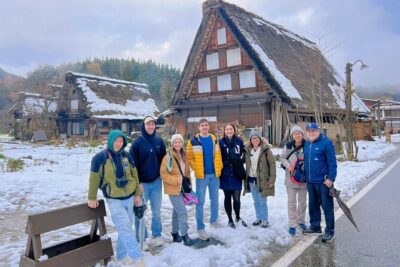
World Heritage Shirakawa-go and Experience Tours from Kanazawa
Read our review →
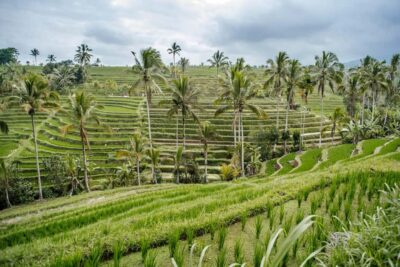
Bali: Tanah Lot UNESCO World Heritage Sites Full-Day Tour
Read our review →
World Heritage Kyoto & Nara Uji Authentic Matcha Experience
Read our review →
UNESCO’s Ayutthaya Historical Park: Full-Day Tour from Bangkok
Read our review →
Rotterdam: Kinderdijk UNESCO World Heritage Entry Ticket
Read our review →
From Busan: Gyeongju UNESCO World Heritage Guided Day Tour
Read our review →Browse the lists this tour appears in