

Review · TANZANIA HISTORY TOURS
Zanzibar: Stone Town Historical Cultural Walking Guided Tour
Stone Town is best understood on foot, one narrow lane at a time. This tour brings you from the Old Fort and former slave market to busy markets, religious buildings, and the Freddie Mercury Museum, with a local guide explaining what you are seeing.
I like the personal feel of the walking route, especially when guides such as Ali, Diamond, Haidara, and Ammar share local knowledge and point out places you could easily miss. I also like the flexible two-hour pace, which gives you a useful first look without consuming your whole day. The main drawback is the heat and humidity, plus the fact that some buildings may be closed or under construction on the day you visit.
Key points at a glance
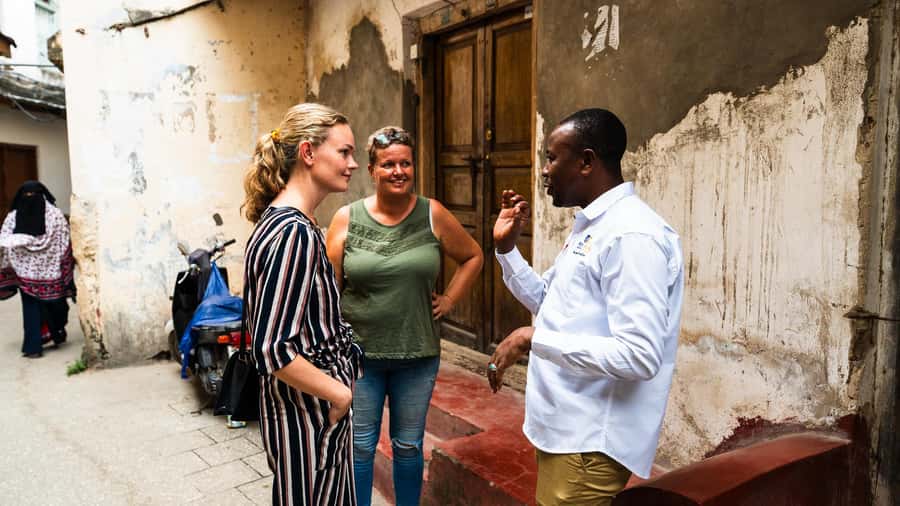
- Walk through Stone Town’s narrow lanes: The route brings you close to daily life, old stone houses, shops, mosques, churches, and temples.
- Visit the former slave market: Entry is included, and this is the most serious and emotionally demanding part of the tour.
- See the Old Fort and Darajani Market: You get both major landmarks and a taste of ordinary commerce, shopping, and local food culture.
- Choose morning or afternoon: This makes it easier to fit the walk around beach time, a flight, or another Zanzibar activity.
- Expect strong local guiding: Ali, also called Diamond, Haidara, Ammar, Abdalla, Naseer, and others have been praised for clear English, patience, humor, and useful local insight.
- Hotel transfers can widen the appeal: Pickup and drop-off are available if you select that option, including transfers from outside Stone Town.
Why Stone Town makes a good first Zanzibar walk
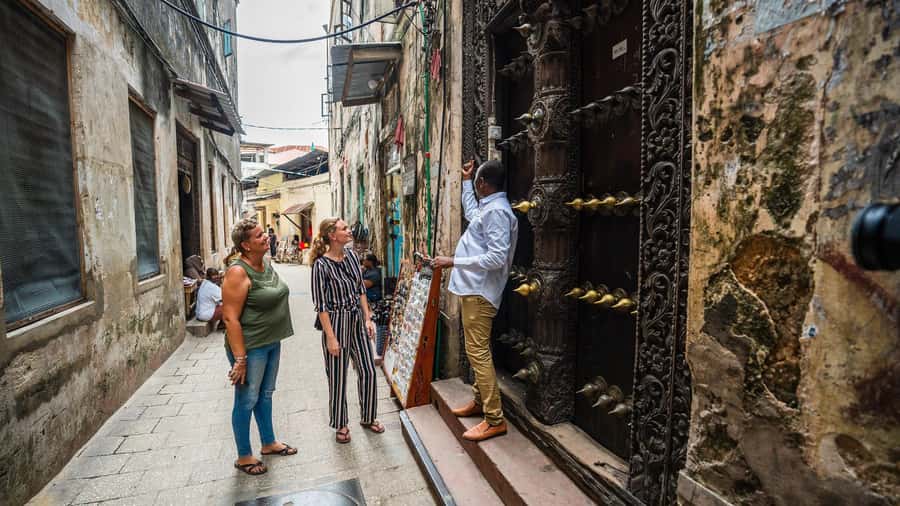
Stone Town is not a place to understand from a vehicle window. Its most interesting details are close up: carved doors, shaded passages, tiny shops, old walls, and houses altered over many generations.
The town reflects Arabic, African, Indian, and European influence. You will see mosques, churches, and temples within the same compact area. That mixture is not just a sightseeing theme. It explains the way Stone Town developed as a port linked to trade across the Indian Ocean.
A local guide helps you read the town. You learn how buildings and streets changed over time, how trade shaped Zanzibar, and how slavery affected the island. The walk also gives you contact with ordinary local life, from market sellers to people moving through the narrow lanes.
I would treat this as an introduction rather than a full study of Stone Town. The short version can show you the main sights and help you decide where to return later. A longer option gives you more time for questions, photos, shopping, and the former slave market.
More Local Culture and Traditions Tours in the world:
- Amsterdam Food and Cultural Tour with Tastings
★ 5.0 · 4,315 reviews - Sevilla Food Tour: Tapas, Wine, History & Traditions
★ 5.0 · 3,468 reviews - Tromsø: Reindeer Camp and Sami Cultural Tour with Lunch
★ 4.7 · 3,326 reviews
Starting the tour and getting your bearings
The tour offers morning and afternoon departure choices, with starting times based on availability. That is useful in Zanzibar, where you may want a beach morning, a relaxed lunch, or a later walk when the day is not at its hottest.
If you select hotel pickup, you meet the driver at your hotel reception. You are asked to be ready five minutes before departure. The vehicle is identified by the Beach & Safari Holidays logo. Pickup and return are available for hotels in Stone Town, and a separate option allows transfer from elsewhere on the island.
The transfer can add a meaningful amount of time to the day. The planned transport sections are shown as about one hour each, while the Stone Town portion is listed at about four hours. In practice, the activity is also sold in a two to five-hour range, so check the available start time and duration before booking.
If you are staying outside Stone Town, the transfer option may make this an easy way to see the old city without arranging a taxi yourself. If you are already staying in Stone Town, you can spend more of your paid time walking rather than riding.
Walking Stone Town’s old lanes
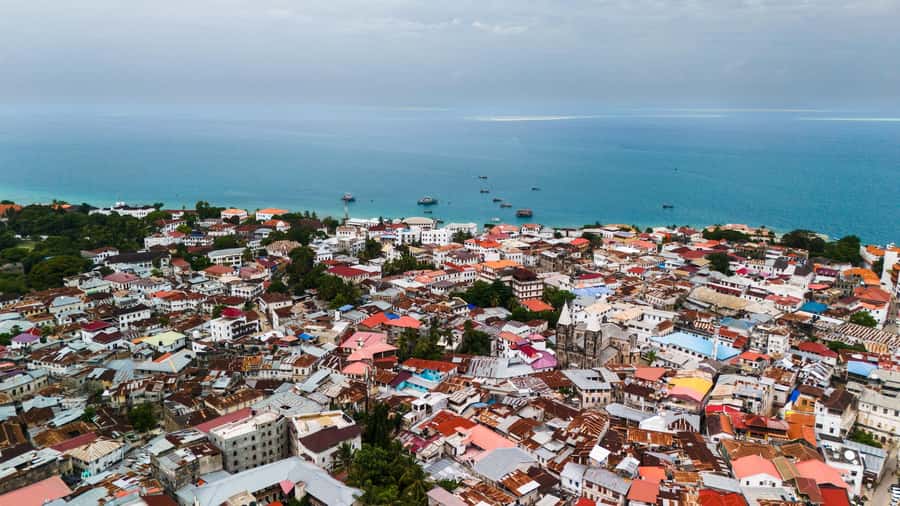
The heart of the experience is the walk itself. Stone Town’s passages are narrow, irregular, and full of small turns. That makes the town enjoyable to explore, but it also means you will get more from a guide than from a simple list of landmarks.
You will pass old stone houses and see how Arabic and Indian design details sit beside African daily life and European-era buildings. The route is also a chance to watch the town rather than only photograph it. Shops open onto the lanes, residents pass through, and market activity spills into public spaces.
The pace is generally casual. One guide led a short tour in about two hours, while another tour was described as a relaxed stroll in hot weather. That slower pace is welcome because Stone Town is not a place to rush. You will want time for photos, questions, and the occasional pause in the shade.
Still, do not expect every building to be open. One visitor found that several impressive buildings were under construction, which meant missing some expected stops. The exact order and stops can change with weather and conditions on the day.
Old Fort and Stone Town’s public face
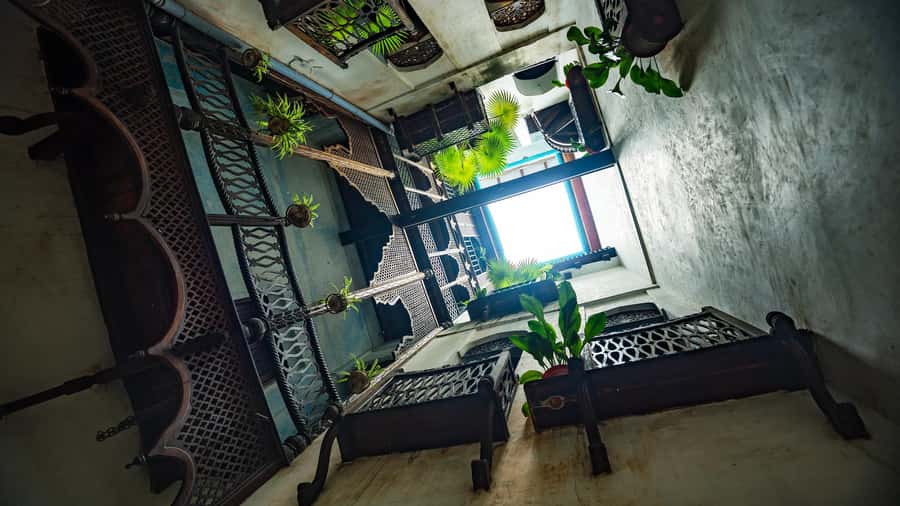
The Old Fort is one of the main landmarks on the route. It gives you a strong sense of Stone Town’s defensive past and serves as an easy reference point while you explore the surrounding streets.
Your guide can provide the background and point out details you might pass without noticing. The fort is also a useful photo stop, though the quality of the visit depends on how much time your group spends there and what other areas are open that day.
This is one place where your guide’s style matters. Ali, known also as Diamond, was praised for combining historical explanation with easy conversation. Other guides, including Abdalla and Naseer, were noted for answering questions and keeping the walk clear and friendly.
If you want a highly detailed account of every ruling power in Zanzibar, say so early. One person wanted more information about the different nations that controlled Stone Town over time. The walk gives a good introduction, but you may need to ask for more detail on colonial rule, trade, or political change.
More History Walking Tours in the world:
- History and Hauntings of Salem Guided Walking Tour
★ 5.0 · 14,564 reviews - Lisbon: History, Stories and Lifestyle Walking Tour
★ 4.8 · 10,902 reviews - Boston: Freedom Trail History Small Group Walking Tour
★ 5.0 · 6,450 reviews - Historic Charleston Guided Sightseeing Walking Tour
★ 5.0 · 6,216 reviews
The former slave market and Anglican Cathedral

The former slave market, now connected with the Anglican Cathedral, is the most sobering part of the route. Entry to the slave market is included, so you do not need to arrange a separate ticket for this part of the visit.
The site connects Stone Town to the historic slave trade and to the wider trade routes that shaped Zanzibar. It is not a light sightseeing stop. Give yourself time to listen and think rather than treating it as just another photo opportunity.
The cathedral adds another layer to the site, showing how later religious and political developments altered the area. Your guide explains the connection between the location, slavery, and the city’s changing identity.
One useful tip is to tell your guide if you want extra time here. A short walk can cover the basic facts, but the slavery exhibition deserves more attention than a quick stop. This is also where a local guide’s manner is especially important. The strongest guiding is clear and respectful, without turning a painful subject into a performance.
Freddie Mercury Museum and modern Zanzibar
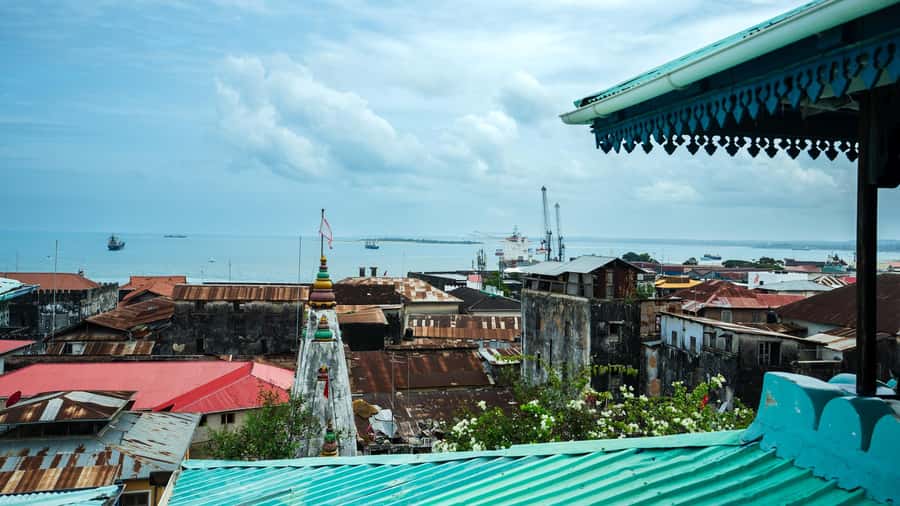
The Freddie Mercury Museum offers a change of tone after the older historical sites. It connects Stone Town with one of its best-known modern cultural figures and adds a personal story to the wider history of Zanzibar.
The museum is listed as a photo stop and guided visit. You should check how much time you want to spend inside, since the whole tour may run closer to two hours or extend toward four hours depending on the route and your questions.
Several people singled out the Freddie Mercury Museum as a highlight, along with the memories and atmosphere of Stone Town itself. I can see why. After hearing about trade, religion, architecture, and slavery, this stop shows how the town’s identity continues into modern popular culture.
It also helps balance the route. Stone Town is not only a preserved old quarter. It is a living part of Zanzibar, and the museum gives you a clear link between the old city and a twentieth-century international story.
Darajani Market and the everyday city
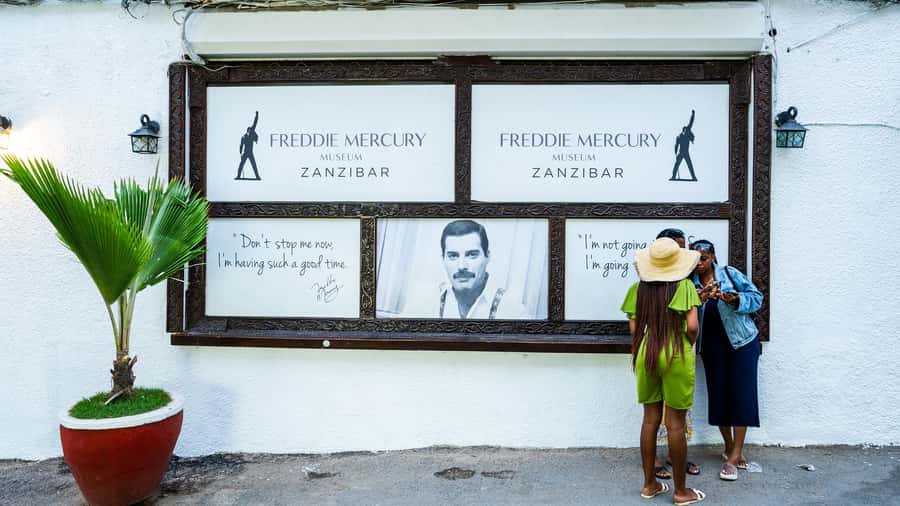
Darajani Market brings you into the practical, noisy side of Stone Town. This is where the tour feels less like a monument circuit and more like a look at how the city works.
You can expect market stalls, shopping opportunities, local smells, and plenty of movement. The exact sights depend on the time of day, but the market is useful for seeing food, commerce, and social life at close range.
The tour includes time for shopping, so bring a little patience. Market shopping is not always a quick transaction, and you may want to compare items before buying. One useful piece of advice from an experienced visitor is to save souvenir shopping for Stone Town, where you can browse during the walk rather than making a separate trip.
You may also encounter local drinks or snacks. One especially memorable moment involved sugar cane juice, which made the market section feel more personal than a standard sightseeing stop. Food is not included, so any drink, snack, or purchase is at your own expense.
What the guides add
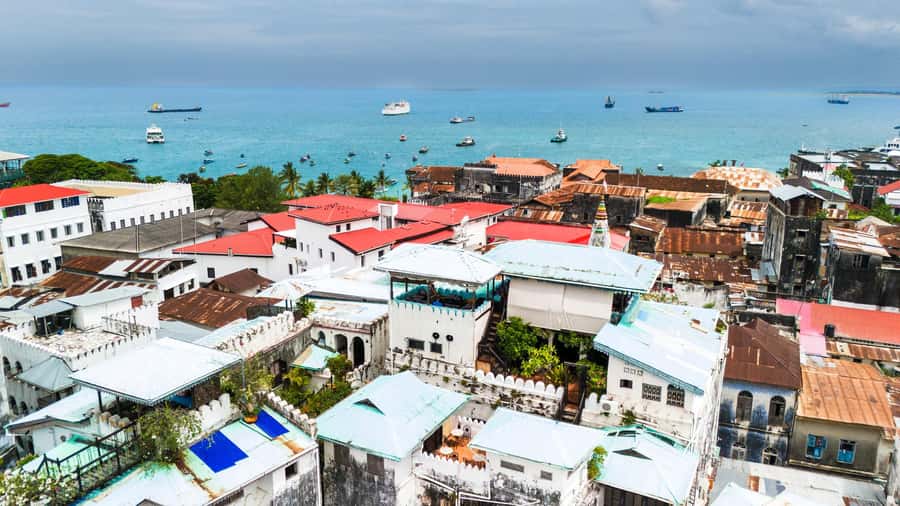
The main value here is not transportation or a long list of sights. It is the guide’s ability to connect the streets to Zanzibar’s past and present.
Ali, often called Diamond, received repeated praise for his English, historical explanations, patience, humor, and friendly conversation. He was also described as a good fit for visitors who wanted a basic overview before returning to explore certain places more closely.
Haidara was especially valued for being born and raised in Stone Town and explaining local life through personal stories. Ammar was described as friendly, accommodating, and well prepared. Abdalla was praised for kindness and useful explanations, while Naseer was noted for answering questions clearly.
Names can change according to availability, so you should not book on the assumption that one particular guide will lead your tour. The important point is that the experience depends heavily on the individual guide. Tell the guide what interests you: architecture, slavery, religion, local life, shopping, or the different powers that shaped the town.
The guides also seem willing to adjust the experience. One helped with afternoon suggestions and contacted a taxi driver for a visitor. Another took a group into a local area after checking that they were comfortable. That kind of communication matters, especially if you are alone or want a walk that feels less formal.
Heat, rain, pace, and practical comfort
Stone Town can be hot and humid. The relaxed walking pace is a real advantage, especially in the afternoon. Wear light clothing, comfortable shoes, and something suitable for visiting religious or historic sites.
Rain does not always end the tour. One walk continued successfully despite rain, but the route and stops can change with weather. A small umbrella or light rain layer would be sensible, although the tour information does not promise any particular weather arrangement.
You should also be ready for uneven streets, narrow lanes, and frequent stops. The description does not provide accessibility details, so ask the operator before booking if you have mobility concerns.
The walk is available as a private group, which can be worthwhile if you want to set the pace or focus on a specific subject. A private format may also suit families or friends who prefer more time for photos and questions.
Is $21 good value?
At $21 per person, this is a strong-value introduction to Stone Town. The price includes the guided walking tour, an experienced driver, hotel pickup and drop-off only when that option is selected, and entry to the former slave market.
The value is strongest if you are staying outside Stone Town and want transport included. It saves you from arranging a separate ride and gives you a planned route through the city.
If you are already in Stone Town, the price still makes sense for the guide and included slave market entry. You are paying for orientation, local context, and the chance to find places you might miss alone.
Food and personal purchases are not included. Keep extra money for drinks, snacks, souvenirs, or anything that catches your eye at Darajani Market.
Free cancellation is available up to 24 hours before departure, and you can reserve now and pay later. Those terms help if your Zanzibar plans are still shifting, but you should still confirm the pickup choice, duration, and start time before committing.
Who should book this Stone Town walk?
I would recommend it to first-time visitors who want a clear introduction to the old city without spending a full day on sightseeing. It also suits beach-based visitors staying outside Stone Town, since the transfer option removes much of the planning.
It is a good choice if you enjoy local stories, markets, architecture, and history more than polished attractions. The walking route brings you close to real city life, and the guides can help you understand what you are seeing.
Solo visitors may appreciate the organized pickup and friendly local guide. The company has also handled arrangements carefully for a person booking for a mother traveling alone.
I would look for a longer or more specialized tour if you already know Stone Town well, want extensive time at museums, or need a detailed study of colonial rule and architecture. The two-hour version is useful, but it cannot cover every layer of the city.
Should you book it?
Book this tour if you want a well-priced first look at Stone Town with a local guide, transport options, and a serious visit to the former slave market. The strongest parts are the walking route, the market atmosphere, and the personal explanations from guides such as Ali, Diamond, Haidara, and Ammar.
Go in with realistic expectations. The heat can be tiring, building access may change, and the exact guide is not guaranteed. If you accept that flexibility, this is a practical way to meet Stone Town on its own streets, then return later to explore the places that interest you most.
FAQ
How long does the Stone Town tour last?
The activity is offered for two to five hours, depending on availability and the selected option. The Stone Town walking portion is listed at about four hours, while some people complete a shorter visit in around two hours.
What sights are included?
The route includes Stone Town, the Old Fort, the former slave market and Anglican Cathedral, the Freddie Mercury Museum, and Darajani Market. Stops and order can change with weather and conditions.
Is the former slave market entry included?
Yes. Entry to the slave market is included in the tour price.
Is hotel pickup available?
Yes, hotel pickup and drop-off are available when you select the transfer option. Pickup is arranged at your hotel reception, and you should be ready five minutes before departure.
Can I be picked up outside Stone Town?
Yes. A transfer option is available from anywhere, according to the provided tour information. Check that option when booking.
Is food included?
No. Food, drinks, and personal expenses are not included.
What language does the guide speak?
The live tour guide language is English.
Can I cancel the booking?
Yes. You can cancel up to 24 hours in advance for a full refund. A reserve-now, pay-later option is also available.
Newest history tours we have reviewed in the world
- Bilbao Historical Tour in small group★ 4.7 · 52 reviews
- Bologna: Street Food Tour in the Historic Center★ 4.8 · 125 reviews
- CEBU: Cebu City Heritage and Uphill Guided Tour★ 4.2 · 31 reviews
- Bishkek : City Tour (History, Architects, Statues & Culture)★ 4.9 · 54 reviews
- Blenheim: Omaka Aviation Heritage Centre Admission Ticket★ 4.9 · 31 reviews
- Berlin: Nazi History Walking Tour★ 4.8 · 33 reviews
- Best of Baku: 4-Hour City Tour Historic and Modern Landmarks★ 4.7 · 63 reviews
- Belfast: Best of Belfast History, Culture & Art Walking Tour★ 4.9 · 158 reviews
Local Culture & Traditions Tours, compared.

Amsterdam Food and Cultural Tour with Tastings
Read our review →
Sevilla Food Tour: Tapas, Wine, History & Traditions
Read our review →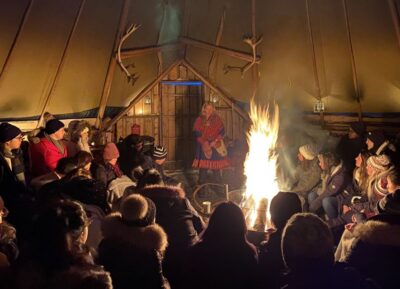
Tromsø: Reindeer Camp and Sami Cultural Tour with Lunch
Read our review →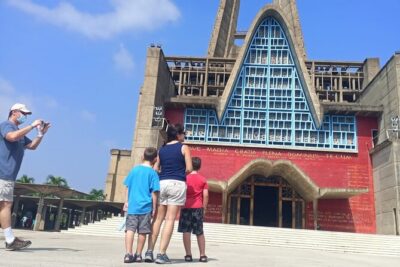
Half Day Dominican Republic Cultural Tour : Small Group
Read our review →
Ultimate Melbourne Walking Tour: History, Laneways & Culture
Read our review →
Tromsø: Sámi Reindeer Sledding and Sami Cultural Tour
Read our review →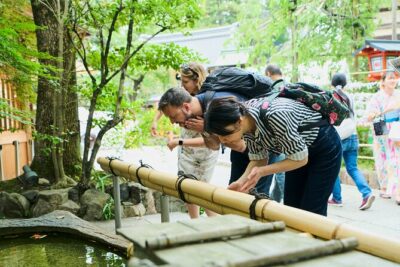
Kyoto Gion: 2-Hour Geisha Culture & History Walking Tour
Read our review →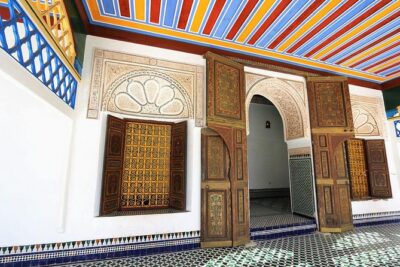
Marrakech Historical and Cultural Tour – Half Day City Tour
Read our review →Browse the lists this tour appears in