
Review · NEW ZEALAND HISTORY TOURS
Blenheim: Omaka Aviation Heritage Centre Admission Ticket
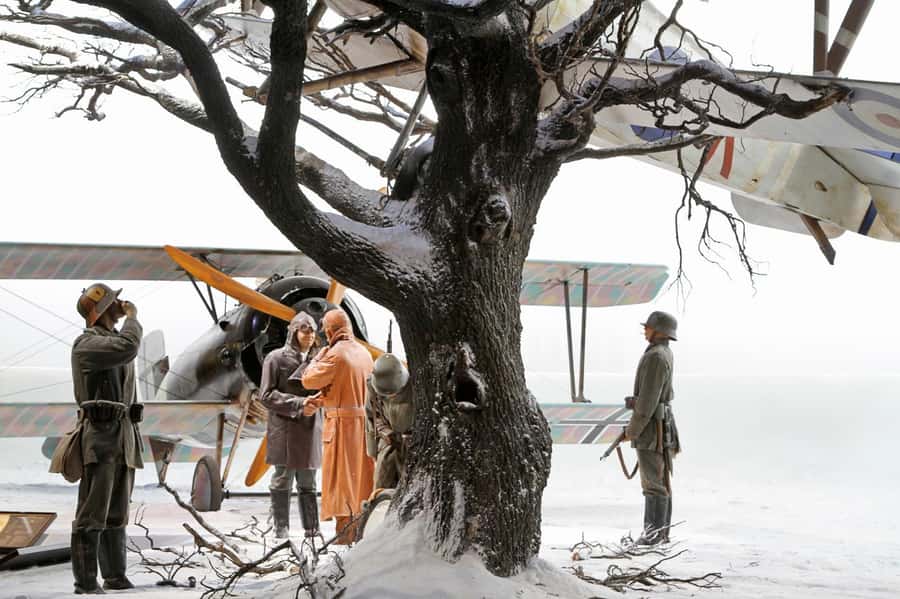
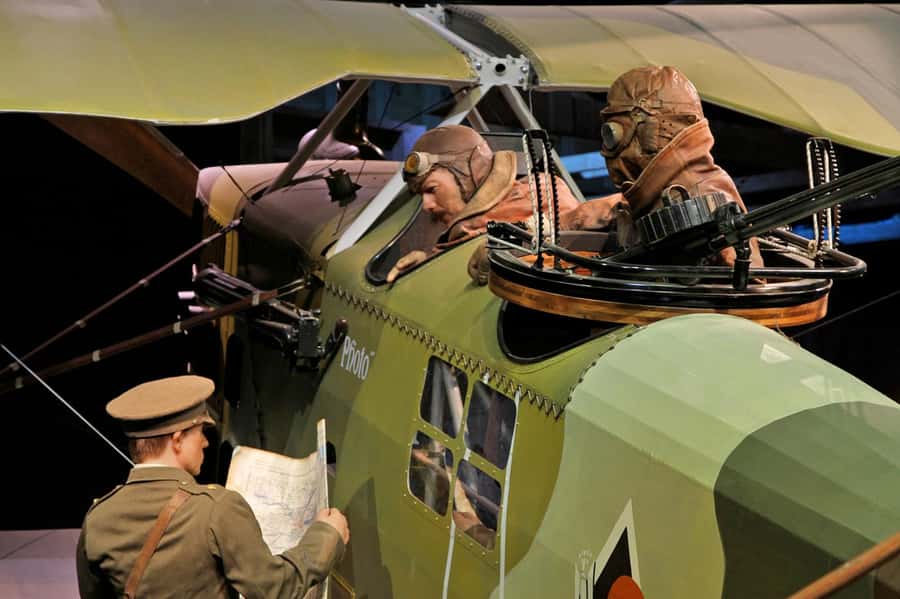
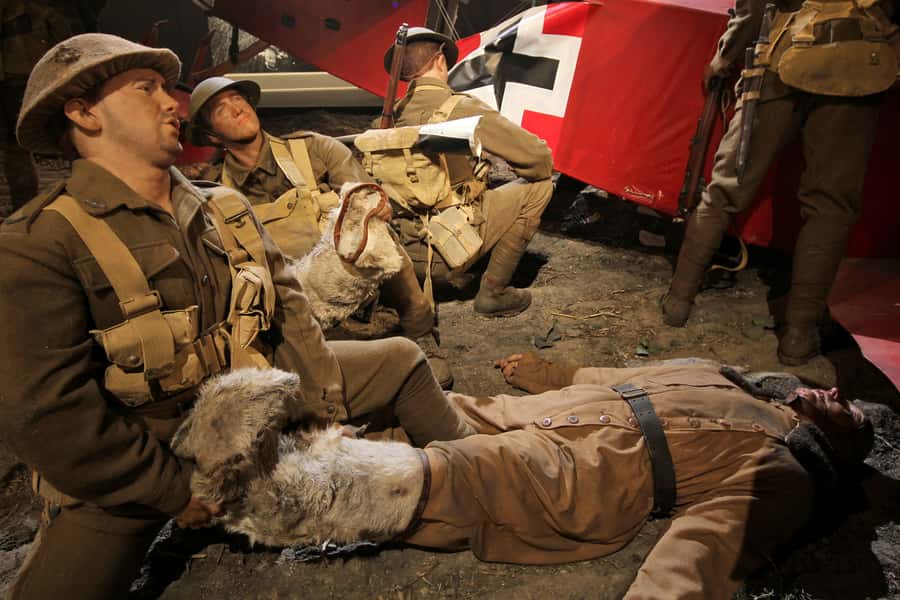
The Omaka Aviation Heritage Centre turns military aviation into something far more human than a row of polished machines. In the WWI exhibition, dramatic scenes, mannequins by Wētā Workshop, and aircraft from Sir Peter Jackson’s collection show how fragile early flying machines became weapons of war. The WWII exhibition follows with stories of courage and tragedy across Europe and the Pacific.
I especially like the rare aircraft and memorabilia, which give you a direct sense of what pilots and crews worked with. I also like the film-built settings, since WingNut Films presents the technology inside the wider wartime story rather than leaving you to read dry labels. The main consideration is time: seeing both exhibitions properly takes more than a quick stop, and transportation to Omaka is not included.
Key points at a glance
- Two separate exhibitions: Choose Knights of the Sky for World War I, Dangerous Skies for World War II, or buy access to both.
- Sir Peter Jackson’s collection: The WWI display includes aircraft and artifacts from the noted filmmaker’s personal collection.
- Rare star aircraft: The WWII exhibition features an original De Havilland Mosquito and a Griffon-powered Mk.XIVe Spitfire.
- War stories with human scale: Displays connect aircraft capabilities with courage, loss, and daily wartime realities.
- One-day admission: You can visit during the centre’s opening hours and take your time across the selected exhibition or exhibitions.
- Easy practical setup: Exchange your voucher at the ticket counter, and wheelchair access is available.
Why Omaka is more than an aircraft hangar
If you expect a quiet museum filled with aircraft labels, Omaka may surprise you. The centre uses large-scale scenes and carefully arranged figures to place the machines in wartime settings. That approach matters because a fighter or bomber makes little sense on its own. You need to understand the job it was built to do, the conditions around it, and the people who depended on it.
The centre focuses on aviation development during both World Wars. That gives you a useful before-and-after view. World War I aircraft came from a period when powered flight was still young. By World War II, aircraft had become faster, more capable, and central to military strategy.
I find that comparison one of the strongest reasons to visit both exhibitions. You are not simply looking at two collections of planes. You are following a rapid change in engineering and warfare across a few decades.
The museum also gives attention to the men and women behind the aircraft. The stories include pilots, crews, and people caught up in the wider conflict. That human focus keeps the visit from becoming a purely technical lesson.
More Entry Tickets in the world:
- New York City: American Museum of Natural History Ticket
★ 4.5 · 15,447 reviews - Edinburgh: Edinburgh Castle Guided History Tour with Tickets
★ 4.8 · 9,933 reviews - Taormina: Ancient Theater Skip-the-Line Ticket & Audio Guide
★ 4.5 · 2,412 reviews
Knights of the Sky: World War I in dramatic form
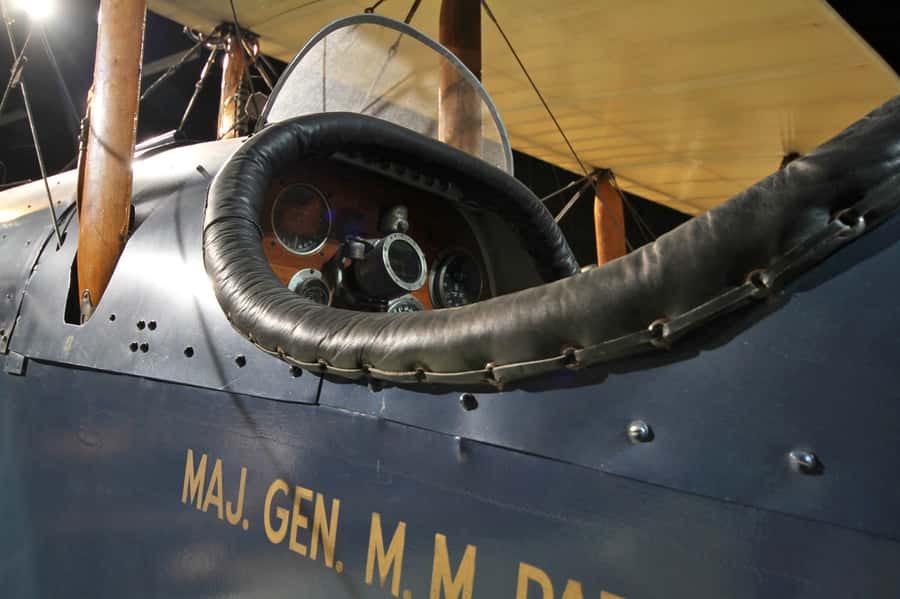
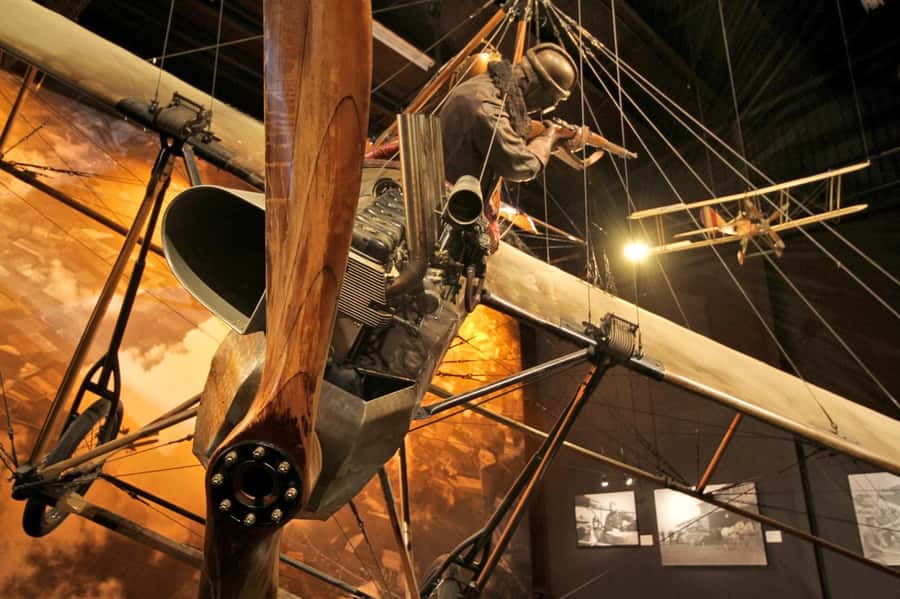
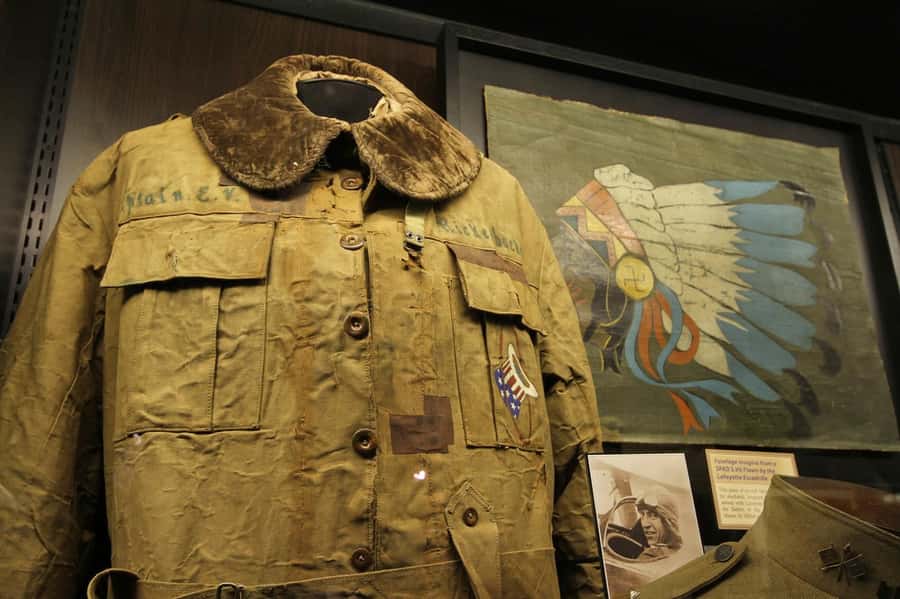
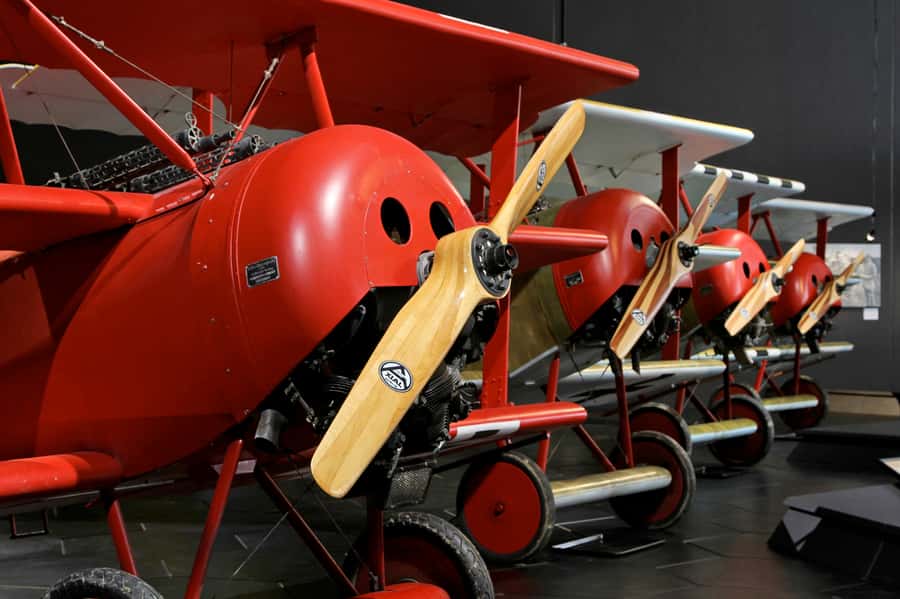
The original exhibition, Knights of the Sky, covers aviation during the Great War. It features Sir Peter Jackson’s collection of WWI aircraft and artifacts, making it the natural choice if you have a special interest in the earliest military flyers.
The aircraft are the main draw, but the presentation gives them context. You can consider what these machines could actually do in wartime, rather than judging them only by their appearance. Early aircraft often look delicate to modern eyes. Omaka helps explain their purpose and their limitations.
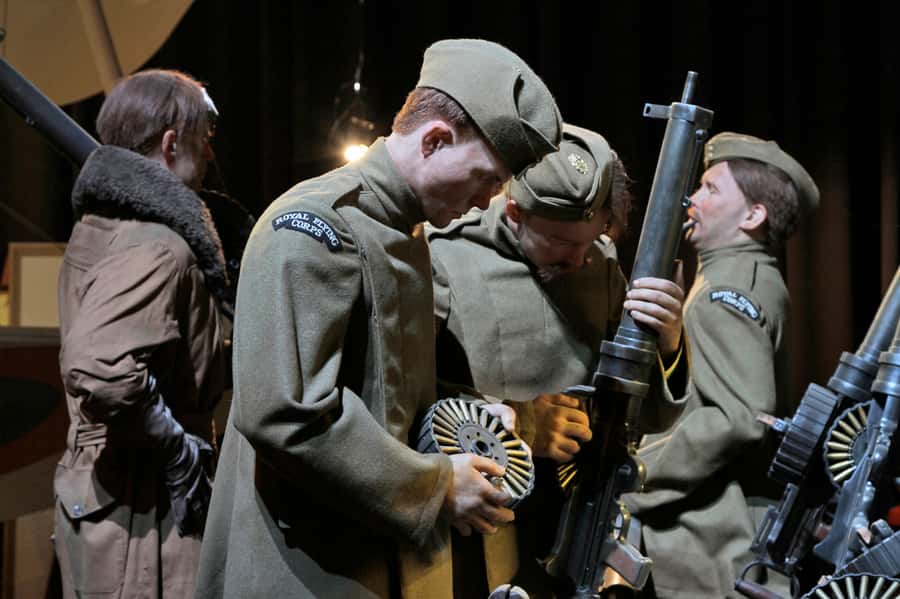
WingNut Films created the exhibition’s sets, while Wētā Workshop made the mannequins. The result is a display built around scenes rather than isolated cases. You might find this more engaging than a traditional museum layout, especially if you learn best through visual storytelling.
The film influence is clear in the scale and mood of the presentation, but the subject remains serious. The exhibition deals with the development of aviation and the people who used it in a dangerous new form of warfare. It is not just a collection of handsome old planes.
Give yourself time to read the supporting material. The sets catch your eye first, but the details help explain why each aircraft matters. If you rush through this section, you may remember the dramatic images while missing the technical and personal stories that make the displays worthwhile.
For families and mixed-interest groups, Knights of the Sky offers a good entry point. Someone who is not already an aircraft enthusiast can still follow the visual story. Someone with a strong interest in aviation will have the machines and memorabilia to study more closely.
Dangerous Skies: World War II across several fronts
The Dangerous Skies exhibition shifts the focus to World War II. Its stories stretch from the British Isles and the forests of Germany to the defence of Russia and the hot jungles of the Pacific.
That geographic range is useful. World War II was not one single air war fought in one setting. Aircraft, weather, terrain, and missions changed from one front to another. The exhibition links aviation to those different conditions and to the courage and tragedy found in each theatre.
The two major aircraft attractions are an original De Havilland Mosquito and a Griffon-powered Mk.XIVe Spitfire. These are not minor details in the gallery. They give the exhibition a clear centre of gravity and help show the variety of aircraft used during the conflict.
The Mosquito and Spitfire also make a good pair for thinking about aircraft design. You can look at them as machines, but the larger point is how different aircraft answered different military needs. The exhibition is strongest when it connects those capabilities to the people and missions involved.
If you only have time for one exhibition, Dangerous Skies may appeal most to visitors who recognise the major aircraft of World War II or who want a broad account of the conflict’s air war. Knights of the Sky is the better pick for early aviation and World War I. If you can spare the time, both create a more complete visit.
How to plan your time inside the centre
Your admission is valid for one day, so you do not need to treat Omaka as a hurried photo stop. The centre opens seven days a week from 9 am, and last admission is one hour before closing. The exact closing time is not provided, so check the current schedule before setting out.
Start at the ticket counter and exchange your voucher there. Transportation is not part of admission, so you need to arrange your own way to the centre in the Blenheim area. That small detail can affect your schedule, especially if you are building a full day around wine country or other South Island sights.
The best order depends on your interests. For a chronological feel, begin with Knights of the Sky and then move to Dangerous Skies. This lets you see the development from WWI aviation to the more advanced aircraft and larger air campaigns of WWII.
If your group has mixed interests, you could begin with the exhibition featuring the aircraft everyone most wants to see. Then use the second exhibition for the broader stories and comparisons. The ticket options allow you to choose one exhibition or both, so you are not forced into a full visit if your schedule is tight.
I would avoid arriving near last admission if you want both sections. Even without a fixed tour length, the material rewards slow looking. Aircraft details, personal stories, memorabilia, and the large scenes all compete for your attention.
More History Tours in the world:
- History and Hauntings of Salem Guided Walking Tour
★ 5.0 · 14,564 reviews - Colosseum: Underground and Ancient Rome Tour
★ 4.7 · 12,691 reviews - Lisbon: History, Stories and Lifestyle Walking Tour
★ 4.8 · 10,902 reviews - London Small Group Tour of Historical Pubs
★ 5.0 · 10,422 reviews
Is the $14 admission good value?
At $14 per person, admission is modest for a museum with two substantial exhibitions and major aircraft on display. The value improves if you choose both sections and have enough time to see them properly.
The ticket is less compelling if you want only a very quick look at one or two famous planes. Omaka is built around stories, context, and presentation, not just a fast aircraft checklist. You are paying for the wider display as well as the machines.
The one-day validity gives you useful flexibility. You can plan around the rest of your day instead of treating the visit as a fixed short tour. There is no transport included, though, so add the cost and time of reaching Omaka when working out the full value.
The high rating of 4.9 from 31 recorded ratings fits the centre’s strongest qualities: impressive aircraft, carefully built displays, and staff who know the subject and care about presenting it. The most praised points are the aircraft collection, wartime memorabilia, and the passionate approach of the people running the centre.
Who will get the most from a visit
Omaka suits aviation fans, military-history readers, and anyone curious about how flight changed during the World Wars. You do not need specialist knowledge to follow the exhibitions, since the settings and stories help explain the machines.
It also works for families and groups with different interests. The dramatic presentation gives non-specialists something to look at, while the aircraft and artifacts offer more detail for enthusiasts. Keep in mind that the subject includes war, courage, and tragedy, so younger children may respond differently to the material.
Photographers and aircraft fans should allow extra time for careful viewing. The centre’s value is not limited to the headline aircraft. Smaller items and memorabilia may help you understand the people and period behind the larger displays.
The centre is wheelchair accessible, which makes it a practical option for visitors who need an accessible museum setting. English is the stated language, and the host or greeter service is in English.
Booking flexibility and useful practical details
You can cancel up to 24 hours before the visit for a full refund. The reserve-now, pay-later option also helps if your South Island plans are still changing.
Admission choices are simple: select the WWI exhibition, the WWII exhibition, or both. Check availability for the date you want, since the ticket information asks you to confirm the available starting times even though the centre itself is open from 9 am.
There is no transport included, and you exchange your voucher at the ticket counter. Plan to arrive with enough time for that step, particularly if you are visiting late in the day.
Should you book the Omaka Aviation Heritage Centre?
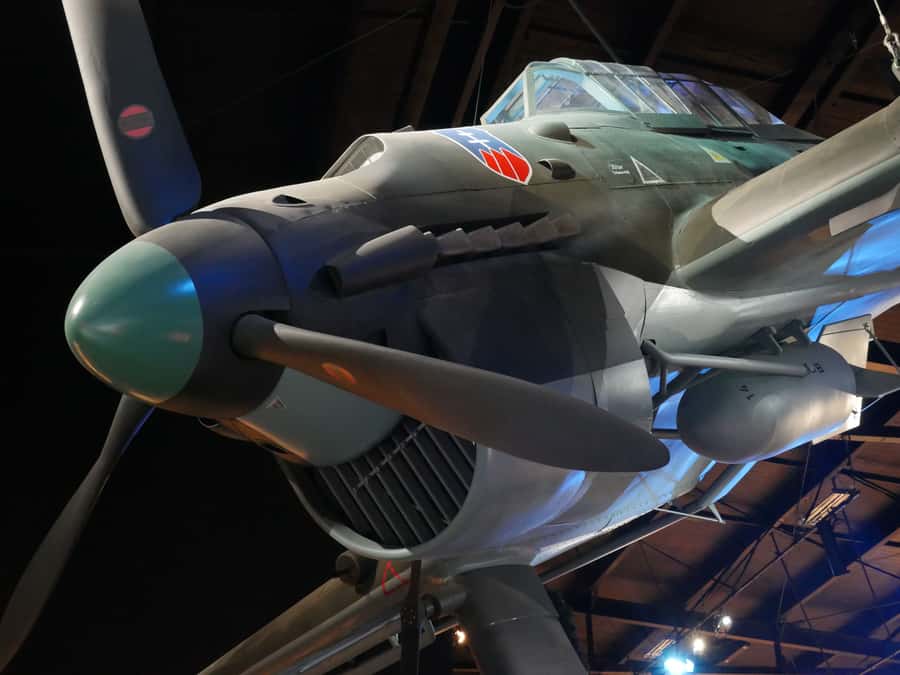
Book it if you want more than a static aircraft collection. The combination of rare machines, wartime memorabilia, dramatic WingNut Films sets, and Wētā Workshop mannequins gives Omaka a clear sense of place and purpose.
Choose Knights of the Sky if World War I aircraft and the early development of military aviation interest you most. Choose Dangerous Skies for World War II stories, the De Havilland Mosquito, and the Griffon-powered Spitfire. Choose both if your schedule allows, since the exhibitions work best as a story of aviation changing under the pressure of war.
Skip it only if you have no interest in aviation, military history, or museum displays built around wartime stories. At $14 per person, the price is reasonable, but the real value comes from giving the centre enough time. Plan it as a proper stop in your Blenheim day, not a five-minute detour.
FAQ
Where is the Omaka Aviation Heritage Centre?
The centre is in the Blenheim area of New Zealand’s South Island.
What does the admission ticket include?
Depending on the option selected, the ticket includes admission to the WWI exhibition, the WWII exhibition, or both exhibitions.
What is the WWI exhibition called?
The WWI exhibition is called Knights of the Sky.
What is the WWII exhibition called?
The WWII exhibition is called Dangerous Skies.
What aircraft are featured in Dangerous Skies?
The WWII exhibition features an original De Havilland Mosquito and a Griffon-powered Mk.XIVe Spitfire.
What can I see in Knights of the Sky?
Knights of the Sky features Sir Peter Jackson’s collection of World War I aircraft and artifacts, along with sets created by WingNut Films and mannequins by Wētā Workshop.
How long is the admission valid?
Admission is valid for one day.
Is the centre wheelchair accessible?
Yes. The Omaka Aviation Heritage Centre is wheelchair accessible.
What are the opening hours?
The centre is open seven days a week from 9 am. Last admission is one hour before closing, and you should check the current closing time when planning your visit.
Newest history tours we have reviewed in the world
- Bilbao Historical Tour in small group★ 4.7 · 52 reviews
- Bologna: Street Food Tour in the Historic Center★ 4.8 · 125 reviews
- CEBU: Cebu City Heritage and Uphill Guided Tour★ 4.2 · 31 reviews
- Bishkek : City Tour (History, Architects, Statues & Culture)★ 4.9 · 54 reviews
- Berlin: Nazi History Walking Tour★ 4.8 · 33 reviews
- Best of Baku: 4-Hour City Tour Historic and Modern Landmarks★ 4.7 · 63 reviews
- Belfast: Best of Belfast History, Culture & Art Walking Tour★ 4.9 · 158 reviews
- Berlin: History and Sightseeing with Kids (Free for Kids)★ 4.9 · 19 reviews
New Zealand History Tours, compared.

Auckland: All Blacks Experience Guided Cultural Tour
Read our review →
All Blacks Experience: Interactive Guided Cultural Tour
Read our review →

Auckland: Inner-City Glowworm Experience in Ancient Volcano
Read our review →Browse the lists this tour appears in