
Review · NEW ZEALAND HISTORY TOURS
Auckland: Inner-City Glowworm Experience in Ancient Volcano
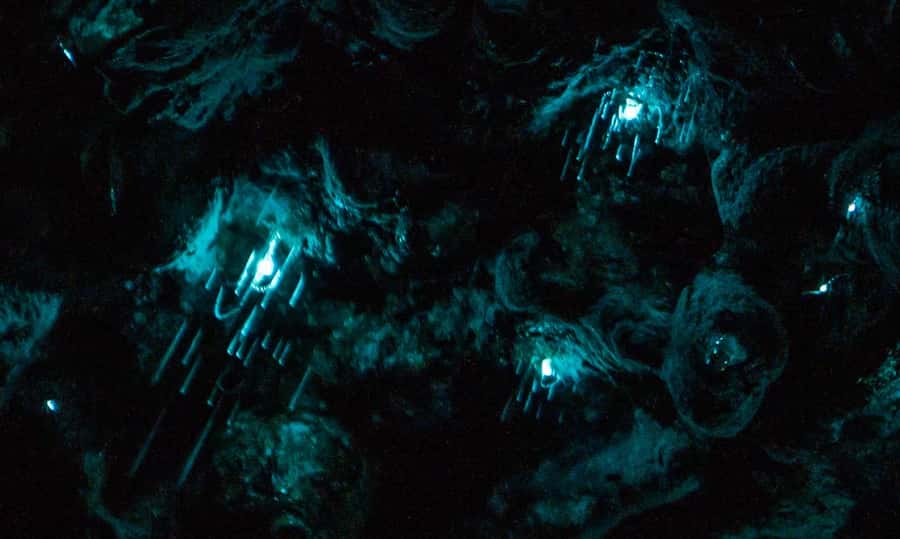
Auckland’s glowworms are hiding in plain sight. This one-hour night walk takes you into Pukekawa, a roughly 100,000-year-old volcano within Auckland Domain, where tiny blue-green lights cling to damp banks near a stream and waterfall. You get a close look without leaving central Auckland or spending a full day reaching Waitomo.
I like two things here: the small, personal feel and the chance to see glowworms without glass, railings, or a staged cave display. Guides such as Jonti, Marius, Millie, and Caleb add useful lessons about the glowworm life cycle, local plants, the Domain, and even the night sky. The trade-off is simple: this is open bush, not a grand cave system, so the number of glowworms can vary.
Key points to know before you go
- Auckland’s oldest park: Walk through Auckland Domain and Pukekawa, an ancient volcanic site in the city center.
- About 1.3 kilometers: The route includes around 30 steps, a gentle gradient, gravel, tree roots, and uneven ground.
- Natural, barrier-free viewing: You see glowworms in their outdoor habitat beside a stream, rather than behind a display.
- A one-hour commitment: It fits neatly into an evening in Auckland and costs $35 per person.
- Dark and sometimes wet: Guides bring lights, but you need comfortable shoes that can handle mud or damp ground.
- Best for curious walkers: The tour suits people who want nature, science, and a little night-time adventure more than a polished attraction.
Why glowworms in the middle of Auckland matter
The surprise is the setting. You do not need to travel out to a remote cave system to see New Zealand glowworms. Instead, you meet at Wintergarden Cafe inside Auckland Domain, close to the city center, then walk into a pocket of bush where the city quickly feels far away.
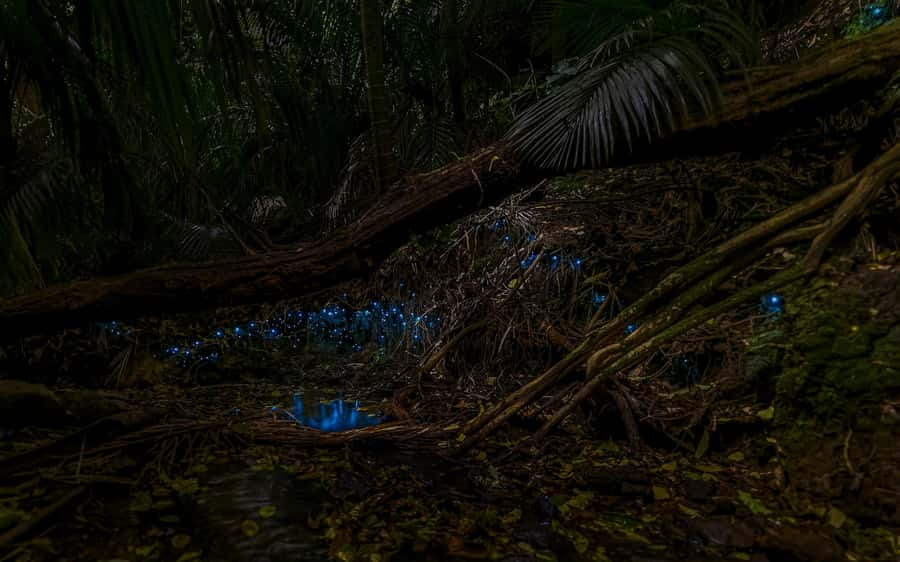
Pukekawa is an old volcanic site, formed during the Pleistocene era. You are not simply walking to a viewing point. You are crossing ancient volcanic ground, passing native nikau palms, and following damp areas where glowworms can live. The geological setting gives the outing more shape than a quick stop beside a roadside attraction.
The glowworms here are the New Zealand species commonly known as Arachnocampa luminosa. Your guide explains their life cycle and why the larvae produce light. The glow is used to attract small insects toward sticky threads, giving the larvae a better chance of finding food.
That short science lesson changes how you look at the lights. They are beautiful, but they are also part of a working survival system. You are seeing an animal in its own habitat, not a decorative light show.
More Ancient History Tours in the world:
- Colosseum: Underground and Ancient Rome Tour
★ 4.7 · 12,691 reviews - Colosseum & Ancient Rome with Arena Floor Option I Max 6 People
★ 5.0 · 3,306 reviews - Rome: Colosseum, Ancient Rome Tour or AudioGuided Tour
★ 4.4 · 2,879 reviews
Meeting at Wintergarden Cafe and entering Pukekawa
The meeting point is outside Wintergarden Cafe, inside Auckland Domain. The cafe may be closed when the walk begins, so do not expect to buy food or drinks there. The nearby roads, restrooms, and car park help you get your bearings, and the meeting point is accessible by bus, car, rideshare, or a walk from the central city.
One useful detail is the timing. This is an evening activity, and the Domain can feel very quiet after dark. If you arrive alone, stick to the lit road and head toward the cafe, restrooms, and parking area rather than cutting through unlit parts of the park. The guide’s vehicle is parked nearby and is described as easy to spot.
From the central city, the walk to the meeting point takes roughly 30 minutes according to one account, while a bus and a short five-minute walk can make the approach easier. Transportation is not included, so you arrange your own way there and back.
Once the guide gathers the group, the outing becomes more relaxed. The tour is offered privately or in small groups, which matters here. A large crowd would make it harder to keep the area dark and harder for everyone to get a good view beside the stream.
The one-hour route through the Domain
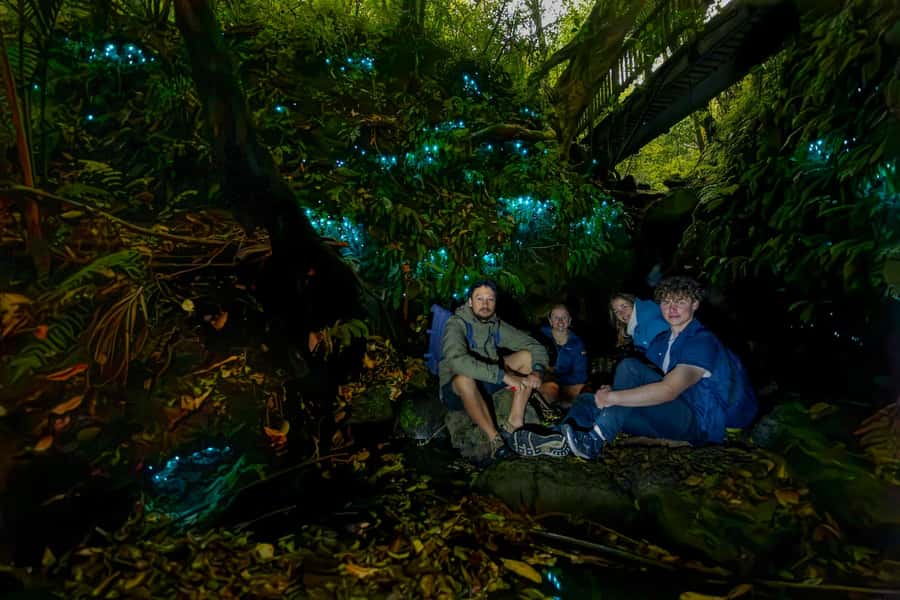
The route covers about 1.3 kilometers, but distance is not the main issue. The path is dark and unlit, with the guide supplying lights. You may cross gravel, tree roots, undulating ground, and a gentle gradient of about five percent.
There are around 30 steps going up and down. Some parts can feel adventurous, especially near the creek and waterfall, where you may need to move carefully for a closer look. One guide may offer an optional climb or lower approach for a better view, but this is not a flat, paved stroll.
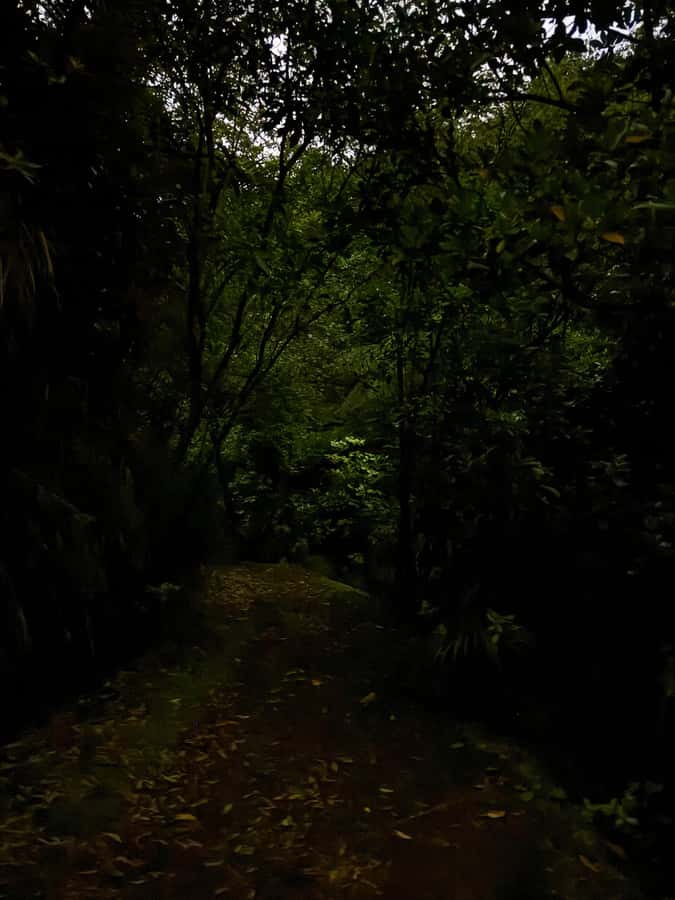
The first section introduces you to the park and its natural setting. You may pass native nikau palms and hear about Auckland Domain as a green space with geological, natural, and cultural importance. The park’s open areas give way to darker bush, and the sound of the city fades as the route follows damp ground and running water.
The stream is the key natural feature. Glowworms prefer sheltered, moist places, and the banks beneath or near a bridge provide the sort of dark surface where their lights are easiest to see. A small waterfall adds a pleasant surprise, especially because it appears within the city rather than in a remote national park.
The path is not lit like a normal evening attraction. That is part of the appeal, but it also means you should not rush. Comfortable clothing, water, and shoes you do not mind getting wet or muddy are sensible choices.
Seeing the glowworms without a cave tour
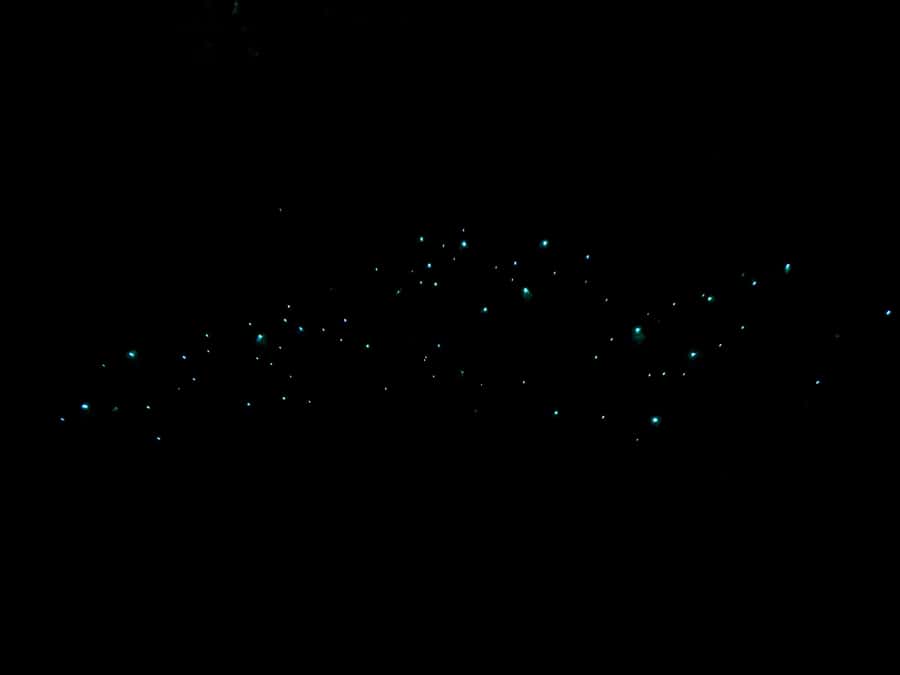
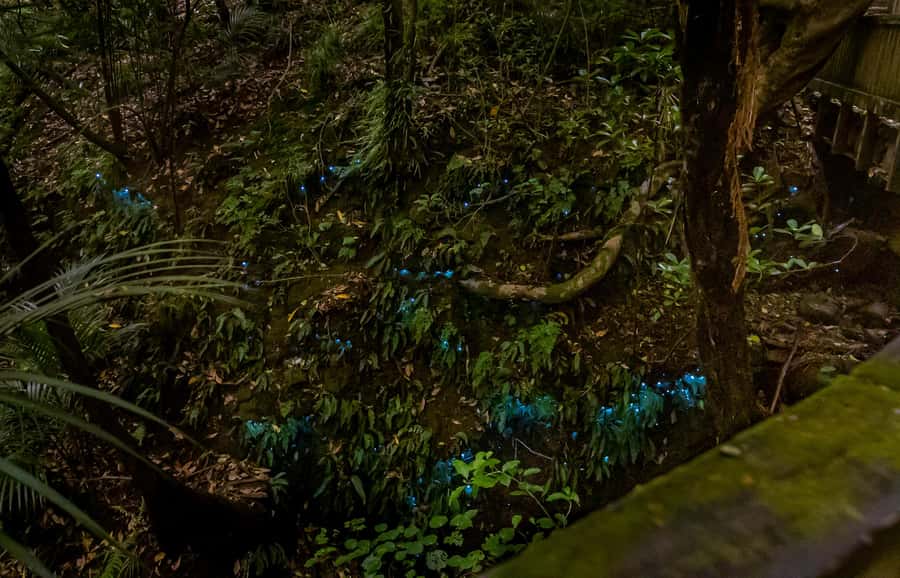
The glowworm viewing is informal and close. You move toward the damp banks, switch off or lower unnecessary lights, and let your eyes adjust. The glowworms appear as small points of light, often scattered along the bank like a modest night sky.
Some groups see many glowworms. Others find the number less impressive than at Waitomo or another dedicated cave site. That difference is important when you decide what to book. The experience does not promise the scale of a famous cave system, and the outdoor population may not look equally dense on every visit.
Still, the setting offers something a cave tour cannot. There are no barriers between you and the habitat, and photography is allowed without the restrictions found at many commercial displays, apart from the ban on flash. You can study the bank at close range and watch how the glowworms sit within a living streamside environment.
A flash would ruin the dark conditions and disturb the viewing experience, so keep it off. A phone camera may capture little unless you have suitable low-light settings. Bring a camera if photography matters to you, but treat the pictures as a bonus. Your eyes will usually give you a better sense of the scene than a quick snapshot.
The group may gather at one main viewing area, which can mean people closer to the bank get the best angle. One practical improvement is to let people rotate positions. If the group is larger, you may need to wait your turn or shift carefully rather than expecting everyone to stand at the front at once.
More History Tours in the world:
- New York City: American Museum of Natural History Ticket
★ 4.5 · 15,447 reviews - History and Hauntings of Salem Guided Walking Tour
★ 5.0 · 14,564 reviews - Lisbon: History, Stories and Lifestyle Walking Tour
★ 4.8 · 10,902 reviews - London Small Group Tour of Historical Pubs
★ 5.0 · 10,422 reviews
The guides make the short tour worthwhile
The guide is central to this experience. The walk is only an hour, and the setting does much of the visual work, but good explanations turn a dark bush walk into a meaningful nature outing.
Jonti is described as bringing humor and enthusiasm to the route. Marius has been praised for balancing safety, natural features, and glowworm facts. Millie and Caleb have also led tours with a calm mix of explanation and wonder. Other guides, including Legend and Brie, have been noted for sharing information about the Domain as well as the glowworms.
The exact guide depends on the date, so you should not book expecting one particular person unless the operator confirms it. What you can expect is English commentary about the glowworm life cycle, behavior, habitat, and nearby nature.
The guides also help with the awkward bits. They point out slippery or uneven sections, manage the lights, and show you where to look. On some evenings, the guide may point out constellations, adding a little astronomy to the walk.
This is not a lecture-heavy outing. The best version keeps the facts short and useful, then lets you spend time looking. You will have room to ask questions, and the small-group setup makes that easier than on a large coach excursion.
How this compares with Waitomo
Waitomo is the better choice if your main goal is to see a large, famous concentration of glowworms in a purpose-built cave setting. The Auckland walk cannot match that scale, and one account specifically found the number a little disappointing.
Pukekawa is the better choice if time and convenience matter. You do not need to give up most of a day for transport, and you can fit the experience around an Auckland city visit. At $35 per person, it costs far less than many full-day excursions, though you are paying for a short guided walk rather than a major cave attraction.
The difference is also about atmosphere. Waitomo offers a polished, established attraction. Pukekawa feels more basic and more exposed to the natural conditions of the park. You get uneven ground, a small waterfall, native bush, and the sense of finding wildlife in an urban reserve.
I would not treat the two outings as interchangeable. Book Auckland for convenience, close access, and a more intimate outdoor encounter. Book a cave tour if the largest possible glowworm display is the main reason you came to New Zealand.
What the $35 price includes
The $35 fee covers the one-hour guided experience and the services of an experienced English-speaking guide. Transportation is not included, so factor in your bus fare, rideshare, or parking if needed.
The value is strongest for visitors staying in central Auckland. You spend little time getting to the activity, and the short duration leaves space for dinner or another evening plan. It also works well for a stopover or a packed New Zealand itinerary.
The price is less compelling if you expect an elaborate attraction with extensive facilities or a huge glowworm colony. This is a simple nature experience. You pay for access to a local site, a guide who explains what you are seeing, and the chance to view glowworms in a setting that remains close to the city.
Free cancellation up to 24 hours before the start and a reserve-now, pay-later option make planning easier. Starting times vary, so check the available slot when you book.
Who should book this night walk
I would recommend it to:
- Couples looking for a quiet and unusual evening activity
- Families with children who can manage uneven ground and darkness
- Nature fans who prefer outdoor habitats to staged displays
- Photographers who want barrier-free access and can work without flash
- People staying near Auckland CBD who do not want a full-day excursion
- First-time visitors who want a short introduction to New Zealand glowworms
I would be cautious if you have back, heart, mobility, or other pre-existing medical problems. The route includes steps, roots, gravel, a gradient, and possibly wet or slippery ground. The experience is not suitable for wheelchair users, people with visual impairments, people with claustrophobia, people over 75 years, or people with a low level of fitness.
The claustrophobia warning may seem surprising because this is not a cave tour. Still, parts of the route take you into dark, enclosed-feeling bush and beneath or near a bridge. If darkness or confined spaces make you uneasy, this may not be comfortable.
Practical tips for a better evening
Wear shoes with a good grip. Trainers may be fine in dry conditions, but footwear you do not mind getting muddy gives you more confidence near the stream.
Bring a small amount of water and wear comfortable clothes. You should also carry a camera if you want pictures, but do not use flash. A phone light can help before and after the viewing, but follow the guide’s instructions when the group is looking at the glowworms.
Arrive with enough time to find the cafe. The park is easy to reach, but the meeting area can feel less obvious at night. If you are walking from the CBD, use the lit route and avoid wandering through dark sections alone.
Keep your expectations realistic. The glowworms may be plentiful, but the display is not guaranteed to look like a dense ceiling of stars. The reward is the combination of close viewing, a waterfall, native bush, and ancient volcanic ground in the middle of Auckland.
Should you book the Pukekawa glowworm experience?
Book it if you want a short, affordable, local nature outing and you are happy with a smaller outdoor display. The best reasons are the central location, small-group feel, direct access to the habitat, and guides who explain the science rather than simply pointing at the lights.
Skip it if you want the biggest glowworm spectacle in New Zealand, a fully lit path, or a smooth and accessible walk. For most fit visitors with an evening free in Auckland, though, $35 is a fair price for a clever city break from the city itself.
FAQ
Where does the glowworm tour meet?
Meet outside Wintergarden Cafe inside Auckland Domain. The tour returns to the same area after the walk.
How long is the experience?
The guided experience lasts one hour. The route is approximately 1.3 kilometers.
How much does the tour cost?
The listed price is $35 per person.
Are glowworms seen in a cave?
No. You see them in their natural outdoor habitat around damp banks, a stream, and a waterfall within Pukekawa and Auckland Domain.
Can I take photographs?
Yes, photography is allowed, but flash photography is not allowed. Bring a camera if you want to try capturing the glowworms.
What should I wear?
Wear comfortable walking shoes and clothes suitable for an uneven path. Shoes you do not mind getting wet or muddy are recommended.
Is the route suitable for wheelchair users?
No. The walk includes about 30 steps, a five percent gradient, gravel, tree roots, undulating ground, and a dark path. It is not suitable for wheelchair users or people with mobility impairments.
Newest history tours we have reviewed in the world
- Bilbao Historical Tour in small group★ 4.7 · 52 reviews
- Bologna: Street Food Tour in the Historic Center★ 4.8 · 125 reviews
- Bishkek : City Tour (History, Architects, Statues & Culture)★ 4.9 · 54 reviews
- Blenheim: Omaka Aviation Heritage Centre Admission Ticket★ 4.9 · 31 reviews
- CEBU: Cebu City Heritage and Uphill Guided Tour★ 4.2 · 31 reviews
- Berlin: Nazi History Walking Tour★ 4.8 · 33 reviews
- Best of Baku: 4-Hour City Tour Historic and Modern Landmarks★ 4.7 · 63 reviews
- Belfast: Best of Belfast History, Culture & Art Walking Tour★ 4.9 · 158 reviews
Ancient History Tours, compared.
Colosseum: Underground and Ancient Rome Tour
Read our review →
Colosseum & Ancient Rome with Arena Floor Option I Max 6 People
Read our review →
Colosseum, Ancient Rome Tour or AudioGuided Tour
Read our review →
Colosseum Underground & Ancient Rome Guided Tour
Read our review →
Taormina: Ancient Theater Skip-the-Line Ticket & Audio Guide
Read our review →
Discover the Ancient Ruins of Pompeii: Day Trip from Rome
Read our review →
Discover Matera, the ancient city – English tour
Read our review →Browse the lists this tour appears in