
Review · NEW ZEALAND HISTORY TOURS
Skip the Line:WWI & WWII Combo Exhibitions at the Omaka Aviation Heritage Centre
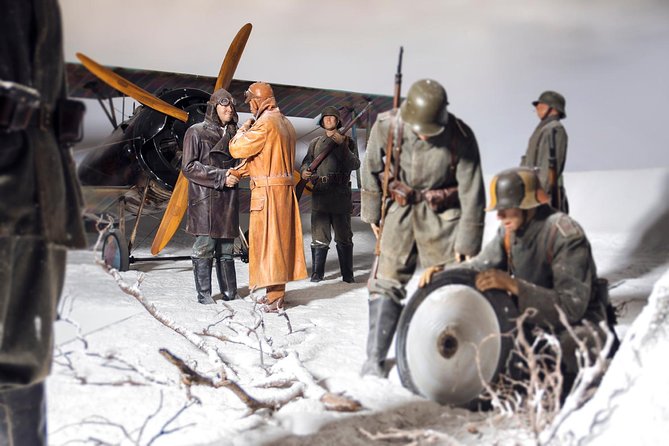
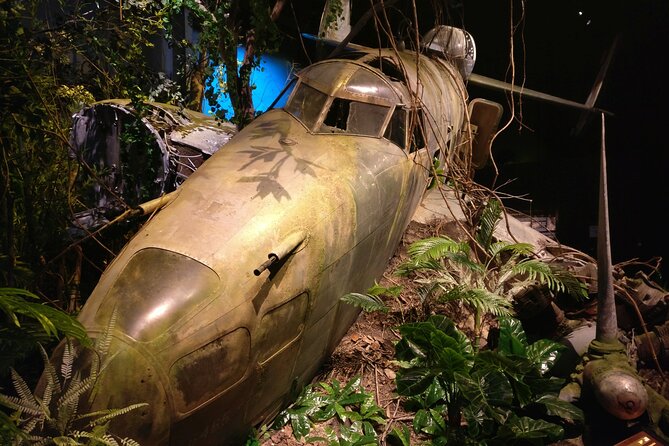
The most striking part of Omaka Aviation Heritage Centre is not simply the aircraft. It is the way the planes are placed inside full-scale wartime scenes, with figures, sets, lighting, sound, and film-style staging that make the machines feel connected to real events. The Battle of Stalingrad presentation is especially strong, with an audiovisual treatment that gives the WWII section real drama.
I like that this ticket gives you both exhibitions, so you do not have to choose between the First World War and Second World War displays. I also like the freedom to set your own pace, with clear information panels for a quick visit or enough material to keep an aviation enthusiast occupied for hours. The main drawback is that transport, food, and guided commentary are not included, and a serious visit can take far longer than the advertised 90 minutes.
Key points to know before you go
- Two exhibitions in one ticket: See Knights of the Sky for WWI aviation and Dangerous Skies for WWII.
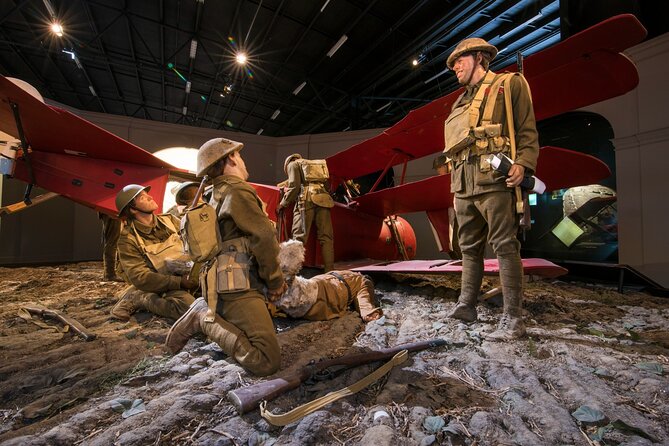
- Film-set quality displays: WingNut Films and Weta Workshop helped create lifelike scenes and figures.
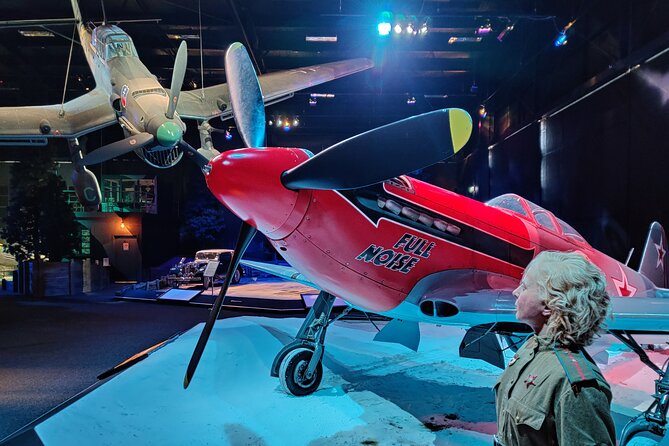
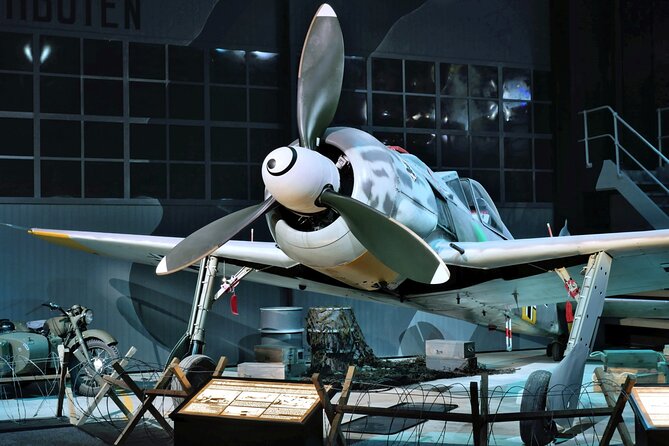
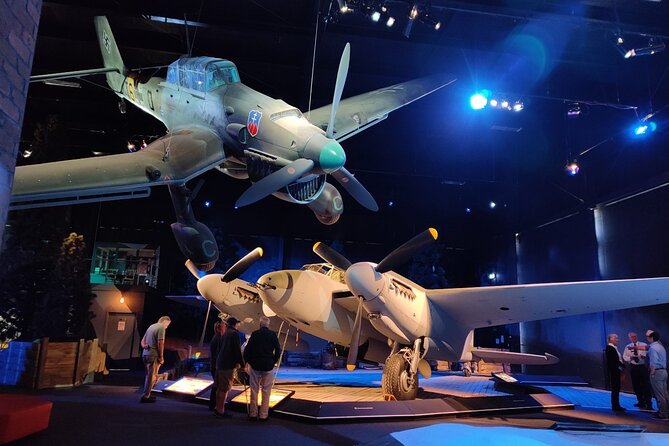
- Rare aircraft up close: The collection includes preserved bombers and fighter aircraft from both world wars.
- A strong Stalingrad presentation: The WWII section includes a dramatic audiovisual experience about the battle.
- Plan for at least 90 minutes: A quick visit is possible, but aviation fans may need several hours.
- Useful for families and enthusiasts: The scenes help bring the subject to life, while information panels give serious visitors plenty to study.
Why Omaka feels different from a standard aircraft museum
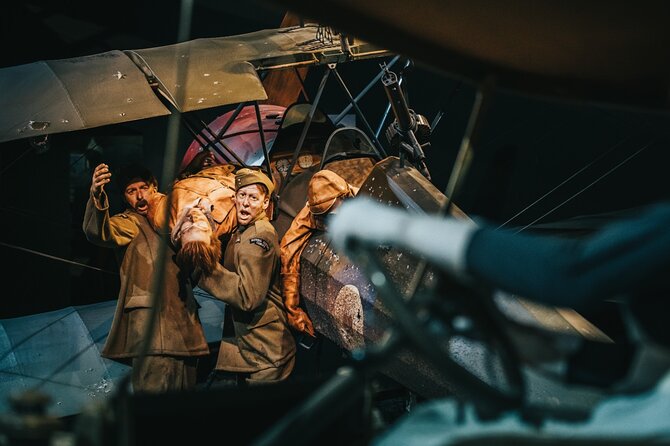
Many aircraft museums line planes up in a hangar and let the machinery do the talking. Omaka takes another route. Here, the aircraft are presented as part of carefully built scenes, giving you a sense of place, action, and human cost rather than just a list of models and specifications.
That approach comes from the involvement of Sir Peter Jackson, WingNut Films, and Weta Workshop. Jackson owns the collection connected with the exhibition, while the creative teams helped build the sets and mannequins. The result is closer to a film production than a plain display case, though the historical panels keep the experience grounded.
I like this balance. The theatrical staging catches your attention quickly, which is useful if you are visiting with children or someone who does not normally choose military museums. At the same time, the aircraft, photographs, and written material give you reasons to slow down and look more closely.
The style will not suit everyone. If you prefer a quiet museum with minimal staging, the lifelike scenes may feel dramatic. For most people, though, the presentation makes the aircraft easier to understand. You see what these machines were built to do, not just how they look after restoration.
More WWII and D-Day Tours in the world:
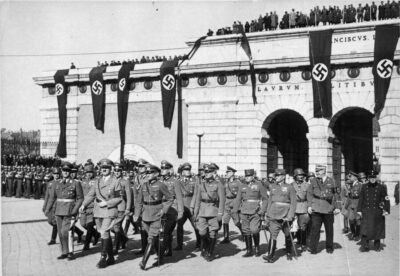
- Vienna: World War II Historical Walking Tour
★ 4.8 · 1,772 reviews - Zagreb: City & History Walking Tour & WW2 Tunnels
★ 4.9 · 1,202 reviews - Pearl Harbor History Remembered Tour from Ko Olina
★ 5.0 · 1,009 reviews
Knights of the Sky brings WWI aviation to life
Start with Knights of the Sky, the centre’s opening exhibition from December 2006. It focuses on First World War aviation and was designed around a collection noted for its rarity, historical importance, and scale.
The planes are placed in dioramas rather than treated as isolated objects. Figures, scenery, photographs, and written explanations help show the dangerous, uncertain nature of early military flight. You might know little about aircraft before 1918 and still find the displays easy to follow.
This section is particularly good for understanding how different early aviation was. The machines look fragile compared with later fighters and bombers, and the scenes help you picture the conditions in which pilots operated. The presentation gives the aircraft a human setting without requiring a guided tour.
Allow time for the information panels. They are written for a general audience, so you do not need specialist knowledge to follow them. If you are visiting with children, the visual displays should hold attention better than a long row of technical labels, though younger children may need help with the wartime context.
The WWI collection is also a major reason for aviation enthusiasts to visit. The appeal is not only the number of aircraft, but the chance to see rare machines placed within a carefully designed historical setting. I would give this section more than a rushed glance, even if your main interest is WWII.
Dangerous Skies and the Battle of Stalingrad
The second exhibition, Dangerous Skies, turns to the Second World War. It includes preserved fighter aircraft and bombers, along with displays about wartime pilots and major events.
The Battle of Stalingrad is presented through an audiovisual experience. This adds movement, sound, and atmosphere to a subject that can otherwise become a difficult sequence of dates and place names. The presentation gives you a stronger sense of the scale and pressure of the battle without turning the museum into a theme-park attraction.
I would make this section a priority if you have limited time. The WWII displays are visually powerful, and the aircraft are close enough to inspect in detail. You can look at construction, cockpit shapes, engines, and markings while also learning about the people and operations tied to the machines.
The balance here is useful. The aircraft provide the hardware, while the scenes and media explain why the hardware mattered. You are not left with only technical facts, but you also are not asked to rely on theatrical effects alone.
Read the panels as you move through the exhibit. The short summaries make it possible to follow the main story quickly, while the aircraft reward a slower look. If your interest is focused on aviation history, you could easily spend much longer here than the suggested 90-minute minimum.
The aircraft collection rewards a slower visit
The centre’s aircraft are the main draw for many visitors. They include bomber planes and fighter jets from both world wars, with an emphasis on rare and carefully preserved examples.
The pleasure is in seeing these machines at close range. You can compare the shapes, sizes, and design choices across two very different periods of aviation. The displays also make it easier to connect technical changes with the changing demands of war.
A quick visit gives you the broad story. A longer visit lets you examine photographs, labels, and smaller details that are easy to miss when you are moving with a group. One practical tip is to leave room in your schedule. The advertised minimum is 90 minutes, but aviation fans may find that far too short.
The centre works especially well for people who already know aircraft types and want to see them in person. The staged scenes add context rather than replacing the technical interest. If you can identify aircraft by sight, you will likely want time to compare the displays carefully.
You do not need to be an aircraft expert, though. The presentation is designed to communicate through images and setting. A person interested in military history, film-making, or New Zealand wartime stories can find plenty to enjoy without knowing the difference between every fighter model.
More Museum and Gallery History Tours in the world:
- New York City: American Museum of Natural History Ticket
★ 4.5 · 15,447 reviews - Paris: Louvre Museum Entry with History of Mona Lisa
★ 3.9 · 2,823 reviews - Venice’s Best: Basilica, Doge’s Palace, Gondola & History Gallery
★ 4.5 · 2,478 reviews - American Museum of Natural History Admission Ticket
★ 4.0 · 1,931 reviews
A family-friendly stop in Marlborough wine country
Omaka is in the heart of Marlborough wine country, making it a practical addition to a wider Blenheim visit. It can work as a dedicated museum outing or as a stop between other activities in the area.
For families, the lifelike scenes are an advantage. Children often respond more readily to a scene with figures and aircraft than to a wall of text. You will still need to explain some of the darker parts of wartime history, but the displays give you concrete things to discuss.
The centre is not presented as a guided tour, so you control the pace. You can move quickly through sections that hold less interest, then pause at an aircraft or scene that catches your attention. That flexibility is helpful with mixed-age groups.
Coffee, light refreshments, and souvenirs are available for purchase. Food and drink are not included in the ticket, so plan around the centre’s opening hours if you are building a full day in the region.
How long should you allow?
The official advice is to allow at least 90 minutes for both exhibitions. That is a sensible minimum for a clear overview, especially if you read the main panels and watch the Stalingrad presentation.
I would allow two hours if you want a more relaxed visit. The extra time matters because the centre asks you to switch between several kinds of information: aircraft, photographs, figures, written explanations, and audiovisual scenes.
Some people may need even longer. If you are a serious aviation enthusiast, five hours is not unrealistic. The collection has enough detail to turn a quick stop into a major part of your day, particularly if you examine the rare aircraft closely.
The best plan is to avoid scheduling something immediately afterward. A flexible timetable lets you stay when a display catches your eye rather than leaving just as you begin to understand it.
Opening hours vary by season. The supplied schedule lists 9am to 4pm from May through November, and 9am to 5pm from December through March. Another operating note lists 10am to 4pm, so check the current hours before setting out, especially if you are planning an early visit.
Price, ticket value, and what is not included
The listed price is $30.41 per person. That is reasonable if you intend to see both exhibitions and take time with the displays, particularly because the ticket combines the WWI and WWII sections rather than making you select one.
The value is weaker if you only want a brief look at aircraft. The centre recommends 90 minutes, but the ticket makes more sense when you treat Omaka as a proper museum visit instead of a ten-minute photo stop.
The mobile ticket is convenient, and the experience is designed for independent exploration. There is no need to arrange a guided commentary, though guided commentary is not included unless requested. Transportation to and from the centre is also your responsibility.
GST is included. Food, drinks, and souvenirs cost extra. These are small points, but they matter if you are planning a tight day or arriving without your own transport.
A useful value test is simple: if you have a real interest in aircraft, war history, film-quality displays, or New Zealand aviation stories, the combined ticket should give you plenty of material for the price. If none of those subjects appeal, the dramatic presentation may still help, but you may not want to spend several hours here.
Practical details for planning your visit
The experience is self-guided. You receive general admission and explore at your own pace, which means you can focus on the displays that matter most to you.
Confirmation is provided at booking, and the mobile ticket is a useful choice if you are moving around Marlborough with a phone rather than paper documents. The centre is open seven days a week except Christmas Day, subject to the seasonal hours noted above.
Service animals are allowed, and most people can take part. The supplied information says all visitors must be well and sign in for contact tracing. It also lists a maximum of 10 participants for the activity, although the museum itself is a public attraction, so confirm how that limit applies to your booking.
Free cancellation is available up to 24 hours before the experience start time. Cancellations made later than that are not refundable, and changes inside the 24-hour window are not accepted.
Who will get the most from Omaka?
I would recommend Omaka first to aircraft enthusiasts, military history fans, and anyone interested in how film-making can improve a museum display. The preserved aircraft are the foundation, but the carefully built settings make the visit more memorable than a standard hangar collection.
Families can also do well here, especially if children respond to visual displays. The panels are useful, but you should expect the subject matter to include war and loss. A short conversation before or during the visit may help younger children understand what they are seeing.
The centre also suits visitors who are not military museum regulars. You do not need to arrive with a long list of aircraft types. The dioramas, figures, photographs, and audiovisual material provide a clear entry point.
I would be less enthusiastic about it for someone who wants a fast, purely technical collection with little staging. Omaka uses drama to explain the past, and that creative approach is central to its identity.
Should you book this experience?
Book it if you want to see both world wars covered in one stop, especially if rare aircraft and lifelike historical scenes appeal to you. The combined ticket is the right choice because choosing only one exhibition would leave out a major part of the centre’s appeal.
Plan on at least 90 minutes, and leave extra time if you enjoy aircraft details or museum panels. The strongest reasons to go are the WWI and WWII aircraft, the WingNut Films and Weta Workshop presentation, and the Battle of Stalingrad audiovisual display.
Skip it only if your schedule is too tight for a proper visit or if military and aviation subjects hold little interest. For most people spending time in Blenheim, Omaka offers a distinctive, worthwhile stop that can easily become much longer than expected.
FAQ
Where is the Omaka Aviation Heritage Centre?
It is located in Blenheim, New Zealand, in the Marlborough wine country.
What does the combo ticket include?
It includes general admission to both the Knights of the Sky and Dangerous Skies exhibitions.
What is the price?
The listed price is $30.41 per person.
How long does the visit take?
The centre recommends a minimum of 90 minutes to see both exhibitions. You may need longer if you want to read the panels and examine the aircraft closely.
Can I explore at my own pace?
Yes. The ticket provides general admission, allowing you to explore the exhibitions independently.
Is transportation included?
No. Transportation to and from the Omaka Aviation Heritage Centre is not included.
Is guided commentary included?
No. Guided commentary is not included unless requested.
Are food and drinks included?
No. Food and drink are not included, though coffee and light refreshments are available for purchase.
Is the centre open every day?
It is open seven days a week except Christmas Day. The supplied seasonal hours list 9am to 4pm from May through November and 9am to 5pm from December through March. Another operating note lists 10am to 4pm, so check the current hours before visiting.
Can I cancel for a refund?
Yes. You can cancel for a full refund up to 24 hours before the experience start time. Cancellations or changes made less than 24 hours in advance are not accepted for a refund.
More Skip-the-Line Tickets in the world
- Taormina: Ancient Theater Skip-the-Line Ticket & Audio Guide
★ 4.5 · 2,412 reviews - Historic Milan Tour with Skip-the-Line Last Supper Ticket
★ 4.5 · 1,976 reviews - Córdoba: Skip-the-Line Great Mosque-Cathedral History Tour
★ 4.7 · 1,690 reviews - Skip-the-Line Schonbrunn Palace Guided Tour and Vienna Historical City Tour
★ 3.5 · 940 reviews
Newest history tours we have reviewed in the world
- Enjoy Ancient Mostar★ 4.0 · 45 reviews
- Private Dublin Historical and Heritage Tour by Bike★ 5.0 · 30 reviews
- Dubrovnik by Night, History, Wine & Bites★ 5.0 · 41 reviews
- Historical Walking Tour of Dublin★ 5.0 · 50 reviews
- DayTripper Dublin: A Guided City Walking Tour★ 5.0 · 90 reviews
- Ancient Old City– Finest tour of Dubrovnik★ 5.0 · 64 reviews
- Dublin LGBTQ Pride Historical and Cultural Walking Tour★ 5.0 · 91 reviews
- Interactive Living History in Dalkey Castle near Dublin City★ 5.0 · 133 reviews
WWII & D-Day Tours, compared.
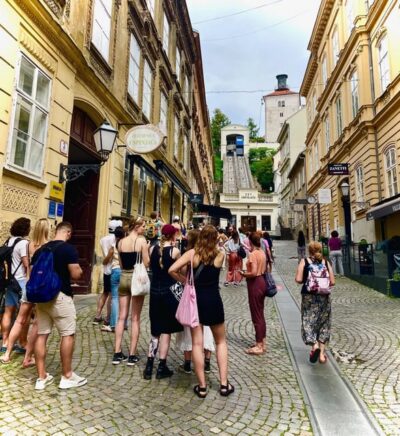
Zagreb: City & History Walking Tour & WW2 Tunnels
Read our review →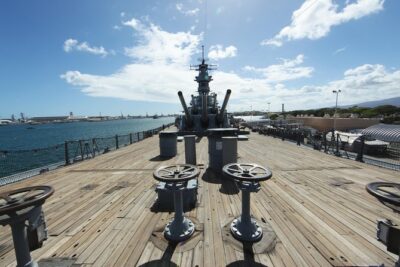
Pearl Harbor History Remembered Tour from Ko Olina
Read our review →
Hiroshima Peace (Heiwa) Walking Tour at World Heritage Sites
Read our review →

Pearl Harbor & USS Arizona Small-Group Tour [Early Access]
Read our review →
Anne Frank and the Jewish History of Amsterdam Private Tour
Read our review →
Browse the lists this tour appears in