Review · BERLIN HISTORY TOURS
Berlin: Historic Center Walking Tour with a Real Berliner
Berlin’s story comes in sharp turns: a modest trading settlement, a royal capital, a divided Cold War city, and today’s reunited German capital. This two-hour walk through Mitte gives you that broad story while moving between the buildings where it happened.
I like the route for two reasons: it links major sights in a sensible line, and it gives you a local guide rather than a recorded script. I also like the small-group limit of 10, which makes it easier to ask questions. The main drawback is time. Two hours can introduce Berlin’s historic center, but it cannot cover every detail or include interior visits.
Key points to know before you book
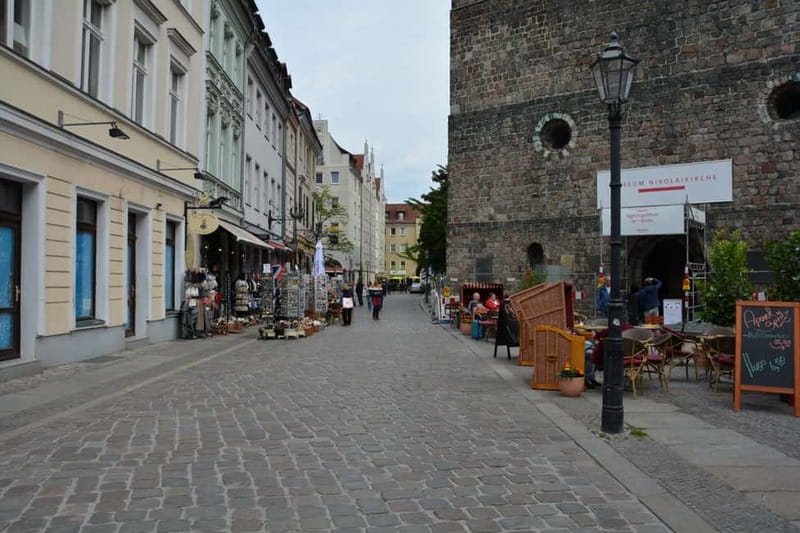
- Start at Nikolaikirche Museum: Begin in Berlin’s oldest historic quarter, Nikolaiviertel, near the city’s early roots.
- Follow a strong central route: See the Television Tower, Museum Island, Humboldt Forum, Berlin Cathedral, Unter den Linden, and Brandenburg Gate.
- Connect several eras: The walk moves from Prussian royal power to Nazi-era and Cold War context, then reunification.
- Expect a personal guide: Carlo is the guide named most often in the supplied feedback, though your assigned guide may differ.
- Small groups matter: The tour accepts no more than 10 people, and some departures may become nearly private if few people book.
- Prepare for outdoor walking: Wear comfortable shoes and clothing. The tour runs in all weather and on public holidays.
A useful first walk through Berlin’s Mitte
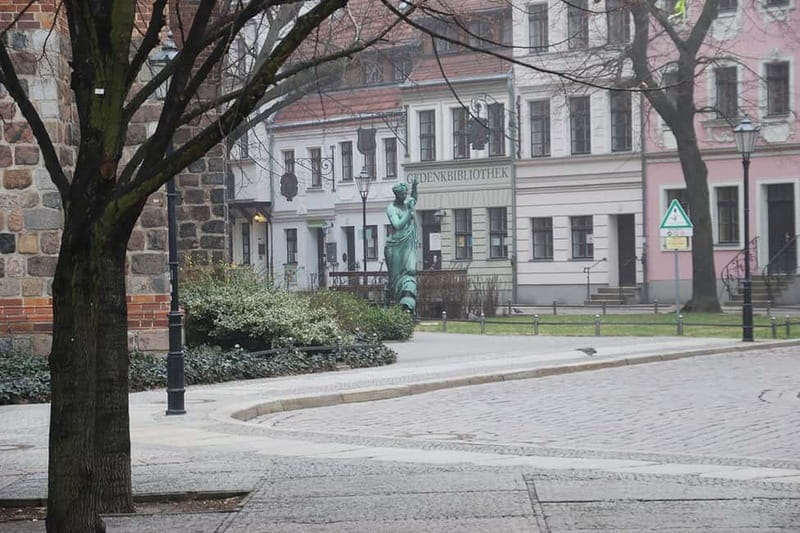
I see this tour as a strong orientation walk for your first day in Berlin. It stays in Mitte, the central district where many of the city’s most important sights sit close together, so you get both a history lesson and a practical sense of direction.
The route begins at St. Nicholas’ Church Museum and ends at Brandenburg Gate. That point-to-point design is useful: you are not simply circling one square, and you finish at one of Berlin’s clearest landmarks. The walk also avoids a narrow focus on only World War II. It reaches back to Berlin’s medieval origins and Prussian monarchy, then carries the story through division and reunification.
The tour costs $43 per person. That is fair value if you want a live guide to explain the city as you walk, especially in a group capped at 10. It is less appealing if you prefer to move at your own pace, enter museums, or spend long stretches inside one monument. Food, drinks, hotel pickup, and drop-off are not included.
More History Walking Tours in Berlin
- Berlin: History of the Third Reich Guided Walking Tour
★ 4.7 · 791 reviews - Berlin Historical Highlights Walking Tour
★ 4.9 · 657 reviews - Berlin Private Complete History All Day Walking Tour
★ 5.0 · 474 reviews
Starting in Nikolaiviertel, where Berlin began
Meet your guide in front of the main entrance to the Nikolaikirche Museum. Look for the Get Your Guide, You in Berlin flag, which makes the meeting point easier to spot.
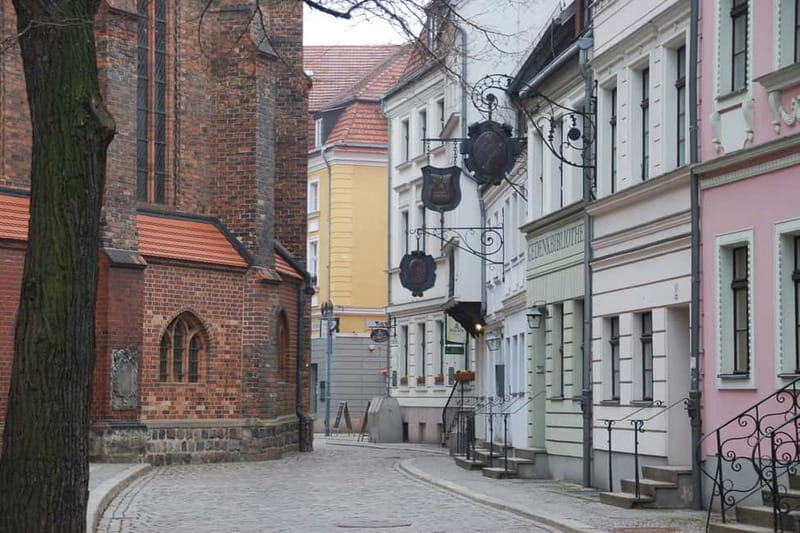
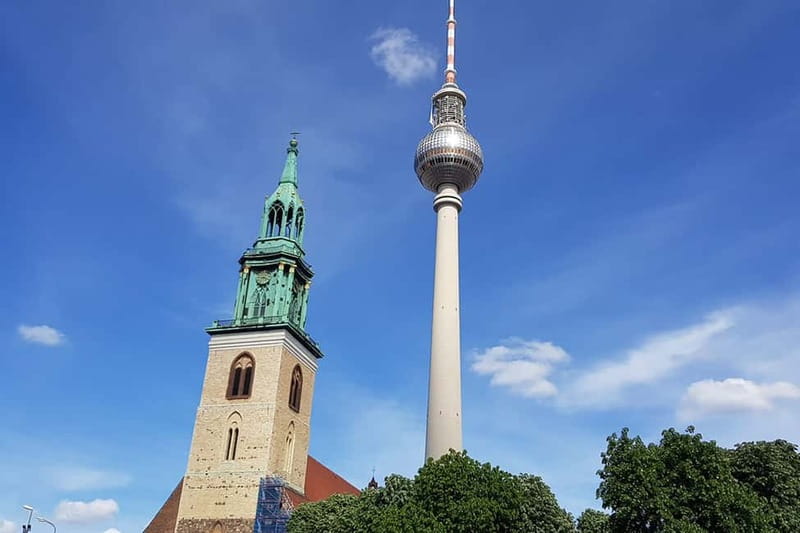
The walk starts in Nikolaiviertel, the area around St. Nicholas’ Church. This is the right place to begin a city story because it points toward Berlin’s early development as a small trading settlement. From there, your guide can explain how the city grew into the capital of Prussia and later the capital of modern Germany.
I like this opening because it gives Berlin a longer timeline. If you arrive expecting only Cold War walls and twentieth-century politics, the first section helps reset your view. Berlin’s identity was shaped long before the twentieth century, and the tour makes that clear from the start.
The meeting point is central, but you should still allow enough time to find the museum entrance. Since the tour runs in all weather, check the forecast and bring an outer layer or rain protection when needed.
The Television Tower and Berlin’s changing skyline
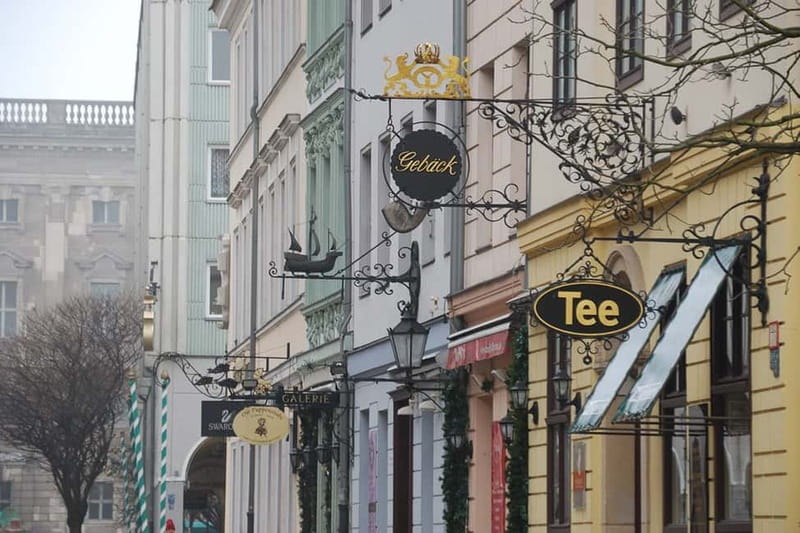
From Nikolaiviertel, you will see Berlin’s Television Tower, the city’s highest building. Its presence gives you an immediate sense of modern Berlin and offers a strong contrast with the older quarters around it.
The tower is more than a tall structure on the skyline. It belongs to the visual story of East Berlin and the city’s divided years, while the surrounding historic center carries much older layers. Your guide can use the view to show how different political periods left their mark on the same central district.
Because this is a walking tour rather than a tower visit, do not expect to go up the Television Tower. You see it as part of the city setting. That is useful for orientation, but anyone wanting an observation deck experience will need a separate ticket and more time.
Walking beside the Spree to Museum Island
The route then follows the Spree toward Museum Island. This riverside stretch helps connect the city’s political center with its cultural center, and it gives you a change of pace after the denser Nikolaiviertel streets.
Museum Island is one of Berlin’s major cultural areas. On this walk, you see the Berlin Cathedral and the Old Museum, along with the Humboldt Forum. You will not be touring the museum collections, but the guide can explain why these buildings matter and how they fit into Berlin’s development.
The Berlin Cathedral is one of the most recognizable buildings on the route. Its scale and position beside the river make it a natural stop for photos and a useful reference point. The Old Museum adds another layer, showing how royal Berlin presented art, learning, and power.
This is one place where the two-hour limit becomes clear. Museum Island deserves several hours if you plan to visit its interiors. Think of the walk as a guided introduction that helps you decide which places deserve a return visit.
More History Walking Tours in Germany
- Berlin: Charité Hospital Walking Tour of Medical History
★ 4.9 · 276 reviews - Berlin Private Half-Day Walking Tour: Discover the German Capital’s History
★ 5.0 · 244 reviews - The History of Berlin: WWII PRIVATE Walking Tour With Locals
★ 5.0 · 209 reviews - Berlin: Nazi History Walking Tour
★ 4.8 · 33 reviews
The Humboldt Forum and the reconstructed city palace
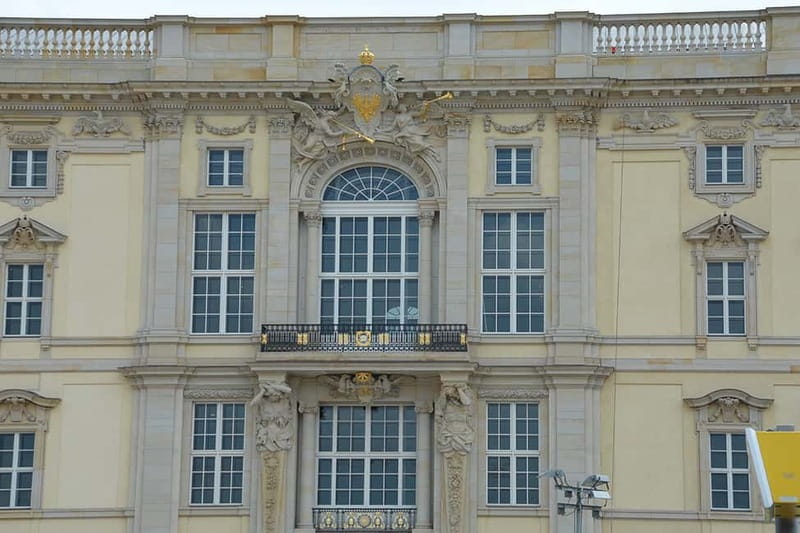
At the Humboldt Forum, you encounter one of the most debated and visually striking parts of the modern center. The building incorporates a reconstruction of the Berlin City Palace, once associated with the Hohenzollern rulers and Prussian royal power.
Your guide can help you understand the tension between old and new here. Berlin has repeatedly rebuilt, removed, and reinterpreted its central buildings. The reconstructed palace is not simply an old structure that survived unchanged. It is part of a modern attempt to restore an important historic form while giving the building a new public role.
That context is valuable because the center can otherwise look like a collection of impressive facades. The guide connects architecture to politics, monarchy, war, destruction, and reconstruction. You get more from the building when you know why its appearance has drawn attention.
Across Palace Bridge into royal Berlin
Crossing the Palace Bridge takes you toward the historic center and the grand buildings associated with kings and emperors. This is where Berlin’s royal ambitions become especially visible.
The bridge also works as a transition in the walk. You move from the riverfront and Museum Island toward Unter den Linden, the city’s famous boulevard. Along the way, the guide can explain how Berlin developed as a seat of power rather than only as a commercial town.
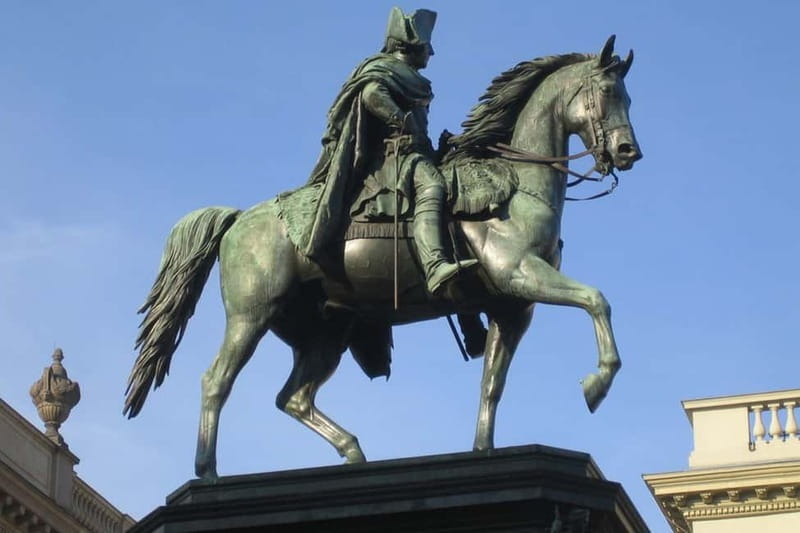
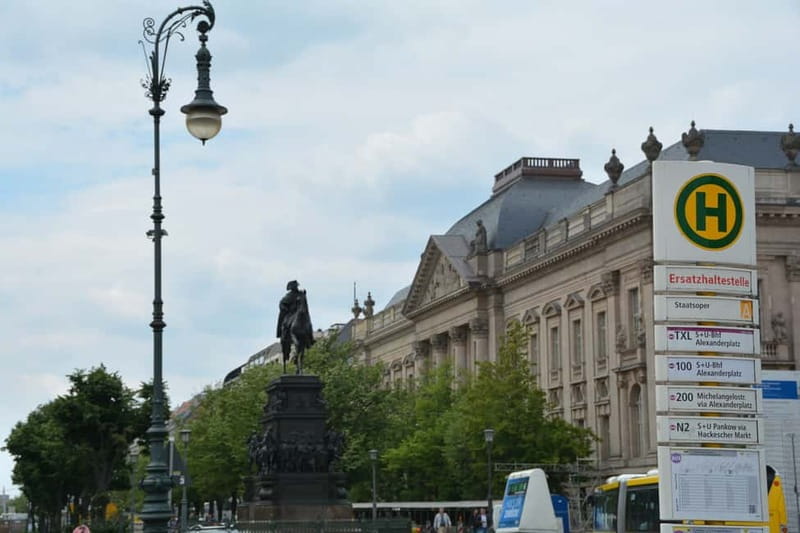
You will see the Equestrian Statue of Frederick the Great, a reminder of Prussia’s military and political influence. The statue gives your guide a natural point for discussing Frederick’s role and the way rulers used public spaces to shape the city’s image.
I appreciate stops like this because they keep the tour grounded in actual places. Instead of hearing a list of dates, you can connect royal history to monuments, streets, and buildings that are still in front of you.
Unter den Linden, Berlin’s grand historic boulevard
Unter den Linden is the oldest boulevard in Berlin, and it forms the central spine of the second half of the walk. The name refers to the linden trees that line the avenue, though the important point for you is its role as a route through the city’s political and cultural center.
The boulevard brings several sights into one compact sequence:
- The Equestrian Statue of Frederick the Great
- The Berlin State Opera
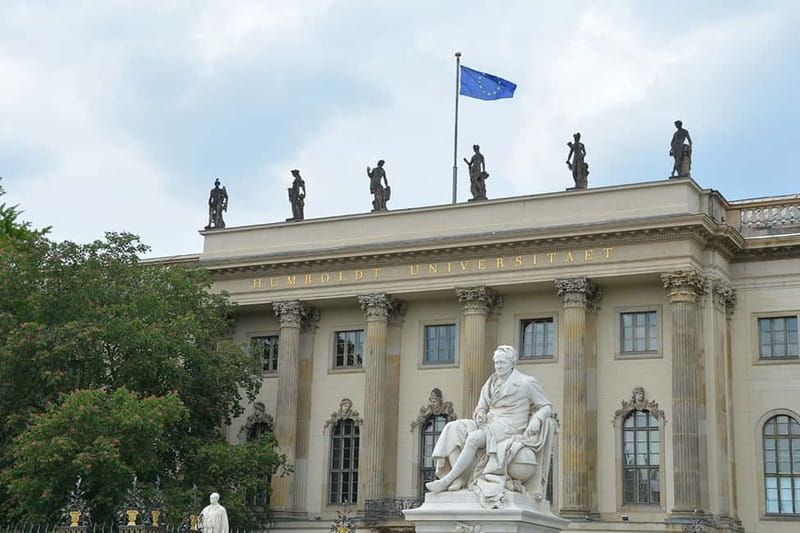
- Humboldt University
- St. Hedwig’s Cathedral
The State Opera reflects Berlin’s long connection with music and court culture. Humboldt University points to the city’s role as a center of scholarship. St. Hedwig’s Cathedral adds religious and architectural variety to a street otherwise filled with royal and state buildings.
You should expect to view these places from outside. The guide’s explanation is the main experience, not interior admission. That keeps the tour moving, but it also means you may want to return later if a particular building catches your interest.
This section suits visitors who want the big picture. You see how monarchy, education, religion, and the arts were placed side by side in the capital. It is one reason I would take this walk early in a Berlin visit, before choosing which sights to explore in depth.
Finishing at Brandenburg Gate and reunification
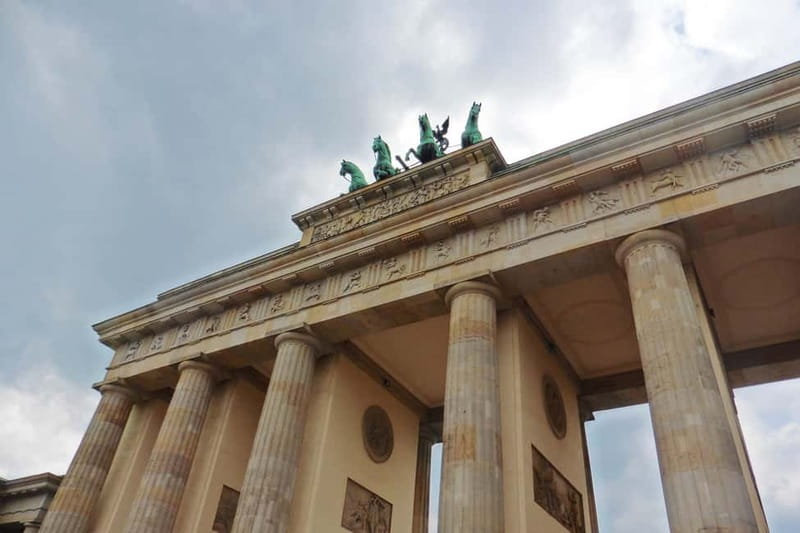
The walk ends at Brandenburg Gate, Berlin’s most famous symbol. It is not just a handsome neoclassical gateway. Its meaning changed sharply across the city’s history.
Your guide will explain the gate’s importance before, during, and after Berlin’s division. During the Cold War, it stood in a restricted border zone near the Berlin Wall. After the fall of the Wall, it became a powerful image of German reunification and a focal point for the celebrations of 1990.
Ending here gives the route a clear finish. You have moved from Berlin’s early beginnings through royal expansion, cultural ambition, political division, and reunification. The gate pulls those chapters together without pretending that the city’s past is simple.
It is also a practical ending point. After the tour, you can continue exploring the central area or use the knowledge you gained to plan the rest of your visit. The walk does not return you to the starting point, so remember that when arranging your day.
What the guide adds to the experience
The guide is the heart of this activity. The tour is offered in German, English, and Italian, and the guide is described as a certified, multilingual city guide.
Carlo is the name that appears most often in the supplied feedback. He is described as warm, easygoing, clear, and strongly engaged with Berlin’s past. One useful detail is that he has continued with a tour even when only one person booked, rather than canceling it. Another guide anecdote includes bringing umbrellas when rain was expected, a small sign of practical care.
You should not assume Carlo will lead every departure, but the comments give you a good sense of the intended style: plenty of historical explanation, room for questions, and an effort to help you get oriented. The guide may also help with practical matters. One person was shown where to catch the bus to the hotel after the walk.
The strongest praise centers on the breadth of the explanation. The walk is not limited to World War II or the Cold War. You hear about Berlin’s early beginnings, Prussian rulers, the city’s cultural institutions, division, and reunification. That wider frame is especially helpful because Berlin’s major sights can otherwise feel disconnected.
Group size, pace, and weather
The group is limited to 10 participants, which is a real advantage on a city walk. A smaller group makes it easier to hear the guide beside busy streets and easier to ask about a building or historical point that interests you.
If only a few people book, the experience may feel close to a private tour. That can give you more freedom to ask questions, though the basic two-hour route still applies. If you prefer a quieter, personal format, this small-group limit is one of the tour’s best features.
You will be walking outdoors for the full experience. Wear comfortable shoes and comfortable clothes. The tour operates in all weather and on public holidays, so rain or cold will not automatically change the plan. Bring an umbrella or rain jacket when needed. The route is wheelchair accessible, but you should still consider the weather and the amount of time spent moving through the city.
Who will get the most from this walk
I would recommend this tour to a first-time visitor who wants a clear introduction to central Berlin. It is also useful for anyone who wants history explained in person rather than through an audio guide.
It suits you especially well if:
- You have only a short time in Berlin
- You want to understand how the city’s major sights connect
- You prefer a small group
- You want a guide who can answer questions
- You want more than a World War II and Cold War overview
- You plan to return to Museum Island or other sights after learning the basics
It may not suit you if you dislike walking, need long visits inside museums, or want a tour focused on one narrow period. The route gives you a broad introduction, not a detailed study of every building.
Is $43 a fair price?
At $43, I think the tour offers good value for a compact introduction to Berlin’s central history. You are paying for two hours with a live multilingual guide, a small group, and a route that covers several major landmarks without requiring you to organize the geography yourself.
The value is strongest when you take it near the start of your stay. A good orientation can save time later because you will understand where Museum Island, Unter den Linden, and Brandenburg Gate sit in relation to one another. You can then choose which buildings deserve a longer visit.
The price does not include food, drinks, transport, hotel pickup, or entry tickets. That is not a problem if you want a straightforward walking tour, but you should budget separately for museum admission and other activities.
Free cancellation up to 24 hours before the start gives you some flexibility, and reserve-now, pay-later booking can help if your plans are still shifting.
Should you book the Berlin historic center walk?
Book it if you want a well-paced introduction to Mitte with a guide who can connect Berlin’s long history to the streets and buildings around you. The small group, central route, multilingual options, and strong focus on context make it a sensible first activity.
I would especially choose it for a first afternoon or morning in Berlin. You will finish at Brandenburg Gate with a clearer sense of the city, a better map in your head, and several ideas for what to visit next.
Skip it if you want substantial interior sightseeing or a specialist tour devoted only to the Wall, Nazi Berlin, museums, or architecture. For a broad, personal, outdoor introduction to the historic center, though, $43 is a reasonable investment.
FAQ
How long is the Berlin historic center walking tour?
The tour lasts two hours.
Where does the tour start?
It starts in front of the main entrance to the Nikolaikirche Museum, also called St. Nicholas’ Church Museum.
How do I find the guide?
Look for the guide with the Get Your Guide, You in Berlin flag.
Where does the tour finish?
The tour finishes at Brandenburg Gate.
Which languages are available?
The tour is offered in German, English, and Italian.
How many people can join the tour?
The group is limited to 10 participants.
Is the tour wheelchair accessible?
Yes, the activity is listed as wheelchair accessible.
Does the tour operate in bad weather?
Yes. The tour takes place in all weather conditions and on public holidays.
What should I wear or bring?
Bring comfortable shoes and comfortable clothes. You may also want rain protection because the walk operates in all weather.
Are hotel pickup, food, and drinks included?
No. Hotel pickup and drop-off, food, and drinks are not included.
Can I cancel the booking?
Yes. You can cancel up to 24 hours in advance for a full refund.
Can I reserve now and pay later?
Yes. The booking option allows you to reserve your place and pay nothing at the time of booking.
More Old Town and Historic Centre Walks in Berlin
- Madrid Essential: Historic Center, Plaza Mayor & Royal Palace
★ 5.0 · 6,416 reviews - Lisbon: Live Fado Show with Port Wine in Historic Center
★ 4.7 · 4,166 reviews - Valencia Old Town Tour with Wine & Tapas in 11th Century Historic Monument
★ 5.0 · 3,234 reviews - Prague Old Town, Medieval Underground and Dungeon Historical Tour
★ 4.5 · 3,227 reviews
More Old Town and Historic Centre Walks in Germany
- Berlin: 1-Hour Guided Tour of the Historic Center
★ 4.2 · 33 reviews - The Local Tour of Hamburg Historic Centre
★ 5.0 · 1,058 reviews - Trier: Guided Old Town Highlights and History Walking Tour
★ 4.7 · 687 reviews - Cologne: Old Town Beer History Tour
★ 4.7 · 659 reviews
Newest history tours we have reviewed in Berlin
- Berlin: Nazi History Walking Tour★ 4.8 · 33 reviews
- Berlin: History and Sightseeing with Kids (Free for Kids)★ 4.9 · 19 reviews
- Berlin: Historical Sights & Berlin Wall Tour with a Berliner★ 5.0 · 62 reviews
- Berlin: Urbex Abandoned Places & History Tour★ 4.8 · 18 reviews
- Berlin (E)Bike Tour Historical Highlights in Small groups★ 4.5 · 24 reviews
- East Berlin Food & History Tour with Eating Europe★ 4.8 · 20 reviews
- Berlin: Guided Craft Beer & Cultural Tour With Snacks★ 5.0 · 68 reviews
- Berlin Beers & Battlefields Tour: War History & German Beer★ 4.9 · 29 reviews
Old Town & Historic Centre Walks, compared.

Madrid Essential: Historic Center, Plaza Mayor & Royal Palace
Read our review →
Live Fado Show with Port Wine in Historic Center
Read our review →
Valencia Old Town Tour with Wine & Tapas in 11th Century Historic Monument
Read our review →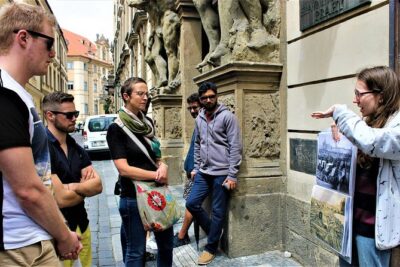
Prague Old Town, Medieval Underground and Dungeon Historical Tour
Read our review →
Cartagena: Historic Center and Getsemaní Shared Walking Tour
Read our review →
Old Town Walking Tour History and Tales in Edinburgh
Read our review →