
Review · HISTORY WALKING TOURS
Belgrade: 3-Hour Serbian History Walking Tour
Belgrade’s past is not tucked away in one museum. It is under your feet, in the fortress walls, along the old streets, and in the meeting point of the Sava and Danube rivers. This tour gives you a brisk walk through that story, from the National Assembly and Republic Square to Skadarlija and Kalemegdan Fortress. I especially like the way it joins ancient battles with modern Serbian life, rather than treating the city as a string of pretty facades.
Two things work especially well here: the guides explain difficult Balkan politics in plain English, and the route covers several of Belgrade’s key sights without requiring a bus or taxi. Guides such as Marija, Pedja, Jovana, Aleksandar, Tibi, and Andjelka have been praised for clear explanations, humor, patience, and useful suggestions for the rest of a stay. The tradeoff is simple: three hours and about 4 kilometers can only introduce Belgrade’s story, not finish it.
Key points to know before you book
- A 4-kilometer city walk: The route links central Belgrade with Skadarlija, old churches, Kalemegdan Park, and the fortress.
- History with present-day context: You can ask about Serbia, Yugoslavia, the Balkans, religion, politics, and daily life.
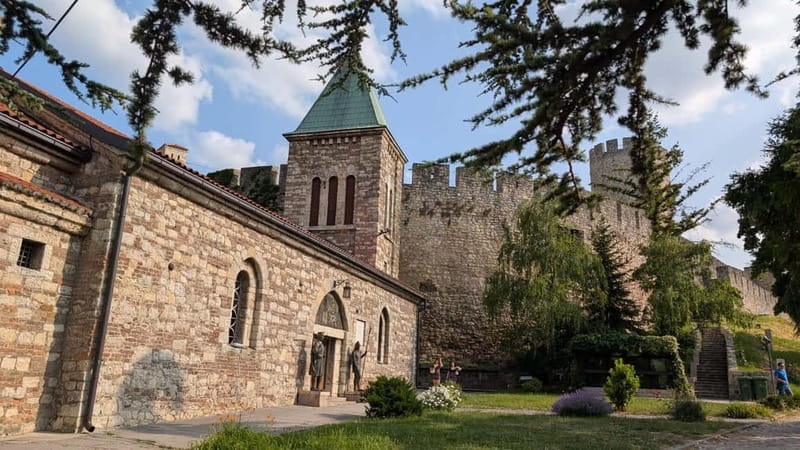
- The fortress is the high point: Kalemegdan and Belgrade Fortress bring together wide views, military history, old walls, and several important monuments.
- Strong guide quality: Marija, Pedja, Jovana, Aleksandar, Tibi, and others are praised for clear storytelling and thoughtful answers.
- Good first-day choice: The central route helps you get your bearings and collect ideas for museums, restaurants, and later visits.
- Simple practical setup: Meet beside the fountain at Terazije Square, wear comfortable shoes, and finish near Rajićeva Shopping Center.
Why this walk is a smart introduction to Belgrade
Belgrade can seem hard to read at first. It has Ottoman traces, Austro-Hungarian influence, socialist-era reminders, Orthodox churches, modern shopping streets, and the scars of more recent conflict. The city’s location explains much of this. It has long sat on the frontier between major powers and beside two rivers that made the site valuable to armies, merchants, and rulers.
I like this tour because it does not force you to learn Serbian history from a list of dates. A guide can point to a street, building, church, monument, or fortress wall and explain why it matters. That makes the past easier to remember, especially when the story moves from Roman and Byzantine times through the Ottomans, Austro-Hungarians, the world wars, Yugoslavia, and the 1990s.
The best guides also make room for questions. You can ask about religion, Serbian customs, current politics, architecture, food, or the wider Balkans. The tone depends on the guide, but the strongest reports describe a friendly, open discussion that stays clear even when the subject is complicated.
More History Walking Tours in the world:
- History and Hauntings of Salem Guided Walking Tour
★ 5.0 · 14,564 reviews - Lisbon: History, Stories and Lifestyle Walking Tour
★ 4.8 · 10,902 reviews - Boston: Freedom Trail History Small Group Walking Tour
★ 5.0 · 6,450 reviews
Starting at Terazije and the National Assembly
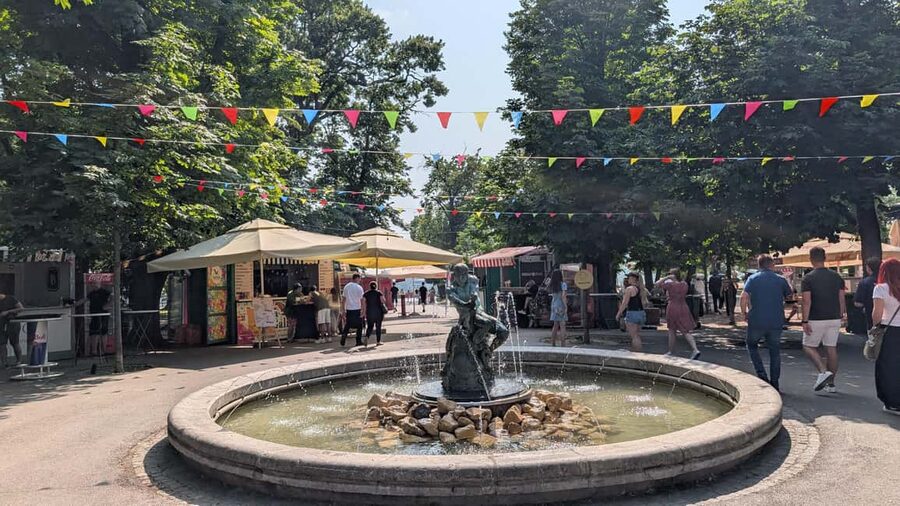
The meeting point is by the fountain at Terazije Square. This is a practical place to begin because it puts you in central Belgrade, close to major streets and public buildings. Arrive ready to walk, since the route proceeds on foot and does not return to the starting point.
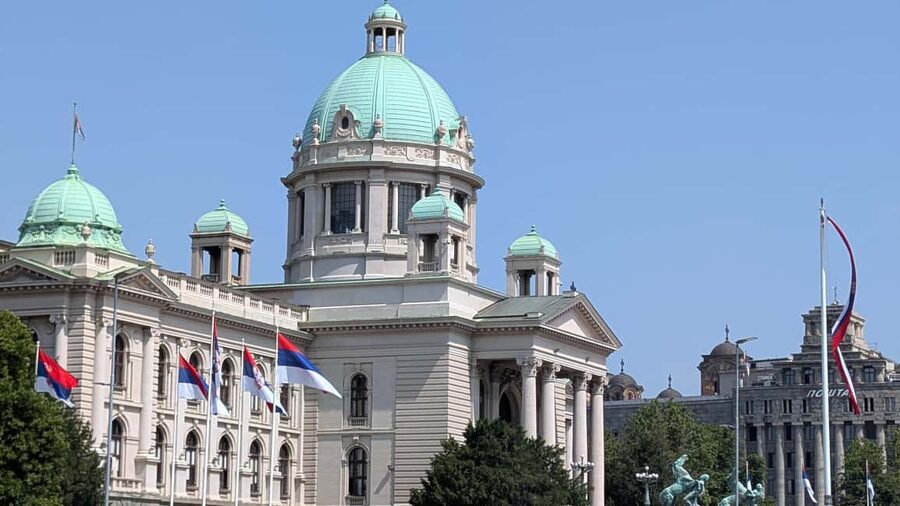
The National Assembly of the Republic of Serbia is an early stop. Here, your guide can place present-day Serbian government in a longer story of statehood, changing borders, and political power. The stop includes guided sightseeing and some free time, so you should have a chance to look around rather than simply pass the building.
This is also a useful moment to ask your first questions. If you have little background on Serbia, do not worry. The guides are used to explaining the basics, and several are praised for making complex subjects easy to follow without drowning you in detail.
Kneza Mihaila and Republic Square
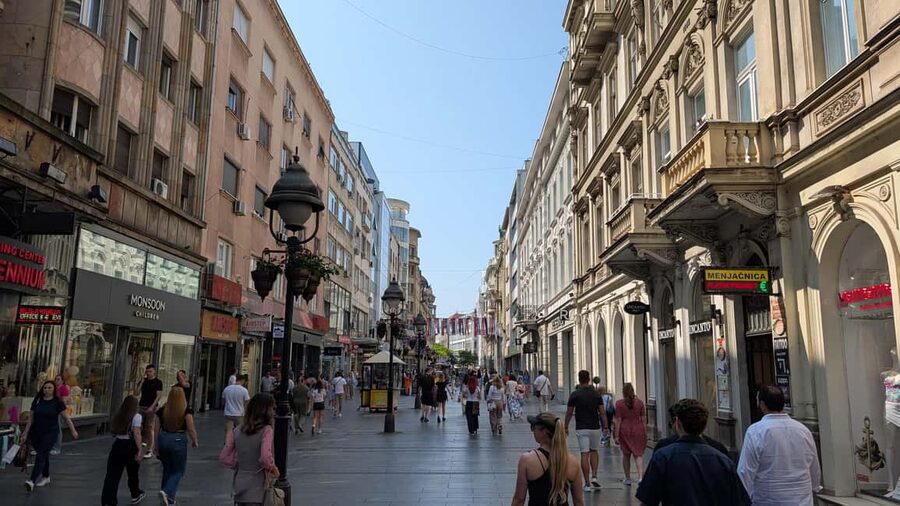
The walk continues along Kneza Mihaila, one of the central pedestrian streets. This part gives you a feel for modern city life alongside historic architecture. Shops, cafes, public spaces, and grand buildings make it a natural place to observe how Belgrade functions today.
At Republic Square, the tour pauses for more sightseeing and explanation. The square is one of the city’s main meeting places, so it helps connect the historical tour to ordinary Belgrade life. You are not only learning about rulers and wars. You are also seeing where people meet, walk, shop, and spend time in the capital.
I find this section valuable because it breaks up the heavier history. You move through an active part of the city before the route turns toward older quarters. If you prefer a quiet museum-style experience, the street setting may feel distracting. If you want to understand how the city works now, it is a strength.
Skadarlija, Belgrade’s old bohemian quarter
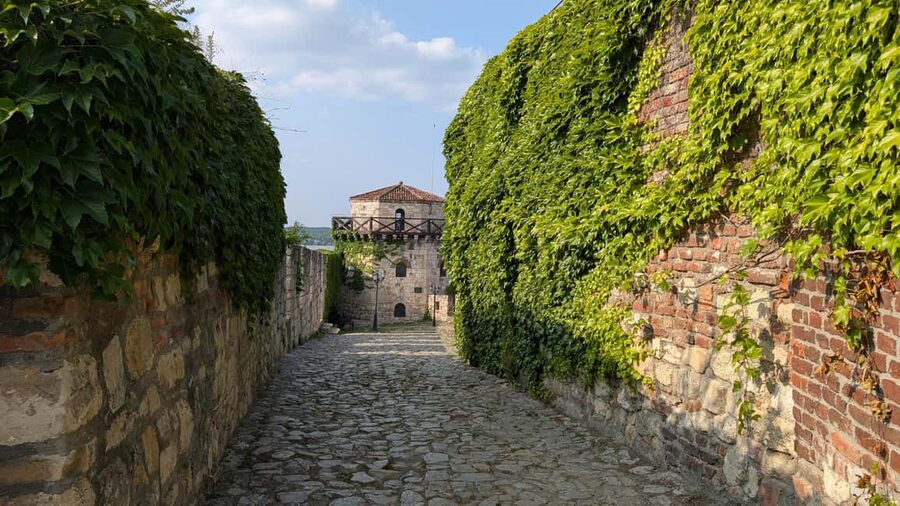
Skadarlija is one of the most memorable stops. The route includes a photo pause and a guided walk down Skadarska Street, a cobbled old quarter associated with writers, artists, restaurants, and traditional Serbian atmosphere.
Your guide can explain how this area fits into Belgrade’s cultural life. It is a good place to ask about Serbian food, music, customs, and the way locals view the city’s old neighborhoods. The setting is more intimate than the broad central squares, and the change in mood helps show that Belgrade is not only a political capital.
Keep your expectations sensible. A short walking tour cannot give you a full evening in Skadarlija, and the stop is mainly for sightseeing rather than a scheduled meal. I would return later if you want to sit in a restaurant or explore the street at length. During the tour, focus on the stories and the atmosphere.
More Three-Hour Tours in the world:
- Berlin: 3-Hour World Heritage Cruise to Potsdam
★ 4.5 · 1,569 reviews - Edinburgh: 3-Hour Historical Walking Tour in Italian
★ 4.7 · 734 reviews - 3-Hour Porto Jewish Heritage Walking Tour with Local Guide
★ 4.5 · 396 reviews - 3-Hour Atlanta Beltline Food, Street Art and History Tour
★ 5.0 · 345 reviews
Student Park and the Church of Saint Michael
The route then reaches Student Park, where the pace briefly slows. This stop helps connect Belgrade’s university life with the city center. It is a small but useful part of the walk because it adds another layer beyond military and political history.
The tour continues to the Church of the Holy Archangel Michael, also known as Saint Michael’s Cathedral. You visit the church with the guide and hear about its place in Serbian religious and national life. The church adds an important Orthodox perspective to the route, especially after the earlier discussion of empires and political change.
This is a good point to ask about the link between Serbian identity, religion, and historical memory. Those subjects can be sensitive, and a skilled guide matters. The strongest guides on this route are praised for giving context without turning the walk into a personal political speech.
Kalemegdan Park and the fortress walls
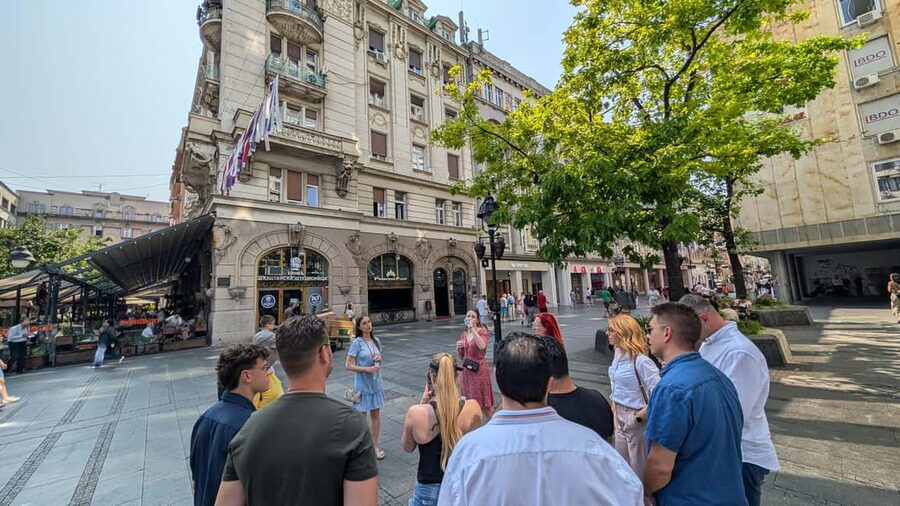
The walk reaches Kalemegdan Park before entering the main fortress area. Kalemegdan is more than a green park. It is the approach to Belgrade Fortress, a historic defensive site above the meeting point of the Sava and Danube.
This is where the tour’s setting becomes especially strong. You get open views, old fortifications, and a clear sense of why Belgrade mattered to so many armies. Celts, Romans, Byzantines, Ottomans, Austro-Hungarians, Germans, and Russians all played roles in the city’s long military story. Your guide can turn that broad sweep into a usable timeline.
The park also gives the group a little breathing room after the central streets. On a hot day, shade and pacing matter. One guide was specifically praised for finding shaded places during very warm weather, but conditions will depend on the day and the group. Bring water, wear practical shoes, and do not expect every surface to be flat.
Belgrade Fortress and the Military Museum
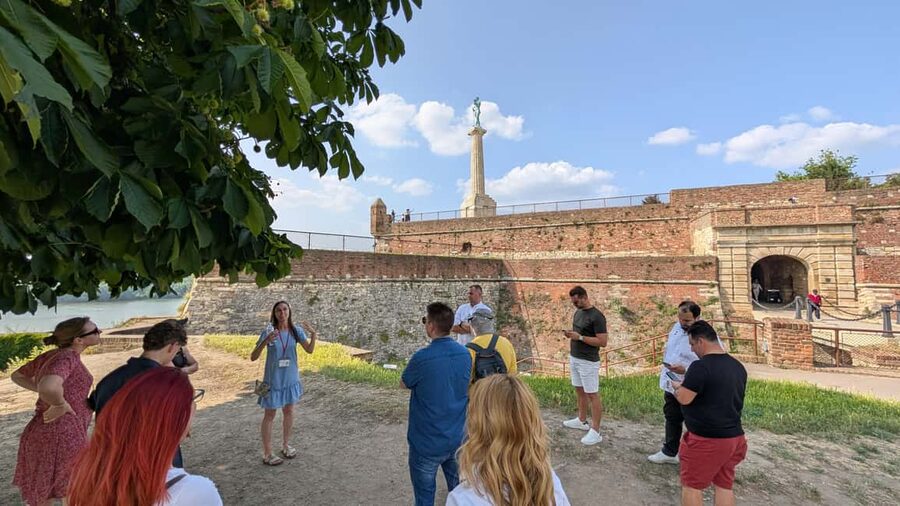
Belgrade Fortress is the main historical prize of the walk. You see the walls, gates, views, and military setting while your guide explains the repeated struggle for control of the city. The tour includes a photo stop and guided sightseeing, and it passes the Military Museum.
Do not expect a full museum visit unless the guide and timing specifically allow it. The Military Museum is encountered as part of the fortress route, while much of the value comes from understanding the wider site. The fortifications make military history physical. You can see why high ground and river access made this location so important.
The views are another reason to pay attention here. From the fortress area, you can look toward the rivers and the broader city. This is one of the places where a guide’s explanation adds real value. Without context, you see old stone and a nice outlook. With context, you understand the strategic problem that shaped Belgrade for centuries.
The fortress section may feel too short if military history is your main interest. Three hours must also cover the center, Skadarlija, churches, and monuments. If you want a detailed study of every gate, battle, or museum display, plan a separate return visit.
Ružica Church and the Monument to France
Ružica Church is a particularly appealing stop. The small church is described as dating from the 15th century, and the visit gives the fortress area a spiritual and human dimension. After hearing about armies and empires, you enter a place tied to worship, memory, and endurance.
The church stop lasts about 15 minutes, including a photo opportunity and explanation. That is enough for an introduction, though not a long examination of every detail. Dress and behave respectfully as you would in any active religious building.
The route ends its sightseeing near the Monument of Gratitude to France. This monument adds a reminder that Serbian history is tied not only to regional powers but also to international alliances and friendships. It is a fitting final stop before the walk finishes at Rajićeva Shopping Center.
Ending near Rajićeva is convenient. You are back in the central area, with options for food, shopping, or continuing on foot. The end point also makes it easy to compare what you learned with the city you are now seeing around you.
What the guides do best
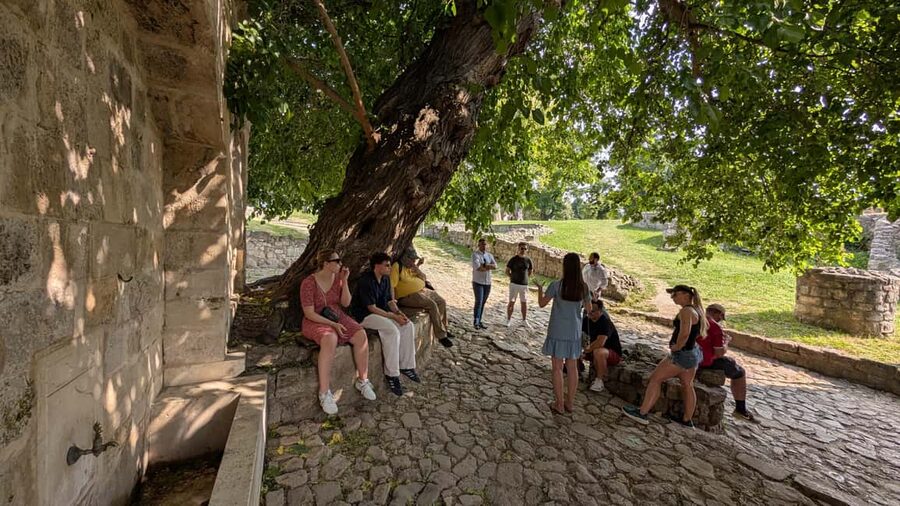
The strongest feature of this tour is the guide. Names appearing in the guide team include Marija, Pedja, Jovana, Aleksandar, Tibi, Tibor, Predrag, Andjelka, and Tibi. Your assigned guide will depend on the departure, but the pattern is clear: the experience depends heavily on who leads your group.
Marija is repeatedly praised for explaining Serbia’s complicated past and current situation in simple, balanced language. She is also described as funny, open to questions, and able to connect religion, politics, social issues, and everyday life. Aleksandar is praised for making the history of Serbia and Yugoslavia easy to understand. Pedja is noted for patience, local advice, and care with families.
Tibi and Tibor are praised for personal stories, clear communication, and the ability to make a long historical story both educational and enjoyable. Andjelka is described as a lively storyteller who uses irony and humor without losing the historical detail.
That does not mean every guide will use the same style. Some may focus more on politics, others on architecture, local customs, or stories about people connected with Belgrade. I would use the question time well. Ask for restaurant and museum ideas, clarification on Yugoslavia, or an explanation of a building you pass later in the trip.
Price, pace, and practical comfort
At $35 per person, this is good value if you want a live introduction rather than a self-guided route. You are paying for three hours of a guide’s time, a carefully connected central walk, and access to local explanation that is difficult to get from a quick guidebook paragraph.
The value is strongest for a first visit. You can learn the basic shape of Belgrade, identify places to revisit, and ask questions before spending money on museums or day trips. Some guides may also offer suggestions for the rest of your stay, which makes the tour more useful than a one-off list of monuments.
The walk is around 4 kilometers. That is manageable for most people who are comfortable walking, but comfortable shoes are essential. The route includes streets, park paths, old fortress areas, and likely some uneven ground. The tour is listed as wheelchair accessible, but anyone who needs specific assistance should confirm the current route and conditions before booking.
The tour is offered in English with a live guide. Free cancellation is available up to 24 hours before the start for a full refund, and you can reserve now and pay later. Those policies are useful if your travel plans are still shifting, but the main practical decision is whether you want three hours on foot in one stretch.
Who should take this Belgrade walking tour
I would choose this tour early in a Belgrade visit. It gives you a map in your head, explains the city’s major historic forces, and points you toward places worth returning to. It is especially useful if Serbian or Yugoslav history is new to you.
It also suits people who enjoy asking questions. The route is not just a lecture. The best experience comes when you speak up about subjects that confuse you, including borders, religion, the 1990s, daily customs, or the relationship between Serbia and the wider Balkans.
Families can manage it if children are used to walking. A guide has been praised for being patient with a two-year-old and allowing extra time, but a three-hour route remains a long outing for very young children. Couples, solo visitors, and small groups interested in history will likely get the most from the pace.
I would not choose it as your only Belgrade activity if you want detailed museum time, a long meal in Skadarlija, or an in-depth fortress study. Think of it as the city’s opening chapter. You will leave with enough context to explore the next chapters on your own.
Should you book it?
Book this Serbian history walking tour if you want Belgrade explained by a local guide rather than simply photographed. The route covers central streets, Skadarlija, Saint Michael’s Church, Kalemegdan, the fortress, Ružica Church, and the Monument of Gratitude to France, all for $35.
The main reason to book is the quality of the explanation. Guides such as Marija, Pedja, Jovana, Aleksandar, and Tibi are praised for making difficult history clear, human, and sometimes funny. The main reason to hesitate is the limited time. Three hours gives you a strong foundation, not a complete education.
For a first morning or afternoon in Belgrade, I think it is a sensible buy. Put on good shoes, bring water, and arrive ready to ask direct questions.
FAQ
How long is the Serbian history walking tour?
The tour lasts 3 hours.
How far do you walk?
The route covers around 4 kilometers on foot.
Where does the tour begin?
The meeting point is Terazije Square, next to the fountain.
Where does the tour finish?
The tour finishes at Rajićeva Shopping Center.
What language is the tour in?
The live tour guide speaks English.
Is the tour wheelchair accessible?
The activity is listed as wheelchair accessible.
What should I bring?
Bring comfortable shoes suitable for a walk of about 4 kilometers.
Newest history tours we have reviewed in the world
- Bilbao Historical Tour in small group★ 4.7 · 52 reviews
- Bologna: Street Food Tour in the Historic Center★ 4.8 · 125 reviews
- CEBU: Cebu City Heritage and Uphill Guided Tour★ 4.2 · 31 reviews
- Bishkek : City Tour (History, Architects, Statues & Culture)★ 4.9 · 54 reviews
- Blenheim: Omaka Aviation Heritage Centre Admission Ticket★ 4.9 · 31 reviews
- Berlin: Nazi History Walking Tour★ 4.8 · 33 reviews
- Best of Baku: 4-Hour City Tour Historic and Modern Landmarks★ 4.7 · 63 reviews
- Belfast: Best of Belfast History, Culture & Art Walking Tour★ 4.9 · 158 reviews
History Walking Tours, compared.
History and Hauntings of Salem Guided Walking Tour
Read our review →

Freedom Trail History Small Group Walking Tour
Read our review →
Historic Charleston Guided Sightseeing Walking Tour
Read our review →
Tapas Walking Tour with Food, Wine, and History
Read our review →
Savannah History and Haunts Candlelit Ghost Walking Tour
Read our review →
A History of Terror – Belfast City Centre Walking Tour
Read our review →Browse the lists this tour appears in