
Review · UK HISTORY TOURS
A History of Terror – Belfast City Centre Walking Tour
Belfast’s past is written into ordinary streets. This 2.5-hour walking tour moves from City Hall to the River Lagan, showing how shopping streets, bars, police stations, and public spaces were caught up in The Troubles. It puts political events beside personal stories, which is what makes the subject easier to grasp.
I like the clear route and the use of headsets, especially with a group of up to 25 people. I also like the effort to present both British and Irish viewpoints, while guides such as James, Mylie, Anne, and Róisín add personal memories and strong storytelling. The main consideration is the subject matter: some stops concern bombings and deaths, and the tour involves more standing and listening than its walking-tour label may suggest.
Key details before you book
- The tour covers 1.5 miles on flat streets, with no hills or steps in Belfast city centre.
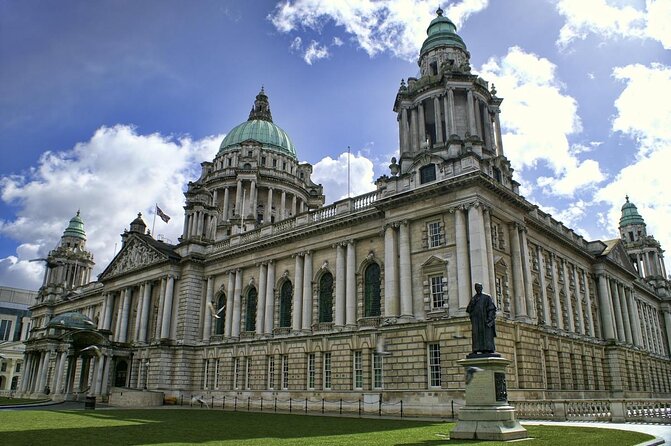
- The story begins at Belfast City Hall, then moves through Donegall Place, Castle Lane, the Cathedral Quarter, Ann Street, and the waterfront.
- The focus is The Troubles, including how the conflict began, how Belfast was policed, and how peace developed.
- Headsets make the guide easier to hear, though one past experience shows that equipment problems can affect the day.
- The ending at the Beacon of Hope is practical, just a five-minute walk from City Hall.
- The price is $36.06 per person, a fair rate if you want a serious history lesson and city orientation in one outing.
Why this Belfast walking tour matters
Many city tours point out attractive buildings and leave the difficult parts vague. This one takes the opposite approach. It uses central Belfast as a classroom, showing you where violence affected daily life and how those same streets have changed.
The tour does not focus only on dates or political labels. You hear about nightclubs, shopping areas, pubs, police stations, and the way people moved through the city during the worst years. That ordinary detail helps you understand The Troubles as a lived experience rather than a remote political dispute.
The guide also places the conflict in a longer story. At City Hall, you get the background to the centuries-old relationship between Britain and Ireland, followed by an explanation of why violence escalated in the late 1960s. That opening matters. Without it, the later stops could feel like a string of tragic incidents without a clear connection.
The tone is serious but not designed to shock you. Several guides have been praised for presenting both sides without pushing a political conclusion. Some guides also lived through the period themselves, giving the history a human scale. The best moments come when political events are tied to the experiences of individuals and families.
More History Walking Tours in the UK
- Edinburgh: Old Town History and Tales Walking Tour
★ 4.8 · 2,361 reviews - Old Town Walking Tour History and Tales in Edinburgh
★ 5.0 · 2,168 reviews - Shadows of York: Ghost Walk and Horrible History.
★ 5.0 · 1,403 reviews
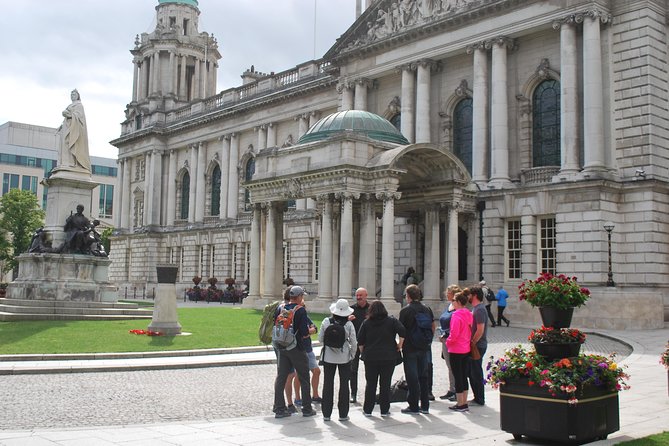
Starting at Belfast City Hall
Meet at 10:30 a.m. in the grounds of Belfast City Hall, at Donegall Square North. This is an easy central meeting point, close to public transport and surrounded by familiar city landmarks.
The first 20 minutes set the groundwork. Your guide explains the long relationship between British and Irish communities and outlines the causes of The Troubles. You should pay close attention here, even if you already know the basic story, because the rest of the walk depends on this framework.
This opening is also a useful test of the guide’s style. Guides including James, Mylie, Anne, Chris, Róisín, and Rorey have led this experience. The individual approach can vary, but the strongest guides use personal memories and clear explanations rather than turning the subject into a lecture.
Expect to stand in the City Hall grounds while listening. There is no admission charge, and the tour does not enter the building as part of this route. Bring a waterproof jacket if the forecast looks uncertain. Belfast weather can change quickly, and the tour goes ahead in normal wet conditions.
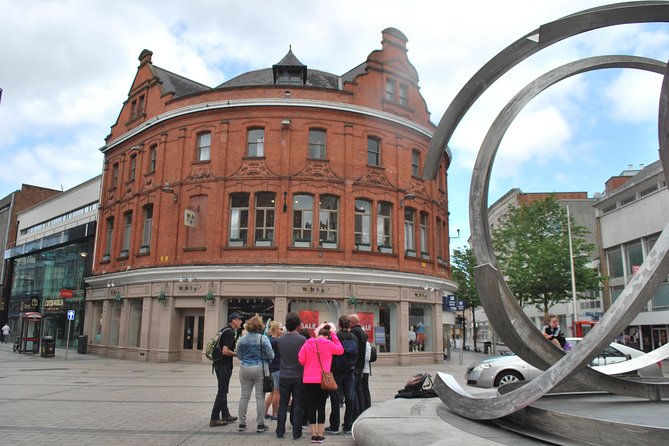
Donegall Place and the city behind the shop windows
The next stop takes about 15 minutes at Donegall Place. Today it is a main shopping street, but the guide explains the nightclub bombing here in 1971, the deaths and injuries that followed, and the introduction of the security system known as the Ring of Steel.
This is one of the tour’s useful habits: it shows you how a place can look completely ordinary while carrying a painful past. You might otherwise walk along the street thinking only about shops and traffic. The story changes how you read the centre of Belfast.
The stop also helps explain the security measures that shaped everyday life. The Ring of Steel was not just a military phrase. It affected how people entered the city, how streets were controlled, and how normal movement felt during the conflict.
You will spend about 15 minutes listening rather than walking. The distance between stops is short, so comfortable shoes matter more for general ease than for strenuous exercise.
Castle Lane and the cost of normal life
At Castle Lane, the tour remains in the pedestrian centre. The guide describes what life was like during the height of The Troubles and discusses an event that remains strongly remembered in Belfast.
This stop is less about a grand monument and more about contrast. You are surrounded by a busy public area, yet the story turns to fear, loss, and the routines people developed to cope with danger. That contrast is one of the most effective features of the route.
The experience can be emotional here. The subject is not softened, but the guide’s role is to provide context rather than turn suffering into entertainment. If you prefer light sightseeing, this will feel heavy. If you want to understand how political violence affected everyday life, it is an important part of the morning.
Same streets, a different century:
- London Small Group Tour of Historical Pubs
★ 5.0 · 10,422 reviews - Edinburgh: Edinburgh Castle Guided History Tour with Tickets
★ 4.8 · 9,933 reviews - Edinburgh: Whisky Tasting with History and Storytelling
★ 4.9 · 2,451 reviews - Soho Music & Historic Pubs Tour
★ 5.0 · 1,993 reviews
The Spirit of Belfast and the turn toward violence
The Spirit of Belfast is a public artwork often called the Onion Rings. It represents resilience, but the tour uses the area to discuss events that began in a nearby bar in 1971.
This 15-minute stop explains how a series of incidents helped push Northern Ireland into a rapidly worsening period of violence. The location is especially effective because the artwork looks forward, while the story looks back to one of Belfast’s darkest periods.
The guide does not treat the sculpture as a simple symbol of triumph. Instead, you consider what resilience means after years of violence, grief, and division. That makes the stop more than a quick photo opportunity.
The commentary can be difficult, particularly when the guide names victims or describes the human results of political decisions. The tour’s strongest guides handle these details with care and restraint.
The Cathedral Quarter after the conflict
The walk then reaches the Cathedral Quarter, where you spend roughly 20 minutes. This district is now known for street art, cultural venues, bars, and nightlife. Your guide explains major events from The Troubles and the early steps toward peace.
The area gives you one of the clearest examples of Belfast’s change. Today’s regenerated lanes can feel relaxed and social. During the tour, you are asked to picture how different the city felt in the 1970s, then consider the slow process that allowed this part of Belfast to develop.
This stop is also a good reason to take the tour early in your visit. You can return to the Cathedral Quarter later for food or a drink, with a better sense of what lies beneath its current appearance.
The pace is steady but not rushed. You walk short sections, stop to listen, and continue through the district. The official route covers about 1.5 miles in total, but the time is shaped by storytelling, not by distance. One practical point is worth knowing: this is not a continuous stroll with commentary on the move. You will often pause in public spaces.
Ann Street, policing, and the border question
At Ann Street, beside Belfast’s largest police station, the guide explains how Northern Ireland was policed during The Troubles and how policing changed after the peace agreement.
This is a useful part of the tour because it adds another layer to the conflict. The story is not only about attacks and political groups. It is also about security, public trust, law enforcement, and the experience of moving through a city under heavy protection.
The guide also discusses the possible effect of Brexit on the border. This brings the story into the present without pretending that the past is fully settled. For anyone trying to understand why Northern Ireland remains politically sensitive, this connection is valuable.
You spend about 15 minutes at the stop. It can be one of the more political sections, so listen for distinctions between historical facts, political positions, and the guide’s explanation of current concerns.
Finishing beside the Beacon of Hope
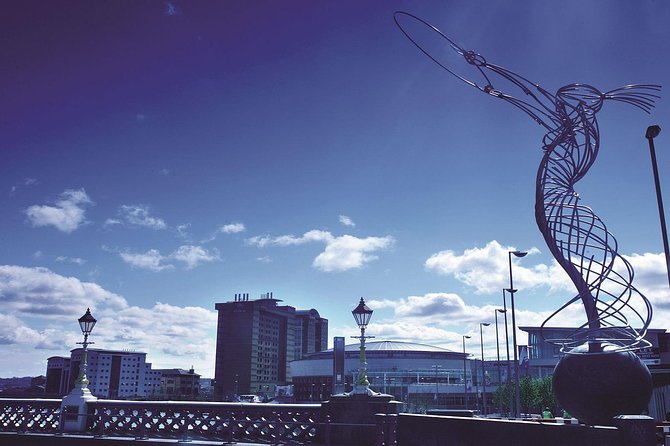
The final 20 minutes take place beside the River Lagan at the Beacon of Hope on Oxford Street. The artwork represents resilience and regeneration, making it a fitting place to compare Belfast today with one of its darkest periods.
The guide explains how the peace was reached, why it remains fragile, and what the future may hold. This ending avoids a tidy happy-ever-after message. Belfast has changed greatly, but the tour leaves you aware that peace requires care and that political questions are still active.
From the Beacon of Hope, you can walk back to City Hall in about five minutes. That makes the finish convenient if you left luggage nearby or want to continue sightseeing in the city centre.
Ending at the waterfront also gives the tour a change of pace. Much of the route deals with violence and security. The final stop lets you think about rebuilding, public space, and the way a city presents itself after conflict.
Guide quality and the use of headsets
The guide is the heart of this experience. The strongest accounts describe guides such as James, Mylie, Anne, Róisín, and Rorey as clear, engaging, personal, and careful with a sensitive subject.
Mylie has been praised for connecting Belfast’s past with its present and for presenting more than one side of the story. Anne and Róisín have drawn particular praise for sharing memories of growing up during The Troubles. James is known for an energetic style and strong command of the subject. These details matter because the same route can feel flat with a weak guide and memorable with a good one.
Headsets are included so you can hear the commentary clearly while standing in a group. This is a real benefit on busy streets or when the guide is speaking to people spread out along a pavement.
Still, technology can fail. One past tour had a speaker problem halfway through, and the guide did not have a backup. If you cannot hear, say so at once and move closer. The group limit is 25, which is reasonable for a city walk, but you may still need to position yourself near the guide at busy stops.
The tour has a five-star rating from 2,882 ratings and is recommended by 99 percent of participants. Those numbers suggest a consistently strong experience, but the equipment issue is a fair reminder to judge the day by the guide and the subject, not only by the headset.
Price, pace, and who will enjoy it
At $36.06 per person, this is not the cheapest way to see Belfast, but it offers more than a basic orientation walk. You receive 2.5 hours of guided history, a route through several central districts, personal context, and a useful introduction to current political questions.
I consider the price good value if you would otherwise spend hours trying to understand The Troubles through separate museums, books, and online research. You get a connected explanation while seeing the actual streets involved.
The tour suits adults and children aged 12 or older who can handle serious material. It is not a family entertainment activity, and younger children may find the stories upsetting. The route is flat, has no hills or steps, and most people can take part, but you should wear comfortable shoes because there is a moderate amount of walking and standing.
It also works well as one of your first Belfast activities. You finish close to City Hall and the waterfront, with a better sense of the city’s layout and a list of places to revisit.
Book at least a few weeks ahead if your dates are fixed. The experience is booked an average of 24 days in advance, which suggests that popular dates can fill. You can cancel for a full refund up to 24 hours before the start time. If poor weather causes the operator to cancel, you are offered another date or a full refund.
Should you book A History of Terror?
Book this tour if you want a serious, balanced introduction to Belfast and The Troubles, especially if you value personal stories and clear political context. The route is easy, the ending is convenient, and the guides often bring genuine feeling to places that can otherwise look like ordinary city streets.
Skip it if you want a light city stroll, dislike standing in one place, or would rather avoid accounts of bombings and loss of life. For most visitors interested in Belfast’s modern identity, though, this is a worthwhile use of one morning. It gives you the background to understand the city before you explore it on your own.
FAQ
Where does the tour start?
It starts at Belfast City Hall, at Donegall Square North, Belfast BT1 5GS. The start time is 10:30 a.m.
Where does the tour finish?
The tour ends at the Beacon of Hope on Oxford Street, Belfast BT1 3NB, beside the River Lagan. It is about a five-minute walk back to City Hall.
How long is the tour?
The tour lasts approximately 2 hours and 30 minutes and covers about 1.5 miles.
Is the route difficult?
Belfast city centre is completely flat, with no hills or steps on the route. Comfortable footwear is recommended because the tour includes walking and standing.
Is the tour suitable for children?
The minimum age is 12. The subject includes violence, bombings, deaths, and the political conflict known as The Troubles.
What happens if it rains?
The tour operates in normal weather conditions, so you should dress for the forecast. A waterproof jacket is recommended, and if the operator cancels because of poor weather, you can choose another date or receive a full refund.
Newest history tours we have reviewed in the UK
- Belfast: Best of Belfast History, Culture & Art Walking Tour★ 4.9 · 158 reviews
- Belfast Walking Tour with a Local – History & Craic★ 4.9 · 130 reviews
- Belfast: Peacewall and Political History Black Taxi Cab Tour★ 5.0 · 60 reviews
- Bath : 2 Hour Historic Walking Tour With An App★ 3.6 · 19 reviews
- London: Private Landmark Tour with Professional Photographer★ 4.7 · 91 reviews
- American Heritage in London 4 Hour Private Tour in a Black Cab★ 5.0 · 64 reviews
- Private Rock n Roll History Tour of London in an Iconic Black Cab★ 5.0 · 65 reviews
- London: Medieval History Walking Tour from The Tower★ 4.9 · 318 reviews
History Walking Tours, compared.
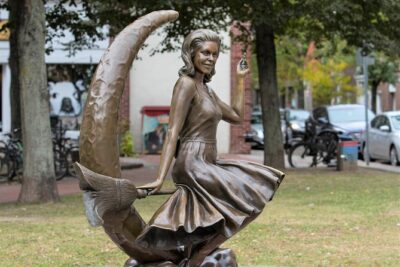
History and Hauntings of Salem Guided Walking Tour
Read our review →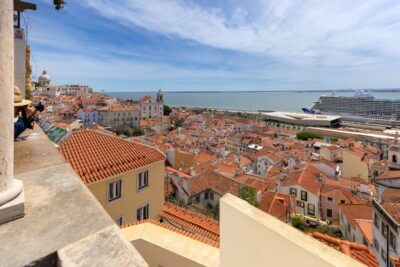
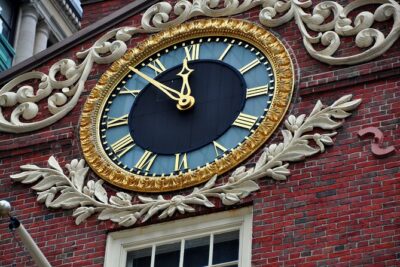
Freedom Trail History Small Group Walking Tour
Read our review →
Historic Charleston Guided Sightseeing Walking Tour
Read our review →
Tapas Walking Tour with Food, Wine, and History
Read our review →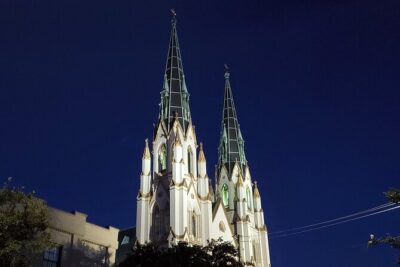
Savannah History and Haunts Candlelit Ghost Walking Tour
Read our review →
New Orleans Garden District History Walking Tour
Read our review →Browse the lists this tour appears in